Blog

What are the Taxes and Costs of Selling a House in France
What are the Taxes and Costs of Selling a House in France? If you're thinking about parting ways with your French property, it’s essential to know what you’re getting into financially. For starters, there’s the notable plus-value tax on capital gains that kicks in if your house has appreciated in value since you bought it. Depending on how long you’ve owned the property, this tax can range from 19% to a staggering 36.2% when you factor in additional social charges. Imagine selling your charming Parisian flat for a nice profit, only to see a significant chunk of it go straight to the taxman!
What are the Taxes and Costs of Selling a House in Portugal
What are the Taxes and Costs of Selling a House in Portugal? Let’s dive right into it! First off, if you’re selling a property in Portugal, you’ll need to navigate a few taxes that can take a bite out of your profits. For example, there’s the Capital Gains Tax, which kicks in if you’ve sold your property for more than you bought it. The tax rate can vary, generally sitting at around 28% for non-residents. But don’t forget, if you’re a resident, you might benefit from some deductions, like any renovations done to the property!

What are the Taxes and Costs of Selling a House in Spain
What are the Taxes and Costs of Selling a House in Spain? If you’re thinking about cashing in on your sunny Spanish property, it’s essential to know what you're getting into. When you sell, you're looking at several fees and taxes that can take a bite out of your profits. For starters, there's the Plusvalía tax, which varies widely depending on your municipality but can range from hundreds to thousands of euros, based on the increase in the property's value since you bought it. You might also need to pay Capital Gains Tax on any profit, which can hit up to 24% for non-residents.
What are the Taxes and Costs of Selling a House in United Kingdom
What are the Taxes and Costs of Selling a House in United Kingdom? If you're thinking of putting your home on the market, brace yourself for a few financial surprises along the way. For starters, you might need to budget for an estate agent's commission, which can range from 1% to 3% of the final sale price. So, if your home sells for £300,000, you could be shelling out anywhere from £3,000 to £9,000 just for that service. And don’t forget about the cost of getting an Energy Performance Certificate (EPC) – that’ll run you about £60 to £120, but it’s a must-have before you can sell.
What are the Taxes and Costs of Selling a House in United States
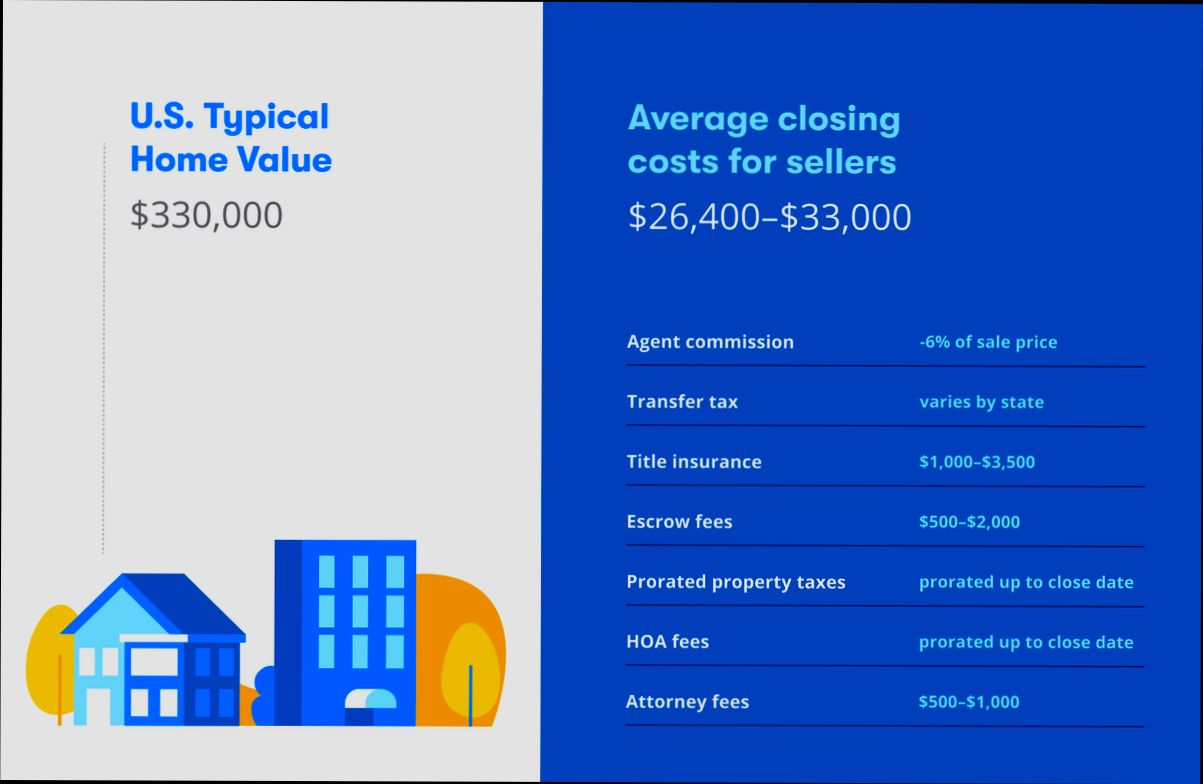
What are the taxes and costs of selling a house in the United States? Selling a house isn’t just about finding a buyer and handing over the keys; it also involves navigating a maze of financial obligations. For starters, you might be looking at capital gains taxes if your home appreciates significantly. In 2021, the National Association of Realtors reported that the median home price jumped to about $347,500, meaning sellers could face hefty tax bills if they sell for a nice profit—especially if the home was bought years ago for a much lower price.
What are the Taxes for Non Resident in Spain
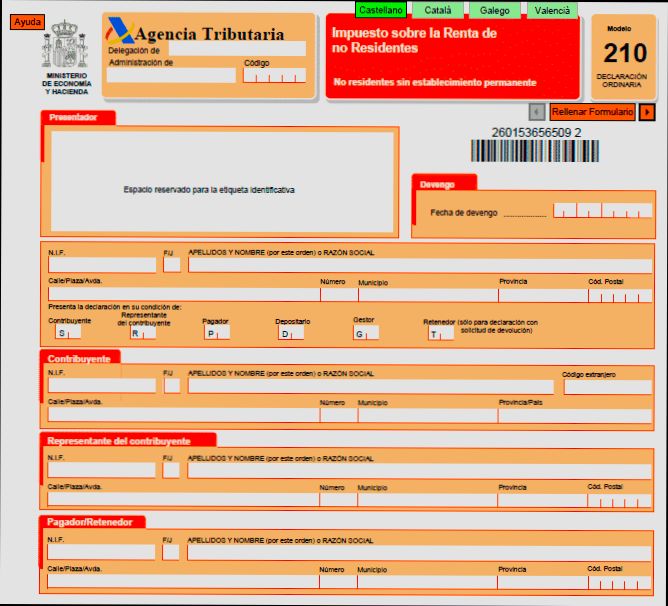
What are the Taxes for Non Residents in Spain? If you’re considering a long stay in this sun-soaked country or even just a cozy vacation home, you’ll want to be aware of the tax landscape. Non-residents usually pay a flat rate of 24% on their Spanish income, which can include rental income and any business earnings made within the country. For instance, if you rent out a holiday apartment in Barcelona and rake in €20,000 in a year, you can expect to hand over a cool €4,800 just to the taxman.
What are the Things that Landlord Cannot Do
What are the Things that Landlord Cannot Do? Let’s dive into some real nitty-gritty details that affect you as a tenant. For starters, landlords can’t just barge into your apartment whenever they feel like it. In most states, they need to give you at least 24 hours' notice before entering, except in emergencies. Imagine cooking dinner when suddenly your landlord swings the door open—no thanks! Plus, they can't retaliate against you for complaining about repairs. If you report a lack of heat in the winter and your landlord suddenly tries to evict you, that's illegal in many areas.

What Can I Do if My Landlord Enters Without Permission
What Can I Do if My Landlord Enters Without Permission? This scenario is more common than you might think—statistics show that nearly 20% of renters have experienced a landlord entering their unit without prior notice or consent. Maybe you were in the middle of a Zoom call when your landlord barged in for a scheduled maintenance check that didn't quite make it onto your calendar. Or perhaps they were just checking on something minor, but it felt invasive and disrespectful. Whatever the case, it’s essential to know you have rights in these situations.
Tags