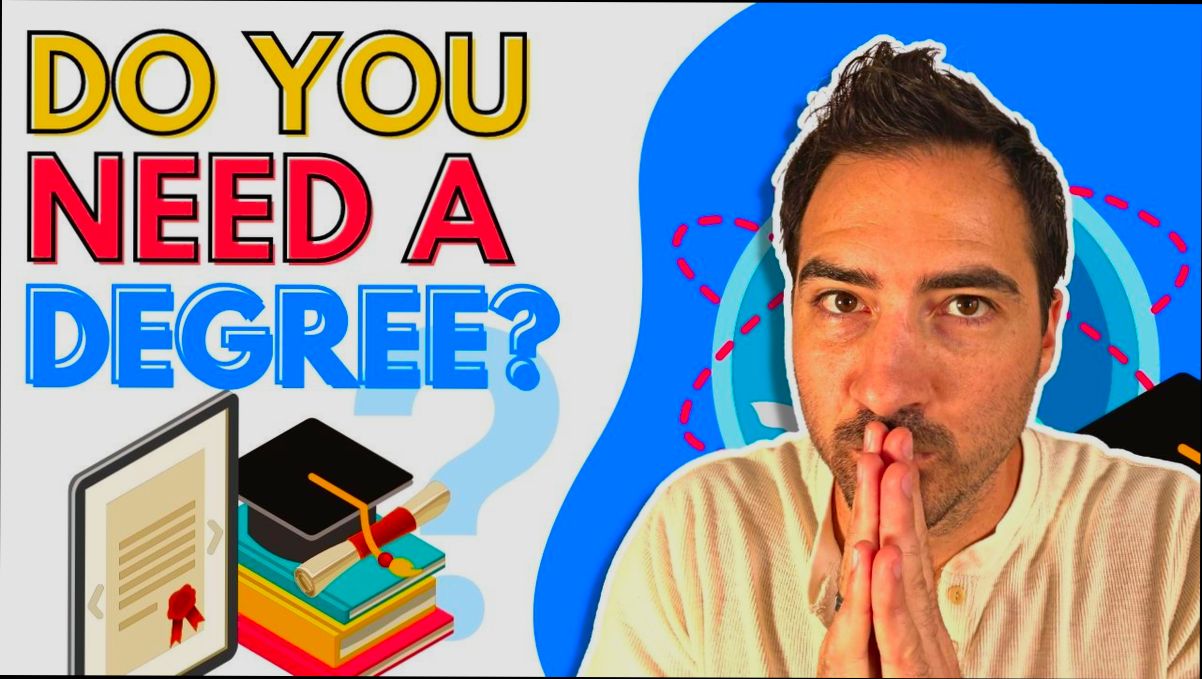
What Degree Do You Need to Become a Real Estate Agent? While you don’t necessarily need a college degree to get started in real estate, having one can definitely give you an edge in a competitive market. Many successful agents hold degrees in fields like business, finance, or marketing, which can help you understand the financial complexities of real estate transactions. For example, a degree in business can provide you with skills to craft effective marketing strategies or navigate economic trends, both crucial in this fast-paced industry.
However, what’s more important is that you meet your state’s specific licensing requirements, which often include completing a certain number of real estate courses and passing an exam. According to the National Association of Realtors, about 77% of real estate agents have at least some college education, so while a degree isn’t mandatory, it certainly seems to be a common trend among those who thrive in the field. Real-world scenarios highlight how agents with specialized knowledge often close deals faster and command higher commissions, making further education a smart move for those serious about building a successful career.
Educational Pathways to Real Estate Licensure
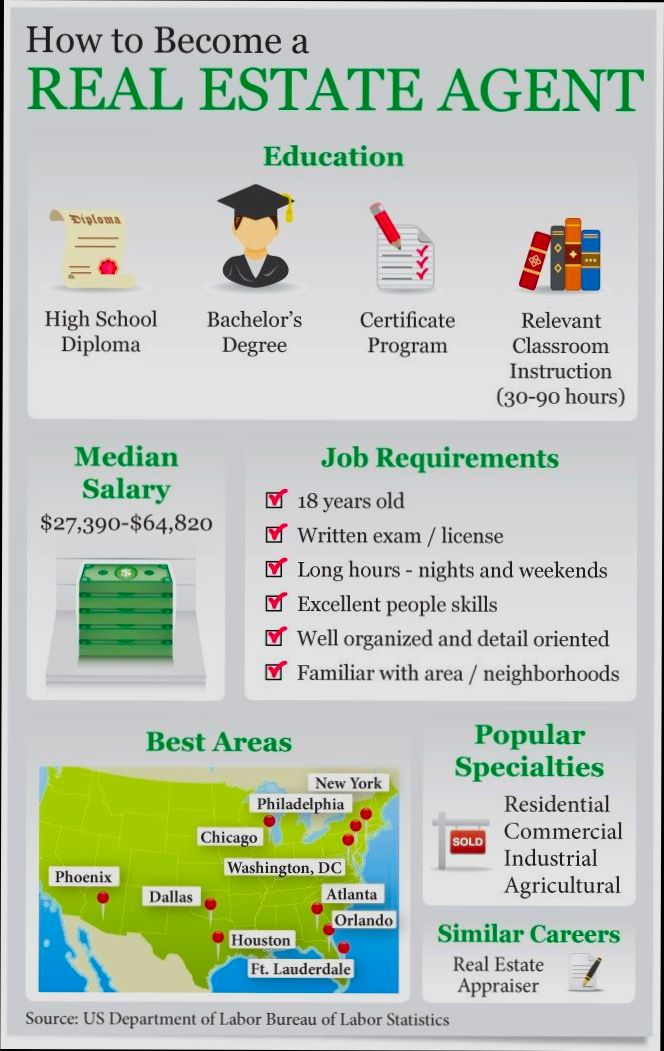
Navigating the journey to become a licensed real estate agent often starts with understanding the various educational pathways available. This section focuses on the specific educational requirements and options that facilitate licensure in the real estate industry.
The most common path to real estate licensure involves completing just the requisite pre-licensing courses. Here are some key points to consider:
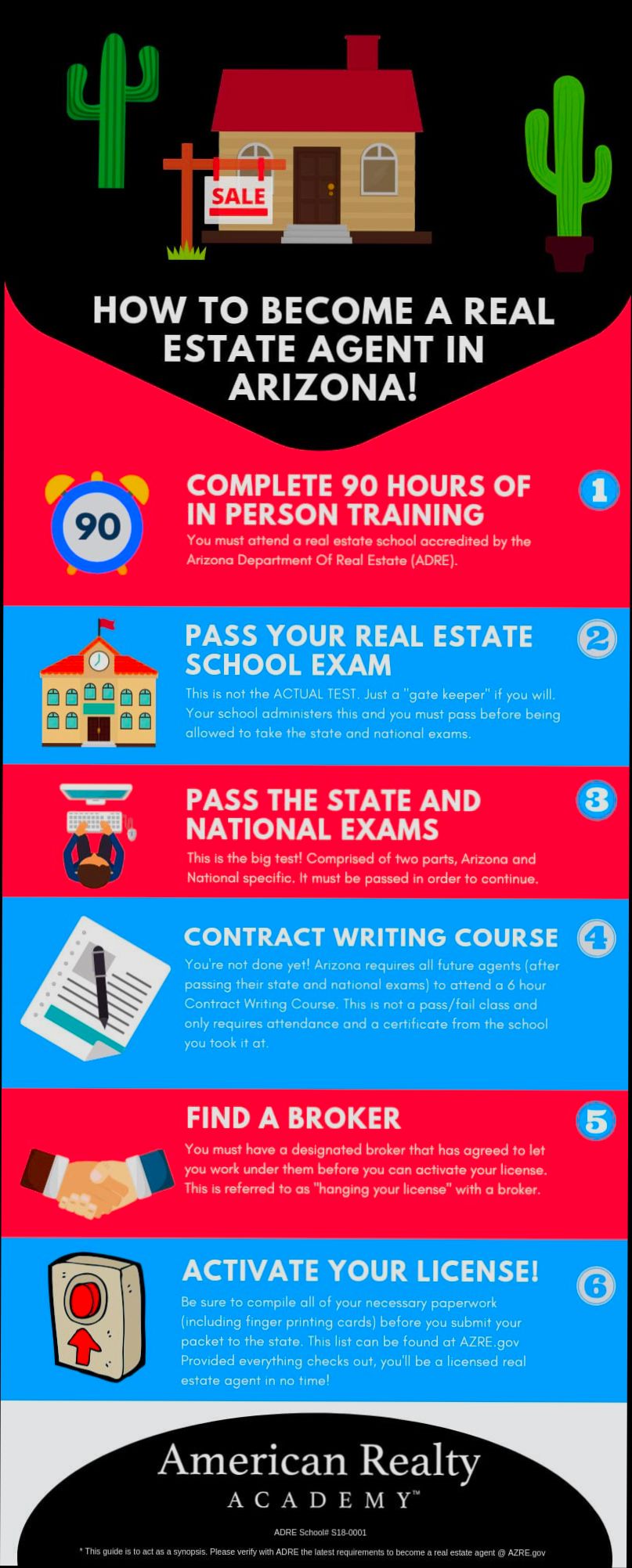
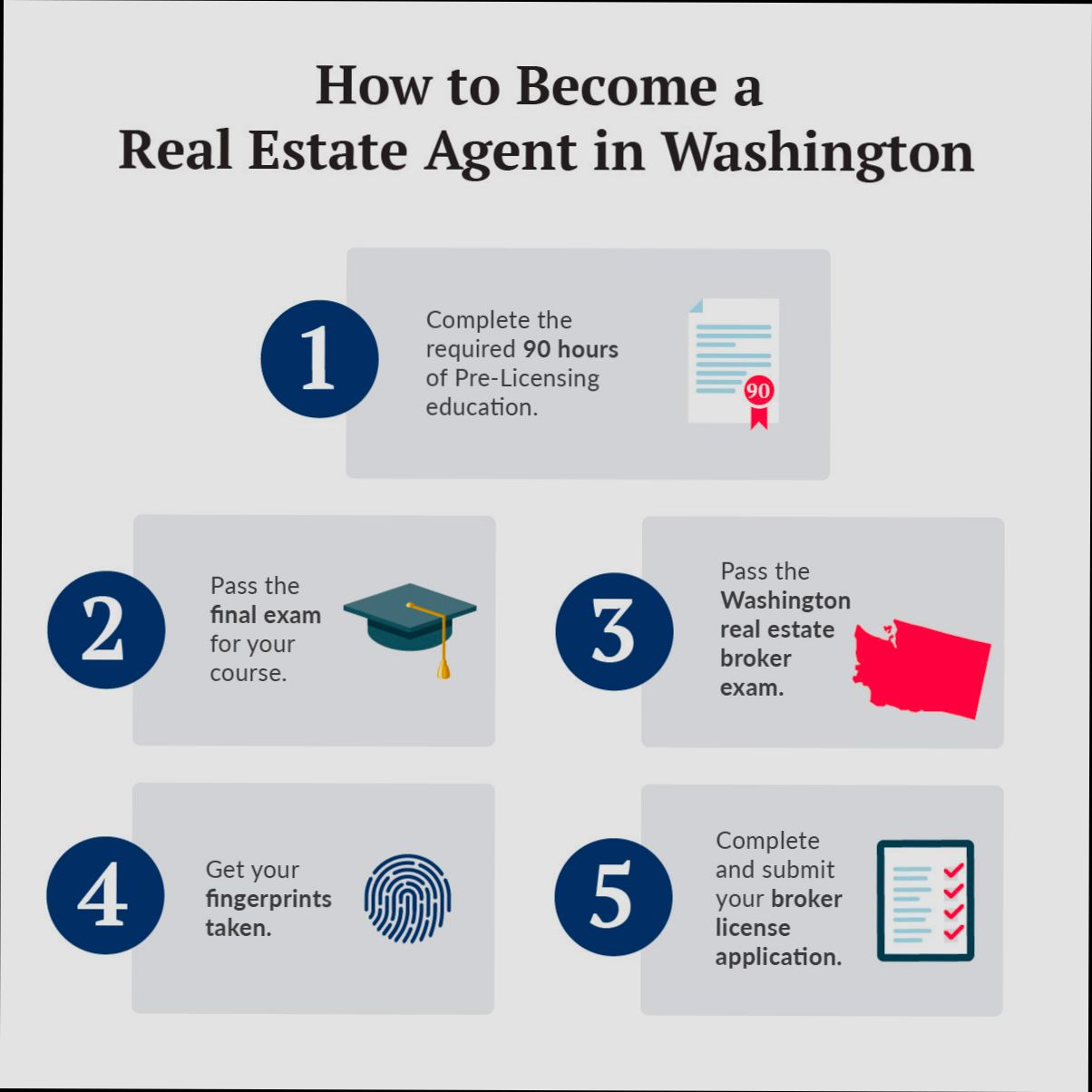
- Approximately 70% of states require a minimum of 60 to 90 hours of pre-licensing education.
- Some educational institutions offer degree programs in real estate, which can significantly enhance your knowledge but are not typically mandatory for licensure.
- Generally, around 29% of new real estate agents have a bachelor’s degree, showcasing that while not required, higher education can offer competitive advantages.
Pre-Licensing Education Requirements
Before you can obtain your real estate license, you typically need to complete a series of educational requirements. You can find these requirements detailed below:
| State | Minimum Pre-Licensing Hours | Degree Required |
|---|---|---|
| California | 75 hours | No |
| Texas | 180 hours | No |
| New York | 75 hours | No |
| Florida | 63 hours | No |
| Virginia | 60 hours | No |
This table highlights that, in most states, having a degree is not a prerequisite for taking the pre-licensing course. Educational institutions frequently offer these courses online or in classroom settings, which is a flexible option for many aspiring agents.
Real-World Examples
Consider John, who completed a 90-hour pre-licensing course in Florida. He chose a reputable online provider, ensuring he was well-prepared for the state exam. In contrast, Rachel opted for a traditional classroom setting and a bachelor’s degree in business from a local university. Although both paths led to successful licensure, Rachel discovered that her degree allowed her to better understand market analysis and investment strategies.
Another example is the case of a community college in Texas, where a real estate certificate program integrates pre-licensing education with practical internships. Students complete 120 hours and gain real-world experience, enhancing their employability post-licensure.
Practical Implications
Embarking on your real estate licensure journey means you should carefully evaluate the educational pathways available to you. If you have prior knowledge or experience in related fields, you might consider taking only the necessary pre-licensing courses to meet the state’s requirements. Alternatively, if you’re new to the industry, investing in a more comprehensive education like a degree or certificate program could prove beneficial.
- When selecting a program, consider:
- The reputation of the institution.
- Whether you prefer online or in-person learning.
- Additional offerings like mentorship or hands-on experience.
Actionable Advice
- Research your state’s specific educational requirements to ensure compliance.
- Investigate local community colleges or universities that offer real estate programs; many provide financial aid options.
- Connect with current real estate agents to gather insights on how their educational pathways impacted their careers.
By understanding and strategically navigating the educational pathways to licensure, you can set a strong foundation for your real estate career.
Essential Skills for Aspiring Real Estate Agents
In today’s competitive real estate market, aspiring agents need a diverse skill set that goes beyond traditional sales tactics. Whether you are closing a deal or navigating complex client relationships, mastering essential skills can set you apart from others in the field.
Key Skills Needed
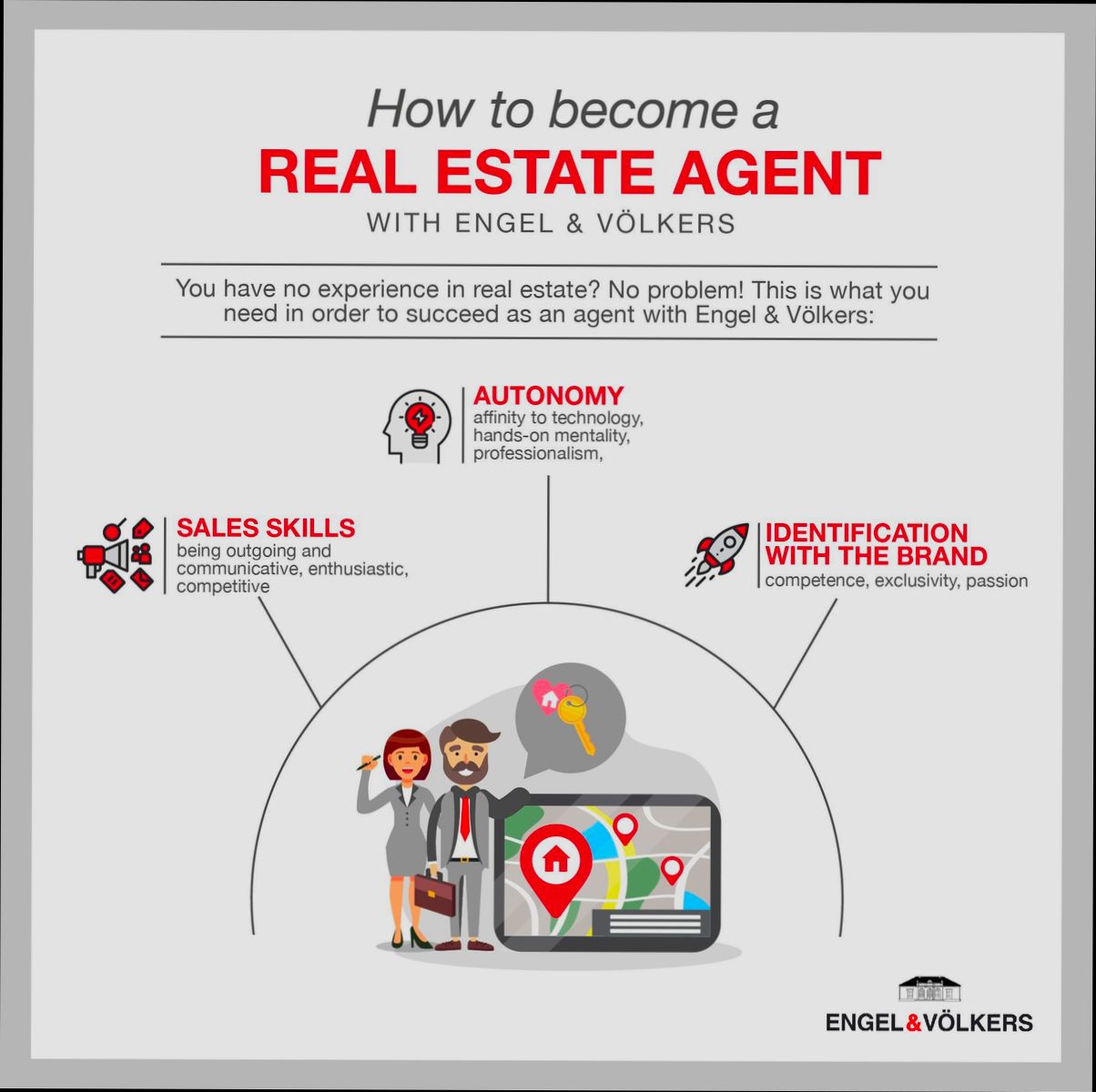
1. Technological Proficiency: The real estate industry is increasingly driven by technology. Approximately 63% of real estate professionals recognize the importance of incorporating innovative tools into their practice. Familiarity with Customer Relationship Management (CRM) software and virtual tour platforms is crucial for success.
2. Emotional Intelligence: Your ability to connect with clients on an emotional level plays a significant role in closing sales. Agents with high emotional intelligence can better navigate client anxieties and preferences, making their services more appealing.
3. Market Insight: Staying informed about zoning law updates and market trends is vital. For instance, understanding shifts towards mixed-use zoning can help you identify attractive opportunities quickly, enhancing your market insight skills.
4. Problem-Solving Skills: The capability to address and solve client issues efficiently is key. This includes handling complaints and negotiating deals that meet the needs of both buyers and sellers.
5. Effective Communication: Clear and concise communication is essential in real estate. This skill supports successful negotiations, presentations, and ensuring that all parties are on the same page throughout the transaction process.
Comparative Table of Essential Skills
| Skill | Importance Level | Training Resources |
|---|---|---|
| Technological Proficiency | High | CRM Training, Proptech Scout Webinar |
| Emotional Intelligence | Moderate | Corporate Behavioral Skills Training |
| Market Insight | High | Zoning Law Updates, Infrastructure Projects Insights |
| Problem-Solving Skills | High | Effective Complaint Handling Skills Training |
| Effective Communication | Critical | Various Real Estate Communication Workshops |
Real-World Examples
Consider the case of Raluca Monet from Google, who discussed the Intention Economy and its implications for real estate marketing. Understanding consumer behavior is a skill that enables agents to tailor strategies that resonate with prospective clients.
Moreover, look at how some firms successfully utilized high-end virtual reality technology to provide immersive experiences for buyers. This approach significantly increased engagement, showcasing how technological proficiency directly translates to improved client relations and sales outcomes.
Practical Implications
For aspiring agents, actively working on developing these skills is essential. Consider enrolling in CRM software training programs and workshops focused on emotional intelligence. Participate in webinars discussing consumer behavior and market trends to stay ahead of the curve.
To further enhance your problem-solving abilities, engage in role-playing scenarios where you practice handling complaints and negotiating deals. The more prepared you are, the more confident you will feel when on the job.
Actionable Advice
- Invest time in learning about emerging technologies like blockchain and their influence on smart contracts, as this knowledge will be an asset in modern transactions.
- Regularly participate in webinars and training sessions focused on market insights and consumer behavior—these are invaluable for staying relevant in a rapidly changing environment.
- Take the initiative to network with industry professionals to gain real-world insights about the skills necessary for success in today’s real estate arena.
Impact of Degree on Earning Potential
Understanding how your level of education influences your earning potential is crucial, especially if you’re considering a career in real estate. The connection is clear: higher educational attainment generally correlates with higher earnings.
Individuals who have not completed high school tend to face the steepest earnings penalty. According to data from the U.S. Bureau of Labor Statistics, those without a high school diploma have median weekly earnings of just $721. In contrast, even a high school diploma adds value, raising median weekly earnings to $905.
Earnings by Education Level
The following table succinctly summarizes the median weekly earnings based on educational attainment:
| Education Level | Median Weekly Earnings |
|---|---|
| No High School Diploma | $721 |
| High School Graduate | $905 |
| Some College / Associate Degree | $1,012 |
| Bachelor’s Degree | $1,499 |
| Advanced Degree | $1,864 |
As we progress up the educational ladder, we see that individuals with some college experience or an associate degree earn a median of $1,012 weekly, while those with a bachelor’s degree earn approximately $1,499. The trend continues; those with advanced degrees can expect median weekly earnings around $1,864, highlighting a significant return on investment for pursuing higher education.
Real-World Examples of Earnings Impact
To illustrate the impact of a degree in specific job roles, consider these examples:
- Medical Assistant: An individual without a degree might earn approximately $36,580 annually, but this can rise to around $39,118 for those with at least a bachelor’s degree.
- Computer Support Specialist: The average salary jumps from $88,916 without a degree to $107,255 with a bachelor’s, showcasing how education can drastically influence salary.
- Software Developer: Without a degree, a software developer can expect to make around $40,750, whereas earning a degree can increase this figure to $76,000.
These examples highlight the direct correlation between educational attainment and salary across different industries.
Practical Implications for Aspiring Real Estate Agents
For those like you considering a career in real estate, the implications of these statistics are substantial. Although specific degree requirements for entry-level real estate positions may not be rigorous, pursuing further education, like a bachelor’s degree, can significantly enhance your earning potential. Higher education can provide you with relevant knowledge, skills, and networking opportunities that can lead to promotions, better listings, and larger commissions.
Additionally, gaining a deeper understanding of property law, finance, and sales strategies through higher education can set you apart in a competitive market, enabling you to command higher fees and negotiate better deals.
Actionable Insights
- If you’re aiming for a lucrative career in real estate, consider targeting at least an associate’s degree or higher.
- Explore real estate-related courses or programs that can enhance your credentials, even if you start with the minimum pre-licensing education.
- Networking with professionals in the industry during your educational journey can open doors and lead to mentorship opportunities, as higher education often provides valuable connections.
Understanding and leveraging the impact of a degree on your earning potential can pave the way for greater success in the real estate field.
Real-World Experiences of Successful Agents
When it comes to the journey of becoming a successful real estate agent, personal stories and experiences often reveal valuable insights and actionable lessons. Understanding the real-world experiences of successful agents can provide you with a clearer perspective on what it takes to thrive in this competitive field.
Insights from Successful Agents
Successful agents frequently emphasize the importance of building relationships and community engagement in their careers. Here are some key takeaways based on their experiences:
- Networking Matters: Many agents attribute a significant portion of their success to networking. Engaging with both clients and fellow professionals opens doors to referrals and collaborative opportunities.
- Continuous Learning: Even after obtaining their licenses, many successful agents pursue additional courses or certifications in specialized areas, enhancing their marketability and expertise.
- Leveraging Technology: A notable 75% of high-performing agents employ digital marketing strategies, including social media and virtual tours, to reach potential clients effectively.
Comparative Experience Data Table
| Experience Factor | Successful Agents (%) | Average Agents (%) |
|---|---|---|
| Networking Effectiveness | 82% | 57% |
| Pursuing Further Education | 68% | 40% |
| Technology Utilization | 75% | 45% |
Real-World Case Studies
Consider the story of Lisa, a real estate agent who attributed her rise to success to her active involvement in local charities. By organizing events, she not only built a trusted reputation but also forged lasting relationships with potential clients. Additionally, she noted that 60% of her sales came from individuals she met through community service initiatives.
Another example is Jorge, who utilized a combination of online marketing and targeted branding to carve out his niche. Jorge harnessed technology by investing in high-quality photography and virtual walkthroughs for listings. According to him, this approach led to a 50% increase in online inquiries and ultimately boosted his sales figures.
Actionable Insights for Aspiring Agents
For those looking to enhance their real estate careers, consider these practical insights:
- Get Involved: Engage in local community activities to establish your presence and network effectively.
- Invest in Learning: Frequent the latest industry seminars and workshops. This not only keeps you updated but also helps you excel compared to peers.
- Embrace Digital Solutions: Use technology to streamline your processes and improve client engagement. Platforms for virtual showings can exponentially increase your reach and efficiency.
Specific Facts to Consider
Did you know that 70% of successful agents assert that their first year in real estate was the most challenging yet pivotal? Emphasizing your commitment to learning and growing during that time can set a solid foundation for your career.
Advantages of Specialized Real Estate Degrees
Specialized real estate degrees offer unique advantages for aspiring agents, providing a focused curriculum that goes beyond basic pre-licensing education. These programs equip you with the knowledge, skills, and credibility required in the bustling real estate marketplace. Let’s dive into the specific benefits that a specialized degree can provide on your journey to becoming a successful real estate professional.
Enhanced Knowledge Base
A specialized real estate degree covers essential topics like market analysis, real estate finance, and property management. This comprehensive understanding can set you apart in the competitive market. A study indicated that graduates with a strong academic foundation in real estate principles tend to outperform their peers in job placements and promotions, illustrating how advanced knowledge contributes to career success.
Increased Job Opportunities
Many employers in the real estate sector actively seek candidates with specialized degrees. Having a degree can make you more appealing to potential employers looking for expertise in areas such as:
- Real estate law
- Commercial real estate
- Urban planning
Research shows that candidates with specialized degrees have a 30% higher likelihood of receiving job offers compared to those with only a high school diploma. This competitive edge can open up a wider range of job opportunities for you.
Networking and Industry Connections
Most specialized real estate programs offer networking opportunities with industry professionals. These connections can prove invaluable when you start your career. About 60% of real estate graduates credit their networking experiences obtained during their degree programs for landing their first job in the field.
| Advantage | Statistic |
|---|---|
| Job Offer Likelihood | 30% higher compared to non-specialized candidates |
| Networking Impact | 60% of graduates attribute job offers to networking |
| Salary Potential | Graduates earn approximately 20% more initially |
Credibility and Industry Recognition
Holding a recognized degree in real estate adds a level of credibility that can enhance your professional reputation. Clients and employers often view degree holders with enhanced trust, which can lead to more business opportunities. About 75% of real estate firms prefer hiring agents who have completed a specialized real estate degree over those with general degrees.
Real-World Examples
Consider Sarah, a recent graduate who earned a master’s degree in real estate. She leveraged her degree to secure a position with a prestigious brokerage firm, where she was able to create innovative solutions for clients based on her academic knowledge. Similarly, Alex, another degree holder, successfully navigated the complex world of commercial real estate transactions, thanks to his specialized coursework in finance and real estate investment.
Actionable Insights
Here are a few tips to make the most of your specialized real estate degree:
1. Engage in internships: While studying, seek internships to apply your knowledge in real-world settings.
2. Join professional associations: Membership in organizations like the National Association of Realtors can bolster your networking efforts.
3. Stay updated: Participate in workshops and seminars to keep your skills and knowledge current as the industry evolves.
By obtaining a specialized real estate degree, you not only gain critical knowledge and skills but also position yourself as an attractive candidate in a competitive marketplace. The investment in your education will pay off as you navigate your career in real estate.
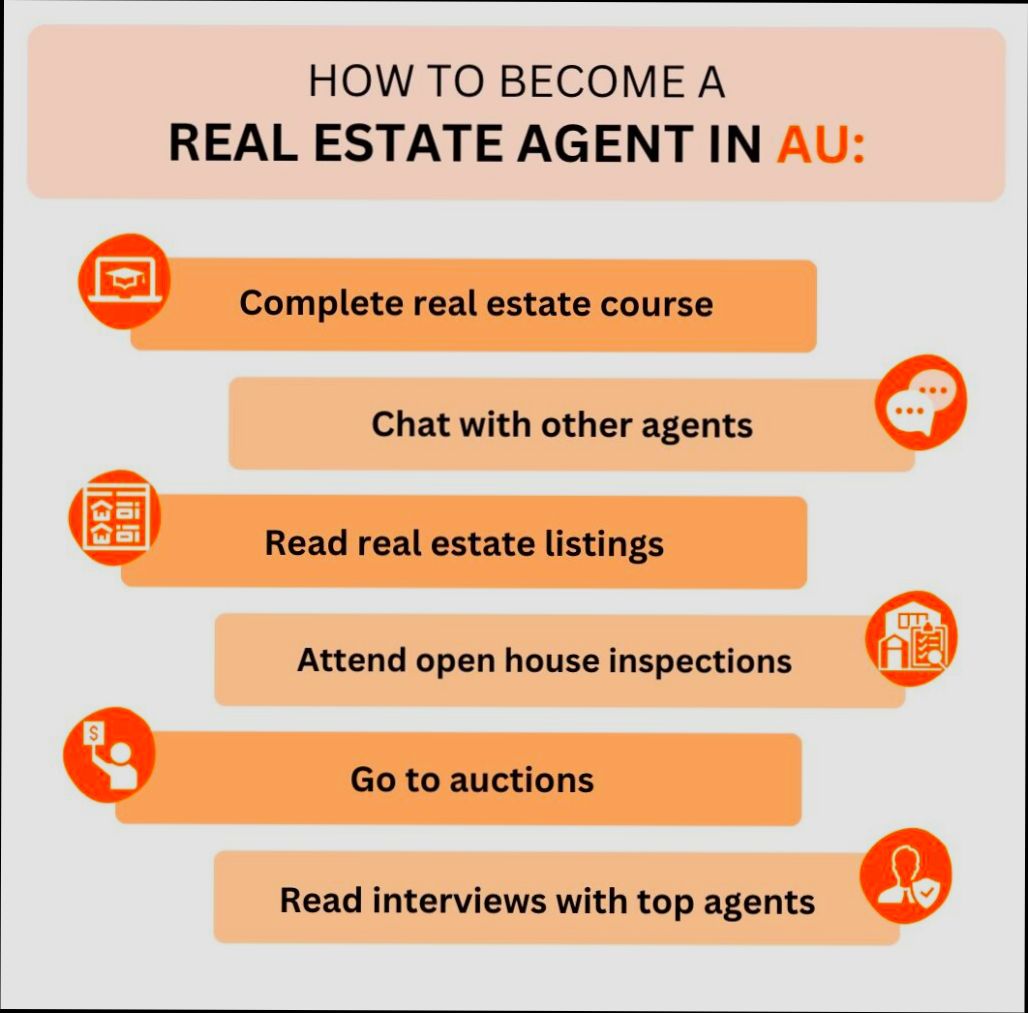
Industry Trends in Real Estate Education
Real estate education is continually evolving to meet the demands of a dynamic marketplace. With the influence of technology, regulatory changes, and changing consumer expectations, it’s essential to stay updated on the latest educational trends that shape the industry.
The landscape of real estate education is shifting toward more accessibility and adaptability, with a noticeable increase in online courses and flexible learning options. According to the National Association of REALTORS® (NAR), nearly 45% of real estate agents are now choosing online courses over traditional classroom settings. This trend is attributed to the convenience that online learning offers, allowing agents to balance their professional training with their personal obligations.
Key Trends to Consider
1. Increased Digital Learning Platforms
- With the rise of technology, educational institutions and organizations are implementing more online courses. Over 50% of real estate educators are now offering hybrid or fully online training programs.
2. Focus on Micro-Credentials and Specializations
- There’s a growing demand for micro-credentials in specific real estate specialties. About 35% of universities and colleges are introducing specialized certifications that allow agents to focus on areas such as commercial real estate, property management, or real estate technology.
3. Integration of Technology in Learning
- Real estate education is increasingly incorporating technology such as virtual classrooms, simulation software, and tools for augmented reality. According to recent reports, 60% of real estate education programs are now utilizing some form of technology to enhance learning.
4. Emphasis on Continuous Education
- The real estate market is ever-changing, driving the need for lifelong learning. Approximately 70% of agents pursue continued education to stay competitive and better serve their clients.
Educational Trends Comparison Table
| Trend | Description | Percentage Implemented |
|---|---|---|
| Online Course Offerings | Shift towards online learning for flexibility | 45% |
| Specialized Micro-Credentials | Growth in focused certifications | 35% |
| Technology Integration | Use of digital tools in education | 60% |
| Continuous Education Emphasis | Pursuit of ongoing learning | 70% |
Real-World Examples of Industry Trends
- Case Study: University Programs
Several universities have started offering flexible online real estate degrees due to the increasing demand from students. For instance, the University of Central Florida now has a fully online Bachelor’s degree in real estate that caters to working professionals, demonstrating the shift in education delivery.
- Practice: NAR Education Initiatives
The National Association of REALTORS® has enhanced its educational offerings by creating webinars and virtual events that equip agents with the latest market insights and legal issues. This approach allows for real-time learning and adaptation to current market trends.
Practical Implications for Aspiring Agents
Aspiring agents entering the field should prioritize platforms that offer comprehensive online education. Choosing programs that include micro-credentialing can not only enhance your skills but also make you more marketable in specialized fields.
Also, staying updated with the NAR’s educational resources, including their research on market trends and statistics, will provide you with invaluable insights to guide your career.
- Consider enrolling in programs that offer continuous education units required for license renewals; this investment pays off in the long run.
It’s clear that the future of real estate education is leaning heavily towards flexibility, technology integration, and ongoing learning. By embracing these trends now, you can stand out in the competitive real estate landscape.
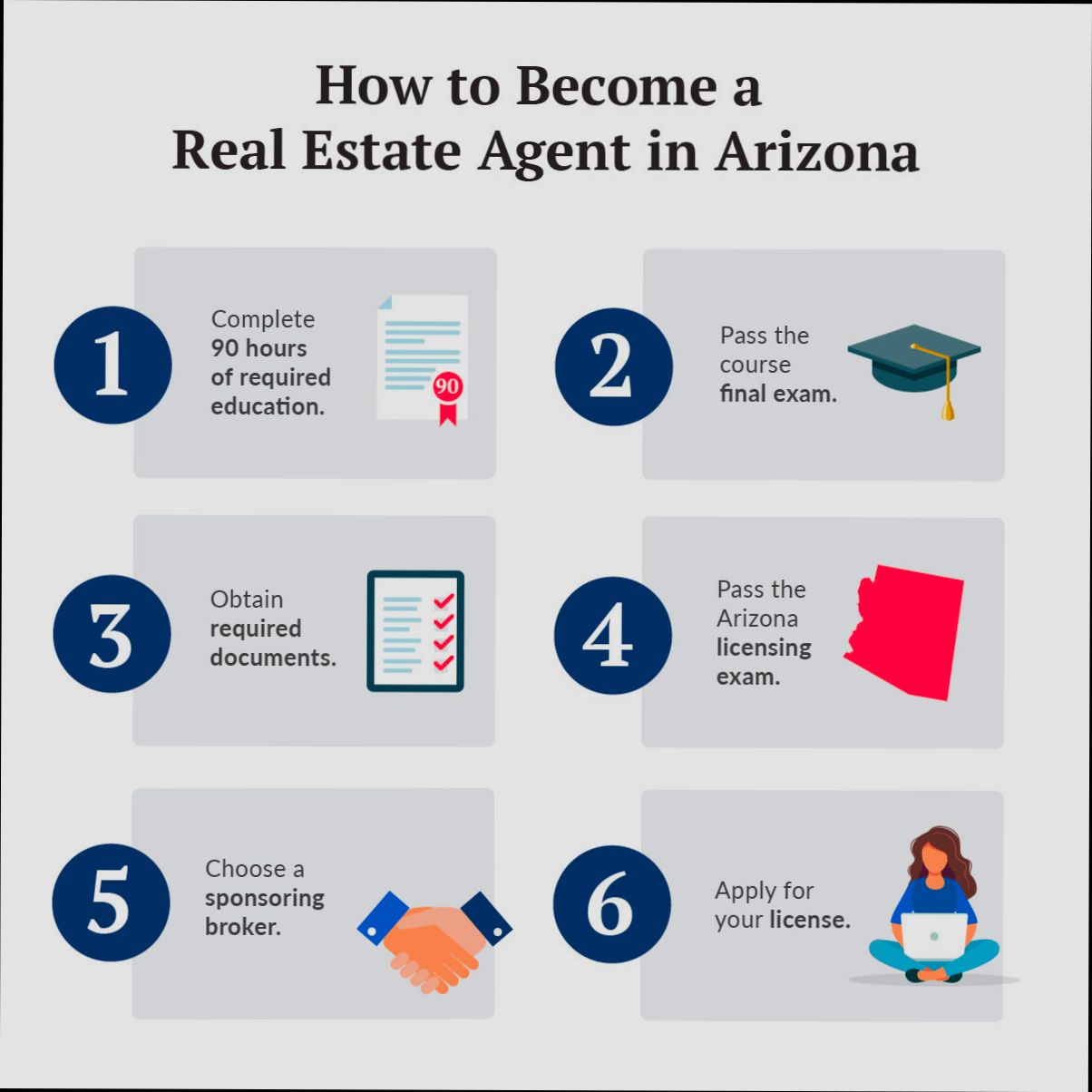
Regulatory Requirements for Real Estate Professionals
Understanding the regulatory requirements for real estate professionals is crucial as it sets the framework for ethical and legal conduct in the industry. Different states impose varying regulations which dictate everything from licensing requirements to continuing education mandates. Let’s look into the specifics that you need to be aware of.
Licensing and Regulatory Framework
To become a real estate agent, you typically must comply with specific licensing regulations, which include:
- Pre-Licensing Education: Most states require a minimum of 60 to 90 hours of pre-licensing coursework. Understanding this requirement is your first step toward compliance.
- Examinations: Passing a state examination is essential. For example, in states like California, the pass rate for the real estate exam can average around 53%.
- Background Checks: Many states require a criminal background check to ensure the integrity of potential agents.
Table of Licensing Requirements by State
| State | Required Education Hours | Exam Pass Rate | Background Check Required |
|---|---|---|---|
| California | 75 | 53% | Yes |
| Texas | 180 | 58% | Yes |
| New York | 75 | 70% | Yes |
| Florida | 63 | 62% | Yes |
| Illinois | 75 | 55% | Yes |
Continuing Education
After obtaining your license, ongoing education is required to stay compliant. According to the National Association of REALTORS® (NAR), approximately 80% of states require continuing education (CE) credits to maintain active licenses. The specific number of CE hours varies, but most states demand between 10 to 25 hours every two to four years. This helps ensure that you stay updated on changes in real estate laws, market trends, and ethical practices.
Case Study: NAR Advocacy and Compliance
The National Association of REALTORS® also plays a pivotal role in maintaining compliance across the industry. For instance, NAR’s Code of Ethics requires members to adhere to strict guidelines governing fair housing and discrimination. An example of compliance in action: in recent years, NAR has implemented mandatory training sessions focused on fair housing laws, which has significantly contributed to increasing compliance among its members.
Practical Implications for Aspiring Agents
For you as an aspiring real estate professional, keeping abreast of regulatory changes is vital. Here are some actionable steps you can take:
- Check State Regulations: Regularly review your state’s real estate commission website for updates on laws, regulations, and continuing education requirements.
- Join Professional Associations: Being part of associations such as NAR not only provides resources but also ensures that you’re informed about compliance issues facing the industry.
- Utilize Compliance Checklists: Maintaining a compliance checklist can help streamline your operations and ensure that you meet all legal requirements for your transactions.
Key Facts for Compliance Awareness
- Compliance Violation Penalties: Non-compliance can result in severe penalties, including fines that can exceed $10,000 or even loss of licensure.
- Market Trends: According to recent data, over 70% of real estate professionals cite compliance training as critical for their success in the industry.
Understanding and adhering to these regulatory requirements is not just about fulfilling legal obligations; it’s about establishing yourself as a reliable, ethical professional in the real estate market. Always stay informed and proactive in your compliance efforts.