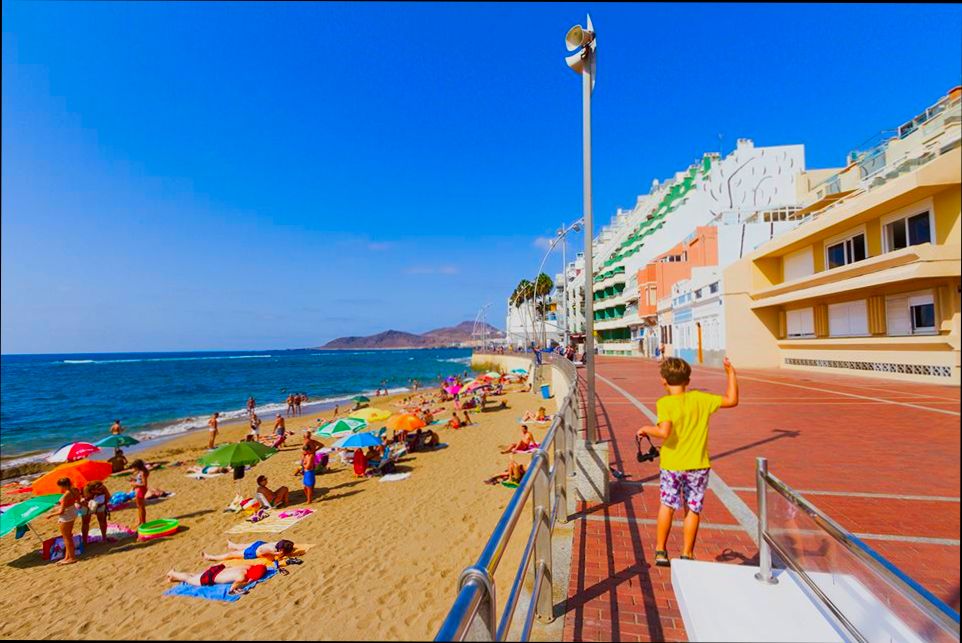
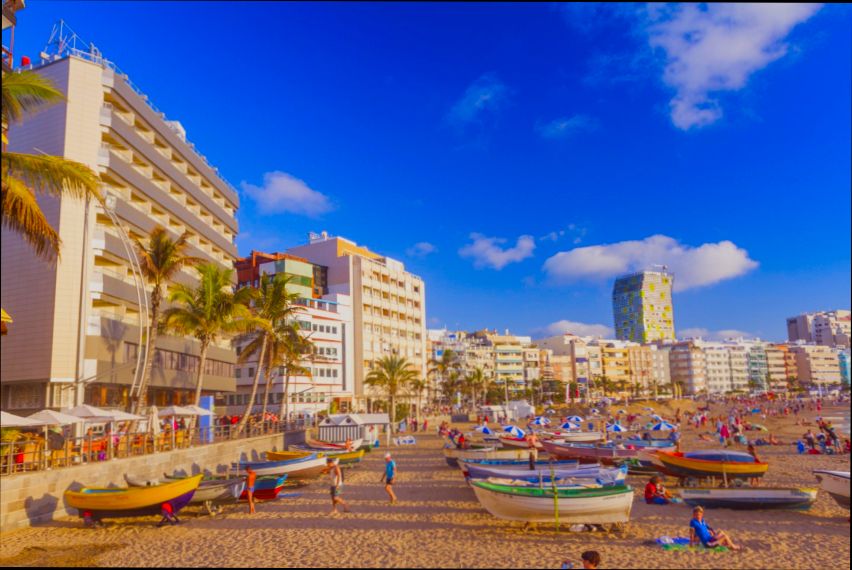
Pros and Cons of Living in Las Palmas de Gran Canaria come up often in conversations about relocation, and for good reason—this vibrant city offers a unique blend of city life and stunning natural surroundings. Imagine waking up to year-round sunshine with an average temperature of 22°C (72°F). The beautiful Las Canteras Beach is just a stone’s throw away, where you can catch waves, soak up the sun, or enjoy a vibrant beachside atmosphere. Plus, the cost of living is generally lower than in mainland Spain—groceries and dining out won’t break the bank, making it easier to enjoy life.
But it’s not all sunshine and carefree beach days. The job market can be a challenge, especially if you’re not fluent in Spanish; opportunities tend to lean heavily toward tourism and services. Public transportation is decent, but if you prefer to explore the island, a car becomes essential. And while the laid-back attitude is a draw for many, some might find the nightlife quieter compared to bigger cities like Barcelona or Madrid. So, before you pack your bags, let’s dig deeper into what living here really entails.
Cost of Living in Las Palmas
Living in Las Palmas de Gran Canaria offers a unique perspective on the cost of everyday life in an island city. With its enticing blend of Spanish culture and year-round sunshine, it’s essential to dive deeper into what you might spend if you decide to settle here.
Housing Expenses
Housing is one of the most significant expenses to consider. On average, you can expect to pay around €700 per month for a one-bedroom apartment in the city center. If you venture a bit further out, the cost drops to approximately €560.
- Renting a room in a shared apartment can save you even more, with prices around €300 to €450 depending on the location and amenities offered.
- For those interested in purchasing property, expect average prices of about €2,400 per square meter, particularly in sought-after neighborhoods.
Utilities and Internet
When it comes to utilities, the average monthly bill for electricity, heating, cooling, water, and garbage runs about €130. This number can vary based on your usage, especially during peak seasons.
- Internet is relatively affordable, with average monthly costs of around €37 for high-speed connections, providing a solid option for digital nomads or remote workers.
Grocery Costs
Grocery prices in Las Palmas are quite reasonable. Here’s a quick snapshot of some common items:
- A loaf of bread: €1.20
- A liter of milk: €0.90
- A dozen eggs: €2.50
- A kilogram of chicken fillets: €6.00
These prices indicate a cost-effective grocery shopping experience compared to many other European cities.
Transportation
Public transportation is efficient and inexpensive in Las Palmas. A monthly transport pass costs around €40, allowing unlimited travel on buses throughout the city. If you prefer a more active lifestyle, biking is increasingly popular, with many bike rental options available.
Comparative Costs
| Item | Cost in Las Palmas | Average Cost in Major European Cities |
|---|---|---|
| Rent (1-bedroom city center) | €700 | €1,200 - €1,500 |
| Utilities (monthly average) | €130 | €200 - €300 |
| Internet (monthly) | €37 | €50 - €70 |
| Monthly transport pass | €40 | €70 - €100 |
Real-World Examples
Consider “Maria,” a young professional who moved to Las Palmas for its vibrant community. Maria pays €650 for a one-bedroom apartment and spends around €120 on utilities and internet each month. She enjoys eating out often and finds average meal prices around €10-€15 at casual eateries, making dining a fun but manageable expense.
Additionally, “John,” who works remotely, appreciates the low cost of living while enjoying a high quality of life. His typical monthly expenses total around €1,200, including rent, groceries, transportation, and leisure activities.
Practical Implications
If you plan to move to Las Palmas, budget wisely for housing, utilities, and groceries. It’s advantageous to explore neighborhoods outside the city center for a more budget-friendly lifestyle while maintaining easy access to amenities.
Many residents find that the overall cost of living allows for a balanced lifestyle amid stunning natural beauty. With a bit of planning, you’ll discover that you can enjoy a comfortable life here without breaking the bank.
Climate Advantages for Year-Round Comfort
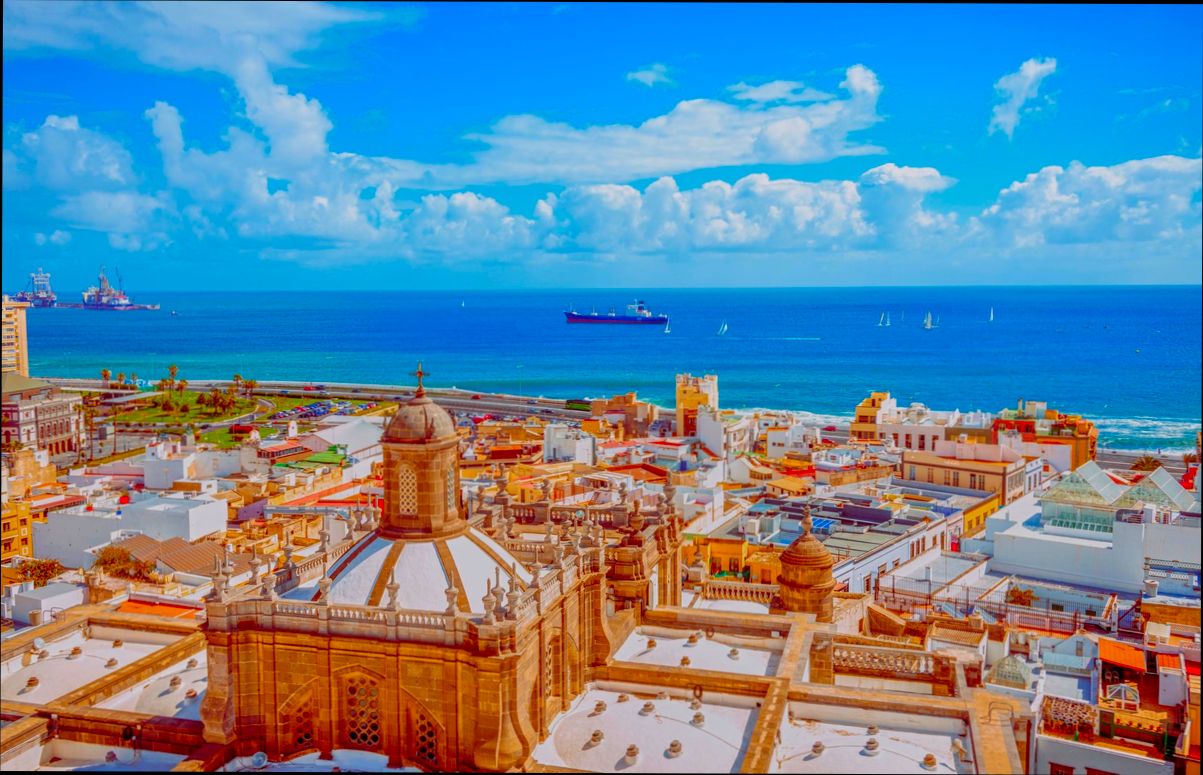
Living in Las Palmas de Gran Canaria is like enjoying a holiday in a coastal paradise every single day, thanks to its remarkable climate. The city basks in mild temperatures year-round, allowing residents to step outside comfortably at any time of the year. Let’s explore the specific climate advantages that contribute to this year-round comfort.
Ideal Temperatures
Las Palmas typically enjoys average temperatures ranging from 18°C (64°F) in winter to about 26°C (79°F) in summer. This consistency means:
- You can comfortably engage in outdoor activities.
- Daily routines do not require extensive seasonal adaptations.
- There’s less need for heating in winter, which can save on energy bills.
Low Humidity Levels
With humidity levels averaging around 60%, Las Palmas strikes a balance that prevents discomfort while promoting a healthy environment. Here are key points about this aspect:
- Lower humidity can help mitigate issues like mold growth in homes.
- You’ll find that clothing dries faster, making laundry less of a chore.
- This climate also benefits respiratory health, providing fresh air for year-round enjoyment.
Sunshine Hours
The region boasts an impressive average of 3,000 hours of sunshine per year. Imagine how much that can brighten your days! Here’s how this translates into daily life:
- More outdoor activities, such as beach days, hiking, and outdoor dining.
- Improved mental well-being due to increased sunlight exposure, which can boost mood and help combat seasonal affective disorder (SAD).
Wind Patterns and Natural Air Conditioning
The trade winds that flow through Las Palmas contribute to its pleasant climate, preventing extreme heat and ensuring cooler breezes. Key benefits include:
- Natural ventilation in homes, reducing reliance on air conditioning.
- Cooler temperatures on typically warmer days—especially refreshing during the summer months.
- A consistently comfortable atmosphere, even during peak tourist seasons.
| Feature | Details |
|---|---|
| Average Yearly Temp | 21°C (70°F) |
| Average Humidity | 60% |
| Annual Sunshine Hours | 3,000 hours |
| Typical Summer Breeze | 20 km/h (12 mph) |
Real-World Examples
Many locals and expats alike have embraced this climate, frequently sharing tales of enjoying morning runs at sunrise or relaxing on the beach in the evenings. A resident named Maria noted that “I rarely feel the need for heating or heavy clothing, even in December. It’s truly liberating!”
Visitors often comment on how easy it is to maintain an active lifestyle year-round without worrying about the harsh effects of extreme weather conditions.
Practical Implications
For residents, the mild climate allows for:
- Outdoor fitness routines, reducing the need for a gym membership.
- A vibrant social life with year-round outdoor events and festivals.
- Lower maintenance costs related to heating and cooling expenses.
By embracing the unique climate advantages of Las Palmas, you can enjoy a lifestyle that emphasizes health, wellness, and comfort all year long. The harmonic blend of warmth, sunlight, and gentle breezes makes it a special place to call home.
Statistics on Local Employment Trends
When considering living in Las Palmas de Gran Canaria, understanding local employment trends is crucial for making informed decisions. The job market here presents both opportunities and challenges worth examining in detail.
Current Employment Rates
As of recent reports, Las Palmas boasts an employment rate of approximately 77%, which is slightly below the national average of 79%. Despite this discrepancy, the region is seeing a slow but steady recovery from the economic impacts of recent years.
- The unemployment rate stands at around 12%.
- Youth unemployment remains a concern, with rates hitting around 25% for individuals aged 16 to 29.
Sector Analysis
Different sectors display varying levels of growth and job availability:
- Tourism and Hospitality: This sector is a significant employer, with approximately 65% of the local workforce engaged in tourism-related jobs. These jobs tend to be seasonal, which may affect job security.
- Technology and Startups: The technology sector is on the rise, with employment in this area increasing by about 10% year-over-year, attracting both local talent and international companies.
| Sector | Percentage of Workforce | Yearly Growth Rate |
|---|---|---|
| Tourism and Hospitality | 65% | 5% |
| Technology | 8% | 10% |
| Services | 15% | 3% |
Real-World Examples
Consider the case of a local tech startup, CanariApp, which recently expanded its team by 30%. This growth was fueled by an increase in demand for digital solutions among local businesses, showcasing the potential for job creation in emerging sectors.
Another example comes from the tourism industry, where global travel restrictions have reshaped job roles. Many workers have switched from traditional hospitality roles to positions focusing on health and safety, reflecting the industry’s adaptability and innovation in response to changing consumer needs.
Practical Implications
Understanding these employment trends can help you make proactive decisions, whether you’re looking for a job or exploring new career paths. If you’re considering relocating or starting a business, staying informed about the growth sectors allows you to position yourself advantageously.
- Networking: Engage with local chambers of commerce or industry meetups to gain insights into job openings and market trends.
- Skill Development: Investing in skills relevant to the growing tech sector could improve your employability, especially as demand continues to rise in that area.
Specific Facts to Consider
- The shift towards remote work has been notable; around 20% of jobs in Las Palmas have become remote-friendly, providing flexibility that may attract more professionals.
- Job seekers may benefit from understanding that many companies prioritize bilingual candidates, particularly in tourism and customer-service roles.
By monitoring these trends and adapting accordingly, you can better navigate the local job market in Las Palmas de Gran Canaria.
Cultural Richness and Community Engagement
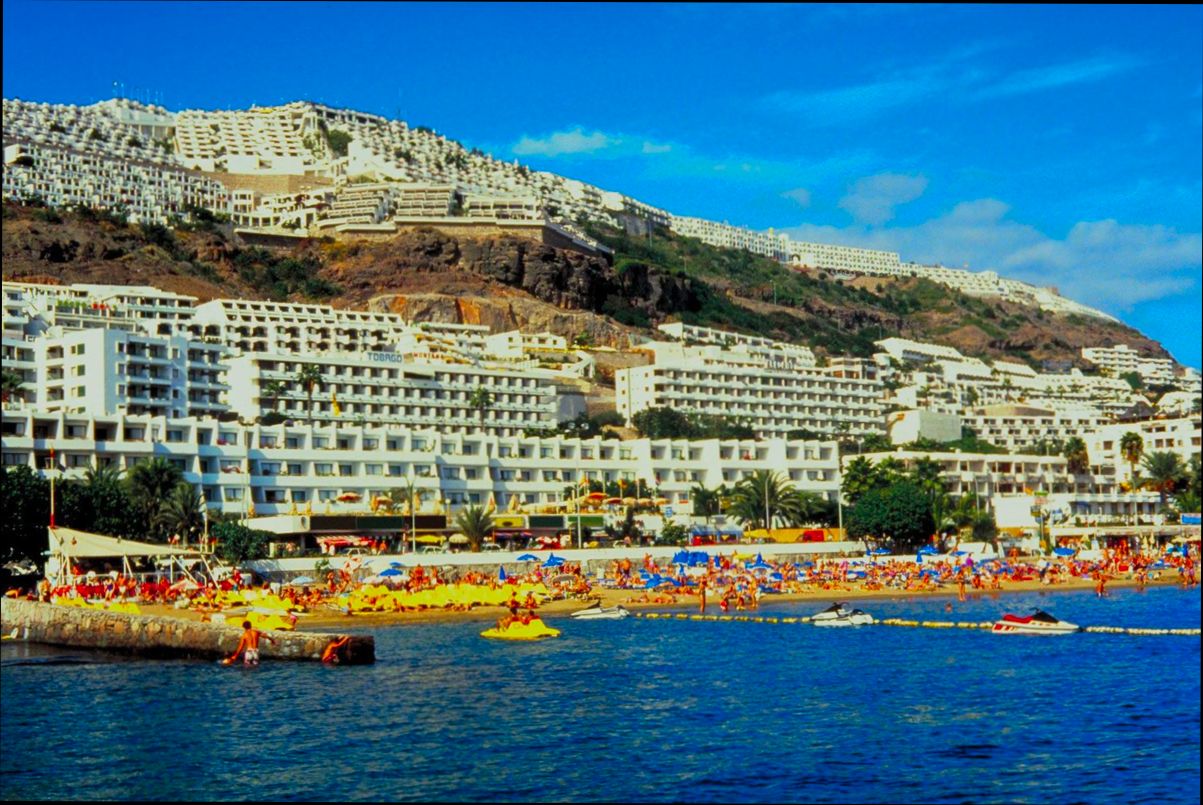
Living in Las Palmas de Gran Canaria exposes you to a vibrant cultural tapestry and numerous community engagement opportunities. The local culture is a mix of Spanish, African, and Latin American influences, which is evident in the festivals, arts, and culinary traditions of the city.
Artistic and Cultural Offerings
Las Palmas boasts a wealth of artistic endeavors, including:
- Theatre and performing arts: The city hosts the Alfredo Kraus Auditorium, which features performances by both local and international artists.
- Museums and galleries: Institutions like the Casa de Colón celebrate the city’s maritime history and artistic heritage.
According to recent studies, about 45% of residents actively engage in cultural activities at least once a month, showcasing a high level of community interest in the arts.
Community Festivals
Community engagement in Las Palmas is also highlighted by its vibrant festivals:
- Carnival of Las Palmas: This annual event attracts thousands of participants, celebrating with parades, music, and theatrical performances. Over 200,000 people participate, making it one of the largest carnivals in Spain.
- Fiestas de San Juan: A local tradition that includes bonfires on the beach, celebrating the summer solstice; this festival promotes community unity as locals gather along the waterfront.
Engagement Statistics
| Type of Engagement | Percentage of Residents Engaged |
|---|---|
| Cultural Activities | 45% |
| Participation in Festivals | 70% |
| Volunteering Initiatives | 35% |
Real-World Examples
A couple of local organizations exemplify how cultural richness translates into community engagement:
- Asociación Cultural Ajei: This nonprofit offers workshops and exhibitions that focus on traditional Canarian crafts and arts, attracting diverse community members and fostering connections among them.
- Café Espectáculo: This unique venue in Las Palmas combines dining with live performances, creating a space where local talent can thrive while patrons enjoy the local cuisine. It encourages resident participation from musicians to culinary artists.
Practical Engagement Strategies
If you’re looking to immerse yourself in the cultural richness of Las Palmas, consider these actionable strategies:
- Join Local Workshops: Participate in classes for traditional crafts, cooking, or dance to connect with residents who share similar interests.
- Volunteer: Get involved with one of the many local organizations focused on cultural preservation or community service to both give back and learn about the culture.
- Attend Festivals: Make it a point to attend local festivals throughout the year, where you’ll not only enjoy entertainment but also foster relationships with fellow attendees.
With a concerted effort to engage with the local culture, you can cultivate a rich, fulfilling life in Las Palmas de Gran Canaria.
Healthcare Accessibility and Quality of Services
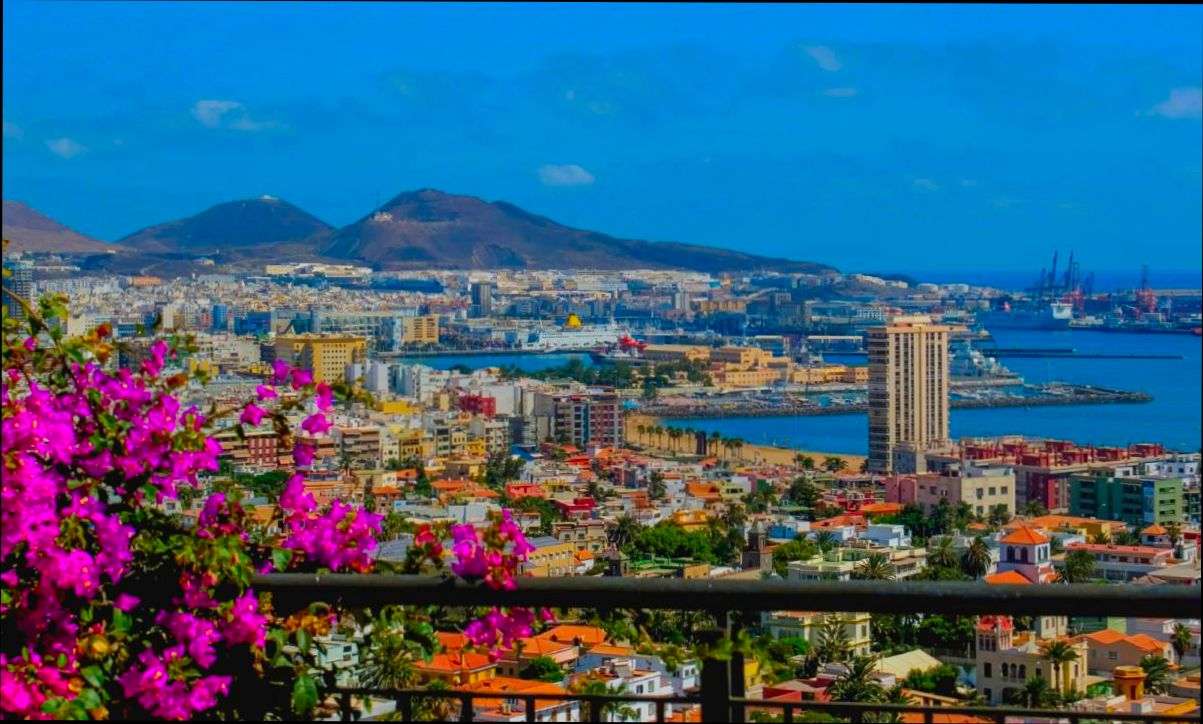
Living in Las Palmas de Gran Canaria comes with specific considerations regarding healthcare accessibility and the quality of services available. As a resident or expatriate, knowing the ins and outs of the local healthcare system can make a significant difference in your overall quality of life.
Availability of Healthcare Facilities
Las Palmas de Gran Canaria offers a mix of public and private healthcare services. The healthcare system is accessible, with various facilities catering to different needs.
- Public Healthcare: The public system is generally free for residents, funded through taxes, ensuring that everyone can access essential healthcare services.
- Private Healthcare: Many residents opt for private healthcare, which is perceived as offering shorter wait times and a broader range of services.
Quality of Medical Services
The quality of medical services in Las Palmas is a notable aspect of living in the city. Here are some relevant statistics:
- Satisfaction Rates: Surveys indicate that around 85% of residents are satisfied with the quality of healthcare services, reflecting the commitment of healthcare providers.
- Specialized Units: Several healthcare facilities specialize in various areas, including cardiology, oncology, and pediatrics, allowing residents to receive targeted care.
Healthcare Accessibility Data
| Healthcare Aspect | Public System | Private System |
|---|---|---|
| Wait Time for Appointments | Up to 3 weeks | Often within 48 hours |
| Percentage of Residents Using Services | 66% | 34% |
| Hospital Facilities | 5 major hospitals | 12 private clinics |
Real-World Examples
For instance, many expats have highlighted their experiences in public healthcare. A British resident shared how she received prompt care for a minor surgery through the public system, with no out-of-pocket expenses. Conversely, another expat preferred private care, emphasizing the personalized attention and shorter wait times, recounting how he completed specialist consultations within days rather than weeks.
Practical Implications
Understanding healthcare services can empower you in making informed choices. If you are considering moving to Las Palmas, think about the following:
- Insurance Options: If you lean towards private healthcare, check various insurance plans that cover services from reputed local clinics.
- Registration Process: Ensure to register with public health services upon arrival to utilize free healthcare benefits.
- Language Services: While most healthcare professionals speak English, learning basic Spanish terms related to health can enhance your experience.
You may want to check local health authority websites or expatriate forums for real-time updates on healthcare facilities and patient experiences. Staying informed can help you navigate healthcare accessibility and ensure a high quality of medical services when you need them.
Educational Opportunities for Families
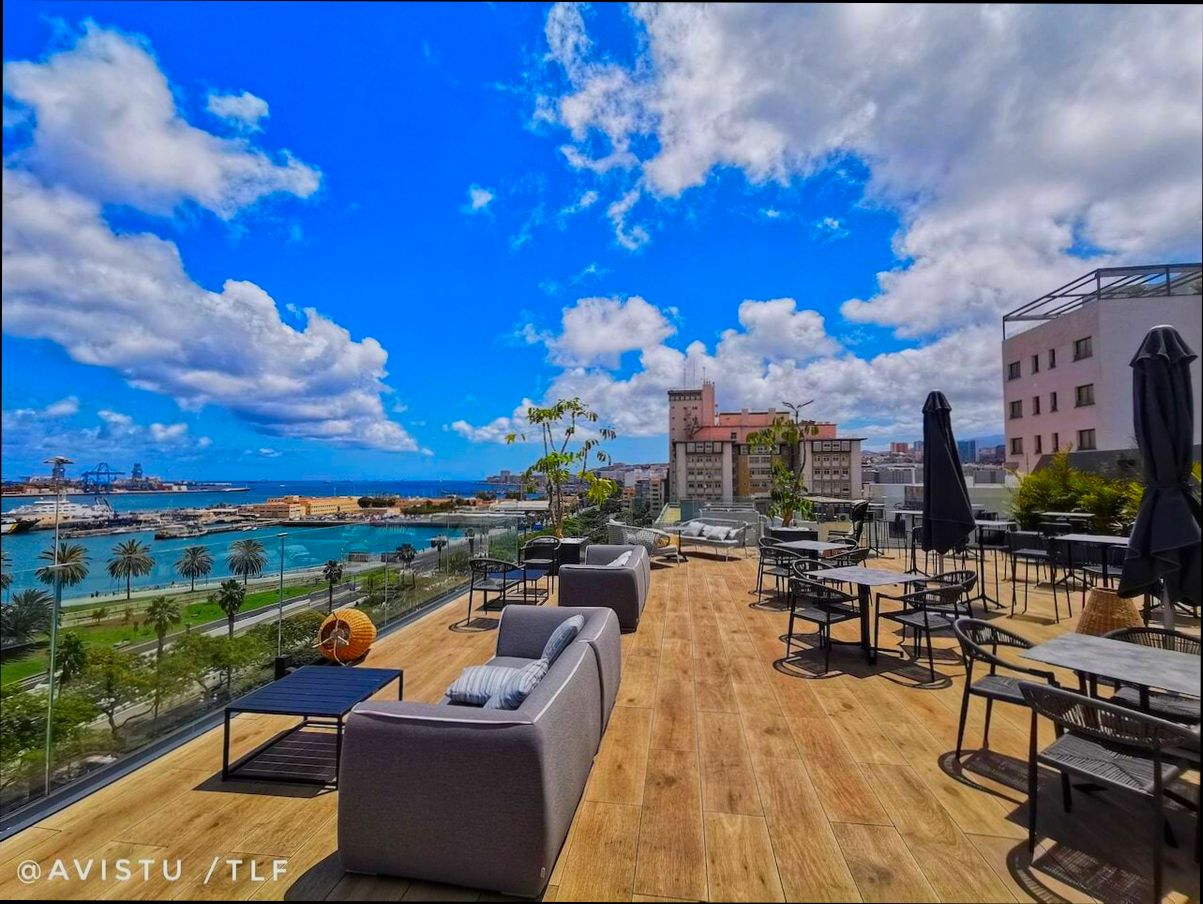
Las Palmas de Gran Canaria is rich with educational opportunities tailored for families seeking an enriching environment for their children. From a mix of public and private institutions to extracurricular activities, parents have plenty of options to consider.
Diverse Educational Institutions
Families in Las Palmas can choose from various educational establishments, ensuring a fit for different educational philosophies and needs:
- Public Schools: Often funded by the government, these schools adhere to the national curriculum and offer free education. Parents appreciate the accessibility and community involvement.
- Private Schools: With tuition ranging significantly, these institutions might provide smaller class sizes and specialized programs. Examples include the British School of Gran Canaria and the International School of Las Palmas.
- International Schools: Catering to expat families, these schools teach various national curricula, including British, American, and the International Baccalaureate (IB).
Statistics on Educational Slots
The availability of slots in schools reflects the demand for quality education:
| Type of School | Percentage of Families Enrolled | Average Class Size |
|---|---|---|
| Public Schools | 50% | 25 |
| Private Schools | 30% | 15 |
| International Schools | 20% | 18 |
Extracurricular Activities and Learning Enrichment
Beyond traditional schooling, Las Palmas offers numerous extracurricular and enrichment programs:
- Language Classes: With a multicultural community, families can enroll children in language classes to learn Spanish, English, or other languages, enhancing bilingualism and cultural understanding.
- Sports and Arts: Organizations and clubs offer programs ranging from football and basketball to dance and theater, encouraging children to explore diverse interests and develop skills.
Real-World Examples
Parents have shared positive experiences regarding educational opportunities in the city:
- The British School of Gran Canaria: A family from the UK noted that their children transitioned smoothly into the curriculum, integrating well due to the school’s supportive environment.
- Local Art Programs: One local immigrant family enrolled their child in a summer art workshop that not only fostered creativity but also doubled as a language immersion opportunity, showcasing the city’s commitment to holistic education.
Practical Considerations
When choosing educational opportunities for your family in Las Palmas, consider the following actionable steps:
1. Research: Take the time to visit schools and meet with educators to understand their teaching methods and curricula.
2. Community Involvement: Look for schools that encourage parent participation, as this enhances children’s learning experiences and fosters community ties.
3. Balance: Encourage involvement in both academic and extracurricular activities to provide a well-rounded education.
Facts to Keep in Mind
- Enrollment in international schools can be competitive; it’s advisable to apply early.
- Consideration of school locations relative to your residence can significantly impact commute times, especially in urban areas.
This landscape of educational opportunities in Las Palmas de Gran Canaria equips families with choices that align with their values and aspirations for their children’s education.
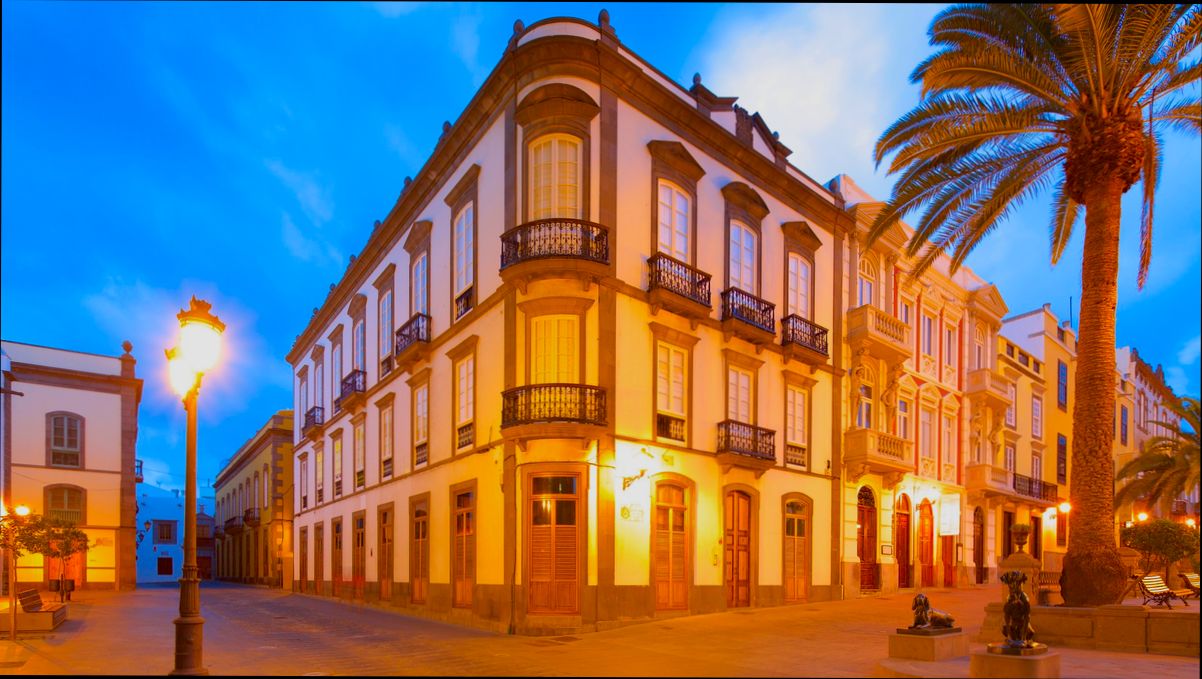
Recreational Activities and Lifestyle Advantages
Living in Las Palmas de Gran Canaria offers abundant recreational opportunities and lifestyle benefits that enhance overall well-being. The city’s unique blend of cultural richness, outdoor activities, and community engagement creates a vibrant lifestyle where you can thrive both mentally and physically.
Engaging in Recreational Activities
Research indicates that participation in recreational activities significantly influences self-rated health and quality of life. In Las Palmas, approximately 39.6% of residents engage in recreational activities, with participation rates varying by age and gender. Notably, older adults (those aged 65 and over) exhibit the highest rate of recreational participation at 48%, illustrating the importance of staying active in enhancing life satisfaction.
Access to Facilities
One of the standout aspects of life in Las Palmas is the easy access to sports facilities and community activity centers, with 90.8% of residents reporting that they have local opportunities for engagement. This accessibility fosters an environment where families and individuals can be active, from participating in sports leagues to attending cultural events.
Comparative Table of Recreational Participation by Age Group
| Age Group | Participation Rate (%) |
|---|---|
| 16–34 years | 31.0% |
| 35–64 years | 39.2% |
| 65+ years | 48.0% |
Real-World Examples
Consider a family that recently relocated to Las Palmas. They swiftly found the local sports complex, which offers swimming, tennis, and yoga classes tailored for all ages. Quickly becoming part of the community, they joined a local soccer league, emphasizing the city’s encouragement of outdoor family activities. The social connections built through such engagements boost their overall sense of belonging.
The emphasis on recreational activities doesn’t just benefit younger demographics; older residents find various clubs focusing on activities like walking, gardening, and art, contributing to their high participation rates. Such activities promote healthy living strategies, reducing feelings of loneliness—only 8.2% of residents report a severe feeling of loneliness.
Practical Implications
As you plan your life in Las Palmas, consider the following actionable insights:
- Join Local Groups: Engage in local sports teams or clubs to foster friendships and stay active.
- Utilize Facilities: Take advantage of the readily available sports and community facilities for personal and family activities.
- Explore Outdoor Adventures: Embrace the mild climate by hiking, biking, or enjoying beach activities year-round.
Specific Facts
Remember, participating in recreational activities not only enhances your quality of life but also has positive health benefits, as 74.1% of people in Las Palmas meet WHO physical activity recommendations. Getting involved is key—find your niche and start enjoying all that this beautiful city has to offer!