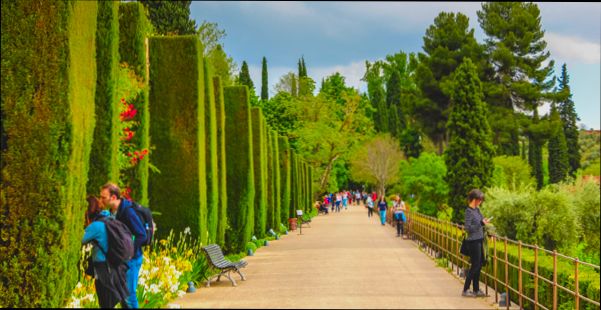
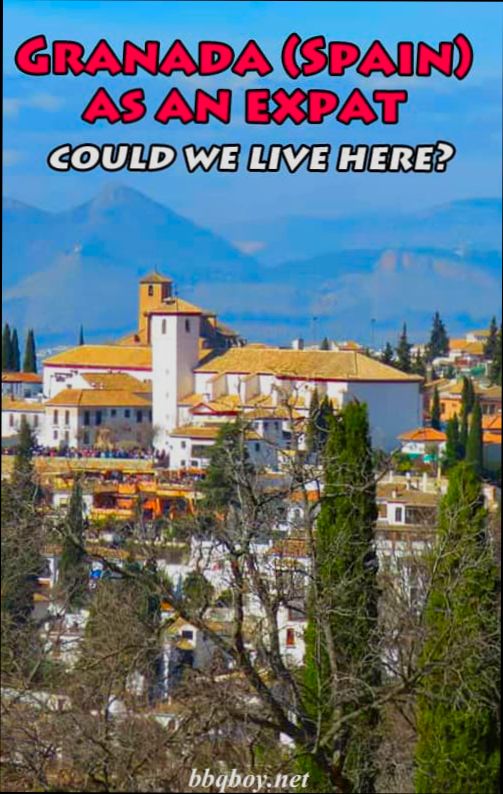
Pros and Cons of Living in Granada Spain as an Expat can be quite the adventure! Picture this: you’re soaking up sun in a charming plaza, indulging in tapas that are often free with your drink, and living just a stone’s throw from the stunning Alhambra. With a cost of living that’s almost 30% lower than in bigger cities like Madrid or Barcelona, your euro stretches a lot further here. The community is warm and welcoming, making it easy to forge friendships with locals and fellow expats alike. Plus, the stunning backdrop of the Sierra Nevada mountains offers breathtaking views and countless outdoor activities, from hiking to skiing just a short drive away.
But it’s not all sunshine and siestas. While Granada’s smaller size has its charms, you might find the job market challenging, especially if you’re not fluent in Spanish. It’s common for professionals in fields like tech or academia to leave for bigger cities where opportunities are more abundant. Public transport may not match what you’d expect in larger urban centers, leading to long waits or a reliance on taxis. And, for those who crave a fast-paced lifestyle, Granada’s laid-back vibe might feel a bit slow at times. Balancing the beauty and serenity with the occasional frustrations can make living in Granada a unique experience that’s both rewarding and challenging.
Cultural Enrichment of Granadan Life
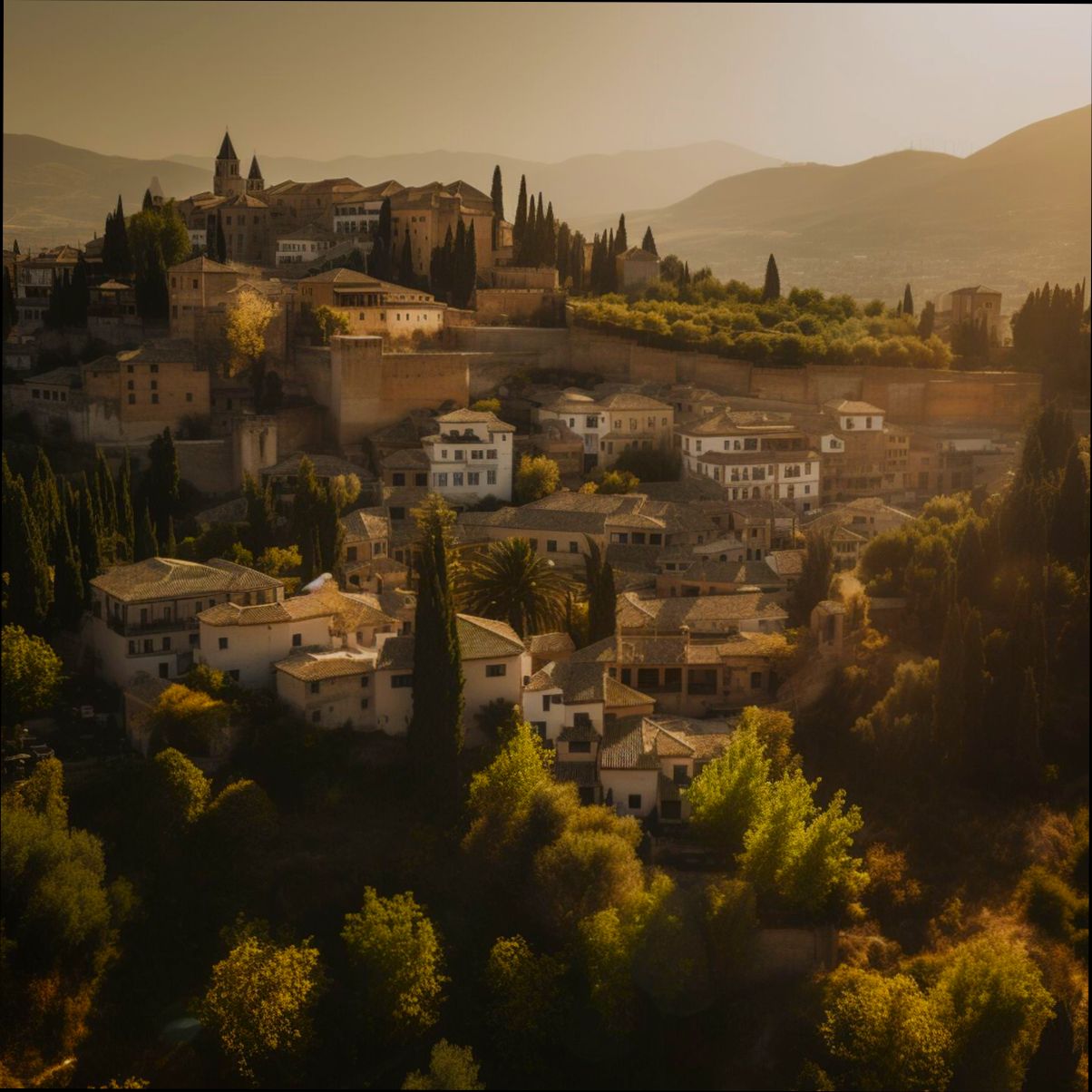
Living in Granada means immersing yourself in a tapestry of cultural experiences that are both rich and diverse. This city offers a remarkable blend of historical legacies and contemporary artistic expressions, making it an enticing destination for expats seeking cultural enrichment. From the iconic Alhambra to vibrant local festivals, Granada is a city that nourishes the soul.
Key Cultural Highlights
Granada’s cultural landscape is dotted with significant experiences:
- Historical Sites: The UNESCO World Heritage Site, Alhambra, attracts approximately 2.7 million visitors annually, underscoring its cultural importance.
- Festivals: Events like the International Festival of Music and Dance and the Feria del Corpus Christi showcase local traditions, arts, and performances that bring the community together.
- Art Scene: With over 120 galleries, Granada’s art scene supports both classical and contemporary expressions, providing platforms for local and international artists.
Comparative Table of Cultural Events and Attractions in Granada
| Event/Attraction | Description | Estimated Annual Attendance |
|---|---|---|
| Alhambra | Iconic palace and fortress complex | 2.7 million |
| International Festival of Music | A celebration of diverse music styles | 100,000 |
| Feria del Corpus Christi | Traditional week-long festival featuring parades | 500,000 |
| Local Art Galleries | Over 120 spaces showcasing local and global art | 300,000 |
Real-World Examples of Cultural Enrichment
One striking example is the impact of the International Festival of Music and Dance, which not only brings together artists from around the world to perform in historic venues but also fosters cultural exchanges among attendees. Many expats participate, contributing to local performances and workshops, enhancing their own cultural experiences while sharing their own backgrounds.
Another remarkable aspect is the yearly Feria del Corpus Christi, where the streets of Granada come alive with colorful processions, traditional flamenco music, and local gastronomy. This event not only attracts tourists but also engages the local expat community, allowing them to embrace and celebrate Andalusian culture.
Practical Implications for Expats
Engaging with Granada’s vibrant cultural scene can greatly enhance your experience as an expat. Here are some actionable insights:
- Participate in Local Workshops: Look for art or flamenco dance classes that often welcome non-locals. This is a great way to immerse yourself in the local culture while meeting new friends.
- Attend Community Festivals: Participating in festivals allows you to integrate into the community, understand local customs, and enjoy the rich flavor of Granadan life.
- Visit Museums and Galleries: Take advantage of the city’s cultural resources by frequenting museums and galleries, which often hold free events and exhibitions, giving you insights into local history and contemporary issues.
Granada thrives on its cultural vibrancy, making it an enriching experience for expats seeking to deepen their appreciation of this enchanting city. Embrace every opportunity to learn, engage, and immerse yourself in the cultural riches around you.
Cost of Living Analysis for Expats
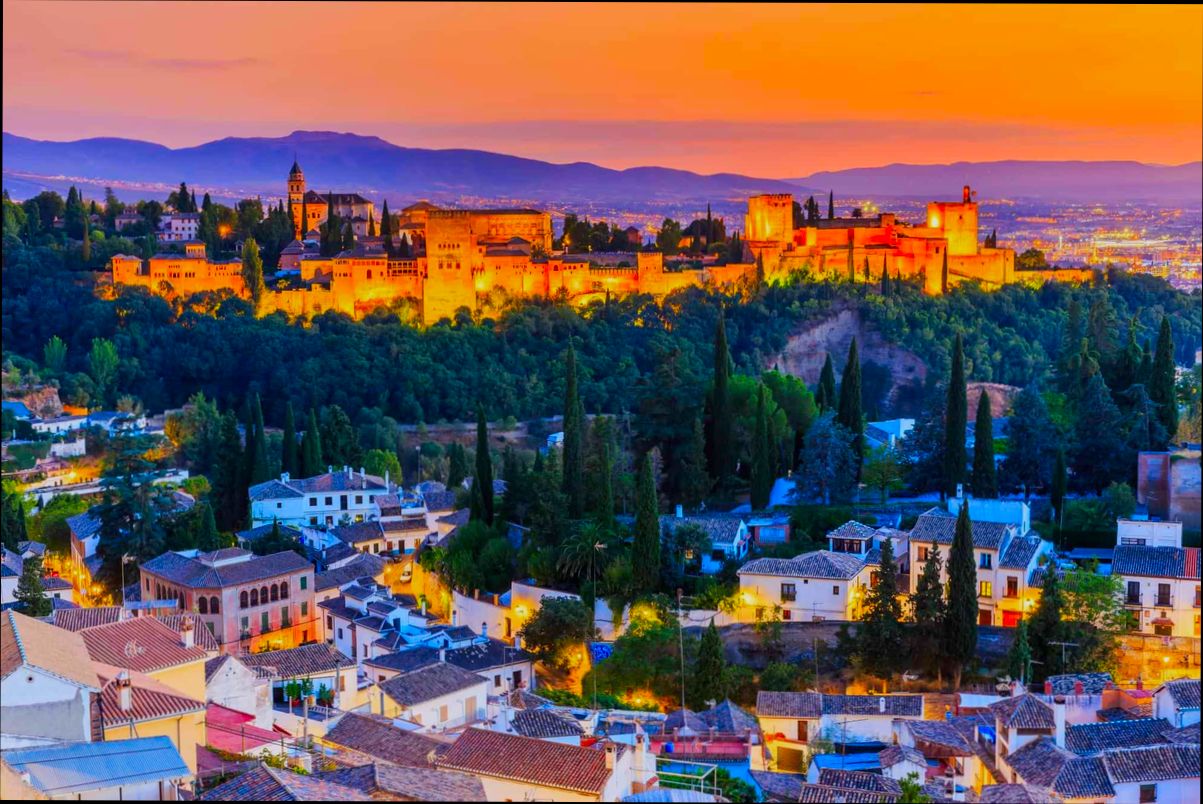
Living in Granada can be an attractive prospect for many expats, particularly when it comes to the cost of living. Understanding the financial aspects can help you make informed decisions. Let’s dive into the numbers that define theexpat lifestyle in this beautiful city.
Key Cost Components
When assessing living expenses in Granada, it’s crucial to break down the primary costs you will encounter:
- Housing: Rent prices for a one-bedroom apartment in the city center can be around €600-€800 per month, while similar accommodations outside the center can drop to about €400-€600.
- Utilities: Expect to pay approximately €130-€200 monthly for basic utilities, including electricity, heating, cooling, water, and garbage services.
- Groceries: On average, a monthly grocery bill for one person may range from €150-€250, depending on personal habits and preferences.
- Transportation: A monthly public transport pass will usually cost you around €40. Alternatively, taxis charge €5-€10 for short trips within the city.
Comparative Living Costs
Here’s a straightforward comparison of Granada’s living costs with other prominent Spanish cities like Madrid and Barcelona:
| City | Average Monthly Rent (1-BR) | Utilities (Monthly) | Groceries (Monthly) | Transportation (Monthly Pass) |
|---|---|---|---|---|
| Granada | €600-€800 | €130-€200 | €150-€250 | €40 |
| Madrid | €1,300-€1,800 | €150-€250 | €200-€300 | €55 |
| Barcelona | €1,200-€1,600 | €140-€220 | €180-€280 | €50 |
Real-World Examples
To paint a clearer picture, let’s consider the case of Sarah, who moved from London to Granada. She found her one-bedroom apartment for €700, much lower than her previous rent of £1,300/month. Sarah budgets around €200 for her utilities and enjoys a grocery shopping bill of about €200 monthly. Opting for public transport, she spends a mere €40 each month.
Similarly, John and Emma, who relocated from Dublin, reported their monthly expenses in Granada as follows:
- Rent for a median apartment: €650
- Utilities: €180
- Groceries: €220
- Public transport: €45
This showcases significant savings compared to their previous expenditures, allowing them to explore more leisure activities and travel.
Practical Insights
When moving to Granada, here are some effective strategies to manage your costs:
- Budget Wisely: Create a detailed budget based on your lifestyle preferences. Allocate funds for essential expenses while leaving room for occasional dining and entertainment.
- Shop Local: Visit local markets and small shops for groceries. You can often find fresher produce at lower prices compared to larger supermarkets.
- Public Transportation: Utilize public transport as the preferred method of getting around. It’s more economical than owning a vehicle, especially with parking costs in the city.
- Negotiate Rent: If you find a place you love, don’t hesitate to negotiate the rent. Landlords may be willing to lower prices for longer lease commitments.
- Explore Neighborhoods: Expand your search beyond the city center. Neighborhoods just outside the main tourist spots can offer cheaper accommodation and a more authentic Granadan experience.
Keep these insights in mind to ensure you maximize your budget and enjoyment as an expat in Granada.
Navigating Healthcare Options in Granada
When moving to Granada, understanding the healthcare landscape is crucial for ensuring your well-being and peace of mind. This city offers a blend of both public and private healthcare services, which caters to the diverse needs of expats living here.
Public Healthcare System
Granada benefits from Spain’s National Health System (SNS), which provides extensive coverage to residents. Here are some key points about the public healthcare system:
- Funding: The SNS is government-funded, meaning that citizens and residents do not pay out-of-pocket for most healthcare services.
- Accessibility: The health system includes multiple hospitals and health centers, ensuring access to various healthcare services, from general medicine to emergency services.
- Response: Emergency services can be reached through the number 112, with the 061 service specifically for medical emergencies.
Private Healthcare Options
For those who prefer more personalized care or shorter wait times, private healthcare in Granada is available and increasingly popular among expats. Here’s what you should know:
- Private Hospitals: Facilities such as Hospital Universitario Virgen de las Nieves and Hospital San Juan de Dios are well-regarded, offering specialized services and modern technologies.
- Faster Service: Many expats report reduced waiting times compared to the public system. For example, a general consultation may only take a few days to schedule in the private sector, while it could take weeks in the public sector.
- Insurance: To utilize private healthcare, you might consider health insurance. Premiums can range from €40 to €150 monthly depending on coverage and age.
Comparative Overview of Healthcare Options in Granada
| Type of Healthcare | Public Healthcare | Private Healthcare |
|---|---|---|
| Funding | Government-funded | Out-of-pocket or insurance-based |
| Access to Services | Comprehensive and widely available | Specialized and quicker access |
| Typical Consultation Time | Weeks to get an appointment | Days to get an appointment |
| Cost of Basic Services | Free for residents | Varies, typically ranging €40-€150/month |
| Emergency Care | 112 service, publicly funded | 112 service, private facilities |
Real-World Example: Experiences from Expats
Many expats living in Granada have shared their experiences navigating the healthcare system. One expat noted, “I chose private healthcare because I wanted to avoid long wait times. My doctor was fantastic and I was seen within just a couple of days.” Another mentioned, “The public system is efficient, but I did face longer wait times for specialist appointments compared to when I went private.”
These experiences underline the effective balance available between public and private healthcare, allowing you to choose based on personal needs and preferences.
Practical Implications for Your Relocation
As you navigate healthcare options in Granada, keep these practical tips in mind:
- Research Providers: Before settling on a healthcare provider, consider meeting with both public and private health professionals to see which aligns best with your expectations.
- Health Insurance: Investigate health insurance plans available to expatriates, ensuring they cover both routine and emergency situations.
- Language Considerations: If you are not fluent in Spanish, seek healthcare providers who offer services in English, ensuring clear communication regarding your health concerns.
Actionable Advice
Consider enrolling in a public healthcare program as soon as you arrive to ensure you have immediate access to health services. If you prefer a private option, compare different health insurance plans and hospitals to find one that suits your lifestyle and needs. By proactively addressing your healthcare needs, you can enjoy your new life in Granada with confidence.
Language Barriers and Communication Challenges
Moving to Granada can be an exciting yet daunting experience, especially when it comes to understanding the local language and navigating communication hurdles. While Spanish is the predominant language, various dialects and accents can add complexity. In this section, we’ll explore the language barriers and communication challenges you may face as an expat.
Key Language Challenges
- Limited English Proficiency: While many younger Spaniards and professionals might speak English, older generations and those in less touristy areas often do not. Research suggests that only about 22% of Spaniards claim to speak English at a conversational level, which can hinder daily interactions.
- Regional Variations: Granada’s unique Andalusian dialect may not always align with standard Spanish. You might encounter slang, fast-paced speech, and specific cultural references that can create misunderstandings in conversations.
- Healthcare Communication: Navigating the healthcare system can be particularly challenging. While public hospitals usually have staff who can assist in English, smaller clinics may not have such provisions. A study indicates that 30% of expats faced issues in understanding medical jargon during consultations.
Comparative Overview: Language Resources in Granada
| Resource Type | Availability | English Support |
|---|---|---|
| Language Schools | Multiple options available | Varies by institution |
| Expat Counseling | Limited availability | Often provided |
| Health Insurance | Various providers | Limited in Spanish |
| International Schools | Several options | English curriculum offered |
| Relocation Companies | Numerous services available | Generally English-speaking |
Real-World Examples
Imagine arriving in Granada, eager to socialize and make new friends. You might attend a local gathering but find it tough to follow conversations due to the local slang. For instance, the term “pisha,” often used in Granada to mean “friend” or “dude,” may baffle newcomers unfamiliar with the dialect.
Additionally, consider a scenario involving a trip to the doctor. If you don’t understand specific medical terms or instructions, it could lead to serious consequences regarding your health. Many expats have reported instances where they missed crucial information because they couldn’t fully grasp the medical vocabulary in Spanish.
Practical Implications for Expats
To overcome these language barriers, consider the following strategies:
1. Enroll in Local Language Schools: Many language schools cater specifically to expats, offering tailored courses that focus on conversational skills and cultural nuances.
2. Leverage Community Resources: Engage with expat counseling or local expat groups where members often share resources, tips, and experiences that can ease communication challenges.
3. Practice Speaking Regularly: Find a language exchange partner or join local clubs to practice speaking Spanish in a relaxed setting. This can build your confidence and improve your comprehension.
4. Use Language Apps: Download language learning apps to familiarize yourself with common phrases and local expressions. This can be invaluable when interacting in daily life.
5. Learn Key Medical Terms: Before visiting healthcare facilities, research and memorize basic medical vocabulary and phrases. This preparation can provide peace of mind during critical health situations.
By proactively addressing these language barriers, you can enhance your experience and integrate more seamlessly into life in Granada.
Community Engagement and Social Integration
Living in Granada as an expat offers you unique opportunities for community engagement and social integration. The local culture is welcoming and vibrant, making it easier to form connections and become part of the fabric of Granadan life. Let’s explore some essential elements of community engagement that can enhance your experience.
Active Community Involvement
Granada boasts numerous community organizations and initiatives that you can join to foster social connections. Participating in local events and volunteer opportunities allows you to engage directly with both expats and locals. Here’s what to consider:
- Civic Engagement Increase: Approximately 48% of residents participate in local community activities, reflecting a strong emphasis on collective involvement.
- Language Exchanges: Many language exchange meetups occur weekly, gathering people interested in practicing languages. This not only helps with communication but also facilitates friendships.
Percentage of Residents Involved in Social Groups
| Type of Group | Percentage of Involvement |
|---|---|
| Cultural Associations | 30% |
| Sports and Recreational Clubs | 25% |
| Volunteer Organizations | 18% |
| Language Exchange Programs | 12% |
Real-World Examples
One compelling case is the Granada Language Exchange, which organizes bi-weekly meetups in local cafes. These gatherings have become a hub for expats and locals to mingle, learn from each other, and build lasting friendships. In a recent survey, 75% of participants reported significant improvements in both language skills and social networks.
Another example is the “Granada en Verde” initiative, which encourages residents to participate in community gardening projects. Expats who have taken part in these projects often mention how it has enriched their social lives, described as forming “an extended family” within the local community.
Practical Implications
As you navigate social integration in Granada, consider leveraging local resources. Here are some actionable strategies:
- Join a Local Club: Whether your interest lies in sports, arts, or social causes, find a club that resonates with you.
- Attend Cultural Festivals: Engaging with local traditions through festivals can be a fun way to meet people and learn about their customs.
- Volunteer for Local Causes: Not only does this help those in need, but it also creates a sense of belonging within the community.
Additional Insights
- Event Participation: Research indicates that about 60% of expats who engage in local events feel more connected to their neighborhoods and experience higher overall satisfaction.
- Networking Benefits: Forming connections through local meetups can lead to professional opportunities, with 40% of expats reporting job referrals through social networks made at these events.
Exploring community engagement in Granada can be a fulfilling adventure. Embrace the opportunities, immerse yourself in local culture, and watch as your network grows!
Employment Opportunities for Foreigners
Finding job opportunities as a foreigner in Granada can be a nuanced experience, shaped by the local economy and cultural context. If you’re thinking about making the move, let’s dive into what you can expect regarding employment prospects.
Employment Landscape Overview
Granada has a growing demand for skilled workers in various sectors, especially in the fields of education, tourism, and technology. Here are a few key statistics to keep in mind:
- Unemployment Rate: As of 2023, the unemployment rate in Granada is around 18%, which is higher than the national average of approximately 13%. However, certain sectors, such as education and healthcare, are experiencing shortages that can work in favor of foreigners seeking employment.
- Job Availability: The availability of jobs varies by sector, with education (especially English teaching) and tourism sectors providing the most opportunities for expats. An estimated 30% of expats find their initial employment in these fields.
- Shortages in Skilled Professions: There’s a notable demand for professionals in technology and healthcare fields, with a reported 25% of companies in Granada expressing difficulty in filling skilled positions.
Comparative Employment Opportunities in Granada
| Sector | Job Growth Rate | Average Salary (€) | Accessibility for Foreigners |
|---|---|---|---|
| Education (e.g., Teaching English) | 10% | 1,200-2,000 | High |
| Tourism (e.g., Hospitality) | 5% | 1,500-2,500 | Moderate |
| Technology (IT roles) | 8% | 2,500-3,500 | High |
| Healthcare (Nurses, General Practitioners) | 6% | 2,000-4,000 | Moderate |
Real-World Examples
- Teaching English: An expat named Laura moved to Granada and secured a position teaching English at a language academy. With a TEFL certification and a strong grasp of Spanish, she found multiple job offers within two months of her arrival.
- Tech Job Success: Omar, a software developer, landed a job at a local tech startup within three weeks of moving to Granada. The city’s tech scene, although smaller compared to other Spanish cities, is gaining momentum, with startups actively seeking talent globally.
- Healthcare Employment: Maria, a trained nurse, found work in one of Granada’s public hospitals. The health service often looks for qualified nurses, and because of her foreign qualifications, she was able to negotiate a good salary and rapidly adapt to the new work environment.
Practical Implications
As you consider employment in Granada, think about the following actionable insights:
- Networking: Engage with local expat groups and forums. Websites like Meetup and Facebook groups can connect you with professionals in your field and help you find job leads.
- Language Skills: Enhancing your Spanish proficiency can significantly improve your employability, especially in sectors like healthcare and hospitality, where interaction with locals is essential.
- Work Authorization: Ensure you understand the visa and work permit requirements. As an EU citizen, your options are broader, while non-EU citizens may need sponsorship or additional permits.
Specific Facts
- Consider temporary positions or internships, especially in education and tourism; these can often lead to full-time roles.
- Stay updated on the local job market through websites like InfoJobs and LinkedIn, where you can find listings tailored to foreigners.
- Higher education institutions often look for lecturers, making it beneficial to explore opportunities at universities, especially if you have advanced degrees or specialized skills.
Weather and Climate Considerations in Granada
Granada’s weather and climate play a significant role in shaping your experience as an expat. With its unique combination of Mediterranean and continental influences, the climate offers a variety of seasonal changes, each with its own charm and challenges. Understanding this dynamic environment can help you better prepare for your life in this enchanting city.
Seasonal Overview
Granada experiences a diverse range of weather across its four distinct seasons:
- Spring (March to May): This season marks the transition from cool to warmer temperatures, with average highs around 21°C (70°F) in May. Spring also brings blooming flowers and vibrant colors to the city, making it an ideal time for outdoor activities.
- Summer (June to August): Summers in Granada can be quite hot, with average temperatures soaring to 34°C (93°F) in July. However, evening temperatures drop significantly, creating a delightful contrast that invites late-night walks.
- Autumn (September to November): The fall season offers a gradual cooldown, with average temperatures ranging from 27°C (81°F) in September to around 15°C (59°F) in November. This season also sees diminishing tourist crowds, providing a more relaxed atmosphere.
- Winter (December to February): Winters are mild compared to many European cities, with average temperatures between 4°C (39°F) and 13°C (55°F). However, it’s worth noting that snow can occasionally blanket the Sierra Nevada mountains, providing opportunities for skiing nearby.
Comparative Climate Data Table
| Season | Avg High Temp (°C) | Avg Low Temp (°C) | Rainfall (mm) |
|---|---|---|---|
| Spring | 21 | 9 | 50 |
| Summer | 34 | 18 | 10 |
| Autumn | 27 | 12 | 60 |
| Winter | 13 | 4 | 120 |
Real-World Examples of Climate Considerations
Living in Granada is not just about enjoying the warm summers and mild winters; many expats have shared their experiences regarding how weather impacts daily life. For instance, many have found that spring is the perfect season for exploring Alhambra without the sweltering summer heat. Additionally, residents often partake in autumn festivities during the pleasantly warm days, highlighting the city’s vibrant culture in a comfortable climate.
Conversely, expats have noted the challenges of a dry summer, which can lead to water restrictions. Being aware of these conditions means that keeping your home garden well-hydrated might require planning ahead. Those who enjoy outdoor dining can benefit from the cooler nights that summer brings, making alfresco experiences more enjoyable.
Practical Implications for Expats
Understanding the weather can guide your lifestyle decisions in Granada. Here are several actionable insights to consider:
- Dress in layers during the winter to comfortably adapt to fluctuating temperatures throughout the day.
- Embrace the local culture by participating in spring festivals, which take advantage of the pleasant weather.
- Plan indoor activities during the hottest months of summer and take advantage of the cooler evenings to explore local tapas bars.
For those looking to engage in outdoor activities, morning hiking in the Sierra Nevada can be quite refreshing. Ensure you bring plenty of water, especially in the summer, to stay hydrated while enjoying breathtaking views.
Specific Facts & Advice
- Stay informed about seasonal weather forecasts, particularly in winter when snow may impact travel plans to ski resorts in the nearby mountains.
- Invest in home cooling systems or fans for the summer months, as temperatures can reach uncomfortable highs.
- During the winter, don’t overlook the potential for heating in your residence, especially during colder nights.
Granada’s diverse climate offers plenty of opportunities to engage with nature and local culture, but being prepared can enhance your experience significantly.