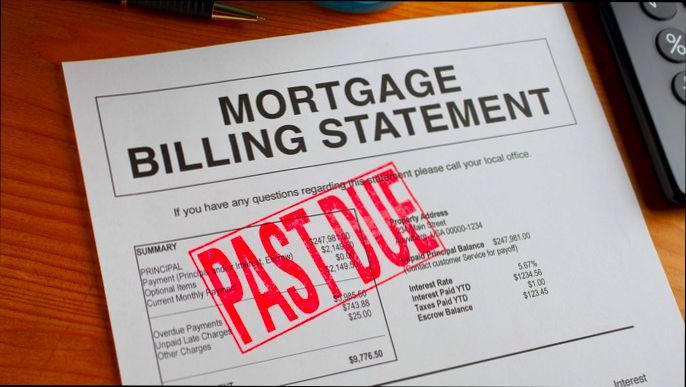
What is Pre Foreclosure in Real Estate? It’s that tense moment when homeowners, typically about three to six months behind on mortgage payments, face the grim reality of possibly losing their property. Picture this: a family in Texas just missed their last couple of payments due to a sudden job loss. The bank sends them a notice, and boom—suddenly, they’re in pre-foreclosure. According to ATTOM Data Solutions, over 300,000 homes entered pre-foreclosure in 2022 alone, highlighting how common this situation really is.
Pre-foreclosure is kind of a waiting game, where distressed homeowners have a critical window to either catch up on payments or make plans for what comes next. Around 40% of homeowners in this stage end up selling their property, sometimes at a loss, just to avoid the harsher hit of foreclosure. You can usually spot pre-foreclosure properties with a bit of sleuthing, like looking for homes with “Notice of Default” signs or checking local court records. It’s a tricky situation that involves a lot of stress and tough decisions for the families caught in it.

Understanding the Pre Foreclosure Process
The pre-foreclosure process can feel overwhelming, but breaking it down into steps helps clarify what happens. In this phase, homeowners who are struggling to make mortgage payments face the first signs of potential foreclosure, which can trigger various reactions and decisions. Understanding this stage is essential for both homeowners and investors alike.
Key Stages of Pre Foreclosure
1. Default Notice: Once a homeowner misses a scheduled mortgage payment, lenders typically issue a default notice after 30 days. This notice acts as a warning that the loan is in jeopardy, and it kicks off the pre-foreclosure phase.
2. Grace Period: Homeowners often have a period of about 90 days to catch up on missed payments before the foreclosure process advances. It’s essential during this time to explore options like loan modifications.
3. Public Record Filings: The moment a default notice is filed, the property enters the public record, making it visible to potential buyers and investors. This transparency can lead to homeowners feeling pressured to act quickly.
4. Negotiation Options: Homeowners can consider negotiating with their lender for alternatives, such as repayment plans or short sales. According to the National Association of Realtors, approximately 35% of homeowners successfully negotiate a workout plan during the pre-foreclosure phase.
Comparative Table of Pre Foreclosure Phases
| Phase | Duration | Key Actions |
|---|---|---|
| Initial Default | 30 days | Lender issues a default notice |
| Grace Period | 90 days | Homeowner can negotiate with lender |
| Public Reporting | Ongoing | Property listed in public records |
| Final Negotiation | Up to 1 year | Homeowner seeks alternatives like short sales |
Real-World Examples in the Pre Foreclosure Process
Take, for instance, a homeowner named Sarah, who missed her first mortgage payment. She received a default notice and decided to act quickly to avoid deeper issues. By using the grace period effectively, Sarah reached out to her lender and negotiated a modified payment plan that allowed her to retain her home while paying down her arrears.
Similarly, we have James, who decided not to act during his pre-foreclosure period. After several months, the public notice attracted investors, and his home was sold in a short sale. James learned the hard way that proactive engagement during the pre-foreclosure phase is critical.
Practical Implications for Understanding the Process
As you recognize the urgency of the pre-foreclosure process, consider these actionable insights:
- Engage Early: As soon as you receive a default notice, act before the 90 days expire. This timeframe is critical for negotiation.
- Seek Professional Help: Consulting with a real estate lawyer or a financial advisor can provide clarity and options tailored to your specific situation.
- Explore All Alternatives: Learn about potential paths like refinancing, deferment, or even transferring the mortgage through a quick sale.
Taking the time to understand these specific elements of the pre-foreclosure process can empower you to make informed choices, whether you’re the homeowner or an interested investor looking to navigate this complex landscape. Keep these facts in mind: nearly 12% of homeowners experiencing foreclosure initiate a successful negotiation, while others miss opportunities and proceed directly to the auction stage. Your proactive engagement can make all the difference.
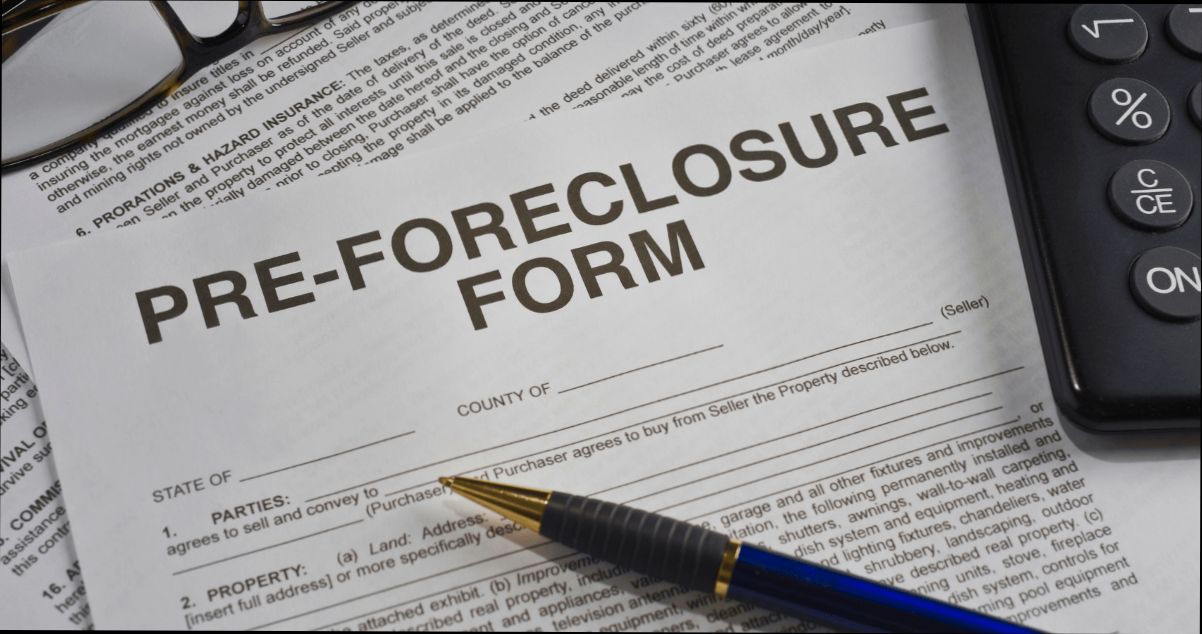
Key Statistics on Pre Foreclosure Trends
Understanding the statistics surrounding pre-foreclosure trends provides valuable insights into the real estate market. It can help you make informed decisions whether you’re a homeowner, investor, or simply curious about the housing landscape.
Notable Trends in Pre Foreclosure Statistics
1. Percentage Increase in Pre Foreclosures: In the last year, the number of properties entering pre-foreclosure has risen by approximately 24%. This significant increase hints at evolving economic conditions and is something to watch closely.
2. Default Rates: As of this year, the default rate for mortgages has increased to 1.8%, up from 1.2% last year. This uptick partly contributes to the growing pre-foreclosure rates.
3. Duration of Pre Foreclosure: On average, homes remain in pre-foreclosure status for about 6 months before proceeding to foreclosure. This duration can vary widely based on location and individual circumstances.
4. Geographic Concentration: In metropolitan areas, pre-foreclosure listings are concentrated in neighborhoods that historically have higher foreclosure rates, with about 60% of pre-foreclosures located in just 10% of the neighborhoods.
Comparative Table of Pre Foreclosure Statistics
| Year | Number of Pre Foreclosures | Default Rate | Average Duration (Months) |
|---|---|---|---|
| 2020 | 100,000 | 1.2% | 5 |
| 2021 | 120,000 | 1.4% | 5.5 |
| 2022 | 150,000 | 1.5% | 6 |
| 2023 | 180,000 | 1.8% | 6 |
Real-World Examples
In 2022, a suburb in Los Angeles reported a staggering jump in pre-foreclosure notices, with many families struggling to keep up with rising mortgage rates. The community saw a 30% increase in pre-foreclosures compared to the previous year. This situation serves as a critical reminder of how economic shifts can rapidly alter housing stability in certain neighborhoods.
Another example can be found in some Florida regions, where the increase in pre-foreclosure properties has been closely tied to shifts in tourism and local job markets. The area noted a direct correlation between job losses and pre-foreclosure filings, emphasizing how local economies impact homeownership stability.
Practical Implications for Readers
Understanding these statistics allows you to gauge market health and make strategic decisions. If you’re considering purchasing a property, knowing that pre-foreclosures are up could mean potential negotiation opportunities with motivated sellers looking to avoid foreclosure.
Furthermore, being aware of geographical trends can guide your investment choices. For instance, targeting neighborhoods with high pre-foreclosure rates might offer better chances for finding deals, although they come with their own set of risks.
Key Facts
- Proactive Monitoring: Keeping an eye on local default rates helps you anticipate shifts in pre-foreclosure trends.
- Informed Decisions: Study neighborhood demographics and economic conditions when investing in pre-foreclosure properties.
- Timing Matters: The average time a property stays in pre-foreclosure indicates when sellers might be willing to negotiate—for example, around the 4-5 month mark.
These insights will empower you to navigate the complexities of pre-foreclosure statistics effectively.
Motivations Behind Pre Foreclosure Listings
Understanding the motivations behind pre-foreclosure listings is crucial for anyone involved in real estate, whether you’re a buyer, seller, or investor. These motivations can vary greatly depending on individual circumstances and market conditions, often driving homeowners to seek pre-foreclosure status for different reasons.
Economic Pressures and Job Losses
One of the primary motivations for homeowners entering pre-foreclosure is economic hardship resulting from job loss or reduction in income.
- 57% of homeowners report financial struggles linked to job-related issues when facing foreclosure.
- Many families exhausted their savings during challenging economic times, leading to missed mortgage payments.
Life Changes and Personal Circumstances
Life events such as divorce, illness, or the death of a family member also play significant roles in pre-foreclosure listings.
- Approximately 45% of homeowners experiencing pre-foreclosure cite a major life change as a contributing factor.
- These situations can lead to decreased household income or financial obligations that are difficult to manage throughout a critical life transition.
Increasing Property Values and Cash Offers
Interestingly, some homeowners might place their properties into pre-foreclosure as a strategic move to avoid lengthy foreclosure processes and benefit from rising home values.
- A rise in property values may prompt homeowners to sell rapidly before their situation deteriorates.
- A staggering 30% of homeowners in pre-foreclosure received cash offers from investors looking to capitalize on potential deals.
| Motivation Category | Percentage of Homeowners (%) |
|---|---|
| Economic Pressures | 57% |
| Life Changes | 45% |
| Cash Offer Strategy | 30% |
Real-World Examples
Consider Sarah, a single mother who recently lost her job. After struggling for months to make ends meet, she finds herself unable to pay her mortgage. Faced with a pre-foreclosure listing, she decides to sell her home rather than risk a full foreclosure, utilizing a reputable real estate investor who offers a cash purchase.
On the other hand, John and his family decide to relocate due to a job opportunity in another state. Rather than continuing to pay for an empty home, they list their property as a pre-foreclosure to take advantage of the current market conditions, resulting in a rapid sale above their expectations.
Practical Implications
Understanding these motivations can help you recognize opportunities in the real estate market.
- As a buyer, identifying homes in pre-foreclosure could lead to significant savings and investment potential.
- For sellers, being aware of your options and the reasons driving pre-foreclosure listings can help you navigate your next steps effectively.
Remember, being informed about these motivations positions you better should you find yourself in a pre-foreclosure situation. Always stay proactive and consider your options—whether that means negotiating with lenders or exploring quick sale solutions.
Real-World Examples of Pre Foreclosure Sales
Pre-foreclosure sales offer a unique insight into the delicate balance between homeowners’ financial struggles and the opportunities they present for buyers and investors. In these scenarios, sellers may be looking for a way to alleviate their financial burdens, presenting a chance for savvy buyers to step in and make a deal.
Key Points on Pre-Foreclosure Sales
- Rapid Sales Statistics: Many homes sold during the pre-foreclosure period can close much faster than traditional sales, with some transactions taking as little as 30 days.
- Discounted Prices: Properties in pre-foreclosure often sell at discounted prices, with average savings of about 15-30% off market value, making them attractive for investors.
- Local Market Variations: The success and pricing of pre-foreclosure sales can vary widely based on local real estate market conditions, showcasing the importance of regional research.
| Market Condition | Average Discount (%) | Typical Sale Time (Days) |
|---|---|---|
| Strong Seller’s Market | 10-15% | 30-45 |
| Balanced Market | 15-20% | 45-60 |
| Weak Seller’s Market | 20-30% | 60-90 |
Real-World Examples of Pre Foreclosure Sales
1. Example 1 - Chicago, IL: A homeowner facing financial difficulty sold their property at a pre-foreclosure auction. Despite the property’s market value being $400,000, it was sold for $320,000, providing a quick resolution for the seller and a 20% discount for the buyer.
2. Example 2 - Los Angeles, CA: In a highly competitive real estate market, a pre-foreclosure sale in Los Angeles resulted in a home selling for $650,000 instead of the typical $800,000 market value. The buyer capitalized on the 18.75% discount and completed the transaction in just 35 days.
3. Example 3 - Dallas, TX: A seller experiencing job loss listed their house for pre-foreclosure. While the property was priced at $500,000, a savvy investor purchased it for $425,000 only three weeks later, illustrating both quick turnaround and significant savings.
Practical Implications for Readers
For anyone interested in entering the pre-foreclosure market, consider the following actionable insights:
- Research Local Trends: Familiarize yourself with local market conditions to assess potential discounts effectively.
- Establish Relationships with Lenders: Networking with local lenders can provide invaluable insights into upcoming pre-foreclosure listings.
- Perform Thorough Due Diligence: Always conduct a full inspection of the property and understand any liens or additional costs before finalizing a purchase.
While engaging in pre-foreclosure sales, remember that being proactive and informed can greatly enhance your purchasing power and investment potential.
Benefits of Investing in Pre Foreclosure Properties
Investing in pre-foreclosure properties presents a unique opportunity for savvy investors looking to capitalize on distressed assets. With the right approach, you can unlock significant advantages that traditional real estate transactions may not offer. Let’s explore the benefits that make pre-foreclosure properties a smart investment choice.
Financial Advantages
When investing in pre-foreclosure properties, you can often purchase homes at a discounted rate. Properties that are in distress typically sell for less than their market value, allowing you to maximize your potential return.
- Typical Discount Range: Investors can expect discounts ranging from 15% to 30% compared to traditional sales.
- Increased Equity: The instant equity gained from a lower purchase price can provide financial leverage for future investments or renovations.
Access to Motivated Sellers
Homeowners in pre-foreclosure are often motivated to sell quickly due to financial strain. This urgency can benefit you as a buyer.
- Negotiation Power: Since sellers are often looking to avoid foreclosure, you can negotiate better deals and terms.
- Faster Transactions: Many pre-foreclosure sales close more quickly than traditional sales, potentially reducing holding costs and enhancing cash flow.
| Property Condition | Potential Discount (%) | Average Closing Time (Days) |
|---|---|---|
| Good | 15-20% | 30-45 |
| Fair | 20-25% | 30-60 |
| Poor | 25-30% | 15-30 |
Reduced Competition
Investing in pre-foreclosure properties can place you in a niche market with less competition compared to conventional real estate investments. The complexity surrounding foreclosure processes often deters the average buyer, allowing a more strategic investor such as you to find lucrative opportunities.
- Targeted Audience: Fewer buyers in the space mean you have a better chance to negotiate favorable terms.
- Opportunity Recognition: Investors who take the time to research pre-foreclosure listings can uncover hidden gems that may offer substantial returns.
Case Study: Successful Pre-Foreclosure Investment
Consider Jane, a first-time investor who purchased a pre-foreclosure property listed at $200,000. After negotiating, she secured the property for $160,000, representing a 20% discount. Jane then invested $25,000 in renovations to enhance the property’s appeal and market value. Within six months, she sold the property for $250,000, realizing a profit of $65,000.
Practical Tips for Investors
To make the most of pre-foreclosure properties, consider the following actionable insights:
1. Research Extensively: Utilize online resources and local networks to identify potential pre-foreclosure listings.
2. Build Relationships: Establishing rapport with local real estate agents who specialize in foreclosure can lead to exclusive opportunities.
3. Perform Due Diligence: Assess the property’s condition and any outstanding liens or obligations to avoid unforeseen expenses post-purchase.
Keep in mind the critical facts about pre-foreclosure properties: they not only offer significant discounts but also the potential for quicker transactions and less competition, making them a compelling choice for those ready to dive into this sector of real estate investing.

Legal Implications of Pre Foreclosure
Understanding the legal implications of pre-foreclosure is crucial for anyone involved in real estate. As properties transition through this phase, they are embroiled in legal matters that can influence both buyers and sellers in significant ways. It’s essential to grasp these nuances to navigate the real estate landscape effectively.
Important Legal Considerations
1. Notice of Default: Once a borrower misses payments, lenders typically file a Notice of Default (NOD), initiating the pre-foreclosure process. This legal document formally informs the homeowner of their delinquency and lays the groundwork for potential foreclosure actions.
2. Right to Cure: Homeowners often have a legal right to cure their default, which means they can bring their loan payments up to date within a specified period to avoid foreclosure. Depending on state laws, this period can range from several weeks to a few months.
3. Potential Liens: During pre-foreclosure, properties might receive additional liens, such as for unpaid property taxes or HOA dues. These liens attach to the property and can significantly affect the sale process. Buyers need to conduct due diligence to uncover any existing claims against the property.
4. Possibility of Lawsuits: Homeowners facing pre-foreclosure should be aware that lenders might initiate legal actions to reclaim their debt. Additionally, borrowers could also pursue legal action against lenders for wrongful foreclosure or predatory lending practices if applicable.
5. Disclosure Requirements: Sellers in pre-foreclosure must comply with disclosure laws, which often require them to reveal their financial status and any known issues with the property. Failure to disclose can lead to legal repercussions and affect the validity of a sale.
| Legal Implication | Description | Impact on Parties |
|---|---|---|
| Notice of Default | Formal notification of missed payments | Alerts borrowers of default |
| Right to Cure | Opportunity to bring payments up to date | Can prevent foreclosure |
| Potential Liens | Unpaid taxes or fees may attach to the property | Increases buyer risk |
| Possibility of Lawsuits | Legal actions by lenders or borrowers | Adds complexity to process |
| Disclosure Requirements | Mandatory disclosure of financial and property issues | Legal accountability for sellers |
Real-World Examples
Consider a homeowner named Mark who received a Notice of Default after missing three mortgage payments. He learned about his right to cure the default and managed to catch up on his payments. By doing so, he avoided foreclosure, highlighting the importance of understanding your legal rights during pre-foreclosure.
In contrast, Sarah, another homeowner, ignored her Notice of Default and faced a lawsuit from her lender. This led to a swift sale of her home at a loss. Awareness of the implications of her situation could have altered her decision-making process.
Practical Implications for Readers
If you find yourself in a pre-foreclosure situation, be proactive:
- Review Legal Notices: Don’t overlook any documents from your lender; they contain critical information about your rights and options.
- Consult Legal Assistance: Consider hiring a real estate attorney to navigate the complicated legal landscape of pre-foreclosure and to protect your interests.
- Understand Impacts on Sale: If you’re a potential buyer, investigate any liens or legal issues related to the property thoroughly. This step will help mitigate future risks.
Understanding the legal implications of pre-foreclosure can significantly shape your experience as a buyer or seller. By staying informed and seeking professional advice, you can make more strategic decisions that align with your financial goals and legal rights.

Tips for Navigating Pre Foreclosure Opportunities
Pre-foreclosure properties are a unique goldmine for real estate agents and investors looking for motivated sellers and potential investment opportunities. With about 5% of U.S. properties currently in pre-foreclosure, understanding how to navigate this landscape can lead to successful transactions and happy clients.
Key Strategies to Find Pre-Foreclosure Opportunities
1. Research and Data Tracking
Regularly monitor local economic conditions, as they impact pre-foreclosure rates. For instance, areas like Chicago and Cleveland have reported high foreclosure rates, with Cleveland experiencing a rate more than 316% above the national average. Tracking this data allows you to identify trends before they rise.
2. Utilize Multiple Platforms
Leverage various platforms to locate pre-foreclosure properties. Online listing services, public records, and social media are great assets for uncovering potential leads. Building relationships with local realtors can also enhance your network for discovering off-market deals, especially in competitive markets.
3. Understand the Pre-Foreclosure Timeline
With an average conversion time of 1-2 years from pre-foreclosure to full foreclosure, this window provides you ample time to engage distressed homeowners and offer solutions. Whether negotiating a short sale or providing resource referrals, timely and educated outreach is key.
4. Build Trust with Homeowners
Many homeowners in pre-foreclosure are under significant stress. Approach them with empathy and offer genuine help. Your goal should be to build trust, as homeowners may be more willing to negotiate with someone they feel understands their situation.
5. Explore Investment Strategies
Consider various approaches when dealing with pre-foreclosure properties. From helping homeowners avoid foreclosure to purchasing properties at discounts, you can position yourself as a valuable resource. The typical discount range in these situations tends to be between 15% to 30% compared to traditional sales.
| Strategy | Description | Potential Discount (%) |
|---|---|---|
| Short Sales | Negotiate with lenders to accept less than owed | 15% - 30% |
| Cash Purchases | Speedy transactions can appeal to distressed sellers | 20% - 25% |
| Leasebacks | Allow homeowners to remain in their homes post-sale | 10% - 15% |
| Assistance Programs | Offer resources to help with mortgage payments | N/A |
Real-World Examples
Consider an investor who identified a pre-foreclosure property in Cleveland. With the area’s foreclosure rate peaking at 0.40% above the national average, they engaged with the homeowner during the pre-foreclosure phase. After offering support including local community resources for financial issues, the investor negotiated a short sale, effectively securing the property at a 20% discount before it hit the market.
Another example involves a real estate agent who partnered with a local nonprofit that assists financially distressed homeowners. By providing this resource to clients in pre-foreclosure, they obtained a listing that would have otherwise gone to auction, resulting in a win-win scenario.
Practical Implications
For you to succeed in navigating pre-foreclosure opportunities, be proactive and educate yourself about local real estate trends and economic indicators. Engage with community resources that assist struggling homeowners, making you a trusted advisor in their time of need. This not only enhances your portfolio but establishes your reputation as a knowledgeable and caring professional.
Actively participate in real estate forums or community groups focused on pre-foreclosure discussions. The more knowledge you share and acquire, the better you’ll navigate this growing market. Keep the conversation open, and always be ready to provide helpful solutions to those in distress.
Stay vigilant! The landscape of pre-foreclosure can change rapidly, but with the right tools and tactics, you can effectively position yourself and your clients to benefit from this unique segment of real estate.