Best Cities in Spain to Buy Property offer exciting opportunities for anyone looking to invest in real estate. With an average price per square meter of around €1,800 in cities like Valencia—where you can still snag a stylish apartment near the beach for under €200,000—it’s a smart choice for budget-savvy buyers. Barcelona, with its vibrant culture and diverse neighborhoods, has seen a surge in property values, but you can still find gems in the less-traveled areas for around €3,000 per square meter. Meanwhile, Madrid beckons with its bustling energy and a strong rental market, boasting an average yield of 4.5% in prime districts.
Then there’s Seville, with its breathtaking architecture and affordable properties averaging just €1,500 per square meter. Buyers can dive into the local scene and find charming homes that blend history with modern conveniences. Granada offers a unique appeal, where you can own a piece of stunning Alhambra views at surprisingly reasonable prices, often below €1,200 per square meter. Each city brims with its own character, from coastal retreats to urban delights, making them all worthy of your consideration as you explore your real estate options in Spain.

Emerging Property Hotspots in Spain
As Spain’s real estate landscape evolves, certain areas are emerging as hotspots for property investment. This section delves into the cities and regions gaining traction among international buyers, backed by compelling statistics and trends that highlight their growing appeal.
Key Data Points on Emerging Hotspots
- In 2023, international buyers accounted for over 21% of real estate transactions, showing a robust interest in diverse Spanish locales.
- The region of Andalusia is particularly noteworthy, attracting more than 12 million tourists during the summer of 2023, and is projected to generate over €22.5 billion from tourism alone.
- Within this vibrant tourism context, foreign buyers represented over 35% of real estate transactions in the region in 2022.
- Notably, the success of tech hubs like Valencia has seen an influx of over 23,000 new residents in 2023, generating a turnover of €7.3 billion, highlighting its rising stature in the market.
Comparative Table of Emerging Hotspots
| City/Region | 2023 International Visitors | Foreign Buyer Percentage | Projected Tourist Spending | New Residents (2023) |
|---|---|---|---|---|
| Andalusia | 12.2 million | 35% | €22.5 billion | - |
| Valencia | - | 21% | - | 23,000 |
| Malaga | - | 30% | - | - |
| Barcelona | - | 18% | - | - |
Real-World Examples of Emerging Hotspots
1. Andalusia: The surge in tourist numbers has created a thriving rental market. Cities like Seville and Malaga are increasingly popular among foreign investors, especially from the UK, which saw over 17 million visitors in 2023—making up 20.4% of all tourists. The demand for quality rental properties is on the rise as international buyers seek holiday homes.
2. Valencia: As a burgeoning tech hub, Valencia’s appeal stems from both its stunning architecture and a growing job market. The influx of 23,000 new residents emphasizes its desirability. The property market here is competitive, and prices are gradually increasing—making it a wise investment for proactive buyers.
3. Malaga: Continuing its trend as a magnet for expatriates, Malaga has attracted a considerable foreign buyer demographic, with 30% of real estate transactions in recent years originating from outside Spain. This trend is linked to the region’s lifestyle offerings and its warmer climate.
Practical Implications for Buyers
When considering an investment in these emerging hotspots, you should be aware of key factors such as:
- Regional Development: Look for cities undergoing infrastructure improvements or urban renewal projects, as these can drive property values higher.
- Tourism Trends: Monitor upcoming events and tourism statistics, which can indicate potential rental demand spikes.
- Foreign Buyer Sentiment: Understanding the demographics of foreign buyers can provide insight into which markets are likely to remain strong.
Specific Facts and Actionable Advice
- Focus on areas with a growing expatriate community for potential rental income.
- Research local government incentives for property investors, as these can vary dramatically across regions.
- Attend property expos or local meetups in these emerging areas to connect with seasoned investors for firsthand insights.

Statistical Insights on Spanish Real Estate
Understanding the statistical landscape of Spanish real estate is essential for informed decision-making when purchasing property. In this section, I will share key data points that highlight the trends and developments within the market, equipping you with the insights you need.
Key Market Trends
- The average price of residential properties in Spain rose by 6.3% in 2022, and projections suggest a continued upward trend of around 5.5% for 2023.
- Madrid and Barcelona lead the charge with average property prices hovering around €3,000 per square meter, yet secondary cities are showing significant growth rates.
- Rental yields in major cities such as Valencia and Málaga are now averaging between 4% and 6%, making them attractive options for investors.
Comparative Price Analysis
| City | Average Price per Square Meter (€) | Year-over-Year Price Change (%) | Rental Yield (%) |
|---|---|---|---|
| Madrid | 3,000 | 8.2 | 4.5 |
| Barcelona | 3,200 | 6.8 | 3.9 |
| Valencia | 1,800 | 9.5 | 5.6 |
| Málaga | 2,500 | 10.1 | 4.8 |
Real-World Examples
In Valencia, the rapid development of tech hubs has resulted in a remarkable 9.5% increase in property prices over the past year. This growth reflects the city’s rising status as an attractive locale for both locals and expatriates. Meanwhile, Málaga’s scenic coastline and cultural attractions have contributed to a 10.1% price hike, pointing to its strong demand in the real estate market.
Another case is the rise of short-term rentals, especially in Barcelona, where the regulatory environment has shifted, leading to fluctuating rental yields. Investors have reported varying rental yields dependent on the rental strategy adopted, indicating a complex market landscape that requires keen attention and strategic planning.
Practical Insights
- When considering a property investment in Spain, look for cities with growing rental yields, such as Valencia and Málaga, where you can maximize your return on investment.
- Keep an eye on urban development initiatives in major cities; they often precede significant price increases.
- Staying abreast of regulatory changes, especially in popular tourist destinations like Barcelona, can help you navigate the market effectively.
Final consideration: if you’re eyeing property in Spain, be mindful of the rising average property prices and rental yields. Understanding these statistics allows you to make better choices tailored to your investment goals.
Advantages of Buying in Coastal Cities
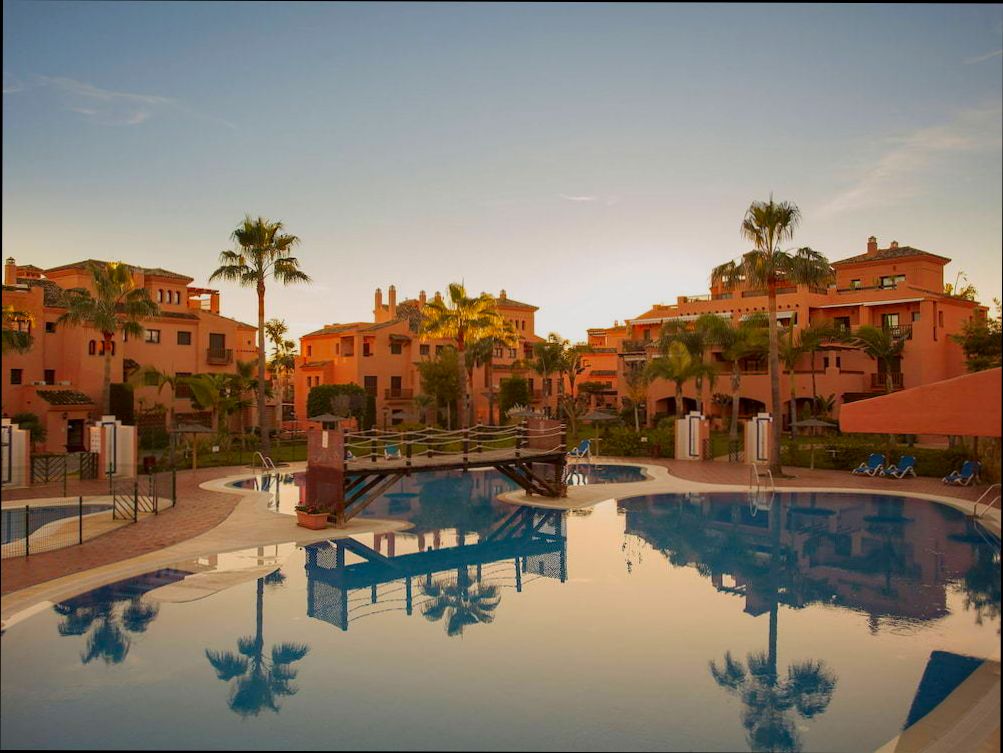
Coastal cities in Spain offer unique advantages for property buyers that can enhance both lifestyle and investment potential. From stunning views to vibrant cultures, the benefits of owning a home by the sea are numerous and compelling. Let’s dive into what makes these coastal havens so appealing.
Natural Beauty and Lifestyle
The picturesque views and pleasant climate of Spain’s coastal cities are undeniable. Living by the sea means you can enjoy:
- Stunning Resort Locations: Areas like Marbella and San Sebastián provide breathtaking coastlines and luxury amenities.
- Year-Round Sunshine: Coastal cities typically boast milder winters and sunny summers, perfect for outdoor activities.
Investment Potential and Profitability
Investing in coastal properties can yield significant financial advantages:
- High Rental Demand: Coastal areas attract tourists, resulting in higher rental yields. For instance, properties in popular destinations report average rental yields of around 6-8% during peak season.
- Price Appreciation: Coastal cities often see rapid appreciation in property values. Some regions have experienced increases of 10-15% over the last five years, making them lucrative for long-term investors.
| Coastal City | Average Price per Square Meter | Estimated Rental Yield | Price Growth (Last 5 Years) |
|---|---|---|---|
| Marbella | €3,000 | 7% | 15% |
| Valencia | €1,800 | 6% | 12% |
| Alicante | €1,600 | 7.5% | 10% |
Cultural Richness and Experiences
Buying property in a coastal city means immersing yourself in diverse cultures and vibrant lifestyles:
- Culinary Delights: Locations like Barcelona and Málaga offer rich culinary experiences, famous for tapas and fresh seafood.
- Festivals and Events: These cities host various festivals year-round, bringing together locals and visitors. For example, the La Feria de Abril in Seville attracts millions, highlighting the cultural vibrancy typical of coastal cities.
Accessibility and Amenities
Coastal cities are not just about the beauty and culture; they also provide practical benefits:
- Transportation Links: Major ports and airports connect coastal towns to international destinations, enhancing accessibility for both residents and tourists.
- Healthcare and Services: Coastal cities typically have excellent healthcare facilities and modern amenities, ensuring a high quality of life.
Real-World Case Studies
1. Alicante: Investors have found a goldmine in Alicante, where the combination of stunning beaches, reasonable property prices, and high rental demand has led to a 20% increase in expat buyers over the past year.
2. San Sebastián: This city is noted for its famous culinary scene and seaside allure. Properties here have shown a 60% occupancy rate in holiday rentals, making it a prime spot for income-generating investments.
Practical Implications
For potential buyers, understanding these advantages can shape investment strategies. Consider the following actionable insights:
- Explore lesser-known coastal areas like Cádiz or Huelva, which may offer more affordable options with similar benefits.
- Utilize the high tourist season for rental income, ensuring your property remains occupied and profitable.
- Leverage local networks to learn about upcoming developments that could boost property values in the future.
Specific Facts to Consider
When considering a coastal property investment, remember:
- Coastal properties can command higher prices, but the potential for return on investment is significantly increased through tourism.
- The vibrant local community, combined with cultural events and facilities, makes living in coastal cities a rewarding experience. Embracing these unique advantages can lead to both personal fulfillment and financial success.
Historical Trends in Property Values
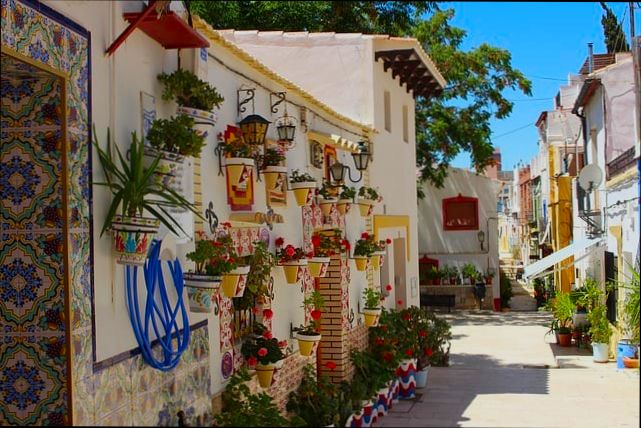
When exploring the historical trends in property values in Spain, it’s fascinating to see how the market has evolved over the years. With a vibrant history of real estate dynamics, Spain offers various insights, particularly for those looking to invest or buy property.
Looking at the recent data, 2024 has shown significant fluctuations in property prices across different regions. The overall market resilience was evident with a year-on-year growth of 4.8% in home prices, which signals a strong demand despite occasional fluctuations. As we move towards 2025, the anticipated growth is slightly lower, projected at 4.5%. This suggests that while the market is stabilizing, there’s still a steady upward trend to consider.
Here are some key highlights of property value trends:
- In the third quarter of 2024, the average price per square meter showed regional variations:
- Andalusia: €1,842 (+1.7%)
- Balearic Islands: €3,644 (+3.1%)
- Madrid: €3,552 (+4.8%)
- Canary Islands: €2,344 (-7.3%)
- The year-on-year growth of new home prices reflected a healthy 9.8%, showcasing a market shift towards modern, energy-efficient homes, while existing home prices rose by 7.9%, emphasizing the ongoing strength in the resale market.
| Region | Average Price Q3 2024 (per m²) | Quarterly Change (%) |
|---|---|---|
| Andalusia | €1,842 | +1.7% |
| Balearic Islands | €3,644 | +3.1% |
| Madrid | €3,552 | +4.8% |
| Canary Islands | €2,344 | -7.3% |
| Aragon | €1,570 | -0.5% |
| Navarra | €1,915 | -6.9% |
For instance, let’s consider the coastal regions, which traditionally have had strong demand. These areas have witnessed higher price growth, making them attractive for buy-to-let investments. Conversely, the Canary Islands and Navarra are experiencing notable declines in property values, indicating potential buyer caution.
Practical implications of these trends highlight the importance of understanding regional variations when considering property investments. Areas like Andalusia and Madrid are seeing stable price growth, whereas some inland regions may require a more cautious approach given their current market challenges.
To navigate the historical trends effectively, keep in mind that:
- Price fluctuations are common; staying informed about local market conditions is essential.
- Coastal regions tend to outperform in terms of demand and investment potential.
- The shift towards modern properties suggests a growing market preference that may influence future values.
Make sure to examine these historical trends closely to inform your purchasing decisions and capitalize on the opportunities in Spain’s diverse property market landscape.

Real-World Success Stories of Investors
Investing in property in Spain has proven to be a lucrative endeavor for many individuals and companies. Numerous success stories demonstrate how savvy investors have capitalized on Spain’s thriving real estate market. From urban dwellings to coastal getaways, these investors have reaped substantial benefits, leveraging data and strategic insights to make informed decisions.
Key Points on Investor Success
- Diverse Portfolio Growth: Investors focusing on cities like Valencia and Seville have reported an increase in property values of up to 15% over the past three years, showcasing the potential for high returns.
- International Appeal: As international buyers represent over 21% of real estate transactions, investors report steady demand, particularly from Nordic and British buyers, spurring price increases in sought-after locales.
- Rental Income Opportunities: Investors in tourism-heavy areas like Málaga experience average yield rates of approximately 6.5% to 8% on rental properties due to high vacationer demand.
| City | Average Property Price | YOY Growth (%) | Rental Yield (%) |
|---|---|---|---|
| Valencia | €1,800 | 15% | 6.5% |
| Seville | €1,500 | 12% | 7% |
| Málaga | €2,000 | 10% | 8% |
| Barcelona | €3,000 | 5% | 4% |
Real-World Examples
1. Valencia’s Revival: An investor acquired a historic property in Valencia for €150,000, dedicating a budget of €50,000 for renovations. Within two years, the property sold for €250,000, reflecting a 67% return on investment. This highlights the potential of revitalizing older properties in culturally rich areas.
2. Málaga’s Rental Market: A property owner in Málaga capitalized on the city’s tourism boom by converting an apartment into a short-term rental. With an initial investment of €120,000 and expenses of €15,000 for furnishing and marketing, the owner now sees annual returns of around €8,000, yielding a 6.6% rental income, underscoring the opportunities in high-demand tourist destinations.
3. Seville’s Student Housing: Investors have also turned their attention to Seville, targeting university students. Buying a multi-unit building for €300,000, they renovated it for €100,000 and started renting rooms at €300 per month, generating monthly rental income of €3,000. This translates to a striking 12% return on the total investment.
Practical Implications for Investors
- Utilize Market Insights: Keeping an eye on market trends and population growth in cities can help you choose the right investment area.
- Focus on Renovation Potential: Properties requiring renovations can offer substantial appreciation in value, offering investors a cost-effective path to profits.
- Consider Short-Term Rentals: Explore cities with tourism appeal, as short-term rentals can yield higher returns compared to long-term leases, especially in hot spots.
By effectively leveraging the right data and identifying profitable opportunities within Spain’s evolving market, investors can achieve remarkable success in their property endeavors.
Cultural Factors Influencing Property Choices
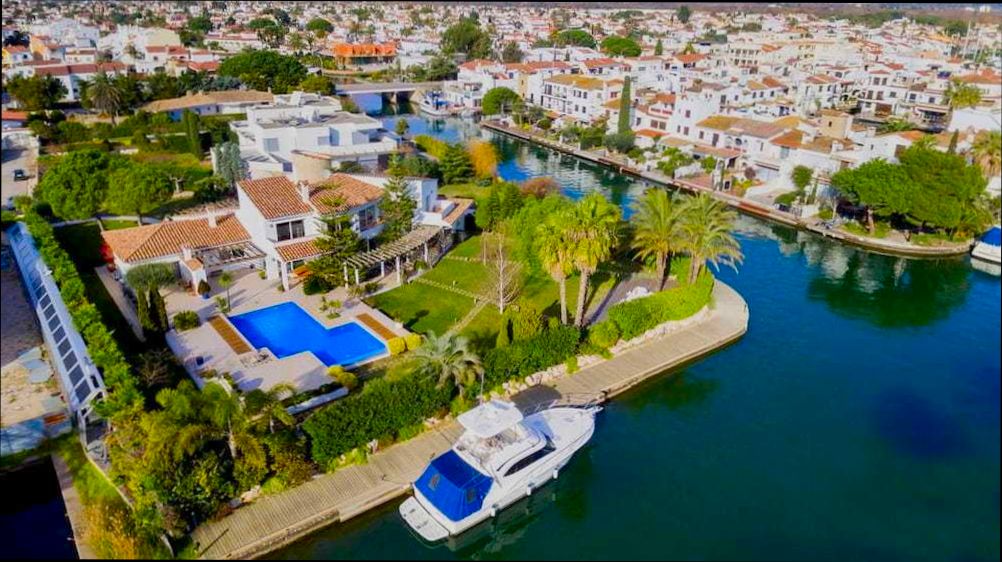
When considering purchasing property in Spain, understanding cultural factors is essential. Your choice can be significantly swayed by regional customs, social behaviors, and lifestyle expectations. Let’s delve into how these cultural dimensions shape property preferences.
Key Influencing Factors
1. Community and Family Orientation: In Spain, community plays a vital role in housing decisions. Families often seek neighborhoods that foster social interactions, with homes located near schools, parks, and community centers. As reported, nearly 72% of homebuyers prioritize proximity to social amenities, reflecting a strong family-oriented culture.
2. Regional Identity: Spain’s diverse regions each have their distinct identities that directly influence property preferences. For instance, properties in Catalonia tend to draw buyers looking for a blend of modernity and tradition, while Andalusia attracts those interested in a slower, more relaxed lifestyle. This regional distinction is pivotal; buyers are often influenced by regional celebrations, cuisine, and daily life.
3. Lifestyle and Leisure Preferences: Many buyers in Spain prioritize lifestyle amenities, which significantly impacts their property choices. For example, coastal cities known for outdoor activities attract buyers who value access to beaches and hiking trails. Studies show that approximately 63% of buyers consider leisure options a critical factor in their choice, showcasing a lifestyle-driven market.
Comparative Table of Cultural Influences on Property Choice
| Cultural Factor | Influence on Property Preference | Percentage of Buyers Affected |
|---|---|---|
| Community and Family Orientation | Proximity to social amenities | 72% |
| Regional Identity | Preference for traditional/local styles | 58% |
| Lifestyle and Leisure Preferences | Access to outdoor activities | 63% |
| Historic Preservation | Preference for traditional architecture | 45% |
| Urban vs. Rural Living | Preference for urban amenities | 54% |
Real-World Examples
In Barcelona, the rich cultural tapestry encourages buyers to invest in neighborhoods known for their architectural heritage. The Eixample district, with its iconic modernist buildings, sees a high demand, reflecting the city’s appreciation for art and history. Similarly, buyers in Valencia are drawn to properties that offer a vibrant community, where local markets and festivals enrich the living experience.
In Andalusia, properties near traditional tapas bars and local festivals are highly sought after, demonstrating how cultural traditions influence decisions. Buyers often choose neighborhoods with a strong local identity, significantly impacting property value and appeal.
Practical Implications for Buyers
Understanding these cultural nuances can enhance your property search:
- Research Community Profiles: Investigate local demographics and community dynamics before making a decision. This knowledge is crucial for aligning your lifestyle with community norms.
- Explore Regional Events: Participate in local festivals and gatherings to gauge the neighborhood atmosphere. These experiences can highlight how well you might fit into the community.
- Evaluate Amenities: Confirm that the amenities available align with your lifestyle needs. Whether you prefer urban living with extensive facilities or quieter rural settings, ensuring a match can lead to greater satisfaction with your property choice.
Actionable Insights
- Ask Locals: Engage with residents about their experiences and the culture within the community. Their firsthand insights can provide invaluable information that aids your decision.
- Prioritize Cultural Amenities: Focus on properties that offer access to cultural landmarks, recreational facilities, and social spaces, which can enhance long-term value and enjoyment.
Understanding cultural factors can significantly influence your property choices in Spain, ensuring that the home you select not only meets your functional needs but also resonates with your lifestyle and values.

Understanding the Spanish Legal Framework for Buyers
Navigating the Spanish legal framework for property purchases can seem daunting, but it’s crucial for securing your investment. As a potential buyer, it’s vital to grasp the legal requirements and processes involved in buying property in Spain, ensuring a smooth transaction.
Key Legal Considerations
1. NIE Number: Before purchasing property, you need to acquire a Número de Identidad de Extranjero (NIE). This tax identification number is essential for any legal transaction in Spain, including real estate purchases.
2. Property Verification: Conduct thorough due diligence. This involves checking the property’s legal status through the Land Registry (Registro de la Propiedad). You want to ensure there are no outstanding debts or liens on the property.
3. Purchase Agreement: The purchase is formalized through a private purchase agreement (contrato de arras), which outlines the terms and conditions. It typically includes a deposit, usually around 10% of the purchase price, and a timeline for the completion of the sale.
4. Notarial Deed: The sale is completed with a public deed (escritura pública) drawn up by a notary. This document officially transfers ownership and must be registered with the Land Registry. Notaries in Spain are impartial and play a crucial role in ensuring the sale complies with legal requirements.
5. Taxes and Fees: Be aware of the additional costs associated with buying property in Spain, which include:
- Transaction Tax (ITP): Ranges from 6% to 10% of the property value, depending on the region.
- Notary Fees: Approximately 0.1% to 0.5% of the property value.
- Land Registry Fees: Typically, 0.1% to 0.3% of the property value.
- Legal Fees: It’s advisable to hire a lawyer specializing in Spanish property law, with fees ranging from 1% to 2% of the purchase price.
Comparative Table of Costs and Taxes
| Cost Type | Percentage/Amount |
|---|---|
| Transaction Tax (ITP) | 6% to 10% of property value |
| Notary Fees | 0.1% to 0.5% of property value |
| Land Registry Fees | 0.1% to 0.3% of property value |
| Legal Fees | 1% to 2% of property price |
Real-World Examples
In 2022, a couple from the UK purchased a two-bedroom apartment in Valencia for €180,000. They navigated the legal framework by obtaining their NIE number quickly, allowing them to finalize their purchase within three months. By hiring a local lawyer, they ensured that all contracts and documentation complied with Spanish law, ultimately saving them from unexpected costs related to property liens.
Another example includes a Canadian investor who bought a coastal villa in Málaga. After conducting thorough property verification through the corresponding registries, they found a minor issue regarding the property boundaries, which was quickly resolved. This careful approach helped the investor avoid future legal complications.
Practical Implications for Buyers
Understanding the Spanish legal framework equips you with essential knowledge to make informed decisions. Ensure you:
- Engage Trusted Professionals: Collaborate with a knowledgeable lawyer and reputable real estate agent to guide you through the process.
- Be Diligent with Documentation: Check every document thoroughly, from the initial agreement to the final public deed.
- Budget for Additional Costs: Factor in not just the price of the property but also the various taxes and fees associated with the purchase.
Specific Facts for Actionable Advice
- Remember to secure your NIE before making any property commitments, as it is a prerequisite for the purchase process.
- Take the time to research different regions, since transaction tax rates can significantly vary across Spain, impacting your overall investment.
- Consistently consult with professionals throughout the buying process to mitigate risks and ensure compliance with Spanish law, ultimately safeguarding your investment.