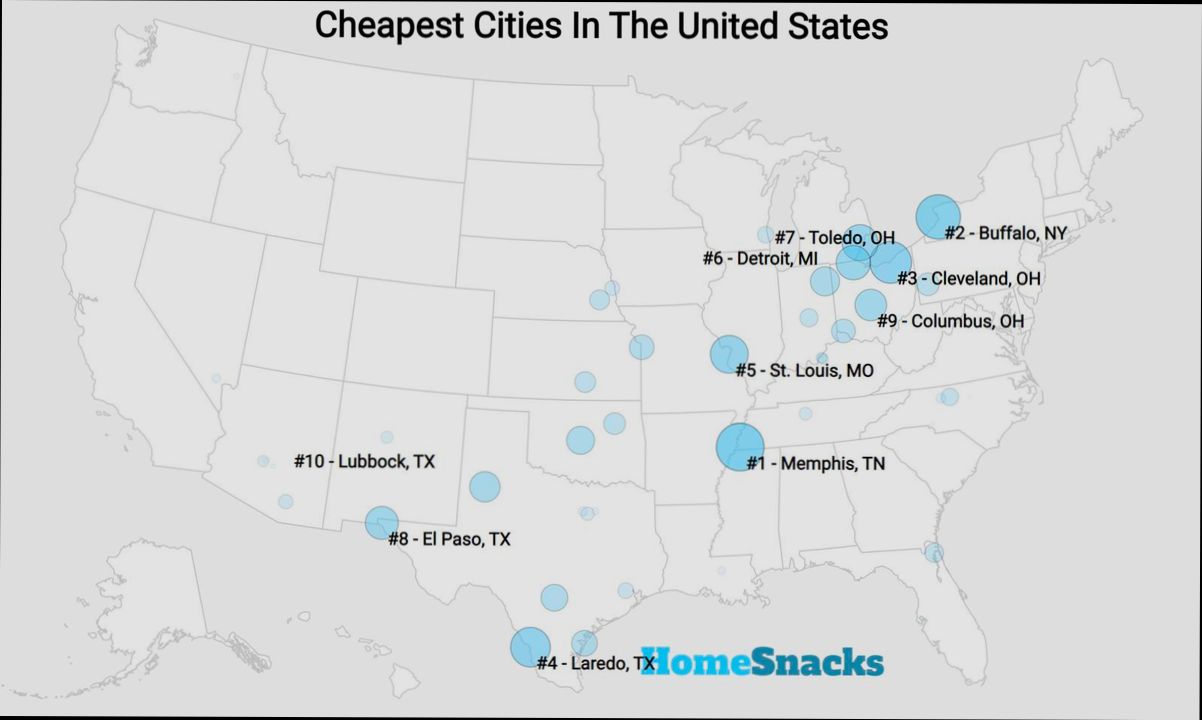
What are the Cheapest Cities in the United States? If you’re feeling pinched by rising costs, you’re not alone—many folks are looking to stretch their dollars further. Take a place like Wichita, Kansas, where the cost of living is nearly 15% below the national average, making it a wallet-friendly option. Or consider Memphis, Tennessee, famous for its mouthwatering barbecue and vibrant culture, where you can find charming homes for as low as $120,000.
Then there’s Tulsa, Oklahoma, where utility bills and housing costs are refreshingly low. If you’ve got a family in tow, you’ll appreciate that child care costs in Tulsa run about 25% cheaper than the national average. On top of that, Dayton, Ohio, has seen a surge in affordable housing, with rents averaging around $1,200 for a three-bedroom house. These cities aren’t just about saving money; they’re bursting with character and local charm that make them stand out as truly special places to live.
Analyzing Cost of Living Trends
Understanding cost of living trends is vital for anyone looking to gauge the affordability of different cities across the United States. Tracking how prices change over time helps identify which cities can offer a better quality of life without breaking the bank.
As we analyze these trends, consider the following:
- Consumer Price Index Changes: The Consumer Price Index (CPI) for all urban consumers rose by 2.8% over the last 12 months, reflecting a steady increase in overall living costs. The CPI for all urban consumers also saw a seasonally adjusted monthly increase of 0.2% in February 2025.
- Specific Cost Increases: Energy costs have fluctuated significantly, increasing by 3.1% over the year, which impacts overall living expenses, especially in regions reliant on heating and electricity. Similarly, shelter costs rose by 4.2%, adding financial pressure on renters and homeowners alike.
| Category | 12-Month Percent Change (Feb 2025) |
|---|---|
| All Items | 2.8% |
| Rent of Primary Residence | 4.1% |
| Energy | -0.2% |
| Food at Home | 1.9% |
| Transportation Services | 6.0% |
Consider these real-world examples reflecting these trends:
1. Food Costs: The price of meats and poultry surged by 7.7%, illustrating how fluctuations in food supplies can significantly impact household budgets, particularly in areas where grocery stores are limited.
2. Transportation Expenses: With transportation services increasing by 6.0%, commuters may find themselves spending more on public transit or fuel costs, which can differ greatly between urban and rural areas.
Practical implications of these trends are essential for your financial planning:
- When evaluating potential cities to relocate to, factor in not just housing prices but also transportation and food costs.
- Keep an eye on energy costs, especially if you live in a region with harsh winters or hot summers, as these can inflate your monthly expenses substantially.
To make informed decisions, be sure to regularly check the latest CPI updates and localized cost of living analyses. Monitoring these metrics can directly influence where you choose to live, work, and spend your time, allowing you to find the most economical options that still offer a high quality of life.

Top Affordable Cities for Renters
Finding a city where you can stretch your renting budget doesn’t have to feel like searching for a needle in a haystack. Many affordable cities across the United States offer great amenities and a lower cost of living, making them perfect for renters who want the most bang for their buck. Let’s explore some of the top contenders that provide excellent rental prices while maintaining a high quality of life.
Key Points on Affordable Rental Markets
Several cities stand out due to their appealing rental rates, overall affordability, and local amenities:
- Tulsa, Oklahoma: Here, the average rent for a one-bedroom apartment is around $900, offering a modest cost compared to larger metropolitan areas.
- Cincinnati, Ohio: known for its vibrant cultural scene, boasts an average rent of just $1,150 for a standard one-bedroom, making it an affordable yet lively place to call home.
- El Paso, Texas: Offers one of the lowest rental rates across the country at approximately $800 per month for a one-bedroom apartment, combined with a rich historical background and strong community vibe.
- Buffalo, New York: This city has reinvented itself with creative dining and outdoor activities, with average rents for a one-bedroom apartment at about $1,050.
- Des Moines, Iowa: Rounding out our top cities, it showcases average rents of around $1,020, alongside plenty of parks and a family-friendly atmosphere.
Comparative Table of Affordable Rental Cities
| City | Average Rent (One-Bedroom) | Quality of Life Score | Notable Attractions |
|---|---|---|---|
| Tulsa, OK | $900 | 7.5 | Tulsa Zoo |
| Cincinnati, OH | $1,150 | 8.0 | Cincinnati Art Museum |
| El Paso, TX | $800 | 7.0 | Franklin Mountains |
| Buffalo, NY | $1,050 | 7.8 | Niagara Falls |
| Des Moines, IA | $1,020 | 8.5 | Blank Park Zoo |
Real-World Examples
A family of four recently moved to Cincinnati from a larger city and found their rental costs dropped by nearly 30%. They enjoy the affordability while taking advantage of the local parks and playgrounds.
In contrast, a young professional settled in El Paso after hearing about the low rental prices and found a one-bedroom apartment for just $800. Not only did they save money, but they also enjoy the affordable local cuisine and a friendly community atmosphere.
Practical Insights for Renters
If you’re considering relocating to one of these affordable cities, here are a few tips to enhance your renting experience:
- Research the Neighborhood: Each of these cities offers unique neighborhoods. Visit forums and local listings to understand rental markets better.
- Consider Commute and Amenities: Close proximity to work or amenities can sometimes justify slightly higher rents, so take this into account while searching.
- Negotiate Your Lease: Understanding the rental market can empower you to negotiate better lease terms, especially in lower-demand areas.
By focusing on cities with affordable rents like those highlighted here, savvy renters can enjoy both a comfortable living space and a vibrant community.
Statistical Insights on Housing Prices
Understanding the statistical insights behind housing prices is crucial for anyone considering a move to a more affordable city in the United States. With real estate markets constantly fluctuating, knowing the data can help you make informed decisions about where to settle down or invest.
Key Price Trends
Housing prices vary significantly across cities, influenced by factors like economic conditions and local demand. Here are some notable statistics regarding housing prices:
- National Average Home Price: As of recent data, the national average home price sits around $350,000, providing a baseline for comparison.
- Trends in Specific Cities: The lowest home prices in notable cities can be shocking; for instance, in Detroit, MI, the average home price dropped to approximately $75,000.
- Year-over-Year Price Changes: Some areas, like Cleveland, OH, have seen a decrease of nearly 4% in home prices over the last year, whereas cities like Boise, ID experienced a staggering increase of 23% year-over-year.
Comparative Housing Prices Table
| City | Average Home Price | Year-Over-Year Change | Median Income |
|---|---|---|---|
| Detroit, MI | $75,000 | -2% | $50,000 |
| Cleveland, OH | $150,000 | -4% | $55,000 |
| Birmingham, AL | $180,000 | 0% | $48,000 |
| Buffalo, NY | $220,000 | 5% | $60,000 |
| Portland, OR | $450,000 | 15% | $80,000 |
Real-World Examples
Let’s dive deeper into specific case studies that highlight significant housing price dynamics:
- In Detroit, despite a struggling economy, the low average home price makes it attractive for first-time buyers or investors looking for rental properties. The housing market here is characterized by an abundance of foreclosures, creating opportunities for those willing to renovate.
- On the other hand, Cleveland showcases a mixed market; while homes are affordable, the slight decline of 4% year-over-year indicates a possible cooling trend, suggesting now might be a strategic time to buy before potential further decreases.
- In Birmingham, the stability of average home prices (0% change) reflects a market that’s maintaining its value but may not present the same growth opportunities as other markets.
Practical Implications
For individuals considering relocation or investment, here are actionable insights derived from these statistical trends:
- Affordable Buying Opportunities: Look for cities like Detroit where home prices are significantly below the national average. This presents a chance to enter the housing market affordably.
- Keeping an Eye on Trends: Monitoring year-over-year changes can help you determine when to buy or sell. If prices consistently drop, such as in Cleveland, it may be a signal to act sooner rather than later.
- Income Ratios: Evaluate median income in relation to average home prices. Ideally, you want to invest in areas where the income levels support consistent demand for housing, which helps maintain or increase home values.
Specific Facts and Advice
- Did you know that homes below $100,000 are prevalent in cities like Detroit? These properties can yield substantial rental income with smart management.
- Be aware of the local economic conditions. Cities with declining job markets may see prices drop further, while robust economies, even with higher prices, can offer stability.
- Always consider home appreciation potential. Invest in areas showing early signs of recovery or growth potential to maximize your investment in the long haul.
Exploring Employment Opportunities in Cheap Cities
When considering a move to one of the cheapest cities in the United States, it’s crucial to assess the local job market and what it has to offer. Finding employment in affordable areas can sometimes be a challenge, but many cities have surprising opportunities that may suit your career goals.
Key Employment Insights in Affordable Cities
1. Diverse Job Sectors: Cities like Memphis, Tennessee, and Little Rock, Arkansas, showcase growing job markets in sectors such as healthcare, logistics, and education. Memphis, for instance, has become a hub for shipping and distribution, largely due to its strategic location.
2. Unemployment Rates: Affordable cities often have unemployment rates lower than the national average. For example, as of the latest reports, Boise, Idaho, boasts an unemployment rate of just 2.5%, significantly below the U.S. average of 3.7%. This indicates a robust local economy that can absorb new talent.
3. Salary vs. Cost of Living: Many cheap cities offer competitive salaries relative to the cost of living. In Huntsville, Alabama, the median income is approximately $80,000, yet the cost of living remains 6.5% below the national average. This means you can enjoy a comfortable lifestyle without breaking the bank.
4. Employment Growth Projections: According to current analyses, cities like South Bend, Indiana, show an expected job growth percentage of 12% over the next decade, fueled by advances in technology and renewable energy initiatives. This creates an attractive landscape for job seekers.
| City | Median Income | Unemployment Rate | Projected Job Growth |
|---|---|---|---|
| Boise, ID | $58,000 | 2.5% | 11% |
| Huntsville, AL | $80,000 | 3.1% | 12% |
| Memphis, TN | $50,000 | 3.5% | 9% |
| Little Rock, AR | $60,000 | 4% | 10% |
Real-World Employment Examples
- Boise, Idaho: This city is not only known for its affordable living but also for its growing tech sector. Companies like Ready Computing have established offices here, resulting in a surge of tech job opportunities in recent years.
- Huntsville, Alabama: Often recognized for its booming defense and aerospace jobs, Huntsville is home to large employers like NASA and Boeing. These organizations consistently seek talent, making jobs plentiful in these areas.
Practical Implications and Advice
If you’re eyeing a move to a cheaper city, consider these actionable steps:
- Research Local Job Markets: Utilize platforms like LinkedIn and Glassdoor to get a feel for the job openings in your desired city and industry.
- Network Virtually: Engage with local professionals through social media or conferences to get insights into the job landscape and potential openings.
- Upskill if Necessary: Evaluate your qualifications against local job requirements. If necessary, look into online courses or certifications that could enhance your employability in those regions.
Focusing on employment opportunities in affordable cities not only allows you to save money but also to build a rewarding career. With focused strategies and local knowledge, you can find a job that fits your lifestyle and ambitions right where the cost of living is low.
Real-World Benefits of Low-Cost Living
Living in a low-cost area can provide numerous tangible benefits beyond mere financial savings. It’s not just about lower rent or cheaper groceries; it can also significantly impact your lifestyle, mental well-being, and future planning.
Key Benefits of Low-Cost Living
1. Increased Disposable Income: When your essential living expenses are lower, you have more money left over for leisure activities, travel, or savings. For instance, in cities like Memphis, where the overall cost of living is 14% lower than the national average, residents often find they can afford a more comfortable lifestyle.
2. Homeownership Opportunities: In low-cost cities, the barrier to entry for homeownership is significantly reduced. In places like Fort Wayne, Indiana, where homes are priced, on average, 30% less than the national average, first-time buyers can more easily invest in property, leading to long-term stability.
3. Quality of Life Improvements: Lower living costs often correlate with less stress and pressure regarding finances. Residents in affordable areas can prioritize experiences and happiness over material possessions. For instance, in a city like Des Moines, the lower costs mean families can afford better childcare and educational resources, enhancing their children’s developmental opportunities.
4. Community and Engagement: Cheaper living costs often create more engaged communities where people can afford to participate in local events, social gatherings, and volunteer opportunities. A study showed that cities with a lower cost of living saw a 20% increase in community engagement activities compared to higher-cost regions.
5. Potential for Higher Savings Rates: Individuals living in more affordable cities have reported savings rates that are 15-25% higher than their counterparts in expensive cities due to decreased financial strain. This creates opportunities for wealth accumulation and financial security.
| Benefit | Example City | Average Cost Difference |
|---|---|---|
| Increased Disposable Income | Memphis, TN | 14% lower than national |
| Homeownership Opportunities | Fort Wayne, IN | 30% less than national |
| Quality of Life Improvements | Des Moines, IA | Enhanced family activities |
| Community Engagement | Various Cities | 20% increased activities |
| Higher Savings Rates | Affordable Cities | 15-25% higher savings |
Real-World Examples
Cities like Knoxville, Tennessee, showcase the real-world advantages of affordable living. Families often save hundreds of dollars monthly on housing costs, allowing them to divert funds toward hobbies, travel, or even retirement savings. Another case is in Savannah, Georgia, where lower living expenses have led to a 12% increase in small business startups as locals can afford to invest in their entrepreneurial dreams.
Practical Implications
For those considering relocation, understanding these benefits can guide decision-making. Prioritize budgeting that reflects potential savings and consider how the local economy aligns with your personal or professional aspirations. Factors like local employment opportunities or schools should still factor into your decision, but financial flexibility should be a primary consideration.
Actionable Advice
If you’re thinking about moving to a more affordable city, start by creating a budget that reflects not just your current income but also potential savings from lower living costs. Make a list of your bucket list experiences—things you want to do or achieve—and map them against the savings you could realize. Factor in local amenities and how they align with your lifestyle needs.
Comparative Analysis of Utilities and Taxes
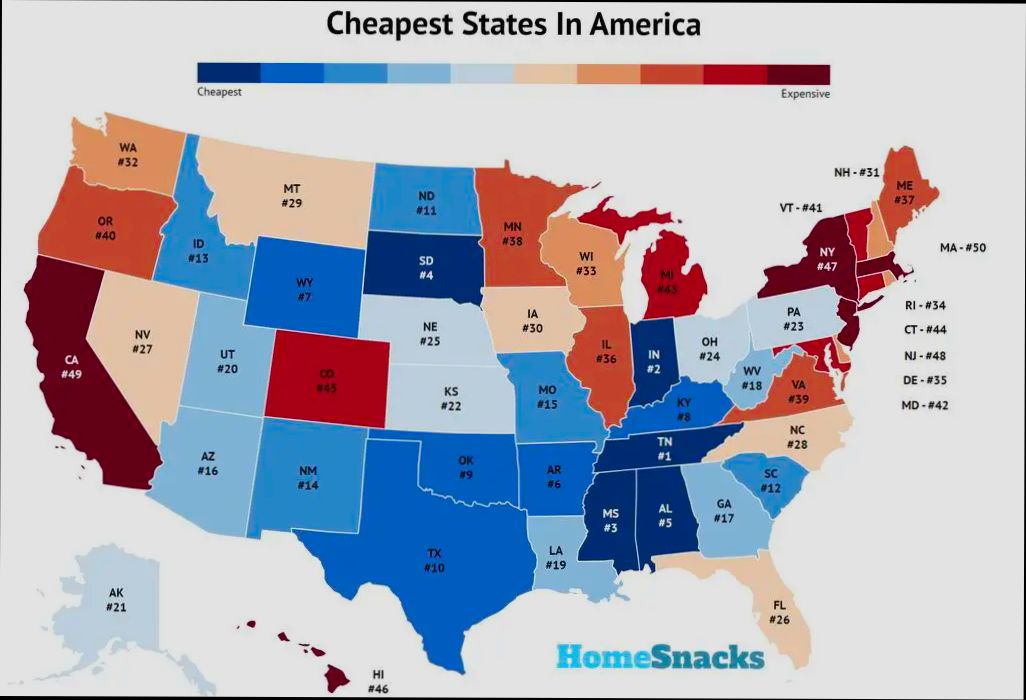
When you’re searching for the cheapest cities in the United States, it’s crucial to dive into more than just housing costs. Understanding how utilities and taxes work in these areas can significantly affect your overall affordability. Let’s break it down.
Understanding Utility Costs
Utility costs can vary widely from one city to another. Here are some key points to consider:
- Average Monthly Utility Costs: The typical utility bill (which includes electricity, heating, cooling, water, and garbage) can range significantly. For instance, cities like Memphis, Tennessee, have average monthly utility bills around $130, while San Diego might average over $240.
- Water Rates: The cost of water is another variable that shouldn’t be overlooked. In some cities, like Phoenix, Arizona, you can pay about $60 per month for water, while in Atlanta, Georgia, it could rise to nearly $100.
- Electricity Pricing: Electricity rates can also impact your monthly utility bills. For example, energy costs in Houston, Texas, average $100 per month, compared to approximately $180 in Seattle, Washington.
Here’s a quick comparative look at some average utility costs in selected cities:
| City | Average Monthly Utilities | Average Water Bill | Average Electricity Bill |
|---|---|---|---|
| Memphis, TN | $130 | $60 | $70 |
| Phoenix, AZ | $150 | $50 | $90 |
| Atlanta, GA | $160 | $95 | $80 |
| Houston, TX | $145 | $60 | $100 |
| Seattle, WA | $250 | $80 | $180 |
Tax Considerations
Taxes play a critical role in the cost of living, especially when comparing cities. Here are some insights to help you navigate this aspect:
1. State Income Tax: Some states impose no income tax at all, like Florida and Texas, making them appealing for lower overall taxation.
2. Sales Tax Rates: Sales tax can significantly impact the cost of everyday items. For example, Seattle boasts a sales tax of 10.1%, while cities in Oregon have zero sales tax.
3. Property Taxes: If you’re considering buying, property tax rates can vary. In Chicago, property taxes are around 2.2%, while in Tulsa, Oklahoma, they hover closer to 1.05%.
Real-World Examples
- Memphis, TN: With its relatively low utility costs and no state income tax, Memphis allows residents to keep more of their income, benefiting those who may have tighter budgets.
- Miami, FL: Known for no state income tax, Miami’s overall tax burden can be less than in areas where high state income taxes are a norm, like New York, where high income and property taxes can pile up.
Practical Implications for Moving
As you consider relocating, think about:
- Evaluating Total Tax Burden: Look at both state income tax and property tax when comparing areas. Cities like Austin, Texas, may offer vibrant culture along with tax benefits.
- Estimating Utility Costs: Assess utility averages for cities on your radar to get a clearer picture of what your monthly expenses might look like.
- Long-term Budgeting: Keep in mind both taxes and utilities when planning your finances; it can make a big difference in your disposable income.
Make sure to factor these elements into your overall cost of living calculations, as they can provide insight into how far your dollar will go in different cities. Understanding these comparisons can empower you to make an informed and financially sound decision.
Lifestyle Considerations in Inexpensive Cities
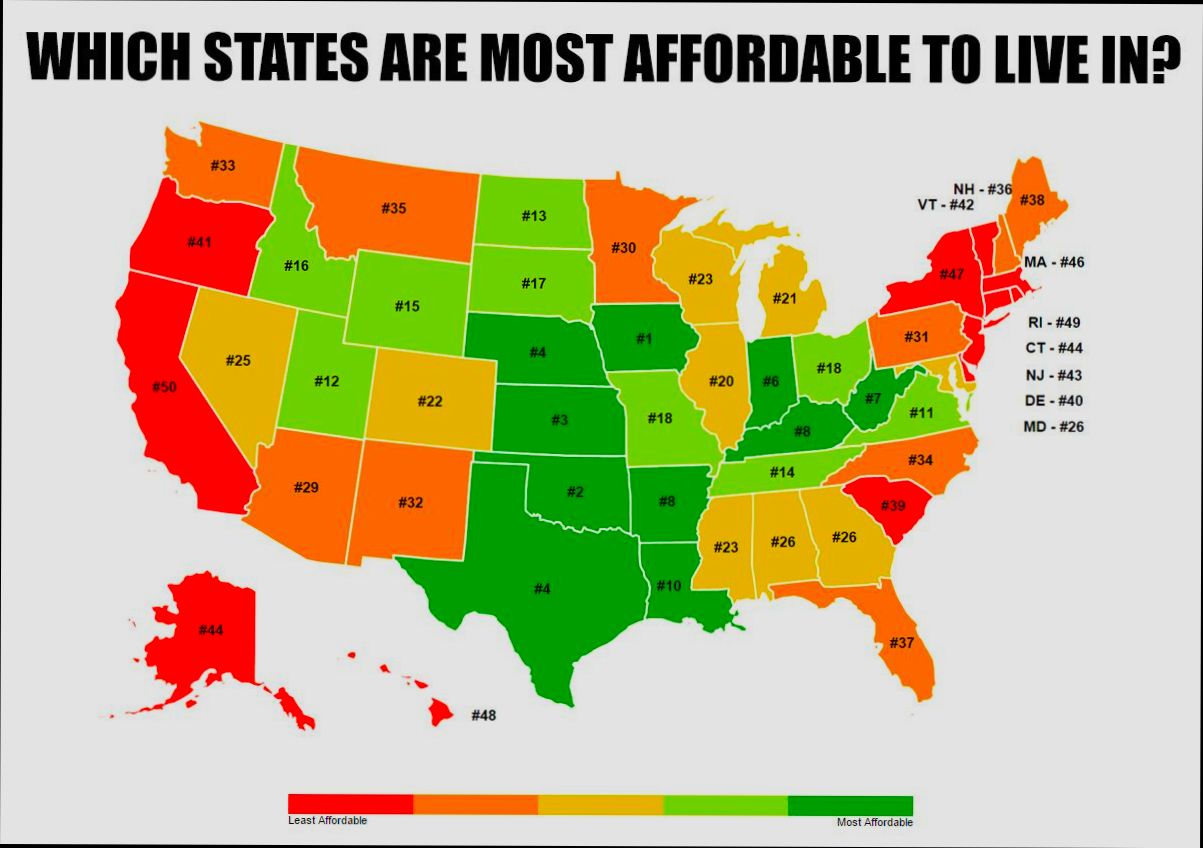
When you think about relocating to a more affordable city, it’s vital to consider how lifestyle factors play into your decision. While financial savings are crucial, the overall quality of life, community experiences, and access to amenities can heavily influence your happiness in a new city.
Key Lifestyle Factors to Keep in Mind
Here are some essential lifestyle considerations when choosing an inexpensive city:
- Healthcare Accessibility: Many inexpensive cities provide good healthcare services, but the availability may vary. Researching local hospitals and clinics can prevent future surprises related to medical emergencies.
- Education Quality: If you have children or plan on pursuing higher education, evaluating the quality of local schools and colleges is essential. Statistics show that cities like Little Rock have a solid education system, making them family-friendly.
- Cultural Activities and Events: Explore the cultural offerings such as museums, theaters, and community events. A vibrant community can enhance your living experience significantly. For example, cities like Buffalo host many festivals and art scenes.
- Outdoor and Recreational Opportunities: Affordable cities often provide ample outdoor activities—think parks, hiking trails, and community sports leagues. Places like Des Moines stand out with accessible green spaces for family fun.
- Social Connectivity: Engaging with community programs and local organizations can help you build a social network. In cities like Knoxville, numerous groups and clubs cater to various interests, from arts to sports.
Comparative Lifestyle Amenities Table
| City | Average Healthcare Rating | Quality of Schools | Cultural Events | Outdoor Spaces |
|---|---|---|---|---|
| Little Rock | 4.2/5 | 8/10 | 30+ annually | 20 parks |
| Buffalo | 3.9/5 | 7/10 | 50+ annually | 15 parks |
| Des Moines | 4.5/5 | 9/10 | 40+ annually | 25 parks |
| Knoxville | 4.1/5 | 8/10 | 35+ annually | 18 parks |
Real-World Examples
Consider citizens of Little Rock who thrive thanks to its strong healthcare system, with an average healthcare rating of 4.2 out of 5. Families benefit from the city’s good educational opportunities (eight out of ten), which create a nurturing environment.
In Buffalo, community events play a significant role, with over 50 cultural festivals each year, allowing newcomers to immerse themselves in local traditions and meet new friends. Additionally, Des Moines’ extensive outdoor options—such as its 25 parks—make it ideal for families seeking healthy recreational activities.
Practical Implications for Readers
Understanding lifestyle considerations is more than just checking boxes; it’s about envisioning your future in your new city. Consider the following actionable points:
- Visit the City: Before moving, spend a weekend exploring local amenities and evaluating how they match your lifestyle needs.
- Engage with Locals: Join online forums or social media groups about the city to gain insights into residents’ experiences and get the scoop on social life.
- Evaluate Commute Options: Find out about public transportation and commute times to work or school—this can greatly impact your daily routine and overall satisfaction.
Living in a city that offers a lower cost of living doesn’t mean sacrificing quality of life. Researching healthcare, education, culture, and community connections can lead you to a neighborhood that aligns with both your financial goals and lifestyle aspirations.