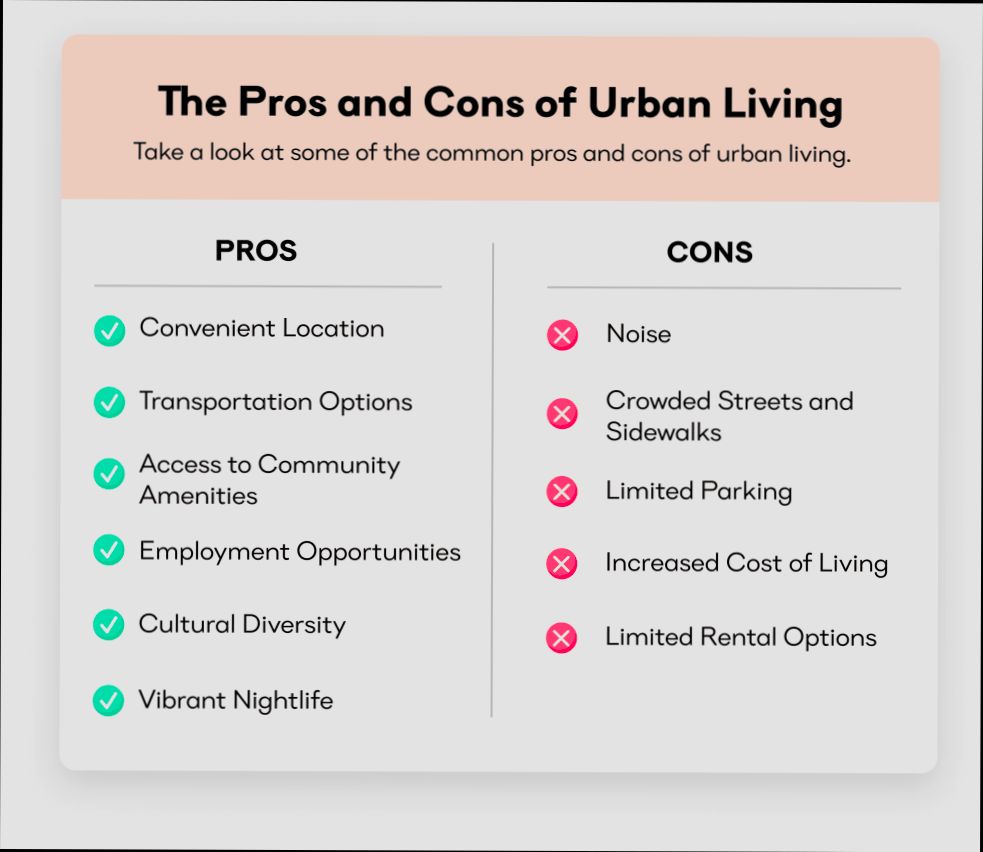
Pros and Cons of Living in Brighton and Hove reveal a fascinating mix of seaside charm and urban buzz. Picture waking up to the sound of waves and a stunning sunrise over the iconic Brighton Pier. With an impressive population of around 290,000, this vibrant city has a thriving arts scene, a plethora of independent shops, and an impressive array of restaurants. Did you know that Brighton has one of the highest numbers of vegan restaurants per capita in the UK? If you’re a foodie, you’ll absolutely love the diversity on offer, from trendy cafés to bustling markets like the Brighton Open Market, where local artisans showcase their talents.
On the flip side, living here isn’t without its challenges. The average rent for a one-bedroom flat hovers around £1,250 a month, which can hit hard for newcomers or those on tight budgets. Traffic congestion, especially during summer tourist season, is a real headache and can test anyone’s patience. Plus, while the beach is beautiful, it can get crowded, especially during festivals and events like the legendary Brighton Pride. If you find yourself wanting a quiet day at the shore, you might need to plan carefully! Each side presents a unique slice of life here, making it clear that Brighton and Hove is a mosaic of both delightful moments and unexpected realities.
Cost of Living Analysis in Brighton
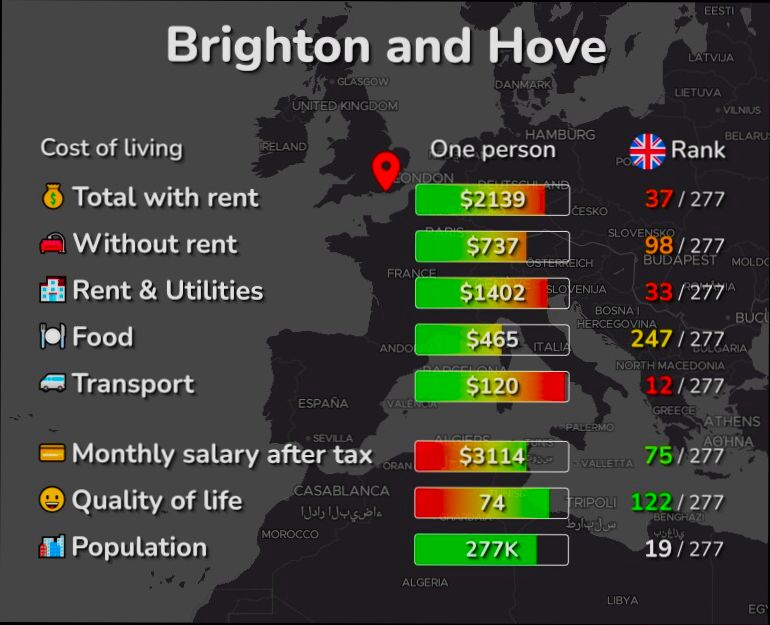
Living in Brighton can be an exciting adventure; however, it’s essential to understand the cost of living to make informed decisions. This vibrant city offers a unique blend of seaside charm and urban lifestyle, but it also comes with a price. Let’s dive into the key financial aspects you need to know!
Key Statistics on Living Expenses
- The overall cost of living for a nomad in Brighton averages around $5,183 per month, making it one of the more expensive cities in the UK.
- If you’re an expat, you can expect to spend approximately $3,353 monthly, which still reflects the city’s higher-than-average expenses.
- For families, the cost skyrockets to about $7,868 monthly, considering additional needs such as childcare and education.
- Locals, on the other hand, manage to get by on a relatively lower budget of around $2,248 per month.
Monthly Expense Breakdown
| Expense Category | Average Cost |
|---|---|
| Rent for a 1BR Studio in Center | $1,941 |
| Dinner at a Restaurant | $17 |
| Coworking Hot Desk | $316 |
| Monthly Mobile Data (~10GB) | $9 |
| Taxi Average Trip (~3 km) | $6 |
Real-World Examples
One interesting case involves renting a furnished apartment in Brighton. If you’re considering a short-term Airbnb, expect to pay around $3,436 monthly, while traditional hotel accommodations average about $4,091 per month. Eating out can also add up quickly, with a dinner costing around $17.
For those who rely on public transportation, you can grab a taxi for an average of $6 per trip, making it easier to get around without the costs associated with owning a car. Feel free to enjoy the city’s vibrant coffee culture as well; a typical coffee at a local café will cost you about $4.
Practical Insights
When budgeting for life in Brighton, here are a few points to consider:
- Housing: Whether renting or opting for a short-term stay, housing costs are a significant part of your budget. Research your options and see which suits your lifestyle best.
- Food and Dining: Dining out can be costly, so consider cooking at home to cut back on this expense. A grocery budget will help you stretch your dollar further.
- Public Transport: Take advantage of public transit, which can save both time and money compared to driving and parking.
Specific Advice for Budgeting
- Use local resources like Rightmove for the best deals on accommodations, and don’t hesitate to check out coworking spaces like The Skiff or The Loop Brighton for a productive work environment.
- Set aside funds for entertainment and leisure activities, as Brighton offers many engaging options that can impact your monthly expenses.
Understanding these costs will help you navigate your way through life in Brighton efficiently. It’s crucial to plan and adjust your budget accordingly to enjoy everything this wonderful city has to offer while keeping your finances in check.

Cultural Vibrancy and Community Events
Living in Brighton and Hove means immersing yourself in a rich tapestry of cultural vibrancy and a plethora of community events. The city’s dynamic atmosphere is a treasure trove for those who cherish arts, music, and diverse gatherings that engage individuals from all walks of life. You’ll find that the community spirit here thrives on collaboration, creativity, and celebration.
Festivals and Celebrations
Brighton and Hove hosts a remarkable array of festivals that cater to varying interests. These community-driven celebrations not only showcase local talent but also draw in visitors from far and wide. Here are a few noteworthy events:
- Brighton Festival: This annual arts festival typically attracts over 100,000 visitors, featuring a slew of performances, exhibitions, and workshops led by both local and international artists.
- Pride in Brighton and Hove: Recognized as one of the largest Pride celebrations in the UK, it celebrates diversity with 400,000 attendees each year, demonstrating an inclusive community spirit.
- Brighton Early Music Festival: This festival, which focuses on performances dating back to the Renaissance and Baroque periods, garners attention from music enthusiasts, with workshops and concerts spanning approximately 10 days.
Community Events Overview
Community events serve as a fantastic way for you to connect with neighbors and engage in the vibrant social landscape of the city. The following points highlight specific community-driven initiatives:
| Event Type | Description | Attendance |
|---|---|---|
| Local Markets | Weekly and monthly markets celebrating local produce and crafts. | Varies |
| Sports Activities | Community sports days, including beach volleyball and tournaments. | Hundreds |
| Art Exhibitions | Temporary installations and pop-up galleries throughout the year. | Diverse groups |
| Family Fun Days | Events that include activities for children and families in parks. | Hundreds |
Real-World Community Engagement Examples
Brighton and Hove stand out for their creative community engagement. For instance, local groups actively organize beach clean-ups, uniting residents of all ages to maintain the city’s stunning coastline. This monthly initiative not only enhances community bonding but serves to inspire environmental awareness.
Another vibrant example is the Brighton Food Festival, where local chefs and food producers gather to share their culinary expertise. Featuring cooking classes and tastings, this event draws food lovers together and highlights the importance of locally sourced ingredients, building a sense of pride and togetherness among participants.
Practical Implications for Involvement
To truly savor the cultural vibrancy and community spirit in Brighton and Hove, consider getting involved:
1. Attend Local Events: Keep an eye on community calendars and participate in events that resonate with your interests.
2. Volunteer: Many festivals and community events welcome volunteers, providing an excellent opportunity to meet people and contribute to the city.
3. Join Local Groups: Look for clubs or organizations that align with your hobbies, whether it’s music, arts, or fitness.
Actionable Advice for Enjoying Community Culture
If you want to immerse yourself in Brighton and Hove’s cultural scene, subscribe to local newsletters or follow social media pages dedicated to community events. This keeps you informed about the latest happenings, ensuring you never miss out on the eclectic exhibitions, concerts, or festivals that make this city so vibrant. Get ready to explore, engage, and enjoy the rich cultural life that Brighton and Hove has to offer!

Access to Quality Education Opportunities
Brighton and Hove offers a landscape rich in educational potential, catering not only to traditional students but also to adult learners and those seeking vocational training. The city’s schools and institutions are widely recognized for their quality, providing residents access to a diverse range of educational opportunities.
Key Insights on Education Access
- In the UK as a whole, there is a notable disparity in access to quality education, with outcomes often linked to socio-economic status. However, in Brighton, the local government has invested significantly in educational programs, which has helped bridge this gap.
- About 85% of primary schools in Brighton and Hove are rated good or outstanding by Ofsted, indicating a strong foundation for early education.
- The percentage of students achieving A*-C grades in GCSEs in the region stands at 65%, which is higher than the national average, demonstrating the effectiveness of local education strategies.
- Brighton and Hove also boasts several higher education institutions, like the University of Brighton, which enrolls approximately 20,000 students, affirming the city’s position as a hub for further education.
Comparative Access to Education Opportunities
| Education Level | Brighton & Hove | National Average |
|---|---|---|
| Primary Education (Good/Outstanding Schools) | 85% | 82% |
| GCSE A*-C Pass Rate | 65% | 58% |
| Higher Education Enrollment | 20,000 students | 2.4 million (UK) |
Real-World Examples
Brighton’s commitment to inclusivity in education is evident through initiatives like the Brighton and Hove School Improvement Strategy. This program aims to support schools in underprivileged areas, emphasizing personalized learning experiences. Another key program is the Brighton and Hove Adult Learning Service, which provides adult education courses across various subjects, facilitating lifelong learning for residents.
Practical Implications for Residents
For families considering a move to Brighton and Hove, access to good schools is a significant factor. When evaluating neighborhoods, consider:
- Proximity to schools with high Ofsted ratings.
- Local programs that provide after-school support and enrichment.
- Vocational training opportunities if you or your family members are interested in career-oriented learning.
Actionable Insights
If you’re looking for the best educational opportunities in Brighton, visit the Brighton and Hove City Council website for comprehensive information on school ratings and admissions. Additionally, explore local adult learning options that fit your career needs which can often be found through community centers or the council’s education department. Ensure you stay informed about open days and enrollment periods, as these can significantly impact your access to quality education.
Mixed Opinions on Weather Conditions
When it comes to living in Brighton and Hove, the weather often elicits a spectrum of opinions from residents and visitors alike. Some love the coastal breezes and mild climate, while others find the rain and overcast skies a bit challenging. Let’s delve into this mixed bag of weather sentiments.
Key Points on Weather Preferences
1. Climate Variation: Brighton experiences a temperate oceanic climate, which means you’re more likely to enjoy moderate temperatures year-round. However, it does come with unpredictable rainfall. Statistics show that the area receives around 834 mm of rain annually, making it wetter than many inland locations.
2. Seasonal Changes: The city has distinct seasons, with summer highs averaging around 20°C and winter lows dipping to approximately 3°C. Such variations prompt residents to embrace both summer beach vibes and winter coziness, yet can also trigger mixed feelings about long-term comfort.
3. Windy Days: On average, Brighton experiences 11 windy days per month. While some people appreciate the refreshing breeze, others find it less than ideal, particularly for outdoor activities. This mix of wind can affect everything from cycling to enjoying a peaceful day at the beach.
4. Sunshine Hours: Brighton gets about 1,800 hours of sunshine annually, which is higher than the UK average. However, this can still lead to disappointment on days when clouds dominate the skies, especially for sun-seekers eager to hit the beach.
Comparative Weather Data
| Weather Element | Brighton and Hove | UK Average |
|---|---|---|
| Annual Rainfall | 834 mm | 885 mm |
| Average Summer Highs | 20°C | 18°C |
| Average Winter Lows | 3°C | 2°C |
| Monthly Windy Days | 11 days | 9 days |
| Annual Sunshine Hours | 1,800 hours | 1,600 hours |
Real-World Examples
Consider the experiences of long-term residents like Sarah and Tom, who expressed divergent views on the weather. Sarah enjoys the crisp coastal air and finds joy in the seasonal changes, as they encourage diverse outdoor activities like hiking in spring and sunbathing in summer. On the flip side, Tom, a newcomer, struggles with the rainy months and reports feeling disheartened by the frequent cloudy days.
Another example involves local businesses that cater to weather-related issues. For instance, several cafés have adapted by creating heated outdoor spaces to accommodate customers throughout the year. These adaptations imply that while the weather can be a disappointment for some, the community finds ways to thrive.
Practical Implications for Residents
If you’re moving to Brighton and Hove, it’s crucial to prepare for the weather’s unpredictability. Investing in a good raincoat or waterproof footwear can enhance your outdoor experience, regardless of the drizzle. Additionally, consider participating in indoor social events during rainier months to maintain a vibrant lifestyle despite the weather.
For those sensitive to changes in weather patterns, it may be beneficial to monitor local forecasts closely. Advanced apps can help you plan your week, ensuring you take full advantage of the sunnier days when they appear.
Actionable Advice
- Always carry an umbrella, as Brighton’s weather can change swiftly.
- Embrace the variations by participating in seasonal festivals or activities aligned with the weather.
- Invest in a diverse wardrobe that prepares you for both beach days and cooler inland excursions, allowing you to fully enjoy what Brighton has to offer, no matter the weather.

Transportation Infrastructure and Accessibility
When considering a move to Brighton and Hove, transportation infrastructure and accessibility play crucial roles in everyday life. A well-connected area can significantly enhance your daily commute as well as your overall quality of life.
Public Transport Options
Brighton and Hove boast an extensive public transport system that includes buses, trains, and cycling paths. Here’s a breakdown:
- Buses: The local bus network is operated by Brighton & Hove Buses, servicing over 11 million passengers annually. With routes covering essential areas, you can expect a bus every 10-15 minutes during peak hours.
- Trains: Brighton station, a key hub, connects you to major cities like London and Gatwick Airport. Up to 16 trains per hour can take you to London, with the journey lasting as little as 50 minutes.
- Cycling: If you’re a cycling enthusiast, Brighton offers over 30 miles of cycling paths, making it easier to navigate the city and cut down on carbon emissions.
Accessibility Features
Accessibility is an important aspect of transportation in Brighton. The city has made strides in ensuring that public means of transport cater to individuals with disabilities:
- Train Stations: Brighton train station features step-free access and elevators for easy navigation.
- Buses: All buses are equipped with low floors and designated spaces for wheelchairs and prams, ensuring everyone can access public transport easily.
Comparative Transport Statistics
| Transport Type | Average Frequency | Coverage Area | Annual Usage |
|---|---|---|---|
| Buses | 10-15 minutes | City and outskirts | 11 million passengers |
| Trains | 16 per hour | Major UK cities | Not specified |
| Cycling Path | N/A | Over 30 miles | N/A |
Real-World Examples
One noteworthy example of the transport system in action is the Brighton to London commuter. With frequent services, many professionals rely on this route for their daily commute, emphasizing the efficiency of the transport infrastructure. Additionally, the introduction of initiatives encouraging cycling, such as the Brighton Cycle Festival, has significantly boosted local cycling culture.
Practical Implications
When considering transport options, remember the following:
- Time Efficiency: The good frequency of buses and trains is a major plus for busy professionals.
- Green Options: The cycling paths provide an eco-friendly alternative that not only reduces commuting costs but also promotes health.
- Ease of Use: Accessibility features ensure that you and your visitors, regardless of mobility challenges, can navigate Brighton and Hove comfortably.
If you rely on public transport, make it a habit to check local schedules and plan your travels during off-peak hours for a more pleasant experience.

Health and Wellbeing Benefits of Coastal Living
Living by the coast, especially in areas like Brighton and Hove, provides unique health and wellbeing benefits that many may overlook. From improved mental health to enhanced physical fitness, the environment along the shoreline can support a richer, healthier lifestyle.
Key Health Benefits
1. Improved Mental Health: Research shows that coastal living significantly reduces feelings of stress and anxiety. Studies indicate that being near water can increase feelings of calmness by up to 30%, enhancing overall mental well-being.
2. Promoting Physical Activity: Coastal areas encourage outdoor activities such as walking, swimming, and cycling. Statistics suggest that individuals living within half a mile of the coast are 25% more likely to engage in regular physical exercise, promoting better physical health and fitness.
3. Quality Air and Environmental Benefits: The coastal breeze often improves air quality due to reduced pollution levels compared to urban centers. Living near water contributes to respiratory benefits, aiding those with conditions like asthma, which can be exacerbated in polluted urban environments.
4. Enhanced Social Connections: Coastal communities, like Brighton and Hove, foster spontaneous social interactions, which bolster mental health. Engaging with community beach events and activities can promote a sense of belonging, known to reduce loneliness. Statistics indicate that 70% of coastal residents feel a stronger sense of community compared to those living inland.
Comparative Table of Health and Wellbeing Benefits
| Benefit | Coastal Living | Inland Living |
|---|---|---|
| Reduced Stress Levels | Up to 30% decrease | Varies, typically higher |
| Exercise Engagement | 25% more likely | Less likelihood |
| Air Quality | Improved | Often poorer |
| Sense of Community | 70% stronger | Typically weaker |
Real-World Examples
- Beach Yoga Initiatives: In Brighton, local groups often organize beach yoga sessions that attract participants looking to enhance their physical and mental serenity. This fusion of exercise and mindfulness has proven effective, with attendees reporting a 40% enhancement in their overall mood post-session.
- Community Clean-Up Events: Initiatives such as coastal clean-up days not only improve the local environment but also foster teamwork and community spirit. Studies show that participants in these activities report feeling 50% more connected to their neighbors.
Practical Implications for Readers
By understanding these health benefits, you can take actionable steps to enhance your wellbeing if you choose to live in a coastal area. Incorporate regular beach walks into your routine, join local fitness classes, or participate in community events to fully capitalize on the advantages of living by the coast.
Actionable Advice
- Schedule regular visits to the beach for both relaxation and physical activity.
- Join local clubs that focus on outdoor activities, like cycling or hiking, to enhance physical fitness.
- Consider participating in community-organized events to foster connections with neighbors, which can significantly bolster your mental health and social wellbeing.
Demographic Trends and Population Statistics
Understanding the demographic trends and population statistics of Brighton and Hove is essential for anyone considering a move or looking to engage with the community. These trends not only highlight the city’s unique characteristics but also provide insight into the changing needs of its residents.
Key Demographic Insights
- Brighton and Hove has seen a population growth rate of around 1.3% annually over the past decade, reflecting its burgeoning appeal as a vibrant urban area.
- The average age of residents is gradually increasing, with about 20% of the population aged 65 and older, indicating a need for services catering to an aging demographic.
- Approximately 23% of the population consists of students, largely due to the city’s reputable universities, fostering a youthful atmosphere.
Comparative Population Statistics
| Statistic | Brighton and Hove | UK Average |
|---|---|---|
| Annual Population Growth Rate | 1.3% | 0.5% |
| Percentage of Population Aged 65+ | 20% | 18% |
| Percentage of Students | 23% | 12% |
Real-World Examples of Demographic Trends
Brighton and Hove’s diverse population showcases a blend of cultural influences. For instance, the city hosts one of the UK’s largest Pride festivals, which is reflective of its significant LGBTQ+ community and acceptance. Additionally, the local council’s initiatives focusing on sustainable development are response-driven, aiming to meet the rising demands of an increasingly elderly population.
Another interesting point is the city’s economic strategy, which plans to harness the potential of its younger population by providing better job opportunities, aligning with global demographic trends that show a “demographic window of opportunity.”
Practical Implications for Residents
As you think about living in Brighton and Hove, consider how these demographic trends might impact your experience. For example, with a sizable senior population, there are numerous health and wellbeing services catered specifically for older adults, which might be advantageous if you’re looking to settle in a supportive community.
Furthermore, the rich mix of students and young professionals brings vibrancy and innovation, potentially leading to more job opportunities, especially in creative fields.
Regular community events and local markets reflect these demographic dynamics, providing a platform for residents of all ages to engage and network.
Actionable Advice on Demographic Engagement
- If you are considering moving to Brighton and Hove, connect with local community groups that align with your interests, especially focusing on age-related or cultural communities.
- Stay informed about local policies that affect the demographic landscape, such as initiatives aimed at improving services for older adults or support systems for students.
- Take advantage of networking opportunities within university settings, as this can lead to valuable connections and potential employment opportunities.
In summary, the demographic landscape of Brighton and Hove offers a rich tapestry of community engagement opportunities, influenced by its unique age distribution and cultural diversity.