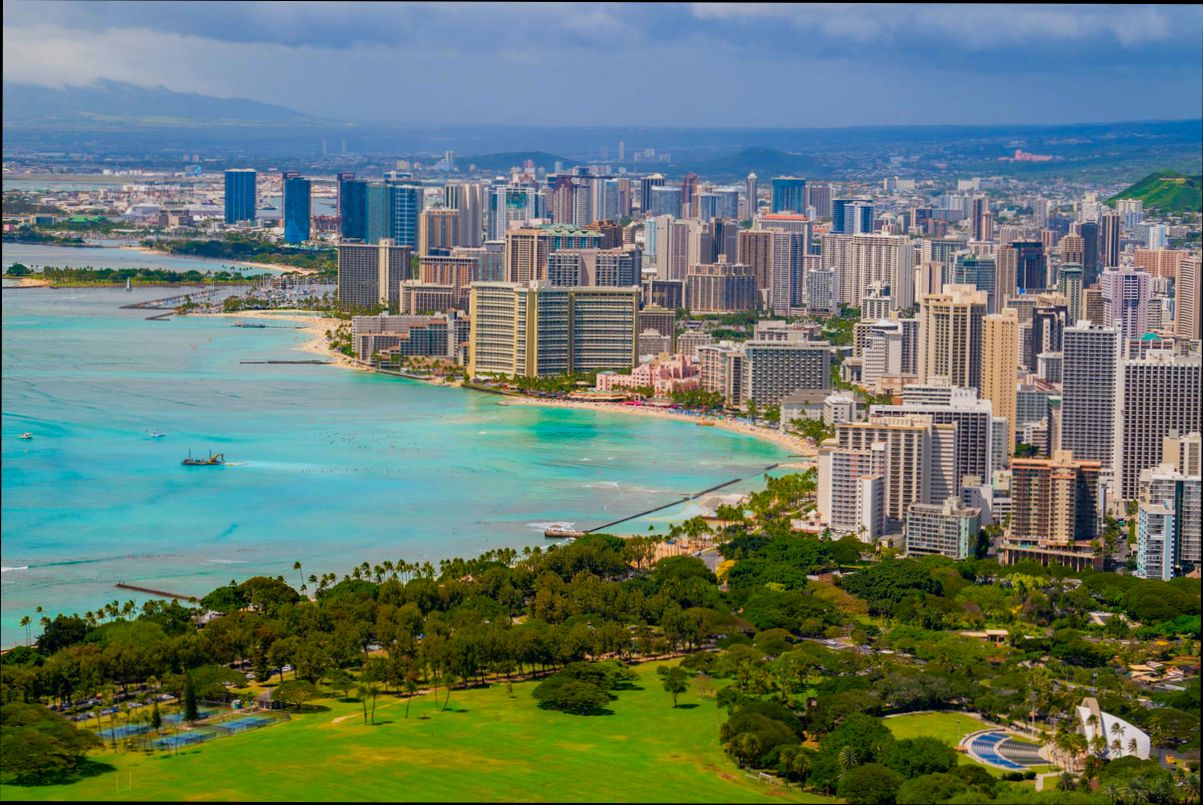
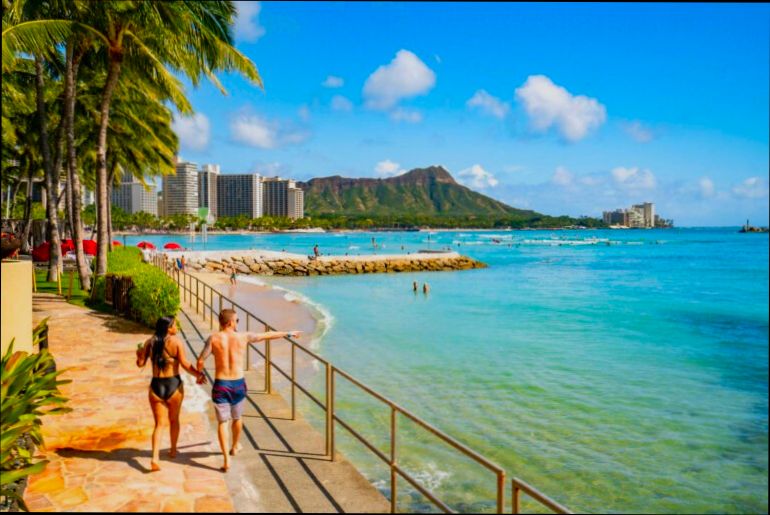
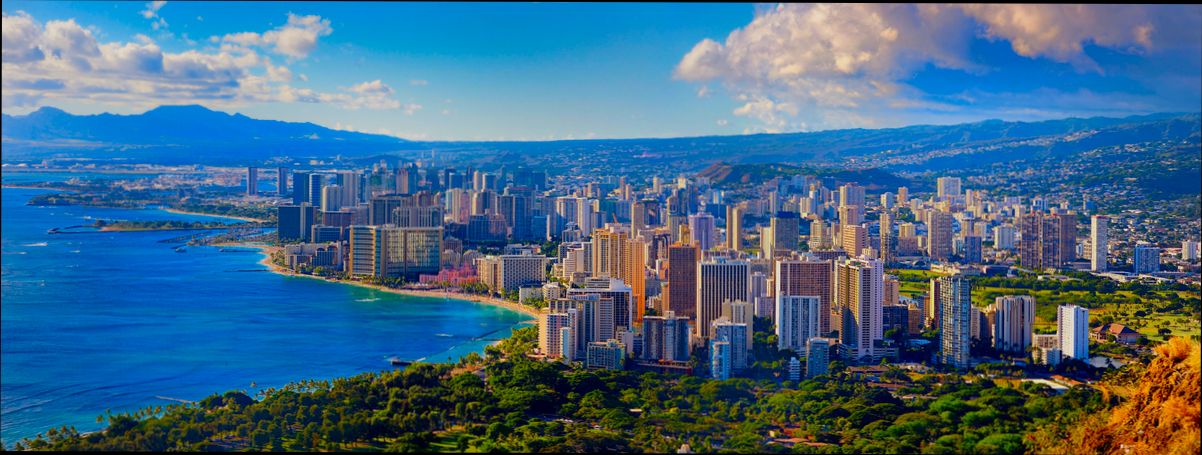
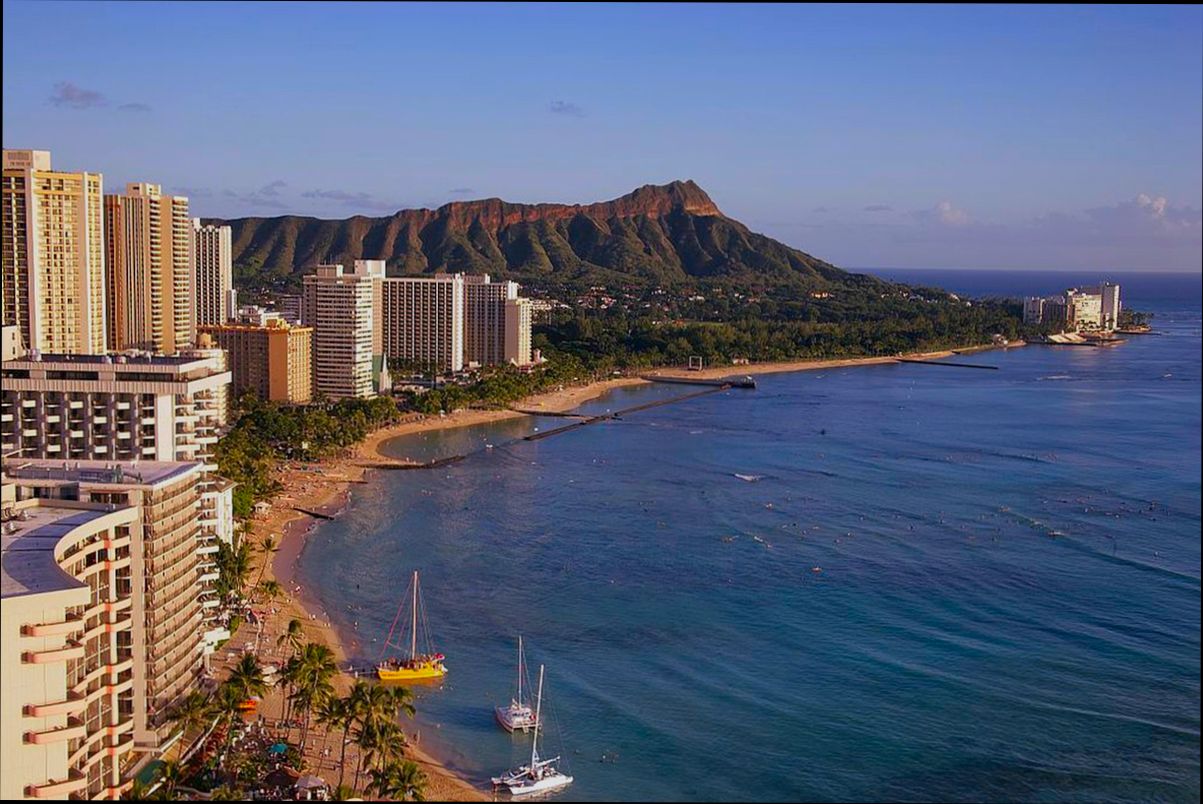
Pros and Cons of Living in Honolulu HI are a mixed bag that often sparks lively debates among locals and newcomers alike. On the one hand, imagine waking up to the sound of waves crashing against the shore and stepping out to breathtaking views of Diamond Head. The average temperature hovers around a pleasant 75°F, and outdoor activities like surfing, hiking, and snorkeling are basically year-round options. However, if you check out the cost of living, the reality hits hard—rent in Honolulu can average about $2,400 for a one-bedroom apartment, which can be a serious hit to your budget.
Then there’s the charm of a diverse culture woven into the fabric of everyday life. You can enjoy amazing food from poke bowls to Hawaiian plate lunches that reflect the melting pot of influences—Japanese, Chinese, Hawaiian, and more. But let’s not sugarcoat it: traffic can be a nightmare, especially during rush hour, and then there’s the limited public transportation. You might find that the allure of island life comes with its own set of challenges, like dealing with the isolation and the constant threat of natural disasters like hurricanes.
Cost of Living Analysis in Honolulu
Living in Honolulu, Hawaii, offers stunning views and a rich culture, but how does the cost of living stack up? In this section, we’ll dive deep into specific expenses you might encounter while living in this tropical paradise.
Housing Costs
Housing is typically the most significant expense in Honolulu. The median home price in the city hovers around $1.1 million, substantially higher than the national average. For renters, the median rent for a two-bedroom apartment can reach approximately $2,800 per month.
- Average Home Prices: $1,100,000
- Median Rent for Two-Bedroom: $2,800/month
Daily Living Expenses
Everyday costs can add up quickly in Honolulu. Here’s an overview of some common living expenses:
- Groceries: Expect to pay about 20% higher than the national average.
- Transportation: The average monthly public transit pass costs about $70, which is comparable to many U.S. cities.
Cost Comparison Table
| Expense Category | Honolulu | National Average |
|---|---|---|
| Median Home Price | $1,100,000 | $374,900 |
| Monthly Rent (2BR) | $2,800 | $1,250 |
| Grocery Costs | 20% higher | - |
| Transportation (Pass) | $70 | $70 |
Real-World Examples
To put these numbers into perspective, consider Sarah and Tom, a couple living in Honolulu. They decided to rent a two-bedroom apartment. Their monthly rent contributes a significant chunk of their budget, leaving them with less for savings and leisure activities. Alternatively, the Martinez family, who opted for a smaller, one-bedroom unit, still faces high grocery bills, often surpassing $600 monthly.
Practical Implications
If you’re planning to move to Honolulu, it’s essential to budget effectively. Here are a few actionable insights:
- Assess Housing Options: Look into different neighborhoods. While areas like Waikiki are pricey, suburbs like Mililani can offer more affordable options.
- Plan Grocery Shopping: Use local farmer’s markets for fresh produce, which can be more affordable than grocery stores.
Specific Facts and Actionable Advice
- Utilities: The average utilities cost (electric, water, and gas) for a standard apartment runs about $300/month—higher than many mainland cities.
- Be Flexible: If possible, consider remote work opportunities to reduce commuting costs, as traffic can add to daily expenses.
Understanding the cost of living in Honolulu can help you make informed decisions on budgeting and lifestyle choices.
Employment Opportunities and Job Market in Honolulu, HI
Living in Honolulu, you’ll find a unique job market shaped by the island’s economy and lifestyle. With a thriving tourism industry and various other sectors contributing to employment, understanding this market can significantly impact your decision to move here.
Key Employment Sectors
1. Tourism Industry: With over 10 million visitors each year, Honolulu’s economy heavily relies on tourism. This sector accounts for a substantial portion of local jobs, from hospitality to retail.
2. Education Sector: The public school system in Honolulu serves more than 173,178 students. This creates numerous employment opportunities for teachers, administrators, and support staff. With 50% of students proficient in reading, the education sector continues to strive for improvement and expansion.
3. Healthcare Jobs: Honolulu has excellent healthcare facilities which require a diverse workforce, including nurses, technicians, and administrative roles. Employment in healthcare is consistently available due to ongoing needs in this sector.
4. Government Jobs: As the capital of Hawaii, many residents work in government positions, contributing to stability in the job market. These roles can vary widely from administrative staff to public service officers.
5. Construction and Real Estate: Despite a decline in population, there remains a consistent demand for housing, leading to job opportunities in construction and real estate sectors.
| Employment Sector | Median Salary Range | Job Growth Rate |
|---|---|---|
| Tourism | $30,000 - $50,000 | 3% per year |
| Education | $45,000 - $70,000 | 2% per year |
| Healthcare | $50,000 - $80,000 | 4% per year |
| Government | $40,000 - $75,000 | 1% per year |
| Construction/Real Estate | $40,000 - $60,000 | 3% per year |
Real-World Examples
- Tourism Jobs: Many residents find work as hotel staff or in service industries due to the high influx of tourists. For instance, roles such as concierge, front desk, and food service are in constant demand.
- Teaching Opportunities: Schools often have programs that attract educators, offering competitive salaries and benefits. If you’re trained in education, this could be a fruitful field to explore.
- Healthcare Job Fair: Local hospitals and healthcare facilities regularly host job fairs to attract professionals, reflecting the ongoing demand in this important sector.
Practical Implications for Job Seekers
If you’re considering moving to Honolulu and looking for work, here’s what you should know:
- Network Locally: Establish connections within the tourism and hospitality sectors, as many jobs are filled through word-of-mouth.
- Explore Online Job Portals: Websites like Indeed and local classifieds often list job openings. Check these frequently to stay updated.
- Consider Certification: For healthcare and teaching positions, obtaining local certifications can enhance your employability.
- Stay Updated on Job Trends: Given that sectors like healthcare are projected to grow by 4% annually, focusing on in-demand careers can provide a stable path.
Quick Facts
- The poverty rate in Honolulu stands at only 12%, indicating a generally stable economic environment.
- Positions in healthcare provide the highest growth rate of 4% annually, reflecting ongoing demand.
- Tourism jobs are expected to grow by 3% per year, maintaining the sector’s importance in the local economy.
Understanding the job market in Honolulu is crucial for anyone considering making this vibrant city their home.
Cultural Richness and Community Life
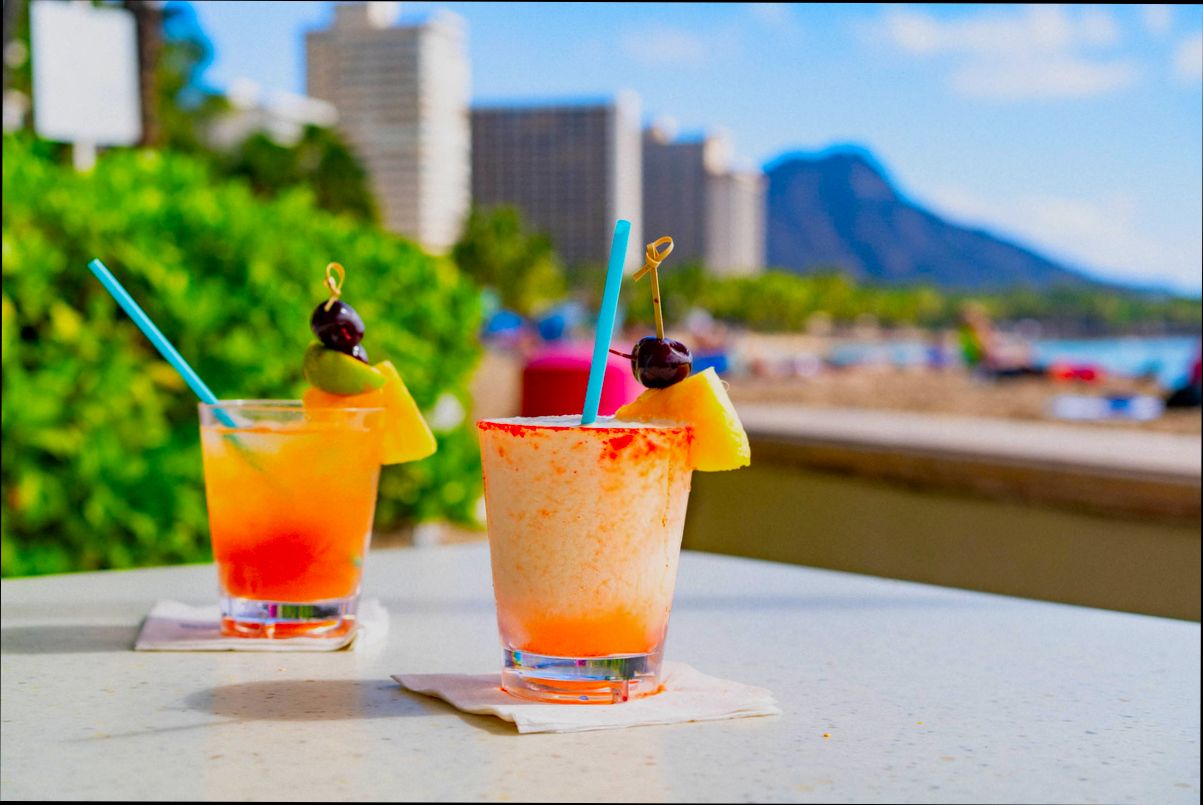
Living in Honolulu, you immerse yourself in a blend of cultures that creates a unique and vibrant community life. The rich tapestry of traditions, festivals, and local practices makes Honolulu one of the most culturally dynamic places you could call home.
A Melting Pot of Cultures
- Diverse Population: Approximately 40% of residents in Honolulu identify as Asian, contributing to a broad spectrum of cultural influences, from cuisine to festivals.
- Native Hawaiian Heritage: The preservation of Hawaiian traditions remains strong, with over 100,000 residents participating in cultural events celebrating hula, lei making, and luaus each year.
Community Events and Festivals
Honolulu hosts numerous events that foster community spirit and cultural appreciation.
- Aloha Festivals: This annual event attracts about 100,000 attendees, showcasing Hawaiian culture through parades and various performances.
- Merrie Monarch Festival: Recognized internationally, this prestigious hula competition draws thousands, supporting both local engagement and tourism.
| Event Name | Attendees | Impact on Community |
|---|---|---|
| Aloha Festivals | 100,000 | Enhances local businesses |
| Merrie Monarch Festival | 30,000 | Celebrates hula traditions |
Local Arts and Music Scene
The art and music scene in Honolulu is thriving, with opportunities for engagement and creativity at every corner.
- Art Walks: First Friday Art Walks attract hundreds each month, highlighting local galleries and artists.
- Traditional Music: You can find live performances of slack-key guitar across various venues, uniting locals and tourists alike in appreciation.
Real-World Examples: Community Engagement
A great example of community involvement is the Kokua Hawaii Foundation, which promotes environmental education. Through the foundation, thousands of students annually engage in programs that blend environmental sustainability with local culture.
Another is the Hawaii Food Bank, where local residents work together to fight food insecurity, supporting one another through nutritional assistance programs.
Practical Implications
Living in an area rich with cultural diversity leads to enhanced community interactions. You can participate in various cultural classes, from cooking Hawaiian meals to learning traditional arts, encouraging social bonding and fostering friendships.
Engaging with these local resources not only enriches your experience but strengthens community ties, making Honolulu feel like home.
Actionable Insights
- Attend local cultural festivals and events to immerse yourself in Honolulu’s community life and meet new people.
- Take advantage of workshops that teach traditional Hawaiian crafts to help you connect with the culture on a deeper level.
- Explore various neighborhoods for unique cultural experiences and local eateries that reflect the island’s diversity.
Climate Considerations and Weather Patterns
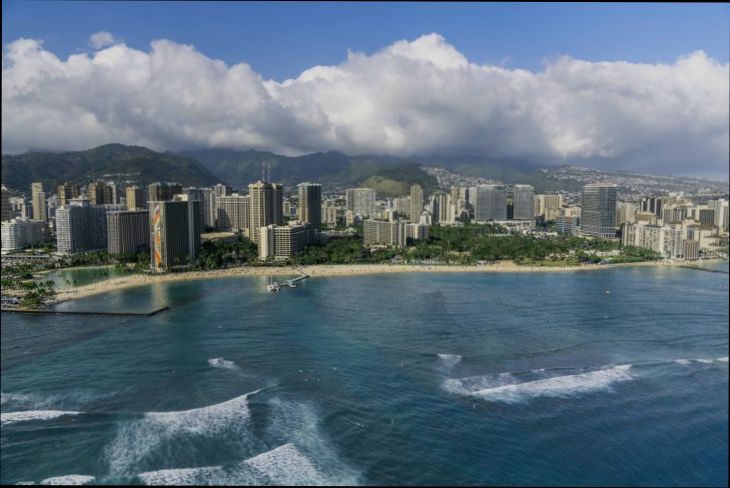
When considering a move to Honolulu, understanding its unique climate and weather patterns is essential. The island’s tropical climate, characterized by warm temperatures and distinct wet and dry seasons, influences daily life and outdoor activities. Let’s dive into the nuances of weather that shape living conditions in this beautiful paradise.
Warm and Consistent Temperatures
Honolulu’s average yearly temperature hovers around 78°F (26°C). This warmth allows for year-round outdoor activities, but it does come with humidity levels averaging 60% to 70%. Here are some characteristics of Honolulu’s temperature:
- Daytime highs: Typically range from 80°F to 90°F (27°C to 32°C).
- Nighttime lows: Rarely dip below 70°F (21°C).
Precise Rainfall Patterns
Honolulu witnesses a distinctive wet and dry season. The rainfall is predominantly concentrated from November to March:
- Annual precipitation: Approximately 17 inches (432 mm) of rain falls throughout the year.
- Rainfall frequency: Expect about 10 to 15 rainy days monthly during the wet season, but later in the year, these days can drop to just 4 to 5.
Monthly Weather Breakdown
| Month | Avg. High (°F) | Avg. Low (°F) | Precipitation (inches) | Rainy Days |
|---|---|---|---|---|
| January | 80 | 65 | 3.4 | 10 |
| April | 82 | 68 | 1.8 | 6 |
| July | 85 | 72 | 0.5 | 2 |
| October | 83 | 70 | 2.3 | 7 |
Hurricanes and Storm Safety
Although Honolulu is generally safe from severe weather, it’s important to note the hurricane season spans from June to November. While direct hits are rare, preparedness is key:
- Hurricane probability: Historically, Honolulu experiences a hurricane within about 15 years.
- Emergency services: There are established protocols for residents to follow, including shelter in place announcements and evacuation routes.
Local Flora and Fauna Influenced by Climate
Honolulu’s climate supports a rich diversity of plant and animal life, which adds to its lush beauty:
- Tropical gardens: Many homeowners cultivate gardens featuring hibiscus, plumeria, and bougainvillea, thriving in the local climate.
- Wildlife: The humid environment is home to various bird species, including the native Hawaiian ‘i’iwi, which highlights the island’s ecological uniqueness.
Recommendations for Daily Life
Living in Honolulu necessitates adjustments to deal with heat and humidity. To comfortably navigate the climate:
- Stay Hydrated: Always carry water, especially during outdoor activities.
- Sun Protection: Use sunscreen and wear protective clothing, as UV indexes are high throughout the year.
- Air Conditioning: Consider investing in air conditioning for your home since humidity can make warm days uncomfortable.
Final Insights
Understanding Honolulu’s climate helps you adapt and thrive in this beautiful setting. With consistent warmth, distinct rainy seasons, and occasional storms, familiarity with local weather patterns is pivotal for an enjoyable living experience in paradise.
Outdoor Activities and Recreational Options
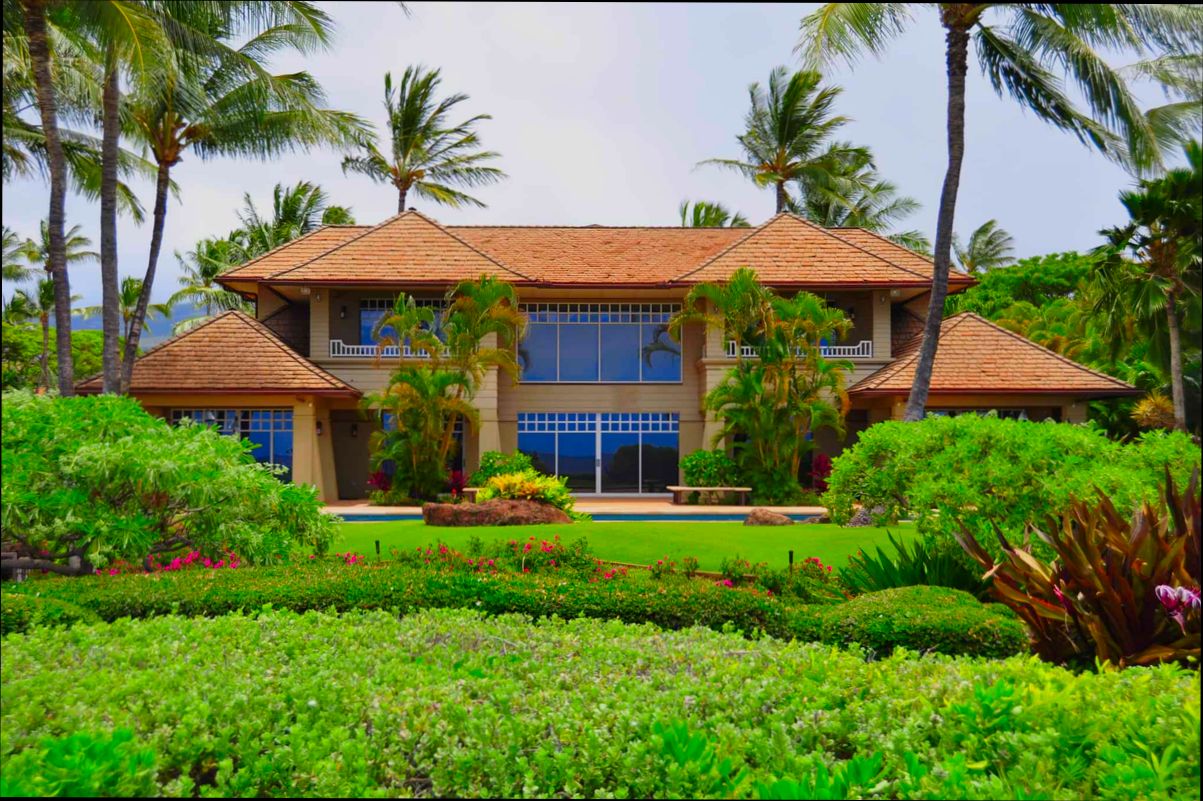
Honolulu is not just a city; it’s a playground filled with diverse outdoor activities perfect for anyone looking to soak in the sun and enjoy nature. Whether you’re an adventurer craving adrenaline or someone seeking relaxation and wellness through outdoor engagement, there’s something for everyone on this beautiful island.
Diverse Options for Outdoor Fun
Living in Honolulu offers an impressive range of outdoor activities, which contribute to an active lifestyle. The warm, inviting climate of the island encourages individuals to spend time outside, making it easier to incorporate physical activities into your daily routine. Here are some highlights of the available options:
- Beach Activities: Engage in surfing, snorkeling, or stand-up paddleboarding in the crystal-clear waters. For those who prefer group sports, beach volleyball and frisbee are popular picks, where you can enjoy the sun while staying active.
- Hiking Trails: Explore over 300 miles of hiking trails across the island, ranging from beginner-friendly paths like the Makiki Valley Loop to more challenging hikes such as the Koko Crater Trail, which offers breathtaking views.
- Water Sports: Try your hand at kiteboarding, windsurfing, or kayaking. Leeward Coast beaches, such as Makaha Beach, are renowned for their favorable wind conditions, ideal for these activities.
Activity Options Table
| Activity | Best Location | Difficulty Level | Group Suitable |
|---|---|---|---|
| Hiking | Diamond Head | Moderate | Yes |
| Surfing | Waikiki Beach | All Levels | Yes |
| Mountain Biking | Kuliouou Ridge | Moderate to High | Yes |
| Kayaking | Kailua Bay | Easy | Yes |
| Disc Golf | Ala Moana Park | Easy | Yes |
Real-World Examples
Many locals and newcomers have tapped into Honolulu’s vibrant outdoor scene. For instance, the annual “Maui to Molokai Paddleboard Race” draws participants who navigate challenging waters while highlighting the island’s beauty. This event not only fosters a sense of community but also showcases outdoor prowess.
Another example is the “Waikiki Beach Sunset Yoga” sessions. These events combine tranquil yoga practices with the stunning backdrop of a Hawaiian sunset, making them a hit among both residents and tourists. Participants leave feeling rejuvenated, connecting both mentally and physically with their surroundings.
Practical Implications for Outdoor Enthusiasts
If you’re looking to embrace the outdoor lifestyle in Honolulu, here are some actionable steps:
- Daily Routine Integration: Incorporate activities like a morning jog on the beach or evening yoga sessions overlooking the ocean. Connecting with nature aids in daily stress relief and boosts overall wellness.
- Join Local Clubs: Become part of a sports club or meetup group to engage in tennis, soccer, or cycling with others. Social interaction can enhance motivation and accountability.
- Explore Unique Activities: Consider picking up hobbies like rock climbing at local gyms or tackling outdoor bouldering spots. Engaging in varied activities keeps your routine fresh and exciting.
- Weekly Outdoor Adventure Challenge: Set a personal goal to try a new outdoor activity every week, whether it be kayaking on a Saturday or attending a local fitness event at the park.
By understanding the wealth of outdoor activities Honolulu has to offer, you can easily tailor your lifestyle to incorporate fitness, fun, and friendship—all while soaking in the stunning natural beauty surrounding you.
Housing Trends and Property Values in Honolulu, HI
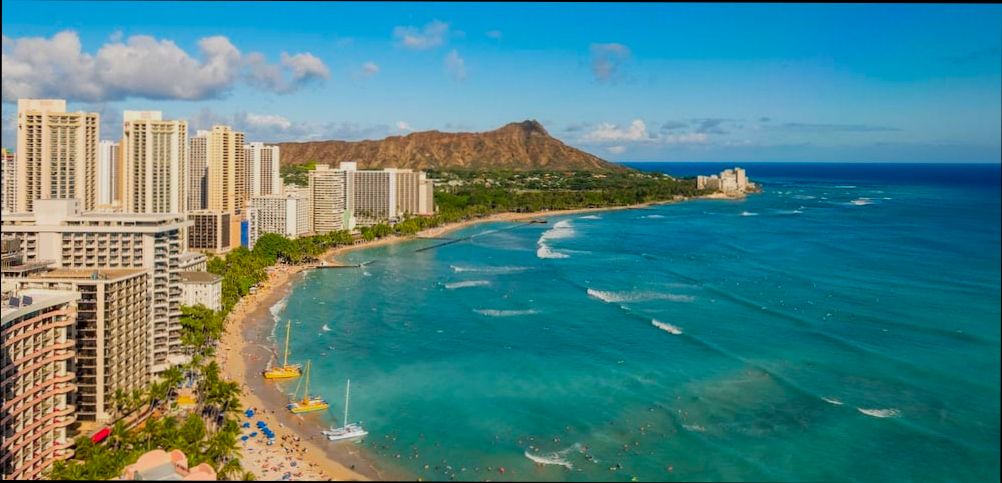
Understanding the housing market in Honolulu is essential for anyone considering a move to this beautiful city. With skyrocketing property values and unique trends, let’s dive into the specifics that shape the real estate landscape in Honolulu.
Current Housing Trends
In recent years, Honolulu has experienced a surge in housing demand. Factors contributing to this trend include:
- Population Growth: A steady rise in population has fueled demand for housing, with the city witnessing a growth rate of approximately 1.3% annually.
- Increased Investment: Investment in real estate by local and out-of-state buyers has intensified competition, significantly pushing up prices.
- Short-Term Rentals: The popularity of platforms like Airbnb has led to a rise in short-term rental properties, reducing the supply of long-term rental housing.
Distinct Property Value Trends
Current property values in Honolulu reveal much about the local market dynamics:
| Type of Housing | Average Price | Year-over-Year Increase | Average Days on Market |
|---|---|---|---|
| Single-Family Homes | $1,100,000 | 8% | 45 days |
| Condominiums | $600,000 | 6% | 30 days |
| Townhouses | $780,000 | 7% | 37 days |
The average days on the market have decreased, indicating a competitive market where properties are selling faster than before.
Case Studies
Let’s look at real-world examples that illustrate these trends:
- Kaimuki Neighborhood: The average home price has jumped from $920,000 to $1,045,000 in just one year, showcasing a 13.6% increase. The demand here is driven by families and young professionals attracted to local amenities and schools.
- Waikiki: The condominium market is booming, with luxurious oceanfront units averaging $800,000. These units are often sold within 25 days, emphasizing the rapid turnover in this highly sought-after area.
Practical Implications for Buyers and Renters
For those considering purchasing a home or renting in Honolulu:
- High Demand Equals Higher Prices: Expect to face higher prices and less negotiating power due to increased buyer competition.
- Research Neighborhoods: Areas such as Kaimuki and Waikiki are thriving, but prices vary widely depending on location and property type. Investigate your preferred neighborhoods thoroughly.
- Consider Future Value: Investing in emerging neighborhoods may yield greater returns as property values continue to rise.
Actionable Insights
- Stay Informed: Regularly check local real estate listings and reports to keep up with market shifts. Knowing how long properties stay on the market can inform your buying strategy.
- Utilize Local Experts: Engage with real estate agents familiar with Honolulu’s unique market dynamics to gain insights on the best investment opportunities.
- Explore Financing Options: With rising prices, exploring different financing options can help navigate the expensive real estate market efficiently. Consider pre-approval for financing to improve your chances in a competitive environment.
Health and Safety Statistics in Honolulu
Living in Honolulu means being part of a community that values both health and safety. This section focuses on some key demographics and statistics that paint a picture of what to expect in terms of health and safety while living in this beautiful city.
Key Health and Safety Statistics
- Poverty Rate: Only 12 percent of residents in Honolulu live below the poverty line. This relatively low poverty rate contributes to better overall health outcomes, as financial stability often correlates with better access to healthcare.
- Crime Rates: Although Honolulu boasts a unique charm, its crime rate is considered high compared to national averages. It’s essential to stay informed about safety and crime statistics in specific neighborhoods.
- Natural Disaster Risks: Living in Hawaii means accepting the reality of natural disasters such as hurricanes and tsunamis. Honolulu lies in a moderately risky zone for these events, leading to the need for preparedness and awareness.
- Healthcare Accessibility: Honolulu has a decent number of healthcare facilities, which helps maintain a lower average mortality rate. Access to urgent care and hospitals can be pivotal during emergencies.
- Traffic Safety: Traffic congestion is a significant concern, contributing to accidents. The overall risk of transportation-related incidents is categorized as medium, so practicing smart driving habits is essential.
Health and Safety Comparison Table
| Safety Aspect | Honolulu | National Average |
|---|---|---|
| Poverty Rate | 12% | 13.4% |
| Violent Crime Rate | High | Medium |
| Traffic Deaths | Medium | Medium |
| Access to Healthcare | Moderate | Varies by location |
| Natural Disaster Risk | Medium | Varies by state |
Real-World Examples
In recent years, Honolulu has experienced an uptick in violent crimes, particularly around tourist hotspots. Residents often emphasize situational awareness, especially in crowded areas. For instance, the Waikiki neighborhood can be vibrant but also necessitates extra vigilance.
Additionally, local health organizations have launched campaigns aimed at reducing smoking rates and promoting mental health resources, reflecting a community-oriented approach to healthcare.
Practical Implications for Readers
As you consider moving to Honolulu or evaluating your current living conditions, it’s important to:
- Explore neighborhoods based on their crime statistics and residents’ reviews to find safe places to live.
- Stay aware of local news regarding healthcare services and emergency preparations for natural disasters.
- Invest in personal safety measures, like secure locks and neighborhood watch programs.
Actionable Advice on Health and Safety
- Always keep emergency kits prepared for potential natural disasters; familiarize yourself with local evacuation routes.
- Engage with community safety programs that may offer resources and information on staying safe in various local contexts.
- Consider housing in areas known for lower crime rates and accessible healthcare services to enhance your living experience in Honolulu.