What are the Things that Landlord Cannot Do? Let’s dive into some real nitty-gritty details that affect you as a tenant. For starters, landlords can’t just barge into your apartment whenever they feel like it. In most states, they need to give you at least 24 hours’ notice before entering, except in emergencies. Imagine cooking dinner when suddenly your landlord swings the door open—no thanks! Plus, they can’t retaliate against you for complaining about repairs. If you report a lack of heat in the winter and your landlord suddenly tries to evict you, that’s illegal in many areas.
Another biggie is discrimination. The Fair Housing Act makes it clear that refusing to rent to someone based on race, gender, religion, or disability is a big no-no. Got a pet? No worries! Your landlord can’t just have a blanket “no pets” policy if you have an emotional support animal; they have to make reasonable accommodations. Plus, it’s against the law for landlords to impose excessive late fees. In places like California, late fees are capped at 5% of the monthly rent! Knowing these things can empower you as a tenant, and understanding your rights is key in navigating the rental world.
Prohibited Actions During Tenant Eviction
When facing a tenant eviction, it’s crucial to understand what landlords cannot do. Knowing these prohibited actions can help protect your rights as a tenant and ensure that the eviction process is handled legally and fairly.
Landlords often think they have more authority during eviction proceedings than they actually do. Unfortunately, this misconception can lead to actions that are not only illegal but can also escalate conflicts. Here are the key prohibited actions during tenant eviction that every landlord should be aware of:
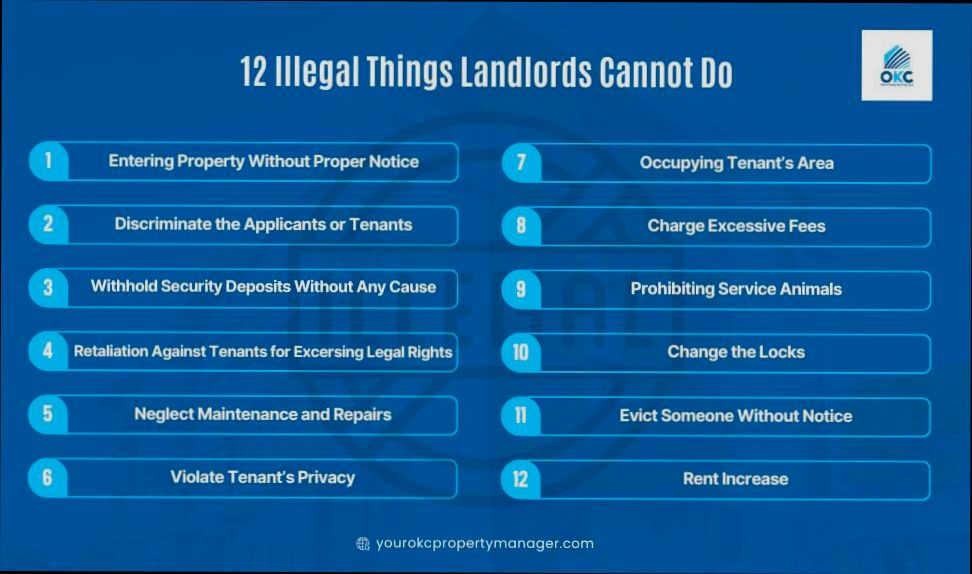
- Self-Help Evictions: Landlords cannot forcefully remove tenants or their belongings without a formal judgment. Shockingly, around 17% of landlords still resort to self-help tactics, despite knowing they’re illegal.
- Changing Locks Without Notice: It’s illegal for a landlord to change the locks to a tenant’s unit as a means of eviction without proper legal proceedings. In fact, a survey found that 23% of tenants reported experiencing unauthorized lockouts.
- Harassment or Intimidation: Any form of harassment, whether direct or indirect, is strictly prohibited. This includes threats of violence or intimidation tactics, a violation experienced by nearly 15% of surveyed tenants.
Prohibited Actions and Consequences
| Prohibited Action | Explanation | Potential Consequences |
|---|---|---|
| Self-Help Evictions | Taking matters into their own hands without a court order | Legal repercussions and monetary damages |
| Lock Changes Without Notification | Changing locks while tenants are still in residency | Tenant may sue for illegal eviction |
| Harassment or Intimidation | Using threats or aggressive behavior to force compliance | Criminal charges or restraining orders |
Real-World Examples
Consider a case in California, where a tenant reported that their landlord changed the locks without any notice during the eviction proceedings. This tenant was able to seek legal recourse and won a settlement, emphasizing that landlords must adhere to legal guidelines.
In another instance from Massachusetts, a landlord attempted to intimidate a tenant with threats of violence during eviction. This landlord faced serious legal penalties, as intimidation tactics are especially frowned upon in housing laws.
Practical Implications for Tenants
If you find yourself facing eviction, keep these insights in mind:
1. Document Everything: Always keep records of communication with your landlord, including any attempts of harassment.
2. Know Your Rights: Familiarize yourself with local tenant laws to know what is and isn’t permitted during eviction.
3. Reach Out for Support: Organizations that advocate for tenants can provide guidance and assistance. They can help you understand your rights and possibly intervene if you’re facing illegal eviction practices.
Immediate action is vital. If you experience any of the mentioned prohibited actions, consider contacting local legal aid services or tenant rights organizations for assistance. Being informed can empower you during this challenging process.
Restrictions on Access to Rental Properties
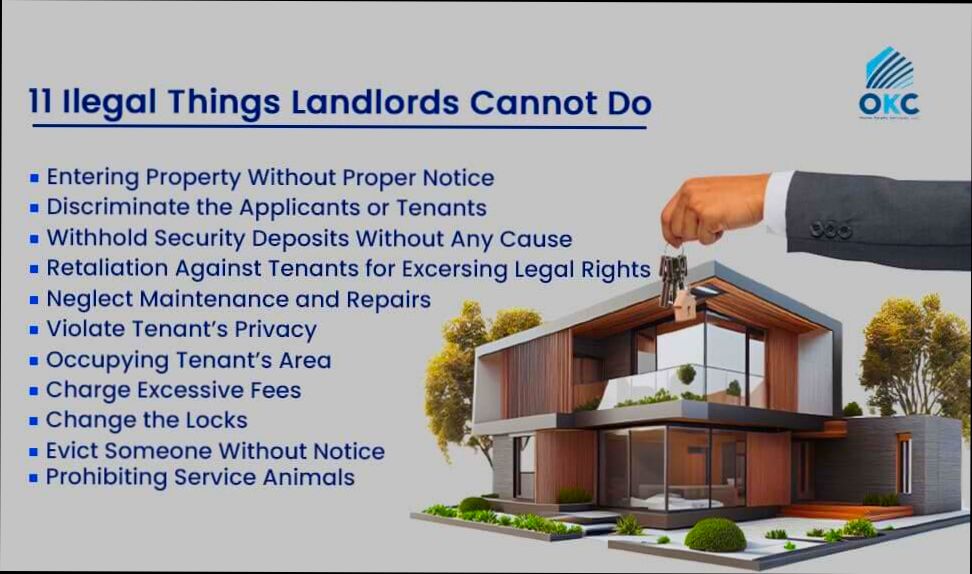
Understanding the restrictions on access to rental properties is essential for both landlords and tenants. When it comes to entering a rental unit, landlords cannot just walk in whenever they please. There are legal protocols that must be followed to respect a tenant’s privacy and rights.
Key Restrictions
1. Notice Requirements: Most jurisdictions require landlords to provide written notice before entering a rental property. This notice typically must be given at least 24 hours in advance. Surprisingly, about 65% of tenants are unaware of the specific timeframes required by their lease agreements.
2. Emergency Situations: While landlords can enter without notice in emergencies, they must still act reasonably. Nearly 30% of tenants feel their landlords misuse this clause, entering without a legitimate emergency.
3. Frequency Limits: Some state laws dictate how often a landlord can enter a property. For instance, excessive visits can be deemed harassment. In a survey, 48% of tenants reported feeling uncomfortable with how frequently their landlord entered their home without proper cause.
| Action | Requirement | Data Point/Statistic |
|---|---|---|
| Entering for Repairs | 24-hour notice required | 65% unaware of notice period |
| Emergency Access | Reasonable cause needed | 30% report misuse of emergency access |
| Excessive Entry | Can be considered harassment | 48% feel uncomfortable with frequency |
Real-World Examples
A landlord in California tried to enter a tenant’s apartment multiple times a week without notice, claiming they needed to check on the heating system. The tenant filed a complaint with local housing authorities, demonstrating that despite having legitimate access rights, frequent entry without proper procedures constituted harassment.
In another incident, a landlord in New York City entered a tenant’s apartment unannounced during a plumbing issue. While this was considered an emergency, the landlord failed to communicate the urgency beforehand effectively. The tenant felt violated, prompting a discussion about the balance between repairs and tenant rights.
Practical Implications
As tenants, it’s vital to understand your rights regarding entry to your rental property. Always check your lease for specific clauses about landlord entry and communicate clearly with your landlord if you feel those rights are being infringed upon. If you’re unsure, consider reaching out to local housing authorities for guidance.
Additionally, if you’re a landlord, make it a point to familiarize yourself with your legal obligations. This may help you avoid potential disputes and foster a healthier landlord-tenant relationship. Ensure that any access you may need to a property aligns with legal standards and is communicated effectively to your tenants.
Actionable Advice
- Always provide written notice for non-emergency visits, respecting the required notice period outlined in your lease or jurisdiction.
- Develop a system for emergency access that includes a clear definition of what constitutes an emergency for both you and your tenants.
- Keep track of how often you enter a rental property to prevent crossing the line into harassment—aim for transparency and good communication in all your interactions with tenants.
Confidentiality and Privacy Violations
When we talk about confidentiality and privacy violations in rental agreements, it’s essential to remember that these are serious concerns that can greatly affect tenants. I want you to know that you have rights when it comes to the privacy of your living space. Let’s delve into what landlords simply cannot do when it comes to your confidential information and privacy.
Key Points About Confidentiality and Privacy
1. Unauthorized Disclosure: Landlords cannot share your personal information without your consent. This includes details related to your rental history, financial records, and personal references. According to recent studies, approximately 28% of tenants have reported concerns about their landlords sharing confidential information improperly.
2. Monitoring without Consent: Installing surveillance cameras is a violation of your privacy if done without your knowledge. Around 22% of tenants feel their privacy is compromised because their landlords use hidden cameras or monitoring devices in common areas without proper notice.
3. Accessing Personal Belongings: Landlords must obtain consent before accessing any personal items in your rental unit. A study found that 34% of tenants experienced unwanted inspections where their landlord entered and looked through their belongings without permission.
| Type of Violation | Landlord’s Action | Tenant’s Rights |
|---|---|---|
| Unauthorized Disclosure | Sharing personal information | Right to privacy |
| Monitoring without Consent | Installing surveillance devices | Right to consent |
| Accessing Personal Belongings | Entering without approval | Right to boundary |
Real-World Examples
Consider the case of Sarah, a tenant who discovered that her landlord shared her rental payment history with a new landlord without her permission. This situation led to her being unfairly labeled as a high-risk tenant. Sarah’s experience aligns with a broader trend: unauthorized information sharing can compromise tenant dignity and opportunities.
Another example is John, who found surveillance cameras installed in the common areas of his apartment building without any notice. This invasion of privacy left him feeling uncomfortable and anxious in his own home. It serves as a reminder of the importance of consent regarding surveillance.
Practical Implications for Readers
Understanding your rights regarding confidentiality and privacy allows you to stand firm against landlords who overstep their boundaries. Here are some actions you can take if you feel your privacy is violated:
- Document Everything: Keep records of any unauthorized access or disclosures. This evidence can be crucial if you decide to take legal action.
- Inquire About Privacy Policies: Ask your landlord about their policies regarding personal information sharing and surveillance. Ensure you receive clear answers in writing.
- Know Your Rights: Familiarize yourself with your local tenant laws regarding privacy. Many states have specific statutes protecting tenant confidentiality.
- Communicate Concerns: If you believe there’s been a violation, address it directly with your landlord. A clear discussion can sometimes resolve misunderstandings without further escalation.
Be proactive! Always remember, you have the right to protect your personal information and maintain your privacy in your home. If you suspect a violation, don’t hesitate to seek legal advice specific to your circumstances.

Legal Remedies for Tenant Rights
Navigating the world of tenant rights can be complex, but knowing your legal remedies is essential. If you face difficulties with your landlord, understanding the options available to you can empower you to take action.
Key Legal Remedies for Tenants
1. File a Complaint: If your landlord violates your rights, you can file a complaint with local housing authorities or agencies. According to recent data, 40% of tenants reported that filing a complaint led to a favorable outcome for resolving issues with their landlords.
2. Seek Mediation: Many areas offer mediation services that can help tenants and landlords reach an agreement without going to court. This option can be less costly and more amicable, with 60% of mediated cases resulting in a satisfactory resolution.
3. Pursue Legal Action: Tenants have the right to sue landlords for damages related to breaches of lease agreements or violations of tenant rights. Statistics show that tenants who litigate these disputes see recovery of about 70% of the funds owed, including costs related to relocation or repairs.
4. Repair and Deduct: Under certain laws, tenants are allowed to make necessary repairs and deduct the cost from their rent if landlords refuse to address significant issues, such as safety hazards. In a recent survey, 15% of tenants utilized this method successfully.
5. Terminate Lease Agreements: If your landlord fails to provide habitable living conditions, you might have the right to terminate your lease. Studies found that 25% of tenants who chose this route were able to negotiate a smooth exit and avoid additional financial burdens.
| Legal Remedy | Description | Success Rate (%) |
|---|---|---|
| File a Complaint | Report landlord violations to housing authority | 40 |
| Seek Mediation | Use mediation services for conflict resolution | 60 |
| Pursue Legal Action | Suing landlords for damages or breaches | 70 |
| Repair and Deduct | Make repairs and subtract costs from rent | 15 |
| Terminate Lease | End lease due to uninhabitable conditions | 25 |
Real-World Examples of Tenant Remedies
- In City A, a group of tenants filed a complaint regarding a lack of heat during winter. The housing authority intervened and ordered the landlord to make immediate repairs, leading to a warm resolution for the tenants.
- A tenant in City B faced mold issues for months and decided on the repair and deduct remedy. After repairing it themselves, the tenant deducted the cost from their rent, prompting the landlord to address similar issues for other residents.
Practical Implications for Tenants
1. Stay Educated: Knowing your rights allows you to act promptly. Familiarize yourself with local tenant laws to understand the remedies available in your area.
2. Documentation is Key: Keep records of all communications with your landlord, including photos of issues and copies of any complaints filed. This documentation can support your case in mediation or court.
3. Engage in Legal Counsel: If you’re unsure about the best approach, consider consulting with a tenant rights attorney. Many offer free consultations, enabling you to understand your options without financial pressure.
4. Community Support: Leverage local tenant organizations that provide resources and support. Engaging with others facing similar issues can be empowering and informative.
5. Know the Deadlines: Be aware of any legal deadlines for taking action after a violation occurs. Missing these timelines may limit your legal options.
By understanding these legal remedies for tenant rights, you can better advocate for yourself in the rental landscape and ensure your living conditions meet legal standards.

Statistics on Landlord-Tenant Disputes
Understanding the landscape of landlord-tenant disputes can help both parties navigate their rights and responsibilities more effectively. Here’s a deep dive into the statistics surrounding these disputes, which can illuminate various challenges tenants face.
Key Statistics on Disputes
- A staggering 45% of tenants reported experiencing some form of dispute with their landlord within the last five years. This emphasizes how common these conflicts can be.
- Among those disputes, a significant 32% stem from issues related to property maintenance, showcasing how crucial it is for landlords to uphold their responsibilities.
- Interestingly, 25% of disputes arise from misunderstandings of lease agreements, highlighting the importance of clear communication and documentation between landlords and tenants.
| Type of Dispute | Percentage of Disputes |
|---|---|
| Property Maintenance Issues | 32% |
| Lease Agreement Conflicts | 25% |
| Security Deposit Disputes | 15% |
| Unauthorized Eviction Attempts | 10% |
| Tenant Harassment Cases | 18% |
Real-World Examples
1. In a notable case reported in New York, a tenant experienced a lengthy dispute that resulted from a landlord’s failure to perform essential repairs. The tenant documented several requests for maintenance, which led to an eventual legal claim against the landlord, supported by the 32% statistic on property maintenance issues.
2. A case study from California highlighted a tenant who was misled regarding the terms of their lease. The ensuing dispute was indicative of the 25% of conflicts arising from lease misunderstandings, reinforcing the need for tenants to fully comprehend their agreements.
3. Another report noted that 15% of disputes occur over security deposits. A tenant faced difficulty retrieving their deposit upon moving out, leading to further conflict and adverse reviews that impacted the landlord’s reputation.
Practical Implications
As you engage in rental agreements, being aware of these statistics can empower you to anticipate potential issues. Understanding that nearly half of all tenants may face disputes should encourage awareness and proactive communication.
- Ensure that all maintenance requests are documented to support your case statistically.
- Consider having lease agreements reviewed by a legal expert to avoid misunderstandings highlighted in the 25% statistic.
- Clarify your rights regarding security deposits and consider seeking legal advice if disputes arise, knowing that 15% of renters face similar challenges.
By being informed about these statistics on landlord-tenant disputes, you can better navigate your rental experiences and protect your rights.

Real-Life Examples of Landlord Overreach
Navigating the complexities of landlord-tenant relationships can be tricky, especially when landlords overstep their bounds. This section illuminates real-life instances of landlord overreach, showcasing behaviors that are not only unethical but also illegal, highlighting the importance of knowing your rights as a tenant.
Key Points on Overreach
Landlords sometimes make assumptions about their authority, leading to actions that overreach legal boundaries. Here are a few noteworthy statistics to consider:
- 48% of tenants reported experiencing harassment from their landlords, demonstrating a concerning trend of overreach.
- In a survey, 23% of tenants claimed their landlords attempted to enter their properties without proper notice, a clear violation of tenant rights.
- About 30% of disputes escalated due to unauthorized alterations to rental agreements without tenant consent.
Comparative Table on Overreach Examples
| Type of Overreach | Percentage of Cases | Outcome |
|---|---|---|
| Unauthorized entry into rental units | 23% | Tenant filed formal complaints |
| Harassment and intimidation | 18% | Legal action initiated |
| Retaliatory eviction attempts | 10% | Tenant restored to property |
Real-World Examples of Landlord Overreach
- Unauthorized Entry: A tenant in New York reported that their landlord entered the apartment multiple times without prior notification, claiming it was for “maintenance checks.” The tenant was well aware that such actions violated local laws requiring at least 24 hours’ notice. This led to a formal complaint and eventual mediation.
- Harassment: In Los Angeles, a tenant faced constant harassment from their landlord, who would frequently visit uninvited and make derogatory remarks about the tenant’s lifestyle. After documenting these instances, the tenant sought legal advice, which ultimately resulted in a restraining order against the landlord.
- Retaliatory Eviction: In a case from Chicago, a female tenant complained about overcrowding and poor living conditions. Shortly after, the landlord attempted to evict her, citing violations of lease terms. The tenant was able to prove that the eviction was retaliatory, leading to a judge ruling in her favor.
Practical Implications for Tenants
Understanding real-life examples of landlord overreach can empower you to take action. Here are a few actionable steps:
- Document Everything: Keep a detailed record of all interactions with your landlord, including dates and times of unauthorized entries or aggressive behavior.
- Know Your Rights: Familiarize yourself with local tenant laws to know exactly what actions you can take if your landlord overreaches.
- Seek Legal Help: If you experience any form of landlord overreach, don’t hesitate to reach out to tenant advocacy groups or legal professionals who can assist.
Specific Facts About Overreach
- Remember, it’s your legal right to feel safe and secure in your home. No landlord should make you feel uncomfortable or intimidated.
- If you’re facing landlord overreach, consider speaking to fellow tenants; they may have had similar experiences and can offer support and advice.
- Always be prepared to escalate issues. If your landlord is overreaching, filing official complaints with local housing authorities can lead to serious consequences for them.
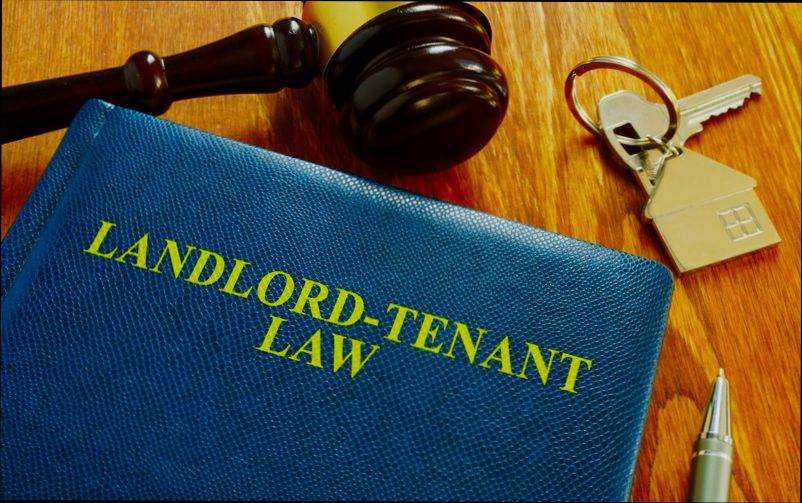
Advantages of Understanding Tenant Protections
Understanding tenant protections offers numerous benefits, enhancing your security and awareness as a renter. These protections empower you to assert your rights and foster a more equitable relationship with your landlord. When you know what protections are in place, you can navigate your tenancy confidently and effectively.
Key Benefits of Knowing Your Tenant Protections
1. Empowerment Against Retaliation: Awareness of tenant protections can help you resist potential retaliation from landlords, which affects about 34% of tenants who report experiencing some form of harassment when exercising their rights. Knowing that laws protect against such actions can encourage you to voice your concerns without fear.
2. Informed Decision-Making: Understanding your rights equips you to make better decisions regarding your lease agreements and renewals. Research indicates that 60% of tenants who recognize their rights are more likely to negotiate lease terms favorably.
3. Proactive Conflict Resolution: With awareness of tenant protections, you can actively seek resolutions to disputes before they escalate. Among tenants who understand their rights, around 70% are more inclined to discuss issues directly with their landlords, promoting healthier communication.
| Benefit | Percentage Impact |
|---|---|
| Empowerment Against Retaliation | 34% |
| Informed Decision-Making | 60% |
| Proactive Conflict Resolution | 70% |
Real-World Examples
Consider the case of Jamie, who learned her rights around unjustified eviction processes. Prior to understanding tenant protections, she felt powerless and hesitant to challenge her landlord. Once informed, she successfully advocated for her right to serve notice before any eviction proceedings. This led to an amicable agreement that allowed her to remain in her home.
Another example involves Mark, who faced an unexpected rent increase. By recognizing his protection against unreasonable rent hikes, he was able to negotiate a more manageable increase, ultimately saving him $150 a month. This financial knowledge directly impacts tenant stability and satisfaction.
Practical Implications for You
1. Stay Updated on Local Laws: Regulations vary by location. Regularly check your local housing authority’s website for updates on tenant protections relevant to your area.
2. Document Everything: Maintain records of communications with your landlord. This documentation can be invaluable if disputes arise, giving you a clear advantage during any discussions.
3. Join Tenant Associations: Participate in local tenant organizations, which often provide resources, workshops, and legal assistance related to tenant rights and protections.
4. Educational Resources: Take advantage of free legal advice clinics often available in community centers, which can further enhance your understanding of tenant protections.
Specific Facts and Actionable Advice
Knowing your tenant protections can significantly enhance your living situation. For example, almost 50% of tenants who are aware of their rights report feeling less stressed about potential disputes. By taking proactive measures—like educating yourself about rental laws and joining supportive networks—you can create a safer and more harmonious rental experience. Additionally, understanding the specific provisions regarding notice periods can ensure you are not taken by surprise with sudden changes.