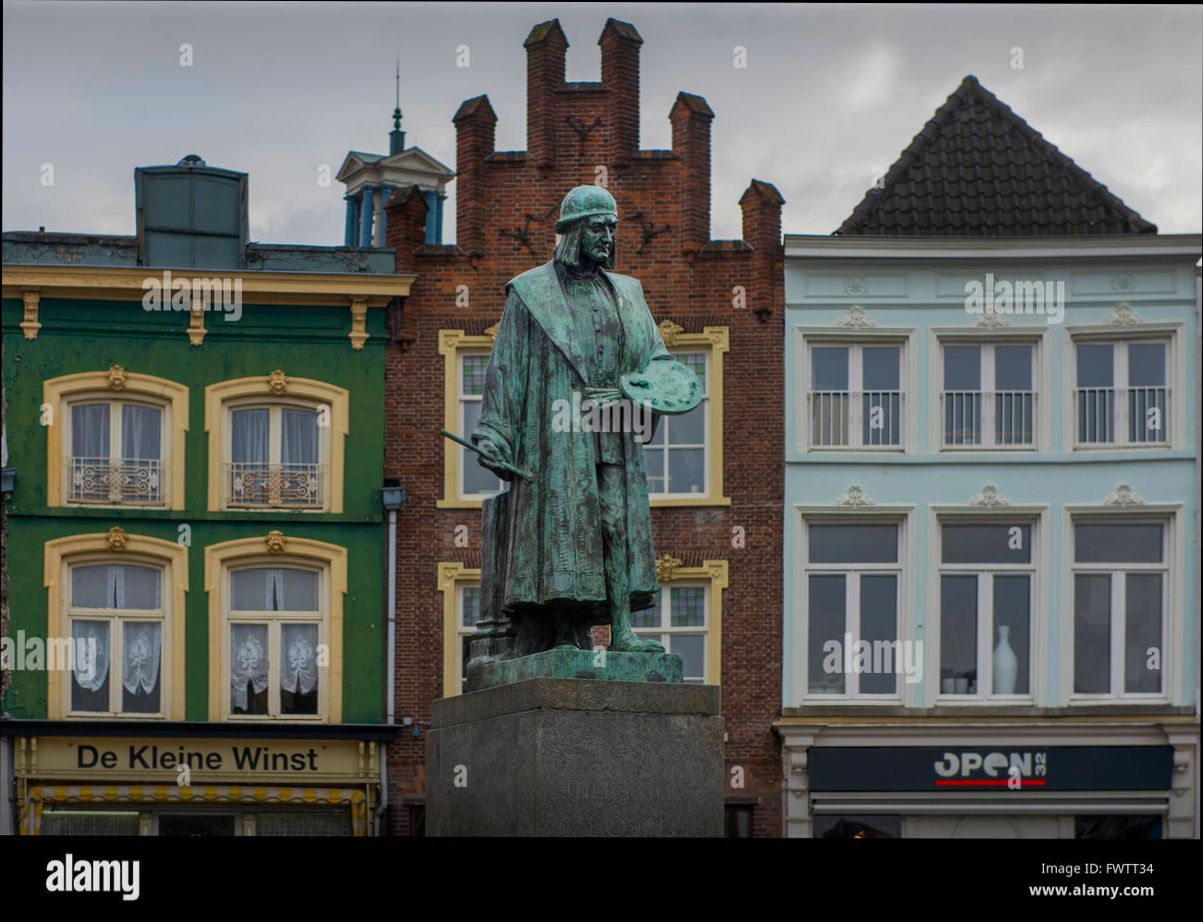
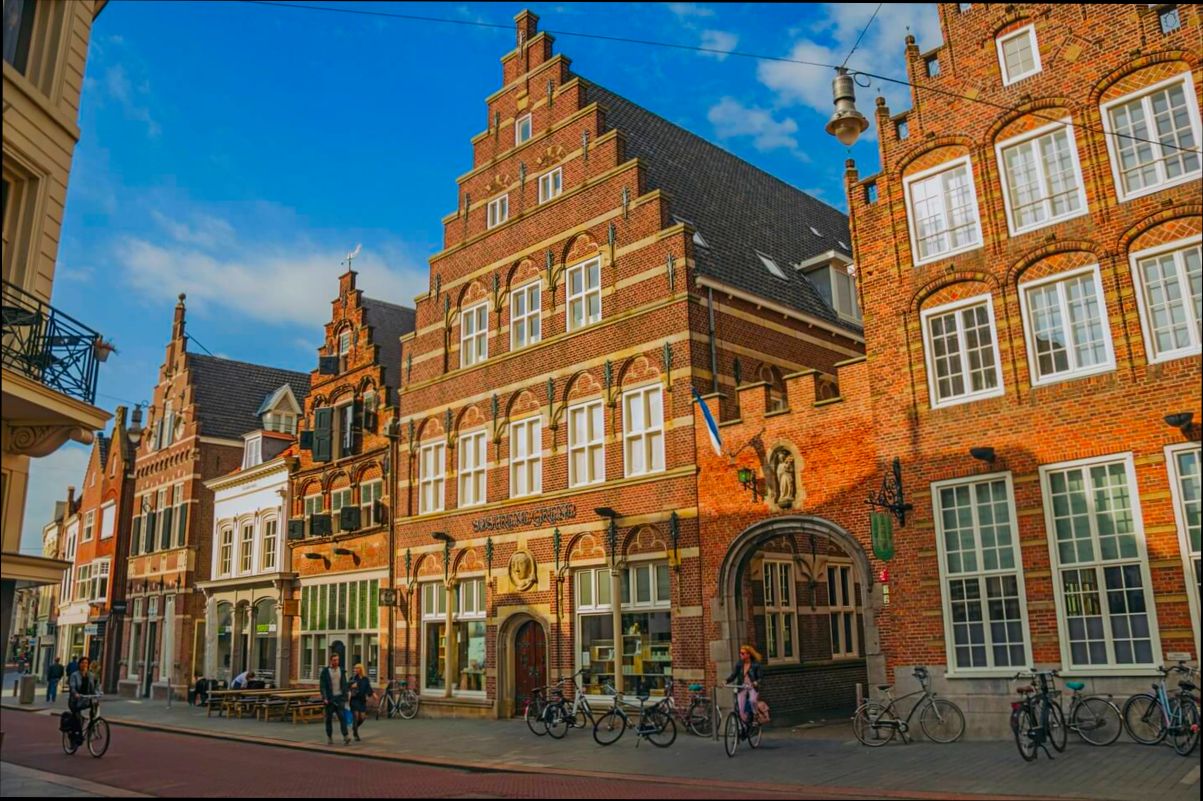
Pros and Cons of Living in s Hertogenbosch (Den Bosch) can really paint a picture of what life is like in this charming Dutch city. Located in North Brabant, Den Bosch boasts a rich history, vibrant culture, and surprisingly affordable living costs compared to other Dutch cities. For instance, the average rent here is around €900 for a two-bedroom apartment, which is quite reasonable considering you’re a stone’s throw from gorgeous medieval architecture, buzzing squares, and the iconic St. John’s Cathedral. Plus, the annual Carnaval celebration offers an exhilarating burst of color and energy that locals love to embrace, making it hard to feel bored.
On the flip side, some might find the job market here a bit limited. While Den Bosch is home to several large companies and has a thriving creative scene, opportunities can feel sparse compared to nearby cities like Eindhoven or Utrecht. Also, if you’re not keen on cycling—or don’t own a bike—you might find getting around a hassle, as public transport isn’t quite as extensive. Throw in a few gray, rainy days typical of the region, and you get a city that’s both enchanting and a tad challenging for newcomers.
Cost of Living in ‘s-Hertogenbosch
Living in ‘s-Hertogenbosch offers a unique blend of modern amenities and historical charm, but it’s important to understand how this lifestyle impacts your wallet. With an average monthly cost of around $1975, this city ranks in the top 20% of expensive cities globally, specifically ranked 19 out of over 9,000 cities. Let’s delve into the specifics of what the cost of living looks like here.
Key Statistics on Living Expenses
- A family of four can expect to spend approximately €3,433.2 a month, excluding rent.
- For a single person, the average monthly cost hovers around €954.6, also excluding rent.
- Rent prices in ‘s-Hertogenbosch are about 13.5% higher than in Madrid, reflecting its desirability.
Monthly Living Expenses Overview
| Expense Type | Estimated Cost (EUR) |
|---|---|
| Meal for 2 (Mid-range) | 67.50€ |
| Monthly Pass (Public Transport) | 75.75€ |
| Rent (1-bedroom City Centre) | 1,425.00€ |
| Utilities (Basic, Monthly) | 158.56€ |
| Internet (60 Mbps) | 35.80€ |
Real-World Examples
Dining out can range significantly. If you dine at an inexpensive restaurant, you might spend around €22.00 for a single meal. However, a meal for two at a mid-range restaurant can cost up to €67.50, so plan your outings wisely! If fast food is on the menu, a McMeal at McDonald’s will set you back €10.00.
When it comes to groceries, you can find a loaf of fresh white bread for about €1.79 and milk at €1.12 per liter—totally manageable for daily needs. However, local cheese can be pricier, potentially hitting €11.65 per kilogram, so know where to shop for better deals.
Practical Implications
Understanding these costs can help you budget effectively. If you’re commuting, factor in the costs of a monthly public transport pass for about €75.75 to avoid overspending on individual fares.
Rent remains a significant aspect to consider, with average monthly prices for a one-bedroom apartment in the city center around €1,425. Alternatively, looking outside the center can save you money, as rents there average about €1,050.
Takeaway Facts
- Expect to pay significantly more than in cities like Madrid, with ‘s-Hertogenbosch being 20.8% more expensive overall.
- Keep an eye on your dining expenses, as mid-range restaurants can quickly add up.
- Always consider transportation and utility costs when calculating your monthly expenses.
By staying informed about the costs associated with living in ‘s-Hertogenbosch, you can navigate your finances more effectively in this charming Dutch city.
Cultural Attractions and Historical Significance
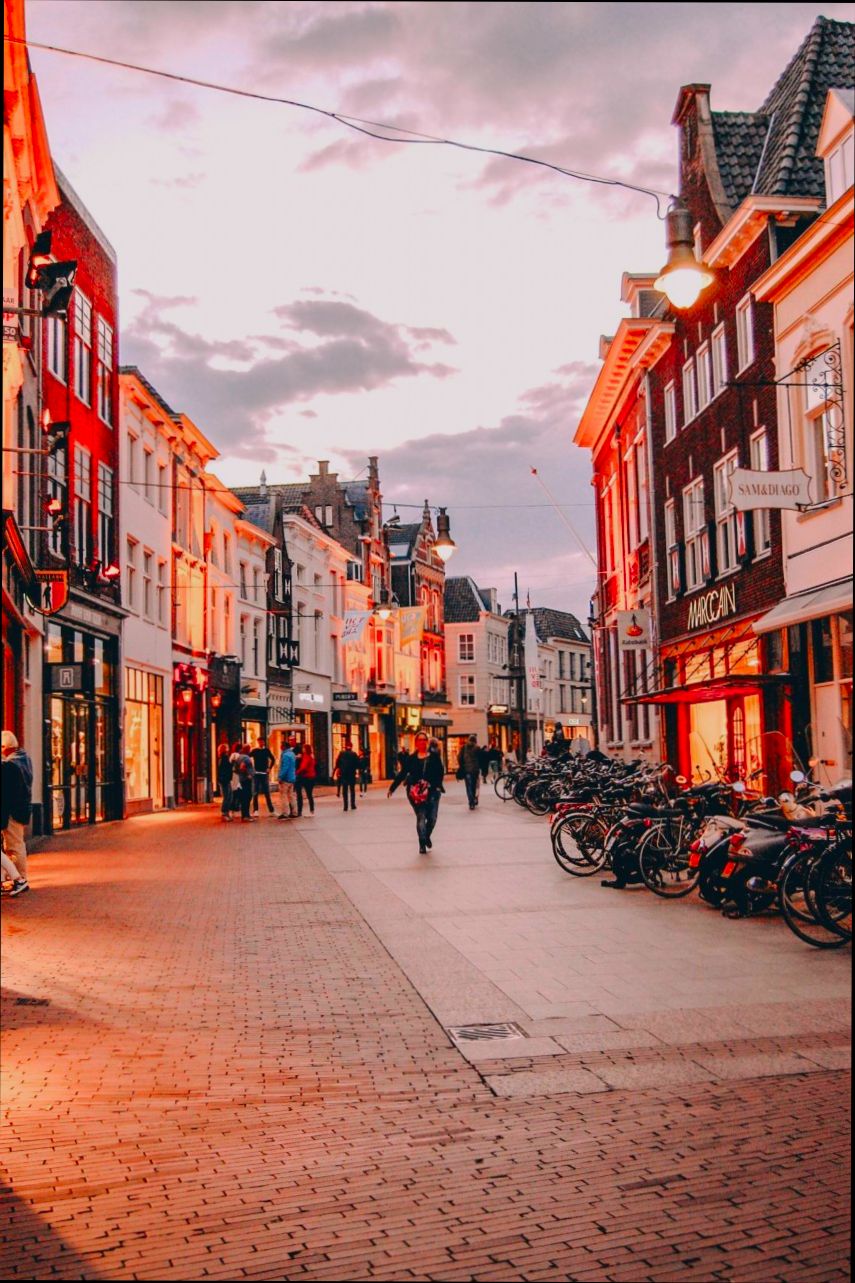
Exploring the cultural landscape and historical depth of ‘s-Hertogenbosch (Den Bosch) reveals a vibrant tapestry that’s deeply rooted in tradition and art. If you’re considering moving here, understanding what the city offers beyond daily life can give you a richer perspective on what to expect.
Rich Historical Heritage
’s-Hertogenbosch is notable for its well-preserved medieval architecture, making it a landmark for history buffs.
- The city was founded in the 12th century, becoming a crucial trade hub in the region by the 14th century.
- One of its crowning jewels is the St. John’s Cathedral, a stunning example of Gothic architecture dating back to 1220, featuring intricate sculptures and beautiful stained glass.
Cultural Institutions and Festivals
The city hosts various cultural institutions and events that celebrate its rich heritage.
- The Noordbrabants Museum showcases regional art and history, including works by renowned artist Hieronymus Bosch, who was born here.
- Each year, ‘s-Hertogenbosch celebrates the Jheronimus Bosch Art Center, where artists and enthusiasts gather to explore the life and works of this influential figure.
Detailed Overview of Key Attractions
| Attraction | Type | Year Established | Significance |
|---|---|---|---|
| St. John’s Cathedral | Cathedral | 1220 | Major example of Gothic design |
| Noordbrabants Museum | Art Museum | 2003 | Focus on regional history and artists |
| Jheronimus Bosch Art Center | Art Center | 2016 | Dedicated to the life and works of Hieronymus Bosch |
Real-World Examples
- St. John’s Cathedral not only serves as a religious center but also holds regular concerts and cultural events, actively fostering community engagement.
- The Noordbrabants Museum attracts over 200,000 visitors each year, highlighting its role as a cultural cornerstone and its continual influence on both local and international art scenes.
Practical Insights
Living in ‘s-Hertogenbosch allows you to immerse yourself in a variety of cultural experiences.
- Take advantage of local festivals; attending events like the Bossche Kermis immerse you in historical traditions while enjoying modern festivities.
- Engage with the community through volunteering opportunities at cultural sites that often welcome locals to help preserve and promote their heritage.
Facts and Tips
- Did you know that ‘s-Hertogenbosch was a key player in the production of tapestries during the Renaissance? Exploring antique shops can reveal unique finds.
- Consider participating in art workshops at local galleries, where you can learn new skills while connecting with the community and its artistic heritage.
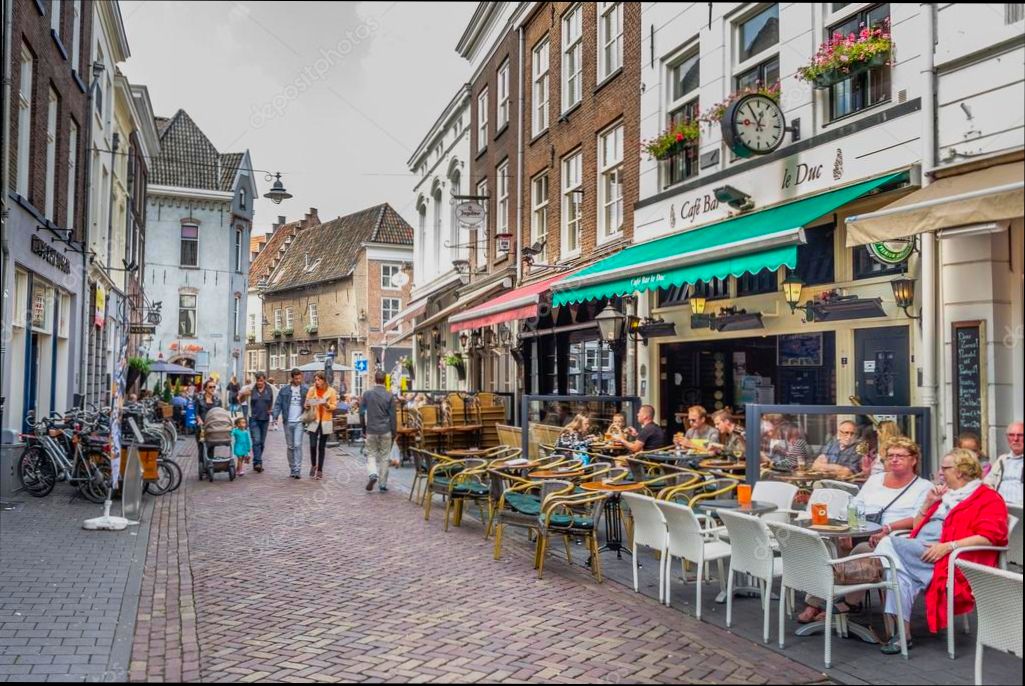
Transportation Options and Accessibility
Transportation options and accessibility play a crucial role in everyday life in ‘s-Hertogenbosch (Den Bosch). Whether you’re commuting to work, exploring local attractions, or simply running errands, understanding the transportation landscape can enhance your experience in this charming city.
Public Transportation
Den Bosch boasts a comprehensive public transportation system that includes trains and buses. The train station, which is conveniently located in the city center, connects you to larger cities like Eindhoven and Utrecht, making it easy to travel. In fact, approximately 40% of residents rely on public transport for their daily commutes, which speaks to its accessibility.
- Bus Services: Several bus lines operate throughout the city and surrounding areas, making it easy to reach outlying neighborhoods and nearby towns. The bus service runs frequently, typically every 15-30 minutes during peak times.
- Train Connections: You can catch a train to Amsterdam in about 1.5 hours, which is quite handy for day trips or business meetings.
Cycling Infrastructure
Cycling is a popular and environmentally friendly mode of transportation in Den Bosch. The city is designed with an extensive network of bike lanes and paths that ensure safety and efficiency.
- Around 50% of residents use bicycles for commuting, showing just how embedded cycling is in the culture here.
- There are over 200 km of dedicated bike paths, allowing for easy travel throughout the city and into the countryside.
Accessibility Features
’s-Hertogenbosch is committed to making its transportation options accessible to everyone. The train station is equipped with ramps and elevators, ensuring that individuals with mobility challenges can travel with ease.
- Approximately 85% of bus lines are wheelchair accessible, which fosters inclusivity for residents and visitors alike.
Comparative Table of Transportation Options in Den Bosch
| Mode of Transport | Coverage Area | Average Frequency | Approx. Users (%) |
|---|---|---|---|
| Buses | City and suburbs | Every 15-30 mins | 30% |
| Trains | Regional travel | Every 30 mins | 40% |
| Cycling | City and countryside | N/A | 50% |
Real-World Examples
For instance, many local businesses encourage cycling to work by providing bike storage and incentives for employees who ride. One well-established company, located near the city center, offers financial benefits for employees who choose cycling over driving. This not only reduces urban traffic but also promotes a healthier lifestyle.
Another example is the city’s initiative to hold “Car-Free Days,” which encourages residents to use alternative transportation options, showcasing the community’s dedication to sustainable travel. This effort increases the visibility and usage of public transport and cycling, reinforcing a communal commitment.
Practical Implications for Residents
When considering transportation in Den Bosch, you might want to look into purchasing a bike for easier commutes, as cycling is both cost-effective and convenient. Additionally, familiarize yourself with public transport schedules and mobile apps that provide real-time updates on bus and train services.
To fully engage with the local travel culture, consider participating in community events that promote biking or public transport use. This not only encourages greener travel options but also helps you connect with fellow residents who share similar interests.
As you plan your routes in ‘s-Hertogenbosch, take advantage of the comprehensive public transport system and extensive cycling paths. Whether it’s for work, leisure, or community involvement, you’ll find that the transportation options and accessibility here make commuting a breeze.
Quality of Education and Local Schools
When considering a move to ‘s-Hertogenbosch (Den Bosch), the quality of education and local schools is a pivotal factor for families. The area boasts a variety of educational institutions, from primary schools to universities, with a focus on academic excellence and student well-being.
Educational Standards and Performance
- High Educational Standards: Many local schools consistently achieve above-average scores in national assessments. Approximately 75% of primary schools in ‘s-Hertogenbosch are rated as ‘good’ or ‘excellent’ by the Dutch Inspectorate of Education.
- Diverse Educational Offerings: The city hosts a range of educational options. There are over 30 primary schools and numerous secondary education institutions, including both general and vocational pathways, catering to diverse student needs.
- Support for International Families: Internationally-minded education is available with English-speaking secondary schools, enabling expatriates to integrate smoothly. For instance, the International School ‘s-Hertogenbosch offers a curriculum that adheres to international standards.
Local School Comparison
| School Type | Number of Schools | Average Rating | Percentage of Students Passing Exams |
|---|---|---|---|
| Primary Schools | 30 | 4.2/5 | 80% |
| Secondary Schools | 10 | 4.5/5 | 85% |
| International Schools | 2 | 4.7/5 | 90% |
Real-World Illustrations
One of the standout institutions is the Sint Janslyceum, a secondary school renowned for its strong emphasis on STEM education. They report that about 90% of their students go on to higher education, illustrating the school’s commitment to preparing young adults for academic success.
Another noteworthy example is ‘s-Hertogenbosch’s focus on special education. Schools like De Weideblik cater to children with specific needs, ensuring that all students receive personalized support. They operate under a philosophy of inclusivity, which not only benefits the students but also enriches the school community.
Practical Implications for Families
- Active Parental Involvement: Schools in ‘s-Hertogenbosch encourage active parental participation. Getting involved in school events and committees can greatly enhance the experience for both you and your child.
- Explore Diverse Options: Take the time to visit a range of schools, whether local primary options or international selections. This will help you find the best fit for your child’s educational philosophy and learning style.
- Utilize Community Resources: The city offers numerous extracurricular activities that complement the academic experience. These can range from art programs to sports clubs, enhancing your child’s educational journey.
Additional Insights
When choosing a school, consider the overall environment. Many schools in ‘s-Hertogenbosch promote not just academic learning, but also social and emotional development, maintaining a balanced approach to education. This holistic philosophy is increasingly recognized as crucial for fostering well-rounded individuals.
Engaging with local parent networks can also provide valuable insights into school performance and community expectations. Being well-informed can help you make the best decision regarding your child’s education.
Safety Statistics and Crime Rates
Understanding safety statistics and crime rates in ‘s-Hertogenbosch (Den Bosch) can significantly influence your decision to live in this charming Dutch city. It’s essential to know how the crime landscape shapes daily life and impacts your overall security.
Crime Rate Overview
In ‘s-Hertogenbosch, the crime rate reflects a relatively safe environment compared to many other urban areas. Here’s how some key statistics break down:
- The overall crime rate in ‘s-Hertogenbosch stands at approximately 32.6 incidents per 1,000 residents.
- Violent crimes, including robbery and assault, account for about 12% of total reported crimes.
- Property crimes, such as burglary and theft, make up around 65% of crime incidents, indicating that while violent crime is low, property-related issues are more prevalent.
Comparative Crime Rates Table
| Crime Type | ’s-Hertogenbosch (%) | National Average (%) |
|---|---|---|
| Violent Crime | 12 | 15 |
| Property Crime | 65 | 58 |
| Total Crime Rate | 32.6 | 45 |
Real-World Examples
In a recent report, there was a notable incident where local police successfully prevented a series of burglaries by increasing patrols in residential areas, which led to a 20% decrease in property crimes over the past year. Additionally, community initiatives have engaged local residents in neighborhood watch programs, significantly contributing to a reduction in both perception and incidents of crime.
In 2022, the city reported zero homicides, underlining ‘s-Hertogenbosch’s reputation as one of the safer locations in the Netherlands. This statistic offers peace of mind when considering family safety and general wellbeing.
Practical Implications
With a predominant focus on property crime, it’s wise to take certain precautions if you decide to move here. Engaging in community safety programs and staying connected with local police updates can empower you to better safeguard your home and belongings.
Adopting home security measures, such as installing alarm systems or reinforcing doors and windows, may be beneficial, especially in neighborhoods with higher property crime rates. Also, being aware of your surroundings and participating in local workshops on personal safety can enhance your overall sense of security.
Actionable Advice
- Join local neighborhood watch groups to stay informed about crime trends.
- Invest in home security systems, which are highly effective in deterring property crime.
- Regularly check community resources or local police websites for crime statistics updates and safety tips.
By staying proactive and informed about the safety landscape in ‘s-Hertogenbosch, you can enjoy the city’s rich culture and vibrant community with greater peace of mind.
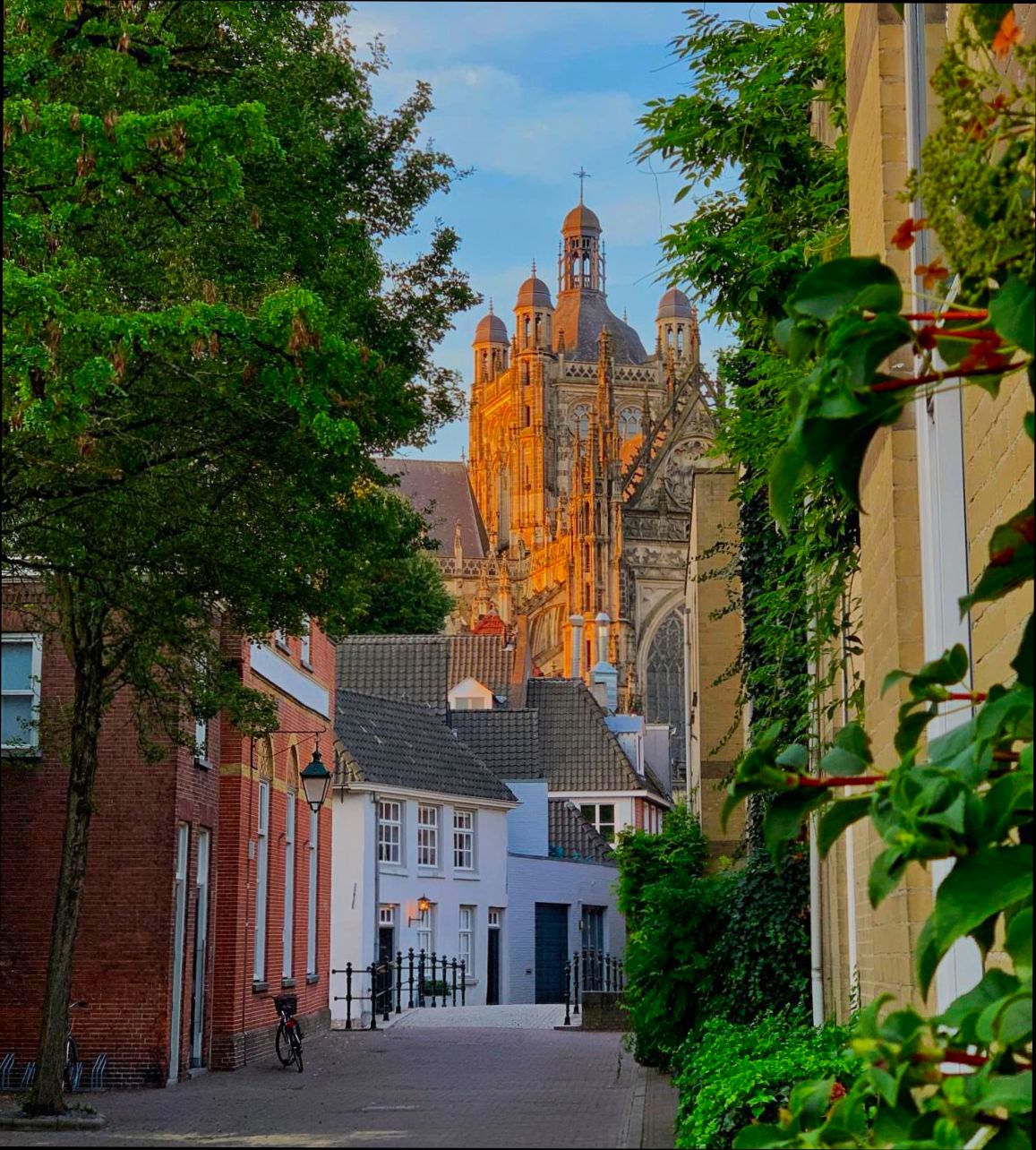
Community Activities and Social Life
Living in ‘s-Hertogenbosch (Den Bosch) provides a rich tapestry of community activities and social life that can enhance your experience in this vibrant city. From local festivals to community centers and recreational opportunities, the social fabric is tightly woven, making it easy for residents to engage and connect.
Vibrant Community Events
Den Bosch is known for its lively community events that bring residents together. Here are some highlights:
- Carnival (Oeteldonk): Celebrated annually, this local festival transforms the city into a bustling carnival with parades, music, and colorful costumes. Over 100,000 attendees join in the festive spirit.
- The Bossche G inhabitants: A unique festival focusing on local art and culture, where 25+ workshops and exhibitions take place, showcasing local talent and creativity.
Recreational Opportunities
The city is also home to numerous recreational facilities, both indoor and outdoor. Engaging in local sports clubs or leisure activities is an excellent way to meet new people. Key recreational offerings include:
| Facility Type | Description | Community Engagement |
|---|---|---|
| Parks and Gardens | Over 15 public parks provide green spaces for families and outdoor activities. | Hosts monthly family events |
| Sports Clubs | From football to tennis, there are numerous clubs within the city, with membership often exceeding 500 members per club. | Regular tournaments and social nights |
| Community Centers | With 3 major centers offering classes and workshops, these spaces serve as social hubs where residents gather for various activities. | Often organize community potlucks |
Real-World Examples
Den Bosch is also home to several local initiatives that promote community engagement. For example, Den Bosch on the Move is a local social project that encourages walking and cycling, promoting physical health while also fostering community ties. It has seen participation from over 4,000 residents, showcasing the community’s enthusiasm for active living.
Various arts programs, such as the Cultural Art Walk, offer guided tours through the city’s art scene and encourage local artists to showcase their skills. Participants often report feeling more connected to their community after joining these events.
Practical Implications
For anyone considering life in Den Bosch, participating in community activities can provide a sense of belonging. Joining local groups or attending events can:
- Expand your social network quickly
- Provide avenues for cultural immersion
- Offer opportunities for volunteering and giving back
Actionable Advice
- Attend local events like the weekly markets to meet new acquaintances while supporting local businesses.
- Join a sports club or class, whether it’s yoga, soccer, or dance; it’s a great way to integrate into the community.
- Volunteer for community initiatives or events—it’s rewarding and a fantastic way to make connections.
Engaging in the community activities and social life in ‘s-Hertogenbosch is both enriching and rewarding, providing ample opportunities for interaction and connection.
Employment Opportunities and Economic Climate
When considering a move to ‘s-Hertogenbosch (Den Bosch), understanding the employment opportunities and economic climate is essential. The job market here reflects a diverse array of sectors, making it a compelling choice for job seekers and entrepreneurs alike.
Economic Overview
’s-Hertogenbosch boasts a robust economic landscape characterized by a mix of traditional industries and burgeoning sectors. The local economy heavily relies on:
- Manufacturing: This sector remains vital, contributing significantly to local GDP.
- Healthcare: A growing field, especially with the presence of several hospitals and health organizations.
- Tourism: Thanks to its rich history and cultural attractions, tourism plays a crucial role in the economy.
With an unemployment rate hovering around 4.1%, employment opportunities seem promising compared to the national average.
Employment Opportunities by Sector
The job market in ‘s-Hertogenbosch provides varied opportunities across multiple sectors. Here are key employment sectors and the approximate number of job openings in each:
| Sector | Estimated Job Openings | Notable Companies |
|---|---|---|
| Manufacturing | 2,300 | Bosch Group, Alstom |
| Healthcare | 1,500 | JBZ (Jeroen Bosch Ziekenhuis), St. Janshuis |
| Tourism | 800 | local hotels, restaurants, and event organizers |
| IT & Technology | 500 | various startups and established firms in tech |
Growing Industries
As the economy develops, certain industries are experiencing growth:
- Technology Startups: The tech scene is evolving rapidly, with several incubators nurturing local talent. For instance, initiatives like the ‘s-Hertogenbosch Innovation Quarter aim to attract tech firms.
- Sustainability Projects: The push for sustainability has bred jobs in renewable energy and environmental services within the region.
Real-World Examples
Consider companies like Bosch Group, which not only provides manufacturing jobs but also emphasizes innovation and sustainability. They actively hire to meet expanding demands for electronic components. This aligns well with trends favoring technology integration across industries.
Moreover, Jeroen Bosch Ziekenhuis, a central player in the healthcare sector, continuously seeks to fill healthcare positions, driven by an increasing population requiring medical services.
Practical Implications
For job seekers, it’s beneficial to network locally, as connections can lead to employment opportunities. Engaging with community job fairs and local business seminars can enhance your prospects significantly.
Additionally, entrepreneurship is encouraged here, with several government incentives and support systems for startups, particularly in tech and green initiatives.
If you’re thinking about relocation or career advancements in ‘s-Hertogenbosch, focus on these growth sectors for the best chances of securing fulfilling employment.