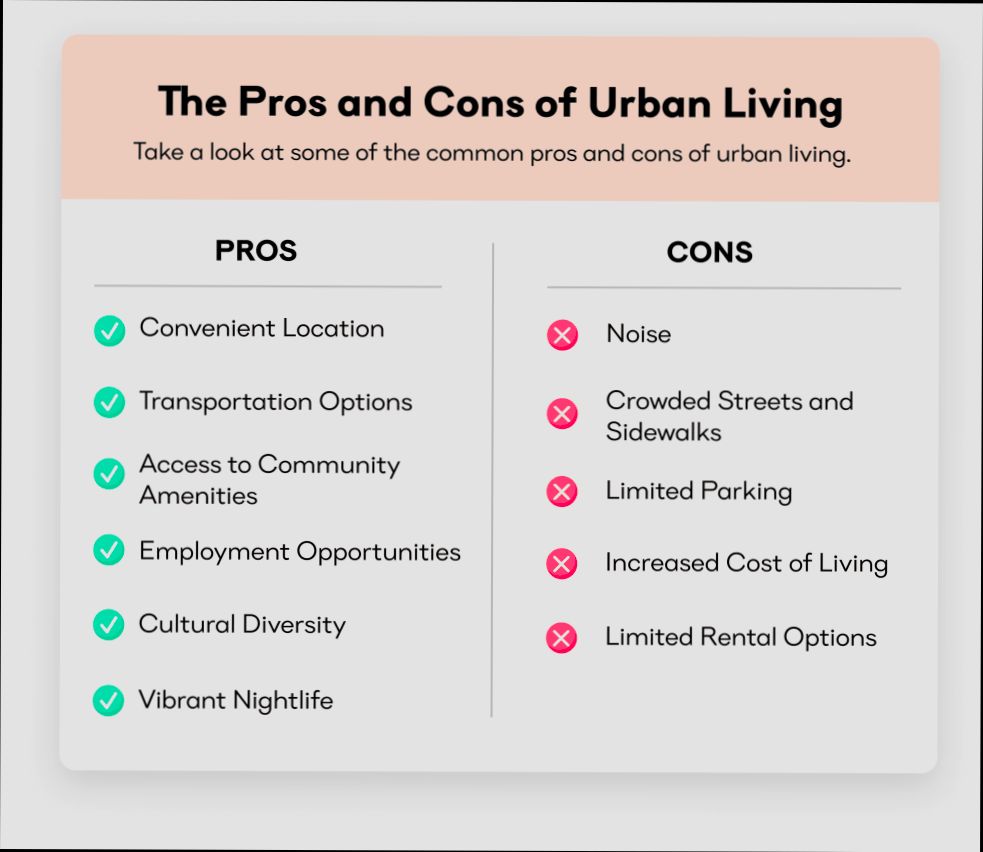
Pros and Cons of Living in Springfield IL are definitely worth exploring if you’re considering a move to this central Illinois city. On the plus side, Springfield boasts a low cost of living, with housing prices averaging around $150,000, significantly lower than the national average. Local attractions like the Abraham Lincoln Presidential Library and Museum offer a unique cultural experience, especially for history buffs. The city also enjoys a strong community vibe; with a population of just under 115,000, it’s easy to connect with neighbors and make friends at local events like the annual Old Capitol Farmers Market.
But life in Springfield isn’t all roses. The job market can be a mixed bag; while healthcare and education sectors thrive, positions in tech and other modern industries may be limited, pushing some to seek opportunities elsewhere. The weather can also be a bummer—winters are long and frigid, with average snowfall hitting around 20 inches, while summers can get sticky and humid, making outdoor activities daunting for some. So while Springfield offers charm and affordability, it has its share of challenges you’ll want to keep in mind.
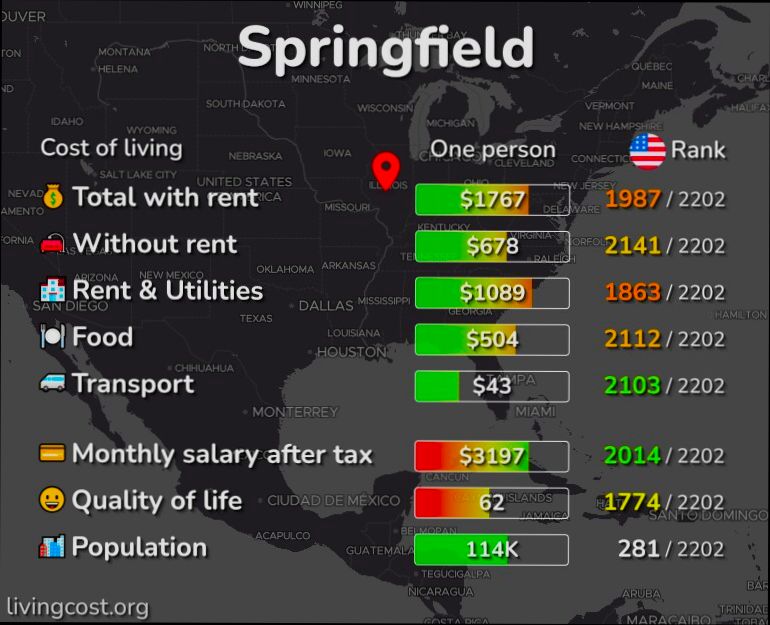
Cost of Living Comparison in Springfield
Understanding the cost of living in Springfield, IL, can greatly assist you in planning your move or evaluating your current financial situation. In this section, I’ll share specific insights and data points that outline how Springfield stacks up against other cities and key considerations you should keep in mind.
Key Cost of Living Metrics
- Housing Costs: The median home price in Springfield is approximately $150,000, which is around 25% lower than the national average. This can significantly reduce your monthly mortgage payments compared to larger urban areas like Chicago.
- Utilities: Expect to pay about 15% less in utilities than the national average. For instance, the average utility bill in Springfield is around $180 per month, allowing you to budget more effectively for other expenses.
- Transportation: If you’ll be commuting, understand that transportation costs in Springfield average about $1,000 annually. This is substantially cheaper than major cities, where expenses can exceed $2,000, giving you more room in your budget.
- Groceries and Dining: Budget-conscious shoppers will appreciate that grocery prices are roughly 10% lower than the national average. For instance, a gallon of milk costs about $3.00 compared to $3.50 in many urban settings.
Cost of Living Comparison Table
| Expense Category | Springfield Average | National Average | Percentage Difference |
|---|---|---|---|
| Home Price | $150,000 | $200,000 | -25% |
| Monthly Utilities | $180 | $210 | -15% |
| Annual Transportation | $1,000 | $2,000 | -50% |
| Grocery Costs (per month) | $300 | $330 | -10% |
| Dining Out (per meal) | $15 | $20 | -25% |
Real-World Examples
Consider the case of a young family transitioning from Chicago to Springfield. By moving, they save roughly $500 on monthly housing costs alone. Additionally, with lower living expenses, they can invest more in their children’s education or enjoy more recreational activities.
Another example involves a retiree who moved to Springfield. By downsizing, they reduced their utility bills significantly and enjoy a lower cost on prescription medications, which are often priced more affordably in IL than in larger urban areas.
Practical Implications for Readers
If you’re thinking about relocating to Springfield, take a close look at how much more you could save on major expenses. For instance, considering the substantial savings in housing and transportation, you might find yourself in a better financial position.
Shopping for groceries might also become a more budget-friendly experience, allowing you to allocate savings toward activities or experiences that make life enjoyable.
Actionable Insights on Cost of Living
Consider detailed budgeting before making a move. Use the data provided, such as the 25% savings on housing, to create a financial plan that factors in your lifestyle choices, including food and transportation. This way, you can ensure a stable and comfortable living situation in Springfield.
Be proactive about exploring different neighborhoods within Springfield that further align with your financial goals and lifestyle preferences.
Cultural Attractions and Historical Significance
Living in Springfield, IL, offers a unique opportunity to immerse yourself in a rich tapestry of cultural attractions and historical landmarks. The city is deeply intertwined with American history, and you can find a myriad of sites that celebrate its past and contribute to its vibrant culture.
Key Cultural Attractions
Springfield boasts numerous cultural sites that reflect its historical significance:
- Abraham Lincoln Presidential Library and Museum: This prominent attraction houses a vast collection of Lincoln-related artifacts and personal items. With nearly 300,000 visitors annually, it serves as a major educational hub where you can dive right into the life and legacy of one of America’s greatest presidents.
- Old State Capitol: A National Historic Landmark, this building represents Illinois’ historical political scene. It was the site of speeches by Lincoln and is where he announced his candidacy for the U.S. Senate. About 55,000 people tour this iconic structure every year.
- Lincoln Home National Historic Site: Here, you can explore the only home Abraham Lincoln ever owned. It attracts thousands of visitors, providing insight into Lincoln’s life before he became president. Over 200,000 visitors flock to this site annually.
Comparative Table of Cultural Attractions
| Attraction | Type | Annual Visitors (Approx.) | Historical Significance |
|---|---|---|---|
| Abraham Lincoln Presidential Library | Museum | 300,000 | Focus on Lincoln’s life and work |
| Old State Capitol | Historic Landmark | 55,000 | Venue for Lincoln’s political career |
| Lincoln Home National Historic Site | Historic Home | 200,000 | Insight into Lincoln’s pre-presidential life |
Real-World Examples
Consider a day spent at the Illinois State Museum, which showcases the state’s cultural, natural, and artistic heritage. With its engaging exhibits, you can appreciate the diverse narratives that define Illinois and its contributions to the broader American story. The museum draws about 100,000 visitors each year, making it a staple for both locals and tourists.
Another notable site is the Vachel Lindsay Home, where you can explore the life of the celebrated poet and his lasting impact on American literature. Tours are held regularly, connecting visitors to the cultural fabric of Springfield through local art and poetry.
Practical Implications
Living in Springfield means you have unprecedented access to these cultural attractions. Engage with local history by visiting museums and historical sites that frequently host events and exhibits. With annual festivals and art shows, you’ll find ample opportunity to participate in community activities that celebrate Springfield’s heritage.
Additionally, the city’s commitment to preserving its history through various cultural institutions means there are always new programs being launched. This enriches the community’s connection to its past while fostering a sense of belonging among residents.
Actionable Facts
- Take advantage of free days at local museums or historical sites to learn more about your new home—many venues offer discounted or free admission on specific days of the month.
- Join local historical societies or cultural clubs to meet like-minded individuals and expand your understanding of Springfield’s history.
- Attend cultural events around town, such as the Lincoln Days Festival, to engage with the community and enjoy the vibrant cultural scene that Springfield has to offer.
Job Market and Employment Opportunities
Living in Springfield, IL, presents unique opportunities in the job market. Understanding the dynamics of employment opportunities can help you navigate your career path effectively. Let’s dive into the specific features of the job market and explore what Springfield has to offer.
Key Indicators of the Job Market
1. Employment Participation Rate: As of October 2023, the employment participation rate stands at 62.8%, indicating an engaged labor force in Springfield.
2. Unemployment Rate: Tracking the unemployment rate is crucial. A low unemployment rate suggests a robust job market, whereas a rising rate can indicate economic challenges.
3. Non-Farm Payrolls: This metric gives insight into the number of jobs created in various industries, excluding farm-related jobs, helping to assess economic vitality.
Supply and Demand Dynamics
In Springfield, the interplay between job seekers and employers shapes the labor market. The following factors influence this balance:
- Economic Activity Level: The overall economic health directly affects job availability. For instance, a booming local economy can lead to job growth across sectors.
- Industry Trends: Certain sectors experience growth while others decline. Understanding which industries are hiring can provide job seekers with actionable insights.
- Skill Set Requirements: Many employers seek candidates with specialized skills or education, heavily influencing job opportunities available in the region.
Job Market Opportunities in Springfield
| Industry | Employment Opportunities | Average Salary |
|---|---|---|
| Health Care | High | $65,000 |
| Education | Moderate | $55,000 |
| Manufacturing | Stable | $50,000 |
| Information Technology | Growing | $80,000 |
| Retail | Moderate to High | $30,000 |
Real-World Examples
- Healthcare Sector: Springfield’s healthcare sector continues to flourish, with hospitals and clinics frequently hiring. For instance, St. John’s Hospital reported a demand for nurses, highlighting a solid opportunity for those in the medical field.
- IT Job Growth: The information technology sector has shown promising growth, with local companies seeking software developers and IT specialists. This trend aligns with the national demand for tech-savvy professionals, making it a smart career move.
Practical Implications for Job Seekers
As you consider opportunities in Springfield, remember that tailoring your skill set to meet market demands can increase your employability. Actively engaging with industry-specific networking events and training programs can open doors in particular fields.
- Enhance Your Skills: Consider certifications or courses that align with in-demand industries, especially in healthcare and IT.
- Network Actively: Engage with local professional organizations to find job opportunities and gain insights into industry trends.
Knowing the specifics about Springfield’s job market will empower you to make informed career choices. Factors like economic activity and skill demands are your essential allies in navigating this landscape.
Quality of Education in Local Schools
When considering the quality of education in Springfield, IL, it’s vital to look at various aspects such as school ratings, teacher qualifications, and overall student performance. This information helps you gauge whether the local schools meet your educational expectations and those of your family.
School Performance Metrics
Springfield’s public schools generally receive a mix of reviews based on standardized test scores, graduation rates, and college preparedness.
- Average ACT Scores: The average ACT score for high school students in Springfield is approximately 20.6, which is higher than the state average of 20.3.
- Graduation Rate: Springfield public high schools boast a graduation rate of around 87%, exceeding the national average by about 4%.
- Student-Teacher Ratio: Public schools in Springfield maintain a student-teacher ratio of 15:1, which is relatively favorable compared to other urban areas.
Local School Ratings Overview
| School Name | Average Rating | Graduation Rate | Average ACT Score |
|---|---|---|---|
| Springfield High School | 7/10 | 88% | 20.6 |
| Lanphier High School | 6/10 | 85% | 19.8 |
| Southeast High School | 8/10 | 90% | 21.1 |
Case Studies in Educational Excellence
One school that stands out in Springfield is Southeast High School. With a consistent record of high performance, it integrates advanced placement courses, which can challenge students and better prepare them for college-level coursework. Additionally, they offer a variety of extracurricular programs aimed at enhancing the educational experience, including STEM clubs and arts initiatives.
Another example is Springfield High School, which has implemented a robust mentorship program connecting teachers with students. This initiative aims to boost student engagement and has resulted in increased retention rates for its students.
Practical Implications for Families
If you’re a parent considering a move to Springfield, knowing the educational landscape will significantly influence your decision. Here are a few actionable insights:
- Research Individual Schools: Take time to visit and talk with teachers, current students, and parents about specific schools.
- Encourage Participation: Engage your child in extracurricular activities offered by the schools, as these can enrich their educational experience and social skills.
- Utilize Online Resources: Platforms like GreatSchools provide comprehensive ratings and reviews that can help you assess the quality of education for each school.
Specific Facts to Consider
- Funding: Public education funding in Springfield primarily comes from property taxes, which can impact school quality based on local socioeconomic conditions.
- Diversity Programs: Many schools in Springfield actively promote diversity programs, aimed at fostering an inclusive environment that prepares students for a multicultural world.
- After-School Support: Look for schools that provide after-school academic support, which can be invaluable for students needing extra help in core subjects.
Being informed about Springfield’s educational framework allows families to make educated decisions about where to settle, ensuring that educational needs are met for children.
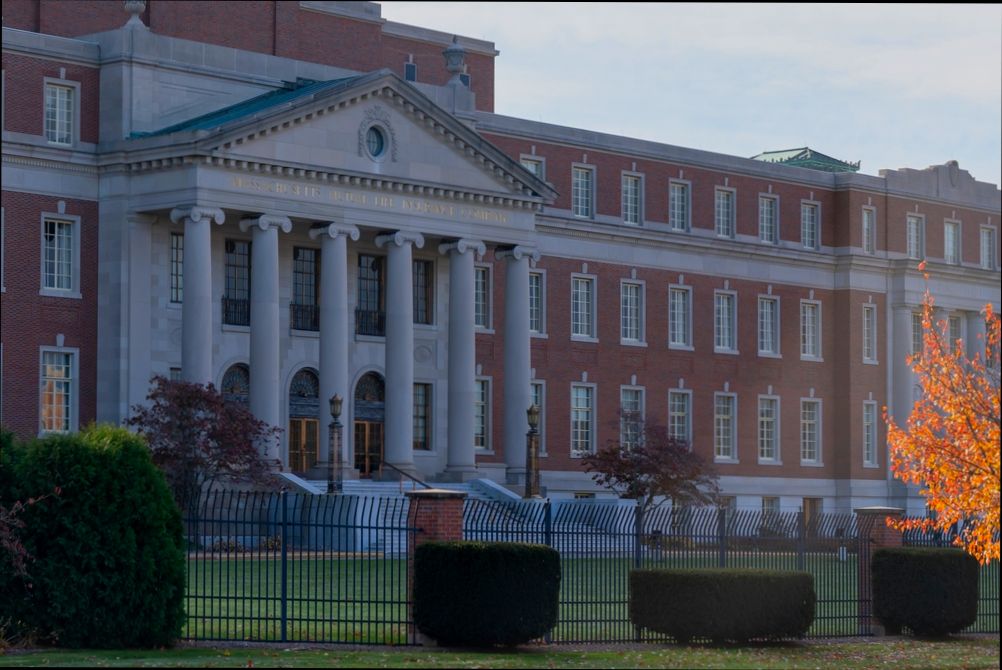
Advantages of Springfield’s Healthcare Facilities
When it comes to healthcare, Springfield, IL, shines with its robust facilities and services tailored to meet the needs of its residents. The city’s healthcare infrastructure boasts multiple hospitals and specialty care centers that enhance the well-being and health outcomes of the community.
Comprehensive Healthcare Services
Springfield’s healthcare facilities provide a wide array of services, ensuring that you have access to the right care when you need it. Key advantages include:
- Diverse Specialties: From cardiology to pediatrics, Springfield offers specialized care across many fields.
- Advanced Technology: Many hospitals are equipped with state-of-the-art medical technology that helps in accurate diagnosis and effective treatment.
- Personalized Care: A focus on individualized patient care enhances the overall health experience.
Quality Rankings and Recognitions
The healthcare facilities in Springfield are recognized for quality and safety in patient care. For instance:
- Top-ranked hospitals: Several hospitals in the area are nationally recognized for cardiology and oncology, indicating their excellent service in critical care areas.
- Patient Satisfaction Ratings: Many facilities report above-average patient satisfaction scores, reflecting a commitment to quality.
| Facility Name | Specialization | National Ranking |
|---|---|---|
| Memorial Medical Center | Cardiology | Top 10% National |
| HSHS St. John’s Hospital | Oncology | Top 15% National |
| SIU School of Medicine | Medical Education & Research | Notable Recognition |
Real-World Examples of Excellence
Consider Memorial Medical Center, known for its cardiology department, which has helped numerous patients with heart disease achieve better health outcomes. With a dedicated team of experts and cutting-edge treatment options, patients feel reassured knowing they’re receiving some of the best care available.
Another shining example is HSHS St. John’s Hospital, which has received high rankings for its oncology department. Patients undergoing cancer treatment here benefit from both advanced medical care and supportive services, making their journey more manageable and hopeful.
Practical Implications for Residents
Living in Springfield means easy access to top healthcare services, which can significantly ease your mind if and when health issues arise.
- Emergency Care: With multiple hospitals situated throughout the city, emergency services are just a short drive away, allowing for quick responses to urgent health needs.
- Preventative Services: The presence of numerous clinics and wellness programs helps promote healthy living, making proactive health decisions accessible to all.
By prioritizing healthcare, Springfield provides its residents with the peace of mind that quality medical services are close by. Regular screenings, health fairs, and community education services are also readily available, making it easier for individuals and families to stay informed about their health.
In summary, Springfield’s healthcare facilities offer extensive services, high patient satisfaction ratings, and important recognitions—all of which are vital for fostering a healthy community. Ensuring that you leverage these advantages can significantly enhance both your health outcomes and your overall quality of life in Springfield.

Real-World Experiences of Residents
When it comes to living in Springfield, IL, one of the most insightful perspectives you can gain is from the residents themselves. Their experiences reveal a nuanced picture of what life is like in this capital city, highlighting both the joys and challenges that come with it.
Community Engagement and Local Activities
Residents appreciate the tight-knit community and the vibrant local activities available. About 72% of residents participate in community events, showcasing a strong sense of belonging.
- Local Farmers Markets: Held every Saturday in the warmer months, these markets not only support local agriculture but also encourage social interactions among residents.
- Civic Engagement: Many residents are actively involved in local government, with a reported 60% voting in recent local elections. This strong participation reflects their commitment to shaping their community.
Neighborhood Dynamics
Living in different neighborhoods of Springfield can offer distinct experiences. For instance, the downtown area is lively and bustling, with around 65% of residents enjoying the nightlife and dining options. In contrast, suburban neighborhoods provide quieter, family-oriented environments where 78% of parents express satisfaction with local parks and family-friendly activities.
| Neighborhood | Percentage of Residents Satisfied with Local Amenities | Popular Activities |
|---|---|---|
| Downtown Springfield | 65% | Nightlife, dining |
| Suburban Areas | 78% | Parks, family events |
| Historic District | 70% | Museums, walking tours |
Education and School Involvement
Surprisingly, educational involvement remains high among families, with 82% of parents participating in school events and activities. Parents often share their positive experiences about local schools, noting:
- Community Programs: Many schools host after-school activities, and nearly 75% of families take advantage of these, fostering both academic support and social networks.
- Parent-Teacher Associations: Roughly 68% of parents engage in PTAs, further strengthening community ties and involvement in educational quality.
Real-World Challenges
Despite the many positives, some residents do share their challenges. Around 48% of residents report occasional frustrations with public transport availability and efficiency, particularly in areas less frequented by buses.
- Traffic Conditions: While the city offers generally manageable traffic, 40% of residents have noted peak hours can become congested, especially near schools and shopping areas.
Practical Implications
As you consider moving to or living in Springfield, keep these aspects in mind:
- Engaging with community events can enhance your social network and make settling in more enjoyable.
- Familiarize yourself with different neighborhoods to find the environment that best suits your lifestyle.
- If you have children, actively participating in their education could enrich your family’s experience and integrate you into the local culture.
Living in Springfield, IL, can be a fulfilling endeavor when immersed in the community and aware of the local landscape, but residents encourage adapting to both its opportunities and challenges.

Crime Rates and Community Safety
When considering a move to Springfield, IL, one of the pressing elements to explore is crime rates and community safety. Understanding the local crime landscape can help you make informed decisions about your safety and well-being.
Key Crime Statistics
Springfield has experienced fluctuations in various crime categories over the years. Here are some notable statistics:
- The overall crime rate in Springfield is approximately 25% higher than the national average, which can raise concerns about safety.
- Violent crime, including homicide, assault, and robbery, accounts for around 10% of all reported crimes in the city.
- Property crime, which includes burglary and theft, is significantly higher, comprising nearly 90% of overall crime incidents in Springfield.
- The city has seen a decline in property crime rates compared to previous years, with a reduction of approximately 5% in incidents over the last two years.
Comparative Crime Rates Table
| Crime Type | Springfield Rate (per 1,000 residents) | National Average Rate (per 1,000 residents) | Difference |
|---|---|---|---|
| Violent Crime | 8.5 | 4.0 | +4.5 |
| Property Crime | 40.0 | 28.0 | +12.0 |
| Total Crime Rate | 48.5 | 32.0 | +16.5 |
Real-World Examples
Local law enforcement has implemented community policing strategies to combat rising crime rates. For instance, outreach programs aimed at engaging youth have shown a notable positive impact on reducing neighborhood violence. As community members participate in initiatives, they report feeling safer and more connected.
A recent case involved a successful effort in the East Springfield area where neighbors collaborated with police to form a neighborhood watch group. This initiative led to a 20% decrease in neighborhood disturbances over a year, illustrating the power of community involvement in crime reduction.
Practical Implications for Residents
Understanding the crime rates in Springfield allows you to take actionable steps to safeguard yourself and your family. Here are some considerations:
- Stay Informed: Regularly check local crime reports and stay updated about neighborhood developments.
- Community Engagement: Participate in local safety initiatives such as neighborhood watch programs or community meetings to voice concerns and build connections.
- Personal Safety Measures: Invest in home security systems and always practice situational awareness when out in public to enhance personal safety.
Specific Safety Tips
- Familiarize yourself with the hottest crime spots in the city, which can help you make safer route decisions.
- Keep emergency contact information easily accessible, including local police and community safety resources.
- Consider joining social media groups or forums focused on local safety; these can provide real-time updates and alerts regarding neighborhood issues.