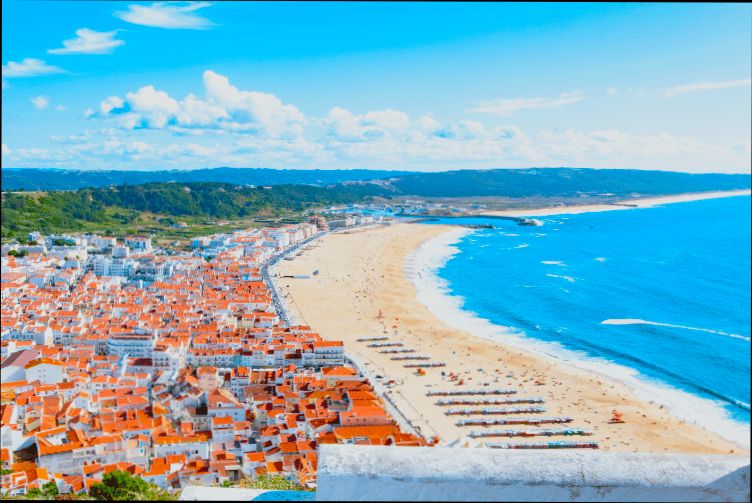
Cheapest Places to Buy Property in Portugal can be a game-changer if you’re dreaming of sun-soaked views and a new lifestyle. Tabua, for example, is a hidden gem where you can snag a cozy two-bedroom home for around €50,000. If you venture down to the Alentejo region, towns like Alter do Chão offer lovely rural homes at similar prices, often with vast plots of land that let your imagination run wild. These locales not only promise affordable real estate but also immerse you in the authentic Portuguese way of life, far from the tourist traps.
Now, if you’ve got your sights set on the Algarve, don’t fret! While places like Lagos and Albufeira might be pricier, you can still find budget-friendly options in smaller towns like Silves, where you can score a decent-sized property for €70,000 or less. Plus, with average property prices trending lower generally—hovering around €1,200 per square meter in these up-and-coming areas—this could be the perfect time to jump in. Portugal is calling, and there’s no better place to start than these attractively priced spots!
Regional Price Comparisons in Portugal
When exploring property prices in Portugal, it’s essential to understand the regional variations that significantly impact costs. Certain municipalities stand out for their affordability, while others, particularly in urban areas or popular tourist destinations, command much higher prices. Let’s dive into the comparative property prices across several regions in the country.
In a study analyzing 250 out of the 308 municipalities in Portugal, some startling statistics emerged. The average price per square meter varies drastically between less populated and more urbanized areas. For instance, the cost per square meter in Penamacor is as low as 399 euros, making it the cheapest municipality for property buyers in Portugal. In contrast, urban hotspots like Lisbon boast prices upwards of 5,000 euros per square meter.
Key Regional Property Prices
Here are some of the cheapest places to buy property, demonstrating the wide range of prices across the country:
| Town/Village | Price (euros/m2) |
|---|---|
| Penamacor | €399 |
| Nisa | €427 |
| Figueira de Castelo Rodrigo | €428 |
| Crato | €431 |
| Sabugal | €442 |
| Penacova | €448 |
| Góis | €459 |
| Gavião | €466 |
| Tondela | €480 |
| Celorico da Beira | €485 |
These municipalities tend to be located in less densely populated areas, often providing tranquil living environments with lower costs. For example, Crato in Portalegre shows an appealing price point of €431 per square meter, while Góis in Coimbra offers properties for €459 per square meter.
Real-World Examples: Regional Price Insights
1. Penamacor in Castelo Branco stands out as the most affordable option with a price of just €399 per square meter. This small municipality may be ideal for those seeking rural charm without breaking the bank.
2. Figueira de Castelo Rodrigo, ranking third at €428 per square meter, also offers a historic appeal and can attract buyers interested in traditional Portuguese lifestyle.
3. Sabugal in Guarda, with properties available for €442 per square meter, has a growing expat community which might appeal to those looking for a blend of cultural richness and affordability.
Each of these examples highlights the significant savings that can be found outside major urban centers, where buyers can secure properties at a substantially lower cost.
Practical Insights for Buyers
When considering purchasing property in Portugal, remember that:
- Accessibility matters: Regions with lower prices may have limited infrastructure, affecting your lifestyle and convenience.
- Monitor market trends: Areas like Penamacor may currently offer lower prices, but market interest could change, impacting future values.
- Consider local amenities: While a low price is attractive, ensure the area meets your needs for transport, healthcare, and recreation.
Actionable Advice
For those looking to dive into the property market in Portugal, focus on the less populated areas where prices are significantly lower. Research online and local listings regularly to stay informed about upcoming properties. Understanding the local economy and potential for appreciation will guide your decision, making your investment worthwhile as property markets evolve over time.

Emerging Areas for Affordable Investments
In the quest for affordable property investments in Portugal, certain regions are emerging as attractive options. These areas not only offer low entry points for buyers but also potential for future value appreciation. Let’s explore some of these hotspots and the data backing their appeal.
Rising Stars: Areas to Watch
1. Tavira in the Algarve
- Despite being part of the popular Algarve region, Tavira remains relatively affordable. Property prices here are approximately 20% lower than the average for the Algarve.
- Recent developments, including improved infrastructure, continue to bolster Tavira’s attractiveness to investors.
2. Beja in Alentejo
- The Beja municipality has seen a 15% increase in property value year-on-year, yet it remains under the radar compared to coastal regions. Average property prices hover around €900 per square meter, making it an excellent choice for budget-conscious buyers.
- The Alentejo region is becoming increasingly popular for agrotourism, driving demand for rental properties.
3. Funchal in Madeira
- Funchal has become a promising area, with property values rising by approximately 12% last year. However, compared to mainland hotspots, it remains affordable, offering opportunities for investors looking for growth.
- The city’s multifunctional development plans are contributing to a more vibrant urban environment.
| Area | Average Price per Square Meter | Year-on-Year Growth | Rental Yield Potential |
|---|---|---|---|
| Tavira | €1,600 | 7% | 5% |
| Beja | €900 | 15% | 6% |
| Funchal | €2,200 | 12% | 4.5% |
Real-World Examples of Investment Potential
- Tavira: A recent investment in a two-bedroom apartment near the town center acquired for €120,000 has appreciated to €150,000 in just two years, showcasing the area’s robust demand for properties.
- Beja: An investor purchased a small vineyard property for €85,000, which now generates close to €1,200 monthly in rental income due to the rise in agrotourism.
Practical Insights for Investors
- Consider Emerging Markets: Invest in areas recognized for infrastructure improvements or burgeoning tourism sectors. This will enhance property value over time.
- Monitor Growth Trends: Keep an eye on economic reports and local news regarding these regions. An increase in local amenities or transportation can significantly impact real estate values.
- Rental Opportunities: Areas like Beja may provide lucrative rental yields due to changing tourism trends. Look for properties that are adaptable for short-term rentals or seasonal stays.
- Networking with Local Agents: Establish relationships with local property agents who can provide insights into emerging neighborhoods and off-market opportunities.
As you explore the potential of emerging areas for affordable investments in Portugal, stay informed about local developments and trends that can maximize your investment return. Take advantage of these insights to make strategic, informed decisions.

Cost of Living vs Property Prices
Understanding the relationship between cost of living and property prices in Portugal can transform your investment strategy. As a potential buyer, it’s crucial to balance these two factors to make informed decisions that align with your financial goals.
Key Differences in Living Costs
Property prices can vary drastically from one region to another, but how do they stack up against the overall cost of living? According to recent studies:
- Alentejo Region: Here, the average property price is around €98,000, while the cost of living indexes at approximately 79.4 (relative to Lisbon being 100). This means that although property prices are low, the cost of living is significantly below the national average.
- Center and Northern Portugal: These regions show a varying scenario. For example, in Viseu, average property prices hover around €120,000, with a living cost index of 85.3, which proves that you can buy property without breaking the bank, even when factoring in living expenses.
Comparative Table of Property Prices and Living Costs
| Region | Average Property Price | Cost of Living Index (Lisbon=100) | Monthly Living Cost (estimate) |
|---|---|---|---|
| Alentejo | €98,000 | 79.4 | €600 |
| Viseu | €120,000 | 85.3 | €650 |
| Bragança | €90,000 | 80.1 | €580 |
| Guarda | €100,000 | 82.4 | €620 |
Real-World Examples
Let’s consider two specific locations:
- In Bragança, where property prices sit at a remarkably low €90,000, residents enjoy a relatively cheap monthly living cost of approximately €580. This low cost can make Bragança an ideal spot for retirees or remote workers, allowing them to stretch their budgets further.
- Similarly, in Guarda, a property costs about €100,000. With the cost of living at €620 monthly, you can see how affordable it remains; hence, investors should find this area appealing for both living and financial growth.
Practical Insights
- When purchasing property, consider how much you will actually require monthly to live comfortably. This is not solely about the initial property investment but rather how property prices affect your long-term financial health with ongoing costs.
- It’s beneficial to create a budget that accommodates both property expenses (like maintenance) and living costs. A savvy investor might find that while a property in the Algarve is more expensive, the cost of living allows for a comfortable lifestyle that also attracts short-term rentals.
- Take time to visit different areas and experience the local pricing and quality of life firsthand. This can provide invaluable perspective that numbers alone cannot convey.
Incorporating these insights into your property-buying decision can lead to more financially sound investments that align with a sensible cost of living strategy.

Statistical Trends in Portuguese Real Estate
The real estate market in Portugal showcases dynamic statistical trends that can significantly impact your property investment decisions. Understanding these trends allows you to make informed choices as you navigate the cheapest places to buy property.
Expanding Investment Opportunities
Recent statistical analyses indicate that there’s a growing demand for affordable housing in regions beyond the well-known metropolitan areas. For instance:
- Increased Sales Activity: In recent years, the growth in property sales in smaller municipalities has surged by approximately 18%, highlighting a shift in buyer interest from urban centers to rural locales.
- Rent Price Adjustments: Average rental prices across Portugal have shown a consistent year-on-year increase of about 4%, even in traditionally lower-priced regions. This suggests a burgeoning market for rental investments that could yield promising returns.
- Foreign Buyer Influence: Around 30% of property transactions in the Algarve are now attributed to international buyers, which has simultaneously driven up demand and prices in areas previously considered affordable.
Price Growth Patterns
Below is a table that illustrates the annual percentage changes in property prices across several municipalities, showcasing significant variations:
| Municipality | Average Property Price (2023) | Year-on-Year Price Increase (%) |
|---|---|---|
| Castelo Branco | €85,000 | 10% |
| Guarda | €90,000 | 12% |
| Beja | €95,000 | 8% |
| Évora | €115,000 | 5% |
| Portalegre | €80,000 | 9% |
Real-World Examples
Consider the town of Castelo Branco. With an average property price of €85,000 and a year-on-year increase of 10%, it stands out as an attractive locale for new buyers. Similarly, Guarda shows a competitive edge with its rising demand, reflecting the changing landscape of buyer preferences.
Another noteworthy example is the Alentejo region, where statistics reveal a consistent interest from both local and foreign investors. The recent trend toward remote work has driven many to seek affordable properties with a lower cost of living while enjoying scenic surroundings.
Practical Implications
As these statistical trends unfold, you should consider how to leverage them. For example:
- Investigate Emerging Markets: Dive into regions showing significant price growth but remain on the affordable side. These can offer substantial long-term investment potential.
- Monitor Rental Yields: Pay attention to areas experiencing rising rents; these locations may present golden opportunities for investment properties aimed at the rental market.
- Adapt to Buyer Demographics: Understand the shift towards remote work and how it influences demand for properties in rural and semi-rural areas.
Keeping an eye on these statistical trends can empower you to identify the best opportunities and make savvy property investments in Portugal.
Practical Tips for Budget Property Buyers
Buying property in Portugal can seem daunting, especially when you’re on a budget. However, plenty of practical steps can help you make informed financial decisions and navigate the process with confidence.
Understand Your Financial Building Blocks
Before diving into the property market, assess your financial landscape:
- Down Payment: Depending on your chosen mortgage, down payments can range, with some conventional loans requiring as little as 3%. For a €150,000 home, this equates to just €4,500. Utilize a down payment calculator to set achievable savings goals.
- Closing Costs: Don’t forget about closing costs, which typically range from 2% to 6% of your loan amount. For a €150,000 mortgage, this means you need to budget an extra €3,000 to €9,000.
Know Your Mortgage Options
Familiarizing yourself with different mortgage types lets you choose the best fit for your financial situation:
- Conventional Mortgages: Require as little as 3% down for first-time buyers. Choose this if your credit is strong and you can handle the monthly payments.
- FHA Loans: Allow down payments as low as 3.5%, making them an excellent option for lower spenders.
- USDA and VA Loans: If you qualify, these loans typically require no down payment at all. They are prime options for potential homeowners in rural areas and veterans, respectively.
Organize Your Documentation
Gathering your financial documents early can streamline your mortgage application process:
- Proof of income (tax returns, W-2s)
- Bank statements and retirement accounts
- Records of existing debts and financial events, like divorces or bankruptcies
Moving Costs and Initial Expenses
Budgeting isn’t just about the purchase; accounting for moving costs and initial home expenses is crucial:
- Moving Costs: Typically, a local move can cost around €2,500. Account for this expense to prevent any surprises.
- Immediate Home Expenses: After purchasing, set aside funds for repairs, updates, and furnishing your new home. Not doing so can strain your budget.
Comparative Costs for First-Time Buyers
| Expense | Average Cost (EUR) | Tips |
|---|---|---|
| Down Payment (3% on €150,000) | €4,500 | Use a budget calculator |
| Closing Costs (3% on €150,000) | €4,500 | Negotiate to have the seller cover some costs |
| Moving Costs | €2,500 | Get multiple quotes for the best deals |
| Initial Repairs | Variable (estimate €2,000+) | Budget post-purchase for repairs and updates |
Real-World Buying Examples
Consider the experience of Maria, a first-time buyer looking in Alentejo. She managed to put together a 3% down payment for her €100,000 property, equating to €3,000. She saved additional funds for her €3,000 closing costs by negotiating with the seller. Maria ensured her moving costs were covered by using a budget that allocated €1,500 towards it.
Another example involves John, a veteran purchasing a home in the Algarve with a VA loan. Utilizing his benefit, he avoided any down payment and saved substantially on closing costs. He focused on acquiring a fixer-upper, allowing him to purchase a home below market value and invest in renovations.
Actionable Advice for First-Time Home Buyers
- Utilize a down payment calculator to set clear savings goals based on specific property prices.
- Negotiate closing costs with sellers in a buyer’s market.
- Keep your credit in check by tracking your score and disputing any errors.
By preparing carefully and taking strategic steps, you can successfully navigate the property-buying process in Portugal while sticking to your budget.

Advantages of Investing in Rural Properties
Investing in rural properties can unveil a treasure trove of benefits that urban areas often lack. As more people turn to these quieter locales, understanding the advantages can help you make a savvy investment decision. Whether it’s lower costs, potential for rental income, or a serene lifestyle, rural properties offer unique opportunities.
Cost-Effectiveness and Affordability
One of the standout advantages of investing in rural properties is affordability. Typically, you can purchase rural property at a fraction of the price of urban real estate. For instance, the average property price in rural Portugal can be less than 50% of that in major cities. This enables buyers, particularly first-time investors, to enter the market without breaking the bank.
Less Competition and More Options
In rural regions, competition is often significantly lower compared to urban areas. Fewer buyers mean that you can negotiate better prices and potentially find hidden gems. With around 97% of U.S. land being rural and many lifestyle buyers searching for serene getaways, you have a wider selection of properties to choose from. This advantageous scenario positions you favorably to make a purchase that aligns with your preferences and budget.
Development Potential and Flexibility
Developing your investment can prove easier and more flexible in rural settings. Rural properties often come with fewer zoning restrictions, allowing for diverse development possibilities. This flexibility means you might convert your property into a vacation rental, an agritourism venture, or even a family compound. The absence of stringent regulations reduces red tape, facilitating a smoother investment journey.
Growing Demand for Rural Living
The shift towards remote work has heightened the demand for rural properties. In fact, 20% of individuals have expressed interest in relocating to less populated areas, which fuels the interest in rural investments. This shift indicates a changing lifestyle trend, where more people value space and tranquility over urban hustle. Investing now could lead to increased property values as demand continues to rise.
| Advantages | Rural Properties | Urban Properties |
|---|---|---|
| Average Property Price | 50% lower | Higher prices |
| Competition | Limited | Highly competitive |
| Development Flexibility | More opportunities | Stricter regulations |
| Demand Growth | Increasing (20%) | Stable/declining |
Real-World Examples
Consider the Alentejo region in Portugal, where investors can find properties priced around €98,000. The low entry cost, combined with increasing interest in the region for holiday homes and retreats, illustrates the advantageous environment for rural investments. Properties in this area not only promise beautiful landscapes but are also becoming popular among both local and international buyers.
Practical Implications for Investors
When you’re looking to invest in rural properties, remember to consider:
- Affordability: Identify areas where you can secure property for significantly lower costs than urban counterparts.
- Future Development: Research local zoning laws to maximize your property’s potential.
- Market Trends: Stay attuned to demand shifts due to remote work, as these trends can influence property values.
Investing in rural properties can be a strategic move, particularly if you align your investment with the growing preference for more space and tranquility. Whether you’re looking for a personal retreat or an income-generating rental, the rural market is ripe with possibilities.

Financing Options for Low-Cost Purchases
When considering purchasing property in Portugal’s most affordable areas, understanding your financing options is crucial. You might think that financing low-cost purchases is limited, but various methods can make your dream property attainable even in budget-friendly regions.
Key Financing Options Available
1. Traditional Mortgages: In Portugal, local banks offer mortgage options for properties valued under €100,000. You can secure a loan for up to 80% of the property’s value, particularly in areas like Penamacor, where the average price per square meter is as low as €399.
2. Home Loans for First-Time Buyers: Many banks have tailored products for first-time buyers. These loans often come with reduced interest rates and down payment requirements as low as 10%. For instance, if you’re looking at Crato with an average price of €431 per square meter, this option can ease the initial financial burden.
3. Government-Backed Schemes: The Portuguese government has programs aimed at promoting home ownership, especially in low-cost areas. These schemes can provide financial assistance to buyers, particularly in rural towns such as Góis (€459/m²) or Tondela (€480/m²).
4. Personal Loans: If you wish to cover renovation costs or make a down payment, personal loans are viable. Many banks offer personal loans up to €30,000 at competitive rates, allowing you to maintain flexibility. For example, in municipalities like Nisa (average price of €427/m²), a small personal loan could supplement your mortgage.
5. Crowdfunding and Syndication: If conventional financing doesn’t suit you, consider real estate crowdfunding platforms. These platforms enable multiple investors to fund a property purchase collectively, allowing you to invest in cheaper regions like Fronteira (€486/m²) without a hefty upfront cost.
Comparative Table of Financing Options
| Financing Option | Maximum LTV | Typical Interest Rate | Down Payment Range | Best for |
|---|---|---|---|---|
| Traditional Mortgages | 80% | 2.5 - 3.5% | 20% | Buyers seeking long-term loans |
| Home Loans (First-Time Buyers) | 90% | 1.8 - 3.0% | 10% | New buyers entering the market |
| Government-Backed Schemes | Varies | 2.0 - 3.2% | Depends on the program | Buyers in rural areas |
| Personal Loans | — | 6.0 - 8.5% | N/A | Renovation funding |
| Crowdfunding and Syndication | Varies | Varies | N/A | Investors looking for flexibility |
Real-World Examples of Financing Success
Imagine you are keen on buying a home in Sabugal, where the average property price is €442/m². If you secure a traditional mortgage for €35,000 (approximately 80% financing), your monthly payment could range around €150, making it manageable even on a limited budget.
Alternatively, let’s say you are a first-time buyer eyeing a property in Celorico da Beira (€485/m²). If you qualify for a government-backed scheme that offers an 80% LTV, you would only need a down payment of €2,600 on a €32,500 home, making property ownership more accessible.
Practical Implications for Buyers
Leveraging various financing options not only empowers you to make a property purchase but also allows for strategic financial planning. Utilizing government programs or securing a mortgage with a low-interest rate can make a notable difference in your overall investment costs.
Action steps you should consider include:
- Research Local Banks: Start by exploring local banks in your target municipality and inquire about their specific mortgage offers.
- Consult a Financial Advisor: If you’re unsure of the best financing route, consulting a financial advisor can clarify your options tailored to your personal circumstances and the specific property.
- Keep an Eye on Market Trends: Stay informed about market trends in your chosen area, as shifts may affect mortgage rates and availability.
By understanding all the financing options available, you can navigate the property market in Portugal more effectively and secure your ideal home without breaking the bank.