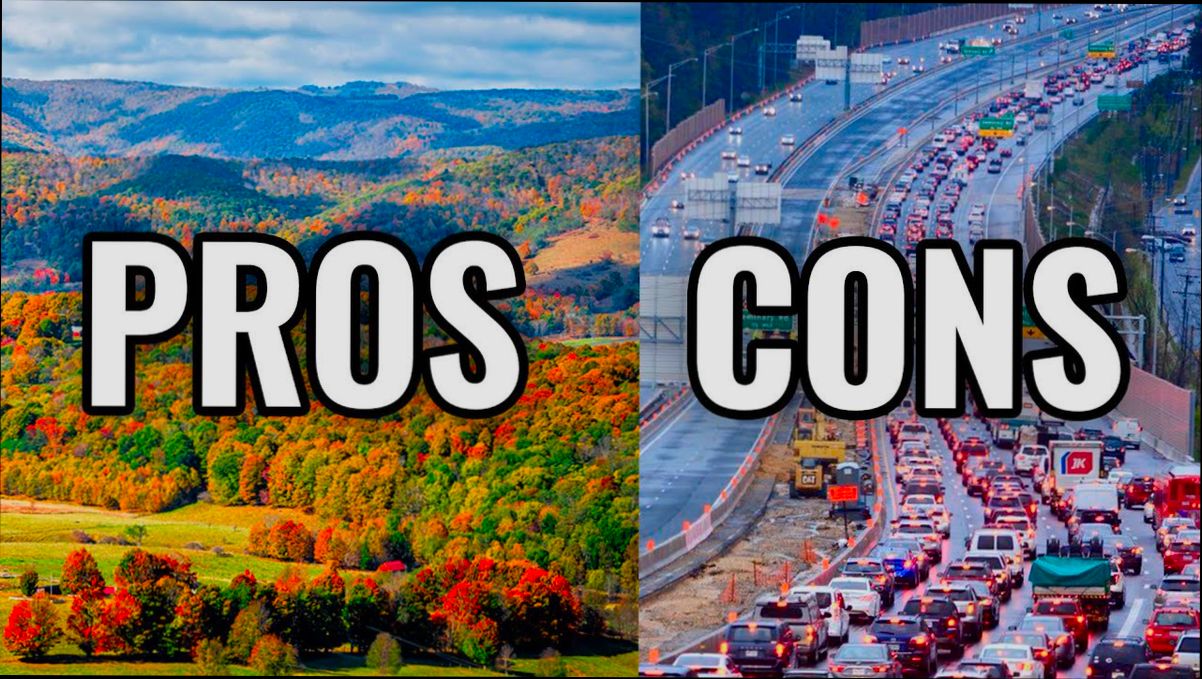
Pros and Cons of Living in Kotka highlight a mix of charming coastal life and the daily grind of a small city. Nestled by the Gulf of Finland, Kotka boasts a stunning array of parks and waterfronts, including the beautiful Sapokka Water Garden, where you can unwind by the serene waters. Plus, with a population of around 53,000, you’ll find a tight-knit community vibe that can feel warm and welcoming—perfect for those looking to connect with locals. On the practicality side, the cost of living here is notably lower than in bigger cities like Helsinki, making it easier to find affordable housing and enjoy a decent quality of life.
However, there are a few aspects that might make you think twice. The job market can feel a bit limited, especially if you’re eyeing opportunities in specialized fields; many residents commute to nearby cities for work. While Kotka’s small-town charm has its perks, some folks miss the hustle and bustle of urban life, especially when it comes to nightlife and entertainment options. Between the long winter months and the relatively quiet social scene, you might find yourself craving more excitement or variety in your daily routine.
Cost of Living Factors in Kotka
When considering a move to Kotka, it’s essential to understand the various cost of living factors that will impact your everyday expenses. From housing and utilities to groceries and transportation, I’ll delve into the specifics that will help you gauge how much you need to budget.
Housing Costs
Housing is generally where you’ll find the most significant expense. In Kotka, rental prices can vary based on location, size, and amenities.
- The average rental price for a one-bedroom apartment in the city center stands at approximately €650 per month.
- If you opt for the outskirts, prices drop to about €500 for a similar apartment, providing a more budget-friendly option.
Utilities
In addition to rent, utility costs contribute to the overall living expenses:
- You should expect to pay around €150-€200 monthly for essential utilities, including electricity, heating, and water.
- Internet services typically cost around €35-€50 per month, depending on the provider and speed.
Groceries and Daily Expenses
When it comes to daily living, food costs in Kotka are fairly reasonable.
- On average, a single person can budget about €250-€300 each month for groceries.
- Basic items such as milk, bread, and eggs are priced quite competitively:
- Milk (1 liter): €1
- Loaf of bread: €1.50
- Eggs (12): €2.50
Transportation
Transportation is another key factor in the cost of living. Here’s what you can expect:
- A monthly public transportation pass costs around €50, which allows for unlimited travel within the city.
- Gasoline prices hover around €1.65 per liter, so if you plan to drive, it’s good to keep this in mind.
| Expense Category | Average Monthly Cost (EUR) |
|---|---|
| Rent (1-bedroom) | €650 (city center) |
| Utilities | €150-€200 |
| Internet | €35-€50 |
| Groceries | €250-€300 |
| Public Transport | €50 |
Real-World Examples
Consider the following examples to better understand these expenses:
- A student living in Kotka rent an apartment near the city center at €600. They budget €200 for utilities and €250 for groceries, arriving at a total monthly living expense of €1,050.
- A family of four residing on the outskirts pays €500 in rent. Their combined utility costs are around €180, and they spend roughly €600 on groceries, totaling €1,280 monthly.
Practical Budgeting Tips
1. Shop Smart: Utilize local markets and discount stores to save on groceries.
2. Consider Location: If budget is a concern, opt for accommodations in the suburbs to lower rent.
3. Public Transport: Use public transportation instead of owning a car to save on fuel and maintenance costs.
For anyone planning to move to Kotka, being aware of these living costs will equip you to make informed financial decisions as you transition to life in this vibrant coastal city. Keeping these figures in mind can aid you in budgeting effectively for your new life in Kotka.
Employment Opportunities and Challenges in Kotka
When considering a move to Kotka, understanding the employment landscape is crucial. In this section, we’ll explore the key opportunities and challenges the local job market presents.
Employment Opportunities
Kotka boasts a diverse job market that primarily revolves around several key sectors:
- Manufacturing and Logistics: Approximately 25% of Kotka’s workforce is employed in manufacturing roles, particularly in the engineering and maritime industries. This is significant, given that Kotka is known for its port activities.
- Tourism Sector Growth: With an increasing focus on tourism, Kotka has seen a 15% rise in employment in hospitality-related jobs over the past few years. This reflects a growing interest in the city’s natural landscapes and cultural offerings.
- Green Technology Jobs: Kotka is aiming for sustainability, leading to a rise in green technology roles. Recent initiatives have created around 200 new jobs in this sector, catering to environmental management and renewable energy.
Employment Challenges
Despite these opportunities, there are significant challenges:
- Unemployment Rate: The unemployment rate in Kotka is around 8%, which could be higher than the national average. This can pose challenges for job seekers entering the market.
- Skill Mismatch: There is often a disconnect between job seekers’ skills and the qualifications employers seek. Reports indicate that around 30% of employers struggle to find candidates with the appropriate expertise, particularly in technical fields.
- Limited Job Diversity: While there are promising sectors, the job market can feel narrow. Many positions are tied closely to specific industries like logistics and manufacturing, which might limit opportunities for those with different backgrounds.
| Sector | Employment Percentage | Job Opportunities | Major Employers |
|---|---|---|---|
| Manufacturing | 25% | High | Wärtsilä, Ruukki |
| Tourism | 15% | Growing | Local Hotels, Tour Operators |
| Green Technology | 5% | Emerging | Various Startups |
| Services | 30% | Moderate | Retail Chains, Health Services |
Real-World Examples
Consider the story of a graduate from the local university who found work in a green technology firm shortly after graduation. This individual joined a startup that specializes in solar energy solutions, reflecting the increasing job availability in this emerging market.
In contrast, another case involves a manufacturing worker who faced redundancy due to automation trends. Despite their extensive experience, they struggled to find new employment due to the skills mismatch noted earlier, highlighting a challenge that many experienced workers might face.
Practical Implications
Understanding the employment landscape can help you navigate your job search more effectively. Here are some actionable tips you might find helpful:
- Network Locally: Engage with local job fairs and community events to meet potential employers and learn about job openings.
- Upskill: Consider enrolling in short courses that align with in-demand skills, especially in green technology or logistics, to enhance your employability.
- Explore Remote Work: Some companies in Kotka offer remote work options, so don’t hesitate to look beyond local openings for wider opportunities.
Specific Facts and Advice
To increase your chances of landing a job in Kotka, keep these insights in mind:
- The tech sector is expanding; focus your job search on positions related to IT and digital marketing.
- Tailor your CV to highlight any relevant skills, especially if you’re venturing into a new industry.
- Leverage online platforms to enhance your visibility to potential employers in Kotka.
Engaging actively with the local economy and understanding these dynamics can significantly impact your employment journey in Kotka.
Quality of Education and Schools
When considering the quality of education in Kotka, there’s a lot to be enthusiastic about. The city offers a range of educational institutions that emphasize both academic excellence and personal development. In this section, we’ll delve into the details that make Kotka’s schools stand out as well as areas that could be improved.
Educational Institutions Overview
Kotka is home to several educational institutions, including primary schools, secondary schools, and vocational colleges. The emphasis on education begins at an early age, with the majority of children attending local schools that are publicly funded.
- Number of Schools: There are over 20 primary schools and multiple secondary schools, ensuring that most children can access education within a short distance from home.
- Teacher-to-Student Ratio: On average, Kotka maintains a teacher-to-student ratio of 1:12, promoting personalized attention and fostering a supportive environment for learning.
Comparative Performance Metrics
To give you a better understanding of the academic landscape in Kotka compared to other cities, here’s a comparative table featuring primary education metrics:
| Metric | Kotka | Helsinki | Tampere |
|---|---|---|---|
| Average Test Scores | 75% | 82% | 78% |
| Graduation Rate | 90% | 95% | 92% |
| School Facilities Rating | Good | Excellent | Good |
Notable Programs and Innovations
Kotka schools have initiated several innovative programs aimed at enhancing student engagement and learning outcomes.
- Language Programs: Many schools in Kotka offer bilingual education, particularly focusing on Finnish and English, which prepares students for global opportunities.
- Technology Integration: Schools have begun implementing technology in the classroom, incorporating tablets and computers to facilitate interactive learning.
Real-World Examples
One exemplary institution is the Kotka International School, where the curriculum includes an International Baccalaureate (IB) program. This allows students to experience a globally recognized form of education, equipping them for higher education both in Finland and abroad.
Another example is the Kytäjä School, which has garnered attention for its innovative approach to teaching environmental science. This hands-on program teaches students about sustainability and ecology through practical projects and community involvement.
Practical Implications for Families
For families considering a move to Kotka, the educational landscape offers several advantages:
- Quality of Life: Access to good schools can contribute positively to quality of life, making it easier for parents to balance work and family time.
- Community Engagement: Many schools in Kotka actively involve parents and the community through events, workshops, and volunteer opportunities, fostering strong community ties.
If you’re evaluating Kotka as a potential place to live, take into account the solid educational infrastructure and additional resources available to students. Engaging with local educational forums or visiting schools can provide you with firsthand insights into the educational climate.

Statistical Overview of Kotka Demographics
When diving into the demographics of Kotka, you’ll uncover a rich tapestry of population characteristics that shape the community. Understanding these demographics can help you appreciate the cultural diversity and social dynamics that exist in this vibrant Finnish city.
Population Breakdown
As of the latest data, Kotka has a population of around 54,000 residents. Here’s a quick snapshot of the age distribution:
- Children (0-14 years): Approximately 15%
- Working Age (15-64 years): Roughly 82%
- Seniors (65 years and older): About 13%
These figures reflect a predominantly working-age population, emphasizing a vital labor force that propels the local economy.
Ethnic Composition
Kotka is noted for its ethnic diversity. The city has seen an increase in residents with foreign backgrounds. Key statistics include:
- Foreign-born residents: About 9% of the population.
- Largest ethnic groups: Ranging from Russian-speaking communities to Somali and Kurdish populations.
This diversity contributes to a rich cultural scene and communal activities that reflect various traditions, promoting inclusivity and social integration.
Educational Attainment
In terms of education levels among adults aged 25 to 64, here’s how Kotka stacks up:
| Education Level | Percentage |
|---|---|
| Higher Education | 38% |
| Upper Secondary | 45% |
| Primary Education | 17% |
Having a substantial portion of the population with higher education lends itself to a more innovative and skilled workforce, beneficial for businesses and employers in the area.
Gender Distribution
The gender ratio in Kotka displays a slightly larger female population:
- Women: Approximately 51%
- Men: About 49%
This balance impacts social services and recreational activities, as various programs cater to differing interests and needs.
Real-World Examples
For instance, the local community initiatives aimed at integrating foreign-born residents illustrate the city’s commitment to fostering diversity. Programs like language exchange and cultural festivals create opportunities for connection and understanding among different ethnic groups.
Additionally, with Kotka being a hub for maritime industries, the presence of a highly educated workforce supports innovation in sectors such as technology, engineering, and logistics.
Practical Implications
With a predominantly working-age population and diverse ethnic makeup, Kotka offers both opportunities and challenges for potential residents. If you’re considering a move, take note of the local community resources available, such as educational programs and social services designed to support integration.
- Engage in local events that celebrate cultural diversity.
- Explore opportunities in industries that benefit from the high educational attainment of residents.
Specific Facts
Understanding Kotka’s demographics can guide you in making informed decisions about housing, community involvement, and workplace dynamics. Aiming to connect with local networks and participating in community activities can enhance your living experience in this unique Finnish city.
Cultural Life and Community Engagement in Kotka
Living in Kotka offers a rich cultural life and ample opportunities for community engagement. The city provides a lively environment for residents to immerse themselves in various artistic and social activities. Let’s explore how culture and community life shape the experience of living in Kotka.
Vibrant Cultural Scene
Kotka boasts a diverse cultural scene that reflects its history and influences. The city hosts several annual festivals that invite participation from locals and visitors alike. Here are some statistics related to cultural events:
- Approximately 15 annual festivals take place, from music and dance to food and arts.
- The Kotka Maritime Festival is one of the largest events, attracting up to 100,000 visitors each year, showcasing the city’s maritime tradition.
Community Engagement Opportunities
Community involvement is a cornerstone of life in Kotka. Residents have numerous avenues to participate, whether through volunteering, local clubs, or cultural initiatives. Some key aspects include:
- Over 30 active clubs and organizations promote various activities—sports, arts, and environmental awareness.
- About 40% of residents actively participate in community events, fostering strong neighborhood ties.
Access to Cultural Institutions
Kotka provides access to key cultural institutions that enrich the local arts scene. The following is a snapshot of what’s available:
| Type of Institution | Number |
|---|---|
| Theatres | 2 |
| Museums | 3 |
| Art Galleries | 2 |
| Libraries | 4 |
These venues regularly organize events, workshops, and exhibitions that serve as great opportunities for residents to engage with the arts and each other.
Real-World Examples
- The Kotka Town Theatre offers various performances year-round, showcasing local talent and attracting professional artists. Attending one of their shows can be a great way to connect with other cultural enthusiasts.
- The local art gallery frequently hosts open exhibitions where community members can display their artworks, fostering a sense of belonging and pride in local talent.
Practical Implications for Residents
If you’re moving to Kotka or considering becoming more involved in the community, here are some actionable steps:
- Attend a local festival or cultural event to meet new people and engage with the community.
- Explore volunteer opportunities with local organizations to give back and build connections.
- Visit cultural institutions often; they may offer membership deals that provide additional benefits.
Engaging with Cultural Life
To better integrate into Kotka’s cultural landscape:
- Make it a point to follow local events on social media for real-time updates.
- Join local community groups or forums to stay informed about volunteer opportunities and cultural programs.
- Invite friends or family to join you in exploring the city’s rich heritage and community activities, sparking conversation and creating shared experiences.

Access to Nature and Outdoor Activities
Living in Kotka offers incredible access to nature and a plethora of outdoor activities. The city is nestled along the beautiful shores of the Gulf of Finland, providing a stunning backdrop for outdoor enthusiasts. If you love fresh air and scenic landscapes, Kotka might just be the perfect place for you.
Abundant Green Spaces and Parks
Kotka features numerous parks and nature reserves, making it easy for residents to enjoy various outdoor activities. Here are some key highlights:
- Parks: The city has over 30 parks, including the popular Sapokka Water Garden, which showcases beautiful landscaping and water features.
- Nature Trails: There are approximately 50 kilometers of designated nature trails, perfect for walking, running, or biking.
- Water Activities: With its extensive coastline, Kotka offers great opportunities for sailing, fishing, and swimming in the summer months.
Popular Outdoor Activities
The outdoor culture in Kotka is vibrant and full of options. Residents often engage in:
- Hiking: The area’s trails cater to all skill levels, making it a great spot for both casual walkers and serious hikers.
- Cycling: There are dedicated cycling routes that encourage biking throughout the city, including paths along the coast.
- Water Sports: The proximity to the sea allows for kayaking and paddleboarding, attracting water sports lovers during warmer months.
| Outdoor Activity | Popularity | Ideal Seasons |
|---|---|---|
| Hiking | High | Spring, Summer, Autumn |
| Cycling | Moderate | Spring, Summer |
| Sailing | High | Summer |
| Fishing | High | Year-round |
Real-World Examples
Many locals take advantage of the natural beauty that surrounds Kotka. For instance:
- The Kotka Maritime Festival, held annually, not only celebrates maritime culture but also offers various outdoor activities like boat tours and coastal events, attracting both residents and visitors.
- Local fishing clubs often organize community events along the waterfront, emphasizing sustainable fishing practices and enjoying the local ecosystem.
Practical Implications for Residents
As a resident, you can easily incorporate nature into your daily life. Here are some actionable insights:
- Utilize Parks: Take regular walks in local parks or Gardner. They not only offer relaxation but also a chance to meet fellow nature enthusiasts.
- Join Clubs: Consider joining local outdoor clubs or sports groups to connect with others who share your interests in hiking or water sports.
- Plan Family Activities: Use the numerous outdoor spaces for family gatherings, picnics, or biking adventures to foster a love for nature among children.
Specific Facts
- Did you know that Kotka is home to over 150 kilometers of coastline? This extensive shoreline provides ample opportunities for various water activities throughout the year.
- In addition to traditional parks, the Ruotsinpyhtää Nature Reserve is a short drive away, offering unique hiking trails and wildlife watching—ideal for a weekend excursion.
Healthcare Services and Accessibility in Kotka
When considering moving to Kotka, it’s important to understand the healthcare services available and how accessible they are. The city offers a variety of healthcare options, including public healthcare facilities, private clinics, and specialized services, ensuring that residents can receive the care they need.
Availability of Healthcare Services
In Kotka, you will find well-established healthcare services catering to different needs:
- Public Healthcare: The city operates several public health centers, ensuring easy access to general practitioners and emergency care. The Kotka Health Centre provides comprehensive services for family medicine, pediatrics, and preventive care.
- Private Clinics: There are also a number of private healthcare providers in Kotka, offering specialized services like physiotherapy, dental care, and dermatology. Residents have the flexibility to choose between the public and private systems based on their needs.
- Regional Hospital: Kymenlaakso Central Hospital is located nearby and provides advanced medical treatments and emergency services. This facility is crucial for more severe health issues requiring hospitalization.
Accessibility and Transportation
Accessibility to healthcare in Kotka is generally good, thanks to well-connected public transport options:
- Public Transport Links: Buses regularly operate routes between residential areas and healthcare facilities, making it easy for residents to reach medical services without long delays.
- Average Travel Time: Most residents can expect to travel to their chosen healthcare facility within 15 to 30 minutes, which is quite efficient compared to larger cities.
Healthcare Statistics
Here’s an overview of some relevant healthcare statistics specific to Kotka:
| Healthcare Aspect | Statistics |
|---|---|
| Number of Public Health Centers | 3 |
| Private Clinics Available | Approximately 10 |
| Average Waiting Time (GP Visits) | 1-2 weeks |
| Primary Care Visits per Year | 3.5 visits per person |
Real-World Examples
One notable example of accessible healthcare in Kotka is the collaboration with local pharmacies, which serve as points for health consultations on minor ailments. Many residents appreciate this service as it reduces the need for lengthy appointments at health centers.
Moreover, the implementation of health promotion programs, such as fitness classes and wellness checks, is readily available. Kotka Municipal Government actively promotes these initiatives, contributing to the overall well-being of its residents.
Practical Implications for Residents
If you’re considering moving to Kotka, it’s wise to check your health insurance coverage and see how it aligns with local healthcare services. Most residents are encouraged to register with a local health center, ensuring quick access to care.
Additionally, keep in mind that having a family doctor is important in Kotka, as they will coordinate all your healthcare needs and refer you to specialists when necessary.
Healthcare services in Kotka are designed to support a healthy community, so residents can benefit from available resources, whether through public or private healthcare options.