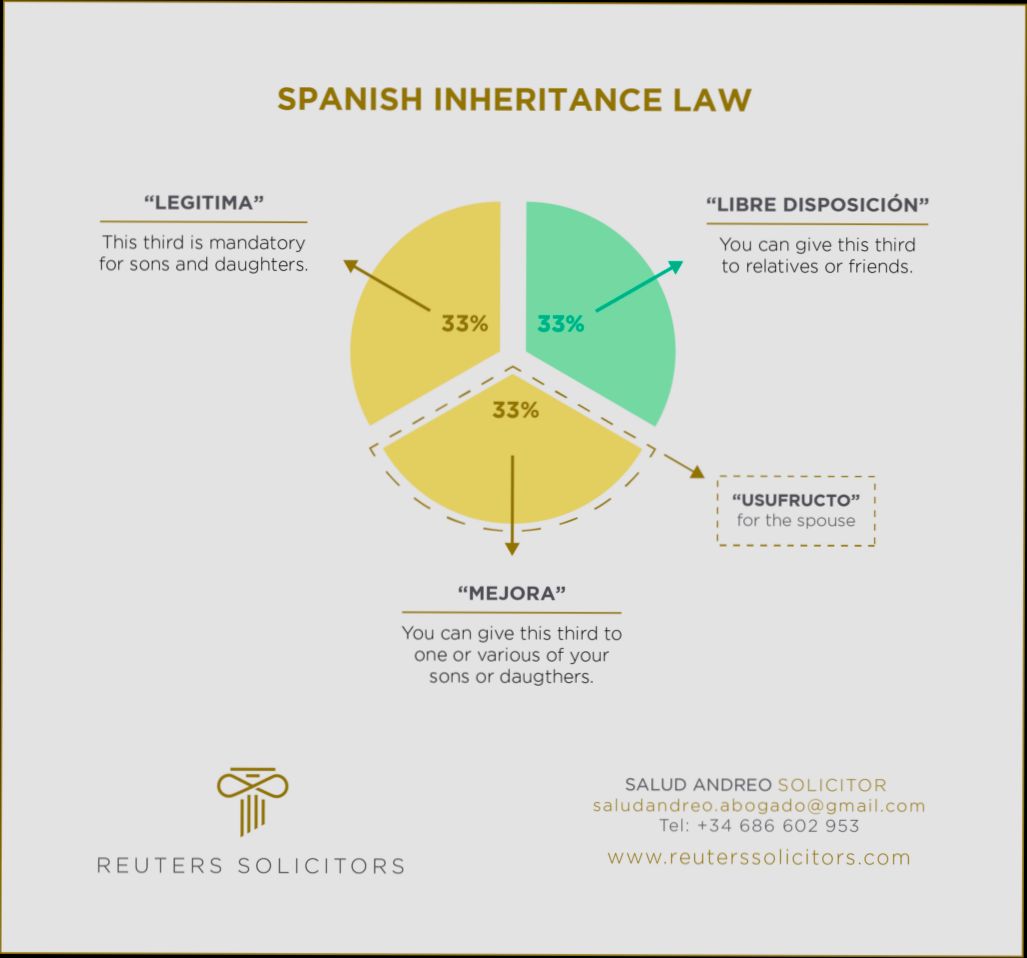
What are Property Inheritance Laws in Spain? Well, if you’ve ever wondered how a loved one’s estate gets divided after they pass, you’re not alone. In Spain, the process is influenced by the Civil Code and varies significantly from other countries. For instance, a Spanish citizen might leave behind not just their home but also a vacation apartment in Marbella and a family business in Madrid. Under Spanish law, certain heirs, like children or spouses, have a legal right to a portion of the estate, known as “legítima,” which might be as much as two-thirds!
Navigating these laws can be tricky, especially when you factor in regional variations. Each of Spain’s autonomous communities can have its own rules, like the Basque Country and Catalonia, where local regulations can significantly tweak inheritance processes. Let’s say you inherit a cherished villa in Valencia but live abroad; you’ll deal with a unique blend of Spanish laws and international tax implications. For anyone dealing with Spanish property inheritance, these nuances can make a huge difference in how your loved one’s assets are handled.
Understanding Spanish Inheritance Tax Framework
Inheriting property in Spain comes with its own unique tax considerations that can greatly influence your financial landscape. Understanding the Spanish inheritance tax framework is essential for heirs to navigate through potential liabilities and ensure compliance with local laws.
Key Characteristics of the Spanish Inheritance Tax
- Progressive Tax Rates: The Spanish inheritance tax operates on a progressive scale, ranging from about 7.65% to 34%. The exact rate can vary significantly depending on the value of the estate and the relationship of the heir to the deceased.
- Regional Variability: Each autonomous community in Spain has the authority to adjust the base tax rate and apply various deductions. For example, in Andalusia, heirs can enjoy a reduction of up to 99% on the tax amount through certain exemptions.
- Exemptions and Allowances: The minimum exempt amount for close relatives can be as high as €1,000,000 in some regions, while it may drop drastically for distant relatives and non-relatives.
Inheritance Tax Table by Region
| Autonomous Community | Reduction on Inheritance Tax (%) | Minimum Exempt Amount (€) |
|---|---|---|
| Andalusia | 99 | 1,000,000 |
| Catalonia | Variable (up to 50) | 100,000 |
| Madrid | 99 | 400,000 |
| Valencia | 75 | 200,000 |
| Galicia | 75 | 400,000 |
Real-World Examples
A family residing in Madrid inherited a property valued at €500,000 from their parents. Thanks to Madrid’s generous reductions, they only needed to pay approximately €20,000 in inheritance tax. On the contrary, a distant relative inheriting a similarly valued property in Galicia without any close family ties could find themselves facing a tax burden of around €75,000 due to higher rates and lower exemptions.
In another scenario, a couple in Andalusia found themselves benefitting from the maximum 99% reduction on their inherited estate worth €2,000,000, leaving them with only a nominal tax payment of €20,000, emphasizing the importance of regional differences in the inheritance tax framework.
Practical Implications for Heirs
- Seek Professional Guidance: Given the complexity of the tax laws and regional variations, consulting with a tax advisor familiar with inheritance laws can save you significant amounts and ensure you take full advantage of available exemptions.
- Document Everything: Keep meticulous records of all property valuations, debts, and any payments made towards the inheritance tax. This documentation is crucial for potential audits or disputes.
- Plan Ahead: If you’re considering acquiring property in Spain or expect to inherit, proactively planning and understanding the tax implications can make a notable difference in what you owe.
Actionable Advice
Familiarize yourself with the specific tax framework of the region where the property is located. Take advantage of potential exemptions, and keep updated on any changes to the laws, as such regulations can change frequently and can profoundly impact your financial obligations when inheriting property in Spain.

Real Estate Ownership and Heirship Considerations
Inheriting property in Spain involves specific nuances, especially concerning real estate ownership and how heirship is determined. Understanding these considerations will help you navigate the complexities of Spanish property law more effectively.
Key Aspects of Real Estate Ownership in Inheritance
When it comes to real estate inheritance in Spain, several factors can impact your responsibilities and rights as an heir:
- Shared Ownership Arrangements: If multiple heirs inherit a property, you enter into a shared ownership situation known as “comunidad de bienes.” This scenario necessitates consensus on property decisions, from selling to renovations. According to Spanish law, all co-owners must agree on actions involving the property, which can lead to disputes if interests differ.
- Beneficiary Rights: The rights of heirs are not just limited to inheriting the property; they also include potential rights to use or manage it. Each heir generally has a proportional share, which can complicate decisions regarding property management or rental.
- Potential for Conflicts: Disagreements regarding the use, maintenance, or sale of the inherited property are common. Knowledge of these potential conflicts allows heirs to plan and communicate their wishes ahead of time, possibly preventing family disputes.
Comparative Ownership Structures
| Ownership Type | Description | Pros | Cons |
|---|---|---|---|
| Sole Ownership | One heir receives full title to the property | Full control over decisions | Other heirs may receive nothing |
| Joint Tenancy | Each heir has equal rights to the property | Automatic transfer of rights upon death | Can complicate decisions on usage |
| Tenancy in Common | Each heir holds a distinct share | Flexibility in transferring shares | Requires agreement for major decisions |
Real-World Examples of Inherited Real Estate
Consider the case of Marta, who inherited a villa in Andalusia from her late father along with two siblings. Although she was excited, the siblings disagreed on whether to keep the property for family use or sell it. This led to extensive negotiations and legal consultations. Marta eventually suggested a rental scheme to generate income, providing a middle ground.
In another example, Juan inherited a flat from his uncle but lived abroad. He discovered that he had missed crucial deadlines for property taxes and maintenance, which then led to penalties. If Juan had known about these responsibilities sooner, he might have avoided the financial repercussions.
Practical Implications for Heirs
As you navigate real estate inheritance in Spain, here are some practical insights:
- Obtain Legal Guidance: Engaging a property lawyer familiar with Spanish inheritance law can help clarify responsibilities and rights under shared ownership arrangements.
- Document Everything: Keep a thorough record of any agreements or decisions made by co-owners. This documentation can be invaluable in resolving potential disputes.
- Understand Maintenance Responsibilities: All co-heirs are typically liable for maintenance and running costs proportional to their share. Make sure to discuss and document how these responsibilities will be managed.
Actionable Insights
- Communicate openly with other heirs about your intentions regarding inherited property to foster a more harmonious decision-making process.
- Explore options for professional property management if co-owning becomes complex. This way, you can relieve yourself of the day-to-day responsibilities while still benefitting from the property.
- Familiarize yourself with local property laws to avoid unintended penalties related to taxes or maintenance that might not be immediately evident post-inheritance.
Key Statistics on Inheritance in Spain
When navigating the landscape of inheritance in Spain, it’s essential to understand some key statistics that underpin the legal and financial framework. Knowing these figures can guide you through the intricacies of inheritance, ensuring you’re well-prepared for any eventualities.
Key Statistics to Know
- Approximately 30% of individuals in Spain do not have a will in place, which can complicate the inheritance process for their heirs.
- The average value of an estate subject to inheritance tax in Spain is around €150,000; this figure can vary significantly based on property and assets.
- Regions such as Andalusia and Madrid offer reductions in inheritance tax, resulting in variation where the effective tax rate for inheritances can be as low as 1% in specific cases.
- Over the last decade, inheritance cases have increased by 12%, reflecting changing demographics and wealth distribution in Spain.
- Approximately 25% of disputes over inheritance in Spain stem from disagreements among heirs regarding the distribution of assets.
Inheritance Tax Rates by Region
| Region | Average Inheritance Tax Rate | Notable Reductions/Exemptions |
|---|---|---|
| Andalusia | 1% to 35% | Significant reductions for immediate family |
| Madrid | 7% to 34% | 99% reduction for close relatives |
| Catalonia | 7% to 34% | Exemptions for disabled heirs |
| Valencia | 7% to 34% | Reduced rates in certain cases |
Real-World Examples
1. Case Study in Andalusia: A family inherited a property valued at €100,000. With the local reductions, their inheritance tax liability was reduced to just €1,000, showcasing how regional policies can impact financial obligations significantly.
2. Madrid Heiress: In Madrid, an individual inherited assets totaling €500,000. Thanks to a 99% tax reduction for close relatives, her tax bill was minimized to only €500.
3. Dispute Example: A case in Valencia highlighted the increasing numbers of disputes. Two siblings inherited a property worth €200,000 but could not agree on its division. This resulted in lengthy legal battles, emphasizing the importance of clear estate planning.
Practical Implications for Readers
These statistics highlight the necessity of understanding the regional variations in inheritance laws and taxes. Knowing that you might benefit from significant reductions based on your relationship to the deceased or where you live can affect how you plan your estate or manage an inheritance.
- Make sure to check if you have a will; it could significantly affect the ease and clarity of your inheritance.
- Familiarize yourself with the tax rates of your specific region to budget for any potential tax liabilities after an inheritance.
- Consider seeking legal advice if you find yourself involved in an inheritance dispute, as early intervention can save both time and money.
Additional Facts About Inheritance in Spain
- Up to 15% of inheritances are reportedly not claimed, either due to confusion about the laws or lack of communication about the assets.
- Estimations show that by 2030, nearly 25% of the Spanish population will be over 65, which could further increase the volume of inheritances and related statistics.
Understanding these aspects of inheritance in Spain is vital for any heir or individual considering estate planning. Being aware of the statistics can help ensure that you make informed decisions in this often-complex arena.

Practical Steps for Property Inheritance
Navigating the practical steps for property inheritance in Spain requires a clear roadmap, especially when considering the complexity of local laws and taxes. Each step plays a crucial role in ensuring that you efficiently manage inherited property while complying with Spanish regulations.
Essential Steps to Follow
1. Confirm the Will’s Existence: Begin by determining whether the deceased left a will. In Spain, this can typically be verified through a notary. Without a will, reliance on the legal framework of intestate succession becomes necessary.
2. Obtain the Death Certificate: A copy of the death certificate is essential, as you’ll need it to initiate various processes related to the inheritance.
3. Gather Required Documents: You’ll want to collect several important documents, including:
- The will (if one exists)
- The death certificate
- Identification documents for all heirs
- Property deeds
4. Appraise the Property: Before proceeding with any other formalities, assess the total value of the inherited property. This includes real estate, personal belongings, and other assets involved in the estate. An accurate appraisal can influence inheritance tax calculations.
5. File the Declaration of Inheritance: Within six months of the death, you must submit a declaration of inheritance (declaracion de herencia). This document provides the tax authorities with relevant information regarding the assets and the heirs.
6. Pay the Inheritance Tax: It’s crucial to pay any inheritance taxes owed within six months of the passing. Failing to do so may lead to penalties. Make sure to verify the applicable rates, as they can significantly differ by region.
7. Transfer Ownership: Once all taxes and formalities are settled, visit the notary to execute the deed of inheritance. This legal document will officially transfer ownership of the property to the heirs.
Inheritance Process Timeline
| Step | Timeframe |
|---|---|
| Confirm the Will | Immediately after death |
| Obtain Death Certificate | Within a few days |
| Gather Required Documents | 1 week |
| Appraise Property | 1-2 weeks |
| File Declaration of Inheritance | Within 6 months |
| Pay Inheritance Tax | Within 6 months |
| Transfer Ownership | Post Tax Payment |
Real-World Examples
- Case Study of a Consolidated Estate: A family inherited a seaside villa along with various bank accounts. After confirming the will, they arranged for an appraisal of the villa which valued it at €300,000. This appraisal helped them calculate their inheritance tax, which totaled approximately €30,000 based on the applicable rate in their region.
- Intestate Succession Scenario: In a situation where a man passed away without a will, four siblings had to navigate intestate laws. They spent extra time gathering documents and working with a lawyer to establish their shares of the property value, resulting in a more complex and prolonged inheritance process.
Practical Implications for You
Understanding these steps is vital for a smooth inheritance process. Whether you are dealing with a will or navigating intestate succession, keeping organized and informed can save you time and stress.
- Keep Records Organized: Maintain a file with all critical documents and correspondence related to your inheritance.
- Seek Professional Guidance: Engaging a lawyer or tax advisor familiar with Spanish inheritance laws can streamline your process and prevent costly mistakes.
Remember, a timely approach will not only ensure compliance but also ease the transition of property into your ownership. Being proactive in these practical steps is your best strategy for managing property inheritance effectively.
Benefits of Proper Estate Planning
Proper estate planning is essential for ensuring that your assets are distributed according to your wishes after you pass away. With inheritance laws varying significantly across regions, especially in Spain, taking the time to create a comprehensive estate plan can provide numerous advantages.
One of the primary benefits of proper estate planning is the minimization of disputes among heirs. Research shows that approximately 70% of families experience conflict over inheritance issues due to poorly structured wills or lack of clear communication. By having a well-defined estate plan, you can ensure that your intentions are clear, reducing the likelihood of misunderstandings that could lead to costly legal battles.
Key Benefits of Proper Estate Planning
- Reduction in Taxes: Estate planning can help maximize the value of your assets. In Spain, well-structured estate plans can lead to significant tax advantages, potentially saving your heirs up to 20% in inheritance taxes compared to a situation without proper planning.
- Control Over Asset Distribution: You retain the authority to decide how your assets are managed and distributed. For example, individuals can specify conditions under which their children inherit assets, thus ensuring they are mature enough to handle the responsibility.
- Peace of Mind: Knowing that your assets will be managed according to your wishes allows you and your family to focus on what matters. Studies show that individuals who engage in estate planning report higher overall satisfaction regarding their legacy than those who do not.
- Protection for Beneficiaries: For families with young children or beneficiaries with special needs, estate planning allows you to create trusts that provide for their financial security while addressing any potential vulnerabilities.
| Benefit | Description | Percentage Impact |
|---|---|---|
| Reduction in Taxes | Potential for up to 20% savings in inheritance tax with proper planning | 20% |
| Conflict Reduction | 70% of families that do not have clear estate plans face disputes | 70% |
| Asset Control | Ensures your wishes are followed, giving you control over how and when assets are distributed | N/A |
| Beneficiary Protection | Ability to structure trusts for minors or dependents to ensure they receive appropriate support | N/A |
Real-World Examples of Benefits in Estate Planning
One illustrative case involved a family in Madrid. Without an estate plan, the three siblings found themselves in a protracted legal battle after their father passed away without a will. The unresolved asset distribution strained family relationships and cost them considerable legal fees, estimated at around €30,000. In contrast, a neighbor who established a clear estate plan saved an estimated €15,000 on taxes and ensured a smooth transition of property ownership, keeping family harmony intact.
Another example highlights a couple who created a living trust to manage their real estate assets in Barcelona. This strategy not only limited the inheritance tax burden but also provided a clear pathway for their children to gain access to their property without court intervention.
Practical Implications for Readers
If you’re considering estate planning in Spain, here are some actionable steps to consider:
1. Consult Professionals: Collaborate with a legal expert familiar with Spanish inheritance laws to draft a will or trust tailored to your needs.
2. Communicate Your Wishes: Clearly convey your estate plan to your heirs to minimize misunderstandings and potential conflicts.
3. Update Regularly: Reassess your estate plan regularly, especially after major life events such as marriage, divorce, or the birth of a child, ensuring it reflects your current wishes.
4. Plan for Taxes: Engage financial advisors to understand your potential tax liabilities and explore strategies to mitigate them through estate planning.
By understanding the benefits of proper estate planning, you can make informed decisions that will not only enhance your family’s financial security but also foster peace of mind for yourself and your loved ones.

Cross-Border Inheritance Issues in Spain
When dealing with cross-border inheritance in Spain, it’s crucial to navigate both Spanish and international laws, which can differ significantly. This complexity often leads to misunderstandings, especially for heirs who are non-residents or hold citizenship in other countries. Let’s break down some essential considerations and challenges you may face in this context.
Legal Framework of Cross-Border Inheritance
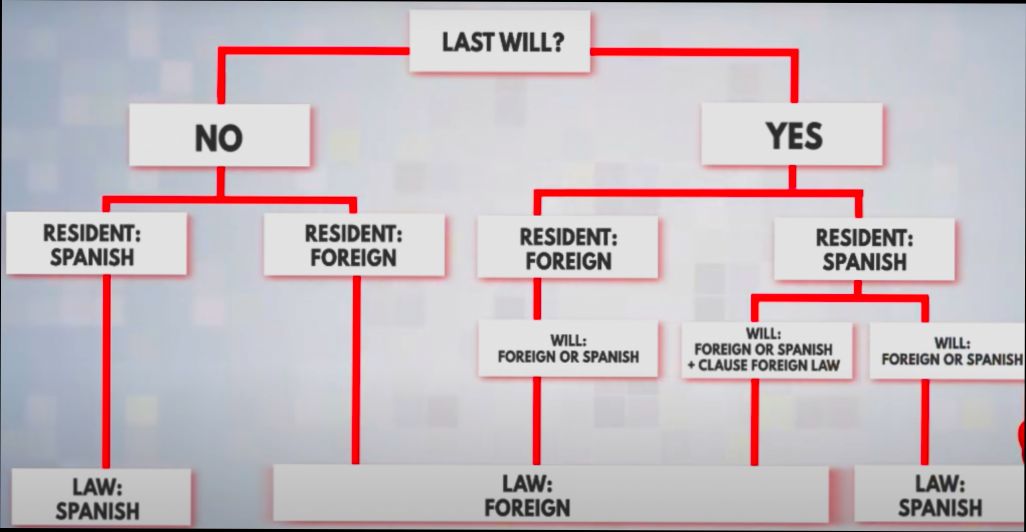
Spain follows the EU Succession Regulation (EU 650/2012), which allows you to choose the law governing your inheritance matters. However, several factors can complicate your situation:
- Applicable Law Choices:
- If you have assets in multiple countries, you may opt for the law of your nationality. This can influence inheritance distribution and taxes.
- Without a choice of law, Spanish law applies if the deceased was a resident in Spain or held Spanish nationality.
- Language Barriers:
- Documents might need translation, and understanding legal jargon can create additional hurdles.
- It’s essential to work with bilingual legal professionals to help comprehend the implications in both jurisdictions.
Common Challenges and Considerations
Cross-border inheritance brings about distinct challenges:
- Tax Implications:
- Different countries have varying tax liabilities. Be aware that inheriting property in Spain may trigger local inheritance tax, in addition to taxes in your home country.
- Non-residents may be subject to different tax rates; for instance, some regions in Spain offer tax benefits to residents that aren’t available to non-residents.
- Probate Proceedings:
- You might need to go through probate in both your home country and Spain, which can lengthen the inheritance process and incur additional costs.
- It’s vital to ensure your Spanish assets are included in your home country’s will to avoid legal conflicts.
Comparative Table of Cross-Border Inheritance Issues
| Aspect | Spain | Home Country Considerations |
|---|---|---|
| Applicable Law | Spanish law if no choice declared | Law of nationality if chosen |
| Tax Responsibilities | Local inheritance tax applies | May have different tax rates |
| Probate Process | Must go through Spanish probate | Likely need to initiate in both |
| Documentation | May require translation | Need to ensure compatibility |
Real-World Examples
Consider a case of a British citizen inheriting property in Spain. Without proper estate planning, they might unknowingly be subjected to high Spanish inheritance taxes while still facing tax obligations in the UK. Conversely, a German national may choose German law to govern their Spanish assets, helping them avoid expensive Spanish taxes due to more favorable provisions in the German legal framework.
Practical Implications
Understanding these cross-border implications is fundamental:
- Consult with Experts: Always seek counsel from legal professionals who specialize in international inheritance law. They can provide clarity on how Spanish laws intertwine with your nationality’s laws.
- Draft a Comprehensive Will: Clearly outline your wishes regarding your assets in Spain and decide on the governing law for both Spanish and foreign assets.
- Consider Tax Planning Strategies: Engage with tax advisors to ensure compliance with regulations in both Spain and your home country, aiming to minimize tax liabilities.
Actionable Advice
When planning for cross-border inheritance, consider these actionable steps:
- Review your current will to ensure it aligns with both Spanish and your home country’s laws.
- Consider establishing a trust if you’re dealing with numerous properties in different countries to simplify the management of your assets across borders.
- Keep detailed records of all property valuations and transactions in Spain, as they will be vital in both tax assessments and legal documentation.
By paying attention to these elements, you can effectively manage potential cross-border inheritance issues and ensure a smoother transition of your estate.

Legal Challenges in Property Succession
Navigating property succession in Spain is fraught with legal complexities that can lead to significant challenges for heirs. Understanding these challenges is crucial for anyone involved in or anticipating property inheritance within the Spanish legal context.
Key Legal Challenges in Property Succession
1. Will Validity Disputes: One of the most common issues arises when the validity of a will is challenged. Approximately 20% of inheritance disputes stem from claims that a will is not legitimate due to reasons like improper execution or lack of mental capacity of the deceased.
2. Debt Assumption: Heirs may inherit not just assets but also the debts of the deceased. In Spain, heirs can refuse to accept an inheritance if they are unwilling to take on the debts, but this decision must be made within a specific timeframe—usually six months.
3. Quality of Legal Documentation: Many inheritance disputes arise from poorly drafted wills or lack of clear estate planning. About 30% of individuals in Spain die without a will, complicating the succession process for their heirs.
4. Shared Ownership Issues: When multiple heirs inherit property, they enter a communal ownership structure called “comunidad de bienes.” Complications can arise if any heir wishes to sell their share or if disagreements occur over property management. This situation often necessitates legal intervention.
Comparative Table: Common Legal Challenges in Property Succession in Spain
| Challenge Type | Percentage of Occurrence | Typical Resolution Method |
|---|---|---|
| Will Validity Disputes | 20% | Litigation to establish will legitimacy |
| Debt Assumption | 40% | Acceptance or refusal of inheritance |
| Poor Legal Documentation | 30% | Estate planning and legal drafting |
| Shared Ownership Disputes | 25% | Mediation or legal proceedings |
Real-World Examples
- Case Study 1: In one case, a family in Spain faced a legal battle over a contested will. The deceased had two children, but a handwritten will surfaced, which the second child claimed was created under duress. The case took over a year to resolve in court, emphasizing the importance of clear, legally sound estate documents.
- Case Study 2: Another family inherited a vacation property in Spain but discovered substantial unpaid taxes and debts associated with the estate. Only after six months did the heirs realize they needed to refuse the inheritance to avoid assuming the debts, highlighting the critical need for thorough financial assessment during succession.
Practical Implications
Understanding these challenges not only serves to prepare you for possible legal disputes but also underscores the importance of proactive estate planning. Here are specific actions you can take:
- Consult a Legal Expert: Engaging a specialized attorney who understands both inheritance law and estate planning can help navigate complexities.
- Draft a Clear Will: Ensure your will complies with legal requirements in Spain. A well-drafted will can prevent many disputes.
- Evaluate Financial Liabilities: Before accepting an inheritance, gather complete financial information about the estate to understand potential debts and liabilities.
- Consider Family Dynamics: Open discussions with family members regarding expectations and inheritance wishes can mitigate future disputes.
By taking these steps, you can significantly reduce the likelihood of running into complex legal challenges when dealing with property succession in Spain.