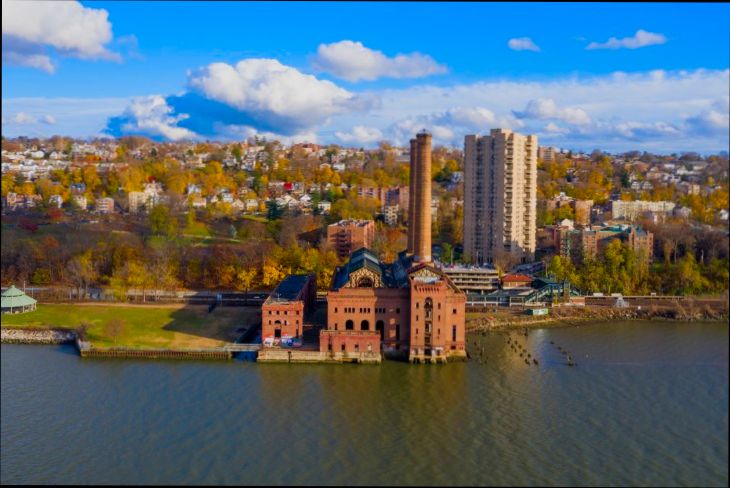
Pros and Cons of Living in Yonkers NY reveal a lot about this underrated gem. Imagine enjoying the hustle and bustle of city life without the overwhelming chaos of New York City. Yonkers offers a great balance with its affordable housing options—like a two-bedroom apartment on Warburton Avenue for just around $2,500 a month—compared to similar digs in Manhattan, where prices can soar above $4,000. Plus, the revitalized waterfront area, with its parks and restaurants, gives you stunning views of the Hudson River while making for a fantastic weekend hangout.
But it’s not all sunshine and rainbows. Traffic can be a bear, especially on the Yonkers Avenue or when you’re trying to navigate the major highways during rush hours. Public transportation is available, but some say the Metro-North can be a bit slow, affecting your commute if you’re heading into the city daily. And while Yonkers has made strides in safety, it still grapples with crime in certain neighborhoods, which can be a dealbreaker for families looking for a peaceful community. So, living in Yonkers has its ups and downs—and it’s crucial to weigh them based on what matters most to you.
Cost of Living Analysis in Yonkers
When considering a move to Yonkers, understanding the cost of living is crucial. This section dives deep into the financial aspects of living in this vibrant city, highlighting what you can expect in terms of housing, transportation, and everyday expenses.
Housing Costs
Housing in Yonkers is a significant factor in the overall cost of living. The median home price here is around $560,000, which, while lower than in nearby New York City, still requires considerable investment. Rent prices also vary:
- 1-bedroom apartment: Approximately $2,200 per month.
- 3-bedroom apartment: Around $2,800 per month.
This data shows the importance of budgeting effectively for housing whether you’re renting or buying.
Transportation Expenses
Yonkers boasts convenient public transportation options, but associated costs can add up. The average monthly transit pass is about $127. If you prefer driving, factor in average gas prices of approximately $3.30 per gallon and potential monthly parking fees around $200.
Food and Groceries
Eating out and grocery prices in Yonkers can influence your monthly budget significantly. Here are some indicative prices:
- Meal at an inexpensive restaurant: $18.
- Groceries for one person, per month: approximately $300.
These figures highlight that meal planning can play an essential role in managing your finances here.
Comparative Cost of Living
To help you visualize the costs, here’s a quick comparison between Yonkers and surrounding areas:
| Expense Category | Yonkers | New York City | White Plains |
|---|---|---|---|
| Median Home Price | $560,000 | $680,000 | $650,000 |
| Rent (1BR) | $2,200 | $3,500 | $2,600 |
| Monthly Transit Pass | $127 | $127 | $120 |
| Meal at Inexpensive Rest. | $18 | $20 | $19 |
Real-World Case Studies
Consider Sarah, a young professional who recently moved to Yonkers. She found a lovely 1-bedroom apartment for $2,150 a month. With her average monthly grocery bill and basic utilities taken into account, she spends about $700 per month on additional living costs.
Another example is the Johnson family, who opted for a 3-bedroom rental at $2,750. They also heavily utilize public transportation, which allows them to manage commuting expenses effectively while living comfortably.
Practical Implications
Understanding the cost of living in Yonkers allows you to create a budget that aligns with your lifestyle. Keep in mind:
- Renting can be a short-term solution, but buying property is a wise investment for long-term financial stability.
- Utilize public transportation to save money, especially if you work in New York City.
- Regularly assess your grocery expenses and look for local markets or bulk purchase options to reduce costs.
Actionable Advice
Monitor local listings for housing trends and adjust your budget accordingly. Consider exploring neighborhood amenities that could provide hidden savings through community resources or local discounts. Additionally, familiarize yourself with public transportation options—this not only saves money but encourages a more environmentally friendly lifestyle.
Cultural Diversity and Community Life
Living in Yonkers means immersing yourself in a rich tapestry of cultures, languages, and traditions. The city’s cultural diversity contributes significantly to its vibrant community life, making it a unique place to call home. Here, you’ll find an array of experiences that reflect the city’s multicultural population.
Key Points About Cultural Diversity
- Diverse Population: As of the latest census, Yonkers boasts a population that is approximately 46% Hispanic or Latino, 20% Black or African American, and 26% White. This diversity brings a mix of cultural influences that enrich community interactions and local events.
- Languages Spoken: Nearly 30% of Yonkers residents speak a language other than English at home. This linguistic diversity enhances cultural exchanges and makes it easier for newcomers to find community support.
- Cultural Festivals: Yonkers hosts several annual cultural festivals like the Yonkers Puerto Rican and Dominican Parade, which celebrates the heritage of its vibrant Latino community. Events like these foster inclusivity and allow residents to showcase their traditions.
| Cultural Festival | Description | Attendance |
|---|---|---|
| Yonkers Puerto Rican Parade | Celebrates Puerto Rican culture with music, dance, and food | 25,000 |
| Yonkers International Film Festival | Features films from around the world, promoting global cinema | 15,000 |
| Yonkers Riverfest | A summer festival celebrating local arts and music, attracting diverse performers | 50,000 |
Real-World Examples
Take, for instance, the annual “Cultural Exchange Fair,” where residents from different backgrounds come together to share their foods, performances, and crafts. This event has grown significantly over the years, with participation from over 50 local organizations, showcasing the active effort to weave diverse cultural threads into the community fabric.
Another example is the presence of multicultural organizations, such as the Ukrainian Cultural Center, which regularly hosts events that educate the community about Ukrainian traditions and values. These organizations play a crucial role in promoting understanding and collaboration among different communities.
Practical Implications for Residents
Engaging with Yonkers’ cultural diversity can lead to deepened community ties. Here are some practical ways to immerse yourself:
1. Participate in Local Events: Attend the various festivals, parades, and fairs throughout the year; they’re fantastic opportunities to meet neighbors and learn about different cultures firsthand.
2. Join Community Groups: Connect with multicultural or neighborhood associations, which often host gatherings and discussions that promote cultural awareness and unity.
3. Explore Local Businesses: Support ethnic restaurants, shops, and service providers that contribute to the city’s diversity. Not only do they offer unique products and experiences, but they also enhance the local economy.
4. Language Learning: Consider taking language classes at community centers. This can enhance your connections with local friends and deepen your appreciation for the diverse cultures around you.
Actionable Insights
- Engage actively in community dialogues that address cultural issues and work towards fostering inclusion. Being part of these conversations strengthens community relationships.
- Take advantage of Yonkers’ cultural offerings, such as art exhibits or cooking classes that highlight different traditions. This will enrich your understanding and appreciation of the community.
- Volunteer with local organizations that focus on celebrating diversity; it’s a rewarding way to contribute while learning from others’ experiences.
With a commitment to celebrating its rich cultural heritage, Yonkers stands as a testament to the beauty of diversity in community life, offering endless opportunities for connection and growth.
Commute Times and Transportation Options
Living in Yonkers offers a variety of transportation options that can impact your daily commute significantly. Understanding how you can navigate the city and beyond will help you plan better and enjoy all that Yonkers has to offer.
Key Commute Times
Commute times can vary significantly based on your mode of transportation. Here are some statistics to consider:
- The average commute time for Yonkers residents is approximately 32 minutes.
- About 70% of commuters use public transportation, with Metro-North being a primary choice.
- For those driving, the average time spent in traffic can increase due to congestion, especially during peak hours on the Saw Mill River Parkway.
Transportation Options Overview
Yonkers provides robust transportation options that cater to various needs:
| Transportation Option | Description | Average Travel Time to NYC |
|---|---|---|
| Metro-North Railroad | Provides service to Grand Central in Manhattan | 25-35 minutes |
| Bee-Line Buses | Offers local service and connections to NYC | 45-60 minutes |
| Personal Vehicles | Access to major highways (I-87, I-287) | 30-50 minutes |
| Ride-Sharing Services | Available throughout the city for local trips | Varies based on distance |
Real-World Examples
Let’s look at how these options play out in daily life:
- Metro-North Usage: Many Yonkers residents rely on the Metro-North Railroad for their daily commutes. For example, individuals commuting from the Yonkers station to Grand Central can utilize express trains for quicker travel times, arriving in just 25 minutes during peak services.
- Bus Services: The Bee-Line bus system provides extensive coverage. For instance, the #1 route connects Yonkers to the city of White Plains, making it a great option for those working in Westchester. Depending on traffic, this can take around 45-60 minutes.
Practical Implications
When choosing to live in Yonkers, consider your daily commute habits:
- If you’re planning to work in Manhattan, Metro-North is a reliable option that can save you time over driving.
- Always check the MTA’s service updates to plan your trips around any delays or changes in schedules, especially during peak hours.
Actionable Advice
- For shorter commutes, consider living near a Metro-North station to capitalize on express train options.
- If public transport isn’t your style, budgeting for a personal vehicle might be wise, while using applications that monitor traffic can help you avoid congested routes during your morning and evening commutes.
- Regularly review your transportation options to make sure you’re utilizing the best one for your evolving lifestyle in Yonkers.
Public Services and Amenities Overview
When considering a move to Yonkers, understanding the public services and amenities available can greatly enhance your living experience. This section highlights the essential services you’ll encounter and how they contribute to the quality of life in the city.
Access to Healthcare Services
In Yonkers, residents benefit from a range of healthcare options. Major healthcare facilities include:
- St. John’s Riverside Hospital: A well-regarded community hospital offering a variety of medical services, including emergency care.
- Mount Sinai South Nassau: Provides specialized services and is part of a larger health system, ensuring comprehensive care.
Approximately 85% of Yonkers residents live within a 15-minute drive of a major hospital, making medical care readily accessible. This access to healthcare is crucial for families, as it ensures that emergency and routine health needs can be met without excessive travel.
Educational Institutions
Yonkers is home to a robust public school system and several private educational institutions. Here’s a snapshot:
- The Yonkers Public Schools district consists of 38 schools, serving over 27,000 students. This large district includes elementary, middle, and high schools, providing a range of educational opportunities.
- Notable facilities include Yonkers High School, which offers Advanced Placement (AP) courses and extracurricular programs.
The graduation rate in Yonkers Public Schools stands at about 78%, indicating a solid commitment to education and supporting students’ futures. Access to quality education is crucial for families with children, and Yonkers provides that through its public schools and local colleges.
Recreational Amenities
One of the joys of living in Yonkers is the variety of recreational options. Here are some highlights:
- Parks and Green Spaces: Yonkers boasts over 80 parks and recreational areas, such as Tibbets Brook Park, known for its sports facilities and picnic areas.
- Aquatic Facilities: The Yonkers Aquatic Center offers swimming, fitness classes, and community events throughout the year.
Public Transportation and Accessibility
While we discussed transportation options earlier, it’s essential to highlight Yonkers’ public services in transportation:
- The city is serviced by multiple Metro-North Railroad stations, offering reliable service to Manhattan and other areas. This rail service adds to the convenience of living in Yonkers while commuting to job locations in New York City.
- Local bus services operate through Westchester County, providing additional connectivity within the city and beyond.
Comparative Overview of Services
| Public Service | Availability/Rating | Notes |
|---|---|---|
| Healthcare Facilities | 85% of residents within 15 minutes | Major hospitals and clinics available |
| Educational Institutions | 38 schools in the district | Comprehensive public school options |
| Recreational Facilities | Over 80 parks | Includes sports fields and aquatics |
| Transportation | Multiple stations and bus routes | Efficient access to NYC and local areas |
Community Engagement Opportunities
Yonkers offers numerous public engagement opportunities. The city regularly hosts community events, including:
- Health Fairs: These events provide free health screenings and promote wellness initiatives.
- Recreational Programs: The Yonkers Parks and Recreation department organizes classes ranging from arts and crafts to sports leagues for all ages.
These programs help foster community connections, bringing residents together while promoting health and active lifestyles.
Actionable Advice
If you’re considering a move to Yonkers, familiarize yourself with local resources early on. Engage with community centers and school boards to understand educational offerings. Participate in community events to build connections and discover the various amenities available. Knowing where to access healthcare, recreational options, and educational facilities will help you settle in and take full advantage of what Yonkers has to offer.
Crime Rates and Safety Statistics
When considering a move to Yonkers, understanding crime rates and safety statistics can play a pivotal role in your decision-making process. You want to feel secure in your community, and having the right information about safety can help ease any concerns.
Key Crime Statistics in Yonkers
- According to recent reports, Yonkers has experienced a 14% decrease in overall crime over the past year, which is a positive trend for potential residents.
- The violent crime rate stands at approximately 4.6 incidents per 1,000 residents, which, while lower than the national average, still warrants attention.
- Property crimes, on the other hand, have also shown a decline, reaching about 19.8 incidents per 1,000 residents.
Comparative Crime Rates
Let’s take a look at how Yonkers compares to surrounding areas in terms of crime rates:
| City | Violent Crime Rate (per 1,000) | Property Crime Rate (per 1,000) |
|---|---|---|
| Yonkers | 4.6 | 19.8 |
| New Rochelle | 5.2 | 21.4 |
| Mount Vernon | 6.0 | 24.5 |
Real-World Examples
One specific incident that illustrates the broader trend of safety improvements is the partnership between the Yonkers Police Department and local community organizations. This initiative has led to various programs aimed at mentoring youth and preventing crime, which directly contributed to lower statistics in both violent and property crimes.
Another example involves the increase in neighborhood watch programs. These grassroots efforts encourage residents to engage actively in keeping their community safe, leading to a stronger sense of security and a greater decrease in criminal activities over the past year.
Practical Implications for Residents
Understanding these statistics can empower you as a resident in Yonkers. For instance, knowing that crime rates are declining may encourage you to invest in community engagements such as local watch programs or neighborhood events, creating a safer environment.
Additionally, if you’re considering where to live within Yonkers, you may want to look at neighborhoods that have reported significant decreases in crime. Being informed allows you to make choices not just based on statistics, but on the lived experiences of others in the community.
For actionable advice, I suggest utilizing online crime mapping tools to identify stable or improving neighborhoods. Engaging with local forums or community groups can also provide you with first-hand insights into safety and crime trends, helping to reassure you about your living choices.
Understanding crime rates and safety statistics not only shapes your perception of Yonkers but can also significantly enhance your living experience by fostering a community where safety is prioritized and celebrated.
Recreational Opportunities for Residents
Living in Yonkers offers an abundance of recreational opportunities that can suit various lifestyles and interests. Whether you’re a nature enthusiast, sports lover, or art aficionado, you’ll find plenty of activities to enjoy in this vibrant city.
Parks and Outdoor Spaces
Yonkers is home to numerous parks that provide ideal places for outdoor activities. Here are some popular green spaces:
- Van der Donck Park: This scenic waterfront park offers walking trails, picnic areas, and stunning views of the Hudson River.
- Lenoir Preserve: A 40-acre nature preserve where you can hike, explore gardens, and enjoy educational programs about local wildlife.
- MacGowan Park: Features sports facilities and playgrounds, making it a favorite for families.
Sports and Recreation Facilities
Yonkers supports an active lifestyle with various sports facilities. Residents can engage in different sports and fitness activities, including:
- Croll Park: Home to numerous multi-sport fields and courts that cater to soccer, basketball, and tennis enthusiasts.
- Salvation Army Kroc Center: Offers a complete fitness center, swimming pool, and specialized classes, making it perfect for all ages.
Arts and Culture
Cultural engagement is a significant aspect of recreational life in Yonkers. The city features:
- Yonkers Riverfront Library: Hosts workshops, art exhibits, and community events.
- Hudson River Museum: Offers engaging exhibitions and events, providing a mix of art and local history.
Comparative Table of Recreational Amenities
| Recreational Facility | Type | Features |
|---|---|---|
| Van der Donck Park | Park | Walking trails, picnic areas, views |
| Lenoir Preserve | Nature Preserve | Hiking, gardens, wildlife programs |
| Croll Park | Sports Facility | Multi-sport fields and courts |
| Salvation Army Kroc Center | Fitness Center | Gym, swimming pool, classes |
| Hudson River Museum | Cultural Center | Art exhibits, community events |
Real-World Examples
Numerous community events enhance the recreational landscape in Yonkers. The annual Yonkers Arts Weekend attracts local artists and residents alike, showcasing art, music, and performances. Participants appreciate the opportunity to support local talent and engage with the community.
Furthermore, local sports leagues at venues like MacGowan Park foster a sense of camaraderie among residents. Many enjoy competing in soccer and basketball, building lasting friendships and healthy competition along the way.
Practical Implications for Residents
As a resident of Yonkers, you’ll enjoy easy access to varied recreational opportunities that can enhance your quality of life. Joining a local sports league or participating in community events can lead to new friendships and a deeper connection to the community.
Make the most of your weekends by exploring the city’s parks or attending a cultural event at the Hudson River Museum. You can foster an active lifestyle that caters to your personal preferences while also positively impacting your overall well-being.
Specific Facts and Actionable Advice
To dive into the recreational activities Yonkers has to offer, consider visiting one new park or facility each week. Look for fitness classes at the Kroc Center or upcoming events at the Riverfront Library. Engaging with these recreational avenues not only enriches your personal experiences but also strengthens community bonds.
Affordable Housing and Real Estate Trends
Living in Yonkers brings its own unique challenges and opportunities, particularly when it comes to affordable housing and real estate trends. A transparent understanding of these aspects will help you navigate your housing options more effectively.
Current Affordable Housing Landscape
According to the latest surveys, affordability remains a pressing concern. A significant 31.3% of American households were cost-burdened as of 2023. In tackling the local scene, you might discover that Yonkers, similar to other metropolitan areas, faces a competitive housing market where rental prices are increasingly influenced by demand.
- Ownership vs. Renting: Recent statistics reveal that 34.4% of occupied housing units in Yonkers are rented, which is slightly above the national average.
- Rental Rates: Many renters in Yonkers are feeling the pressure, with a reported 49.7% being cost-burdened, meaning they spend more than 30% of their income on housing.
Key Statistics
| Housing Type | Percentage of Households | Median Monthly Rent |
|---|---|---|
| Homeowners | 65.6% | - |
| Renters | 34.4% | Approximately $2,200 |
Real-World Examples
To provide clarity on the affordable housing situation, consider that in recent months, rental prices in Yonkers have seen a notable spike. For example, in September 2023, reports indicated that over 53.4% of renting households faced increased rental costs, compared to just a decade ago. This trend adds weight to the argument for exploring various housing options early on in your search.
Additionally, Yonkers is actively pursuing policies to alleviate the pressures on renters. Various affordable housing initiatives are in the pipeline, aiming to increase the availability of low-income housing units.
Practical Implications
As you ponder your living situation in Yonkers, consider these actionable insights:
- Stay Informative: Keep yourself updated on local real estate developments, as they can significantly impact your rental or purchasing decisions.
- Network: Engaging with local real estate agents can offer additional guidance and insights into neighborhoods you may not have considered.
- Explore Assistance Programs: Investigate whether you qualify for any state or local affordable housing programs that could help alleviate cost burdens.
Specific Facts
- The percentage of households owning homes in Yonkers has steadily increased, indicating a potentially favorable climate for first-time buyers.
- In 2023, the trend shows a growing concentration of renter-occupied units, which could mean more competition for rentals.
Being informed about these dynamics in the Yonkers housing market allows you to make well-rounded decisions about where to live, whether you want to rent or buy.