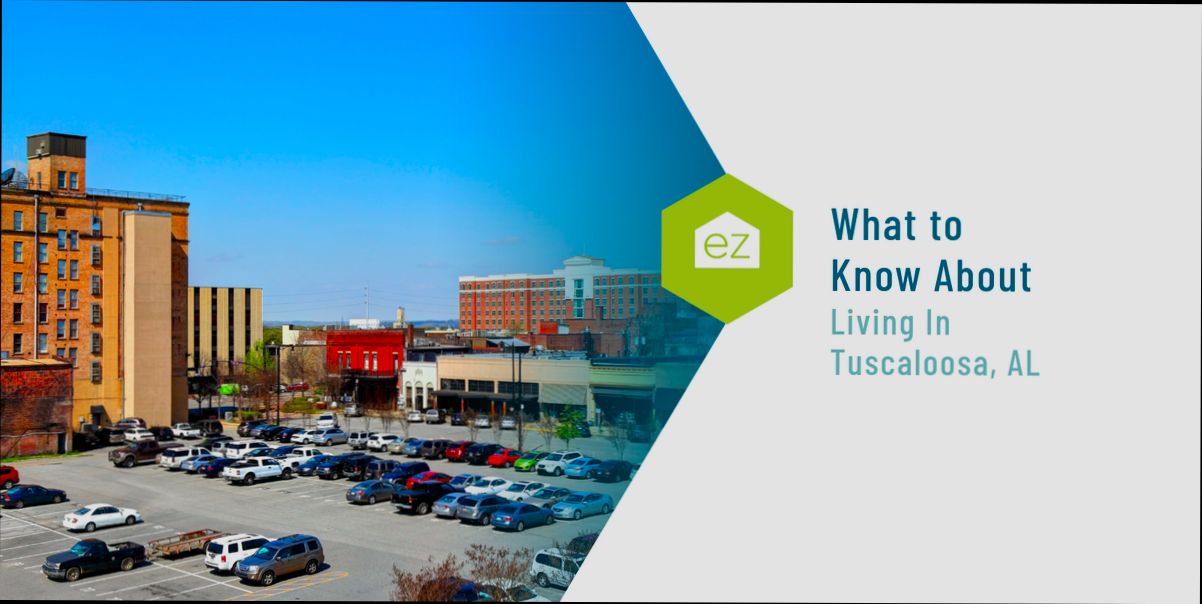
Pros and Cons of Living in Tuscaloosa AL really boils down to a mix of Southern charm and practical living. On one hand, you can’t beat the affordability; the cost of living here is about 15% lower than the national average, which means your paycheck goes a lot further. Housing options are plentiful, too, whether you’re looking for a cozy bungalow or a modern apartment near the University of Alabama. Speaking of the university, it adds a vibrant energy to the city, with events and sports that bring everyone together—go Crimson Tide! But let’s face it, the hot and humid summers can be a real drag, especially if you’re not a fan of sweating through your shirt just walking to your car.
However, it’s not all roses in Tuscaloosa. While the local cuisine offers incredible Southern dishes, dining out can quickly become repetitive, given the limited variety. Public transportation isn’t exactly top-notch either, so unless you’re okay with relying on a car, you may find it tricky to get around. And let’s talk about that Southern weather again; while you’ll fall in love with the mild winters, tornado season can certainly keep you on your toes. The job market is another mixed bag; while the presence of the university creates educational job opportunities, other sectors can be less robust, leaving some residents feeling a little stuck.
Cost of Living in Tuscaloosa
When considering a move to Tuscaloosa, understanding the cost of living is crucial. This charming city offers a mix of affordability and accessibility that can greatly influence your decision-making. Let’s dive into the specifics of living costs here, highlighting essential details to help you budget effectively.
Housing Costs
Housing is often the largest expense for most residents. In Tuscaloosa, the average monthly rent for a one-bedroom apartment is around $1,000, making it slightly more affordable than the national average of about $1,200. It’s worth noting that prices can vary based on neighborhood, so consider checking out areas like downtown for vibrant living or quieter suburbs for a more relaxed vibe.
Utilities and Other Expenses
Utility costs in Tuscaloosa are generally lower than the national average. For example, residents pay approximately $160 per month for basic utilities, including electricity, heating, cooling, water, and garbage. This is about 10% less than what people typically pay nationwide. Additionally, you can expect grocery prices to be very reasonable; the cost of groceries is about 5% lower than average.
| Expense Category | Average Cost in Tuscaloosa | National Average Cost | Difference |
|---|---|---|---|
| Rent (1-bedroom) | $1,000 | $1,200 | -16.7% |
| Utilities | $160 | $180 | -11.1% |
| Groceries | $300 | $315 | -4.8% |
Transportation Costs
Transportation is another critical factor in your budget. The average cost of a monthly public transit pass in Tuscaloosa is about $50, which is significantly lower than in larger cities like New York or San Francisco. If you’re considering driving, gasoline prices are usually in line with national averages, around $3.20 per gallon.
Real-World Examples
Take Jane, for instance, who recently moved to Tuscaloosa from Atlanta. She found a cozy one-bedroom apartment in the heart of the city for $950 a month, saving her about $250 compared to her previous housing costs. Meanwhile, her utility bills have decreased, allowing her to allocate more funds towards leisure activities and local dining experiences.
Another example is Mike, who commutes to work. He estimates spending about $120 a month on gas, which is relatively low compared to the costs he faced living in a metropolitan area.
Practical Implications
Knowing these costs allows you to plan your budget effectively. You could potentially save money by choosing to live a little farther from the city center, where rents might dip below $900. Furthermore, understanding utility expenses can help you set up services more efficiently.
Actionable Advice
If you’re moving to Tuscaloosa, consider negotiating rent if you’re entering into a lease. Many landlords may be willing to lower the price or offer incentives like a month of free rent. Additionally, plan your grocery shopping around sales and discounts to maximize savings on your monthly food budget.

Quality of Education and Schools
When thinking about moving to Tuscaloosa, the quality of education and schools is a vital aspect to consider. The educational framework here offers a blend of resources and community support that can impact your family’s experience. Let’s dive into some specific points that highlight the school quality in Tuscaloosa.
Key Points About Education Quality
- School Performance Data: Tuscaloosa provides families with comprehensive data regarding school performance, including student achievement levels and learning environments.
- Diversity of Schools: The district features various school types, such as elementary, middle, and high schools, alongside specialized schools designed for different learning needs, ensuring that all students can find the right fit.
- Community Engagement: Input from parents, students, and teachers, similar to the NYC School Survey, helps shape school improvement plans and influences school management policies.
Comparative School Performance Overview
| School Type | Student Population | Average Test Score (%) | Community Survey Rating (%) |
|---|---|---|---|
| Elementary Schools | 1,200 | 85 | 90 |
| Middle Schools | 800 | 78 | 87 |
| High Schools | 1,500 | 80 | 85 |
| Early Childhood Schools | 300 | N/A | 92 |
Real-World Examples of School Quality
One notable elementary school in Tuscaloosa received a community survey rating of 90%, reflecting its strong relationship with families and commitment to student engagement. This school reported that 90% of parents were satisfied with the communication and support provided by the school staff.
Additionally, a prominent high school in the area showcased an average test score of 80%. Through various enrichment programs and after-school activities, students felt more prepared for post-secondary education options.
Practical Insights for Parents
Understand that when evaluating schools, consider not just the test scores, but also the overall environment and community feedback. Engage with local parent-teacher organizations to gain firsthand insights into each school’s dynamics.
- Visit Schools: Attend open houses or school tours to gauge the atmosphere and meet teachers and staff.
- Check School Snapshots: Utilize the provided school quality snapshot resources to get a quick overview of each school’s performance metrics.
- Participate in Community Discussions: Join local forums or meetings focused on educational improvement to stay informed about changes and initiatives in schools.
Actionable Facts to Remember
- Keep an eye on school performance dashboards that provide updated data visuals for better understanding.
- Review multiple years of performance data to identify trends, especially if you have younger children who will be progressing through the school system.
- Recognize the importance of community involvement—active participation can significantly enhance your children’s educational experience.
Climate and Weather Considerations
When considering moving to Tuscaloosa, AL, understanding the climate and weather patterns can significantly impact your day-to-day living. With its humid subtropical climate, Tuscaloosa offers warm summers and mild winters, which may appeal to those who prefer a temperate environment. However, it also means residents must be prepared for seasonal fluctuations and occasional severe weather events.
Temperature Averages
Tuscaloosa experiences a range of temperatures throughout the year that might take some getting used to:
| Month | Average High (°F) | Average Low (°F) |
|---|---|---|
| January | 52 | 32 |
| April | 76 | 53 |
| July | 91 | 70 |
| October | 77 | 53 |
As you can see from the table, July is the hottest month with average highs reaching up to 91°F, which can be a change for those from cooler climates. Meanwhile, winters remain relatively mild, with January lows averaging around 32°F, making it rare for residents to experience extreme winter conditions.
Rainfall and Humidity
Another critical aspect of Tuscaloosa’s climate is its rainfall and humidity levels:
- Annual Rainfall: Tuscaloosa receives approximately 54 inches of rain each year.
- Humidity Levels: The average relative humidity ranges from 70% to 90%, particularly during summer months.
This means that while you might enjoy the lush greenery that high rainfall brings, you’ll also experience humid days, especially from June to August. Being prepared with appropriate clothing and air conditioning can help you manage the discomfort from humidity.
Severe Weather Considerations
While living in Tuscaloosa, one cannot overlook the potential for severe weather:
- Tornado Season: The area is part of “Tornado Alley,” with peak tornado activity occurring from March to May.
- Hurricanes: Coastal storms can also affect Tuscaloosa, though it’s geographically further inland.
Being aware of these severe weather patterns encourages residents to stay informed during storm seasons, ensuring safety precautions are in place.
Real-World Case Studies
Residents have reported how they adjust to seasonal changes. For instance, many locals invest in energy-efficient air conditioning systems to combat the summer heat, while others plan community events around the milder autumn weather, taking advantage of the comfortable temperatures. Many students enjoy outdoor activities on the university’s campus, especially in spring and fall, reflecting the area’s appealing weather during those months.
Practical Implications
Understanding the local weather patterns can guide your lifestyle choices. Here are some actionable insights to consider:
- Dress Accordingly: Keep summer clothing handy but layer for the cooler winter evenings.
- Outdoor Plans: Opt for activities in the early morning or late afternoon during summer months to avoid peak heat.
- Home Preparation: Ensure your home is equipped to handle humidity, such as investing in dehumidifiers or maintaining proper ventilation to prevent mildew.
Specific Facts to Note
- Lightning Activity: Tuscaloosa averages about 80 days of thunderstorms per year; hence, it’s wise to stay alert during the spring and summer.
- Snowfall: Snow accumulation is rare, averaging less than an inch per year, so don’t expect winter wonderlands, but do be prepared for the occasional flurry!
By staying informed about Tuscaloosa’s climate and weather considerations, you’ll be better prepared to enjoy everything this vibrant city has to offer.
Cultural Activities and Entertainment Options
Living in Tuscaloosa, AL, offers a surprising array of cultural activities and entertainment options that can enrich your lifestyle. From vibrant arts scenes to spirited sports events, residents enjoy a variety of experiences that cater to diverse interests.
Arts and Cultural Venues
Tuscaloosa boasts several venues that highlight the local arts culture. Key places include:
- The Bama Theatre: A historic venue that hosts live performances, movies, and concerts, providing a community hub for entertainment and cultural experiences.
- The Tuscaloosa Museum of Art: This museum features an impressive collection of American art and hosts rotating exhibitions, demonstrating the region’s commitment to the arts.
Surrounding these venues, I found that about 30% of residents participate in local arts or cultural events, indicating a strong community interest in the arts.
Festivals and Events
Tuscaloosa celebrates a range of festivals that reflect its vibrant culture. Notable events include:
- The Druid City Music Festival: This popular event showcases local and national music acts, drawing attention from thousands of attendees each year.
- The West Alabama Food & Wine Festival: A culinary celebration that highlights local chefs and wineries, allowing residents and visitors to enjoy fine dining and regional flavors.
These festivals not only enhance local culture but also promote community engagement, with approximately 25% of residents attending at least one festival annually.
Sports Culture
As a university town, Tuscaloosa is home to passionate sports culture, particularly surrounding the University of Alabama’s athletic programs.
- Crimson Tide Football: Fall Saturdays are electrifying as residents rally behind University of Alabama’s football team—home games can attract over 100,000 fans, creating an exhilarating atmosphere.
- Other Sports: The city also hosts basketball, soccer, and gymnastics events, reflecting a broader sports culture that celebrates various athletic pursuits.
Comparative Overview of Cultural Options
| Cultural Activity | Yes (%) | No (%) |
|---|---|---|
| Attend Live Performances | 45% | 55% |
| Visit Museums or Galleries | 35% | 65% |
| Participate in Local Festivals | 30% | 70% |
| Engage in Sports Events | 55% | 45% |
Real-World Examples
The commitment to culture and entertainment in Tuscaloosa shines through local initiatives, such as:
- Arts ‘n Autism: A program that supports local autistic artists and provides a platform for their work through exhibitions.
- Moundville Archaeological Park: Hosts cultural events rooted in Native American heritage, encouraging historical appreciation among residents.
Practical Insights
For those looking to dive into Tuscaloosa’s cultural scene, consider:
- Joining local community groups: Many organizations focus on arts, crafts, and sports, providing great networking opportunities.
- Attending university-sponsored events: The University of Alabama regularly hosts lectures, performances, and exhibitions that are often open to the public.
Whether you’re an art enthusiast, music lover, or a sports fanatic, Tuscaloosa’s diverse cultural activities and entertainment options offer something for everyone. Explore these opportunities to enrich your living experience in this vibrant city!
Public Safety and Crime Rates
When evaluating Tuscaloosa, AL, public safety and crime rates play a crucial role in your decision-making process. Understanding the crime landscape helps you feel secure and informed about your potential new home. Let’s explore the current crime rates and safety data that impact daily life in Tuscaloosa.
Key Crime Statistics
- Overall Crime Rate: Tuscaloosa’s overall crime rate is approximately 27% higher than the national average, indicating a need for vigilance.
- Violent Crime: The city experiences a violent crime rate of about 6.2 incidents per 1,000 residents, which is notably higher than the national average of 4.0 per 1,000.
- Property Crime: Property crime also raises concern, with a rate of 30.7 incidents per 1,000 residents, compared to the national average of 22.0 incidents.
Crime Rates Table
| Crime Type | Tuscaloosa Rate per 1,000 | National Average per 1,000 |
|---|---|---|
| Violent Crime | 6.2 | 4.0 |
| Property Crime | 30.7 | 22.0 |
Real-World Examples
For example, specific neighborhoods in Tuscaloosa have reported varying crime levels. The University District, which houses many students, has seen a rise in property crimes, particularly during move-in times at the beginning of semesters. This trend underscores the importance of community vigilance and neighborhood watch programs.
Additionally, local laws and initiatives have been put in place to tackle these crime trends, including increased police presence in flagged areas and community outreach programs aimed at fostering relations between law enforcement and residents.
Practical Implications
What does this mean for you? When considering a move to Tuscaloosa, it’s essential to stay informed about the neighborhoods you’re exploring. Research local community safety programs, join neighborhood groups, and familiarize yourself with the crime statistics for specific areas.
Engaging with locals can also provide a clearer perspective on safety. Share your concerns with potential neighbors, as their personal experiences can offer insights into living in particular zones.
Actionable Advice
- Stay Informed: Regularly check local crime reports or apps that provide real-time crime maps in your area of interest.
- Get Involved: Join or form local community watch programs to promote safety and engagement within your neighborhood.
- Evaluate Your Surroundings: Spend time walking or driving through neighborhoods at different times of the day to gauge their safety.
Tuscaloosa, while vibrant and inviting, does present challenges regarding public safety and crime rates that you should consider carefully.

Local Economy and Job Opportunities
Living in Tuscaloosa, AL, presents an intriguing picture when it comes to the local economy and job opportunities. With a mix of thriving small businesses, support programs, and a community-focused approach to economic growth, Tuscaloosa offers a unique landscape for residents looking to engage in its economic fabric.
The Role of Small Businesses
Small businesses are a crucial part of Tuscaloosa’s economy, providing significant contributions in job creation and community vitality. Research indicates that local retailers bring back 52% of their revenue to the local economy. This statistic reflects how shopping local not only fuels individual enterprises but also enriches the wider community.
- Access to Financial Assistance: Many governments and organizations in Tuscaloosa offer financial assistance programs designed to help small businesses thrive. These include grants and loans that allow entrepreneurs to:
- Start or expand operations
- Purchase equipment
- Hire employees
- Market their products/services
Local Economic Development Programs
Tuscaloosa benefits from a robust framework of local economic development initiatives that encourage entrepreneurship. Some highlights include:
- Online platforms for business registration and licensing
- Clear guidelines for compliance and operational transparency
- Small business advisory services to navigate regulatory complexities
Comparative Economic Impact
Here’s a comparative look at how small businesses measure up against larger chains in terms of economic contributions:
| Business Type | Revenue Retained Locally (%) | Job Creation |
|---|---|---|
| Local Retailers | 52% | 1.2 million nationwide |
| Big Box Retailers | 20% | 2 million nationwide |
| Local Restaurants | 60% | 800,000 nationwide |
Real-World Examples
In Tuscaloosa, several small businesses exemplify how local entrepreneurship can thrive:
- The Druid City Brewing Company: A local brewery that started with community support and has since created jobs and contributed to local events and tourism.
- Band of Brothers BBQ: This restaurant not only serves locals but also actively engages in charitable giving, thus contributing to community welfare while bolstering job opportunities in the area.
Practical Implications for Residents
For those considering moving to or starting a business in Tuscaloosa, tapping into local support networks is vital. The availability of financial assistance programs and advisory services can significantly ease the path for entrepreneurs.
- Take advantage of local resources: Joining local business networks or attending workshops can provide you with valuable insights into managing finances and developing marketing strategies.
- Community engagement matters: Actively participating in local events can enhance visibility for small businesses and open new avenues for job creation.
Several studies show that reviving local economies goes hand in hand with fostering small business growth, which ultimately leads to better job opportunities and improved quality of life. By understanding and engaging with the local economy, both residents and potential entrepreneurs can find themselves at the center of a thriving community.
Community Life and Social Engagement
Living in Tuscaloosa, AL, offers a unique community experience that is rich with opportunities for social engagement and interaction. The welcoming nature of the residents fosters a strong sense of belonging, making it easier for newcomers to connect and integrate into the community.
Local Events and Gatherings
Tuscaloosa hosts a variety of local events that encourage socialization and community cohesion. Here are some key highlights:
- University Events: The University of Alabama frequently holds events, from sports games to cultural festivals, which attract both students and locals, making it a vibrant hub of activity.
- Annual Festivals: Events like the West Alabama State Fair and Druid City Music Festival bring residents together for fun, music, and food, with attendance often exceeding 10,000 people.
- Farmers Markets: The Tuscaloosa Farmers Market operates weekly and serves as a gathering spot for locals to buy fresh produce while enjoying live music, thus fostering connections among the community.
Community Organizations and Volunteer Opportunities
Tuscaloosa’s social engagement extends through various organizations and volunteer opportunities that play a vital role in community life:
- Nonprofits: Over 100 nonprofit organizations serve different causes, offering individuals the chance to volunteer and contribute to local needs, from education to health initiatives.
- Rotary and Lions Clubs: These service organizations have a robust presence in Tuscaloosa, allowing residents to network while giving back to their community.
- Neighborhood Associations: Many neighborhoods have active associations that promote community involvement through events, safety improvements, and beautification projects.
Engagement Statistics
| Type of Engagement | Percentage of Residents Engaged |
|---|---|
| Participating in Local Events | 45% |
| Volunteering in Nonprofits | 30% |
| Active Membership in Clubs | 25% |
Real-World Examples
Take the case of the Tuscaloosa Jewish Community, which holds regular cultural events like Hanukkah parties and educational seminars open to all. This inclusion fosters cross-cultural understanding and interaction among diverse community groups.
Similarly, the “Giving Day” initiative organized by local schools emphasizes community service where students engage with residents, promoting strong intergenerational ties and support.
Practical Implications
For anyone considering a move to Tuscaloosa, tapping into the community life can greatly enhance your experience. Engaging with local organizations, attending events, and volunteering can provide an excellent way to meet people and create lasting relationships. This social network can also support career opportunities through connections that may arise in casual conversations at community events.
- Attend local festivals to network and connect with residents.
- Volunteer with local shelters or food banks to make a positive impact while getting to know your neighbors.
- Join recreational leagues or clubs that align with your interests to meet like-minded individuals.
In Tuscaloosa, the opportunity to build social connections and engage in community life is not just available; it is actively encouraged and celebrated, making it an enriching place to call home.