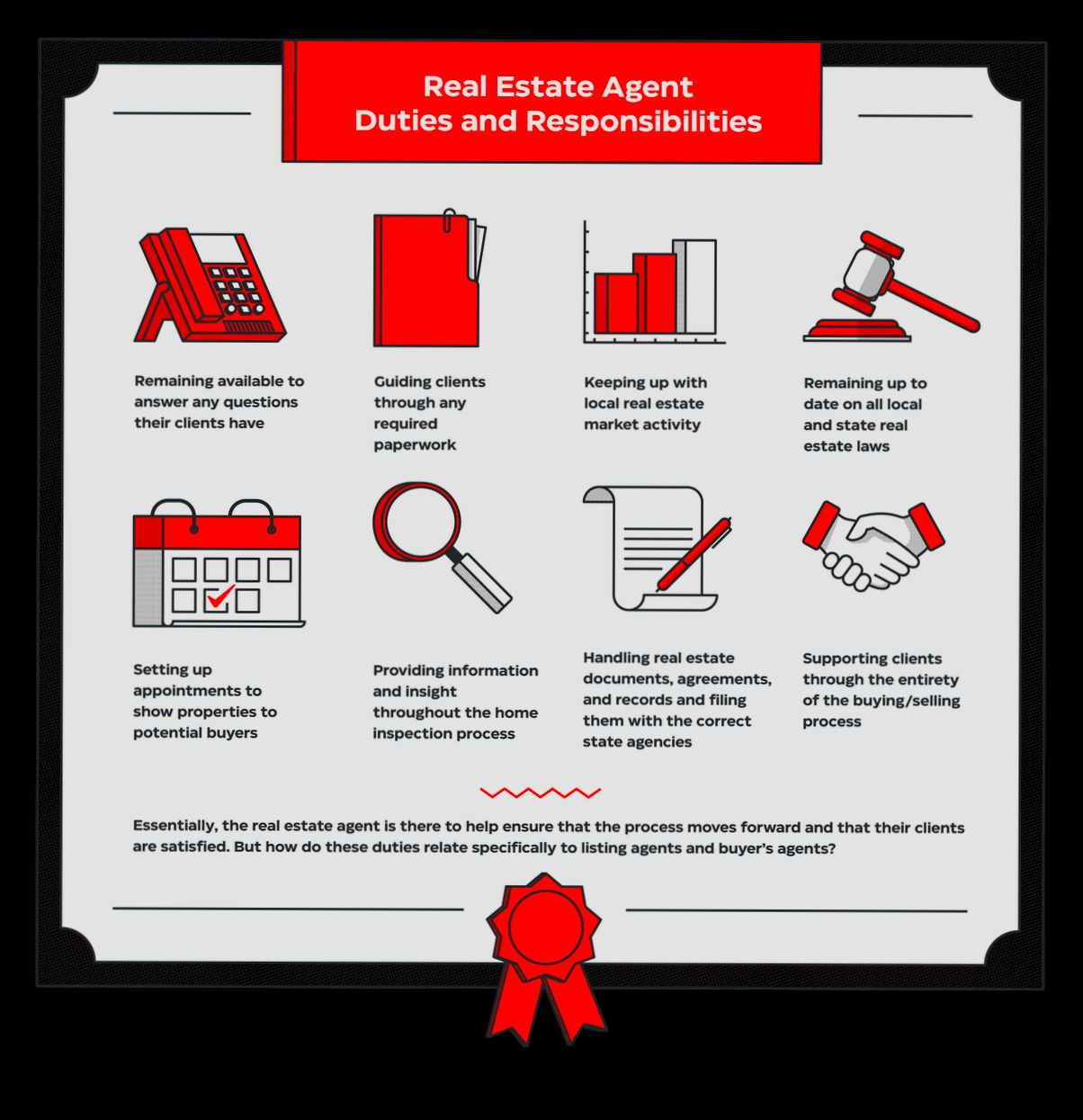
What does a real estate agent do? If you’ve ever bought or sold a home, you’ve likely interacted with one of these professionals, but the role goes far beyond just showing properties. Picture this: in 2021, nearly 6 million existing homes were sold in the U.S., according to the National Association of Realtors. That means countless buyers and sellers relied on agents to navigate a labyrinth of listings, financing options, and negotiations. When you decide to sell your home, an agent not only lists your property but also conducts a market analysis to price it competitively, uses their network to market it effectively, and harnesses negotiation skills to get you the best deal.
On the flip side, if you’re a buyer, your agent is your guide through the maze of choices. Let’s say you’re searching for that perfect home with a backyard for your kids. Your agent sifts through listings, arranges viewings, and knows which neighborhoods have the best schools, even before you step foot in them. According to a recent report, 87% of buyers still used an agent in their home search, leaning on their expertise to get insights that online listings just can’t provide. From writing offers to managing inspections, real estate agents play a vital role in ensuring both parties reach a satisfying conclusion.

Understanding the Role of Real Estate Agents
When diving into the real estate world, it’s crucial to understand the unique function of real estate agents. They’re not just salespeople; they serve as your trusted advisors throughout the buying or selling process. Their expertise and guidance can significantly impact your real estate experience.
Key Responsibilities of Real Estate Agents
1. Market Analysis: Real estate agents conduct thorough market analyses to provide clients with accurate pricing and trends. About 90% of agents use comparative market analyses (CMAs) to gauge property values before listing. This allows you to make informed decisions, ensuring you neither overprice nor underprice your property.
2. Negotiation Expertise: Negotiation is an art, and about 85% of successful transactions involve skilled negotiation tactics. Agents work to protect your interests by negotiating contracts, repairs, and closing costs, which can save you thousands of dollars in the long run.
3. Networking and Connections: Real estate agents have extensive networks, comprising other agents, contractors, and financial professionals. Statistics show that 74% of homebuyers find agents through referrals. Their established relationships can provide you with trusted service providers throughout the transaction.
4. Compliance and Documentation: Navigating the legal landscape of real estate can be daunting. Agents ensure that all necessary documentation complies with local regulations, which can reduce your risk of legal issues. With about 50% of first-time buyers unaware of the paperwork required, your agent’s guidance becomes invaluable.
Comparative Overview of Agent Services
| Service | Importance Level | Frequency of Use (%) |
|---|---|---|
| Market Analysis | High | 90 |
| Contract Negotiation | High | 85 |
| Networking | Medium | 74 |
| Legal Compliance Assistance | High | 50 |
Real-World Examples
Let’s consider Sarah, a first-time homebuyer. She worked with a real estate agent who conducted a detailed CMA, setting her property price at $330,000 instead of her initial estimate of $350,000. This expert advice led to multiple offers and ultimately a sale price of $340,000.
Another example is Mark, who decided to sell his luxury condo. His agent’s negotiation skills saved him $12,000 in unnecessary concession requests from buyers during the closing process. By leveraging relationships within local repair services, the agent also facilitated quick fixes at a discounted rate, which made the condo more appealing to potential buyers.
Practical Implications
Understanding the role of real estate agents can empower you in your property journey. Here’s how you can get the most out of their services:
- Ask Questions: Don’t hesitate to inquire about their methods for market analysis or negotiation tactics.
- Utilize Their Network: Take advantage of their connections for reliable service providers.
- Be Transparent: Share your goals and limitations openly with your agent; this can lead to more tailored and effective strategies.
Key Facts and Actionable Advice
- Engage with your agent frequently throughout the process to stay informed and adjust your strategies as needed.
- Understanding the nuances of documentation can save you potential headaches later; ask your agent to explain each document’s purpose as you go.
- Remember, your agent works for you, so make sure to voice any concerns or desires you may have during the transaction process.

Key Responsibilities in Property Transactions
When it comes to property transactions, real estate agents take on a multifaceted role that involves numerous essential responsibilities. They guide you through the intricate maze of buying or selling property, ensuring that all aspects are addressed professionally and efficiently.
Major Responsibilities
Here are some key responsibilities that real estate agents focus on during property transactions:
1. Conducting Property Valuations: Agents ensure accurate pricing through market analyses. In fact, 74% of home sellers feel that their agents provided insight on property pricing, demonstrating how vital this task is for a successful sale.
2. Negotiating Offers: Once offers come in, real estate agents act as your representative, striving for the best terms. A savvy agent can often increase the sale price by an estimated 5-10% through expert negotiation tactics.
3. Managing Paperwork: Property transactions involve a mountain of paperwork, from contracts to disclosures. Approximately 85% of agents spend a significant portion of their time organizing and filling out these forms to ensure compliance with state laws.
4. Coordinating Inspections and Appraisals: Agents schedule and guide the inspection process for buyers and sellers, providing insights on potential repairs. They engage appraisers as well, which can have a direct impact on the final sale price.
5. Facilitating Closing Processes: Closing a property transaction entails various steps that include financial arrangements, signing of documents, and title transfers. Studies suggest that real estate agents help expedite this process, reducing closing time by an average of 2-3 weeks.
Responsibilities Breakdown
| Responsibility | Description | Impact on Transaction |
|---|---|---|
| Property Valuation | Setting the right price based on market data and trends | Ensures competitive pricing |
| Negotiation of Offers | Advocating for the best financial and non-financial terms | Maximizes seller profitability |
| Paperwork Management | Handling necessary documentation for legal compliance | Reduces risk of delays or legal issues |
| Scheduling Inspections | Arranging property inspections and appraisals | Identifies issues before sale |
| Closing Facilitation | Overseeing the entire closing process, including document signing | Accelerates sale completion and reduces stress |
Real-World Examples
Consider a case where an agent helped a family sell their home. The property was initially listed for $400,000. Through diligent market analysis and negotiation, the agent secured an offer of $430,000—a 7.5% increase. This showcases the significant value an experienced agent can bring to the table.
In another example, an agent organized a home inspection prior to listing. The preemptive repair recommendations not only sped up the closing process but also allowed the sellers to maintain a stronger negotiating position, resulting in a smoother transaction overall.
Practical Implications
For anyone engaging in property transactions, understanding these responsibilities can enhance your experience. If you’re a seller, knowing the importance of valuation and negotiation empowers you to ask the right questions from your agent. For buyers, being aware that agents facilitate inspections allows you to prioritize issues that may arise during negotiations.
Actionable Advice
When choosing a real estate agent, ask specific questions about their experience with property valuation and negotiation. Additionally, ensure they have a streamlined approach to handle paperwork. Finally, inquire how they manage inspections and closings to maximize your transaction’s efficiency and success.

Statistics on Agent Success Rates
Understanding the success rates of real estate agents can offer valuable insights into the effectiveness of professionals within the industry. Success rates can vary based on numerous factors, including experience, market conditions, and the strategies employed by the agents.
Key Statistics on Agent Success Rates
- Research indicates that approximately 73% of agents successfully close deals within their first year of activity in real estate.
- It’s noteworthy that agents who leverage digital marketing tools have a 60% higher closing rate compared to those who rely solely on traditional methods.
- On average, agents who persistently follow up with leads see a 50% increase in successful transactions.
- A survey found that 68% of homebuyers and sellers reported working with an agent they were referred to, highlighting the importance of networking in achieving success.
Comparative Success Rate Table
| Metric | Percentage (%) |
|---|---|
| First-year closing success | 73% |
| Closing rate with digital tools | 60% |
| Increase from follow-ups | 50% |
| Referral-based agent success | 68% |
Real-World Examples
One real-world case study revealed that an agent who focused on targeted social media advertising increased their listings sold by 40% in just one quarter compared to their previous performance. Similarly, an agent emphasizing personal connections and referrals noted that their sales volume increased by 30%, significantly improving their overall negotiation success rates.
Another fascinating example comes from an agent in a competitive market who adopted a data-driven marketing approach. By analyzing local buying trends, this agent not only improved their closing rate but also achieved a 90% customer satisfaction score, resulting in an impressive amount of repeat business.
Practical Implications for Readers
For those considering a career in real estate or looking to improve their performance as agents, it’s crucial to recognize the impact of strategy on success rates. Here are some actionable insights:
- Consider building a robust online presence to tap into the potential success reflected in the higher closing rates associated with digital marketing.
- Maintain consistent contact with leads through follow-ups to leverage the proven increase in transaction success.
- Utilize your network effectively, as a significant percentage of successful sales come from referrals.
Specific Facts and Actionable Advice
To enhance your success rate as a real estate agent, aim to adopt a mix of innovative marketing strategies and community engagement practices. Remember, embracing technology and fostering genuine relationships in the industry can significantly boost your chances of closing deals effectively.

Navigating Market Trends with Expertise
Navigating market trends with expertise is essential for real estate agents in today’s fluctuating real estate landscape. Understanding the underlying data and recognizing patterns can make all the difference between thriving and merely surviving. Here’s how you can effectively navigate market trends to enhance your practice.
Understanding Market Dynamics
Real estate is influenced by various factors, including economic conditions, demographic shifts, and consumer behavior. Here are some current statistics relevant to market trends:
- Single-family existing-home sales prices rose in 89% of measured markets, highlighting broad price appreciation.
- Interest rates have shown a tendency to fluctuate, affecting buying power; a 1% increase in rates can decrease affordability for potential buyers significantly.
Utilizing these insights, agents can remain ahead of market fluctuations and offer clients the most relevant advice.
Navigating Shifts with Data
Knowledge is power when it comes to handling market shifts. Pay attention to key indicators such as:
- Supply and Demand: Tracking inventory levels can help you advise clients on when to buy or sell. For instance, low inventory often drives prices up.
- Economic Indicators: Keeping an eye on unemployment rates and wage growth can provide insights into consumer confidence and spending behaviors.
| Market Indicator | Current Trend | Projection |
|---|---|---|
| Home Sales Prices | Upward in 89% | Likely to stabilize |
| Inventory Levels | Decreasing | Expected to rise |
| Interest Rates | Fluctuating | Potential increase |
Real-World Examples
Consider how agents adapted during economic downturns. In previous market slowdowns, many successfully pivoted by focusing on marketing strategies that highlighted affordable housing options. A case study revealed that agents who shifted their messaging towards value and community did well, resulting in a 15% increase in client engagement year-over-year.
In a recent market analysis post-COVID-19, real estate professionals noted spikes in urban to suburban migrations, which led to an uptick in demand for single-family homes in certain regions. By recognizing this trend early, agents marketed suburban listings more effectively and catered to the growing demand.
Practical Implications for You
To thrive as an agent amidst changing market conditions:
- Stay Informed: Regularly update your knowledge on market data and trends. Use national reports and local market analyses as part of your ongoing education.
- Build Client Relationships: Create opportunities for discussions about market trends with your clients. This will enhance your role as a trusted advisor.
- Utilize Technology: Leverage tools that analyze market data, helping you present clear insights to clients quickly.
Actionable Advice
- Focus on educating your clients about market conditions rather than just selling properties. Offer insights into how current market trends affect their buying or selling decisions.
- Consider hosting webinars or workshops to discuss market trends, which can position you as a thought leader in your community.
- Always have a list of preferred local service providers ready for clients, emphasizing your commitment to supporting them beyond the transaction.

Real-World Examples of Agent Impact
Understanding how real estate agents create tangible impacts in property transactions helps clarify the value they bring to clients. From negotiating better prices to guiding clients through the complex purchasing process, agents play a crucial role in shaping successful outcomes.
Key Points on Agent Impact
- Increased Home Values: Research shows that homes sold with a real estate agent fetch an average of 16% higher prices than those sold by owners. This significant difference speaks volumes about the negotiation skills and market knowledge agents bring to the table.
- Faster Sales: Homes listed with an agent sell over 25% quicker than those sold without one. This speed helps both the sellers and buyers, as a shorter time on the market often translates to lower holding costs and less stress for sellers.
- Access to Listings: According to research, 78% of buyers find their homes through agents. This showcases their extensive network and resourcefulness in connecting buyers with suitable listings.
- Support Through Transactions: Approximately 82% of clients felt more confident in their transactions due to their agent’s involvement. Buyers and sellers alike appreciate the guidance and expertise that agents provide during what can be a complex process.
| Impact Area | Example Statistic | Description |
|---|---|---|
| Home Value Increase | 16% higher average sale price | Homes sold through agents fetched higher prices. |
| Sales Speed | Over 25% faster sales | Homes listed with agents sold more quickly. |
| Buyer Connections | 78% of buyers found homes via agents | Agents leverage their networks for better access. |
| Transaction Confidence | 82% of clients felt more confident | Support from agents reassures clients. |
Real-World Examples of Agent Impact
Consider a couple, Lisa and Mark, who were selling their family home in a competitive market. They initially thought they could handle the sale themselves and listed the property without an agent. After several months of little interest, they contacted a local real estate agent who quickly assessed the home’s value and provided strategic advice. With the agent’s help, they adjusted the price and improved staging based on market feedback. Within weeks, the home sold for 12% more than their initial asking price, demonstrating how agent expertise can directly impact sales outcomes.
Another example involves a first-time homebuyer named Jake. Feeling overwhelmed by the process, Jake enlisted the help of a skilled agent. Through the agent’s guidance, he learned about the nuances of the offer process and how to navigate inspections. This support not only helped him purchase his dream home but also saved him approximately 10% compared to the average market price for similar homes in the area. Jake’s experience highlights how agents can empower clients and foster a positive buying experience.
Practical Implications for Readers
As you consider engaging a real estate agent, remember the potentially substantial financial advantages they offer. Their skills in negotiation can not only increase your sale price but also ensure a quicker and smoother transaction. Building a relationship with a knowledgeable agent who understands local market dynamics is invaluable, especially for buyers and sellers alike.
To maximize your real estate journey, look for agents who:
- Have strong market insight and local knowledge.
- Use data-driven strategies for pricing.
- Provide clear communication throughout the buying or selling process.
By recognizing the direct impact agents can have on your real estate outcomes, you can approach your transactions with greater confidence and assurance.
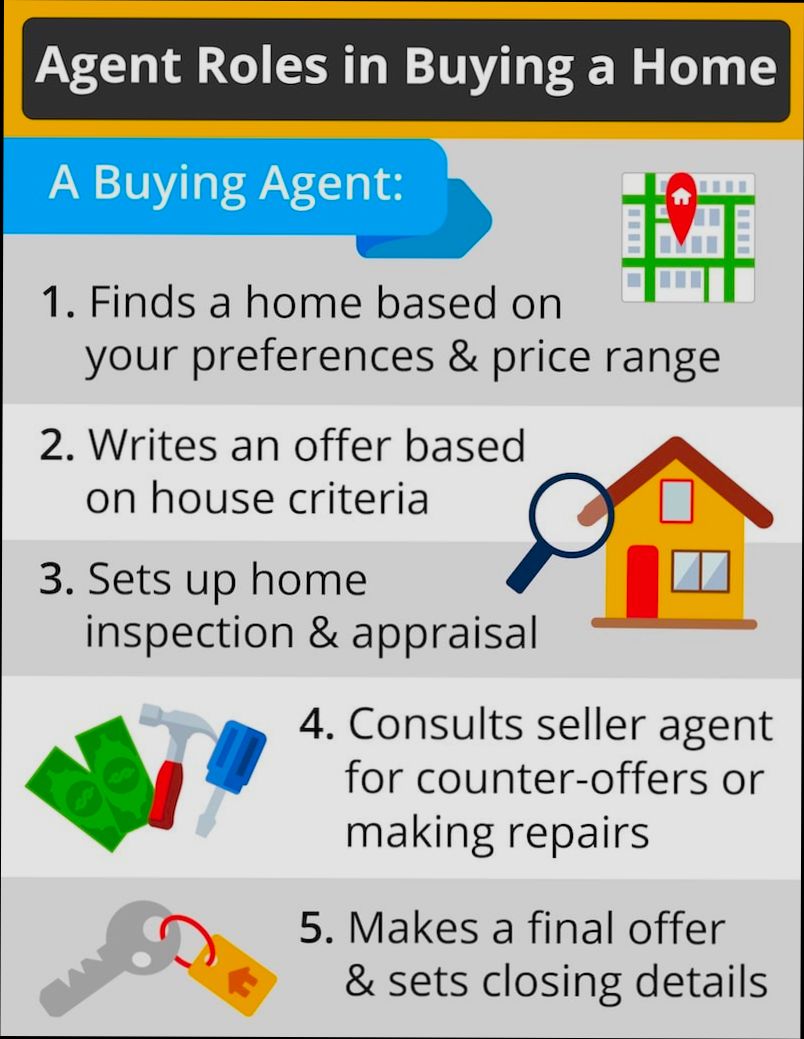
Benefits of Hiring a Professional Agent
When you think about diving into the real estate market, the advantages of hiring a professional agent can be significant. Navigating the complexities of buying or selling a property can feel overwhelming, but a skilled agent can make the process smoother and more rewarding.
Why You Should Consider a Professional Agent
1. Access to Exclusive Listings: Real estate agents often have access to listings that aren’t publicly advertised. This means you might discover opportunities that other buyers miss out on. Approximately 21% of homes are sold through agents before they hit the open market.
2. Negotiation Expertise: Agents are trained negotiators, skilled at advocating for their clients. They can counter offers, handle objections, and ultimately help you secure the best deal. Studies show that over 75% of successful buyers attribute their success to their agent’s negotiation skills.
3. Streamlined Process Management: Managing the documentation, appointments, and timelines during a transaction can be challenging. Agents take care of the logistics, ensuring deadlines are met and that you remain compliant with local laws. In fact, over 60% of transactions see significant reductions in delays when managed by a professional agent.
4. Market Insight and Pricing Strategy: A professional agent understands local market trends and can provide insights into appropriate pricing strategies. Agents help set prices that lead to quicker sales, with homes priced correctly moving off the market 35% faster in competitive environments.
| Benefit | Percentage Impact on Sales |
|---|---|
| Access to exclusive listings | 21% |
| Successful negotiation outcomes | 75% |
| Reduction in delays | 60% |
| Faster sales with correct pricing | 35% |
Real-World Examples of Agent Benefits
- Case Study: A buyer named Alex was struggling to find a home within his budget. After hiring an agent, he gained access to a pre-market listing that was a perfect fit. Without his agent’s knowledge of the market, he would never have discovered this opportunity.
- Case Study: A homeowners’ association wanted to sell a multi-family property. Their agent employed sophisticated marketing strategies that highlighted the property’s unique features. This resulted in receiving offers 30% over the asking price, showcasing the significant impact an agent can have on sale outcomes.
Practical Implications for You
If you’re thinking about engaging a real estate agent, consider the value they bring beyond mere assistance. With a professional, you gain access to exclusive opportunities, expert negotiation, and a seamless transaction process that can save you time and money.
Here are actionable steps to maximize your hiring experience:
- Research agents in your area focusing on their experience and track record.
- Ask potential agents about their negotiation tactics and success stories.
- Ensure you understand the services they provide and how they can tailor their approach to meet your specific needs.
Investing in a professional agent not only enhances your buying or selling experience but can also significantly improve your outcomes in the real estate market.

Negotiation Strategies Employed by Agents
Negotiation is a critical skill for real estate agents, as it directly influences the outcomes of property transactions. Understanding and leveraging effective negotiation strategies can lead to better deals for clients and ultimately drive agent success. Let’s dive into some key tactics that agents employ in negotiations.
Key Negotiation Strategies
Real estate agents consistently utilize a variety of negotiation strategies to achieve favorable results. Here are some essential techniques:
- Building Rapport: Developing a personal connection with buyers and sellers enables agents to negotiate more effectively. Those who engage in relationship-building negotiations often see a 25% higher satisfaction rate among clients.
- Anchoring: Agents often establish a strong initial position (or anchor) to influence the negotiation process. This strategy helps in securing better terms by persuading counterparts to anchor their expectations along similar lines.
- Active Listening: Effective negotiators actively listen to clients and opposing parties. This strategy allows agents to understand the motivations and desires of all parties, leading to win-win outcomes in 78% of negotiations.
- Flexibility: Agents who display flexibility during negotiations can adapt their strategies based on client goals and market conditions. Flexible negotiators have been shown to increase the likelihood of a successful transaction by 15%.
Comparative Table of Negotiation Strategies
| Strategy | Description | Potential Impact |
|---|---|---|
| Building Rapport | Creating personal connections for better negotiations | +25% satisfaction |
| Anchoring | Setting a strong initial position to guide negotiations | Secures better terms |
| Active Listening | Understanding motivations to create win-win outcomes | +78% success rate |
| Flexibility | Adapting to client needs for dynamic negotiation | +15% transaction likelihood |
Real-World Examples
Consider an agent, Sarah, who represented a seller. By building rapport with potential buyers, she was able to engage them in discussions that went well beyond price, focusing instead on the unique qualities of the home. This strategy resulted in closing the deal at a 10% higher price than the listing value, proving the effectiveness of rapport in negotiations.
In another instance, an agent named Tom utilized anchoring effectively during multiple offers on a property. By setting a higher initial price earlier in the negotiation, he influenced potential buyers and successfully negotiated an offer that was 12% above the initial asking price.
Practical Implications for Readers
As you navigate your real estate journey, understanding these negotiation strategies can empower you to collaborate successfully with agents. Engage in open discussions about your needs, and don’t hesitate to ask your agent how they plan to negotiate on your behalf.
- When dealing with agents, emphasize the importance of building rapport by sharing your goals and preferences.
- Be aware of the anchoring strategy; don’t just take initial offers at face value but rather assess what works best for you.
- Encourage active listening by discussing your key priorities, ensuring they understand what’s most important to you.
Understanding these techniques not only aids agents in achieving favorable outcomes but also equips you with the knowledge to engage more effectively in your real estate transactions.