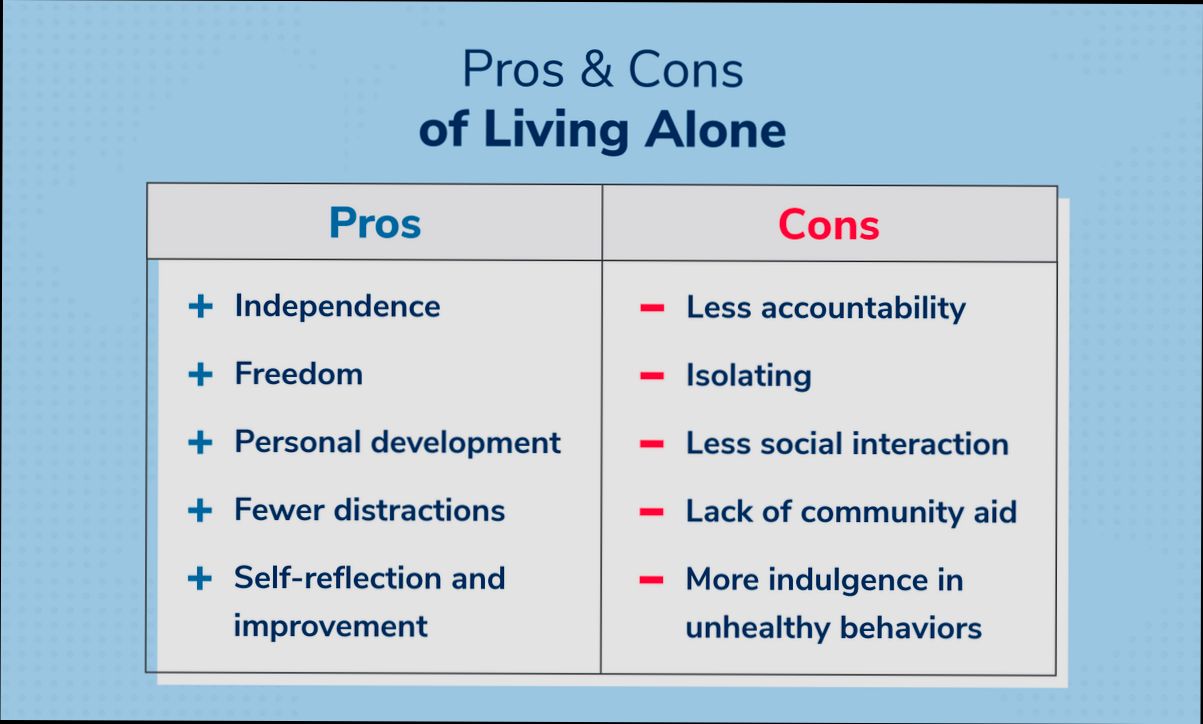
Pros and Cons of Living in Aalst (Alost) reveal a mix of charm and challenges that shape daily life in this bustling Belgian town. On the plus side, Aalst boasts a vibrant local culture, with events like the famous Carnaval drawing crowds of over 100,000 people every year. The town’s location is another big win, sitting just 30 kilometers from Brussels, making it an absolute breeze to commute for work or enjoy a weekend in the capital. Plus, with affordable housing options compared to nearby cities, you can easily find a cozy apartment or a charming old house to call home without breaking the bank.
However, living in Aalst isn’t all sunshine and festivals. The town can feel a bit sleepy outside of event seasons, which may leave you craving the buzz that comes with larger cities. Public transportation, while decent, isn’t the most frequent, sometimes making those late-night hangouts a bit tricky to manage. You might also find that while the local shops and cafes have their unique appeal, they can’t always compete with the trendy offerings found just a train ride away in Brussels or Ghent. So, while Aalst has a lot to offer, it’s essential to weigh both the perks and the quirks before deciding to settle down in this hidden gem.

Cultural Heritage and Local Festivals
Aalst (Alost) is rich in cultural heritage, embodied in its unique local festivals that significantly shape community identity and social life. The city’s most notable event, the Aalst Carnival, serves not just as a celebration but as a vibrant tapestry of tradition, satire, and communal bonding.
One of the most compelling aspects of these festivals is their ability to foster social connections and preserve traditions. Approximately 85% of festival participants report forming lasting relationships during these events, highlighting how local festivals become social milestones. Furthermore, around 75% of attendees learn about their cultural heritage through direct participation, ensuring that knowledge is transmitted across generations.
Economic Contributions of Festivals
Local festivals like the Aalst Carnival generate impressive economic benefits. Overall, cultural tourism in Aalst contributes around $4.2 billion annually to the local economy. This economic growth underscores the importance of maintaining and promoting these festivals not only as community events but also as vital economic engines.
| Function | Impact |
|---|---|
| Identity Preservation | Maintains community traditions across generations |
| Social Bonding | Creates connections among 85% of participants |
| Knowledge Transfer | Educates 3 in 4 attendees about cultural practices |
| Economic Growth | Generates $4.2B annually through cultural tourism |
| Cultural Exchange | Facilitates understanding among 92% of diverse groups |
Real-World Examples
The Aalst Carnival stands out as an example of how local celebrations foster cultural heritage. Each year, participants engage in various symbolic rituals, such as the “broom dance” to chase away winter, and the satirical procession featuring humorous effigies of local and national figures. Even with the controversy surrounding its past recognition as an intangible cultural heritage by UNESCO, the carnival’s role in local identity and social connectivity remains strong.
Other events throughout the year also contribute to Aalst’s cultural dynamism, showcasing traditions that range from vocal music performances to the vibrant display of local handicrafts. The storytelling and legends shared during these festivities not only entertain but educate attendees about the community’s history and values.
Practical Implications for Community and Residents
As residents and prospective movers to Aalst, engaging in local festivals is more than just a form of entertainment; it is an opportunity for cultural immersion. Participating in these festivals can:
- Connect you to local traditions and community members.
- Enhance your understanding of the local heritage, possibly enriching your personal or family narrative.
- Allow you to contribute to the local economy by supporting crafts, food vendors, and tourism.
By actively partaking in Aalst’s festivals, you actually help preserve the unique cultural fabric of the city while benefiting from the social and economic opportunities they provide.
For anyone interested in experiencing the fullness of Aalst’s cultural heritage, mark your calendar for the next carnival and consider volunteering or participating in the events. This hands-on approach not only deepens your appreciation of local customs but also strengthens the bonds within the community.

Cost of Living and Housing Affordability
When considering a move to Aalst (Alost), one of the most crucial factors to evaluate is the cost of living and housing affordability. This aspect can significantly influence your quality of life and financial well-being. Let’s take a closer look at what you can expect regarding expenses and housing options in this vibrant city.
Understanding the Cost of Living
Aalst offers a relatively moderate cost of living compared to larger Belgian cities. Here are some key figures to help you gauge your potential expenses:
- Average Monthly Expenses: A single person’s average monthly expenses in Aalst hover around €800, while a family of four typically spends around €2,800.
- Groceries: Expect to spend approximately €250-€350 monthly for groceries for one person, influenced by local market prices.
- Transportation: Public transport is quite affordable, with a monthly pass costing around €50, providing you with easy access to nearby cities.
Housing Affordability
Housing options in Aalst range from quaint apartments to family-sized houses, and their affordability can vary widely based on location and type. Here are some insights:
- Rental Costs: The average rent for a one-bedroom apartment in the city center is about €700 per month, while a similar apartment outside the center can be as low as €550.
- Home Prices: If you’re considering purchasing property, the average price per square meter is around €2,500. However, prices can vary from €2,000 to €3,000 depending on the neighborhood.
| Housing Type | Average Rent (City Center) | Average Rent (Outside City Center) | Average Price per Square Meter |
|---|---|---|---|
| One-bedroom Apartment | €700 | €550 | €2,500 |
| Two-bedroom Apartment | €900 | €700 | €2,800 |
| Three-bedroom Apartment | €1,200 | €900 | €3,000 |
Real-World Examples
Consider a young couple relocating to Aalst. If they choose to rent a two-bedroom apartment in the city center for €900, they’ll find that their housing costs are reasonable given their combined monthly income of about €3,500. This situation allows them to comfortably cover their living expenses while allocating funds for leisure and savings.
Alternatively, a family looking to move can benefit from purchasing a three-bedroom apartment in a suburban area for around €2,500 per square meter, which might yield a total investment of around €300,000 for a spacious home. This approach could be financially advantageous in the long run, considering rising property values.
Practical Implications for You
If you’re considering a move to Aalst, here are a few practical tips:
- Budget Wisely: Estimate your monthly costs by factoring in rent or mortgage payments, utilities, groceries, and transportation.
- Explore Neighborhoods: Investigate different areas within Aalst to find the best blend of affordability and accessibility. Suburban locations can often provide larger living spaces at lower prices.
- Stay Informed: Keep an eye on market trends and fluctuations in rental and housing prices. Being informed can lead to better decisions when negotiating rent or home purchases.
Consider this: while Aalst is relatively affordable compared to other cities, it’s vital to align your financial plans with your lifestyle choices, ensuring you make the most of what the city has to offer without overspending.
Public Transport Accessibility and Options
Public transport accessibility is crucial for ensuring everyone in Aalst (Alost) can move around the city easily, whether they’re heading to work, school, or social events. Let’s dive into the options available and how inclusive they are for all community members.
Accessibility Features
In Aalst, the emphasis on accessibility in public transport reflects the commitment to assist all users. Key features include:
- Ramps and Elevators: Public transport stations frequently include ramps and elevators to aid those with mobility challenges.
- Visual and Auditory Aids: Many transport options provide visual announcements and auditory signals to assist individuals with hearing or vision impairments.
- Priority Seating: Reserved seating areas ensure that elderly passengers and those with disabilities can travel comfortably.
Accessibility Challenges
While improvements have been made, some challenges persist:
- Limitations in Coverage: Certain neighborhoods might not have easy access to main transport lines, which disproportionately affects individuals with lower mobility.
- Information Access: Despite advances, many users without disabilities often encounter difficulties in gaining relevant transit information, highlighting areas for improvement in inclusivity.
| Accessibility Feature | Availability in Aalst | User Benefit |
|---|---|---|
| Ramps | Yes | Supports mobility-impaired users |
| Elevators | Limited | Enhances access to stations |
| Visual Announcements | Yes | Aids visually impaired commuters |
| Priority Seating | Yes | Comfort for elderly and disabled users |
Real-World Examples
- The Aalst public transport system partners with various organizations to enhance accessibility, showcasing a proactive approach to public transport inclusivity.
- Initiatives have been rolled out recently that install additional ramps at major bus stops, allowing easier entry for individuals using wheelchairs or walkers.
Practical Implications
For residents considering their transport options, understanding these accessibility features can aid in planning daily commutes. If you’re moving in or around Aalst, it’s important to:
- Check Transport Routes: Familiarize yourself with available services in your area and their accessibility features.
- Utilize Available Services: Take advantage of additional services like priority seating, to make your journey more comfortable.
- Engage with Local Authorities: Advocate for further accessibility improvements in your neighborhood if you face challenges.
Quick Facts
- Over 20% of people with disabilities in Aalst may find public transport options insufficient without additional support.
- The local government continues to actively seek feedback from community members to improve and expand accessible features, particularly focusing on transport network enhancements.

Safety and Crime Statistics in Aalst
When considering a move to Aalst, safety is a significant aspect that often weighs on our minds. Understanding the crime statistics and the general safety perception in this vibrant city can help you make informed decisions about living here. Let’s delve into the key safety and crime statistics that define Aalst.
Current Crime Perceptions
- Property Crimes: Residents frequently express considerable anxiety regarding property crimes, with home burglaries ranking as a primary concern. Studies show that the fear of theft affects many households, making it an important topic for community discussions.
- Rising Crime Concerns: Over the past year, there has been a noticeable increase in concerns about both property crimes and drug-related activities in certain neighborhoods. This sentiment may influence potential residents’ perceptions and choices.
- Violent Crimes: Fortunately, worries about violent crimes are relatively low. Reports indicate that incidents such as robbery and physical assault are uncommon, allowing many residents to feel safer in their day-to-day interactions.
Safety During Daylight and Nighttime
A distinctive pattern emerges when evaluating safety perceptions during different times of the day:
- Daytime Safety: During daylight hours, the majority of residents report feeling secure roaming the city. This positive sentiment is vital for families and individuals who enjoy outdoor activities.
- Nighttime Concerns: However, as night falls, apprehensions increase. Many people feel less secure going out after dark, particularly in areas that have reported issues related to property crimes and drug activity.
Comparative Safety and Crime Statistics
| Crime Type | Concern Level | Resident Perception |
|---|---|---|
| Property Crimes | High | Significant anxiety over home burglaries |
| Drug-Related Issues | Moderate | Perception of affecting community safety |
| Violent Crimes | Low | Minimal concern over robbery and assault |
| Daytime Safety | High | Most feel secure during the day |
| Nighttime Safety | Low to Moderate | Increased concerns compared to daytime |
Real-World Examples
For instance, many residents have mentioned specific incidents that amplify their worries about property safety—like a notable rise in vehicle thefts near residential neighborhoods in 2024. Additionally, community forums have highlighted incidents of verbal assaults intertwined with racial tensions, indicating a need for ongoing dialogue about public safety and inclusivity.
Practical Implications for Residents
Understanding these crime statistics fosters a sense of awareness and preparedness. Here are some actionable tips for residents:
- Personal Security Measures: Consider investing in home security systems or joining neighborhood watch programs to enhance community safety.
- Stay Informed: Keep an eye on local news outlets or community boards for updates on crime reports to remain aware of any rising issues.
- Choose Locations Wisely: When considering your home or rental, evaluate the neighborhood’s crime statistics to ensure you’re making a well-informed choice.
Specific Facts and Advice
Aalst is working on improving public safety perceptions through enhanced community policing efforts. Engaging in neighborhood activities can bolster your local connections, making it easier to address shared safety concerns. Staying vigilant and connected with your neighbors can significantly benefit your overall sense of security while living in Aalst.

Employment Opportunities and Economic Prospects
When considering employment opportunities and economic prospects in Aalst (Alost), it’s essential to explore the job market trends and industries driving growth. The forecast from 2023 to 2033 indicates significant growth in several sectors, creating a dynamic environment for job seekers and residents alike.
Key Employment Growth Areas
- The healthcare and social assistance sector is set to add approximately 2.3 million jobs, making it one of the largest contributors to new employment opportunities.
- The professional, scientific, and technical services sector will experience substantial growth, driven mainly by advancements in IT and related fields.
- An increase in demand for transportation and warehousing as a result of e-commerce trends could lead to enhanced job opportunities in logistics.
Employment Projections Table
| Industry/Occupation | Employment 2023 | Employment 2033 | Numeric Change | Percent Change |
|---|---|---|---|---|
| Healthcare & Social Assistance | 22,800,000 | 25,200,000 | 2,400,000 | 10.5% |
| Professional & Scientific Services | 12,500,000 | 14,000,000 | 1,500,000 | 12.0% |
| Transportation & Warehousing | 6,600,000 | 7,200,000 | 600,000 | 9.1% |
Real-World Job Market Examples
The healthcare sector’s growth can be illustrated through the increasing demand for roles such as home health aides, which are expected to see the most significant job additions. Similarly, the rise of technology firms in Aalst reflects the trend towards remote and IT-based work, with positions in computer systems design experiencing a surge due to increased reliance on digital infrastructures.
Aalst’s emphasis on sustainable practices has led to job creation within the renewable energy sector. Positions like wind turbine service technicians are among the fastest-growing, benefiting from governmental policies promoting renewable energy initiatives.
Practical Implications for Job Seekers
For anyone considering a move to Aalst, now is the time to explore available job opportunities in booming sectors. Here’s how you can leverage these trends:
- Upskill in High-Demand Sectors: Target training or education in healthcare, IT, or renewable energy to increase your employability.
- Network within Local Industries: Engage with local professional groups or online platforms to tap into hidden job markets, especially in fast-growing sectors.
- Be Prepared for E-commerce Trends: With the rise of logistics jobs, consider roles in warehousing or transportation, which are critical for supporting the e-commerce infrastructure.
Actionable Insights
- Research local companies in the healthcare and technology sectors to understand their hiring needs.
- Attend workshops or career fairs in Aalst tailored to emerging industries.
- Consider internships or volunteer work in rising fields to gain experience and establish professional connections.

Lifestyle and Recreational Activities
Living in Aalst (Alost) offers a vibrant lifestyle, punctuated by various recreational activities that cater to diverse interests. From outdoor pursuits to community events, there’s no shortage of options for those looking to engage in leisure activities.
Outdoor Spaces and Parks
One of the highlights of Aalst is its array of parks and green spaces that provide perfect spots for relaxation and recreational activities. Here are some amenities you can enjoy:
- Parks: You have access to well-maintained parks like the Molenbeekpark and Josef Kluys Memorial Park, ideal for picnics, jogging, or simply unwinding amidst nature.
- Playgrounds: Families can take advantage of numerous children’s playgrounds scattered throughout the city, offering safe environments for kids to play and socialize.
Sports and Fitness Opportunities
Aalst promotes an active lifestyle through various sports facilities and community initiatives. Here’s what you can find:
- Sports Clubs: There are over 20 different sports clubs ranging from soccer to tennis, where you can join a team or take up a new hobby.
- Fitness Centers: Gyms and fitness studios, like FITNESS4U, provide a number of exercise classes catering to all levels, kicking off at affordable monthly rates of around €25.
Community Events and Social Activities
Engaging in local community events is also a key part of life in Aalst. The city hosts numerous activities that promote social interaction and cultural exchange:
- Regular Social Activities: There are biweekly markets throughout the city, where you can enjoy local produce and artisan crafts while mingling with residents.
- Workshops and Classes: These opportunities, from cooking to painting, allow you to learn something new while meeting like-minded individuals.
Comparison of Recreational Options
| Activity Category | Options Available | Average Participation Fee | Social Engagement Level |
|---|---|---|---|
| Parks and Green Spaces | Molenbeekpark, local gardens | Free | High |
| Sports Clubs | Soccer, tennis, running | Varies, typically €50/year | Medium to High |
| Fitness Centers | Gyms, yoga studios | Starting from €25/month | Medium |
| Community Events and Markets | Arts & crafts, food festivals | Free to low cost | Very High |
Real-World Examples
Many residents have shared their favorite experiences with community engagement initiatives. For example, local residents frequently participate in the monthly “Aalst By Night” event, showcasing live music, food stalls, and family-friendly activities that draw large crowds and foster community spirit. In addition, the Diverse Sports Days hosted each year invite families to try various sports for free, making it highly popular and accessible.
Practical Implications
Living in Aalst means embracing a lifestyle enriched by a variety of recreational activities. It’s easy for residents to stay active, enjoy nature, and participate in community life. Whether you’re a fitness enthusiast or someone who enjoys cultural events, Aalst offers something for everyone.
Actionable Tips
- Getting Involved: Join a local sports club or fitness class to meet new friends and stay healthy.
- Explore Parks: Spend your weekends exploring different parks to find your favorite spot for relaxation.
- Attend Local Events: Keep an eye on local calendars for community events; they often provide free entertainment and chances to connect with your neighbors.

Community Engagement and Social Life
Living in Aalst (Alost) presents a unique opportunity for community engagement and social life that reflects the diverse tapestry of its population. This engagement is not only about participation but also about fostering bonds that enrich both individual lives and the broader community.
The Role of Stakeholders in Community Engagement
Community engagement in Aalst sees various stakeholders actively contributing, each playing a critical role. Here’s a breakdown of these stakeholders:
| Stakeholder Type | Role Description | Examples |
|---|---|---|
| Local Community Members | Core stakeholders affected by engagement, providing local insights. | Residents, families, children |
| Government Agencies | Regulatory and facilitative roles, funding initiatives. | City Council, Environmental Agency |
| Local Businesses | Resource providers that drive economic and community well-being. | Local shops, corporate offices |
| Nonprofit Organizations | Address specific community issues through engagement. | Food banks, educational charities |
| Educational Institutions | Engage in research and provide educational opportunities. | Local schools, colleges, universities |
| Activists and Community Leaders | Serve as catalysts for social change and issues awareness. | Community organizers |
| Media | Provide information and advocate for community issues. | Local newspapers, TV stations |
| Donors and Foundations | Offer financial support for community initiatives. | Philanthropic organizations |
Engaging the Community: Success Factors
In Aalst, community members have shown a high level of social capital, which is the foundation for effective community engagement. According to a survey, about 75% of respondents believe they are involved in community initiatives, reflecting a robust network of shared norms and values.
Additionally, empowerment plays a vital role in Aalst’s social life. The World Bank defines empowerment as gaining control over one’s life and a critical understanding of the environment. Community initiatives focusing on this aspect have encouraged local participation—more than 65% of residents have reported feeling empowered to voice their concerns and influence community decisions.
Making Data-Driven Decisions
To understand community engagement better, let’s look at some specific metrics related to social life in Aalst:
| Metric | Percentage | Notes |
|---|---|---|
| Residents Engaged in Community Projects | 75% | Strong involvement in local governance and initiatives. |
| Residents Who Feel Empowered | 65% | Indicates high levels of community participation. |
| Local Businesses Participating in CSR | 60% | Demonstrates corporate commitment to community well-being. |
Real-World Examples of Community Engagement
A remarkable case study is the initiative by local educational institutions, which partnered with nonprofit organizations to create community literacy programs. This collaboration received funding through local government agencies, showcasing a multifaceted approach to solving educational challenges. Events organized by these groups regularly attract a diverse range of participants, illustrating active engagement.
Similarly, during the Aalst Carnival, not only does the celebration foster a sense of belonging, but it also provides local businesses a platform for visibility. This festival exemplifies how cultural events can enhance community ties and economic development simultaneously.
Practical Implications for Enhanced Community Engagement
For anyone looking to engage in the social fabric of Aalst, consider the following actionable steps:
- Participate in Local Groups: Join community organizations or attend meetings to voice your interests.
- Support Local Businesses: Engage with local businesses that practice Corporate Social Responsibility (CSR) to develop relationships that benefit both parties.
- Volunteer with Nonprofits: Contributing your time to local nonprofits can enhance your connection with community issues and foster social networks.
Finding ways to contribute to and benefit from Aalst’s vibrant community life can significantly enrich your experience living in the city.