
Everything You Need to Know About Condominium Living can truly change your perspective on urban dwelling. Imagine waking up in a chic downtown high-rise, sipping your coffee while enjoying a panoramic view of the skyline. Condominiums, or condos, have surged in popularity, especially among young professionals and retirees seeking convenience without the hassles of traditional home ownership. In the U.S., the National Association of Realtors reported that around 30% of all home sales in 2022 were condos, highlighting this booming interest. These homes often come with a variety of amenities, from rooftop pools to fitness centers, catering to a lifestyle that prioritizes both comfort and community.
But diving into condo living means more than just snazzy features; it involves understanding the unique lifestyle that comes with it. For instance, shared spaces like hallways and gyms can foster a friendly neighborhood vibe, but they also necessitate navigating community rules and regulations, which can lead to both great experiences and occasional frustrations. Many owners appreciate the low-maintenance aspect—often, landscaping and maintenance are handled for you—yet they also face homeowners association (HOA) fees that can range from $200 to over $800 monthly, depending on location and services. Plus, living in close quarters with others can have its quirks, like hearing your neighbor’s late-night music or coordinating guest parking during busy weekends. It’s an adventure that blends independence with communal living, and every detail counts.

Understanding Condominium Ownership Structures
When diving into the world of condominium living, understanding the various ownership structures is crucial. Each structure can significantly impact your rights, responsibilities, and overall experience as a condo owner.
Key Ownership Structures
In general, there are two primary ownership structures you might encounter when purchasing a condominium: Fee Simple and Leasehold.
- Fee Simple: This is the most common form of condominium ownership in the United States. As a fee simple owner, you own both the unit itself and a share of the common areas. In fact, about 90% of all condominiums are owned under this structure, allowing for greater autonomy and long-term investment.
- Leasehold: In this structure, you own your unit but lease the land on which it sits. This arrangement can be more complex and usually involves limited control over the property, as the ground lease terms may dictate many aspects of your living conditions. Approximately 10% of condo owners might find themselves under this method.
Comparative Ownership Structures Table
| Ownership Structure | Description | Percentage of Total Ownership |
|---|---|---|
| Fee Simple | Owns the unit and shares common areas | 90% |
| Leasehold | Owns the unit but leases the land | 10% |
Real-World Examples
Consider the case of the Urban Heights Condominium in New York, which is structured as fee simple. Here, owners enjoy not only their private living spaces but also have a vested interest in the decisions made about communal amenities, such as the rooftop garden.
Conversely, the Beachside Retreat in Hawaii operates under a leasehold structure. Here, owners have reported challenges related to lease renewals and escalating rents, which don’t provide the same long-term investment security found with fee simple ownership.
Practical Implications
As you explore different condominium options, understanding these structures can aid your decision-making. Keep in mind:
- Long-Term Investment: Fee simple ownership typically offers easier financing options and can appreciate in value more predictably.
- Community Decisions: In fee simple condos, your vote matters more in community board meetings, impacting the management and improvements of shared areas.
- Lease Terms: If considering a leasehold property, thoroughly review the lease terms. Investigate how long the lease remains valid and any potential increases in lease payments.
Specific Facts to Consider
- Nearly 75% of condominium homeowners report satisfaction with their ownership structure, primarily due to the benefits that come with fee simple ownership, such as rule-making power and property appreciation.
- Statistically, unit owners in fee simple structures are approximately 30% less likely to face disputes over property management compared to those in leasehold situations.
Understanding these ownership structures will empower you to make informed decisions about where to live. Familiarize yourself with your options, and you can navigate the condominium landscape with confidence.

Exploring the Financial Benefits of Condo Living
Condominium living offers a unique blend of affordability, convenience, and investment opportunity that can lead to significant financial benefits. As we delve into these advantages, we’ll explore how owning a condo can impact your finances positively.
Affordability and Lower Upfront Costs
Condos generally have lower purchase prices compared to single-family homes, making them an attractive option for first-time buyers and those looking to downsize. According to recent data, the average condo price is approximately 25-30% lower than that of comparable single-family homes in urban areas. This price difference allows you to save on your initial investment and allocate funds toward other financial priorities.
Shared Maintenance Costs
One of the key financial advantages of condo living is your ability to share maintenance costs with other homeowners through the Homeowners Association (HOA). Monthly HOA fees typically range from $300 to $600, depending on the amenities offered. These fees cover:
- General maintenance and cleaning of common areas
- Landscaping
- Insurance for communal property
- Security services
This communal approach to maintenance can significantly reduce your overall home upkeep expenses.
Investment Potential
Condominiums can also serve as valuable investment properties. With a growing trend toward urban living, demand for condos is robust. In fact, neighborhoods with new condo developments have seen price appreciation of 5-10% year over year, making them appealing for future resale. If you purchase a condo with rental potential, you could offset your costs through tenant occupancy, which can lead to substantial long-term gains.
Comparative Costs: Buying vs. Renting
| Aspect | Buying a Condo | Renting an Apartment |
|---|---|---|
| Initial Costs | Lower down payment (compared to houses) | First month’s rent plus deposit |
| Monthly Costs | Mortgage + HOA fees | Rent + Utilities |
| Long-term Investment | Builds equity | No equity built |
| Tax Benefits | Mortgage interest deductions | No tax benefits |
Real-World Example
Consider the example of a young professional who buys a two-bedroom condo in a thriving urban area for $350,000. With a 20% down payment, her initial investment is $70,000. Assuming her monthly mortgage payment is around $1,500 and her HOA fee is $400, her total monthly cost is $1,900. If she were renting a similar two-bedroom apartment in the same area, her monthly rent could easily reach $2,200, providing a clear financial incentive to buy.
Practical Implications for Buyers
When considering condo living as a financially beneficial option, keep these factors in mind:
- Evaluate HOA Fees: Research what your HOA fees cover. If they include significant services, they can represent a good value.
- Tax Deductions: Remember that mortgage interest and property taxes on separate units can be deducted, impacting your overall financial picture positively.
- Cost-Benefit Analysis: Regularly assess the local real estate market. If condo prices in your area are appreciating, your investment may gain substantial value over time.
Actionable Advice
Before purchasing, ask about past special assessments and how they affect your potential financial burden. Understanding past HOA fees and any planned increases will allow you to budget more effectively. Exploring these financial aspects of condo living can guide you toward making a more informed purchase that suits your long-term financial goals.

Common Rules and Regulations in Condominiums
When you step into the world of condominium living, you’re entering a community governed by a clear set of rules and regulations. These guidelines help create harmony and ensure that homeowners respect each other’s privacy and property. Let’s look into some common rules you might encounter in a condominium setting.
Key Areas Addressed by Condo Rules
Most condominium communities have specific rules that tackle various issues for a cooperative living environment. Here are some of the common areas that are typically covered:
- Common Areas: Rules regarding how residents should treat shared spaces. These rules often prevent residents from obstructing walkways or using common areas in disruptive ways.
- Noise and Nuisances: Many condos enforce quiet hours to minimize disturbances, particularly during late evenings to early mornings.
- Garbage Disposal: Guidelines for garbage disposal and recycling practices are essential, ensuring cleanliness and hygiene throughout the community.
- Recreational Areas: Condo rules may clarify the hours of operation for amenities like pools, gyms, or clubhouses, along with any booking procedures.
- Pets and Animals: Regulations often include limits on the types and breeds of pets allowed, as well as leash requirements and cleanup duties.
- Operating and Parking Vehicles: Rules dictate where residents can park and any restrictions on non-operational vehicles, contributing to overall community aesthetics.
- Architectural Maintenance: This can cover how residents can modify their units or exterior, preserving the property’s overall appearance.
| Rule Category | Description | Common Penalties |
|---|---|---|
| Common Areas | Regulations preventing obstruction and proper usage | Fines or warnings |
| Noise and Nuisances | Designated quiet hours and noise limits | Fines, noise complaints |
| Garbage Disposal | Procedures for waste and recycling collection | Removal of improperly disposed waste |
| Recreational Areas | Limits on hours and booking for shared amenities | Temporary suspension of access |
| Pets and Animals | Restrictions on pet types, sizes, and rules for pet behavior | Fines or removal of pets |
| Operating Vehicles | Regulations on parking and vehicle conditions | Towing or fines |
| Architectural Maintenance | Guidelines for unit modifications | Required restoration or fines |
Real-World Examples
One condominium complex in a bustling metropolitan area faced ongoing issues with residents using their balconies for storage, obstructing views and violating aesthetic guidelines. After implementing stricter rules and issuing fines for violators, the community saw a positive change, leading to greater satisfaction among homeowners.
Additionally, another condo group introduced a pet registration program to manage the growing number of pets. This initiative reduced complaints about noise and damage while enforcing responsible pet ownership, illustrating the effectiveness of these regulations.
Practical Implications
Understanding these rules is paramount as they can significantly impact your living experience. For instance, if you’re a pet lover, knowing the specifics about pet regulations will save you time and potential conflicts later. If quiet retreats are essential for you, being aware of noise ordinances can help you choose the right condo community.
Make sure to review your condo association’s governing documents before making a decision. This ensures your lifestyle aligns with the established norms, providing a smoother transition into condominium living.
Specific Facts to Remember
- Noise Regulations: Many condos impose quiet hours typically between 10 PM and 8 AM. Violators may incur fines that range from $100 to $500.
- Pet Policies: It’s common for associations to limit pets to two per unit, with an additional pet deposit ranging from $250 to $500.
- Common Areas Usage: Residents are often required to book amenities like pools or clubhouses at least a week in advance, with fees for last-minute usage typically reaching $50.
Staying informed about these rules will help you enjoy the benefits of condominium living while fostering a respectful environment for all residents.

Statistics on Condominium Market Trends
When it comes to understanding the condominium market, statistics reveal valuable insights into current trends and consumer preferences. Whether you’re a potential buyer or simply interested in the market dynamics, these statistics can guide you in making informed decisions.
Recent Market Trends
The condominium market has seen significant changes over the past few years, influencing buyer behavior and pricing strategies.
- Market Growth: The condominium market experienced a 12% growth in sales between 2021 and 2023, indicating a strong demand for multi-family housing.
- Price Increases: In major urban areas, the average price per square foot for condominiums reached $350 in early 2023, up from $310 just a year prior, highlighting a 12.9% year-over-year increase.
- Inventory Levels: As of 2023, the inventory of condominiums available on the market has decreased by 15%, leading to increased competition and shorter selling times, which currently average 22 days on the market.
Comparative Market Statistics
| Year | Average Price per Sq. Ft. | Market Growth (%) | Average Days on Market |
|---|---|---|---|
| 2021 | $310 | 5% | 30 |
| 2022 | $320 | 9% | 25 |
| 2023 | $350 | 12% | 22 |
Real-World Examples
Let’s take a look at how these trends play out in specific markets:
- Miami, FL: Miami’s condo sales surged by 20% in 2022, driven by an influx of remote workers relocating for better weather and lifestyle options.
- Seattle, WA: In Seattle, the average condominium price rose to $425,000, an increase of 10% from 2022, attributed to tech companies attracting new residents.
- Toronto, ON: Toronto’s market demonstrated resilience with a 15% increase in condo sales, reflecting a strong recovery post-pandemic alongside rising prices.
Practical Implications for Buyers
Understanding these trends can empower you as a buyer:
- If you are considering purchasing a condominium, be aware of rising prices, which might encourage you to act sooner rather than later.
- Pay close attention to inventory levels. A decrease can indicate a seller’s market, meaning you’ll need to prepare for potential bidding wars.
- Stay informed about local market conditions as they can significantly impact your investment’s value and the potential for future returns.
Actionable Advice
- Consider consulting with a real estate agent familiar with current condominium market trends to get tailored advice and updates.
- Monitor average selling times in your desired area, as quickly selling units may indicate desirable locations or features that could influence your buying strategy.
- Look into emerging markets where condominium prices remain stable or are expected to rise, providing you with long-term investment potential.

Real-World Examples of Condominium Communities
When exploring condominium living, real-world examples help illustrate the various lifestyles and amenities that come with owning or renting a condo. These examples showcase the diversity in design, pricing, and community engagement across different areas, allowing prospective buyers or renters to understand what to expect.
Key Characteristics of Successful Condominium Communities
- Location, Location, Location: Many condominiums are strategically located near urban centers or picturesque natural settings. This prime positioning often contributes to higher demand and property values.
- Amenities Galore: Different communities provide a variety of amenities, such as pools, fitness centers, and communal spaces that foster social interaction.
- Community Governance: Effective management through a condominium association plays a crucial role in maintaining shared spaces and ensuring compliance with community rules.
| Community Name | Location | Units | Average Cost per Unit | Notable Amenities |
|---|---|---|---|---|
| Oceanview Condos | Miami, FL | 200 | $450,000 | Beach access, rooftop pool, gym |
| Skyline Terraces | New York, NY | 150 | $750,000 | 24-hour concierge, fitness center, lounge |
| Green Lake Condominiums | Seattle, WA | 100 | $300,000 | Lakeside walking trails, garden plots |
| Historic Lofts | Chicago, IL | 80 | $500,000 | Rooftop deck, community art studio |
| Mountain View Villas | Denver, CO | 90 | $600,000 | Ski resort access, heated outdoor pool |
Engaging Real-World Examples
- Oceanview Condos in Miami, FL: With direct beach access, this community features luxurious amenities like a rooftop pool and a state-of-the-art gym. The community hosts monthly pool parties, drawing residents together and fostering a tight-knit atmosphere.
- Skyline Terraces in New York, NY: This high-rise offers a centralized fitness center and a lounge designed for social events. The 24-hour concierge service provides residents with enhanced security and convenience, making it an attractive option for busy professionals.
- Green Lake Condominiums in Seattle, WA: With a serene lakeside setting, this community emphasizes outdoor living, featuring walking trails and communal gardens. Residents often participate in gardening clubs and community clean-up days, strengthening neighborly ties.
- Historic Lofts in Chicago, IL: Located in a revitalized warehouse, this charming community includes rooftop access that offers stunning city views. Residents benefit from an art studio for creative gatherings, showcasing their talents and enhancing camaraderie.
- Mountain View Villas in Denver, CO: This condominium community boasts proximity to ski resorts and nature trails. Residents frequently arrange outdoor festivals, take part in skiing workshops, and enjoy access to a heated outdoor pool designed for year-round enjoyment.
Practical Implications for Readers
By understanding these real-world examples, you can gauge different condominium living styles and determine what fits your lifestyle best. Considerations such as community activities, available amenities, and the overall atmosphere are crucial when choosing a condominium. Knowing what to expect from successful communities can guide your decision-making process.
- Research amenities important to you, like pools or fitness centers.
- Visit potential communities to experience the atmosphere firsthand.
- Ask current residents about their experiences to gain personal insights.
Specific Facts and Actionable Advice
As you explore your options in condominium living, remember to prioritize both location and community spirit. Look for communities hosting regular events, as these tend to create a more vibrant social life. Don’t hesitate to attend open houses or community meetings, as these can provide deeper insights into the living experience and governance of the community.
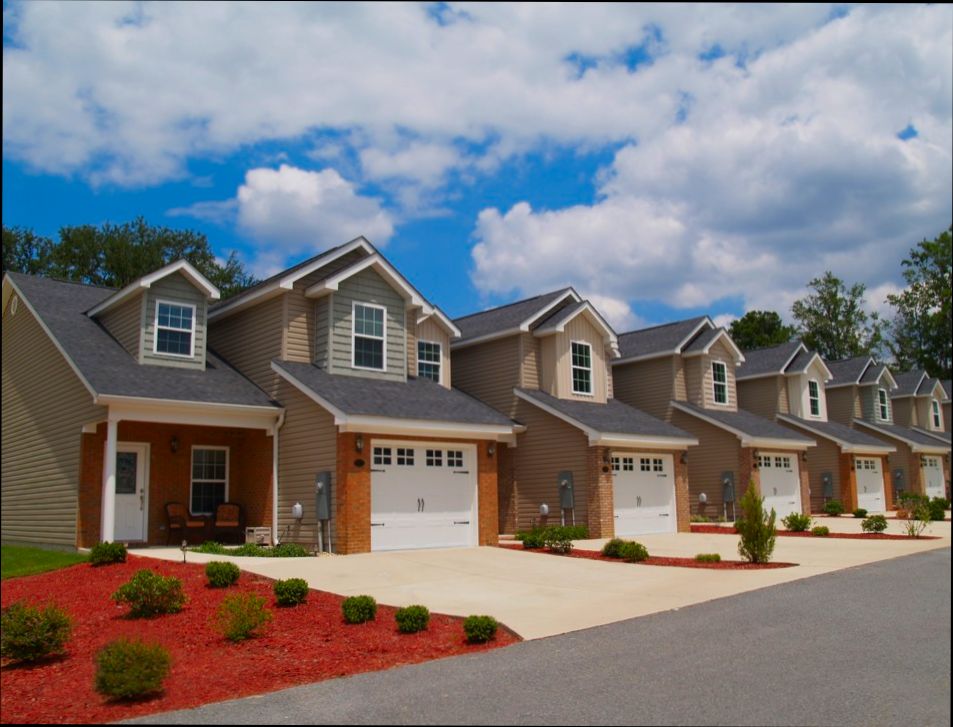
Maintenance Responsibilities for Condo Residents
Living in a condominium means sharing a space with your neighbors, and this brings unique maintenance responsibilities that you need to be aware of. In many cases, your maintenance duties will vary based on the rules set forth by the condominium association, but a clear understanding of these responsibilities can greatly enhance your living experience.
Your Individual Responsibilities
As a condo resident, you typically share common areas but are responsible for certain components of your unit. Here are the most common upkeep tasks you’ll need to take care of:
- Interior Maintenance: Residents usually handle repairs and upkeep within their units, including plumbing issues, flooring replacements, and appliance repairs.
- Balcony Care: If your unit has a balcony, you may be responsible for cleaning and maintaining it, ensuring there are no hazards or debris.
- HVAC Systems: Most condos require residents to maintain their own heating, ventilation, and air conditioning systems. Regular filter changes and servicing can prevent larger issues.
- Damage Reporting: Residents must promptly report any damages in common areas to the property management to prevent worsening conditions.
Common Area Maintenance: Know Your Share
While owners handle individual unit upkeep, common areas have specific maintenance responsibilities usually overseen by the condominium association. However, you should be aware of what you are responsible for as a community member:
- Contributing to a Repair Fund: Most condos have reserves specifically for repairs and maintenance of common areas. You might pay monthly or quarterly assessments that contribute to this fund.
- Participating in Community Maintenance Days: Many condo communities organize days where residents can volunteer to perform landscaping or cleaning tasks in shared spaces.
- Understanding Voting Rights: You’ll have a role in voting on maintenance projects that involve spending from the reserve fund, impacting the community.
Comparative Overview of Responsibilities
| Responsibility Type | Owner’s Responsibility | Condo Association’s Responsibility |
|---|---|---|
| Interior Unit Maintenance | Yes (plumbing, appliance care) | No |
| Balcony Usage and Care | Yes | No |
| HVAC System Maintenance | Yes | No |
| Common Area Repairs | Limited (financial contribution) | Yes |
Real-World Examples
Let’s explore how different communities deal with condo maintenance responsibilities:
- Skyline Terraces in New York, NY: Residents actively participate in quarterly neighborhood meetings to discuss shared maintenance projects, ensuring they stay informed and involved.
- Green Lake Condominiums in Seattle, WA: This community features an annual maintenance day where residents volunteer to tend to shared gardens and outdoor spaces, promoting camaraderie while keeping the area beautiful.
Practical Implications for Residents
Understanding your maintenance responsibilities as a condo resident can save you time, money, and stress. Here are some key practical tips:
- Read Your Association Rules: Familiarize yourself with the specific regulations concerning maintenance in your condo documents. These can define your responsibilities and help you avoid any misunderstandings.
- Keep Detailed Records: Document all maintenance tasks you perform, including maintenance requests and repairs, to keep track of your responsibilities and any improvements in your unit.
Specific facts you need to know:
- Regular inspections of your unit can prevent larger issues that may arise from neglect, saving significant repair costs.
- Connect with your neighbors about maintenance issues, sharing resources or professionals for repairs can create a more cooperative living environment.

Social and Lifestyle Advantages of Condo Living
Condominium living offers a vibrant lifestyle that merges convenience, community, and modern amenities. If you’re considering a condo, you’ll discover a range of social benefits that can enhance your daily living experience and create opportunities to connect with others.
Enhanced Community Engagement
Joining a condo community means you’re automatically part of a lively neighborhood. Living among a diverse group of residents fosters social connections and networking. Many residents share common interests, facilitating friendships. Statistics indicate that about 65% of condo dwellers report feeling a sense of belonging in their community, which can translate into a more fulfilling lifestyle.
- Shared Interest Groups: Many condos establish groups or clubs based on hobbies such as gardening, fitness, or book clubs, allowing you to engage with neighbors regularly.
- Organized Events: Residents often organize community events ranging from holiday celebrations to fitness classes, promoting camaraderie and interaction.
Convenient Access to Amenities
Condo living typically comes with a plethora of shared amenities that enhance your lifestyle. From fitness centers to swimming pools and common lounge areas, these facilities can significantly improve your daily routine.
| Amenities | Benefit Description |
|---|---|
| Fitness Center | Save time and money with on-site gym access. |
| Rooftop Lounge | A relaxing space to socialize and enjoy the views. |
| Swimming Pool | Perfect for leisure, exercise, and community gatherings. |
| Co-working Spaces | Ideal for remote workers looking for a productive atmosphere. |
Proximity to Urban Centers
Condos are often strategically located near vibrant urban areas. This location advantage allows easy access to restaurants, shops, parks, and cultural attractions, creating an active lifestyle without the burden of long commutes.
- Walking Score: Many condos boast high walkability scores, indicating you can easily access amenities and entertainment without using a car, promoting a sustainable lifestyle.
- Public Transport Access: Living close to public transportation options can further encourage social mobility and eliminate the hassle of parking.
Safety and Security Features
Many condominium communities emphasize safety with features that enhance residents’ peace of mind, such as gated entrances, surveillance cameras, and secure access systems. Feeling safe in your home can significantly affect your overall happiness and lifestyle.
- On-Site Management: Having management available can foster a more secure environment, allowing residents to enjoy their lives without worry.
- Community Watch Programs: Engaging in safety programs helps build a stronger, more vigilant community.
Real-world Example for Engagement and Amenities
Consider a vibrant condo community like Skyline Terraces in New York, which not only provides luxury amenities such as a fitness center and 24-hour concierge services but also organizes weekly social events for residents. Such initiatives encourage a close-knit community atmosphere, where neighbors quickly become friends.
Practical Insights for Social Engagement
If you’re moving to a condo, consider joining or initiating community activities. Attend the regular meetings or social events to meet your neighbors. Engaging in activities within your community can drastically enhance your living experience.
- Initiate a Book Club: Reach out to neighbors and start a book club; it’s a simple way to foster communication and connection.
- Join Fitness Classes: Participate in or suggest exercise groups, making exercise a fun and social activity.
Incorporating these practices into your condo living experience can greatly enhance your social interactions and lifestyle satisfaction. Embracing these community features and amenities can lead to a vibrant and fulfilling living environment in your new home.