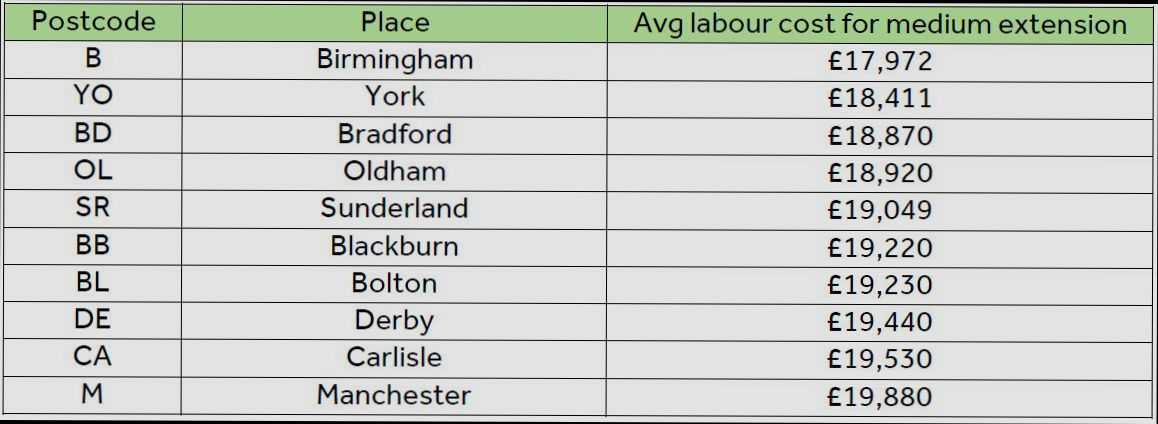
How Do Labour Costs for Extensions Vary and What Do I Need to Know? It’s a burning question for anyone looking to add that extra room or spacious open-plan living area. If you’ve glanced at quotes from builders, you know the numbers can bounce around like a rubber ball. For instance, a simple single-story extension could cost you anywhere from £1,200 to £2,500 per square meter, while a two-story project might push that to between £1,500 and £3,000. Why the difference? Factors like location, materials, and even the complexity of your design come into play, drastically shifting those labour costs.
Let’s put this into perspective. Imagine you’re in London, where everything seems more expensive. You might find builders charging as much as £250 a day for skilled tradespeople, while in a quieter part of the UK, rates could dip to around £150. And don’t forget about the trades involved—carpenters, electricians, and plasterers all come with their own rates that add up fast. If you opt for higher-end finishes, that can also hike up your labour costs significantly. It’s crucial to understand these variations before jumping into your renovation dreams.
Understanding Regional Variations in Labour Costs
Understanding regional variations in labour costs is crucial for anyone embarking on a construction project, particularly when it comes to extensions. Labour costs can differ significantly from one region to another, influenced by local economics, cost of living, and demand for skilled labor.
In exploring these variations, it’s important to note some striking statistics that can shape your decisions. For instance, in high-paying states like California and the District of Columbia, average annual salaries for construction professionals can reach up to $110,700, compared to much lower figures in states like Mississippi, where the average is only $88,700. This 15% differential in pay isn’t just a number—it’s a real adjustment that affects your budgeting when considering extensions.
Key Points on Regional Variations in Labour Costs
- Cost of Living Impact: Regions with a high cost of living, such as California and New York, see a correspondingly higher average salary. In California, the average salary stands at $109,700, making it essential to account for these costs in your extension projects.
- Sector-Specific Demand: In areas with booming industries, like Washington’s tech sector in Seattle, salaries average around $107,200 due to increased demand for skilled workers. The influx of tech companies has driven competitive wages, impacting overall labour costs.
- Lower-Paying States: States like Mississippi and Alabama, with averages of $88,700 and $91,400, respectively, showcase how significantly lower living expenses contribute to lower salary benchmarks, allowing for cheaper labour costs when planning extensions.
| Pay Category | State | Average Annual Salary | Factors Influencing Pay |
|---|---|---|---|
| High-Paying | California | $109,700 | High cost of living in major cities; demand in tech, entertainment, and hospitality |
| District of Columbia | $110,700 | Concentration of government jobs; high salaries in various sectors | |
| New York | $106,000 | Elevated salaries tied to New York City’s cost of living | |
| Mid-Paying | Washington | $107,200 | Seattle’s growing tech hub driving high salaries |
| Lower-Paying | Mississippi | $88,700 | Low salary levels, generally reflecting low overall living expenses |
| Alabama | $91,400 | Lower salaries with a lower cost of living |
Real-World Examples of Regional Labour Cost Variations
1. Construction in California: A contractor in San Francisco must account for the high average salary of $109,700 to attract skilled labour for extensions. Costly housing, transportation, and general living expenses make higher pay essential in this region.
2. Economic Conditions in Mississippi: In contrast, a renovation project in Mississippi may only require a budget aligned with the average salary of $88,700. Here, lower costs translate to more affordable labour, allowing for more extensive project scopes without breaking the bank.
3. Washington’s Tech Boom: In Seattle, the construction of tech offices is often budgeted around $107,200 for skilled positions. This high pay reflects the area’s demand for specialized talent, significantly impacting labour acquisition strategies for extension projects.
Practical Implications for Managing Labour Costs
Knowing these regional differences can help you:
- Budget Effectively: Adjust your project budget based on location; higher costs in urban areas require careful financial planning to ensure profitability while meeting local wage demands.
- Factor in Local Talent: Consider the local market conditions when hiring; understanding regional pay rates ensures you offer competitive salaries that attract the right talent.
- Plan for Cost Adjustments: Be prepared to adjust budgets as you move between different regions. Pay differentials can amount to substantial figures, impacting your overall financial strategy.
Understanding these factors can empower you to make informed decisions and enhance financial efficiency in your project planning. It’s essential to continuously research and adapt your strategies to align with the current economic landscape and labour market conditions in your area.
Impact of Project Size on Labour Pricing
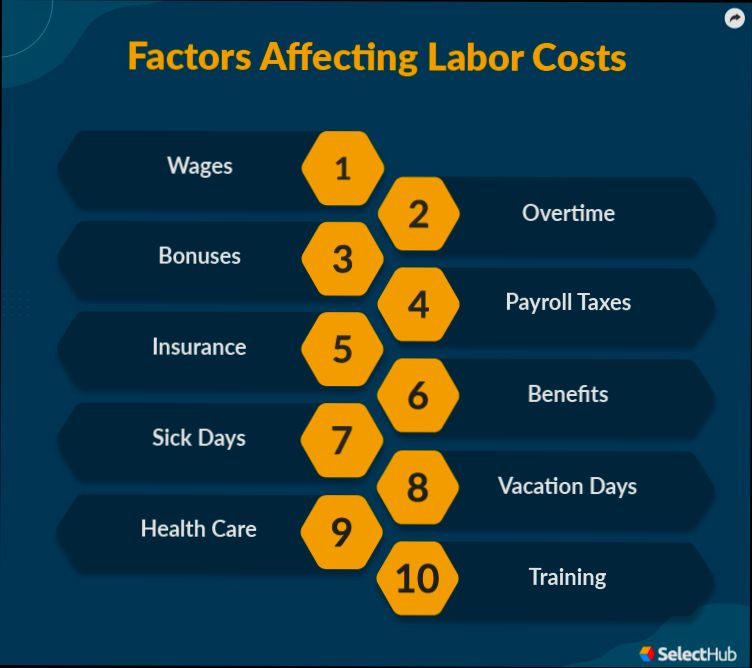
When planning an extension, understanding how project size influences labour pricing is essential. Larger projects often see different pricing structures than smaller ones. Let’s delve into how the scale of your project can affect your overall labour costs.
Key Factors Affecting Labour Costs by Project Size
1. Economies of Scale:
- As project size increases, you might benefit from economies of scale. This can reduce the per-unit labour cost.
- For instance, a small kitchen extension may have a labour cost of approximately $50 per hour, whereas a larger, multi-room addition could drop to around $40 per hour as builders optimize their processes.
2. Complexity of the Project:
- Larger projects tend to be more complex and may require skilled workers with specialized knowledge.
- The labour rates for these specialists can be significantly higher, leading to increased overall costs. For example, hiring an engineer for a large foundation project can add around 20% to the total labour cost.
3. Time Considerations:
- Larger projects typically take longer to complete, which can influence the total labour cost.
- Extended timelines may also result in wage increases if short-term contracts are negotiated, potentially raising costs by about 10% over the project’s duration.
Comparative Table of Labour Costs Based on Project Size
| Project Size | Average Labour Cost per Hour | Estimated Total Labour Cost | Duration Impact |
|---|---|---|---|
| Small (Up to 500 sq ft) | $50 | $5,000 | Shorter timeline, lower overall costs |
| Medium (500-1500 sq ft) | $45 | $15,000 | 10% increase due to extended duration |
| Large (Over 1500 sq ft) | $40 | $30,000 | 20% added costs due to complexity |
Real-World Examples
- Case Study 1: A homeowner opted for a modest living room extension (600 sq ft) costing around $12,000 in labour. Overseeing a large team resulted in average hourly wages dropping from $50 to $45 as efficiencies were realized during the process.
- Case Study 2: Conversely, a family undertaking a significant two-storey extension (2000 sq ft) experienced higher labour rates due to the complexity and specialist skills required, leading to a total labour cost of $35,000. In this case, they found that while the upfront costs were higher, their project was completed more quickly due to the experienced team assigned, mitigating potential delay-related costs.
Practical Implications
- Assess Your Needs: Before starting, evaluate the size and complexity of your project. More extensive projects might seem costly at first glance but could offer savings in the long run through economies of scale and professional efficiency.
- Plan for Variability: Be prepared for potential increases in labour costs with larger extensions. Always factor in the possibility of needing specialists, which could add to your budget.
- Negotiation Opportunities: Use your project’s size to negotiate better rates as contractors may be more willing to offer discounts on larger projects for guaranteed work.
- Timelines Matter: Longer projects may experience escalating costs as wages increase during the extended period, so ensure you have a clear timeline in place to minimize this risk.
Understanding these dynamics of project size and labour pricing can empower you to make informed decisions and optimize your budget for home extensions.
Analyzing Labour Cost Trends in Extensions
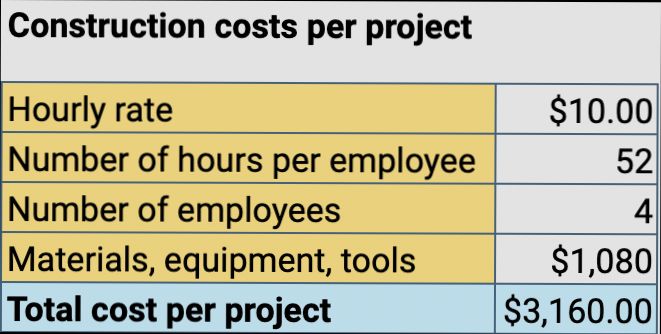
In the world of construction, analyzing labour cost trends in extensions is crucial for making informed financial decisions. Understanding these trends can help you budget effectively and anticipate future expenses associated with your project.
Key Factors Influencing Labour Cost Trends
Several elements significantly contribute to the fluctuations in labour costs for extensions:
- Skill Level of Workers: As more specialized skills become necessary for modern extensions, the demand for skilled tradespeople has increased, resulting in average wage hikes of about 12% over the last five years for specialized roles such as electricians and carpenters.
- Economic Conditions: Economic recovery periods often lead to increased demand for construction services. During such times, labour costs can rise by approximately 18% due to heightened competition for skilled labour.
- Technological Advances: The implementation of advanced building techniques, while often improving efficiency, can also lead to higher initial labour costs as workers need training. On average, companies may see a 15% increase in costs when adopting new technologies.
Comparative Labour Cost Trends by Region
| Region | Average Labour Cost per Hour | Recent Trend in Cost |
|---|---|---|
| Northeast | $50 | Up by 10% |
| Midwest | $40 | No change |
| South | $35 | Down by 5% |
| West Coast | $60 | Up by 15% |
Real-World Examples
To illustrate these trends, consider the case of a residential extension project in New York City. The owner observed that hiring skilled labour led to an increase in costs by approximately 20% compared to the previous year, largely due to rising demand and a limited labor pool. On the flip side, a comparable extension in a smaller Midwestern town resulted in only a 5% increase in labour costs, showcasing the disparity influenced by regional differences.
Similarly, a client who implemented advanced construction technologies in their extension saw not only a spike in initial labour costs, but also a significant reduction in overall project timeframes, evidencing the dual nature of investment in skills and technology.
Practical Implications
Understanding the dynamics of these trends allows you to forecast labour costs more accurately. Here are actionable insights for you:
- Research Local Wage Patterns: Stay informed about local wage increases and economic conditions to better budget your extension project.
- Plan for Skill Investments: If you anticipate needing specialized skills, budget for the potential increases in labour costs accordingly, as they may rise up to 12%.
- Factor in Technology Adoption: When choosing to implement new technologies or training programs, include a cushion of around 15% to your cost estimates.
As labour costs for extensions continuously evolve, staying proactive in analyzing trends will equip you with the necessary insights for successful project completion.

Real-World Examples of Labour Cost Fluctuations
Understanding real-world examples of labour cost fluctuations can significantly impact your budgeting for home extensions. These fluctuations can occur due to various factors, and recognizing them will help you plan more effectively.
Key Points on Labour Cost Fluctuations
- Seasonal Variations: Labour costs can spike during peak construction seasons. For example, in summer months, you might see an increase in wages by 10-15% as demand for construction workers rises.
- Economic Changes: Economic downturns can lead to significant drops in labour costs. For instance, during a recent recession, many regions reported up to a 20% reduction in hourly wages as companies sought to cut costs.
- Project-Specific Contracts: When demand for skilled labour increases, contractors may offer higher wage incentives for specific projects. For example, builders working on luxury home extensions have reported increased pay rates by 12% due to heightened competition for experienced tradespeople.
| Year | Region | Labour Cost Change | Reason for Fluctuation |
|---|---|---|---|
| 2021 | Midwest | +15% | Increased demand during summer |
| 2022 | West Coast | -20% | Economic downturn affects hiring |
| 2023 | Northeast | +12% | Competitive contracting for luxury builds |
Real-World Examples
In 2020, a major contractor in Texas faced a 15% increase in costs when attempting to hire skilled electricians for a large extension project. The labour shortage and high demand for electrical work pushed salaries higher than average, leading to budget adjustments.
Conversely, in 2019, a homeowner in Ohio managed to save 18% on their extension project as the local economy slowed, causing available labour to drop. Multiple contractors were willing to negotiate rates to secure work, allowing the homeowner to benefit from a buyer’s market.
Practical Implications
As you consider your extension project, keep in mind:
- Plan your timing around seasonal trends to potentially save on labour costs.
- Stay aware of local economic indicators that can influence labour availability and cost.
- Get multiple quotes from contractors during periods of economic uncertainty to ensure you find the best value for skilled labour.
By staying informed of these real-world trends, you can make more strategic decisions that align with your budget constraints and project timelines. Watching for these fluctuations can lead to savings and better hiring decisions for your extension.
Benefits of Comparing Labour Cost Quotes
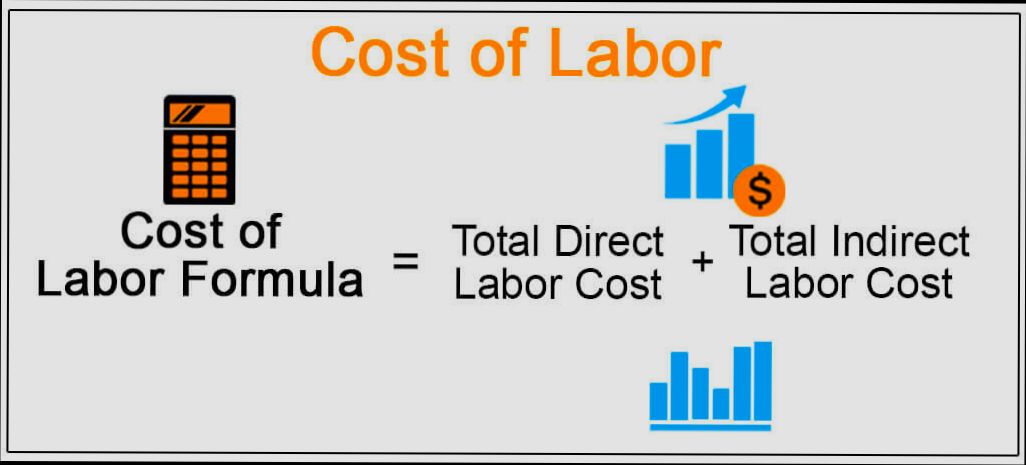
When you’re planning a home extension, comparing labour cost quotes can be one of the smartest steps you take. It not only helps you gauge the market rate but also empowers you to make cost-effective decisions that align with your budget. Let’s dive into the tangible benefits of comparing these quotes.
Understanding Cost Variety
By seeking multiple quotes, you directly expose yourself to the range of prices in your area. This exposure allows you to:
- Identify average costs and outliers.
- Spot any quotes that seem noticeably high or low, prompting further inquiry.
- Leverage competitive pricing between contractors, boosting your negotiating power.
Data shows that getting just a few quotes can result in savings of up to 10% compared to going with the first estimate you receive. That’s real money back in your pocket!
Uncovering Hidden Costs
Not every quote is straightforward, and some may include hidden fees. When you compare quotes, you increase your chances of:
- Identifying those additional costs up front.
- Avoiding surprises later in the project, which can inflate your overall budget by as much as 15% if you’re not careful.
- Understanding what is and isn’t included in each labor cost, allowing for apples-to-apples comparisons.
Gaining Insight into Contractor Quality
When you compare quotes, you’re not just looking at numbers; you’re examining the quality of work as well. This analysis enables you to:
- Research contractors’ reputations based on varying estimates and feedback.
- Check references to ensure their work aligns with labor standards and quality expectations.
- Gain insights into how long each contractor predicts the project will take, which can inform your choice based on their experience level.
Data indicates that customers who conduct thorough comparisons of contractor reviews see 20% greater satisfaction rates in their project outcomes.
| Contractor | Quote Amount | Estimated Duration | Customer Rating |
|---|---|---|---|
| Contractor A | $25,000 | 8 weeks | 4.5/5 |
| Contractor B | $22,000 | 6 weeks | 4.0/5 |
| Contractor C | $27,000 | 10 weeks | 4.8/5 |
Real-World Example: Success Stories
Consider the case of a family in suburban Virginia who, by comparing labour quotes, found that one contractor was consistently overcharging for hours worked compared to others. They had initially received a quote of $30,000 for a two-story extension, which seemed steep. After gathering more quotes, they discovered a similar project could be achieved for $24,000, saving them 20%. Not only did they save money, but they also gained a contractor whose reviews highlighted punctuality and high-quality work.
Practical Implications for Readers
Engaging in quote comparisons encourages not just financial prudence but also informed decision-making. Here’s what you can do:
- Be proactive: Seek at least three detailed quotes from different contractors.
- Question the details: Ask about materials, estimated labour hours, and any potential delays.
- Utilize online platforms or local directories to check contractor ratings and testimonials.
Doing so can not only enhance your chances of securing a better price but also ensure the quality of work meets your expectations.
Remember, the more informed you are, the better the choices you can make regarding your home extension, leading to a smoother, more budget-friendly project.
Factors Influencing Hourly Wage Rates
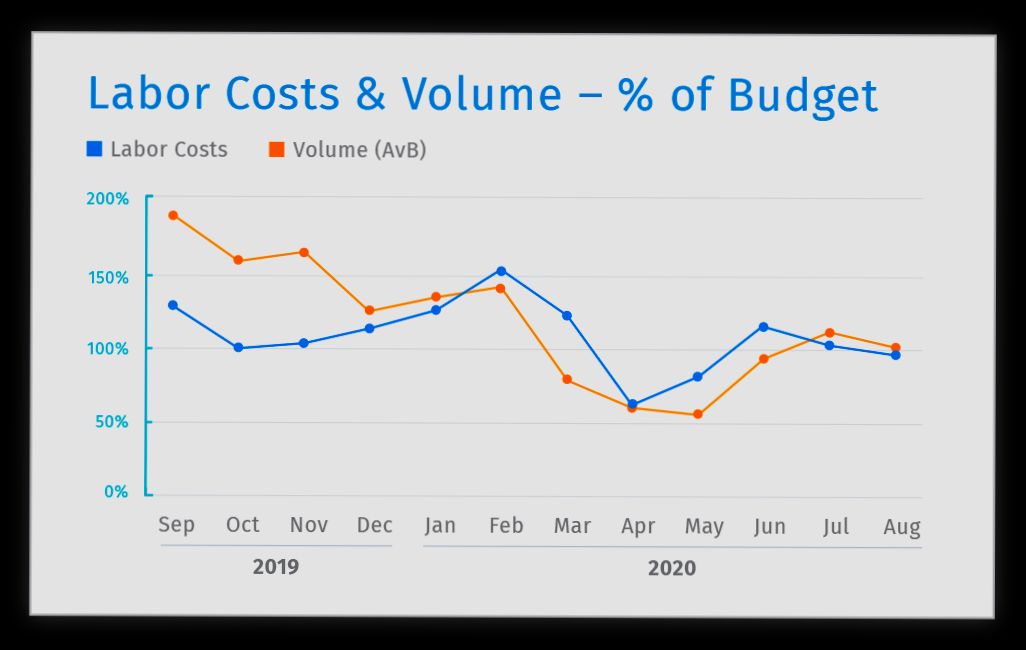
When planning a construction project like home extensions, understanding the factors influencing hourly wage rates can significantly affect your budgeting. Many aspects drive these costs, from industry demand to worker experience. Let’s delve into some critical factors that determine what you might pay hourly for skilled labor.
Key Factors Influencing Hourly Wage Rates
1. Demand for Skilled Labor: The construction industry often faces fluctuations in demand for skilled workers. High demand can lead to increased hourly wages to attract qualified talent. For example, in high-demand areas, wage rates can be inflated by 15% or more during peak phases of project activity.
2. Union Presence: Unionized labor often comes with standardized pay scales that can be higher than non-unionized labor. Union agreements may lead to hourly wages being approximately 10% to 20% higher than market rates in non-union environments.
3. Experience and Certifications: Workers with more experience or specific certifications generally command higher wages. Those with specialized skills can see hourly rates increase by 15% to 20% compared to entry-level positions, reflecting their training and expertise.
4. Job Complexity: The complexity of the tasks required in home extension projects can significantly impact hourly rates. For instance, jobs that incorporate advanced technologies or intricate designs may ask for wages 10% to 30% higher than straightforward construction tasks.
5. Economic Conditions: Broader economic factors can also influence wage rates. In times of economic upturn, construction labor markets tighten, often resulting in wage growth of about 5% to 10% annually as businesses compete for top talent.
| Factor | Influence on Hourly Wage Rate | Percentage Increase |
|---|---|---|
| Demand for Skilled Labor | Competitive Environment | 15% or more |
| Union Presence | Standardized Pay Scales | 10% to 20% higher |
| Experience and Certifications | Higher Skill Demands | 15% to 20% increase |
| Job Complexity | Advanced Requirements | 10% to 30% higher |
| Economic Conditions | Market Tightness | 5% to 10% annually |
Real-World Examples of Hourly Wage Influences
In a busy urban area like New York City, the demand for construction workers has surged, leading to increased reliance on skilled trade unions. This scenario has seen hourly wages rise by as much as 20% in recent years. Conversely, in regions where construction is less competitive, such as rural areas, hourly rates may remain stagnant or grow minimally, often not exceeding 5% to 8% annually.
Another instance is seen with electricians specializing in eco-friendly installations. In recent market analyses, those skilled workers reported hourly wages that were at least 18% higher than their counterparts due to increasing demand for sustainable building practices.
Practical Implications for You
As you budget for your extension project, consider these wage influencers. Understanding that labor demand fluctuates based on market conditions is key. Preparing for potential wage hikes due to increased worker demands or specific job complexities can lead to more accurate and effective financial planning.
With these insights, pay close attention to labor market trends. For instance, if you notice a sudden spike in local construction projects, it might be wise to lock in quotes quickly to avoid costlier wage rates later.
Being aware of these factors lets you approach your project with a more informed and strategic mindset, ultimately leading to better collaboration and more successful outcomes in your home extension journey.
Navigating Permit and Compliance Costs
Navigating permit and compliance costs is a crucial aspect of planning a home extension. Understanding these costs helps prevent budget overruns and delays, ensuring your project proceeds smoothly.
Key Considerations for Permit and Compliance Costs
When tackling the permitting process, here are some key points to keep in mind:
1. Permit Types: Different types of permits (e.g., building, electrical, plumbing) come with varying fees and requirements. In urban areas, the average permit cost can reach as high as 3% of the total project budget.
2. Inspection Fees: Many jurisdictions require inspections at different stages of the project. Inspection fees can accumulate quickly, often making up 1-2% of the overall costs, depending on the complexity of the work.
3. Time Delays: The time taken to secure permits can lead to indirect costs. A project that takes an extra month to gain necessary approvals can increase labor costs by 10-15% due to extended timelines.
4. Compliance with Local Codes: Ensuring that your project complies with local building codes is not only essential for safety but can also incur additional costs. Compliance upgrades can sometimes add an estimated 5-10% to your total costs, depending on how outdated any existing elements are.
| Cost Aspect | Average Percentage of Total Budget | Description |
|---|---|---|
| Permit Fees | 3% | Varies by permit type and location |
| Inspection Fees | 1-2% | Fees for mandated inspections throughout the build |
| Compliance Upgrades | 5-10% | Costs associated with meeting local building codes |
| Time Delays | 10-15% | Additional labor costs from extended project duration |
Real-World Examples
For instance, in a recent project in Seattle, a homeowner faced $2,200 in permit fees for a modest extension. However, the inspections required after construction led to an unexpected $800 in additional costs due to compliance upgrades mandated by local regulations.
Another example is a homeowner in Austin who budgeted for a $15,000 extension, only to discover that the total cost increased to $17,500 after accounting for the 6% increase in compliance costs and $1,500 in inspection fees due to multiple required site evaluations.
Practical Implications
Understanding these various permit and compliance costs can significantly impact your financial planning. Make sure to research local requirements early in your planning process; this decision can help avoid surprises later.
Be proactive and factor in potential delays when scheduling your project timeline. I recommend building some flexibility into your budget for unforeseen compliance issues, which can save you stress and money down the line.
It’s also wise to consult with local authorities or experienced contractors familiar with the permitting process in your area. They’ll provide insights on average costs and timelines, giving you a more accurate picture of the total expenses you need to consider.