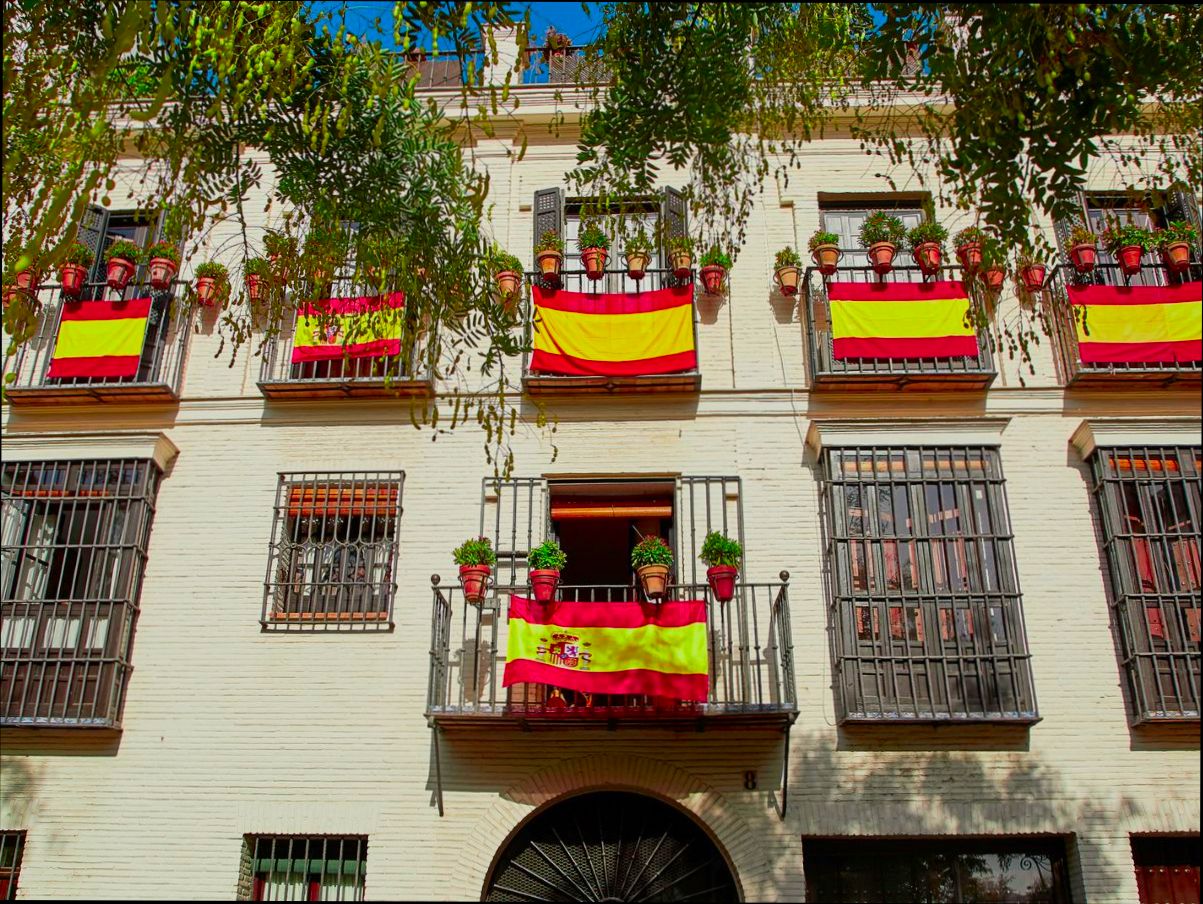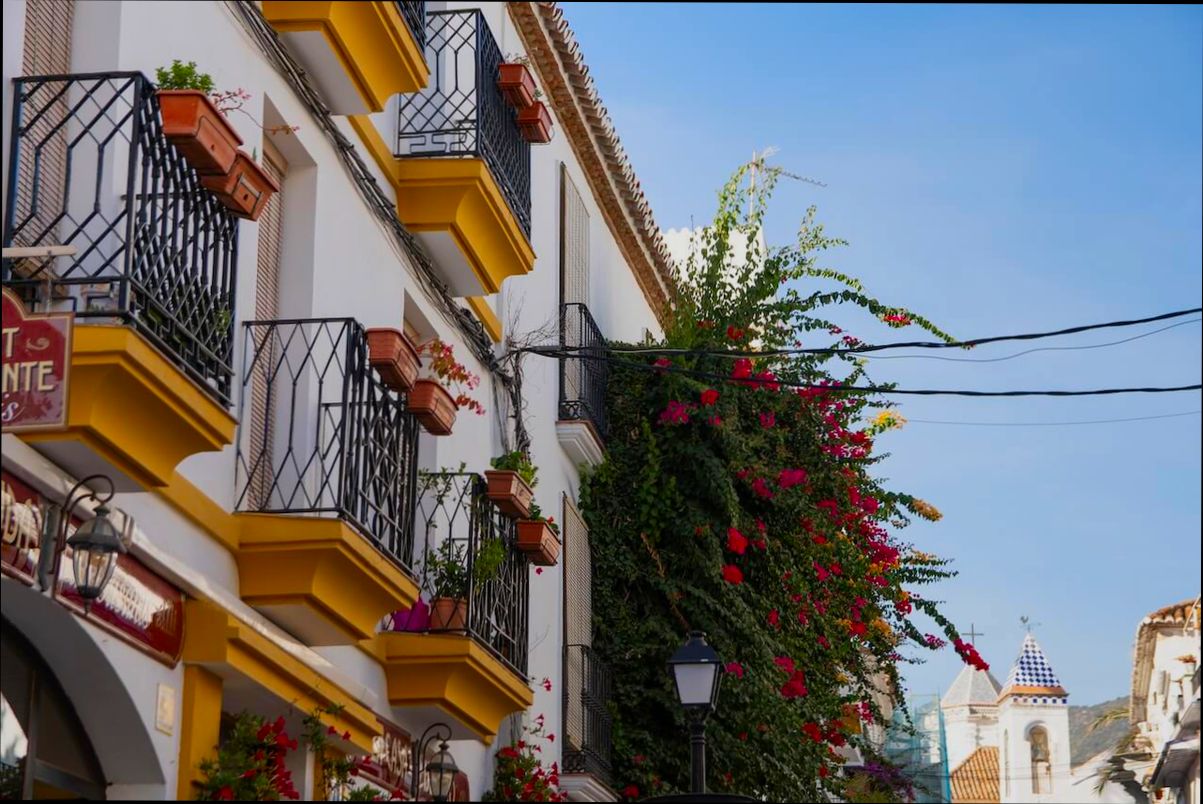
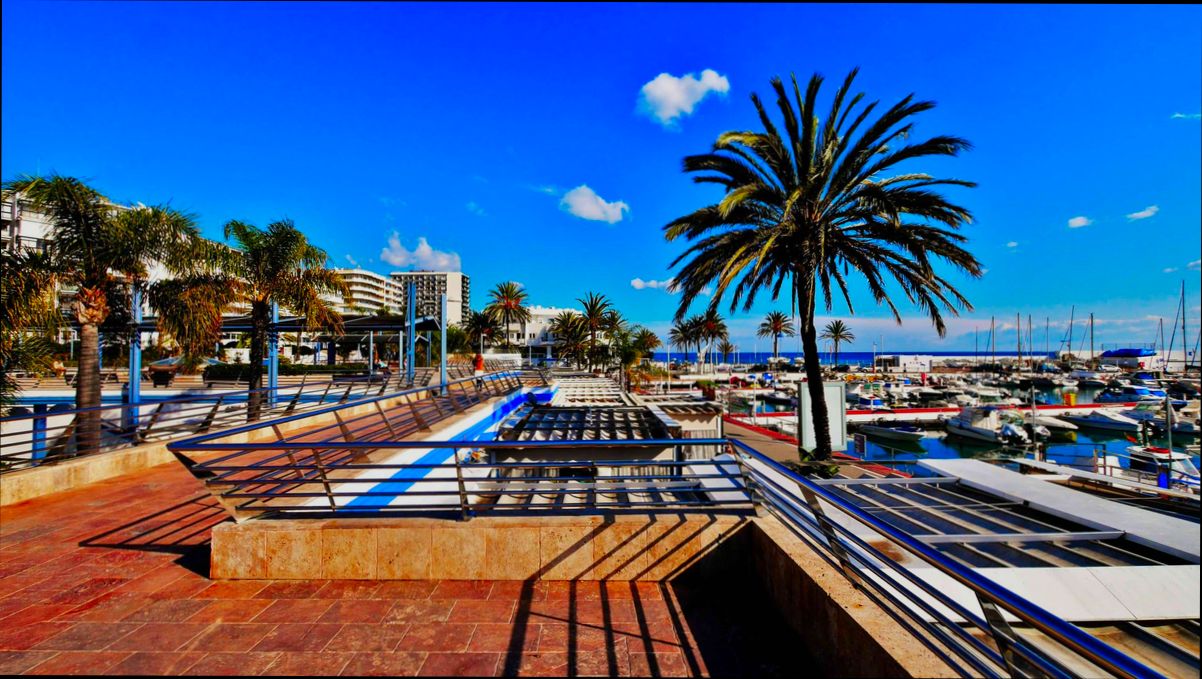
Pros and Cons of Living in Marbella paint a vivid picture of life in this sun-kissed haven on Spain’s Costa del Sol. On one hand, you’ve got stunning beaches and a warm climate that flaunts over 300 days of sunshine a year. Imagine waking up to balmy breezes and spending weekends sunbathing on La Fontanilla beach or exploring the vibrant marina filled with luxury yachts and seafood restaurants. And let’s not forget the glamorous lifestyle; Marbella is home to some of the world’s finest golf courses, like Los Naranjos, and a bustling nightlife that seamlessly blends high-end bars and lively beach clubs.
But it’s not all beach parties and endless sunshine—there are some drawbacks to consider. For instance, the cost of living can be pretty steep, with average rents hovering around €1,200 for a decent two-bedroom apartment. If you’re driving around, prepare for some congestion, especially during the tourist season when the roads can feel more like a parking lot. Plus, while the local culture is vibrant, it’s also heavily influenced by international residents, which can sometimes make you feel a bit like an outsider. Balancing the highs and lows of living in Marbella makes for an interesting experience, whether you’re sipping sangria by the beach or navigating the challenges of everyday life.
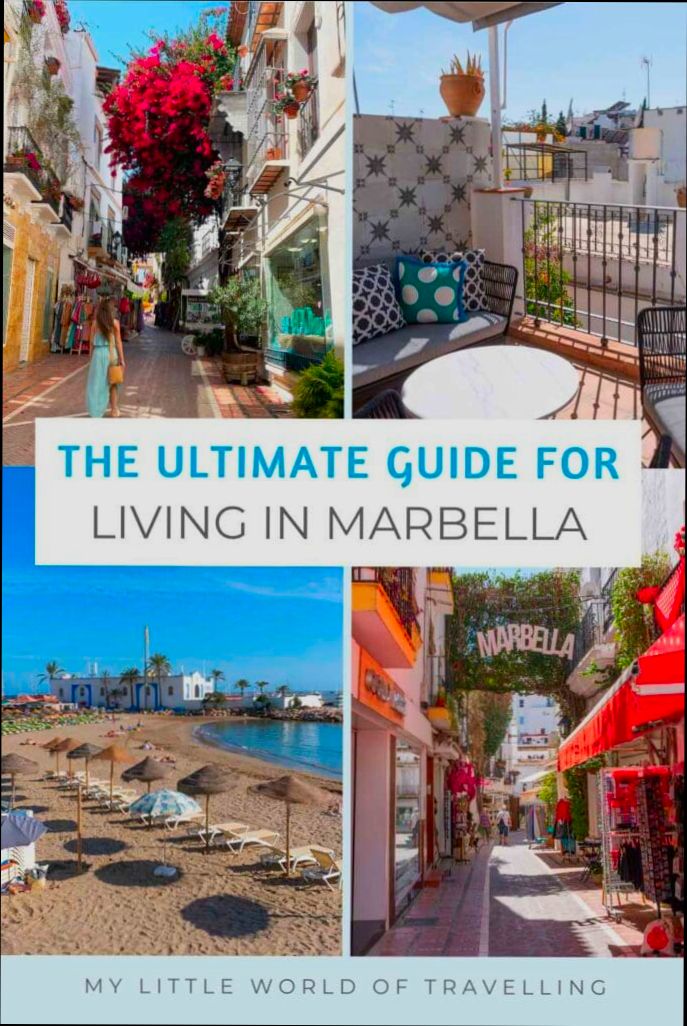
Cost of Living Insights in Marbella
When considering a move to Marbella, understanding the cost of living is crucial. This charming coastal city is known for its luxurious lifestyle, but it also comes with a price tag that varies significantly based on what you choose to prioritize. Here, I’ll dive into some specific insights about how much living in Marbella might cost you.
Housing Costs
Housing is often the largest expense you’ll encounter. Here are some key figures to keep in mind:
- The average rent for a one-bedroom apartment in the city center is around €1,200 per month.
- If you opt for a similar apartment outside the city center, you might spend about €900 monthly.
- Purchasing property in Marbella can be pricey, with prices per square meter hitting around €3,400 on average.
Daily Expenses
Living in Marbella also means considering daily expenses, which can add up quickly. Here are some average costs:
- A meal at a mid-range restaurant typically costs about €25 per person.
- For groceries, expect to pay approximately €60 weekly for a single person. Staples such as bread and milk, are comparably priced to other parts of Europe.
- Public transportation is quite affordable, with a monthly pass costing roughly €40.
Cost Comparison Table
| Expense Category | City Center (€) | Outside City Center (€) |
|---|---|---|
| Rent (1-bedroom) | 1,200 | 900 |
| Meal at a Mid-range | 25 | N/A |
| Groceries (weekly) | 60 | N/A |
| Public Transport (monthly) | 40 | 40 |
| Utilities (monthly) | 150 | 150 |
Real-World Examples
Let’s look at a couple of scenarios for clarity.
1. Sarah’s Experience: Sarah moved to Marbella from Dublin. She found a lovely one-bedroom apartment by the beach for €1,400 per month. While her rent was higher than she anticipated, she noted that dining out was relatively affordable, and her monthly grocery budget remained around €200.
2. John’s Budgeting: John, who lives outside the city center, pays about €850 for his apartment. He appreciates the reduced rent but has also found that he has to budget more for transportation to the city center for work, spending nearly €150 monthly.
Practical Implications
When planning your budget, it’s vital to include not just rent, but also variable costs like dining out, groceries, and leisure activities—all of which can vary based on personal lifestyle choices. To manage costs effectively, consider these strategies:
- Rental Negotiation: Don’t hesitate to discuss pricing with landlords; some may offer discounts for longer leases.
- Explore Local Markets: Shopping at local markets rather than supermarkets can save you money on fresh produce and staple goods.
Actionable Insights
- To find the best rental deals, start your search at least three months in advance.
- Always compare the costs of living in various neighborhoods to find the balance between affordability and lifestyle.
- Assess your transportation needs early on—living slightly further out may save you on rent, but will impact your daily commute expenses.
Knowing these insights specifically about the cost of living in Marbella will aid your decision-making and help you plan a sustainable lifestyle in this beautiful coastal paradise.
Real Estate Opportunities and Challenges
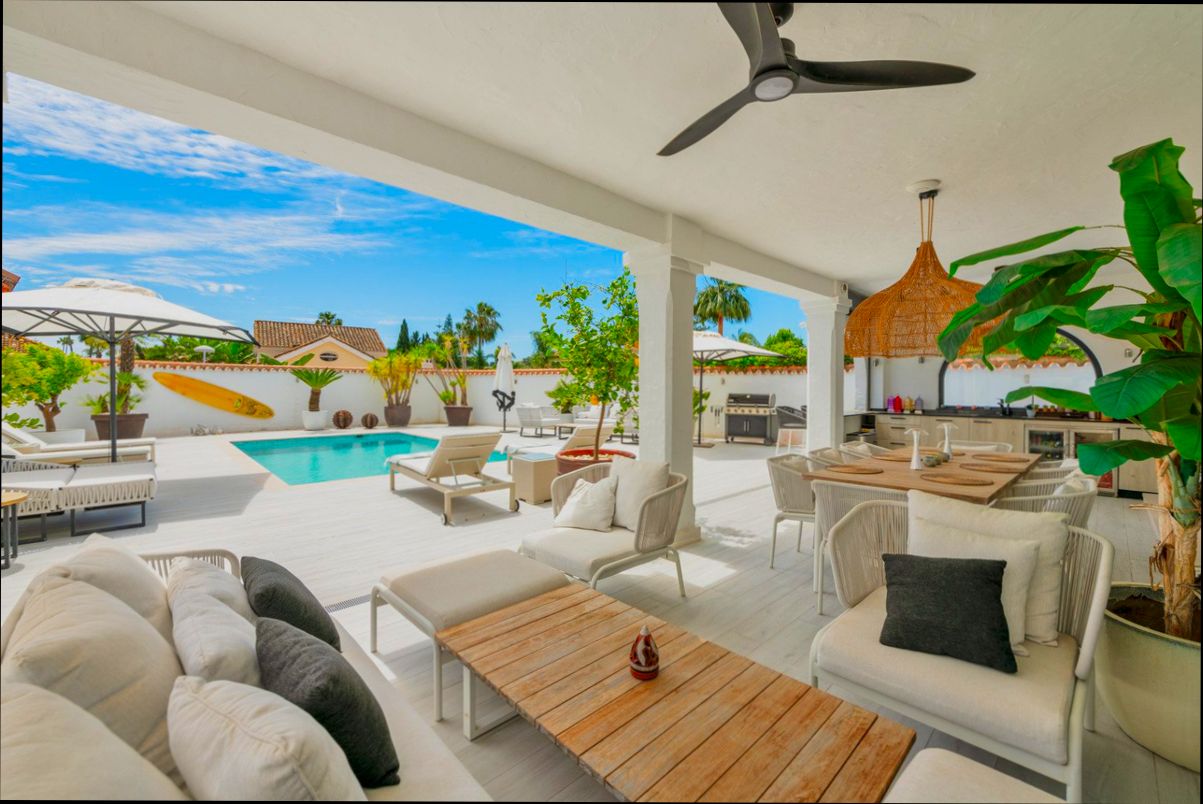
When it comes to living in Marbella, the real estate market offers a mixed bag of opportunities and challenges. Understanding these factors can help you navigate your housing decisions more effectively.
Key Opportunities in Marbella’s Real Estate Market
1. Appreciation Potential: Property prices in Marbella have demonstrated robust growth, with an average price increase of 8% annually over the last five years. This trend indicates strong investment potential, particularly for those looking to buy and hold.
2. High Demand for Rentals: The rental market remains competitive due to a steady influx of expats and tourists. In fact, holiday rentals can generate annual returns of approximately 10%, making it a lucrative option for investors seeking passive income.
3. Luxury Market Boom: Marbella is renowned for its luxury real estate offerings, with new developments catering to affluent buyers. Homes in exclusive areas like the Golden Mile are selling for upwards of €2 million, driving interest from foreign investors, particularly from the UK and Scandinavia.
Key Challenges in Marbella’s Real Estate Market
1. Market Saturation: The influx of new developments has led to a saturated market in some segments. You need to carefully research neighborhoods, as some areas, like Nueva Andalucía, have seen an oversupply of properties that could affect price stability.
2. Economic Instability: External factors, such as economic downturns in Europe, can influence buyer confidence and demand in Marbella’s market. For example, the market faced a slowdown during the COVID-19 pandemic, highlighting the vulnerability of luxury real estate markets.
3. Regulatory Hurdles: Foreign investors often face challenges related to legal requirements and property regulations. Understanding local laws is crucial, as new property taxes and restrictions can affect profitability.
| Aspect | Opportunity | Challenge |
|---|---|---|
| Price Growth | 8% annual increase | Market saturation in some areas |
| Rental Yields | Approx. 10% for holiday rentals | Economic instability impacts demand |
| Luxury Market | High demand among affluent buyers | Regulatory hurdles for foreign investors |
Real-World Examples of Opportunities and Challenges
- Opportunity: A couple from Germany purchased a luxury villa in Nueva Andalucía for €1.5 million in early 2022. They capitalized on the market’s upward trend and successfully rented it out for €5,000 a month during the summer, yielding significant returns.
- Challenge: An investor focusing on a newly developed complex near San Pedro found that the oversupply led to a rental price drop of about 15% within the first year, underscoring the risks of investing without thorough market research.
Practical Implications for Readers
If you’re considering entering the Marbella real estate market, it’s essential to:
- Conduct Thorough Research: Investigate specific neighborhoods and property types. Look for areas with growth potential and minimal saturation.
- Diverse Strategies: Consider diversifying your investments between luxury properties and mid-range options to mitigate risks associated with market fluctuations.
- Stay Informed on Regulations: Regularly update yourself on local property laws and taxes to avoid unexpected costs and ensure compliance.
Understanding the real estate opportunities and challenges in Marbella allows you to make informed decisions, whether for personal living or investment purposes. Being proactive and knowledgeable will help you navigate this vibrant market effectively.
Cultural Richness and Expat Community
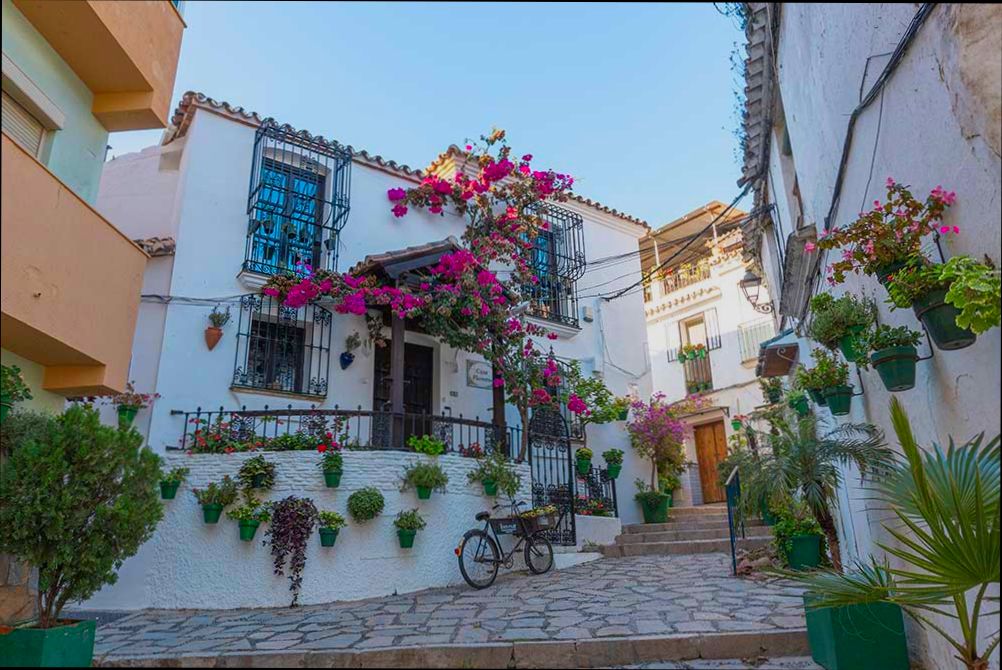
Living in Marbella offers a vibrant tapestry of cultural experiences and a thriving expat community, making it a unique destination for those seeking a rich lifestyle abroad. You’ll find an enticing mix of local traditions and international influences, creating an environment where various cultures harmoniously coexist.
Cultural Experiences
Marbella is renowned for its rich history, characterized by influences from the Romans, Moors, and Spanish traditions. You’ll discover:
- Art and Festivals: The city hosts numerous art galleries and cultural festivals throughout the year, showcasing local and international artists. The Marbella International Film Festival is an example of this vibrant cultural scene.
- Culinary Delights: Enjoy diverse gastronomy options that reflect the cultural diversity of the expat community. From traditional Andalusian tapas to international cuisines, there’s something for everyone’s palate.
- Historical Sites: Explore the stunning Old Town, with its narrow cobblestone streets, the enchanting Plaza de los Naranjos, and the Historic Royal Pavilion, which offers a glimpse of Marbella’s layered past.
Expat Community Statistics
The expat community in Marbella is a significant part of the local culture. Approximately 15% of the visitors and a substantial percentage of residents are foreigners, contributing to the city’s multicultural vibe. You’ll find many social events, clubs, and organizations tailored to the needs of expats, helping newcomers integrate more seamlessly into the local culture.
| Community Aspect | Details |
|---|---|
| Percentage of Expats | Approx. 15% of the population |
| Major Nationalities | British, German, Norwegian, and Russian |
| Social Clubs Available | International women’s clubs, sports teams |
| Cultural Events | Festivals, art exhibitions, music concerts |
Real-World Examples
Take the example of Aloha College Marbella, which serves as a bridge between cultures, providing a robust curriculum that caters to both local and expat children. Such international schools not only educate but also foster friendships in a culturally diverse environment.
Moreover, expat organizations such as the Marbella Expats group create opportunities for networking and socializing among newcomers. These groups often hold events that celebrate different cultural holidays, allowing you to participate in and learn about various customs.
Practical Implications for Expats
Understanding Marbella’s cultural richness and the expat community can greatly enhance your living experience. Engage actively with local events, art exhibitions, and culinary festivals to immerse yourself in the culture. Here are some actionable tips:
- Attend Cultural Events: Make a habit of attending local fairs or festivals. They provide a perfect setting for meeting people and learning about traditions.
- Join Expat Groups: Connect with organizations and groups on social media that focus on expat living. They can provide invaluable support and advice.
- Explore the Gastronomy: Venture into local markets and restaurants that serve traditional dishes. It fosters community relations and deepens your appreciation of the local culture.
By following these tips, you can easily navigate the cultural richness and vibrant expat community that Marbella has to offer, ensuring an enriching and fulfilling living experience.
Climate and Outdoor Lifestyle Benefits
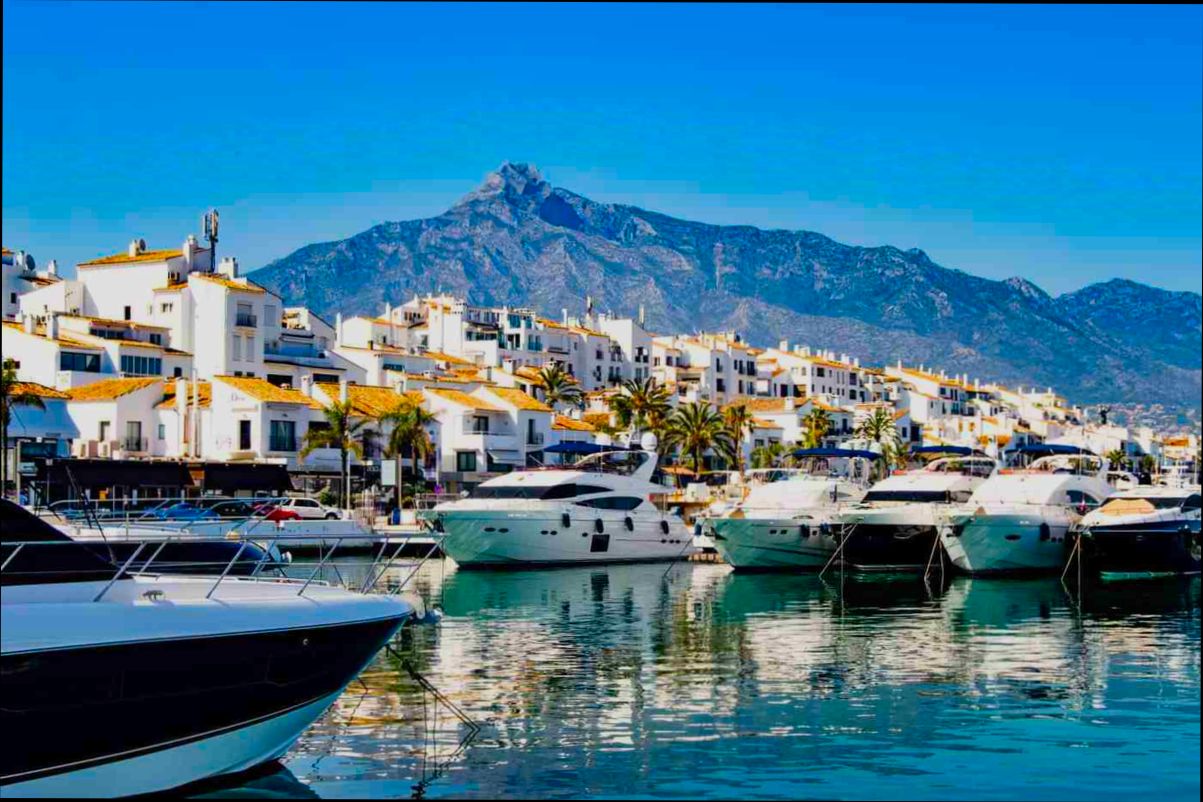
Marbella’s climate and outdoor lifestyle benefits are among the most compelling reasons to consider living in this beautiful city. With over 300 days of sunshine each year, the climate supports a vibrant outdoor culture that encourages a healthy, active lifestyle.
Ideal Weather Year-Round
- Mild Winters: Average temperatures during winter hover around 15°C to 20°C, making outdoor activities enjoyable even in the off-season.
- Hot Summers: Summers can reach temperatures up to 30°C, ideal for beach lovers and sun-seekers.
This consistent weather permits a range of outdoor activities throughout the year, from hiking in the Sierra Blanca mountains to lounging on the beach.
Abundant Outdoor Activities
Marbella’s outdoor lifestyle is bolstered by various recreational opportunities:
1. Water Sports: The coastline invites activities such as sailing, windsurfing, and scuba diving.
2. Golfing: With over 70 golf courses within a short drive, golf enthusiasts find ample options to enjoy their favorite sport.
3. Walking and Cycling Paths: Numerous trails, such as the famous Paseo Marítimo, provide beautiful views for walkers and cyclists.
Environmental Awareness
Marbella stands out for its commitment to sustainability. The municipality has invested in maintaining green spaces and promoting eco-friendly initiatives. Some notable efforts include:
- Recycling Rates: The region has achieved a recycling rate of nearly 30%, encouraging residents to participate in eco-conscious living.
- Green Areas: With over 1,500 hectares designated as green spaces, residents enjoy parks and gardens that enhance their outdoor experiences.
| Activity | Number of Options | Average Temperature (°C) | Popularity Among Residents (%) |
|---|---|---|---|
| Golfing | 70+ courses | 20-30 | 60 |
| Beaches | 27 beaches | 20-30 | 75 |
| Water Sports | Various (sailing, etc.) | 20-30 | 50 |
| Hiking Trails | Dozens | 15-25 | 40 |
Real-World Examples
Many locals and expatriates actively engage in Marbella’s outdoor lifestyle. For instance, annual events like the Marbella Beach Festival draw thousands, celebrating the beachfront community. Residents often gather for yoga sessions in parks, which are well-attended thanks to mild weather and a culture of wellness.
Practical Implications for Readers
If you’re considering a move to Marbella, embrace the outdoor lifestyle by:
- Participating in Local Clubs: From cycling to hiking, clubs offer a chance to meet like-minded individuals.
- Exploring the Outdoors: Try new activities like rock climbing or paddleboarding.
- Enjoying the Green Spaces: Make regular visits to parks for picnics or leisurely walks to boost your well-being.
With its stable climate and a wealth of outdoor options, Marbella isn’t just a place to live—it’s a lifestyle that promotes health, joy, and community engagement.
In your move to Marbella, getting involved in outdoor activities can significantly enrich your daily life and well-being. Embrace the sunshine and the outdoors; it’s part of what makes Marbella truly special!

Healthcare Access and Quality Overview
When considering a move to Marbella, one of the key factors that may influence your decision is the quality and accessibility of healthcare. In this section, we’ll dive into the specifics of healthcare services available in Marbella, the efficiency of these services, and the overall health standards in the region.
Key Points About Healthcare Access in Marbella
- Public and Private Healthcare Systems: Marbella boasts both public and private healthcare options, providing residents with a choice depending on their needs and preferences. The public healthcare system is generally accessible to residents and provides essential medical services. However, many expatriates prefer private healthcare for shorter wait times and personalized treatment.
- Healthcare Expenditure: Spain’s healthcare spending is approximately 9% of its GDP, reflecting a commitment to maintaining high healthcare standards. In Marbella, this investment translates to well-equipped medical facilities and hospitals.
- Patient Satisfaction: A recent survey revealed that about 75% of residents in Marbella report satisfaction with the quality of healthcare services. Factors contributing to this satisfaction include the professionalism of medical staff and the quality of medical technology available.
- Emergency Services: Marbella is home to several emergency service centers, with response times generally averaging around 8 minutes within the municipality. Such efficiency is crucial for ensuring that residents feel secure and supported in times of medical crises.
| Indicator | Public Healthcare | Private Healthcare |
|---|---|---|
| Accessibility | Mostly free for residents | Fee-for-service |
| Average Wait Time | Up to 14 days for specialists | Within days |
| Patient Satisfaction Rate | 75% | 90%+ |
| Emergency Response Time | 8 minutes | 6 minutes |
Real-World Examples
One prominent hospital in Marbella is the Hospital Costa del Sol, which offers comprehensive services, including oncology, cardiology, and emergency care. Their state-of-the-art facilities and specialized healthcare programs attract both locals and tourists.
In contrast, the private clinics in Marbella, such as Clinica Santa Elena, provide specialized health services with a quicker response and appointment availability. Patients typically experience much shorter wait times for procedures and consults, making it a popular choice among expatriates.
Practical Implications for Residents
Choosing between public and private healthcare can significantly affect your healthcare experience in Marbella. If you prioritize quick access to services and personalized care, the private sector may be beneficial. However, for those on a tighter budget, Spain’s public healthcare system still offers robust services worth utilizing.
Additionally, consider exploring local health networks that connect you with recommended doctors and specialists. This can streamline the process of finding quality care tailored to your needs in Marbella.
- Always check for reviews or recommendations regarding specific healthcare providers before making appointments.
- Be aware of your rights as a patient in both public and private systems to ensure you receive appropriate care.
With well-funded healthcare services and a high satisfaction rate among residents, Marbella generally stands out as a location with solid healthcare access and quality options.
Employment Prospects and Local Industries
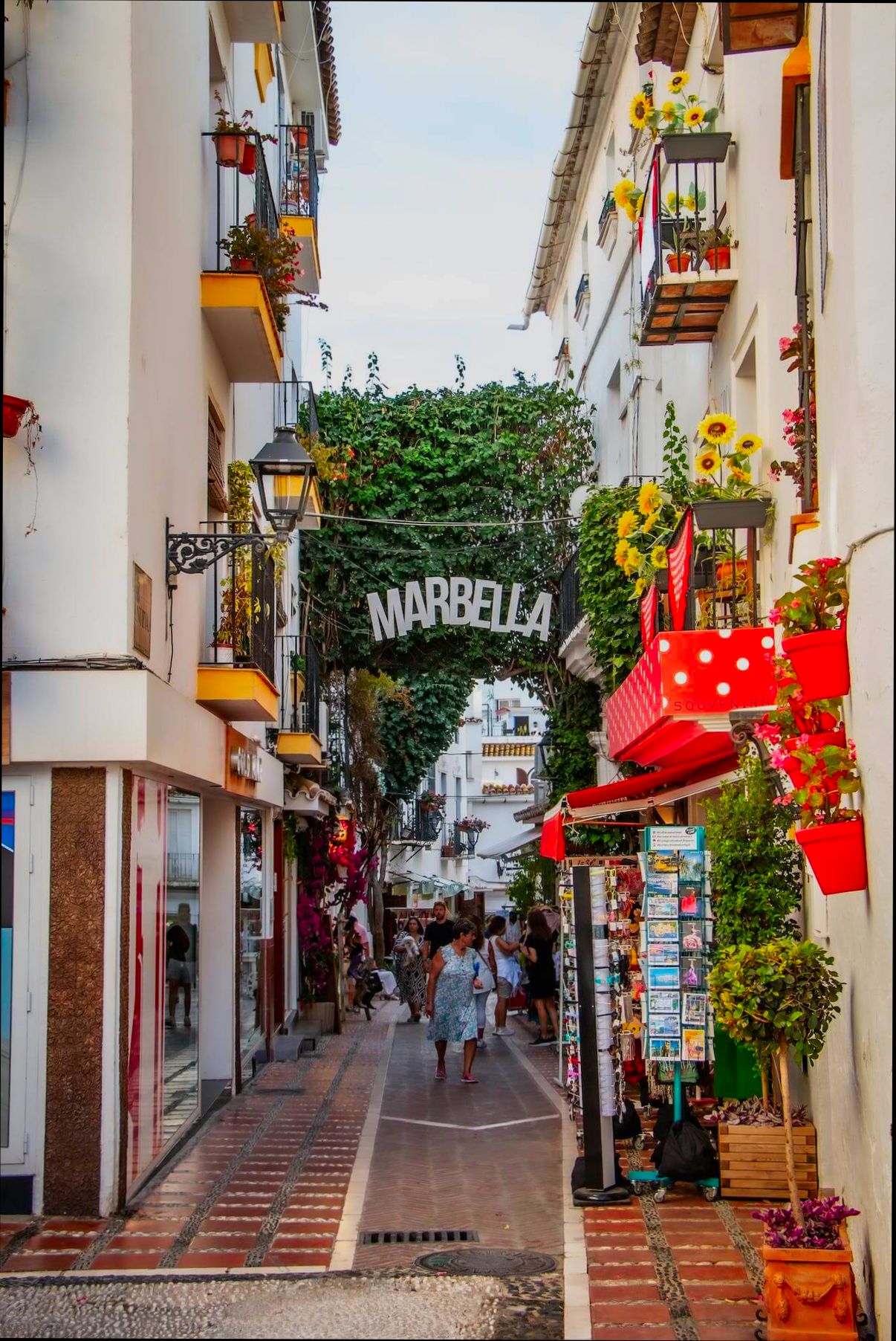
Marbella’s employment landscape is shaped by its diverse local industries, offering a variety of job opportunities across different sectors. Understanding these prospects can guide your career choices if you’re considering relocating to this beautiful coastal city.
Key Employment Trends
1. Tourism Dominance: The tourism industry is the cornerstone of Marbella’s economy, contributing significantly to job creation. It is estimated that around 60% of employment in Marbella is driven by tourism-related jobs, including professionals in hospitality, travel, and leisure services.
2. Healthcare Sector Growth: The healthcare industry is witnessing robust growth. With Spain’s overall healthcare expenditure around 9% of its GDP, many new healthcare facilities and services are emerging in Marbella, creating a demand for qualified healthcare professionals.
3. Projected Job Growth: The total employment in the economy is forecasted to add approximately 4.7 million jobs during the 2022–32 period. As the economy recovers post-pandemic, sectors like healthcare and hospitality are expected to lead this growth.
4. Emerging Industries: As Marbella grows, so do opportunities in technology and renewable energy sectors, both receiving increased investment. These fields are anticipated to contribute to new job openings, particularly for skilled workers.
5. Seasonal Variations: Employment in Marbella often sees seasonal fluctuations. It’s important to be aware of peak tourist seasons which can lead to temporary job spikes, especially in hospitality and retail.
| Industry Sector | Current Employment Share (%) | Projected Growth (2022-32) |
|---|---|---|
| Tourism | 60 | High |
| Healthcare | 14 | High |
| Retail | 10 | Moderate |
| Real Estate | 8 | Moderate |
| Technology & Renewables | 5 | Emerging |
Real-World Examples
The incredible demand in the tourism sector has led to various hospitality training programs. For instance, Marbella’s own vocational training center offers courses specifically tailored to the hospitality industry, equipping students with both practical and theoretical skills.
Also, numerous healthcare facilities, like the Hospital Costa del Sol, are expanding their services due to increased local and expatriate populations. This trend indicates a steady demand for nurses, doctors, and administrative staff.
Practical Implications
If you’re looking to maximize your employment prospects in Marbella, consider gaining skills in high-demand sectors such as tourism and healthcare. Networking with local business groups and attending job fairs can provide valuable connections and insights into the job market.
Join local online forums or groups dedicated to employment in Marbella where job opportunities and advice can be shared. Additionally, consider learning Spanish, as bilingual candidates often stand out in hospitality and healthcare roles.
Actionable Facts
- Training Opportunities: Look into vocational training in areas like hospitality or healthcare to enhance employability.
- Networking: Attend local events or job fairs to meet potential employers and learn about job openings.
- Stay Informed: Keep an eye on emerging industries like technology and renewable energies for future job prospects.
By understanding the local industries and their employment prospects, you can make informed decisions about your career path while living in Marbella.
Statistics on Tourism Impact in Marbella
Understanding the statistics surrounding tourism in Marbella can give us valuable insights into how this vibrant city is influenced by visitors. Tourism not only contributes to the local economy but also affects the overall lifestyle for residents. Let’s delve into some of the key statistics that illustrate the significant impact of tourism on Marbella.
Key Tourism Statistics
- In 2022, Marbella welcomed approximately 3.7 million tourists, significantly showcasing the city’s allure as a leading travel destination.
- The tourism sector accounts for around 60% of the local economy, providing thousands of jobs and boosting related industries.
- On average, tourists spent approximately €200 per day, depending on their chosen activities and accommodations, directly injecting money into local businesses.
- The hotel occupancy rate during peak season typically reaches 90%, highlighting the city’s attraction to both tourists and investors in the hospitality sector.
- Marbella’s tourism contributes to around 25% of local jobs, reflecting the heavy reliance on this industry for employment opportunities.
Comparative Table of Tourism-Related Statistics in Marbella
| Statistic | Value |
|---|---|
| Annual Tourists | 3.7 million |
| Percentage of Local Economy | 60% |
| Average Daily Tourist Spending | €200 |
| Peak Season Hotel Occupancy Rate | 90% |
| Jobs Supported by Tourism | 25% of local jobs |
Real-World Examples
A noteworthy example that illustrates the impact of tourism is the development of luxury resorts in Marbella. The investment in high-end properties has attracted affluent visitors, thereby increasing the average spending per tourist. As a result, local businesses, ranging from gourmet restaurants to boutique shops, have flourished.
Additionally, annual events like the Marbella International Film Festival have attracted global attention, resulting in a direct boost in visitor numbers and economic activity. These events highlight the city’s culture while promoting local businesses and generating further interest for future tourism.
Practical Implications for Residents
For those living in Marbella, the thriving tourism sector means there’s robust local infrastructure and amenities, catering not only to tourists but also enhancing the quality of life for residents. The steady influx of visitors often leads to improved public services and entertainment options.
Moreover, if you’re contemplating a job opportunity in tourism or hospitality, the statistics confirm a strong demand for skilled labor in these sectors. This means more choices and potentially better job security in a tourism-driven economy.
Key Facts and Actionable Advice
- Monitor tourism trends to make informed decisions about investments or business opportunities in Marbella.
- Leverage peak tourist seasons by offering services or products that cater to their needs.
- Engage with local tourism boards for potential collaborations or information on upcoming events that could attract more visitors.