- Key Legislation Impacting Property Energy Standards
- Statistical Insights into Energy Consumption Trends
- Energy Labeling: Understanding the Classification System
- Impact of Energy Efficiency on Property Value and Market Trends
- Renewable Energy Integration in German Properties
- Financing Energy Efficiency Improvements: Funding Options and Incentives
- Case Studies: Successful Implementation of Energy Standards
- Comparative Analysis of Energy Efficiency Across EU Member States
- Challenges in Compliance and Enforcement of Energy Regulations
- Future Directions: Upcoming Regulatory Changes and Trends
- Tables of Energy Performance Data by Property Type
- Infographics: The Benefits of Energy Efficiency for Homeowners
- Regional Variations in Energy Efficiency Regulations
- Public Awareness and Education on Energy Efficiency Practices
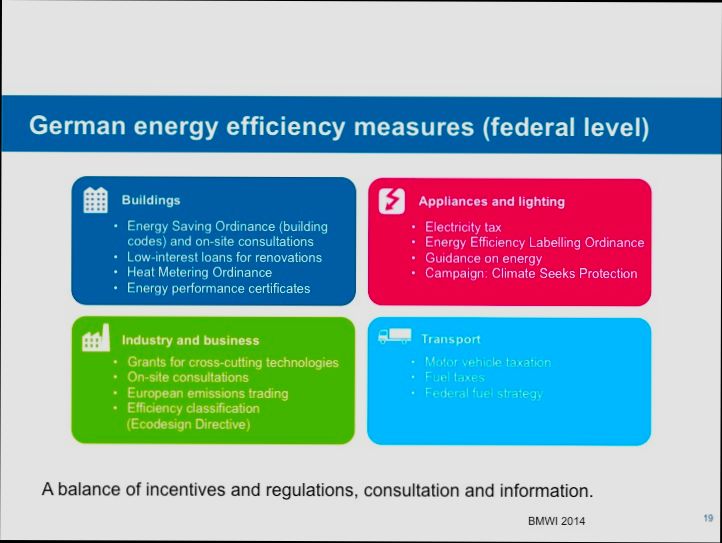
Energy efficiency regulations for German properties are becoming a hot topic as climate change and rising energy costs push homeowners and businesses to rethink their energy consumption. In Germany, the government has set ambitious targets to reduce carbon emissions, leading to stricter building codes and regulations aimed at improving energy efficiency in both new and existing properties. For instance, the Energy Saving Ordinance (EnEV) and the Renewable Energy Heat Act (EEWärmeG) are key frameworks that mandate minimum energy performance standards and encourage the use of renewable energy sources.
These regulations cover a variety of areas, from how homes are insulated to the types of heating systems that can be installed. For example, older buildings may need to undergo major renovations, including better insulation or the installation of energy-efficient windows, to comply with new standards. On the other hand, new constructions are often required to utilize renewable energy sources, like solar panels, right from the start. This not only promotes sustainability but also gives property owners the chance to significantly cut down on their energy bills in the long run. As a result, staying updated on these evolving regulations is crucial for anyone involved in German real estate.
Overview of Energy Efficiency Regulations in Germany
Alright, let’s dive into the nitty-gritty of energy efficiency regulations in Germany. If you’re a property owner or looking to buy, these rules are super important for you.
In Germany, energy efficiency isn’t just a buzzword; it’s practically embedded in their culture through the Energy Saving Ordinance (EnEV). This regulation sets strict standards for how properties should perform in terms of energy consumption. For instance, residential buildings must achieve a U-value (a measure of heat transfer) of 0.24 W/m²K, which is pretty impressive!
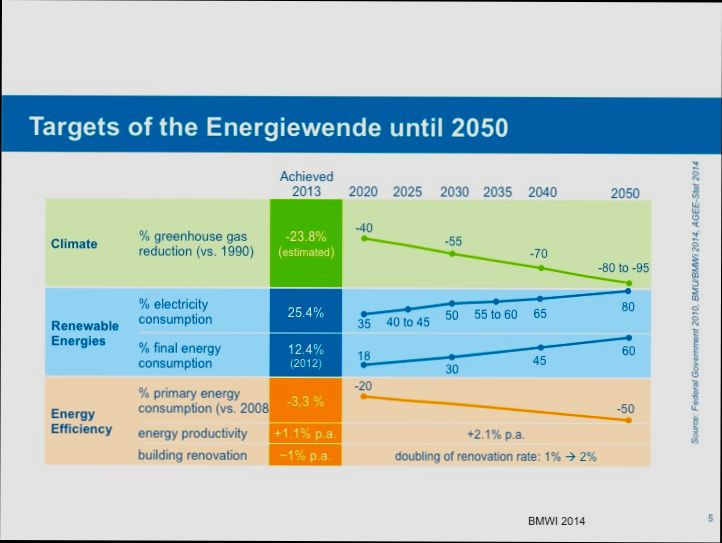
Then there’s the German Renewable Energy Sources Act (EEG), pushing for the use of renewables. It’s not just about efficiency; it’s about sustainability too. The goal? To get at least 80% of Germany’s electricity from renewable sources by 2050. That’s ambitious and a driving force behind many modern renovations.
Here’s a little stat to chew on: According to recent studies, improved energy efficiency in buildings could reduce energy consumption by up to 60% by 2050. Can you imagine what kind of savings that means for heating bills?
But the rules don’t stop there! When you’re renovating, you might need to abide by the Energy Performance Certificate (Energieausweis) requirements. This nifty document shows how energy-efficient a property is and is mandatory when selling or renting out a home. Talk about transparency!
One example that stands out is the government’s push for the KfW Efficiency House program, which offers financial incentives for buildings that meet specific energy efficiency standards. If you’re considering upgrading your home, this could mean getting some sweet grants to help cover those costs.
Finally, remember that these regulations are not just for new constructions. They apply to existing properties, too, particularly when owners decide to upgrade or renovate. So, whether you’re buying, selling, or just living in Germany, understanding these regulations will save you time, money, and maybe even some headaches!
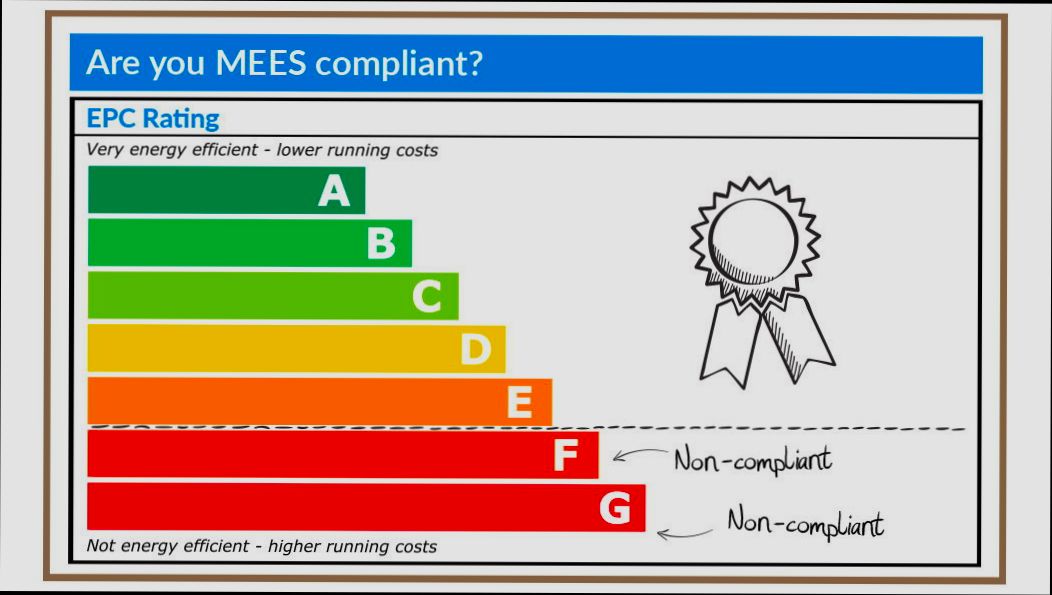
Key Legislation Impacting Property Energy Standards
When it comes to energy efficiency in German properties, there are a few heavyweight laws that really shape the landscape. Let’s break down some of the major ones!
The Energy Saving Ordinance (EnEV)
First off, we have the Energy Saving Ordinance (EnEV). This bad boy sets out the minimum energy performance requirements for buildings. Since its inception, it has evolved through various updates, with the latest version in 2014 emphasizing stricter energy performance standards.
Did you know that, as of 2020, all new buildings must meet a primary energy demand of no more than 30 kWh/m²? That’s a significant drop from previous regulations, making efficiency a top priority for both builders and owners.
The Renewable Energy Heat Act
Next up is the Renewable Energy Heat Act (EEWärmeG). This legislation pushes for a portion of heating to come from renewable sources. So, for instance, if you’re building or renovating, you must ensure that at least 15% of your heating comes from solar, biomass, or geothermal energy. It’s all about reducing those fossil fuel dependencies!
The German Climate Protection Program
Then there’s the German Climate Protection Program, which aims for at least a 55% reduction in greenhouse gases by 2030 compared to 1990 levels. You can bet property owners will feel the heat (figuratively!) as energy efficiency stands at the forefront of achieving these climate goals.
A notable goal is to have all buildings reach a ‘climate-neutral’ level by 2045 – that means achieving a primary energy demand close to zero! So if you’re not thinking energy efficiency, you’re going to be left behind.
The Building Energy Act
And let’s not forget the Building Energy Act, or GEG, which merged EnEV and the Renewable Energy Heat Act into a single framework. It clarifies and enhances existing rules, making it easier for property owners to understand their obligations regarding energy performance and renewable energy usage.
These laws are more than just regulations; they’re propelling the entire property market towards a greener future. Many landlords are already investing in energy-efficient upgrades, which, by the way, can increase property value and attract tenants. So, if you own a property, you might want to keep an eye on these trends—your wallet will thank you later!
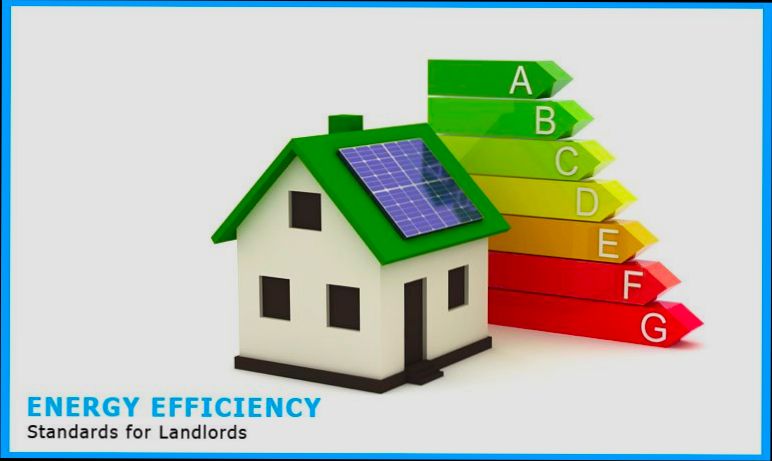
Statistical Insights into Energy Consumption Trends
When it comes to energy consumption in German properties, the numbers tell a pretty compelling story. As of 2023, residential buildings account for around 30% of the total energy use in Germany. That’s a big chunk! But here’s the kicker: energy efficiency measures are slowly but surely turning the tide.
Let’s dive into some stats. According to the German Federal Ministry for Economic Affairs and Energy, properties that have implemented energy efficiency renovations have seen a decrease in heating energy consumption by up to 30%! Imagine slashing your energy bills by nearly a third just by making a few smart updates to your home.
In 2022, over 1.6 million buildings in Germany were upgraded under the Energy Saving Ordinance (EnEV). This meant insulation improvements, efficient heating systems, and even the installation of solar panels became the name of the game. These upgrades not only help the environment but also make homes more comfortable.
And get this: properties built after 2002 generally use 60% less energy than those built before the regulations tightened. That’s a huge difference! For homeowners, this means if you’re thinking about buying an older place, investing in energy upgrades might save you a lot in the long run.
But it’s not just about the homeowners. The government is also stepping in with a bang. They’ve allocated over €2 billion in subsidies this year alone to encourage energy-efficient renovations. If you’re a property owner, this could mean cash in your pocket for those much-needed upgrades.
In summary, energy consumption trends in German properties are shifting towards efficiency. The statistics don’t lie—upgrading can lead to significant savings and contribute to a more sustainable future. Don’t let an old property drag you down; investing in energy improvements pays off!
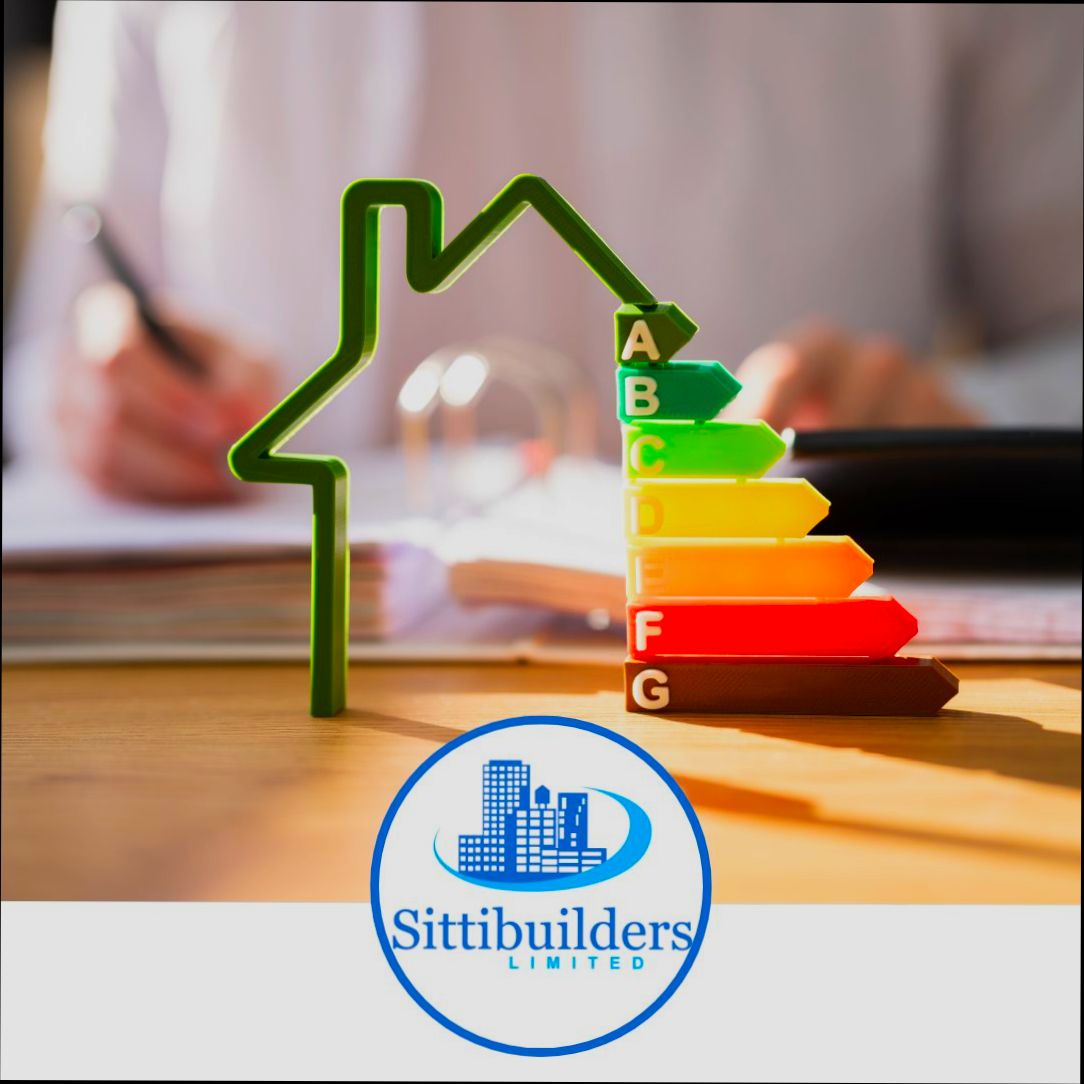
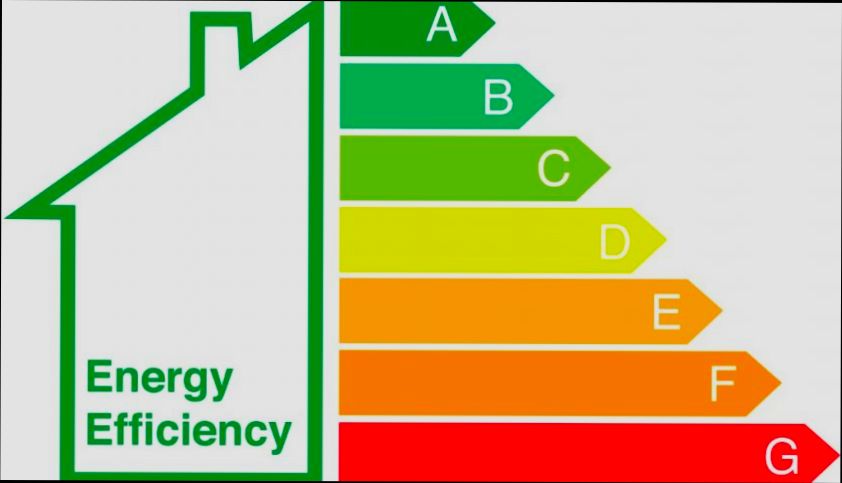
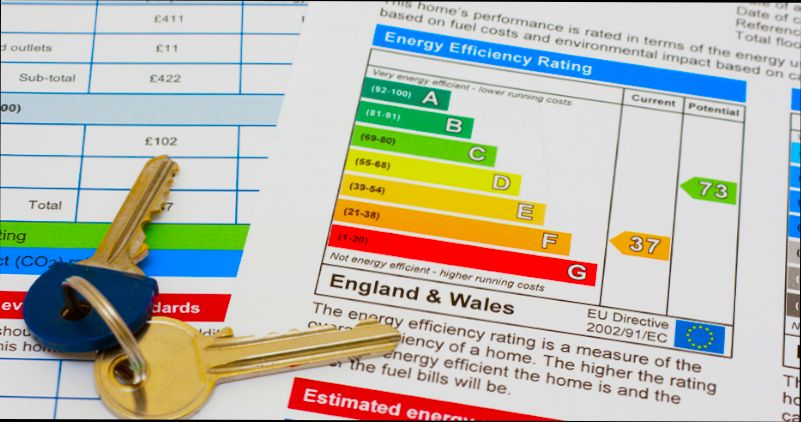
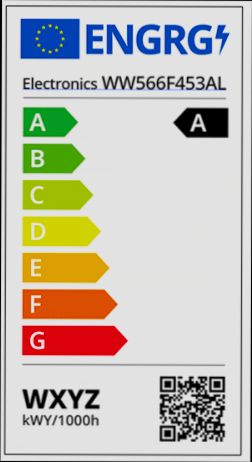
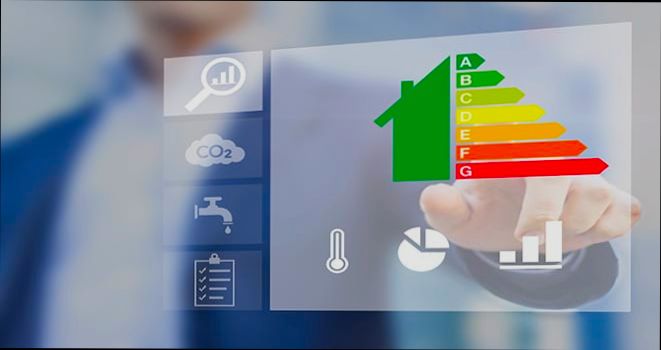
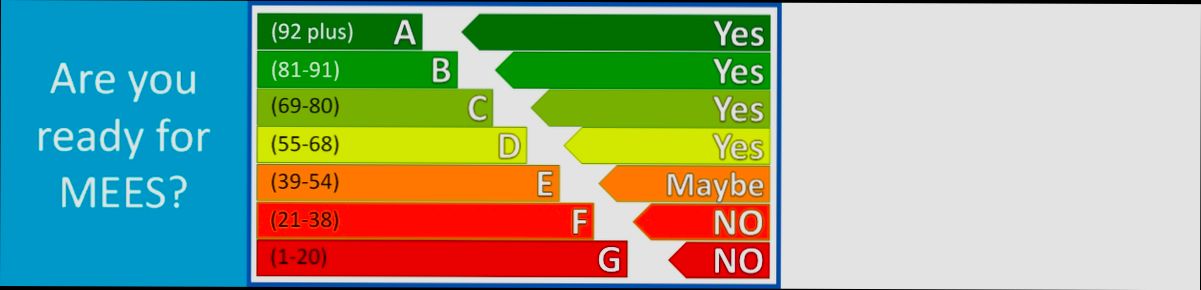
Energy Labeling: Understanding the Classification System
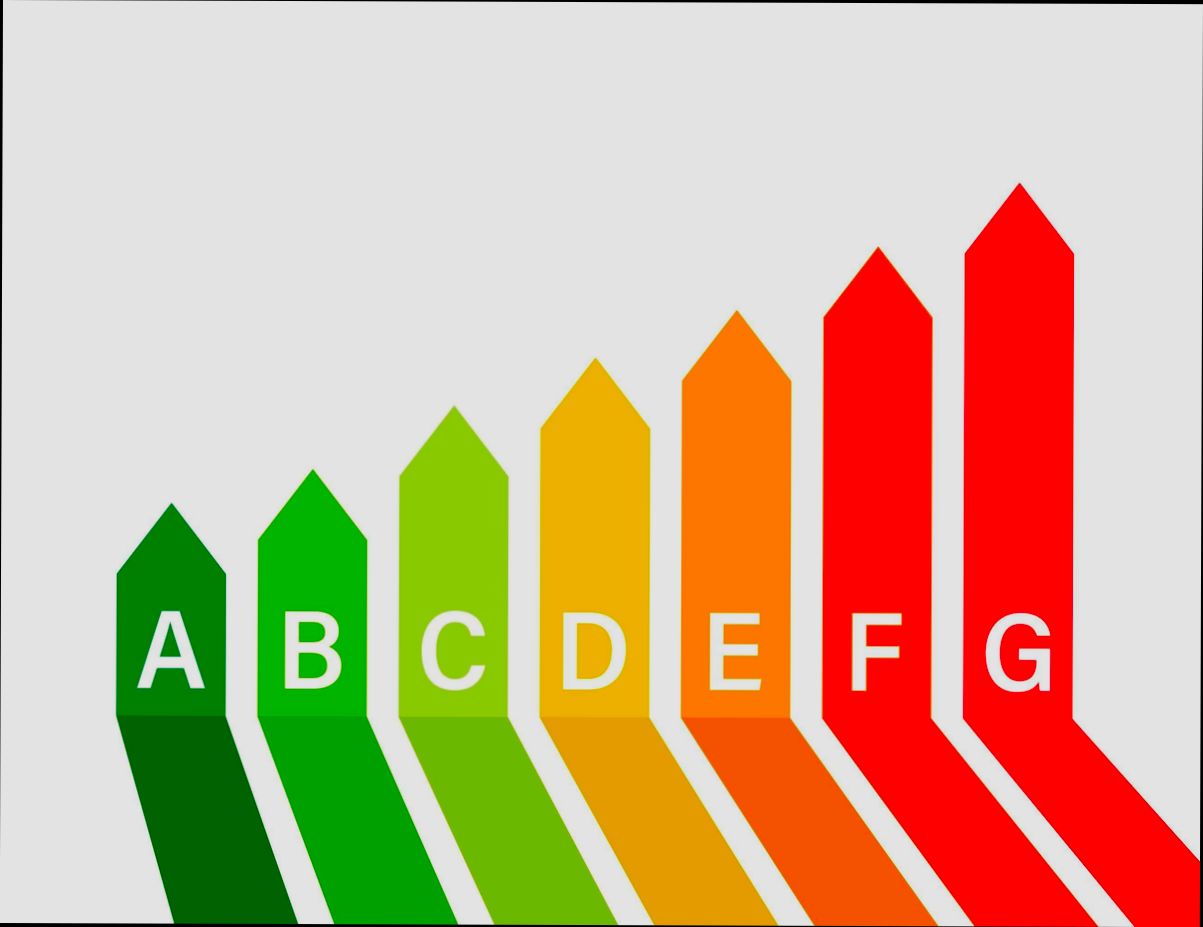
So, let’s dive into energy labels, shall we? In Germany, these labels are super important when it comes to understanding how energy-efficient a property is. You might have seen them stuck on the walls of homes or in real estate listings. But what do they really mean?
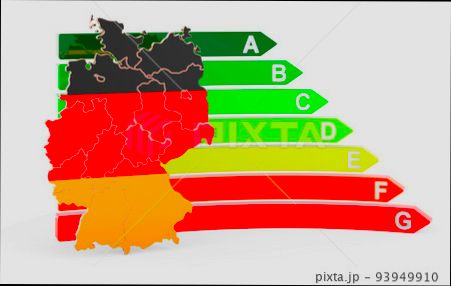
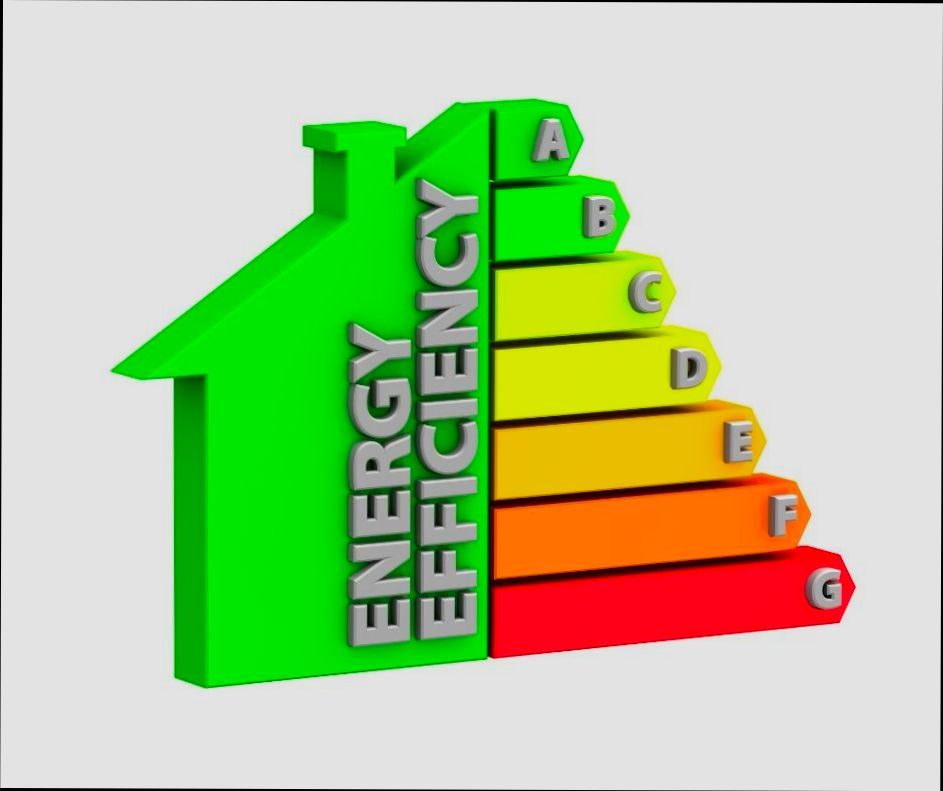
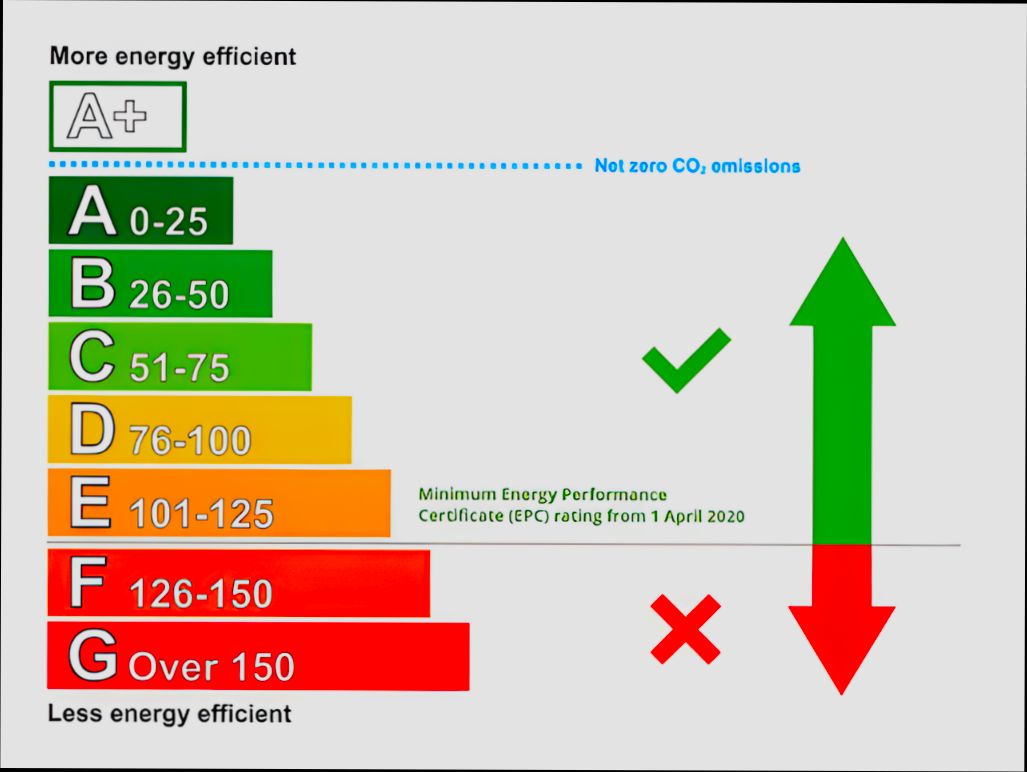
The energy labeling system in Germany categorizes properties from A+ (the most efficient) to H (the least efficient). That’s a huge range! Imagine you’re looking for a new place; choosing a property rated A or B means lower energy bills and a smaller carbon footprint.
Here’s a quick breakdown:
- A+ - Best energy efficiency: Might have things like solar panels and top-notch insulation.
- C - Average energy efficiency: Could be a well-maintained older home but still needing some upgrades.
- E - Below average: You might find higher heating costs and poor insulation here.
- H - Poor efficiency: This one could drain your wallet with energy costs!
Did you know? As of 2021, approximately 20% of German residential buildings have an energy label in the C to E range. That’s a lot of homes that could use some energy upgrades!
When you’re out house hunting, it’s crucial to check that energy label. Not only does a higher rating signal good insulation and efficient heating, but it can also impact your future costs. If you pick a home rated D over an A, you might end up spending up to €1,200 more a year on energy!
So, next time you see an energy label, give it a closer look. It’s more than just a sticker; it’s your guide to smarter energy choices.
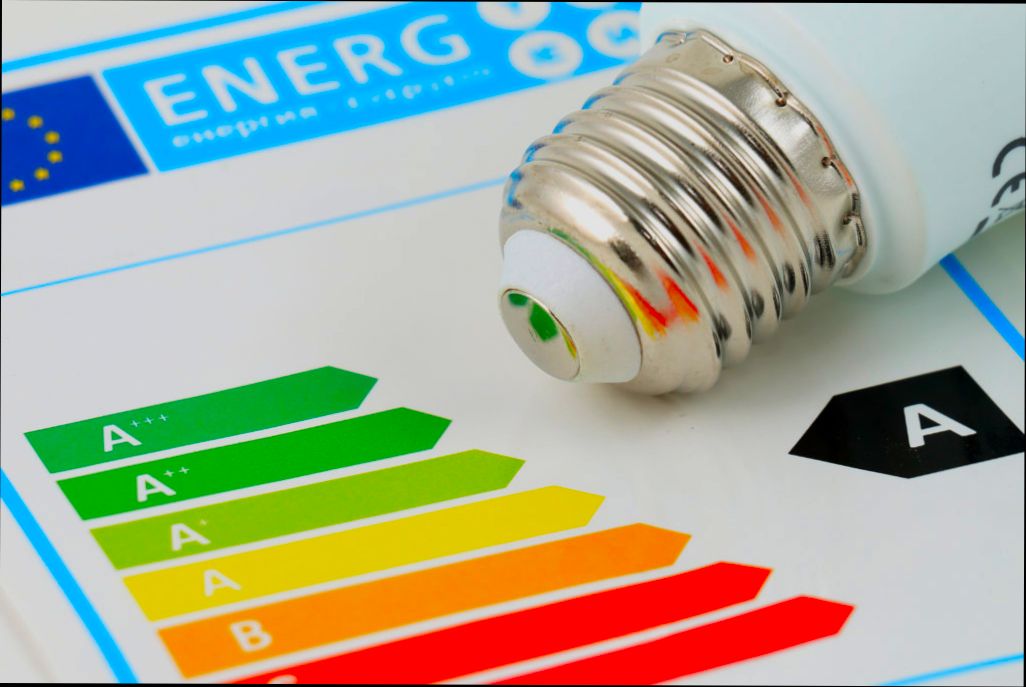
Impact of Energy Efficiency on Property Value and Market Trends
Alright, let’s get into it! Energy efficiency isn’t just a buzzword; it’s becoming a serious game-changer in the property market, especially in Germany. More homeowners are waking up to the fact that energy-efficient properties can actually boost their property’s value. Why’s that? Well, for starters, an energy-efficient home means lower utility bills, which makes it appealing to potential buyers.
Did you know that properties with good energy performance certificates (EPCs) can sell for up to 10% more than less efficient homes? According to recent studies, homes rated A or B on the EPC scale tend to attract higher prices and sell faster. Folks love the idea of saving money while being kinder to the planet. Who wouldn’t, right?
Take a look at cities like Berlin, where energy-efficient renovations have increased property values significantly. For example, a multi-family house after a proper energy makeover can see an uplift in market value anywhere between €50,000 to €100,000! That’s some serious cash, and it makes property owners eager to invest in energy upgrades.
Let’s not forget about the market trends today. More and more buyers are looking for green features—solar panels, efficient heating systems, and quality insulation top the list. This demand is pushing sellers to invest in energy efficiency upgrades before listing their homes. With the right improvements, it’s not uncommon for a property to stand out in the crowded market.
In the grand scheme, energy efficiency is aligning with broader economic trends too. The German government has been rolling out regulations that support energy-saving renovations. These regulations are driving up property values, creating a ripple effect where energy efficiency isn’t just good for the environment but also for your wallet.
In short, whether you’re buying or selling, keeping energy efficiency in mind can make a world of difference. Trust me, it’s worth considering when you’re diving into the German real estate market!
Renewable Energy Integration in German Properties
When it comes to energy efficiency in German properties, integrating renewable energy sources isn’t just a nice-to-have; it’s a game-changer. In fact, Germany is leading the way in sustainable energy, with a whopping 42% of the electricity generated from renewables in 2020. How cool is that?
If you own a property in Germany, you might want to consider installing solar panels. They’re popping up on rooftops everywhere! Solar power can save property owners around €300 to €800 annually on their electricity bills. Plus, with the country’s Feed-In Tariff system, you can actually sell your excess energy back to the grid.
Don’t have roof space? No worries! Many properties are tapping into communal solar energy setups. Think of it as a neighborhood power plan. In places like Freiburg, communities are sharing solar energy, making the whole block a bit greener and less reliant on traditional sources.
Wind energy is another fantastic option. Whether you’ve got space for a small turbine or can join a local wind farm initiative, harnessing wind is a win-win. Data shows that onshore wind capacity increased by approximately 2.4 gigawatts from 2019 to 2020, so it’s becoming increasingly popular.
And let’s not forget about heat pumps! These clever devices can keep your property cozy and cut down on energy costs by up to 50%. They work by extracting heat from the air or ground, which is especially effective in Germany’s temperate climate.
So, if you’re looking to upgrade your property, integrating renewable energy is a smart move. Not only can it help in meeting the energy efficiency regulations that keep tightening, but it’s also a step towards making our planet a little greener. Every little bit counts, right?
Financing Energy Efficiency Improvements: Funding Options and Incentives
So, you’re ready to dive into the world of energy efficiency upgrades for your property in Germany? That’s awesome! But let’s be real: the big question is, how do you pay for all this? Well, you’re in luck because there are quite a few funding options and incentives available.
1. KfW Bank Funding
The KfW (Kreditanstalt für Wiederaufbau) is Germany’s go-to bank for eco-friendly investments. They offer low-interest loans and grants that can cover a large portion of your renovation costs. For example, their programs can fund up to 100% of eligible expenses for complete energy renovations. Just think about it: if you’re looking to insulate your home or upgrade those old heating systems, you could score some serious financial help!
2. BAFA Grants
Another trick up your sleeve is the BAFA (Bundesamt für Wirtschaft und Ausfuhrkontrolle). They provide grants for specific measures to improve energy efficiency, such as installing heat pumps or solar thermal systems. If you go this route, you could get up to 35% of your investment back. Not too shabby, right?
3. Local Incentives
On top of the national programs, many states and municipalities offer their own incentives for energy efficiency improvements. Cities like Berlin and Munich have additional funding options that can help you save even more. It’s worth checking with your local government for specific programs—they might surprise you!
4. Tax Benefits
Don’t forget about the tax deductions! In Germany, certain energy-efficient investments can be tax-deductible. This means that you might get a chunk of your costs back when tax season rolls around. It’s like cashback, but for being green!
5. Energy Service Companies (ESCOs)
If you don’t want to fork out the cash upfront, consider working with an ESCO. These companies can oversee energy-efficiency projects and often take on the initial costs. You then pay them back through the cost savings on your energy bills. It’s a win-win, especially if you want to avoid taking a loan!
6. Statistics That Pack a Punch
Did you know that buildings account for about 30% of greenhouse gas emissions in Germany? Making energy improvements not only helps your wallet but also contributes to the country’s climate goals. The government aims to reduce greenhouse gas emissions by 55% by 2030, and energy efficiency is a big part of that plan!
In short, financing your energy efficiency upgrades doesn’t have to feel like rocket science. With a mix of loans, grants, and local programs, you can make your property eco-friendly and save some cash in the process. So why wait? Dive in and explore your options!
Case Studies: Successful Implementation of Energy Standards
Let’s dive into some real-life examples of how energy efficiency regulations have transformed properties in Germany. These case studies showcase the benefits of adopting energy standards, from reduced bills to increased comfort!
Example 1: The Classic Apartment Building in Berlin
In a typical Berlin apartment building built in the 1970s, the heating system was outdated and inefficient. After implementing Germany’s Energy Saving Ordinance (EnEV), the owners upgraded the insulation and replaced old windows with triple-glazed ones. The result? They reported a staggering 30% reduction in energy costs annually. Plus, tenants enjoyed a much cozier living space!
Example 2: The Modern Office Space in Munich
Another striking case is a modern office block in Munich. By adhering to the EU Energy Performance of Buildings Directive, the building was retrofitted with energy-efficient HVAC systems and solar panels on the roof. They slashed their carbon footprint by over 40%, and the building now generates enough energy to cover most of its needs. Talk about a win-win!
Example 3: Renovation of a Historic Landmark
Even historic properties can benefit from energy standards. A 19th-century theater in Hamburg was recently renovated with thermal insulation and energy-efficient lighting. Despite being a protected structure, the team creatively incorporated these upgrades while preserving its charm. They managed to reduce energy consumption by 25%, showing that you can respect the past while embracing the future.
Key Takeaways
These case studies highlight that energy efficiency regulations aren’t just bureaucratic hoops to jump through—they lead to tangible benefits for property owners and tenants alike. Whether it’s saving money, enhancing comfort, or reducing environmental impact, adhering to energy standards pays off!
Comparative Analysis of Energy Efficiency Across EU Member States
When we look at energy efficiency in the EU, it’s a mixed bag, and Germany does stand out in some respects. Let’s take a closer look!
Germany: The Front Runner
Germany has been a pioneer in energy efficiency regulations. As of 2022, over 40% of all German residential buildings have an energy performance certificate rated as “very energy efficient” (A or B). The government has pushed initiatives like the European Energy Efficiency Directive, which outlines clear targets for energy savings. There’s a goal to save at least 32.5% energy by 2030!
France: Good but Not Good Enough
France isn’t far behind, but it still has some catching up to do. While about 25% of French homes are also rated A or B for energy efficiency, they’re struggling with older properties. Despite having regulations like the Energy Transition for Green Growth law, which aims for a 30% reduction in energy consumption by 2030, progress is a bit slow.
Italy: Room for Improvement
Italy lags a little, with only 20% of its residences achieving top energy efficiency ratings. The National Energy Efficiency Action Plan aims to tackle this. Italy has been focusing on renovation programs to help older building stocks, but the roads ahead are winding.
Sweden: A Model of Efficiency
On the flip side, Sweden shines with a whopping 60% of buildings rated A or B! Their government’s commitment to sustainability has led to success with programs like Climate Policy Framework, which actively promotes energy-saving technologies in homes. No wonder they are so ahead!
Wrap-Up
So, when we compare these EU nations, Germany definitely sets a benchmark, but countries like Sweden show us what’s possible. The varying levels of commitment and success in energy efficiency across the EU remind us that there’s always room for improvement—both in policies and execution. If we want to hit those EU energy-saving targets, looking closely at these approaches could make a real difference!
Challenges in Compliance and Enforcement of Energy Regulations
So, let’s dive into the real hurdles we face with energy efficiency regulations in Germany. First off, it boils down to compliance. According to a recent study, nearly 40% of building owners struggle to meet the EnEV (Energy Saving Ordinance) standards. This isn’t just a small issue—it’s a big deal that affects our entire push for a greener future.
One key challenge arises from the complexity of the regulations themselves. Between the Energy Performance Certificate requirements and various local mandates, it can feel like you’re navigating a maze. Many property owners don’t have the technical know-how to implement these standards properly, which leads to a significant knowledge gap.
Then there’s the issue of enforcement. It’s one thing to have regulations in place, but it’s another to actually monitor them effectively. For example, a report revealed that only about 25% of residential buildings in Germany underwent an energy audit last year. That’s a tough pill to swallow, especially when we’re trying to reach that ambitious goal of reducing greenhouse gas emissions by 55% by 2030!
Oh, and don’t forget about financing. Many property owners simply don’t have the cash flow to invest in energy-efficient upgrades. Even with government loans and subsidies, some projects can be prohibitively expensive. A recent survey noted that 45% of landlords cited high renovation costs as a major hindrance to compliance. You can’t blame them for hesitating when it feels like a financial tightrope.
Finally, let’s touch on a lack of motivation. Many people just don’t see the immediate benefits of going green. Without clear incentives—like reduced property taxes or lower energy bills—what’s the drive to make changes? If we want to see real momentum, it’s crucial to foster a sense of urgency and opportunity among property owners.
In a nutshell, while Germany is making strides in energy efficiency, we still have a long road ahead. From complicated regulations to financial barriers, the challenges are significant, but awareness and supportive measures can help clear the path toward compliance.
Future Directions: Upcoming Regulatory Changes and Trends
Let’s dive into what’s on the horizon for energy efficiency regulations in German properties. It’s clear that Germany is doubling down on its commitment to sustainability, and that means staying on top of new rules and initiatives that could impact your wallet and your property!
First off, you should keep an eye on the EU Green Deal. This initiative aims to make Europe climate-neutral by 2050, and Germany is set to follow suit. Expect stricter building regulations in the coming years to cut carbon emissions drastically. For instance, by 2024, all new buildings may need to meet the almost zero-energy building (nZEB) standards. If you’re planning any renovations, that’s something to factor in!
But that’s not all; the German Building Energy Act (GEG) is also evolving. By 2025, properties might be required to obtain a specific energy performance certificate, known as the EPBD. This certificate will help buyers understand a property’s energy efficiency at a glance. If your property isn’t up to scratch, you might be facing hefty fines or might even find it hard to sell!
Speaking of fines, you might want to prepare for increased enforcement of energy-saving measures. Currently, nearly 14% of Germany’s buildings are rated below energy efficiency standard E. This means there’s a big push to upgrade these properties. With the new upgrades, the government hopes to achieve a 50% reduction in energy use by 2030.
Then there’s the interesting trend of incentives for green projects. Various state-level programs are being rolled out to encourage homeowners to invest in energy-efficient technologies. Think solar panels, heat pumps, and smart home systems. For example, some states offer grants that cover up to 30% of installation costs. That’s a win-win for both your pocket and the planet!
Lastly, we can’t ignore digital transformation in building management. With the rise of smart home technologies, future regulations might require more digital solutions for monitoring energy consumption. So, if you haven’t yet embraced the tech wave, now’s the time!
All in all, if you own property in Germany, staying updated on these seismic shifts in energy efficiency regulations is crucial. You don’t want to fall behind, especially when the stakes—both financial and environmental—are so high!
Tables of Energy Performance Data by Property Type
Alright, let’s dive into the meat of the matter—energy performance data! This is where we get to see how different types of properties in Germany stack up when it comes to energy efficiency. Spoiler alert: residential buildings and commercial spaces don’t perform the same!
Residential Properties
| Property Type | Average Energy Consumption (kWh/m²/year) | Typical EPC Rating |
|---|---|---|
| Single-family homes | 110 | B |
| Multi-family dwellings | 135 | C |
| Condos | 120 | B |
As you can see, single-family homes tend to be a bit more efficient than multi-family dwellings. This could be due to better insulation and fewer people contributing to the heat loss.
Commercial Properties
| Property Type | Average Energy Consumption (kWh/m²/year) | Typical EPC Rating |
|---|---|---|
| Office buildings | 180 | D |
| Retail stores | 200 | E |
| Hotels | 250 | E |
Commercial properties tend to consume way more energy, mainly due to factors like lighting, HVAC systems, and sheer size. An office building’s average energy consumption is significantly higher than a home!
Energy Transition Tips
Thinking about improving your property’s energy efficiency? Here are a few easy upgrades:
- Install better insulation—every degree counts!
- Switch to energy-efficient appliances.
- Consider renewable energy options like solar panels.
Investing in these changes can lead to significant savings on your energy bills and a better EPC rating!
Infographics: The Benefits of Energy Efficiency for Homeowners
Why Go Energy Efficient?
- Lower Energy Bills: Did you know energy-efficient homes can save you up to 30% on energy costs? That’s serious cash back in your pocket!
- Increased Property Value: Homes with energy-efficient upgrades can sell for up to 10% more. Who wouldn’t want that boost?
- Better Comfort: Say goodbye to drafty rooms! Insulating your home keeps it cozy in winter and cool in summer.
- Environmentally Friendly: Reduce your carbon footprint. A more efficient home means using less energy and supporting a greener planet.
Examples of Energy Efficiency Upgrades
Thinking of making some changes? Here are a few upgrades that pack a punch:
- LED Lighting: Swapping out old bulbs can reduce your lighting costs by up to 75%!
- Smart Thermostats: These bad boys can cut heating costs by about 10-12%, plus they learn your schedule. Smart savings, right?
- High-Efficiency Appliances: Upgrading to Energy Star-rated appliances can save you hundreds each year in utility bills. Plus, they often perform better!
Stats to Consider
Check out these eye-opening stats:
- Homes built to the latest energy efficiency standards can have 50% lower energy consumption.
- Proper insulation can reduce heating costs by an average of 20% in German winters.
Jump In!
With all these perks,going energy-efficient isn’t just smart—it’s a no-brainer! Make your home comfy, cut down your bills, and help save the planet. What’s not to love?
Regional Variations in Energy Efficiency Regulations
When it comes to energy efficiency regulations in Germany, things can get pretty complex because each region has its own rules. It’s like a patchwork of regulations that keeps changing depending on where you are in the country. So, let’s break it down a bit!
In states like Bavaria, for example, the emphasis is on reducing heating energy. Here, properties need to comply with strict insulation standards, making sure that homes don’t waste heat during those chilly winters. In fact, Bavaria has specific laws that push for a reduction in energy consumption by 30% by 2030 compared to 1990 levels!
In contrast, Berlin takes a different approach. The capital city has been focusing heavily on the carbon footprint of buildings. The Climate Protection Law mandates that all new constructions must meet the highest energy efficiency standards and cut down carbon emissions drastically. Did you know that in Berlin, around 50% of emissions come from buildings? That’s a big deal, so they are prioritizing smart energy solutions.
Then there’s North Rhine-Westphalia (NRW), which is known for its diverse urban and rural areas. Here, the regulations are shaped by both residential needs and industrial requirements. NRW has implemented initiatives supporting energy-efficient renovations, aiming for 1.2 million homes to be upgraded by 2030. That’s some serious ambition!
Each region not only interprets the federal laws a bit differently but also integrates local initiatives. For instance, while the federal level promotes the Energy Saving Ordinance (EnEV), local authorities often throw in additional perks or rules that can enhance or tweak those standards based on local needs.
If you’re thinking about investing in property, you’d better do your homework on these regional variations. You’d be surprised how much local laws can affect your building plans or renovation projects. And hey, knowing the ins and outs of these regulations might save you a ton of cash in the long run!
Public Awareness and Education on Energy Efficiency Practices
When it comes to energy efficiency in German properties, knowledge is power! The more we understand how to reduce energy use, the better off we all are. According to a survey by the Federal Ministry for Economic Affairs and Energy, only about 30% of Germans know the specific steps to improve energy efficiency in their homes. That’s a massive opportunity for improvement!
Germans are increasingly aware of the environmental impact of energy consumption, and it’s crucial to keep that momentum going. Local governments, non-profits, and even energy suppliers are stepping up with programs and workshops aimed at educating residents. For example, many cities host free community workshops where you can learn simple tips—like switching to LED lighting or using energy-efficient appliances—that can cut your energy bill by up to 20%!
In addition to workshops, websites and online resources are popping up, providing handy guides and tools for homeowners. Ever heard of “MyEnergyEfficiency.de”? It offers personalized energy-saving plans based on your home’s specifics. It’s gained a lot of traction, with over 50,000 users in just the first year!
Schools are also getting in on the action. Educational programs focused on sustainability and energy efficiency are popping up across the country, encouraging kids to be climate champions. It’s all about building a culture of energy-consciousness that starts young and sticks with them throughout life.
And let’s not forget about the importance of neighbors sharing their tips and tricks! Community groups can be powerful. For example, some neighborhoods have organized “energy efficiency days” where residents share their home improvements and learn together. It’s a win-win!
So, whether it’s learning how to insulate your windows or opting for greener energy sources, increasing public awareness and education will pave the way for a more energy-efficient Germany. Let’s all do our part!