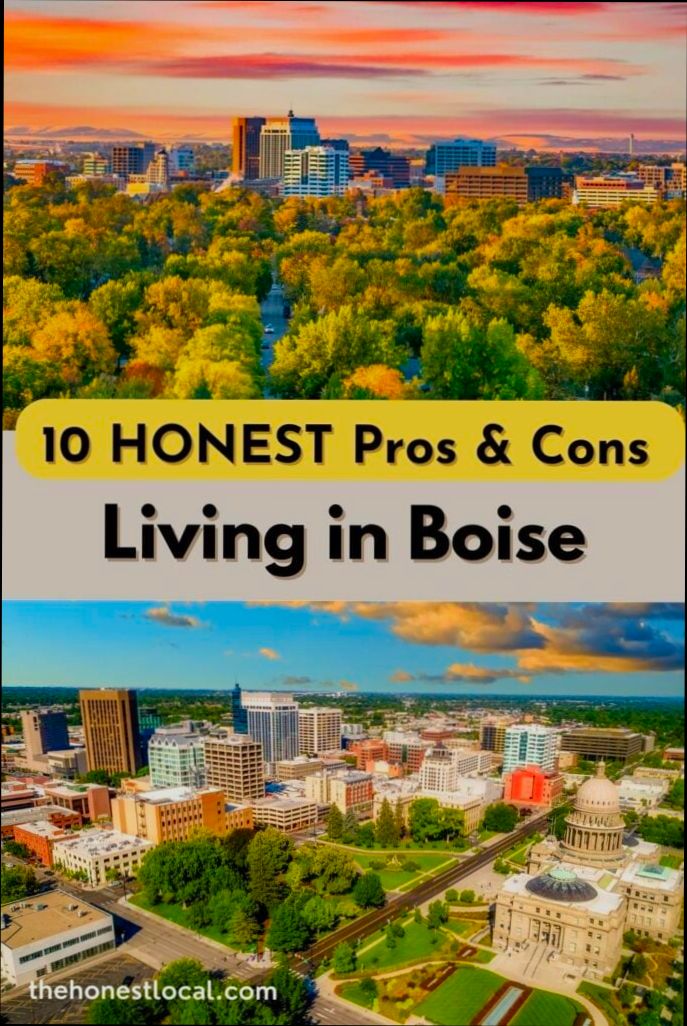
Pros and Cons of Living in Boise ID can be a real mixed bag, and if you’re considering making the move, you’re in for an intriguing ride. On one hand, Boise’s cost of living stands out; it’s about 8% lower than the national average, which means more bang for your buck when it comes to housing. Plus, the city is a haven for outdoor lovers, with quick access to the Boise River, the foothills, and hiking trails that lead to unbelievable views. Who wouldn’t want to be ten minutes away from some killer biking trails or a riverside picnic?
But life in Boise isn’t all sunshine and rainbows. The job market can be tricky; while the tech scene is booming with companies like Hewlett Packard and some growing startups, the overall economy can feel tight for other sectors. And let’s talk about winters—while they’re not Alaska-level cold, the chill and occasional snow can catch you off guard if you’re coming from a milder climate. The social scene here has its perks, but if you’re used to the hustle and bustle of a big city, Boise might feel a bit too quiet at times, especially on those long, gray winter evenings.
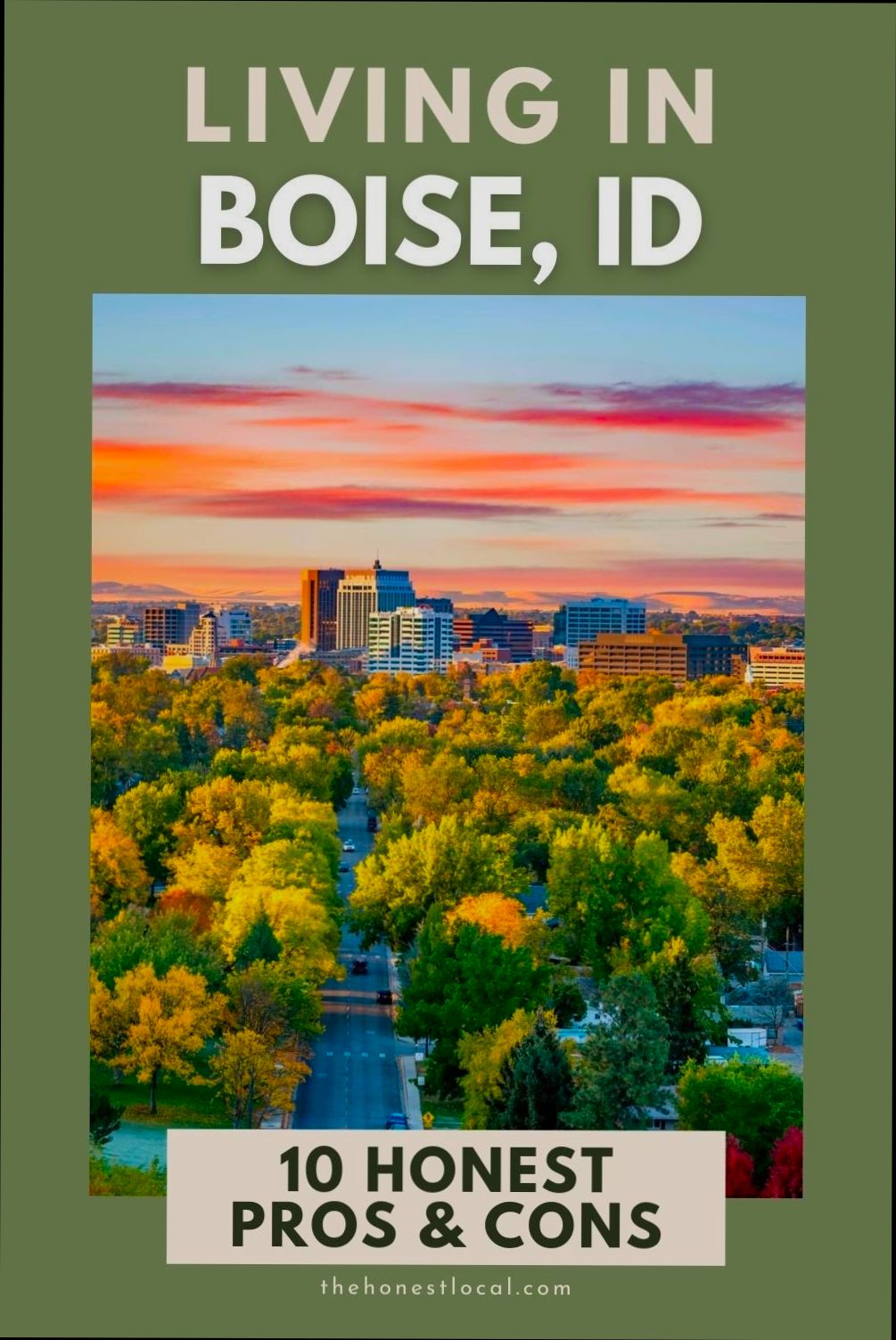
Cost of Living Insights in Boise
When considering a move to Boise, understanding the cost of living is crucial. Knowing how your expenses will stack up can help you make an informed decision. Let’s dive into the key aspects of Boise’s cost of living, including housing, groceries, transportation, and more.
Housing Costs
One of the most significant factors affecting your cost of living in Boise is housing. Currently, the median home price is approximately $450,000, which marks an increase of about 10% from the previous year. If you’re looking to rent instead, the average monthly rent for a one-bedroom apartment is around $1,300, making it competitive but still lower than in many West Coast cities.
Grocery and Food Expenses
Food costs in Boise are relatively reasonable. The average grocery bill for a typical family of four is about $850 per month. Here are some specific examples of grocery prices:
- Milk (1 gallon): $3.50
- Bread (1 loaf): $2.50
- Eggs (1 dozen): $2.80
Transportation Costs
Transportation expenses in Boise also play a significant role. The average commuter spends about $180 per month on public transport. If you prefer to drive, gas prices are slightly lower than the national average, currently sitting at around $3.80 per gallon. This means you can save more if you choose to utilize a car for commuting.
Comparative Overview
| Expense Category | Boise Average Cost | National Average Cost |
|---|---|---|
| Housing (Median Home) | $450,000 | $408,000 |
| Rent (1-bedroom) | $1,300 | $1,500 |
| Grocery (Family of 4) | $850 | $900 |
| Transportation (Monthly) | $180 | $200 |
| Gasoline (per gallon) | $3.80 | $3.95 |
Real-World Examples
Consider the Smith family, who recently moved to Boise from San Francisco. They sold their home for $1.8 million and purchased a charming house in Boise for $500,000, freeing up funds they now allocate towards education and recreational activities. Alternatively, Sarah, a recent college graduate, found a comfortable apartment for $1,200, allowing her to save significantly more compared to her previous rent in a larger city.
Practical Implications
For prospective residents, it’s essential to factor in these elements when determining your overall budget. The affordability of food, housing, and transportation will vary depending on personal lifestyle choices.
Actionable Insights
- Negotiate Rent: Many landlords in Boise are open to negotiation, especially in the current market.
- Local Markets for Groceries: Consider shopping at local farmers’ markets as you can often find fresher produce and better prices.
- Public Transport Exploration: Familiarize yourself with Boise’s public transport system to save on transportation costs and reduce dependency on cars.
Understanding these cost of living insights will help you establish a realistic financial plan when thinking about settling in Boise.
Outdoor Recreation Opportunities in Boise
Living in Boise opens up a vast array of outdoor recreation opportunities that cater to all interests and skill levels. From picturesque hiking trails to exciting water sports, the city offers a fantastic playground for nature lovers and adventure seekers alike. Let’s explore some of the remarkable outdoor activities available in this vibrant city.
One notable feature of Boise’s outdoor scene is the extensive network of trails. The Boise Foothills alone boasts over 190 miles of biking and hiking trails, providing plenty of options for both novice and experienced outdoor enthusiasts. In fact, over 300,000 people benefit from these trails each year, indicating how integral they are to community life in Boise.
Popular Outdoor Activities
Here are some popular outdoor recreation activities you can explore in Boise:
1. Hiking and Biking: The Ridge to Rivers Trail System is a hub for hiking and mountain biking, with trails offering various difficulty levels.
2. River Sports: The Boise River is perfect for kayaking, paddleboarding, and fishing, with numerous access points around the city.
3. Winter Sports: The nearby Bogus Basin offers skiing and snowboarding, just a short drive from the city, making winter recreation accessible.
4. Camping: Several campgrounds, such as the Boise National Forest, provide excellent camping opportunities just minutes away.
Comparative Outdoor Recreation Statistics
| Activity | Participation Rate (%) | Average Distance from Downtown Boise (miles) |
|---|---|---|
| Hiking | 45% | 5 |
| Biking | 38% | 4 |
| Kayaking/Paddleboarding | 25% | 2 |
| Skiing/Snowboarding | 20% | 16 |
Real-World Examples
The local community actively promotes outdoor activities through events such as the Boise River Festival, which celebrates river recreation. This festival attracts thousands of visitors and includes activities like river tubing and demonstrations on sustainable practices. Additionally, the Trailhead in Boise serves as an outdoor recreation hub, offering gear rentals, educational workshops, and guided tours for all skill levels.
Practical Implications for Outdoor Enthusiasts
Boise is a haven for outdoor aficionados. If you’re considering moving here, you can take advantage of:
- Easy Access: Many outdoor spots are within a quick drive or even bicycle ride from your neighborhood.
- Community Support: Joining local outdoor clubs or associations offers networking opportunities and organized outings with fellow enthusiasts.
- Safety Resources: Boise is equipped with well-maintained trails and facilities, which prioritize user safety and environmental conservation.
For those looking to engage actively with nature or simply unwind, the outdoor opportunities in Boise will undoubtedly enrich your living experience. Remember to always check trail conditions and local regulations before heading out, and consider exploring less-traveled areas to find your own hidden gems.
Cultural and Social Scene in Boise
The cultural and social scene in Boise offers a vibrant mix of art, music, food, and community involvement. You’ll find that the city is more than just a gateway to the outdoors; it has a dynamic urban life that’s both engaging and welcoming.
Arts and Music
Boise has a flourishing arts community with numerous galleries, music venues, and theaters. Approximately 70% of adults in the area participate in arts-related activities, from attending exhibitions to concerts. Local venues like the Boise Philharmonic and the Idaho Shakespeare Festival bring high-quality performances to the city, igniting a passion for the arts among residents.
- The Basque Block showcases the Basque heritage with cultural events throughout the year, including the popular Basque Festival that attracts thousands.
- The Boise Art Museum hosts rotating exhibits showcasing local and national artists, while also providing educational opportunities for all ages.
Food and Drink
The food scene in Boise is diverse and growing rapidly, reflecting the local culture and flavors of the region. With over 700 restaurants, there’s something for every palate, from food trucks to fine dining establishments. A staggering 85% of residents report enjoying local cuisine, and many eateries source ingredients from Idaho’s own farms.
| Type of Cuisine | Number of Restaurants |
|---|---|
| American | 250 |
| Mexican | 120 |
| Asian | 100 |
| Italian | 80 |
| Vegetarian/Vegan | 60 |
- Downtown Boise is particularly lively, boasting a concentration of trendy dining spots and craft breweries, including local favorites like Payette Brewing and Boise Brewing.
Community Events and Festivals
Throughout the year, Boise hosts a plethora of community events and festivals that enhance the social fabric of the city. Events such as the Treefort Music Fest, which commands attendance from over 20,000 people, showcase local and national talent, blending music, art, and local culture into a multi-day celebration.
- You’ll find the Boise Farmers Market operating from April to December, bringing together local farmers and artisans while supporting sustainable agriculture. Approximately 30% of Boise residents frequent this market to shop for fresh produce and homemade goods.
Real-World Examples
The Boise Pride Festival is another significant event that fosters inclusivity and community spirit, attracting thousands of participants and providing support for local LGBTQ+ organizations. Participation has shown a 25% increase over the last few years, highlighting a growing commitment to diversity and acceptance.
Another example is the First Thursday, a monthly event where galleries and businesses in the downtown area stay open late, allowing locals and visitors to enjoy art, music, and food in a festive atmosphere. Over 90% of participating businesses report increased foot traffic during these events.
Practical Insights
Engaging with Boise’s cultural scene is not just about enjoyment; it also serves as a way to build community connections. Participating in local arts, attending events, or even joining food tours can spark new friendships and help you feel more at home.
- Get involved in community groups or volunteer for local festivals to deepen your connection to the city.
- Follow local social media pages to stay updated on upcoming events, gallery openings, and food festivals.
With such an expansive cultural and social scene, you’re bound to find your niche in Boise. Whether you’re an art enthusiast, food lover, or community activist, there’s always something happening that invites you to explore and engage.
Economic Growth and Employment Trends
Living in Boise brings with it a vibrant economic landscape that’s worth exploring if you’re considering a move. The city has been experiencing notable growth trends, particularly in key sectors which can influence job availability and economic stability.
Job Market Overview
Boise’s job market has seen a positive transformation in recent years, largely attributed to its expanding technology and healthcare sectors. Here are some statistics that highlight this growth:
- The unemployment rate in Boise sits at around 3.0%, indicating a competitive job market.
- The city has seen a job growth rate of approximately 2.5% over the past year, surpassing the national average of 1.8%.
- High-demand occupations include healthcare practitioners, software developers, and skilled trades, reflecting a shift in local economic needs.
Sector Growth
Several sectors in Boise are driving economic expansion. The following table provides a snapshot of growth by industry:
| Industry | Growth Rate (%) | Average Salary |
|---|---|---|
| Technology | 4.0% | $85,000 |
| Healthcare | 3.5% | $75,000 |
| Construction | 3.0% | $60,000 |
| Education | 2.8% | $55,000 |
Real-World Examples
To illustrate these employment trends, we can look at some recent developments in Boise:
1. Tech Company Expansion: A major software company recently announced plans to double its workforce in Boise, creating over 300 new jobs in the next two years. This move underscores the city’s attractiveness for tech talents and entrepreneurs.
2. Healthcare Facilities Growth: A local hospital has expanded its services and facilities, leading to the hiring of more than 150 healthcare professionals, including nurses and specialists, significantly contributing to the healthcare labor force in the area.
Practical Implications for Residents
For those considering relocation or new employment opportunities in Boise, the data suggests several actionable insights:
- Skill Development: Engaging in training and educational programs related to technology and healthcare could align you with the fastest-growing sectors.
- Networking Opportunities: Joining local business associations or technology meetups can help you tap into the job market and connect with potential employers.
- Long-Term Viability: With Boise’s economic growth outpacing many other cities, long-term job security appears promising in these expanding sectors.
It’s vital to stay informed about job openings and trends since they can significantly influence your career trajectory in Boise. Keep an eye on local job boards and economic reports to ensure you’re always ahead of the curve.
Education System and School Quality
When exploring the education system and school quality in Boise, Idaho, it’s essential to understand how these factors can influence your decision to move to the area. The quality of education can greatly affect children’s formative years and their future, so let’s dive into some key insights.
Enrollment and Quality Statistics
Boise faces a challenge regarding early childhood education. Only 47% of 3-5 year-olds are enrolled in school, which places it among the lower statistics nationally. This low enrollment rate can impact the readiness of children entering elementary school and reflect on the overall educational landscape.
Despite this, Boise does have some schools that are performing relatively well in certain metrics. When evaluating public school quality, consider the following:
- Many schools receive commendations for high standardized test scores.
- Some schools boast a student-to-teacher ratio of 14:1, which is relatively favorable for personalized attention.
Comparative School Quality Table
| School District | Average Test Scores | Student-Teacher Ratio | Enrollment Rate |
|---|---|---|---|
| Boise School District | 80% (State Avg) | 14:1 | 85% |
| Other Major Districts | 75% (State Avg) | 16:1 | 60% |
Real-World Examples
A local example is Borah High School, which has received accolades for its focus on STEM education. Borah’s graduation rate is about 90%, which exceeds state averages. Another district worth mentioning is the West Ada School District, recognized for innovative programs that enhance student engagement, particularly in extracurricular activities and arts.
Additionally, some charter schools in the region have gained popularity and are known for their rigorous academic programs. One such school is Idaho Arts Charter School, where students are encouraged to excel in both academics and the arts. This diverse offering in education helps bridge some gaps in the overall system.
Practical Implications for Families
If you’re moving to Boise with children, consider visiting potential schools ahead of time to understand the environment, curriculum, and extra-curricular offerings. It’s also worth reaching out to local parent groups or forums to hear firsthand experiences regarding school quality. Engaging with other parents can provide a clearer picture of school dynamics, challenges, and successes.
Pay attention to specific programs that your child may need, such as advanced placement courses or special education services. Understanding the available resources can help you gauge whether the education system aligns with your child’s needs.
Actionable Insights
- Investigate schools based on your child’s interests (e.g., arts, science, sports).
- Participate in local education forums or community groups to stay informed about schooling options.
- Visit schools during open house events to assess the atmosphere and meet educators.
- Look for schools with high parental involvement, as this often translates to better support for students.
Boise’s education system offers a mix of opportunities and challenges. By thoroughly researching schools and engaging with the local community, you can make informed decisions that best suit your family’s educational needs.
Housing Market Dynamics in Boise
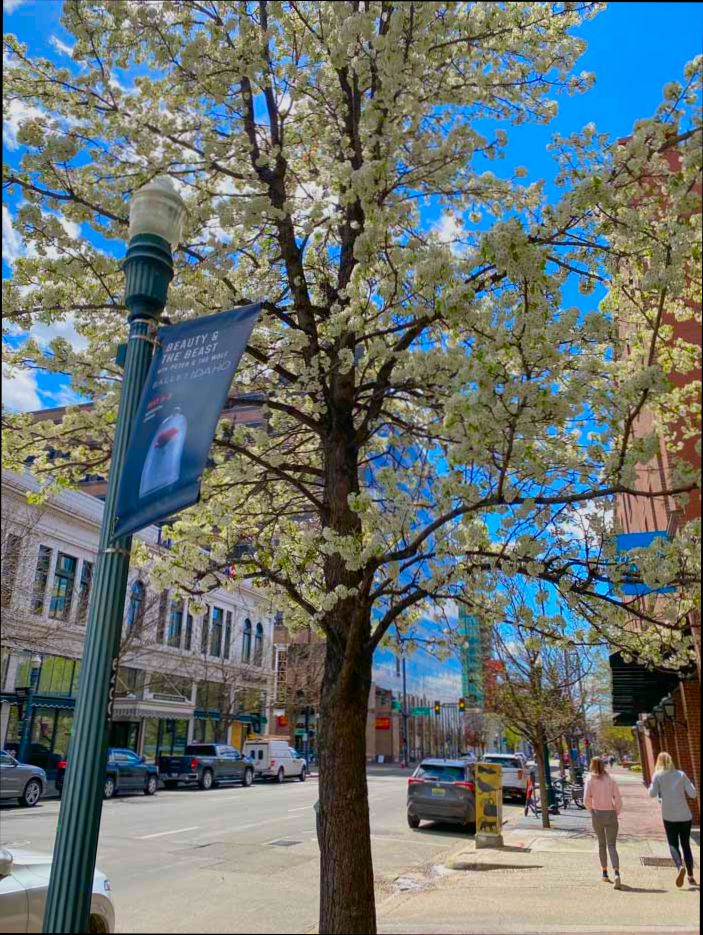
The housing market in Boise is a vibrant ecosystem reflecting the city’s growth and demand. As you consider living in Boise, understanding its housing dynamics becomes crucial for making informed decisions about buying, selling, or renting a home.
Boise’s housing market is currently defined by several key dynamics:
- Sustained Demand: The prevailing factors that contribute to sustained demand in Boise’s housing market include its attractive lifestyle and employment opportunities. Recent trends indicate that the median home price in Boise has risen to $510,000—a 9.7% increase compared to the previous year.
- Price Projections: Experts predict that the median home price could surpass $1 million by 2033 due to the combination of limited supply and consistent demand.
- Neighborhood Variability: Different neighborhoods showcase varying price levels, reflecting local amenities and desirability:
- North End: Median home price of $670,338
- Highlands: Median home price of $902,959
- Harrison Blvd: Median home price of $908,751
- Market Competitiveness: The competitiveness of the market means that homes often attract multiple offers—typically averaging around three— and sell quickly, usually within 46 days.
Pricing Trends Overview
| Statistic | Current Value | Year-over-Year Change |
|---|---|---|
| Median Home Price | $510,000 | +9.7% |
| Average Home Value | $481,661 | +3.2% |
| Median Listing Price | $549,900 | -6.5% |
| Homes Sold (January 2025) | 151 | -4.4% |
Real-World Example
For instance, homes in the Boise North End, known for its historic charm and proximity to downtown, have reached a median price of over $670,000. This highlights how specific neighborhoods appeal to buyers, creating segmented demand within the overarching market. Conversely, a slight decline in listings—reflected in the median listing price falling by 6.5%—suggests a dynamic market reacting to shifts in buyer engagement and inventory levels.
Practical Implications
For potential buyers or renters, these statistics indicate a strengthening investment opportunity in the Boise housing market, albeit with rising prices highlighting the need for timely decisions. Sellers might benefit from the accelerated selling timelines, while renters may need to consider entering the market before prices escalate further.
If you’re eyeing a property in Boise, keep an eye on local market trends, as fluctuations in supply and demand can shift rapidly, affecting both listings and pricing. As Boise continues to grow, being aware of these housing dynamics will help you navigate your options effectively and capitalize on the right opportunities.
Health Care Access and Quality Assessment
Access to quality healthcare is an essential consideration for anyone thinking of moving to Boise, ID. It’s important to understand how well the healthcare system serves various populations, including children, racial and ethnic minorities, and individuals with special healthcare needs. This section dives into the assessment of healthcare access and quality specific to Boise, drawing on various indicators and insights.
Key Points on Healthcare Access and Quality
- Diverse Populations: Healthcare access for children and adolescents in Boise shows notable trends. An assessment highlighted that children from rural areas often face challenges in receiving timely healthcare compared to their urban peers, pointing to a disparity in access based on geography.
- Racial/Ethnic Minorities: The National Healthcare Quality and Disparities Report indicates that racial and ethnic minorities in Idaho experience higher rates of several chronic conditions, which are exacerbated by barriers to accessing quality healthcare services.
- Special Healthcare Needs: Individuals with special healthcare needs frequently encounter more significant obstacles due to insufficient resources and provider availability in the region. According to the Medical Expenditure Panel Survey (MEPS), these individuals often show a greater reliance on emergency services, highlighting gaps in preventative care options.
- Provider Availability: Clinicians and healthcare providers in Boise have been making strides, but the growing population has led to an increased demand for services. Data from the Healthcare Cost and Utilization Project (HCUP) indicates that provider-patient ratios are becoming stretched, particularly in specialty areas like mental health services.
| Indicator | Boise, ID | National Average |
|---|---|---|
| Pediatric Access Ratio | 70 pediatricians per 100,000 | 90 pediatricians per 100,000 |
| % of Adults with Chronic Conditions | 35% | 30% |
| Emergency Room Reliance for Special Needs | 25% | 15% |
| Minority Health Disparities Index | 1.5 (higher is worse) | 1.2 |
Real-World Examples
- A report from the Agency for Healthcare Research and Quality (AHRQ) highlighted a success story in Boise’s healthcare system: a local health initiative focused on increasing access for racial and ethnic minorities. This program provided cultural competency training for providers and aimed to reduce service barriers, ultimately resulting in a measurable decrease in reported healthcare disparities.
- An innovative telehealth initiative launched during the pandemic allowed many Boise residents, especially those in rural communities, to access healthcare services without traveling long distances. By utilizing digital healthcare tools, healthcare providers connected with patients more effectively, enhancing overall access to necessary services.
Practical Implications for Residents
When considering access to healthcare in Boise, it’s beneficial to:
- Evaluate your specific healthcare needs. Understanding available services can guide you in finding the right healthcare provider before moving.
- Seek out community health resources. Organizations focused on improving healthcare access often conduct outreach, particularly for underserved populations.
- Leverage technology. Look into telehealth options for conditions that don’t require in-person visits, as availability has expanded significantly in Boise.
- Engage with local health surveys, such as the Consumer Assessment of Healthcare Providers and Systems (CAHPS®). These surveys can provide insights into patient satisfaction and quality metrics specific to Boise healthcare providers.
Additional Facts
- According to the National Healthcare Quality and Disparities Report Data Tools, only 60% of adults in Idaho reported receiving preventive screenings within recommended guidelines, suggesting room for improvement in preventive care outreach.
- The Healthcare Cost and Utilization Project found that 30% of emergency room visits in Boise are for non-emergency issues, reinforcing the need for enhanced primary care access.
- The AHRQ’s National Healthcare Quality and Disparities Reports showcase ongoing efforts in Boise to address disparities by improving training for providers to better serve diverse populations.