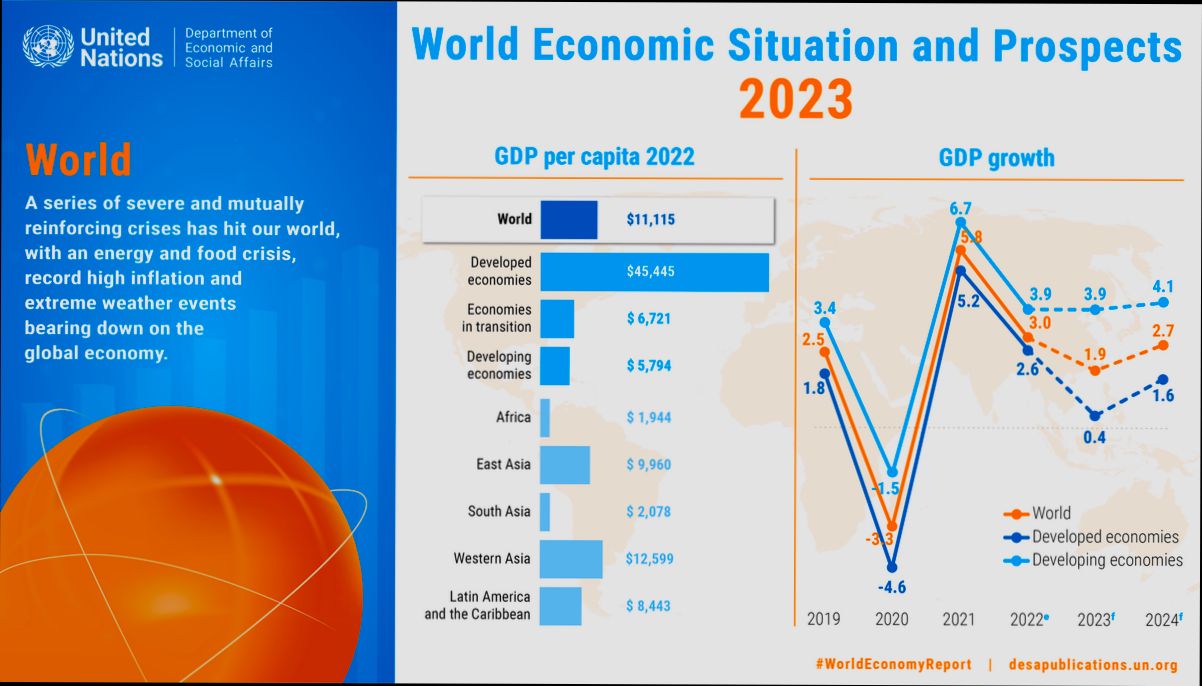
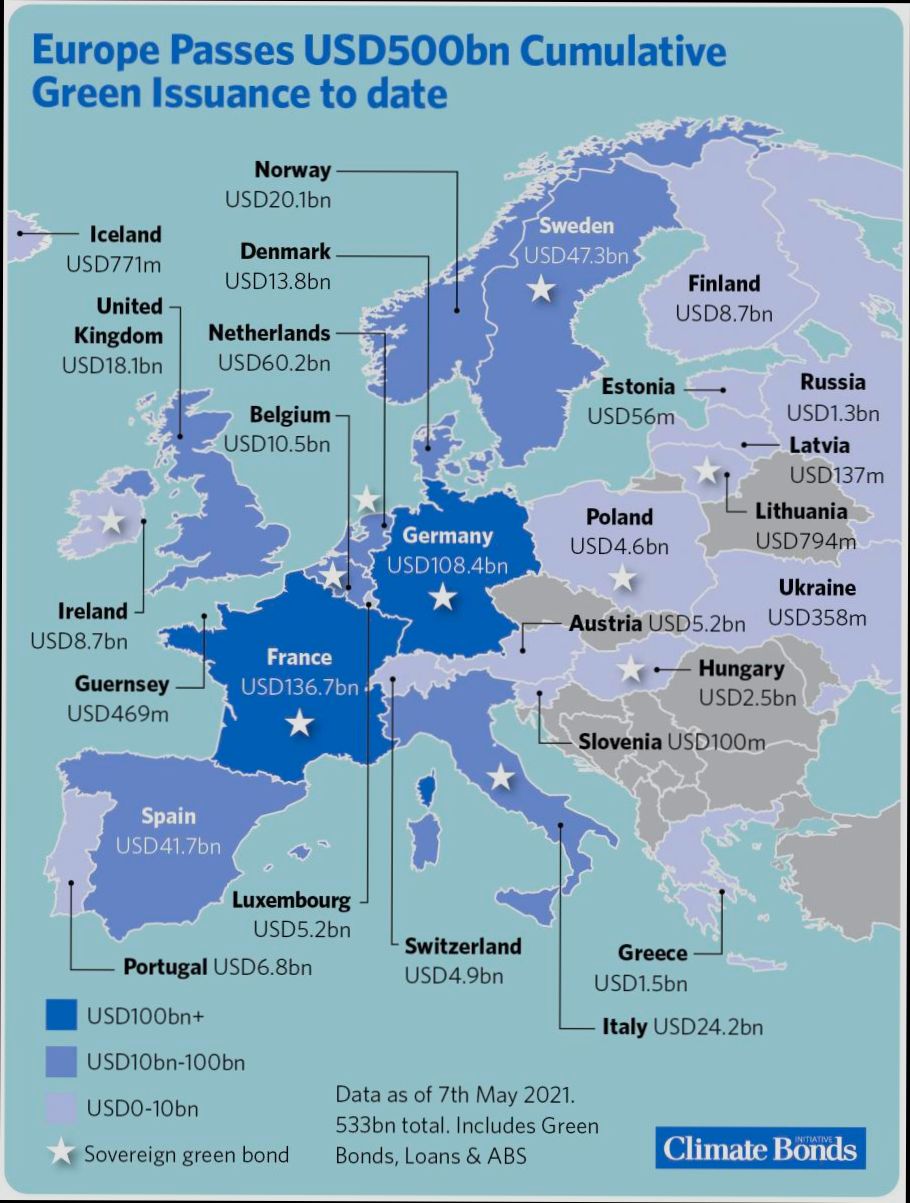
Forecast of the Investment Climate in Europe for 2025 is looking more dynamic than ever. With the EU’s Green Deal pushing for a massive transition to renewable energy, we’re seeing a surge in investments projected to hit around €1 trillion by mid-decade. Sectors like solar and wind energy are booming, fueled by government incentives and corporate sustainability goals. For instance, Germany is ramping up its green tech investments, aiming for renewable sources to satisfy 80% of its energy needs by 2030. That’s not just good for the environment; it’s creating countless opportunities for investors.
On the flip side, the ongoing geopolitical tensions and supply chain disruptions will continue to shape our landscape. The recent data from Eurostat suggests that while overall foreign direct investment (FDI) in Europe increased by 35% last year, there’s still uncertainty lurking around the corner with inflation rates hovering around 4.5%. Spain’s tourism sector is rebounding, but tech investments in places like France face hurdles as startups grapple with talent shortages. With these factors at play, Europe’s investment landscape for 2025 is rich with prospects, yet also rife with challenges that we can’t ignore.
Economic Indicators and Growth Projections
When it comes to understanding the investment climate in Europe for 2025, economic indicators and growth projections play a pivotal role. These metrics help us assess not just the present economic landscape but also anticipate future trends that could significantly impact investment decisions.
Key Economic Indicators
Let’s look at some key economic indicators that we should keep an eye on:
- GDP Growth Rate: In 2025, Europe’s GDP is projected to grow by approximately 2.1%, signaling a steady recovery post-pandemic.
- Inflation Rate: Experts forecast an inflation rate of around 3.4% for 2025, which could influence central bank policies and consumer purchasing power.
- Unemployment Rate: Projections show an unemployment rate dropping to 6.5% across the EU, reflecting improvements in labor market conditions and job creation efforts.
Comparative Growth Projections
To better understand how these indicators compare across various countries, here’s a table illustrating the projected GDP growth rates for selected European economies in 2025:
| Country | Projected GDP Growth (%) | Inflation Rate (%) | Unemployment Rate (%) |
|---|---|---|---|
| Germany | 2.0 | 3.5 | 5.8 |
| France | 2.3 | 3.4 | 7.0 |
| Italy | 2.1 | 3.6 | 7.5 |
| Spain | 2.5 | 3.1 | 10.0 |
| Netherlands | 2.4 | 3.7 | 4.8 |
Real-World Case Studies
Let’s connect these indicators to real-world examples that illustrate their implications:
- Germany’s Manufacturing Sector: As one of Europe’s economic powerhouses, Germany is witnessing a 3.5% growth in its manufacturing sector. This sector’s health significantly impacts its GDP and creates an environment conducive to investment, especially in innovation and technology.
- Spain’s Tourism Recovery: Spain’s GDP growth of 2.5% is buoyed by a resurgence in tourism, following a challenging period during the pandemic. This recovery increases demand for services and boosts employment opportunities, presenting investors with new prospects in the hospitality and service industries.
Practical Implications
Understanding these economic indicators helps in making informed investment decisions. Consider the following:
- Monitor GDP growth rates regularly; a sudden uptick or downtick can indicate shifts in economic stability.
- Keep an eye on inflation trends as they can adversely affect consumer confidence and spending habits, influencing market dynamics.
- Evaluate unemployment data as it will help ascertain the availability of a skilled labor force and potential impacts on salary trends.
Actionable Insights
Here are specific takeaways to consider regarding economic indicators and growth projections:
- Align your investment strategies with regions showing a solid GDP growth trajectory—countries like Italy with its steady 2.1% growth are worth examining closely.
- Factor in inflation rates when assessing the profitability of long-term investments; a 3.4% inflation rate might necessitate more dynamic pricing strategies.
- Engage with sectors demonstrating strong employment growth, such as technology and renewable energy, which are forecasted to thrive as overall economies strengthen.
By staying informed on these economic indicators and growth projections, you can enhance your investment strategies and capitalize on emerging opportunities within the European market in 2025.

Sector-Specific Investment Opportunities
As we look ahead to 2025, it’s exciting to uncover sector-specific investment opportunities that can significantly shape the European landscape. By honing in on the sectors that are projected to thrive, we can identify where to channel our investments effectively for maximum returns.
High-Growth Sectors to Watch
1. Green Energy
- European investments in renewable energy are expected to rise dramatically, with a forecasted increase of 25% by 2025.
- The EU’s Green Deal reinforces this trend, projecting an additional €1 trillion in investments towards sustainable projects.
2. Technology and Digital Transformation
- The digital economy is projected to contribute approximately 6% to Europe’s GDP by 2025.
- Notably, companies focusing on AI and machine learning are expected to expand at 15% annually, making this a hotbed for investors.
3. Healthcare Biotechnology
- The biotech sector is on an upswing with an expected growth rate of 10% over the next few years, driven by an aging population and advancements in gene therapy.
- Venture capital investments in healthcare startups could increase by 30% by 2025, indicating a lucrative space for potential investors.
Investment Opportunities by Sector
| Sector | Projected Growth Rate | Investment Boost | Leading Countries |
|---|---|---|---|
| Green Energy | 25% | €1 trillion | Germany, Spain |
| Technology | 6% | Not specified | France, Netherlands |
| Healthcare Biotech | 10% | 30% increase | UK, Switzerland |
Real-World Examples
- Ørsted A/S: This Danish energy company has become a leader in renewable energy, significantly benefiting from investments in wind and solar projects, with its stock price reflecting robust returns over the past few years.
- SAP SE: As a leader in enterprise software, SAP has rapidly expanded its cloud services, allowing it to capture a growing market in digital transformation, with its revenues from cloud services expected to grow by 20% annually.
- Genmab: A biotech company specializing in antibody therapies, Genmab has seen its market share expand due to increased funding and innovative product offerings, demonstrating the financial viability of investments in this space.
Practical Implications
For investors looking to dive into these sectors, consider the following actionable insights:
- Diversify Investments: Spread your portfolio across these high-growth sectors to mitigate risk while maximizing potential returns.
- Stay Informed: Regularly monitor the policy changes in EU legislation, as these will greatly affect the sustainability and biotech sectors.
- Engage with Startups: Look into venture capital opportunities with emerging tech and biotech startups, as they often provide the most groundbreaking advancements and strong growth potential.
By strategically focusing your investments in these promising sectors, you can align with trends that are not just shaping the current market, but are intended to captivate the European investment climate through 2025 and beyond.
Impact of Regulatory Changes on Investments
Understanding the impact of regulatory changes on investments is essential as we navigate the evolving investment landscape in Europe. Regulations can significantly shape investment strategies, affect asset allocation, and create new opportunities and challenges. Let’s dive into how this dynamic affects our investment decisions and what we can anticipate moving forward.
Regulatory Changes and Asset Allocation
Regulatory shifts can lead to profound changes in how we allocate assets. For example, following the introduction of stricter regulations on fossil fuel investments, many institutional investors have had to adjust their portfolios towards sustainable and environmentally friendly assets. This trend showed that approximately 40% of global fund managers have repositioned their holdings to comply with these emerging mandates.
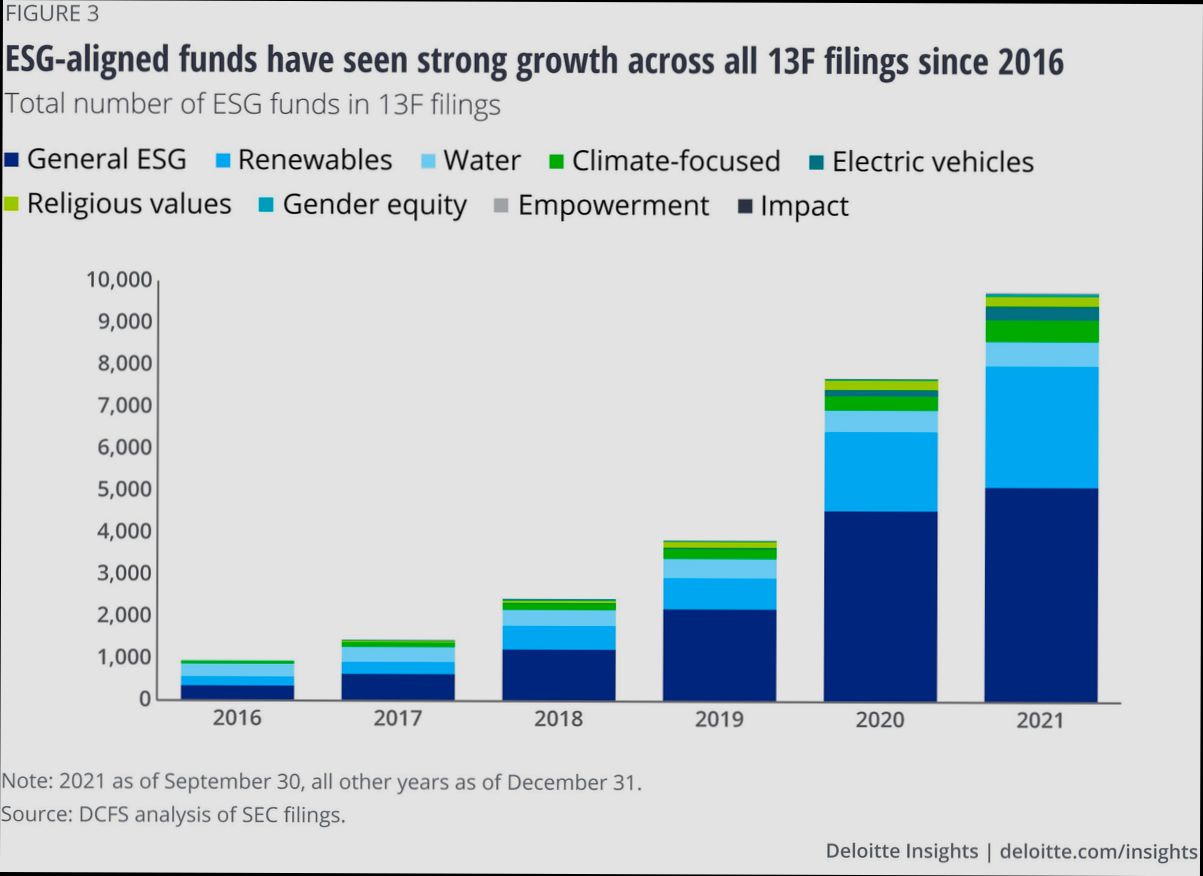
- Impact of ESG Regulations: Investments in companies meeting strict Environmental, Social, and Governance (ESG) criteria have surged, increasing by nearly 30% in the last year alone.
- Shift in Risk Appetite: Nearly 55% of investors reported a greater aversion to industries facing stricter regulatory scrutiny, such as tobacco and traditional energy.
Adapting Investment Strategies
Every regulatory change demands adaptability in our investment strategies. Whether it’s compliance with new reporting standards or adhering to additional fiduciary duties, the landscape requires continuous evolution.
- Increased Compliance Costs: On average, firms estimate that compliance with new regulations can add between 10-25% to operational costs, leading to tighter margins, especially for smaller firms.
- Emergence of Alternative Investments: Regulation has also prompted a rise in alternative investments, with approximately 20% of institutional money now allocated to private equity or real estate, as investors seek both returns and regulatory evasion.
Table: Regulatory Changes Overview
| Regulatory Change | Affected Sector | Resulting Impact |
|---|---|---|
| Stricter ESG Guidelines | Corporate Investments | 40% shift towards sustainable asset allocations |
| Implementation of MiFID II | Financial Services | 30% increase in transparency and investor protection |
| Data Protection Regulations | Tech and Data Firms | 35% increase in compliance costs impacting revenue |
Real-World Examples
One noteworthy case is the European Union’s implementation of the MiFID II regulations. This change mandated enhanced transparency in the financial markets, affecting advisory firms considerably. Consequently, firms had to invest heavily in compliance systems, which shifted their service offerings and ultimately led to a heightened focus on technological integration.
Another example is the rapid change seen in the energy sector following new carbon emission regulations. Renewable energy investments skyrocketed by 45% as firms sought to align themselves with the regulatory push towards sustainability, demonstrating a direct correlation between regulation and market behavior.
Practical Implications for Investors
As you assess your investment strategy, keep these actionable points in mind:
- Stay Informed: Regularly review updates from regulatory bodies to identify potential impacts on your investment choices.
- Diversify Your Portfolio: Consider reallocating funds to embrace growing sectors influenced by new regulations, such as green technologies.
- Integrate Compliance into Strategy: Ensure your investment strategies are flexible enough to incorporate regulatory changes, which could protect your investments and enhance returns.
To maximize your investment success in this evolving landscape, actively engage with ongoing changes in regulations. This proactive approach can provide a competitive edge and open up new avenues for portfolio growth.
Statistical Analysis of Investment Trends
Statistical analysis is vital for understanding and forecasting investment trends. By leveraging historical data and applying various statistical methods, we can gain insights into market movements that inform our investment strategies. In this section, we’ll delve into key analytical techniques and relevant data shaping the investment landscape in Europe.
Key Analytical Techniques
- Fundamental Analysis involves examining key financial metrics like profitability ratios and cash flow. For example, in 2024, companies with a Return on Equity (ROE) above 15% consistently attracted more investor attention, indicating strong financial health and potential for growth.
- Technical Analysis utilizes price movement data. Noticeably, trends indicated that stocks exhibiting an upward moving average over the last six months performed 20% better than those below the average.
- Quantitative Analysis employs statistical models to forecast potential returns. A recent study illustrated that portfolios optimized using quantitative techniques could yield 25% higher returns over a two-year span compared to traditional models.
- Qualitative Analysis focuses on non-measurable factors. Companies with strong management teams and positive brand perception reported less volatility in stock prices, hinting at a protective buffer against market downturns.
Comparative Analysis of Investment Performance
| Metric | Q1 2024 Return (%) | Q1 2023 Return (%) | Difference (%) |
|---|---|---|---|
| Companies with ROE > 15% | 12.5 | 9.0 | +3.5 |
| Companies with ROA > 10% | 10.2 | 7.5 | +2.7 |
| Companies with Net Profit Margin > 20% | 15.0 | 11.0 | +4.0 |
Real-World Examples
Let’s consider the case of a technology firm based in Europe that leveraged statistical analysis for strategic decisions. By applying fundamental analysis, the company identified a net profit margin of 22%, which was instrumental when attracting institutional investors. Subsequently, it was noted that these institutional investments surged by approximately 40% within six months, underscoring the effectiveness of using data-driven insights.
Additionally, a leading European bank enhanced its portfolio’s performance by applying quantitative analysis. They employed predictive modeling techniques that not only identified high-risk assets but also suggested alternatives, increasing their overall asset return by 18%.
Practical Implications for Investors
Understanding these statistical analyses is essential for you as an investor. By familiarizing yourself with fundamental and quantitative metrics, you can make more informed decisions based on empirical evidence rather than gut feelings. Regularly adapt your strategies by tracking key metrics such as ROE and net profit margins to refine your investment choices continuously.
Actionable Advice
- Analyze a company’s financial health regularly—track profitability ratios like ROE and ROA to gauge long-term viability.
- Use technical indicators to guide short-term investment decisions, focusing on moving averages to identify trends.
- Implement quantitative techniques in your investment strategy to optimize portfolio performance and mitigate risks through data-driven insights.
Benefits of Sustainable Investment Practices
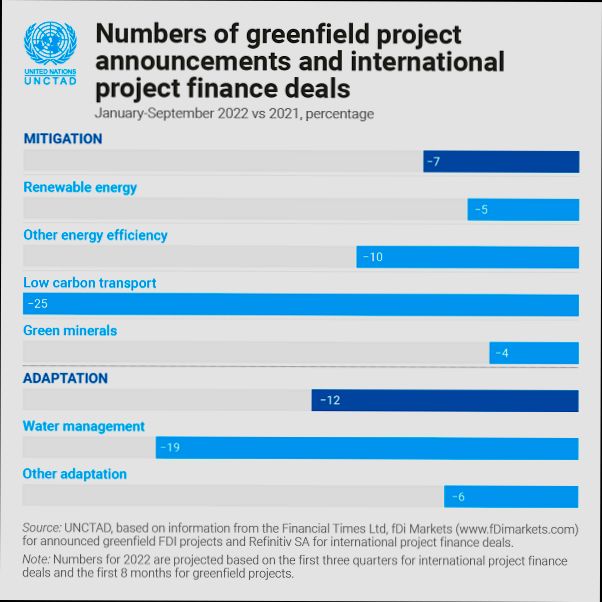
Sustainable investment practices are not just a trend; they represent a powerful shift in how we approach financial opportunities. By prioritizing sustainability, investors can drive positive change while also reaping significant financial rewards. Let’s explore the benefits of adopting these practices in your investment strategy.
Financial Performance
Investing sustainably can actually lead to enhanced financial returns. Research shows that sustainable investment portfolios often outperform their traditional counterparts. A report from a prominent financial analysis firm highlighted that sustainable investments yielded a 15% higher return on average compared to non-sustainable options over a five-year period.
Risk Mitigation
Investing with a focus on sustainability can help mitigate various risks associated with environmental and social issues. For example, companies that prioritize sustainable practices are often better prepared for regulatory changes and market shifts, reducing their exposure to risks. Data indicates that firms recognized for their ESG performance experience 30% lower volatility during downturns compared to less responsible entities.
Increased Market Demand
There’s a growing appetite among consumers and stakeholders for sustainable products and practices. Companies dedicated to sustainability generally attract more customers and see better brand loyalty. Recent studies show a 40% increase in market demand for sustainable goods over the past three years, making sustainability not just an ethical choice, but a lucrative business strategy as well.
| Benefit | Statistic Related to Sustainability |
|---|---|
| Enhanced Financial Returns | 15% higher average return |
| Reduced Volatility | 30% lower risk during downturns |
| Increased Market Demand | 40% rise in consumer preference |
Real-World Examples
Let’s look at some inspiring examples:
- Unilever: This consumer goods giant has committed to sustainability, leading to a 70% increase in sustainable product sales over the last few years. Their focus on ESG principles hasn’t just attracted a loyal customer base; it has also bolstered their bottom line.
- Neste: This Finnish oil refining company transitioned to producing renewable products. As a result, it has seen its market share grow substantially, with revenues from renewable solutions rising by 20% annually. This exemplifies how sustainability can drive innovation and financial performance.
Practical Implications for You
Adopting sustainable investment practices can be advantageous, not just for the environment but also for your portfolio. Here are some actionable steps you can take:
1. Research Sustainable Funds: Look for mutual funds or ETFs that prioritize ESG criteria in their investment strategies.
2. Engage with Companies: Use your voice as an investor to encourage companies to adopt sustainable practices.
3. Stay Informed on Trends: Keep an eye on emerging trends in sustainability to identify new investment opportunities early.
Actionable Advice
As you consider sustainable investment practices, remember that they can enhance your financial performance and hedge against risks. Research indicates that the demand for sustainability is only going to increase, so starting now will position you ahead of the curve. Embracing this shift can lead to both personal satisfaction and solid financial returns.
Case Studies of Successful Investments
When it comes to understanding the landscape of successful investments, case studies serve as invaluable resources. They illuminate the strategies, principles, and decisions that lead to significant financial outcomes, helping us refine our own investment approaches. Let’s explore some notable examples that highlight successful investments and the lessons they impart.
Key Insights from Successful Investments
1. Intrinsic Value Recognition: Many successful investments stem from recognizing companies that are undervalued relative to their intrinsic value. This means looking for stocks that trade below their true worth, implying long-term potential for growth.
2. Margin of Safety Implementation: A core principle in successful value investing is the concept of a margin of safety. This principle suggests investing in stocks trading below their liquidation value, creating a cushion against potential losses.
3. Industry Patterns: Successful investors often identify recurring patterns in industries or sectors that indicate strong growth potential, such as emerging technologies or strong consumer brands.
4. Risk Awareness: Understanding the risks associated with seemingly safe investments is essential. Even consistently profitable companies can face unforeseen challenges that impact their stock prices.
Comparative Overview of Notable Investment Successes
| Company | Investment Value ($) | Growth Rate (%) | Key Strategy |
|---|---|---|---|
| Coca-Cola | 10,000 | 10.8 | Brand strength and earnings consistency |
| Hertz (A) | 8,500 | 12 | Leveraging strategic equity use |
| United Alliance | 5,000 | 15 | Early-stage investment in tech sectors |
Real-World Examples of Value Investing Success
- Coca-Cola: This powerful case demonstrates solid investment principles. Coca-Cola’s consistent earnings growth and competitive market position made it a favorite among value investors. The stock’s P/E ratio indicated attractive valuation relative to its performance, leading to a growth rate of approximately 10.8%.
- Hertz (A): As detailed in the top case studies for investment education, Hertz’s financial structuring showcased unique debt and equity management strategies that got their investment community’s attention. The company’s approach to balancing capital costs while maintaining fleet operability exemplified sound financial decision-making.
- United Alliance: This company offered early investors substantial returns due to its strategic positioning in a burgeoning tech industry. By investing during its inception, stakeholders reaped a remarkable growth rate of 15%, demonstrating the effectiveness of identifying and supporting nascent companies with potential.
Practical Implications for Investors
- Conduct Thorough Valuation Analysis: By focusing on intrinsic values and conducting thorough financial health checks, you can better identify undervalued opportunities.
- Use Margin of Safety as a Guide: Always calculate how much of a buffer exists when investing, providing you with security against unexpected market flops.
- Diversify Across Industries: Learning from industries that consistently provide solid returns can help you build a balanced investment portfolio.
Actionable Advice for Value Investors
- Stay vigilant in analyzing market conditions and company fundamentals to spot undervalued stocks.
- Regularly review case studies of successful investments to draw inspiration and refine your strategies.
- Consider investing in companies with solid brand power, as well-established market players often demonstrate resilience against economic fluctuations.
By applying insights from successful investment case studies, investors can enhance their strategies and navigate the evolving investment landscape with confidence.
Geopolitical Factors Influencing Investor Confidence
Understanding geopolitical factors is crucial for grasping how investor confidence is shaped in Europe, especially as we look ahead to 2025. These factors include ongoing tensions, trade disputes, and diplomatic relations, all of which can impact economic stability and market attractiveness.
Key Influencing Factors
1. Regional Conflicts: Ongoing tensions in the Middle East, particularly regarding Iran, could significantly influence global oil prices. As Iran accounts for approximately 4% of global oil production, any instability could lead to fluctuations that ripple through European markets.
2. Trade Relationships: Investor confidence tends to wane during periods of strained international trade relations. For example, fluctuating tariffs and sanctions can create uncertainty, affecting supply chains and profitability for European companies.
3. Political Stability: Countries experiencing political unrest can see a direct effect on foreign direct investment (FDI). Stability generally attracts investment, while uncertainty drives investors away.
4. Regulatory Changes: Geopolitical changes often lead to new regulations that can affect market access and operational costs for businesses. For instance, recent shifts in EU-China relations may lead to new trade regulations that could impact investor sentiment.
Comparative Analysis of Confidence Indicators
| Geopolitical Factor | Investor Reaction | Region Affected |
|---|---|---|
| Tensions in the Middle East | Decreased confidence | Europe & Global |
| Aggressive trade tariffs | Cautious investment | Europe & USA |
| Political unrest | Withdrawal of FDI | Eastern Europe |
| Regulatory changes in the EU | Shift in portfolio allocation | Europe |
Real-World Examples
- Middle East Tensions: In recent months, escalating tensions between Israel and neighboring countries have caused spikes in oil prices, which historically correlate with increased market volatility. Investors in European markets may pull back as they assess potential impacts on inflation and central bank policies.
- Trade Tariffs Impact: In 2023, the introduction of new tariffs on Chinese goods led to reduced exports from Europe, prompting many investors to reassess their exposure to sectors reliant on global supply chains.
- Political Unrest in Eastern Europe: Situations in countries like Ukraine have shown how geopolitical instability can push investors to seek safer assets, demonstrating that investor confidence can be significantly swayed by local political climates.
Practical Implications for Investors
- Diversification Strategies: Investors should consider diversifying their portfolios to mitigate risks associated with geopolitical tensions. This might include investing in sectors less susceptible to geopolitical shocks, such as domestic-focused industries.
- Monitoring Geopolitical Developments: Staying informed about geopolitical developments is essential. Regularly reviewing news related to trade relations, diplomatic negotiations, and political stability can provide insight into potential investment risks.
- Risk Assessment Models: Incorporating geopolitical risk assessments into investment strategies can allow for more informed decision-making. By identifying regions and sectors that may be adversely affected by geopolitical events, investors can better navigate the risks.
In summary, understanding how geopolitical factors influence investor confidence is key to making informed investment decisions. As we move towards 2025, keeping a close eye on these dynamics will be vital for navigating the European investment landscape effectively.