Pros and Cons of Living in San Jose, CA, can stir up a heated debate among locals and newcomers alike. On the plus side, you’ve got the heart of Silicon Valley right at your doorstep, teeming with tech giants like Google and Apple, creating endless job opportunities for those in the tech industry. With a median household income of over $100,000, it’s a place where you can really grow your career. Plus, the weather is practically perfect year-round, with mild winters and sunny summers that can make you feel like you’re on a permanent vacation.
But before you pack your bags, consider the flip side. The cost of living here is sky-high—think about a median home price that eclipses $1.3 million, making it one of the most expensive cities in the nation. And let’s not forget the traffic; commuting can suck away hours of your day, leaving you frustrated instead of enjoying that amazing weather. San Jose might have all the tech glam, but the reality of everyday life can sometimes overshadow the allure of the Bay Area.
Economic Opportunities in San Jose
When it comes to economic opportunities, San Jose stands out as a vibrant hub for job seekers and entrepreneurs alike. As the heart of Silicon Valley, the city boasts a diverse range of industries, innovative startups, and established tech giants, creating a unique environment for professional growth.
Key Economic Statistics
- Diverse Job Market: With major employers like Cisco Systems, Adobe Systems, and Western Digital, San Jose illustrates a dynamic job market drawing talent from around the globe. As more than 40% of the metro population consists of migrants, you’ll find a rich tapestry of skills and experiences contributing to the local economy.
- Unemployment Rate: San Jose enjoys a low unemployment rate, which typically hovers around 2.9%. This stability is enticing for job seekers and businesses looking to invest in talent.
- Competition in Earnings: While the city offers high-income levels, with many professionals earning six-figure salaries, keep in mind that the median home price hits around $1.245 million. Balancing a high salary against the cost of living is essential for anyone considering relocating here.
Comparative Economic Opportunities Table
| Economic Factor | San Jose Stats | National Average |
|---|---|---|
| Average Salary | $120,000+ | $71,500 |
| Unemployment Rate | 2.9% | 4.6% |
| Median Home Price | $1.245 million | $400,000 |
| Poverty Rate | 8.3% | 11.4% |
| Workforce Participation Rate | 65% | 61% |
Real-World Examples of Economic Opportunities
San Jose’s economic landscape is evidenced by successful companies fostering innovation and growth in the region. For instance, Cisco Systems continues to lead in network solutions while supporting numerous startups on its path. Adobe Systems provides creative software that powers various industries, employing thousands in the vicinity. These companies not only contribute to job creation but also provide solid networking opportunities for professionals looking to advance their careers.
Additionally, the startup ecosystem in San Jose is vibrant. Local accelerators and incubators boost emerging companies and offer mentorship programs for entrepreneurs. With venture capital flowing into the area, you can find many resources to support new business ideas and innovations.
Practical Implications for Job Seekers
If you’re considering moving to San Jose for economic opportunities, here are actionable insights:
- Leverage Networking: Engage with local tech meetups, workshops, and seminars. Networking can be a powerful tool in connecting with industry leaders and potential employers.
- Consider Remote Work Trends: With more companies embracing remote work, explore career options that might allow you to leverage your skills without relocating to other expensive parts of California.
- Utilize Local Resources: Take advantage of resources provided by organizations like the San Jose Chamber of Commerce, which can guide you in finding job openings and understanding the local market.
Actionable Advice for Economic Success
- Stay Informed: Keep an eye on emerging trends in technology and business within the region, as San Jose often leads the way in innovation.
- Invest in Continuous Learning: Consider further education or certifications that align with the job market’s demands. Upskilling can significantly boost your employability.
- Analyze Living Costs: Before making the leap to San Jose, create a budget that considers the high cost of living and housing prices. This way, you’ll be financially prepared to make the most of your opportunities while living in this dynamic city.
Housing Market Trends and Affordability
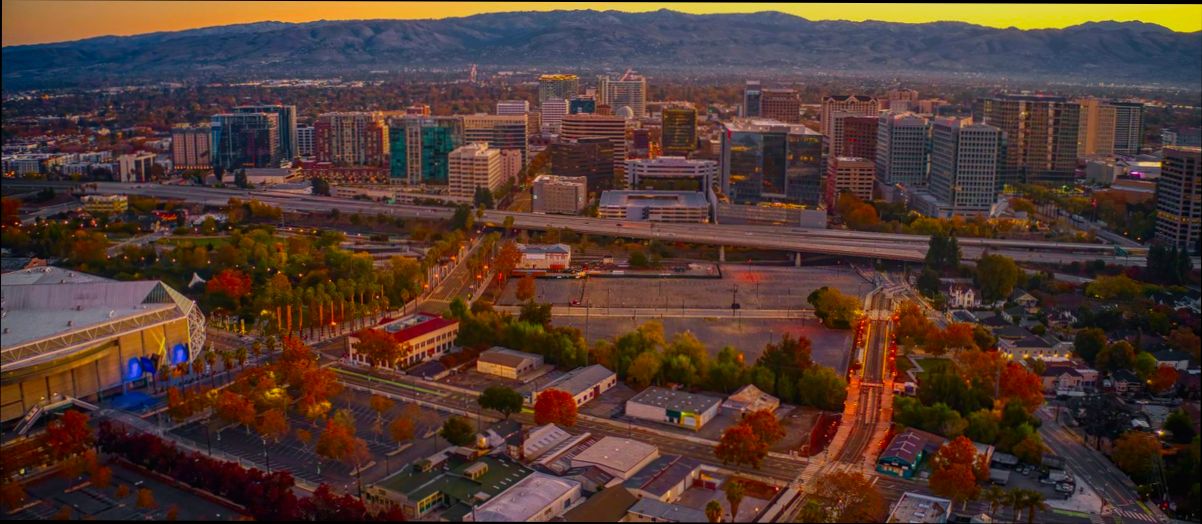
When considering a move to San Jose, understanding the housing market trends and the affordability of homes is crucial. This vibrant city has seen shifts that directly impact not only homebuyers but renters as well. Let’s dive into the current landscape and what it means for you.
Current Housing Market Trends
1. Median Home Prices: As of late 2023, the median home price in San Jose hovers around $1.5 million. This figure represents a modest rise of about 3% year-over-year, showing that while growth has stabilized, homes still command high prices compared to national averages.
2. Rental Market Dynamics: The rental prices in San Jose are equally daunting, with the average rent for a one-bedroom apartment nearing $2,800. This marks an increase of roughly 4% from the previous year, reflecting ongoing demand that pushes affordability further out of reach for many residents.
3. Availability and Inventory: Housing inventory remains low, with only about 1.3 months of supply available on the market. This scarcity fuels competition among buyers, resulting in faster sales and frequently above-asking price transactions.
Comparative Housing Affordability Table
| Criteria | San Jose | National Average |
|---|---|---|
| Median Home Price | $1.5 million | $380,000 |
| Average Rent (1-BR) | $2,800 | $1,200 |
| Housing Supply (Months) | 1.3 months | 3.0 months |
| Average Income Needed | $190,000/year | $80,000/year |
Real-World Examples of Affordability
- New Development Projects: Recent luxury apartment complexes like “The 88” and “Paseo de San Antonio” are reshaping the skyline but also pushing surrounding rental prices up. While these developments offer high-end amenities, they cater to a demographic with higher income potential, amplifying the affordability gap.
- First-Time Homebuyers: Many first-time homebuyers in San Jose are finding alternatives in the nearby outskirts, such as Morgan Hill and Gilroy, where median prices are closer to $900,000. This shift reflects a trend among buyers seeking to balance commute with affordability.
Practical Implications of Housing Trends
Understanding these trends can help you make informed decisions whether you’re looking to buy or rent. If you’re considering a purchase, be prepared for competitive bidding and possibly needing to stretch your budget. For renters, anticipating steep rental hikes can help you plan your finances effectively.
If you’re uncertain about diving into the San Jose housing market, consider:
- Exploring government-assisted programs for first-time homebuyers.
- Monitoring neighborhood developments that may affect future prices.
- Engaging a local real estate agent who can provide insights tailored to your needs.
The housing market in San Jose remains robust but challenging, and staying informed is key to navigating your options successfully.
Cultural Diversity and Community Engagement
Living in San Jose means immersing yourself in a rich tapestry of cultures and communities. With a population that reflects various ethnic backgrounds, you’ll find a lively mix of traditions, languages, and celebrations that create an inclusive atmosphere.
Cultural Landscape
San Jose’s cultural diversity is evident in its demographics. The city boasts a population that is approximately 35% Hispanic or Latino, 30% Asian, and around 25% White. This blend fosters an environment where multiple languages are spoken daily, enriching community interactions. Engaging with diverse cultures can enhance your social experience and broaden your perspective, whether you’re enjoying local cuisine or participating in community events.
Community Events and Engagement
San Jose hosts numerous cultural festivals throughout the year, engaging residents and showcasing its diversity. Some key events include:
- San Jose Jazz Festival: This annual event attracts diverse artists and music lovers, providing a platform for various genres, promoting cross-cultural collaboration.
- Lunar New Year Festival: Celebrating the Asian community, this festival transforms parts of the city into vibrant cultural displays featuring traditional dances, foods, and activities for all ages.
- Dia de los Muertos Celebrations: These events highlight Mexican traditions and honor deceased loved ones, drawing in people from all backgrounds to celebrate life and culture.
Statistics show that over 50% of San Jose residents participate in community events, demonstrating strong interest in engaging with the cultural offerings available in the city.
Community Engagement Statistics
| Engagement Activity | Participation Rate (%) |
|---|---|
| Cultural Festivals | 55% |
| Arts and Crafts Workshops | 40% |
| Language Exchange Programs | 30% |
Real-world Examples
One notable community engagement initiative is the Neighborhood Leadership Program, which empowers residents from diverse backgrounds to take the lead in their communities. Participants gain skills to address local issues and promote cultural understanding, enhancing social cohesion.
Another example is The San Jose African American Heritage Monument, a project that honors the contributions of African Americans to the city’s history. Its unveiling brought together residents from different cultural backgrounds, facilitating dialogue and appreciation for shared experiences.
Practical Implications
As you settle into San Jose, engage with local cultural groups or attend community events to immerse yourself fully. Here are some actionable steps you can take:
1. Join local cultural organizations: These groups often offer workshops, language classes, and networking opportunities to connect with like-minded individuals.
2. Attend cultural festivals: Participate in the celebrations to expand your horizons and promote inclusivity.
3. Volunteer: Many cultural events rely on volunteer support, and this can be a great way to meet new people while giving back to the community.
By actively participating in San Jose’s cultural and community engagement, you can enjoy a more fulfilling and enriched living experience, fostering connections across diverse groups.
Commuting and Transportation Considerations
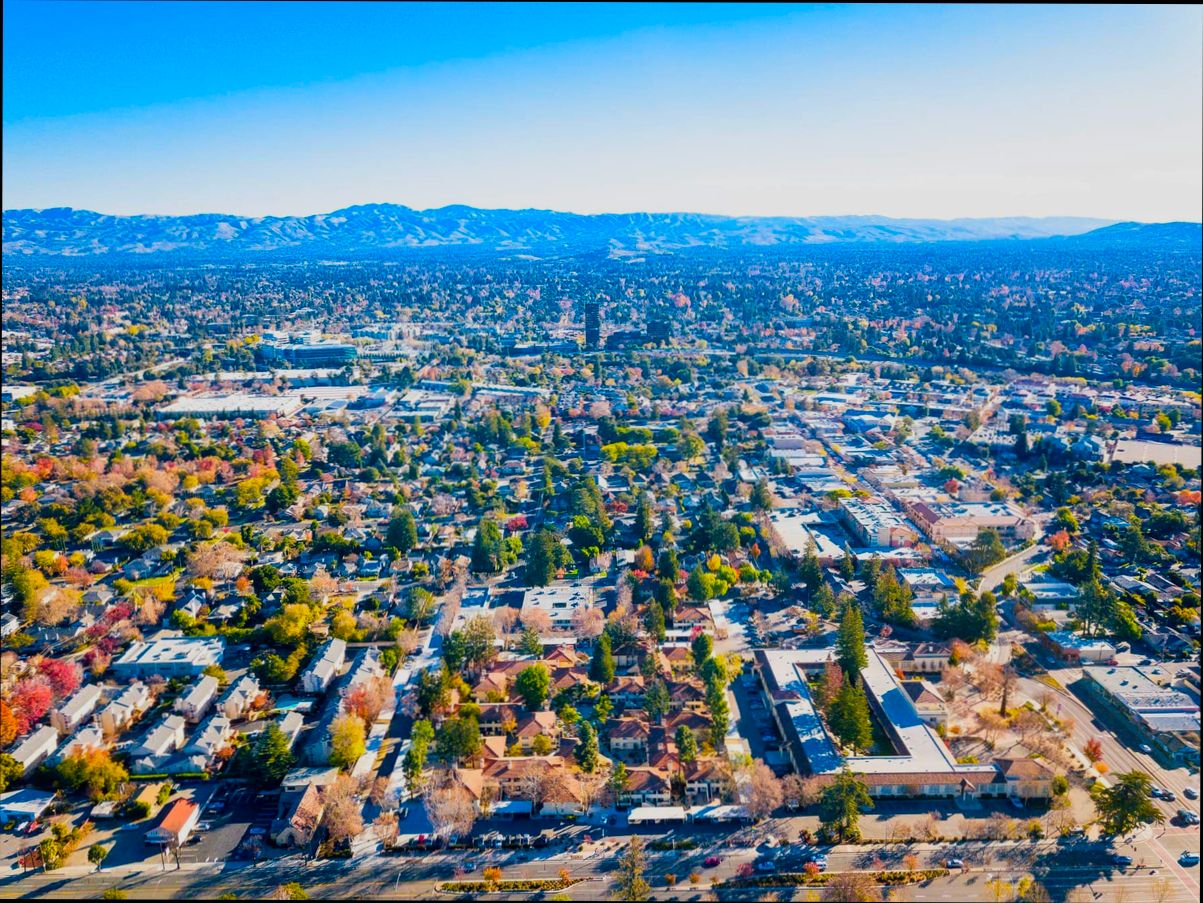
Living in San Jose comes with a unique set of commuting and transportation challenges and benefits. Whether you prefer driving, taking public transit, or cycling, understanding the commuting landscape can greatly influence your daily routine and quality of life.
Traffic Conditions and Commute Times
San Jose isn’t immune to traffic congestion, especially during peak hours. The average commute time can vary widely depending on when and how you travel. Here’s what you might expect:
- Average Commute Time: Residents spend about 30 minutes commuting each way.
- Peak Hours: Traffic typically spikes between 7 AM - 9 AM and 4 PM - 6 PM, leading to significantly longer travel times.
Public Transportation Options
San Jose offers several public transportation options, making it easier for residents to navigate the city without a car. The following services are popular among commuters:
- VTA Light Rail and Buses: The Valley Transportation Authority operates a network of light rails and buses serving the city and surrounding areas. Approximately 24% of residents use public transport for their daily commutes.
- Caltrain: This commuter rail service connects San Jose with San Francisco and other Bay Area cities, making it an attractive option for those working in tech hubs. Many users praise Caltrain for its convenience and reliability.
| Transportation Method | Average Commute Time | Percentage of Residents Using it |
|---|---|---|
| Driving | 30 minutes | 68% |
| VTA Light Rail | 45 minutes | 8% |
| Caltrain | 50 minutes | 6% |
| VTA Buses | 40 minutes | 16% |
Real-World Examples
Consider Sarah, a tech worker in San Jose who recently moved to the downtown area. She opted for the VTA light rail to commute to her job in Cupertino. By avoiding peak traffic times, she saves about 20 minutes each way compared to driving, plus the stress of navigating heavy traffic.
On the other hand, Mark, a San Jose resident working in San Francisco, relies on Caltrain. He appreciates the early morning express services that get him to the city in about 40 minutes, allowing him time to relax or catch up on work before arriving.
Practical Implications
Understanding your commuting options in San Jose can significantly impact your lifestyle:
- Cost-Effectiveness: Using public transport can save money on fuel and parking, especially as gas prices fluctuate.
- Flexibility: Consider adjusting your work hours to avoid peak commute times. This could lead to shorter travel times and a more pleasant commuting experience.
- Environmental Impact: Opting for public transportation reduces your carbon footprint, aligning with sustainability goals many residents support.
When evaluating your commuting needs in San Jose, weigh your options carefully. Embracing public transportation might enhance not just your daily routine, but also your overall experience living in the city.

Quality of Education and School Systems
When it comes to education, San Jose provides a unique landscape characterized by a range of public, private, and charter schooling options that cater to diverse student needs. As a parent or someone considering education for yourself, understanding the quality of education in this city can significantly impact your decision to move here.
Academic Performance
- San Jose’s schools generally score above the state average in various subjects, with 54% of students meeting or exceeding grade-level standards in English Language Arts and 56% in Math.
- The high school graduation rate currently stands at 91%, which is notably higher than the national average. This statistic reflects the commitment of local educational systems to support students through their academic journeys.
School Diversity and Options
San Jose boasts a mix of educational institutions, including:
- Public Schools: Operated by several school districts, these schools vary in performance ratings and resources. Many receive high marks for their diverse programs and extracurricular activities.
- Charter Schools: With more than 30 charter schools in the district, families have ample choice in education models that might better fit their children’s learning styles.
- Private Institutions: There are over 200 private schools in San Jose, offering specialized curricula and smaller class sizes that families might find appealing.
| Type of School | Number of Schools | Average Rating |
|---|---|---|
| Public Schools | 150+ | 7.2/10 |
| Charter Schools | 30+ | 8.0/10 |
| Private Schools | 200+ | 8.5/10 |
Extracurricular and Development Programs
San Jose schools are committed to holistic education by offering a variety of extracurricular activities.
- These programs include sports, arts, and after-school tutoring, which significantly contribute to student engagement and social development.
- Approximately 70% of students participate in extracurricular activities, enhancing their schooling experience.
Real-World Examples
One great example of educational growth in San Jose is the Berryessa Union School District. This district has invested heavily in technology and after-school programs, which has led to a 15% increase in student test scores in the past three years. Another notable instance is the success of the KIPP Heartwood Academy, which focuses on character-building alongside academics, resulting in higher college acceptance rates for its students.
Practical Implications
For families, the variety of educational choices means that you can find a school or program that closely aligns with your values and your child’s learning needs. It’s vital to research school ratings, visit campuses, and talk to other parents to make informed decisions.
When considering a move to San Jose, keep in mind the quality of schools can vary significantly even within neighborhoods. Engaging with local parent groups and school events can provide valuable firsthand insights into the educational landscape in San Jose.
Additionally, given the competitive nature of schools here, early application and enrollment in charter and magnet schools are often recommended to improve chances of acceptance.

Climate and Recreation Benefits
Living in San Jose means enjoying a climate that’s not just mild but also encourages a wide range of recreational activities throughout the year. With its Mediterranean climate, you can expect warm summers and cool, wet winters, creating a playground for outdoor enthusiasts. Let’s explore the specific climate and recreation benefits that make living here a unique experience.
Ideal Climate for Outdoor Activities
San Jose boasts an annual average temperature of about 70°F, which creates an ideal environment for outdoor recreation. The warm, sunny days mean you can enjoy parks, hiking trails, and outdoor sports any time of the year.
- Sunny Days: On average, San Jose enjoys about 300 sunny days per year. This means you can plan outdoor activities without worrying about weather interruptions.
- Mild Winters: During winter months, average temperatures hover around 50°F, making it a comfortable time to explore everything from local parks to nearby ski resorts.
Diverse Recreational Opportunities
The local climate fosters a variety of recreational activities, appealing to different interests and lifestyles.
- Parks and Open Spaces: San Jose has over 200 parks encompassing more than 3,500 acres, offering tranquil spaces for picnics, sports, and relaxation.
- Hiking and Biking Trails: The city and surrounding areas feature over 100 miles of trails. This accessibility lets you hike in the lush foothills or bike along scenic routes, promoting an active lifestyle.
Comparative Recreation Data
| Activity | Annual Participation Rate | Favorite Location |
|---|---|---|
| Hiking | 65% | Alum Rock Park |
| Biking | 58% | Coyote Creek Trail |
| Team Sports | 42% | San Jose Municipal Parks |
Real-World Examples
- Alum Rock Park: This local treasure showcases beautiful nature with various hiking trails, making it popular among residents, particularly for family outings and group hikes. Its varied terrain accommodates all fitness levels and nature enthusiasts.
- Coyote Creek Trail: A favorite among cyclists, this trail stretches through lush landscapes and historical sites, allowing for biking or walking in a serene setting. It connects the community with nature, making it a go-to for leisurely weekend rides.
Practical Implications for Residents
As a resident of San Jose, the favorable climate opens doors to numerous outdoor events and activities. You can easily join community sports leagues or participate in environmental initiatives like park clean-ups. Embracing this outdoor-oriented lifestyle has health benefits, including improved physical fitness and enhanced mental well-being.
Actionable Advice
To maximize your enjoyment of San Jose’s climate and recreation offerings, consider the following:
- Join Local Outdoor Clubs: Look for hiking, biking, or sports clubs where you can connect with like-minded individuals.
- Explore Parks Regularly: Make it a habit to visit different parks throughout the seasons to appreciate the diverse experiences they offer.
- Utilize the Trails: Regularly use the local trails not just for exercise but also as a way to unwind and appreciate the natural beauty around you.

Crime Rates and Public Safety Concerns
When considering a move to San Jose, crime rates and public safety concerns can significantly influence your decision. Understanding the complexities of safety in a city as vibrant as San Jose is essential for ensuring you and your loved ones feel secure in your new community.
Crime Statistics Overview
San Jose has experienced various crime trends that can impact daily life for residents. Here’s a breakdown to help you gauge the safety landscape:
- Overall Crime Rate: The city reported approximately 3.7% fewer crimes in the last year compared to the previous year, indicating a slight improvement in safety.
- Violent Crime Rate: San Jose has experienced a violent crime rate of about 4.5 incidents per 1,000 residents, which is below the national average.
- Property Crime: Property crime remains a concern, with incidents reported at around 28.8 incidents per 1,000 residents, highlighting the need for vigilance, particularly in certain neighborhoods.
Comparative Crime Rate Table
| Crime Type | San Jose Rate (per 1,000 residents) | National Average Rate (per 1,000 residents) |
|---|---|---|
| Violent Crime | 4.5 | 5.0 |
| Property Crime | 28.8 | 36.1 |
Real-World Examples
Residents of particular neighborhoods have voiced concerns regarding safety, particularly in areas with higher property crime rates. For instance, reports indicated that certain districts like East San Jose had a markedly higher rate of auto thefts, prompting community action, such as neighborhood watch programs, which have proven effective in reducing crime in those areas.
Furthermore, the San Jose Police Department has been proactive in addressing public safety through community policing initiatives, allowing officers to build relationships with residents. This engagement fosters trust and encourages the community to participate in crime prevention strategies. Data from community surveys showed that 70% of residents felt safer knowing their local police officers were familiar with their neighborhoods.
Practical Implications for Residents
Understanding the nuances of San Jose’s crime rates can help you make informed decisions about where to live. Here are some actionable insights:
- Neighborhood Selection: Research specific neighborhoods for their crime statistics and trends, focusing on community safety records.
- Community Engagement: Get involved in local neighborhood watch and community safety programs to enhance your sense of security.
- Awareness and Preparedness: Remain vigilant, especially in high-crime areas. Lock your doors, secure your belongings, and consider safety apps that help track local crime in real-time.
Additional Facts for Consideration
- Consider participating in local town halls or community meetings to stay updated on ongoing safety issues and to voice your concerns.
- Many residents find it beneficial to connect with local social media groups that share real-time crime alerts or safety tips.
Stay informed and proactive about crime rates and public safety to ensure a safe living experience in San Jose.