What are the Taxes for Non Residents in Spain? If you’re considering a long stay in this sun-soaked country or even just a cozy vacation home, you’ll want to be aware of the tax landscape. Non-residents usually pay a flat rate of 24% on their Spanish income, which can include rental income and any business earnings made within the country. For instance, if you rent out a holiday apartment in Barcelona and rake in €20,000 in a year, you can expect to hand over a cool €4,800 just to the taxman.
But it’s not just your earnings that might hit your pocket. Spain also imposes a property tax for non-resident property owners, known as IBI, which varies by municipality—on average, it’s around 0.4% to 1.1% of the property’s cadastral value. Plus, there’s a specific income tax for non-resident property holders at a flat 19%, calculated on the deemed rental income, whether you actually rent it or not. If you’ve got a lovely beachfront property in Málaga generating €10,000 in deemed income annually, you’d be looking at an additional €1,900 in taxes owed. It’s vital to keep these facts in mind as you navigate the local tax system and enjoy your time in this vibrant country.
Overview of Non-Resident Taxation in Spain
Understanding non-resident taxation in Spain is crucial if you own property or earn income in the country while living elsewhere. Non-residents are subject to specific tax obligations that can be complex, but I’m here to break it down for you.
One key tax non-residents must be aware of is the Impuesto sobre la Renta de No Residentes (IRNR), or Non-Resident Income Tax. This tax applies primarily to two categories: properties that are not rented out and those that generate rental income. Non-residents, especially those holding property, should also consider the IBI (Impuesto Sobre Bienes Inmuebles), the equivalent of council tax in Spain.
Key Points to Note
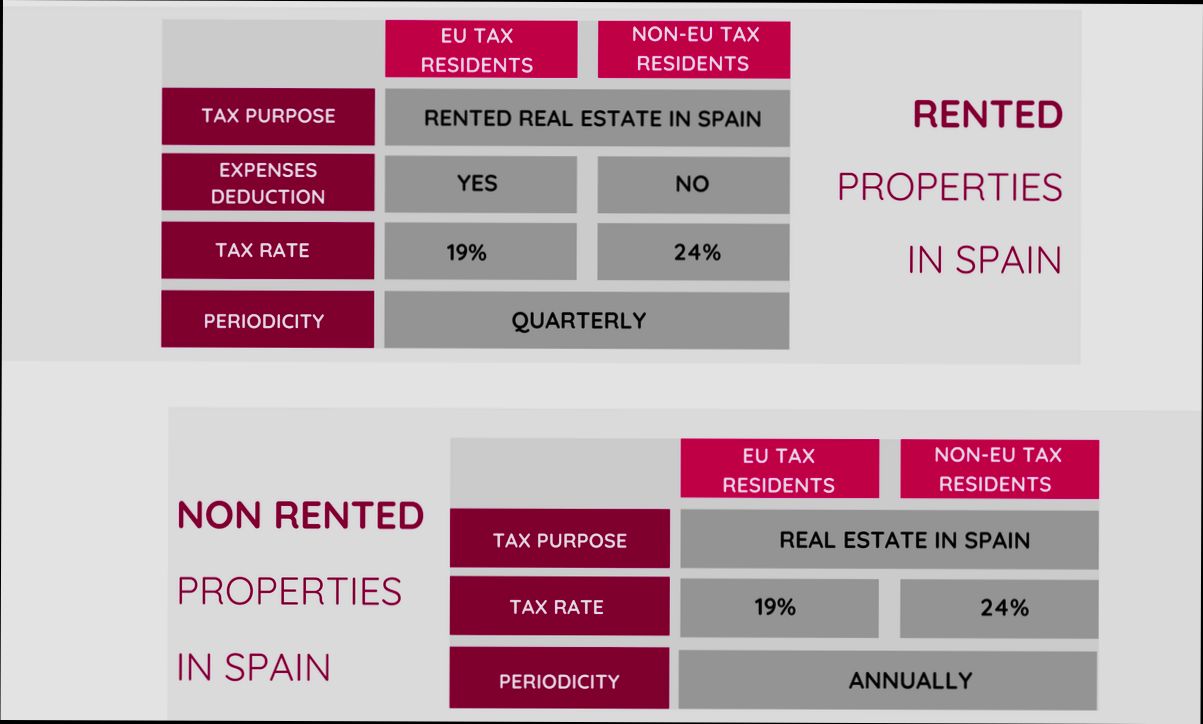
- Tax Rates: For non-residents, the current tax rate on rental income is 19% for EU/EEA citizens and 24% for non-EU/EEA citizens. This rate applies to income earned from renting out properties in Spain.
- Imputed Income Tax: If your property, like a holiday home, is not rented out, you will be required to pay a tax on an imputed income based on the property’s cadastral value. This is often set at 1.1% or 2% of the cadastral value, depending on whether the value has been updated.
- Filing Deadlines: Non-resident tax returns must typically be filed by December 31st each year, making awareness of timelines essential for compliance.
| Tax Type | Tax Rate (EU/EEA) | Tax Rate (Non-EU) | Requirement |
|---|---|---|---|
| Rental Income Tax | 19% | 24% | Tax on income from rentals |
| Imputed Income Tax | Based on value | Based on value | Tax on unoccupied properties |
| Capital Gains Tax | 19% | 24% | Tax on sale of property |
Real-World Examples
Consider the case of a UK citizen who owns 25% of a property in Madrid. As a non-resident, they face the obligation to declare any rental income, even if they aren’t currently leasing the property. If the property is not rented out, they must still pay imputed income tax based on the property’s cadastral value.
Another scenario involves a non-resident earning a pension from Spain. If that pension is below 22,000 Euros from a single payer, there’s no need to declare it, which can simplify tax obligations significantly.
Practical Implications
For non-residents, obtaining a NIE (Número de Identificación de Extranjero) is essential to fulfill tax obligations. This number allows you to navigate the Spanish tax system effectively, ensuring you can file returns and pay taxes without complications.
It’s vital to maintain records, such as proof of property ownership and rental agreements, to support any claims or deductions you wish to make. Having a reliable tax advisor can also help manage your obligations and avoid penalties effectively.
Finally, be aware that the Spanish Tax Authorities may investigate discrepancies, potentially freezing bank accounts if they suspect fraud. Always report income and adhere strictly to deadlines to avoid such issues.
Income Tax Obligations for Non-Residents
Understanding income tax obligations is vital for non-residents who earn money or own property in Spain. Navigating the Spanish tax system can feel overwhelming, but knowing your specific obligations can alleviate some of that confusion. Let’s break down what you need to know about the income tax requirements for non-residents in Spain.
Key Points to Know
- If your pension income is below €22,000 from a single payer, you are not required to file a tax declaration.
- Non-residents must file the Impuesto sobre la Renta de No Residentes (IRNR), or Non-Resident Income Tax if they earn income derived from property in Spain.
- For rental income, non-residents are taxed at 19% for EU/EEA citizens, while non-EU/EEA citizens face a higher rate of 24%.
| Income Type | Tax Rate (EU/EEA) | Tax Rate (Non-EU/EEA) |
|---|---|---|
| Rental Income | 19% | 24% |
| Imputed Income Tax (Second Homes) | 19% | N/A |
Real-World Examples
Imagine you are a non-resident from Germany earning €15,000 annually from renting out a holiday apartment in Spain. As a citizen of the EU, you will pay 19% tax on your rental income, leading to a tax liability of €2,850 for that year.
On the other hand, if you were a non-resident from Australia earning the same €15,000, your tax rate would be 24%, resulting in a tax liability of €3,600. This difference highlights the benefits of understanding your tax status before renting out your property.
Practical Implications
If you own a second home in Spain that is not rented out, you still have a tax obligation known as imputed income tax. This is calculated based on the property’s cadastral value and is declared in your non-resident annual tax declaration.
Consider this: if your property’s cadastral value is €100,000, the imputed income might be subject to the same 19% tax rate you’d face on rental income for EU citizens. Therefore, even if you’re not generating rental income, you could still owe taxes based on what the authorities estimate your property could earn if it were leased.
Actionable Advice
- Ensure that you keep meticulous records of all rental income earned in Spain, as this will streamline your tax declaration process.
- Avoid penalties by filing your taxes on time—missing a deadline could lead to fines or audits by Spanish tax authorities, so stay up to date on these important dates.
- Consult with a tax professional familiar with Spanish laws to accurately report your obligations and explore any potential deductions that may be available to non-residents.
Navigating the income tax obligations can be tricky, but staying informed will help you manage your finances effectively while living outside Spain.
Real Estate Tax Implications for Foreign Owners
When you own real estate in Spain as a foreigner, understanding the tax implications can feel overwhelming. However, knowing how to navigate these responsibilities is essential for optimizing your investment and ensuring compliance. Let’s explore the specific tax obligations that come with property ownership for non-residents.
Key Tax Considerations
Foreign owners of real estate in Spain need to be aware of several crucial tax implications relating to their property:
- Property Ownership Tax: Non-residents must pay the Impuesto sobre Bienes Inmuebles (IBI), which is a property tax based on the property’s cadastral value. This can range typically from 0.4% to 1.1%, depending on the municipality.
- Wealth Tax: If you’re a non-resident and own property valued at over €700,000, you may be subject to the wealth tax, known as Impuesto sobre el Patrimonio. The tax rates vary, starting from 0.2% to 3.5% depending on the value exceeding the exemption threshold.
- Capital Gains Tax on Property Sales: When selling a property, foreign owners are subject to a capital gains tax, which is 19% for EU residents and 24% for non-EU residents on the profits from the sale. It’s crucial to factor this into your selling strategy.
Comparative Tax Table
| Tax Type | Applicable Rate (EU) | Applicable Rate (Non-EU) |
|---|---|---|
| Property Ownership (IBI) | 0.4% - 1.1% | 0.4% - 1.1% |
| Wealth Tax | 0.2% - 3.5% | 0.2% - 3.5% |
| Capital Gains Tax on Sale | 19% | 24% |
Real-World Examples
Consider Maria from Germany, who purchased a residential property in Barcelona valued at €800,000. She pays approximately €1,600 annually in property tax (IBI) if the local rate is set at 0.2%. Additionally, since her property exceeds the wealth tax exemption threshold, she must prepare for potential assessments under the wealth tax.
On the other hand, Liam, a Canadian citizen, sells his apartment in Madrid for a profit of €100,000. As a non-EU resident, he will pay €24,000 in capital gains tax when he completes the sale, making it imperative for him to account for this in his final profit calculations.
Practical Implications for Foreign Owners
For foreign owners, it’s essential to:
- Keep Records: Maintain meticulous records of all related expenses, such as renovation costs and property management fees, which can be deducted from taxable income.
- Consult Local Experts: Engage with a local tax advisor who specializes in non-resident taxation. Their insights can help you navigate local laws effectively.
- Plan for Tax Seasons: Keep track of tax deadlines, particularly for IBI payments and capital gains tax on any sales, to avoid late fees or penalties.
- Understand Deductions: Familiarize yourself with allowable deductions against rental income, including property management costs, which can significantly reduce your taxable income.
With these insights, you’ll be better prepared to manage the real estate tax implications of owning property in Spain as a foreigner.

Statistical Insights on Non-Resident Tax Contributions
Understanding the statistical landscape surrounding non-resident tax contributions in Spain is crucial for anyone considering or currently engaging in financial activities in the country. These insights reveal the impact of non-resident taxation on both the economy and individual financial responsibilities.
Key Statistics on Non-Resident Contributions
- Contribution Rates: Non-residents contribute significantly through the Impuesto sobre la Renta de No Residentes (IRNR), with a noticeable difference in rates based on residence status. For EU/EEA citizens, the rate stands at 19%, while non-EU/EEA citizens face a rate of 24%.
- Asset Implications: Data indicates that among non-resident taxes in areas like the United States, non-residents with assets over $60,000 are closely monitored for compliance. This reflects a trend that may also resonate in Spain where asset declarations play a crucial role in tax liabilities.
- Sector Contributions: Non-residents are making substantial contributions to Spain’s economy, especially in the real estate sector, which is a critical area of tax revenue. For example, property taxes (IBI) paid by non-residents can significantly vary, affecting local budgets.
Comparative Table of Non-Resident Tax Rates
| Tax Type | Tax Rate (EU/EEA) | Tax Rate (Non-EU/EEA) |
|---|---|---|
| Non-Resident Income Tax (IRNR) | 19% | 24% |
| Rental Income Tax | 19% | 24% |
| Imputed Income Tax | 19% | N/A |
Real-World Examples
Non-residents, particularly those investing or owning property in popular Spanish locales, provide critical insights into tax behavior. For instance, a UK-based retiree with a vacation home in Mallorca pays 19% on rental income derived from their property. Conversely, a Canadian non-resident renting out a similar property incurs a 24% tax rate on their rental income.
Moreover, consider the case of a non-resident business investor who has stakes in Spanish enterprises, contributing to business taxation that can be categorized under non-resident frameworks.
Practical Implications for Non-Residents
- Estate Planning: Non-residents should understand how their contributions to non-resident taxes can impact their estate planning. Proper tax strategies may lead to significant savings in inheritance tax liabilities.
- Income Reporting: Individuals must ensure accurate income reporting to avoid penalties. Engaging with local tax advisors familiar with Spanish and international tax law can provide clarity.
Actionable Insights
- Keep Updated: Regularly monitor tax regulations as they can change, potentially affecting your obligations and benefits as a non-resident taxpayer in Spain.
- File On Time: Ensure to file tax returns and pay any applicable taxes before deadlines to avoid late fees and penalties.
- Consider Tax Treaties: Research tax treaties between Spain and your home country to understand any exemptions or reductions in tax rates, which could significantly influence your tax strategy.

Benefits of Tax Treaties for Foreign Investors
Understanding the benefits of tax treaties is essential for foreign investors eyeing opportunities in Spain. Tax treaties are agreements between two countries that aim to avoid double taxation and prevent tax evasion, ultimately making it easier for you to invest without fearing punitive tax rates.
Key Benefits of Tax Treaties
- Reduction in Withholding Tax Rates: Tax treaties often significantly lower the withholding tax rates on dividends, interest, and royalties. For example, the typical withholding tax rates on dividends can range from 5% to 15%, depending on the treaty in place, compared to the standard rates applicable to non-residents which can be as high as 24%.
- Elimination of Double Taxation: Tax treaties ensure that income earned in one country is not taxed again in your home country. This is particularly beneficial if you’re investing in properties and receiving rental income in Spain while being liable for taxes in your home jurisdiction. For instance, if you’re a non-resident from a country with a treaty, you might not have to pay taxes in both locations.
- Clarity and Predictability: With tax treaties in place, tax obligations become clearer. This can lower the risk of unexpected liabilities or disputes with tax authorities. You can allocate your resources more effectively without worrying about complex tax implications.
- Enhanced Investment Security: Many treaties include provisions that protect foreign investments, allowing for stable and predictable tax environments. This may improve investor confidence, leading to increased investments in Spain’s real estate and business sectors.
| Benefit | Without Tax Treaty | With Tax Treaty |
|---|---|---|
| Withholding Tax on Dividends | Up to 24% | 5% - 15% (depending on the treaty) |
| Protection Against Double Taxation | Liable for tax in both countries | Income only taxed in one country |
| Tax Clarity | Potential disputes | Clear tax obligations |
| Investment Security | Moderate risk | High confidence |
Real-World Examples
- British Investor in Spain: A British investor who owns a rental property in Spain can benefit from the Spain-UK tax treaty, potentially lowering their withholding tax on rental income. Instead of facing the standard rate, they may pay a reduced rate, enhancing their overall returns.
- Dutch Company Investing in Spanish Business: A Dutch company investing in a Spanish business stands to gain from the tax treaty between the Netherlands and Spain. This arrangement may provide lowered rates on dividends repatriated back to the Netherlands, optimizing profitability.
Practical Implications for Investors
For you as a foreign investor, grasping the implications of tax treaties can make a significant difference in your investment strategy. The benefits can lead to more capital available for reinvestment or savings that can enhance your lifestyle.
- Research Your Home Country’s Treaty Status: Before investing, you should check whether your home country has a tax treaty with Spain and what benefits you stand to gain.
- Consult with Tax Professionals: Engaging with tax advisors who specialize in international tax law can help you navigate the complexities and maximize benefits derived from tax treaties.
- Keep Detailed Records: Maintain thorough documentation of all transactions, income received, and taxes paid both in Spain and your home country. This can make claiming treaty benefits smoother and more efficient.
By leveraging the benefits of tax treaties, you can navigate your investments in Spain with greater ease, potentially yielding higher net returns.

Practical Guide to Filing Taxes as a Non-Resident
Filing taxes can be daunting, especially for non-residents who need to navigate the Spanish tax system. In this guide, I’ll walk you through the essential steps, requirements, and tips for ensuring you’re compliant with Spanish tax law while enjoying your time outside the country.
Key Points for Non-Residents
1. Obligation to File: As a non-resident in Spain, you are generally required to file a tax return if you have income that is taxable in Spain. This includes rental income or any income generated from business activities within the country.
2. Filing Deadlines: The deadline for filing your tax declaration usually falls between April 1st and June 30th of the following year. Keep this timeframe in mind to avoid penalties.
3. Documentation Required:
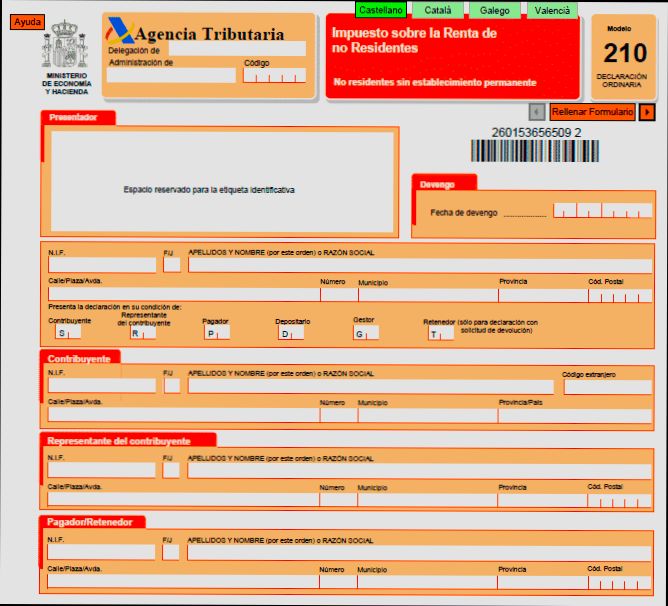
- Form 210: This is the primary form used for reporting non-resident income tax. Make sure to complete this accurately.
- Identification: Have your NIE (Número de Identidad de Extranjero) or your passport ready, as it will be required.
- Proof of Income: Any documents showing your income sources (like rental agreements) should be gathered in advance.
4. Potential Deductions: While non-residents have limited deductions available, you may deduct certain expenses related to generating the rental income, such as property maintenance or management fees.
Tax Rates Comparison Table
| Income Type | Tax Rate (EU/EEA) | Tax Rate (Non-EU/EEA) |
|---|---|---|
| Rental Income | 19% | 24% |
| Imputed Income Tax | 19% | N/A |
| Capital Gains (Sale) | 19% | 24% |
Real-World Examples
Let’s look at a scenario where a British couple rents their apartment in Barcelona:
- They earn €1,500 per month, which totals €18,000 annually. As EU residents, they will pay 19% on this earning.
- Before filing, they must document any allowable expenses such as maintenance, which might total €2,000 annually. The taxable income will therefore be €16,000.
For a case involving a US citizen owning a property in Madrid:
- They generate €1,200 per month in rent, yielding an annual income of €14,400. As a non-EU resident, their tax obligation is at 24%.
- They have no deductible expenses, leading to a tax liability of €3,456.
Practical Implications for Readers
Understanding your obligations and the specific rates applicable to you can significantly impact how much you owe in taxes. Here are actionable points:
- Establish Your Residency Status: Double-check that you’re filing as a non-resident. If you accidentally file as a resident, you may face higher rates and obligations.
- Maintain Records: Keep meticulous records of all income and expenses related to your property to maximize potential deductions.
- Consider Professional Help: If the process seems complex, hiring a local tax advisor familiar with non-resident taxation in Spain can save you stress and ensure compliance.
Key Advice for Non-Residents
- Plan Ahead: Start gathering documentation and understanding your filing obligations well before the deadline. This foresight prevents last-minute issues.
- Stay Informed: Tax laws can change, so staying up-to-date with the regulations affecting non-residents is wise. Resources like the Spanish Tax Agency can provide the latest information.
By being proactive and informed, your experience with filing taxes as a non-resident in Spain can be straightforward!

Wealth and Inheritance Tax Considerations for Non-Residents
When it comes to managing wealth and inheritance, non-residents in Spain must navigate complex tax obligations that can significantly impact their financial planning. Understanding these considerations is vital as they can influence how your assets are inherited and taxed upon your passing.
Key Points to Consider
- Wealth Tax: Non-residents are subject to Spain’s wealth tax (Impuesto sobre el Patrimonio) if they own assets in Spain exceeding a certain threshold, which varies by region. For example, the exempt threshold in regions like Andalusia is €700,000 for non-residents.
- Inheritance Tax: Unlike some other countries, Spain does impose inheritance taxes on assets within its borders, regardless of the heir’s residency. The tax rate varies significantly based on the relationship to the deceased and the value of the inheritance, ranging from 7.65% to 34%.
- Deductions and Allowances: Non-residents generally do not benefit from the same tax deductions available to residents, but they may be entitled to certain deductions depending on regional regulations. For example, in some regions, direct descendants may see preferential allowances that reduce their tax burden.
| Tax Type | Applicability for Non-Residents | Tax Rate |
|---|---|---|
| Wealth Tax | Applicable if assets over €700,000 in Spain | 0.2% to 2.5%, depending on value |
| Inheritance Tax | Charged on assets in Spain, regardless of heir’s residency | 7.65% to 34% |
| Exemptions/Allowances | Limited for non-residents, dependent on local laws | Varies by region |
Real-World Examples
Consider John, a non-resident property owner in Spain. Upon his passing, his estate, which includes a property valued at €1 million, would incur inheritance taxes despite him residing in the UK. His heir, who is also a non-resident, will face tax rates corresponding to their relationship to him, likely resulting in a considerable tax burden.
Another example involves Maria, a non-resident who inherited a family vacation home in Spain facing a wealth tax assessment. Since the property’s value exceeds the regional exemption threshold, Maria must pay wealth tax on the entirety of her asset value, impacting her overall wealth management strategy.
Practical Implications for Non-Residents
For non-residents, taking proactive steps can mitigate tax impacts:
- Plan Ahead: Discuss estate planning with a tax advisor familiar with Spanish laws to understand possible liabilities and how to best structure asset transfers.
- Utilize Tax Treaties: Where applicable, leverage bilateral tax treaties, which may help reduce costs associated with inheritance taxes.
- Stay Informed of Regional Variations: Since rates and exemptions can greatly differ by autonomous community, it’s essential to familiarize yourself with specific regional laws that apply to your case.
Understanding the wealth and inheritance tax framework in Spain can feel daunting. Still, with careful planning and guidance, you can navigate these waters more effectively and potentially reduce your tax liabilities.