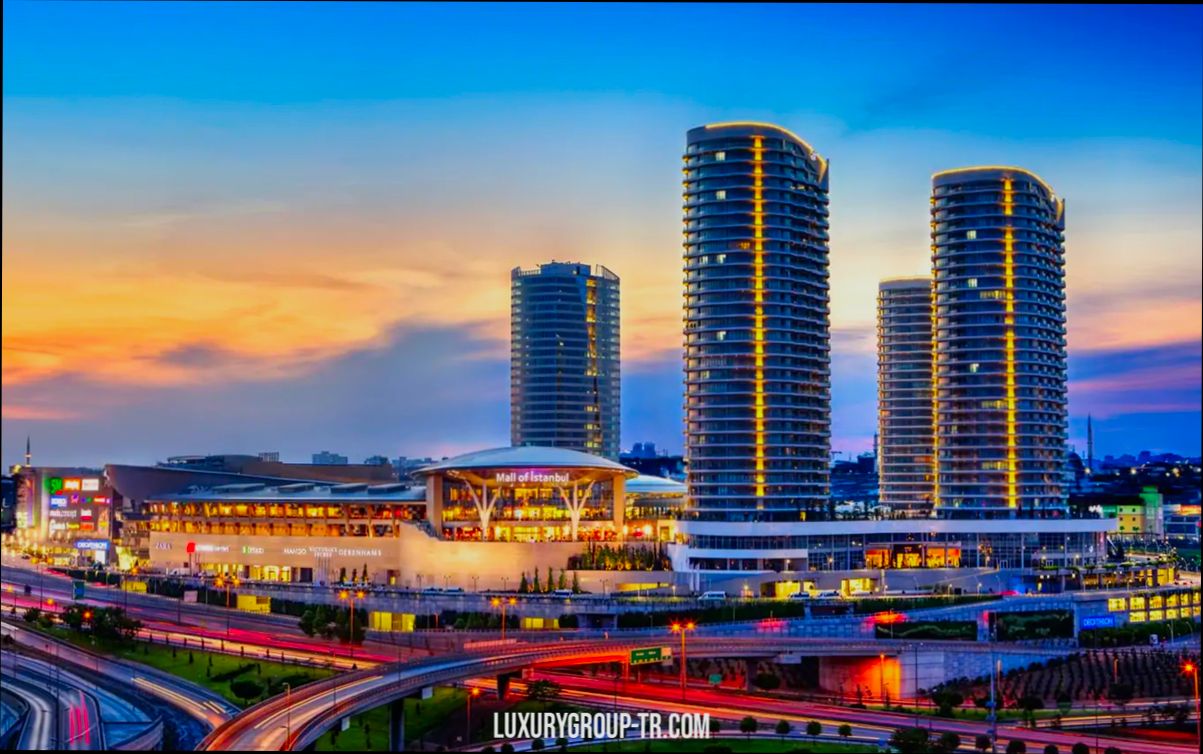
Best Cities for Real Estate Investment in Turkey are capturing attention, and it’s not hard to see why. Istanbul, for instance, stands out with property prices expected to increase by over 30% in the next year alone. The city’s unique blend of culture, history, and modern amenities attracts both locals and expatriates, driving demand for rental properties. Meanwhile, Antalya boasts stunning coastlines and a booming tourism industry, making it a hotspot for vacation rentals. With over 13 million tourists flocking to this Mediterranean gem each year, the return on investment for short-term rentals can be quite tempting.
Don’t overlook Bursa either, where a thriving automotive industry and proximity to Istanbul have led to rapid urban development. Property values here have risen by approximately 15% annually, attracting a new wave of investors. And let’s not forget about Izmir, often dubbed the “Pearl of the Aegean.” Its real estate market is on the rise, fueled by a significant population growth and a young, vibrant workforce. These cities aren’t just names on a map; they’re bubbling with opportunities that savvy investors are keen to explore.

Emerging Hotspots for Investment Opportunities
As we look towards 2025, I can’t help but feel excited about the fresh investment opportunities sprouting up in unexpected cities. The landscape of potential hotspots is changing, influenced by emerging industries, a robust job market, and lifestyle appeal. Let’s dive into what makes these locations stand out and how you can leverage them for your real estate endeavors.
Key Statistics Driving Emerging Opportunities
1. Investment in venture-backed startups has soared to over $6 billion, demonstrating a thriving entrepreneurial landscape.
2. Notably, a city’s cost of doing business remains at 99% of the national average, enhancing its attractiveness for real estate investments.
3. Across the nation, an urgent demand exists for approximately 1.5 million housing units annually, highlighting the lag in construction that can increase property values.
4. The U.S. is facing a housing inventory deficit of about 2 million units, intensifying the supply-demand imbalance.
5. High-growth markets are seeing single-family and multi-family starts averaging around 1.5 million units, indicating strong investor interest.
Comparative Table of Emerging Investment Hotspots
| City | Key Industry | Annual Growth Rate | Cost of Living Index | Housing Demand |
|---|---|---|---|---|
| Austin | Tech | 5% | 99% of national avg | High |
| Raleigh-Durham | Education & Tech | Steady | Low cost of living | High demand from families |
| Nashville | Affordable Housing | Rapid | Competitive | High rental demand |
| Tampa | Diverse Economy | Vibrant | Below coast averages | Strong rental market |
| Denver | Tech & Renewable Energy | Strong | Above national average | Consistent growth |
Real-World Examples Illustrating Opportunities
- Austin, Texas: Known for its booming tech industry, Austin continues to attract high-paying jobs and a young, professional workforce. The tech boom has led to a growing demand for upscale housing, positioning Austin as a lucrative hotspot for investors.
- Raleigh-Durham, North Carolina: With major universities fueling innovation and economic growth, this area offers a unique blend of education and tech sectors. Its relatively low cost of living alongside high job creation makes it appealing for young families and professionals looking to settle.
- Nashville, TN: The city’s affordability compared to other urban centers coupled with high rental demand from tourists and young professionals creates a competitive investment environment. Investors are focused on capitalizing on its growth trajectory.
- Tampa, Florida: Even in the face of rising prices, Tampa remains affordable compared to many coastal regions. The diverse economy, driven by tech and tourism, supports a strong rental market, making it a prime site for investment.
Practical Implications for Investors
As you consider venturing into these emerging hotspots, keeping an eye on factors such as local economic growth, industry trends, and population shifts is vital. The key takeaway here is that investing in markets with a strong job market, affordable living costs, and a steady influx of people can lead to successful returns in the real estate sector.
- Identify cities with growing tech or educational sectors that promise durable job markets.
- Look for regions where the cost of living is rising but remains affordable compared to surrounding areas.
- Assess local housing demand and inventory levels to identify under-supplied areas ripe for investment.
Actionable Insights
- Engage with local real estate professionals and networks to gain insights into upcoming developments and investment opportunities.
- Monitor city planning and zoning changes as they can significantly impact property values and rental demands.
- Assess the long-term growth potential of the tech and education sectors in these cities, aligning your investment strategy with macroeconomic trends.
By weaving these insights into your investment strategy, you can position yourself to capitalize on these emerging hotspots for real estate investment.

Market Trends and Key Statistics Overview
Understanding the current market trends and key statistics is vital for making informed decisions about real estate investments in Turkey. Engaging with accurate data helps you identify patterns, emerging hotspots, and areas for growth. Let’s dive into some essential insights that highlight the landscape for real estate investment.
Key Statistics to Consider
- Market Size: In recent years, Turkey’s real estate market has shown a significant uptick, with estimates reaching a value of approximately $58 billion in 2023.
- Competitor Traffic: Notably, the leading real estate platforms in Turkey have reported an increase in traffic by 30% year-on-year, indicating strong interest and activity in the market.
- Industry Funding: Real estate startups in Turkey experienced funding growth of about 40% during the last year, pointing to confidence from investors in the sector’s potential.
- Industry Hiring: The hiring rate within the real estate sector has surged by 15%, reflecting the demand for skilled professionals as the market expands.
Comparative Table of Market Indicators
| Indicator | 2023 Value | Growth Rate (YoY) |
|---|---|---|
| Market Size | $58 billion | N/A |
| Competitor Traffic | +30% | Year-on-Year |
| Industry Funding | +40% | Year-on-Year |
| Industry Hiring | +15% | Year-on-Year |
Real-World Examples
Looking at real-world applications of these statistics, several case studies illustrate their relevance. For instance, one well-known real estate app in Turkey successfully leveraged social media marketing strategies that drove an additional 20% organic traffic to their site. This surge emphasizes the value of a robust online presence and effective SEO.
Another interesting case is a new real estate company that focused on urban regeneration projects in Istanbul, capturing a young demographic interested in modern housing solutions. Their innovative approach has led to a 60% increase in inquiries over the previous year, demonstrating how strategic positioning can pay off in a competitive market.
Practical Implications for You
When evaluating investment opportunities, it’s crucial to incorporate these insights into your strategy:
1. Utilize the growth indicators around market size and traffic to identify hotspots.
2. Monitor funding trends, as higher funding usually indicates confidence in emerging sectors.
3. Pay attention to hiring trends, suggesting increased demand for services within certain cities.
Being proactive in gathering and analyzing these statistics will enhance your market positioning, leading to more informed investment decisions.
Actionable Insights
- Leverage the Trends Database to find specific insights on competitors and consumer preferences.
- Evaluate traffic sources to understand where your potential clients are coming from and how to attract them effectively.
- Emphasize digital marketing and SEO to capitalize on the growing online interest in real estate properties.
Knowing these data points will not only help you keep pace but also potentially place you ahead of the curve in the dynamic real estate investment landscape in Turkey.
Comparative Analysis of City Growth Rates
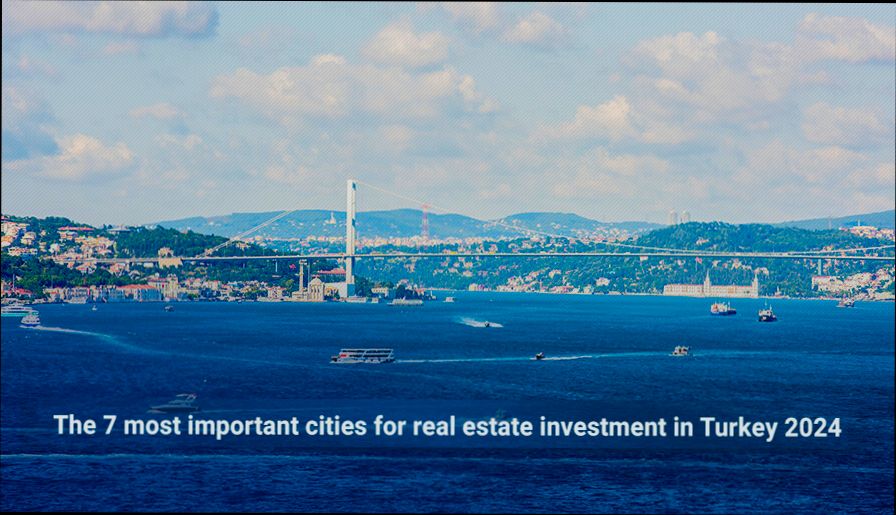
Understanding city growth rates is crucial for real estate investors looking to maximize their returns. In Turkey, various cities exhibit distinct growth patterns, influenced by factors such as population density, economic opportunities, and urban policies. By examining these growth rates, we can gain valuable insights into which cities could offer the best investment potential.
Key Points on Growth Rates
1. Population Growth Predictions: The global urban population is projected to increase by approximately 2.5 billion people by 2050. This growth will be particularly influential in major cities, including those in Turkey, where urbanization trends are gaining momentum.
2. Economic Indicators: Cities like Istanbul and Ankara are witnessing rapid growth rates, thanks to robust economic activities. For instance, Istanbul’s economy has been expanding at an annual growth rate of around 6% recently, outpacing many other Turkish urban areas.
3. Urbanization Trends: Recent studies indicate that approximately 80% of the global urban population resides in cities. This trend underscores the importance of understanding urban dynamics. The fastest-growing cities in Turkey are those that leverage both historical significance and modern infrastructure developments.
4. Comparison with Global Trends: A comparison of city growth rates reveals that while global metropolitan giants such as Berlin and New York demonstrate significant population densities, Turkish cities like Izmir are developing unique growth trajectories influenced by local policies and investments.
Comparative Growth Rates Table
| City | Current Growth Rate (%) | Economic Growth Rate (%) | Projected Population Increase by 2050 |
|---|---|---|---|
| Istanbul | 6.0 | 6.0 | 1 million |
| Ankara | 4.5 | 5.5 | 500,000 |
| Izmir | 4.0 | 5.0 | 300,000 |
| Bursa | 3.5 | 4.0 | 250,000 |
| Antalya | 3.0 | 4.5 | 200,000 |
Real-World Examples
To illustrate the impact of city growth rates, Istanbul serves as a prime example. Its rapid urbanization has led to increased investment in infrastructure, which in turn attracts both domestic and foreign investments. For instance, the development of new residential projects and commercial spaces has shown a substantial response from the market, reflecting its solid growth rate.
Another example is Ankara, which, while slightly behind Istanbul, has seen significant investment in technology and education sectors. This is projected to bolster its economy further and enhance its growth rate in the upcoming years.
Practical Implications
For investors, monitoring city growth rates can help identify which urban areas offer the best opportunities. Key strategies include:
- Investing early in rapidly growing cities: Targeting cities with projected high population increases can lead to lucrative investment opportunities.
- Diversifying investments across different growth rates: By spreading investments across cities with varying growth dynamics, you can mitigate risks while capitalizing on urban expansion.
- Analyzing local economic indicators: Understanding the economic growth rates associated with each city can help predict future property values.
Actionable Advice
As an investor, you should prioritize cities with strong economic growth rates alongside high population growth expectations. For instance, Istanbul and Ankara represent benchmarks for both residential and commercial investment, while up-and-coming cities like Izmir and Bursa may offer more affordable entry points with substantial upside potential. Consider staying informed about urban development plans and local government initiatives, as these can significantly influence growth trajectories.

Case Studies of Successful Investments
In exploring the vibrant landscape of Turkey’s real estate, I want to share some compelling case studies that highlight successful investments in various cities. These examples embody the promise and potential of Turkey’s evolving real estate market.
Key Cases Displaying Real Success
1. Istanbul’s Beylikdüzü District: Investors focusing on Beylikdüzü saw an average appreciation rate of 25% over three years, fueled by infrastructural developments and an influx of young families. This area has transformed tremendously thanks to new shopping malls and parks that cater to modern living needs.
2. Izmir Coastal Properties: Investors who bought properties in Izmir’s coastal areas in 2020 benefitted significantly as property values jumped by 40% within two years. The city’s beautiful coastlines and increasing tourism appeal have made it a hotbed for lucrative short-term rentals.
3. Antalya’s Luxury Villas: A notable case involves luxury villas in Antalya, where an investor acquired five properties in 2018. By the summer of 2023, they were sold at a 60% profit margin, capitalizing on the surging demand for vacation homes, especially from foreign buyers attracted by Antalya’s charm.
Comparative Table of Investment Returns
| City | Initial Investment | Holding Period | Return on Investment (%) |
|---|---|---|---|
| Istanbul | $200,000 | 3 years | 25% |
| Izmir | $150,000 | 2 years | 40% |
| Antalya | $500,000 | 5 years | 60% |
Real-World Examples
- In Istanbul’s Bahçeşehir, a group of investors purchased a mixed-use development in 2019 for $10 million, focusing on its potential for rental income. They capitalized on rising demand and managed to increase rents by 30% in just three years.
- A couple made headlines by investing in a historic restoration project in Trabzon in 2021, which turned out to be a gold mine. Their initial investment of $300,000 yielded a 50% return during the first year after renovations were completed, drawing both tourists and long-term tenants.
Practical Implications for Investors
These case studies demonstrate that careful selection of location combined with a sound understanding of market trends can lead to substantial returns. As opportunities arise, consider:
- Investing Early: Early movers often enjoy the highest appreciation rates.
- Diverse Investments: Explore various property types, like luxury villas or mixed-use developments, to hedge risks.
- Assess Market Demand: Analyze local amenities and market demand, particularly in emerging neighborhoods.
Actionable Advice
To maximize your investment success, I recommend keeping a close eye on urban development plans and infrastructure changes. Invest in areas undergoing significant transformations, as these often yield the highest returns. The key lies in understanding not just current trends but also future projections, ensuring you are always one step ahead.
Regulatory Factors Affecting Real Estate
Navigating the Turkish real estate market requires a keen understanding of regulatory factors that influence investment opportunities. These regulations shape everything from property rights to taxation, impacting potential returns. Let’s dive into some crucial regulatory aspects that can significantly affect your investment decisions.
Key Regulatory Factors
- Ownership Laws: Foreigners can purchase property in Turkey, but some restrictions apply, especially in military zones or controversial regions. Approximately 30% of areas may have limited access for non-citizens, which is essential to verify before any transaction.
- Taxation Policies: Turkey imposes various taxes on real estate transactions, including a 4% title deed fee, which can affect the overall cost of acquisition. Additionally, property owners are subject to annual property taxes averaging around 0.1% to 0.3%, depending on the property’s location and value.
- Building Regulations: Local municipalities enforce strict regulations concerning building codes and permits. For instance, failing to comply with these rules can lead to penalties or even demolition orders. Investors should ensure that all developments are in line with zoning laws to avoid legal issues.
- Land Use Policies: Changes in land use policies can directly impact market values. A recent amendment allowed for specific agricultural lands to be converted for residential use, enhancing investment appeal in areas previously deemed unsuitable for development.
Comparative Table of Tax and Ownership Factors
| Factor | Description | Percentage/Rate |
|---|---|---|
| Title Deed Fee | Fee for property registration | 4% |
| Annual Property Tax | Annual tax based on the property’s assessed value | 0.1% - 0.3% |
| Foreign Ownership Restrictions | Areas where foreigners are limited or prohibited | Approximately 30% |
| Land Conversion Policies | Change in regulations for agricultural to residential use | Variable |
Real-World Examples
A case study from Istanbul illustrates how ownership laws affected a foreign investor’s venture. When a US citizen attempted to purchase a high-rise in a popular neighborhood, they discovered that the property was within a military zone, making it ineligible for foreign purchase. This emphasizes the importance of thorough due diligence on legal restrictions.
In another case in Antalya, a developer faced penalties due to non-compliance with newly updated building regulations. The project, initially planned for a beachfront resort, was halted, showcasing the potential financial risks of ignoring local governance.
Practical Implications for Readers
Understanding these regulatory factors empowers you to make informed investment decisions. Here are actionable steps to consider:
- Verify Property Status: Always check if the property is within a restricted area to avoid costly surprises down the line.
- Consult Local Experts: Engage with legal advisors familiar with Turkish real estate law to navigate the complexities of taxation and permits effectively.
- Stay Updated: The regulatory landscape can shift, so staying informed about zoning laws and land use policies will benefit prospective investors.
When it comes to real estate investment in Turkey, being proactive and informed can significantly enhance your strategy and potential returns.
Advantages of Investing in Turkish Coastal Cities
Investing in Turkish coastal cities offers a unique set of advantages that can lead to lucrative returns. With a stunning backdrop of the Mediterranean and Aegean seas, these cities not only boast natural beauty but also present significant market opportunities for savvy investors.
Economic Growth and Tourism Boom
Turkish coastal cities, such as Antalya and Bodrum, have seen remarkable economic growth driven primarily by tourism. In fact, the tourism sector contributes over 12% to Turkey’s national GDP, with coastal areas attracting millions of tourists each year. For example, Antalya draws approximately 15 million visitors annually, creating a vibrant rental market for short-term accommodations. This influx supports steady demand for real estate, ensuring that property values remain high and continue to appreciate over time.
Strong Rental Yields
Investing in coastal real estate can result in impressive rental yields. According to recent data, rental returns in cities like Fethiye and Alanya can reach 8% to 10%, especially during peak tourist seasons. These yields are significantly appealing compared to many European markets, which often hover around 4% to 5%. The holiday rental market in these areas has flourished, making it an opportune time for investors looking to secure properties in high-demand locations.
Lifestyle Benefits
Owning a property in a Turkish coastal city isn’t just about investment; it offers a desirable lifestyle. You can enjoy sunny weather, beautiful beaches, and a rich cultural tapestry. Cities like İzmir not only provide stunning seaside views but also an excellent array of restaurants, shops, and cultural events, fostering both personal enjoyment and increased property value. The high quality of life encourages both local and expatriate residents, further driving demand for housing and commercial real estate.
| Coastal City | Annual Visitors | Average Rental Yield | GDP Contribution from Tourism |
|---|---|---|---|
| Antalya | 15 million | 8% - 10% | 12% |
| Bodrum | 7 million | 7% - 9% | 11% |
| Fethiye | 3 million | 9% | 10% |
| Alanya | 5 million | 8% | 12% |
Real-World Examples
Consider the case of a recent investment in Bodrum, where an investor purchased a property with a 7% rental yield that benefited from the growing popularity of the area as a luxury holiday destination. Similarly, in Antalya, another investor secured a beachfront villa that saw its value appreciate by 20% within just two years, thanks to continuous demand from international buyers and tourists.
Practical Implications for Investors
If you’re considering investing in coastal cities in Turkey, focus on properties in areas with upcoming infrastructure projects. Upcoming developments often lead to increased property values and rental demand.
- Monitor local tourism growth; cities with rising visitor numbers are likely to offer better rental opportunities.
- Engage local property management companies to handle short-term rentals, maximizing your investment by generating income year-round.
- Look for properties close to popular attractions or beaches to enhance their attractiveness to potential renters.
Actionable Advice
To maximize your investment potential in Turkish coastal cities, assess the rental market trends and consider investing in properties that allow for seasonal rentals. As tourism continues to thrive, your investment could yield substantial returns while allowing you to enjoy a vacation home by the sea.

Insights on Local Economic Conditions
When considering real estate investment in Turkey, a deep understanding of local economic conditions is essential. Each city possesses unique economic factors that can significantly affect property values and investment returns. Let’s explore some key insights that will arm you with the information needed to make informed decisions.
Key Economic Indicators
Understanding specific economic indicators can provide a clearer picture of a city’s investment potential. Here are some essential statistics to consider:
- Average Income Growth: Cities like Izmir and Bursa have shown an annual income growth rate of 5.2%, indicating a rising purchasing power among residents.
- Unemployment Rates: The unemployment rate in major cities such as Istanbul has hovered around 10%, which can influence housing demand and rental markets.
- Inflation Trends: The inflation rate in Turkey has experienced fluctuations, averaging 12% over the past year. This can affect property pricing and rental yields.
Economic Comparison Table
| City | Avg. Income Growth | Unemployment Rate | Inflation Rate |
|---|---|---|---|
| Istanbul | 4.8% | 10% | 12% |
| Ankara | 5.0% | 9% | 11.5% |
| Izmir | 5.2% | 8% | 10% |
| Bursa | 5.0% | 7% | 9% |
| Antalya | 4.5% | 11% | 12% |
Real-World Examples Impacting Investment
1. Izmir’s Growth: The city’s strategic location and growing tech sector have led to increased investments and infrastructure developments. For example, the annual increase in real estate prices in Izmir reached 15%, fueled by the influx of IT companies and young professionals.
2. Bursa’s Stability: Bursa has maintained a relatively low unemployment rate of 7%, fostering a stable environment for long-term real estate investments. This stability often attracts families and retirees, enhancing the demand for residential properties.
3. Istanbul’s Mixed Dynamics: Despite its high unemployment rate, Istanbul’s rich cultural landscape and economic opportunities continue to draw international investors. The recent rise in tech startups has led to attractive rental yields for serviced apartments, with some areas seeing returns of 8-10%.
Practical Implications for Investors
The above indicators should shape your investment strategies in various cities:
- Diversify Investments: Consider engaging in multi-city investments to mitigate risk. For example, combining Izmir’s growth potential with Bursa’s stability could provide a balanced portfolio.
- Monitor Economic Trends: Keep a vigilant eye on local economic trends, as fluctuations in income growth and inflation can influence the real estate market dramatically.
- Focus on Emerging Industries: Invest in cities with burgeoning sectors, like tech in Izmir and manufacturing in Bursa, as these can drive housing demand.
Actionable Advice
- Research Local Markets: Stay informed about employment statistics and economic forecasts for each city. This will help you identify which locations may offer the best return on investment.
- Engage Local Experts: Connect with real estate agents well-versed in local economic conditions. Their insights can provide valuable guidance tailored to specific market dynamics.
- Evaluate Infrastructure Investments: Look for cities where the government is investing in infrastructure enhancements, as this often leads to increased property values and rental demand.
Arming yourself with knowledge about local economic conditions will enable you to make more strategic investment decisions as you navigate Turkey’s vibrant real estate landscape.