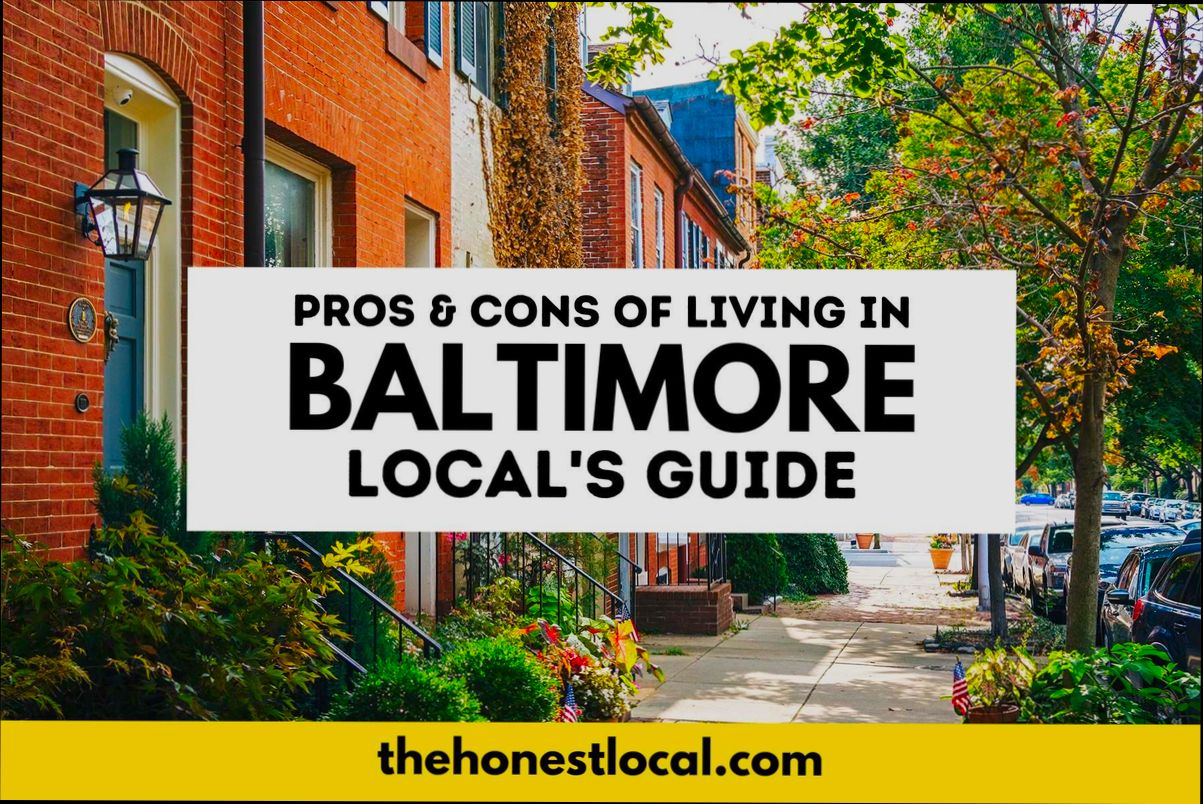
Pros and Cons of Living in Baltimore MD is a topic that sparks a lot of debate among locals and newcomers alike. On the plus side, the city is rich in culture and history, with neighborhoods like Fells Point and Mount Vernon showcasing stunning architecture and a vibrant arts scene. Did you know that Baltimore hosts over 40 festivals a year? That’s a lot of opportunities to soak in local music, food, and community spirit! Plus, for those who relish a diverse culinary experience, the city’s infamous crab cakes and a variety of food markets offer flavors sure to tantalize your taste buds.
But hey, it’s not all sunshine and crabs. Baltimore struggles with some significant challenges, particularly in terms of crime rates—did you realize the city often ranks higher than the national average? Traffic can also be a pain, especially during rush hour on I-95. Housing prices vary widely; while you can find affordable options, some neighborhoods may come with expenses that pinch your wallet. So, living in Baltimore means weighing these vibrant highlights against the city’s less appealing realities.
Cost of Living in Baltimore Overview
Living in Baltimore offers a unique blend of culture, history, and modern amenities but it’s essential to understand the financial implications. I want to dive into the cost of living in Baltimore specifically, as it helps to navigate your budget effectively.
Key Cost Statistics
The average monthly cost of living in Baltimore for a single person stands at $2,287, which places it in the top 13% of the most expensive cities worldwide. Here are some significant statistics to consider:
- Without Rent: A single person would need around $920 each month for basic expenses excluding rent.
- Rent Costs: The monthly rental cost averages about $1,367 for a one-bedroom apartment, while a family of four’s total living costs, including rent, can reach approximately $5,428.
- Transportation Costs: Budgeting for transportation is crucial, as monthly transport costs run around $127 for individuals or $330 for families.
Comparative Cost Table
| Cost of Living Item | One Person | Family of 4 |
|---|---|---|
| 💰 Total with Rent | $2,287 | $5,428 |
| 🏨 Rent & Utilities | $1,367 | $2,370 |
| 🍽️ Food | $617 | $1,595 |
| 🚐 Transport | $127 | $330 |
Real-World Examples
For dinner, dining out for two at a mid-range restaurant typically costs around $70.2, which might be a fun expense to factor into your budget occasionally. If you’re looking to grab a quick meal, a fast-food combo, like McDonald’s, would set you back about $10.4. For those who enjoy coffee, a cappuccino will cost around $5.16.
Practical Implications
If you’re considering moving to Baltimore, it’s crucial to keep your income in mind. The average monthly salary after tax is approximately $4,207, meaning you can cover living expenses for about 1.8 months on this salary alone. This correlation between cost and income helps gauge if Baltimore aligns with your financial goals.
Actionable Insights
- If you plan to rent, consider budgeting about 36% of your income to cover housing costs, which is generally a sound strategy.
- Regularly evaluate your transportation methods; public transportation can save money compared to car ownership in urban environments like Baltimore.
- Keep an eye on food costs as groceries in Baltimore can be around 3.7% higher than the national average. Adjusting your shopping habits can significantly impact your overall budget.
Understanding the cost dynamics in Baltimore serves as an essential tool in planning your potential move, ensuring you’ll get the most out of this vibrant city.
Safety and Crime Rates in Baltimore
When considering the safety of living in Baltimore, it’s crucial to examine the city’s crime rates, which can impact everything from housing decisions to day-to-day peace of mind. Baltimore has garnered a reputation for its crime statistics, which are often higher than the national average, leading many potential residents to weigh their options carefully.
Crime Statistics Overview
- Baltimore reports an overall crime rate that is about 123% higher than the national average, signifying significant safety concerns for residents.
- The violent crime rate stands at 1,862 incidents per 100,000 people, which is notably higher than the national average of 380 incidents per 100,000 people. This staggering statistic highlights the challenges residents face regarding personal safety.
- Property crime is also a significant issue, with a rate of 7,934 incidents per 100,000 people, overshadowing the national average of 2,110 incidents.
| Crime Type | Baltimore Rate (per 100,000) | National Average (per 100,000) |
|---|---|---|
| Violent Crime | 1,862 | 380 |
| Property Crime | 7,934 | 2,110 |
Challenges Residents Face
The high crime rates in Baltimore can instill a sense of unease among residents. For example, areas such as West Baltimore are often cited for their higher instances of gun violence, prompting community leaders to focus on safety initiatives. Additionally, neighborhoods like Sandtown-Winchester face socioeconomic challenges that contribute to crime, revealing a complex interplay between community resources and safety.
Real-World Examples
One noteworthy case is the diligent efforts by local law enforcement to implement community engagement programs aimed at reducing crime. The Baltimore Police Department has rolled out initiatives like “Safe Streets,” which aim to mediate conflicts before they escalate into violence. Additionally, community organizations work tirelessly to provide resources and support for at-risk youth, which can significantly contribute to lowering crime rates in the long term.
Practical Advice for Residents
If you’re considering a move to Baltimore, it’s essential to stay informed about neighborhood safety rankings. Websites like NeighborhoodScout provide up-to-date crime statistics and safety scores that can guide your housing decisions. Also, engaging with local community forums can help you gain insights into which neighborhoods are taking innovative steps toward improving safety.
Remember to consider personal safety measures as well, such as getting familiar with your neighborhood and connecting with local law enforcement initiatives. Active community participation can not only enhance your understanding of safety issues but also empower you to contribute positively to the environment you choose to live in.
Being proactive about your safety can significantly enhance your living experience in Baltimore, so stay informed, be engaged, and take advantage of resources available to you.
Cultural Attractions and Community Life
When it comes to living in Baltimore, the cultural attractions and community life significantly contribute to the city’s unique character. The availability of authentic experiences allows residents and visitors alike to connect deeply with the city’s rich heritage, diverse arts scene, and vibrant neighborhoods.
Key Points on Cultural Experiences
- Diverse Arts Scene: Baltimore boasts over 50 art galleries, including the renowned Walters Art Museum and the Baltimore Museum of Art, which has an outstanding collection of 19th-century European paintings.
- Music and Performing Arts: The city is a hub for music lovers, hosting events such as the Artscape, which is one of the largest free arts festivals in the country. The festival attracts more than 350,000 visitors annually, showcasing local artists and performers.
- Local Cuisine and Culinary Events: The culinary scene is rich, with the famous Lexington Market featuring over 100 vendors. The market is not just a place to eat but an experience capturing the essence of Baltimore’s food culture. Local events like the Baltimore Seafood Festival celebrate the city’s maritime heritage.
Cultural Experiences Table
| Cultural Attraction | Description | Visitor Statistics |
|---|---|---|
| Walters Art Museum | Home to an impressive collection that spans 5,000 years of history, including masterpieces by fine artists. | Free entry; attracts 240,000 visitors annually. |
| Artscape | The largest free arts festival in the U.S., focusing on diverse local arts and music. | Over 350,000 attendees yearly. |
| Lexington Market | Historic market offering a variety of food vendors and local delicacies. | Over 10 million visitors each year. |
Real-World Examples
Baltimore provides countless opportunities to dive into local cultures. For instance, the Preakness Stakes, held at Pimlico Race Course, is not just a horse race but a community event that celebrates the rich African American traditions of the city. The event has roots dating back to 1873, making it a cultural touchstone for many locals.
Another example is the Baltimore Block Party, which was organized to celebrate the diverse cultures within the city. This event attracts various Baltimoreans from different backgrounds, fostering community solidarity and cultural appreciation while showcasing talent from local performers and artists.
Practical Implications for Readers
If you’re considering moving to Baltimore, engaging with its cultural attractions can greatly enrich your experience. Visit local art galleries or attend community festivals to meet new friends and dive deeper into the community. Participating in neighborhood events often leads to connections that can enhance your social network and give you a sense of belonging.
Additionally, seek out volunteer opportunities with local arts organizations or community initiatives. This not only allows you to support the continuity of these cultural experiences but also helps you establish your roots in the city.
In summary, immersing yourself in Baltimore’s cultural life enables you to forge meaningful connections and build an authentic relationship with your new home. Look for monthly community gatherings or workshops to keep updated on events and ways to engage actively with the local culture!

Job Market Trends and Opportunities
Exploring the job market in Baltimore reveals a dynamic landscape filled with opportunities across various sectors. The city’s economy is experiencing significant growth, making it an attractive place for job seekers and professionals alike.
Fast-Growing Sectors
Several industries are flourishing in Baltimore, which means there’s an increasing demand for skilled workers. Here are a few key sectors to consider:
- Healthcare: With institutions like Johns Hopkins Hospital, Baltimore is a hub for healthcare jobs. The city has reported a 10% increase in healthcare positions over the past year.
- Technology: The tech industry is booming, with tech jobs growing by 15% annually. The emergence of tech incubators and companies like Under Armour has fueled this growth.
- Education: Baltimore is home to numerous universities and colleges that continue to expand their faculties, contributing to an 8% increase in education-related jobs.
Comparative Job Market Overview
| Sector | Job Growth Rate (%) | Key Employers |
|---|---|---|
| Healthcare | 10% | Johns Hopkins Hospital |
| Technology | 15% | Under Armour, T. Rowe Price |
| Education | 8% | University of Maryland |
Real-World Examples
- Healthcare Innovations: Major hospitals are not just hiring more staff; they are also investing in technologies that streamline patient care, presenting opportunities for IT specialists in the healthcare sector.
- Tech Startups: A local tech startup accelerator has launched over 50 companies in the last two years, emphasizing the demand for coders, software developers, and other tech talent.
- Public Education Initiatives: Baltimore City Public Schools implemented a mentorship program for new teachers, highlighting the demand for educational professionals over the next decade.
Practical Implications for Job Seekers
If you’re considering moving to Baltimore for work, leveraging these trends can enhance your job search. Here are some actionable insights:
- Network Actively: Attend local meetups, especially in growing sectors like tech and healthcare. Engaging with professionals in these fields can lead to job offers.
- Skill Development: If you’re aiming for a role in the burgeoning tech sector, consider enrolling in coding boot camps offered in the city to boost your employability.
- Research Employers: Stay updated on the key players in each industry. Knowing which companies are expanding can help you tailor your applications and increase your chances of landing a job.
Get Informed and Take Action
Being aware of Baltimore’s job market trends will place you steps ahead. For instance, preparing for interviews in health tech or learning about educational methodologies can set you apart in these competitive areas.
Public Transportation Accessibility in the City
Living in Baltimore, understanding public transportation accessibility can significantly enhance your daily commute and overall experience. The city’s transit system offers various options, making it easier for residents to navigate both the urban landscape and connect to other areas.
Key Points on Public Transportation Accessibility
- Metro SubwayLink: The subway system provides a reliable mode of transport across key neighborhoods, including access to downtown and the Johns Hopkins medical campus. There are 14 stations in total, ensuring that major areas are well-served.
- Light RailLink: With over 30 miles of track, the Light RailLink connects areas from Hunt Valley to Linthicum, including stops at the Baltimore/Washington International Airport. This can save you time if you frequently travel to and from the airport.
- Bus Services: The Maryland Transit Administration (MTA) operates a network of over 60 bus routes throughout Baltimore. This extensive system makes public transportation accessible for various communities, catering especially well to areas that may be underserved by rail services.
- Mobility Options: For residents requiring assistance, the MTA offers Mobility services, ensuring that individuals with disabilities can access public transportation with ease. This includes door-to-door service tailored to passenger needs.
Public Transportation User Experience Table
| Transportation Type | Number of Routes/Stations | Key Features |
|---|---|---|
| Metro SubwayLink | 14 stations | Direct access to downtown and key locations |
| Light RailLink | 30 miles | Connects to BWI Airport and major neighborhoods |
| Bus Services | 60 routes | Covers extensive areas, including underserved zones |
| Mobility Services | - | Door-to-door service for individuals with disabilities |
Real-World Examples
Many residents rely on the Light RailLink to commute to work in the business district. For instance, Emily, who works in Harbor East, uses the light rail daily, finding it faster than driving due to heavy traffic. Moreover, the Metro SubwayLink facilitates students attending University of Maryland Baltimore, allowing for a smooth, cost-effective commute.
Practical Implications for Residents
Understanding the public transportation landscape can help you make informed decisions about where to live. If you prioritize easy access to transit, consider neighborhoods that are near Metro SubwayLink stops or major bus routes.
Additionally, take advantage of the MTA’s promotional passes, such as the monthly pass, which can offer savings if you plan to use public transportation regularly.
By integrating public transportation into your daily routine, not only can you reduce commuting costs, but you also contribute to lessening traffic congestion in the city. Access to reliable public transport options makes life in Baltimore much more convenient and connected.
Health Care Quality and Availability
When considering living in Baltimore, understanding health care quality and availability is pivotal for your well-being. The city offers various health care services, but access and quality can vary widely across different communities.
Key Points on Health Care Quality and Availability
1. Diverse Health Care Providers: Baltimore boasts a myriad of health facilities, including major institutions like Johns Hopkins Hospital and the University of Maryland Medical Center. These facilities are recognized for high-quality care and advanced medical research.
2. Health Insurance Coverage: Approximately 10% of Baltimore residents lack health insurance, which complicates access to essential services like vaccinations and preventive care. This can lead to significant disparities in health outcomes across socio-economic groups.
3. Emergency Care Access: During disasters, such as Hurricane Florence in 2018, emergency departments saw a 31% surge in visits related to the crisis, highlighting the need for robust emergency preparedness and quick access to medical care in times of need.
| Category | Baltimore Rate | National Average |
|---|---|---|
| Uninsured Population | 10% | 9% |
| Emergency Room Visits | 31% increase during emergencies | Varied by State |
| Vaccination Gaps | 15% compared to recommended rates | National 10% |
Real-World Examples
In 2019, a community initiative in Baltimore aimed at increasing health literacy proved effective in connecting residents with health care resources. Programs focused on teaching individuals how to navigate the health care system, fostering better communication with providers, and improving overall health outcomes.
Another significant effort is seen in how local community organizations assist individuals without primary care providers. They provide emergency supplies of prescription medications, critical for those who may not have easy access to pharmacies or hospitals during crises.
Practical Implications for Readers
Understanding health care access is vital for you as a potential resident. Here are some actionable aspects to consider:
- If you’re moving to Baltimore, familiarize yourself with local health facilities and services available in your specific neighborhood.
- Consider enrolling in a health insurance plan that suits your needs to ensure you have access to preventive and emergency care.
- Pay attention to public health communications, particularly those aimed at improving vaccine confidence and access to essential health services.
Specific Facts and Actionable Advice
- Keep a list of local health clinics and emergency services handy in case of urgent needs, especially if you live in areas with limited access.
- Be proactive about establishing a primary care relationship to ensure continuity of care and easy access to necessary resources, such as prescription medications.
- Engage with local health literacy programs that can inform you about navigating health services and understanding your health rights and responsibilities.

Education System and School Quality in Baltimore, MD
When considering the education system in Baltimore, it’s vital to explore how school quality rates can impact your family’s experience and opportunities in the city. With varying performance metrics across different educational levels, parents and students alike should be well-informed about what to expect.
Key Points About School Quality
- Baltimore offers a structured approach to evaluating school quality, with specific guides dedicated to Early Childhood, Elementary, Middle, and High Schools as outlined in the 2023-24 Educator Guides.
- The Public College and Career Readiness (CCR) framework stipulates that students should meet certain benchmarks for graduation, promoting better preparedness for future education and job prospects.
- Recent changes to the School Quality Reports reflect refinements in evaluation criteria, ensuring that schools are accurately assessed according to both academic and extracurricular achievements.
School Quality Comparison
| School Level | 2022-23 Average Quality Rating | Notable Changes in 2023-24 |
|---|---|---|
| Early Childhood | 3.5 out of 5 | Improved focus on student engagement |
| Elementary | 4.0 out of 5 | Updates on metrics for community involvement |
| Middle School | 3.8 out of 5 | New emphasis on STEM programs |
| High School | 3.7 out of 5 | Enhanced college readiness tracking |
Real-World Examples
For instance, schools participating in the District 75 School Quality Guide have reported increased levels of parental involvement due to improved communication about school activities and student performance. Additionally, schools adopting the new Early Childhood School Quality Guide have noted that engaging families in early learning has led to a noticeable increase in student success rates.
Practical Implications
Understanding the current evaluation frameworks can help you choose the right school for your child. Familiarizing yourself with each school’s rating and the quality reports can inform your decision-making process. Schools with higher ratings usually offer better resources, teacher-to-student ratios, and a more enriched curriculum.
- Visit the Schools: If you’re considering a specific school, visiting in person can provide insight into its atmosphere and community.
- Engage with Local Listings: Utilize resources that provide detailed school profiles to compare academic results and extracurricular offerings.
With this information, you’re better positioned to navigate the educational landscape in Baltimore, ensuring that your child receives a quality education tailored to their needs and aspirations.