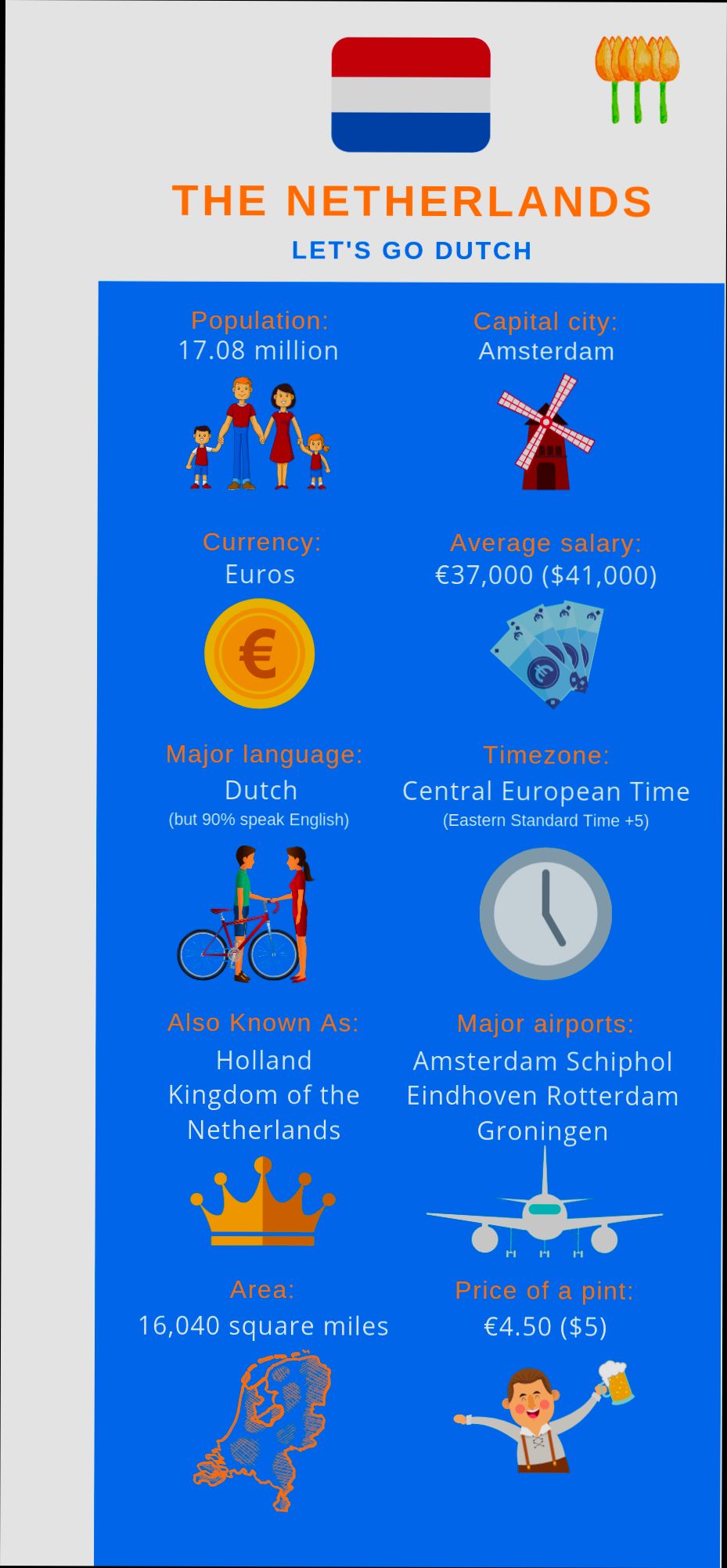
What are the Costs of Moving to Netherlands? Well, get ready to open your wallet! First off, you need to consider the moving expenses. If you’re shipping your belongings from the U.S., expect costs around $3,000 to $10,000, depending on how much stuff you’ve got and how far you’re moving. That’s just for the actual move! Once you land, the excitement quickly meets reality—finding a place to live can be a shock. Rents in Amsterdam, for example, can hit upwards of €1,500 a month for a one-bedroom in the city center, while more suburban areas offer slightly better deals, around €1,200.
Then there’s the cost of everyday life. Groceries can be a bit pricier than what you might be used to; a loaf of bread averages €2.50, and a weekly grocery run might set you back around €80 to €100 for a couple. Don’t forget healthcare, which is mandatory. The average monthly premium is about €130, but that varies based on your choice of insurance provider and coverage. Toss in transportation costs—like a monthly public transit pass for about €90—and you start to see how those costs can pile up. So, if you’re seriously considering this move, budgeting for all these factors is crucial!
Overview of Relocation Expenses
Moving to the Netherlands involves a variety of relocation expenses that you should consider before making your decision. Understanding these costs can help you plan effectively and avoid any unexpected financial surprises along the way.
Key Relocation Expenses
Here are some significant relocation expenses you might encounter:
- Transport Costs: Depending on your starting point, international shipping can range from €1,000 to €5,000. This typically covers the cost of moving your belongings via sea or air freight.
- Visa and Immigration Fees: If you need a work visa, the fees can range from €300 to €1,500, depending on the type of visa you require.
- Temporary Accommodation: Many expats find it necessary to stay in temporary housing while searching for a permanent residence. This can cost between €1,000 and €2,500 per month for short-term rentals.
- Insurance: Moving insurance for your belongings can be between €100 and €400, depending on the value of the items being insured.
- Miscellaneous Costs: Don’t forget potential costs such as utility setup fees (approximately €150) and local transportation (averaging €200 monthly).
Comparative Table of Relocation Expenses
| Expense Category | Estimated Cost Range | Notes |
|---|---|---|
| Transport Costs | €1,000 - €5,000 | Depends on distance and volume of items |
| Visa and Immigration Fees | €300 - €1,500 | Varies by visa type |
| Temporary Accommodation | €1,000 - €2,500 | Prices vary by location |
| Insurance | €100 - €400 | Based on item value |
| Utility Setup Fees | €150 | Initial installation costs |
| Local Transportation (Monthly) | €200 | Public transport costs |
Real-World Examples
One expatriate shared their experience moving from Canada to Amsterdam. They spent €2,000 on shipping their belongings, plus €500 on their visa process. After moving, they found a temporary rental for €1,800 a month while searching for a permanent home. Another individual relocating from the U.S. reported spending around €1,200 on moving insurance to protect their electronics and furniture.
Practical Implications for Readers
When planning your move to the Netherlands, budget not only for the obvious costs but also for hidden expenses that can creep up. It’s wise to research the average costs in your particular area of interest, as prices can vary significantly across different cities in the Netherlands.
Specific Facts and Actionable Advice
- Start Early: To get the best deals on transportation and accommodation, begin your planning at least three months before your move.
- Consult with Relocation Services: These services can provide precise quotes and guide you through the visa application process, helping you avoid costly mistakes.
- Keep a Contingency Fund: Set aside an additional 10-15% of your moving budget to cover unexpected expenses, ensuring you’re financially prepared for any last-minute costs associated with your relocation.

Comparative Analysis of Living Costs
When considering a move to the Netherlands, understanding the comparative living costs can significantly impact your financial planning. This section delves into essential cost factors, helping you gauge how living in the Netherlands compares with other locations, particularly cities in the U.S.
Core Cost Factors to Evaluate
To effectively analyze living costs, we should focus on major expenses that typically shape our budget:
- Housing Costs: This usually accounts for the largest portion of your monthly expenses. In cities like Amsterdam, the average rent for a one-bedroom apartment in the city center can run upwards of €1,500, significantly higher than smaller Dutch cities like Utrecht, where prices can start around €1,200.
- Transportation: The Netherlands is known for its robust public transportation system, which can be a cost-effective alternative. Monthly public transport passes typically cost around €90 in Amsterdam, while owning a car adds costs such as insurance, fuel, and parking, which can vary widely across cities.
- Food: Grocery prices can differ significantly. For instance, the cost of basic groceries like milk or bread can be approximately 15-20% higher in larger cities compared to smaller towns.
Comparative Living Costs Table
| City in the Netherlands | Monthly Rent (1-bedroom, City Center) | Transport Pass (Monthly) | Grocery Costs (Average) |
|---|---|---|---|
| Amsterdam | €1,500 | €90 | €250 |
| Utrecht | €1,200 | €80 | €230 |
| Rotterdam | €1,000 | €75 | €240 |
| The Hague | €1,300 | €85 | €260 |
Real-World Examples
Let’s consider the differences in living costs based on a comparative analysis:
1. Housing: If you were to move from Dallas, Texas, where the average rent for a similar apartment is about $2,000, you would find Amsterdam’s prices to be steep yet comparable when you factor in higher salaries in the tech or finance sectors there.
2. Utilities and Internet: Utility costs for a standard apartment in Amsterdam can be around €150, whereas in Dallas, costs might average $180. If you’re a remote worker needing high-speed internet, expect to pay around €40 in the Netherlands compared to approximately $60 in Texas.
3. Food Costs: If you enjoy dining out, a mid-range meal for two in Amsterdam costs about €70 compared to $60 in Nashville.
Practical Implications for Relocating
- Budget Planning: Understanding the 50/30/20 budget framework can aid in planning for necessary expenses, allowing you to allocate 50% of your income towards essential costs, including housing and food.
- Cost Comparisons: Use the data to compare against your current living situation or potential future locations to ensure that you are prepared for potential salary adjustments or lifestyle changes.
Actionable Advice
When planning your relocation, gather specific cost data for the areas you’re considering. Don’t forget to factor in additional expenses like healthcare and entertainment, as these can fluctuate depending on your lifestyle and the city you choose to live in. Moreover, engaging with local expatriate communities online can also provide insights into living costs that aren’t immediately apparent through data alone.

Statistical Insights on Moving Costs
Understanding the statistics behind moving costs is essential when considering a move to the Netherlands. With millions of people moving each year, analyzing trends and figures can provide valuable insights into what you might expect to spend on your own relocation.
Key Statistical Insights
- In 2022, a notable 28.2 million Americans moved within the United States, indicating a fluctuating yet robust trend in mobility, which can serve as a comparative insight for those moving internationally.
- There was a significant decrease in the number of movers from 32.4 million in 2018 to just over 27 million in 2021, highlighting a 16.2% drop in mobility during that period. This trend emphasizes the shifting dynamics of movement and how external factors might influence moving decisions.
- According to data, approximately 19.9% of Americans moved to a different state in 2022, a subtle increase from 18.8% in 2021. This uptick illustrates the potential for increased interstate relocations, which may reflect broader trends in migration that can also be observed in Europe, including the Netherlands.
Comparative Costs of Moving
| Moving Category | Estimated Cost Range |
|---|---|
| International Shipping | €1,000 - €5,000 |
| Local Movers | €300 - €1,500 |
| Packing Supplies | €100 - €400 |
| Car Shipping | €500 - €2,000 |
Real-World Case Studies
- As observed in recent trends, a steady 80% of movers in the U.S. stayed within the same state, with only 6.7% remaining in the same county. This pattern might reflect financial considerations that are also pertinent when moving to the Netherlands, especially in terms of transport costs and local housing markets.
- The United States Postal Service processed over 33 million permanent address changes in 2022, indicating that many people are actively considering relocation. For those moving internationally to places like the Netherlands, the logistics of address changes can often come with additional costs tied to shipping and documentation.
Practical Implications
Understanding these trends in moving costs allows you to budget effectively for your relocation to the Netherlands. Be prepared to consider not only shipping costs but also local moving expenses and potential packing material purchases.
- It’s advisable to request multiple quotes from moving companies to gain clarity on what may fit your budget best and which services might offer the highest value.
- Engage with expat communities or forums where international movers share their experiences, enabling you to gain insight into additional hidden costs or considerations that may arise during your move.
Actionable Advice
When planning your move to the Netherlands, keep track of moving statistics and trends similar to what’s observed in U.S. data. For instance, monitoring local and international rates based on current trends will equip you with knowledge for negotiation and budgeting. Stay informed about potential fluctuations in shipping costs due to global economic conditions, which can greatly influence your overall moving expenses.
Real-Life Case Studies of Expats
Moving abroad is a significant life event that many people dream of, and the experiences of expats can offer valuable insights into the realities of this journey. In this section, we’ll explore real-life case studies of expats to shed light on their challenges and successes, revealing the complexities of relocating to the Netherlands.
Key Insights from Expat Experiences
1. Diverse Backgrounds: Expatriates come from various cultural backgrounds, which can impact their adjustment process. Studies show that over 258 million migrants represent diverse motivations, including work, education, and better living conditions.
2. Economic Challenges: Many expats face initial economic hurdles. These include unexpected costs related to housing, food, and integration into local communities. About 40% of expats report that they underestimated their living expenses in a new country.
3. Cultural Adjustment: Cultural differences play a significant role in how quickly someone can settle in. Studies indicate that nearly 30% of expats cite cultural barriers as a primary challenge in their initial months abroad.
4. Support Networks: Establishing a support network is crucial. A recent survey found that 75% of expats who actively engaged in local community events reported better integration and satisfaction with their move.
| Expat Background | Relocation Challenges | Community Engagement Impact |
|---|---|---|
| Diverse Countries | Economic hurdles due to underestimated costs | 75% reported improved satisfaction |
| Cultural Differences | Adapting to new social norms | 30% faced significant challenges |
| Support Systems | Finding housing and schooling | Better integration leads to satisfaction |
Real-World Example: Varun Suchday’s Journey
Varun Suchday, who traveled around the world visiting 14 countries in one year, reflects on his challenges. He highlighted the stress of budgeting for unexpected costs, like flights and local accommodations. His experiences show the importance of thorough financial planning before embarking on an adventure, especially for expats moving to places with a higher cost of living like the Netherlands.
Finnish Student Experience
A Finnish student recounting their time in India emphasizes the significant cultural adjustments required when moving from one country to another. The student’s experience illustrates the need for patience and openness when navigating different norms and lifestyles, which is essential for migrating to the Netherlands as well.
Practical Implications for Readers
Understanding real-life expat experiences can help you better prepare for your move. Consider the following practical steps:
- Budgeting: Create a comprehensive budget that factors in unexpected costs, such as initial housing and local transportation.
- Cultural Research: Invest time in learning about Dutch culture and societal norms to ease your transition.
- Networking: Seek out expat groups or community events in the Netherlands prior to your move to establish a support network ahead of time.
- 75% of actively involved expats reported they found it easier to adapt socially and emotionally to their new life.
These case studies reinforce that while moving to the Netherlands can be an incredible journey filled with growth and learning, it’s important to be realistic about the challenges and actively seek to build connections and support systems.
Navigating Housing and Rental Prices
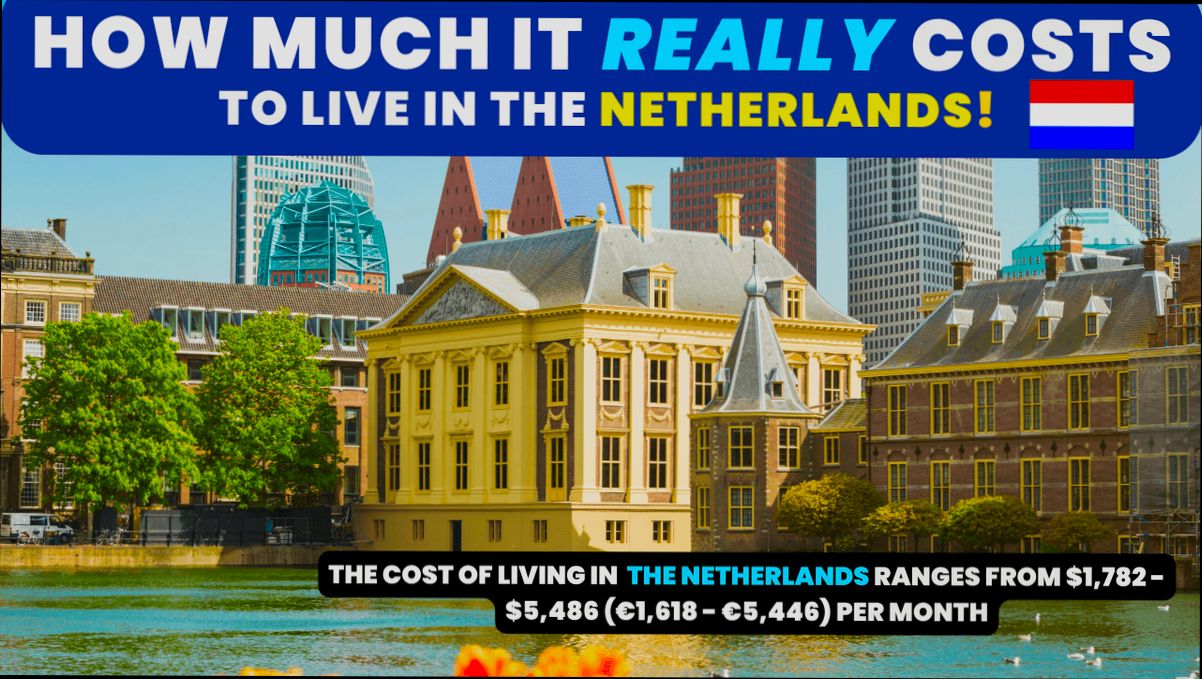
Understanding housing and rental prices is vital when moving to the Netherlands. With varying costs across cities and regions, it’s essential to navigate the market wisely. Let’s dive into the details you need to successfully manage your housing journey.
Key Factors Influencing Rental Prices
When assessing rental prices, several factors play a crucial role:
- Location: Urban areas like Amsterdam and Utrecht feature higher rents compared to smaller cities or rural areas.
- Size and Type of Property: A single-room apartment can average around €1,200 in cities like Rotterdam, whereas a larger apartment may exceed €2,000.
- Market Trends: Keep an eye on trends. Rental prices have seen an increase, making it essential to act quickly when you find the right place.
Comparative Rental Prices Across Cities
| City | Average Monthly Rent (1-bedroom) | Average Monthly Rent (2-bedroom) |
|---|---|---|
| Amsterdam | €1,800 | €2,500 |
| Rotterdam | €1,200 | €1,800 |
| The Hague | €1,500 | €2,000 |
| Utrecht | €1,600 | €2,200 |
Real-World Examples
Consider the experience of Laura, an expat who relocated to The Hague. She initially found her budget stretched to the limit when searching for a suitable 2-bedroom apartment. However, by extending her search to neighborhoods slightly outside the city center, she secured a spacious apartment for €1,950, saving €250 each month.
Another example is Tom, who moved to Rotterdam and opted for a co-living space. He saved roughly 25% of typical rental costs by sharing amenities and living space with other expats, demonstrating how alternative living arrangements can significantly reduce expenses.
Practical Implications for Housing Seekers
- Search Early: The market moves fast, especially in hot areas. Begin your search well before your move to get a sense of realistic prices.
- Utilize Online Platforms: Websites like Pararius, Funda, and Expatica can provide valuable listings and insights into current market trends.
- Consider Additional Costs: Remember to factor in utilities, which can account for about 20-30% of monthly expenses in addition to rent.
In summary, understanding the rental landscape, analyzing key factors influencing prices, and leveraging online resources allows you to navigate housing in the Netherlands confidently. Establish your budget and research your options to secure the best deal for your new home.

Financial Advantages of Relocating
When considering a move to the Netherlands, the financial advantages can be compelling. Relocating can open up numerous financial benefits that might enhance your overall wealth and well-being. Let’s delve into some of the key financial perks you might enjoy by making this life-changing decision.
Enhanced Earning Potential
One of the biggest motivations to relocate is the potential for higher income. The Netherlands boasts a robust economy with a diverse job market, especially in technology, finance, and engineering sectors:
- Higher Average Salaries: On average, salaries in the Netherlands are about 10% higher than in many Western countries for the same roles.
- Low Unemployment Rate: With unemployment rates around 3.5%, your chances of securing a position are significantly better than in many regions.
Tax Benefits
Depending on your personal situation, moving to the Netherlands can offer several tax incentives that may lead to substantial savings:
- 30% Ruling for Expats: If you’re an expatriate, you might qualify for the 30% ruling, where 30% of your salary can be tax-exempt. This can mean a significant increase in your net income.
- Social Security Benefits: The Netherlands has a strong social security system that provides benefits like health insurance and pensions, giving you peace of mind while also supporting long-term financial planning.
Cost Savings on Essentials
Though living costs can be high, there are areas where you may find savings—particularly when compared to other major European cities:
- Public Transportation: Costs for public transport can be more economical and efficient than maintaining a car in cities like Amsterdam or Rotterdam. Regular commuters usually spend around €100 a month, which is relatively affordable.
- Health Insurance: While health insurance is mandatory, basic plans tend to be less expensive than those in countries like the U.S., averaging around €120 per month.
| Benefit | Description | Estimated Savings |
|---|---|---|
| Average Salary Increase | Higher salaries compared to many Western nations | +10% |
| 30% Ruling Tax Incentive | Tax-exempt income on eligible expats | Up to €12,000+/year |
| Public Transport Costs | Monthly commuting costs for urban areas | Estimated €100/month |
Real-World Examples
Consider the case of an IT professional relocating from Germany to the Netherlands. By taking advantage of the 30% ruling, they saved roughly €15,000 over five years. Combining this saving with a salary that was 10% higher than in their home country provided a considerable boost to their financial standing.
Another example involves a marketing expert who discovered that the cost of life insurance and health plans was 20% lower in the Netherlands compared to their native UK, adding extra financial flexibility to their lifestyle.
Practical Implications for You
If you’re contemplating relocating, here are some immediate financial advantages to consider:
1. Research Salaries: Investigate average salaries in your profession to estimate your potential earnings in the Netherlands.
2. Consult a Tax Professional: Understanding available tax benefits can maximize your earnings—make sure to explore the 30% ruling if eligible.
3. Evaluate Cost of Living Ratios: Compare essential expenditures like transportation and insurance to those in your home country to see where you can save.
Specific Facts to Keep in Mind
- The average income tax rate in the Netherlands is about 37% for those earning up to €68,508, which is competitive compared to their neighbors.
- Many companies offer relocation packages that cover moving expenses, which can save you out-of-pocket costs and provide an initial financial buffer.
- Engage in networking early on to learn about job leads that might not be advertised and explore opportunities before your move.
The financial incentives of relocating to the Netherlands can create a rewarding experience, allowing you to enjoy a better quality of life while enhancing your economic situation.

Understanding Healthcare and Insurance Fees
When you move to the Netherlands, navigating healthcare and insurance fees is crucial to your financial planning. The Dutch healthcare system is known for its high quality, but it does come with costs that you need to consider.
Healthcare System Overview
In the Netherlands, healthcare operates on a mandatory insurance basis, meaning you must have at least a basic health insurance policy. As an expatriate, you will pay monthly premiums that can range widely based on the coverage you select and your age. Expect to spend anywhere from €100 to €200 per month for basic health insurance.
Here are some key points to keep in mind:
- Insurance Coverage: Basic health insurance covers essential medical care, such as visits to the general practitioner, hospital care, and prescription medicines.
- Supplementary Insurance: If you want coverage for additional services like dental care or physiotherapy, you can opt for supplementary insurance, which may increase your monthly fees further.
- Out-of-Pocket Costs: You may still incur costs not covered by your insurance, including deductibles and co-payments, which can vary.
Breakdown of Typical Insurance Fees
| Insurance Type | Monthly Cost Range | Coverage Highlights |
|---|---|---|
| Basic Health Insurance | €100 - €200 | GP visits, hospital care |
| Supplementary Insurance | €20 - €50 | Dental, physiotherapy |
| Total Potential Monthly | €120 - €250 | Basic + Supplementary options |
Real-World Example
Consider Maria, a 32-year-old expat who moved from Spain. She pays €150 a month for her basic health insurance. After a few months, she understands that her dental care isn’t covered, leading her to select a supplementary plan for an additional €30 monthly. This adjustment highlights the importance of reviewing insurance options to avoid unexpected expenses.
Practical Implications
Understanding the healthcare fees can significantly impact your budget. Here are a few actionable insights that can help you better manage these costs:
- Compare Insurance Providers: Take the time to compare different health insurance providers. Many offer an online tool where you can evaluate premiums, coverage, and additional benefits.
- Understand Your Needs: Assess your individual health needs and consider your family’s medical history to choose a plan that meets everyone’s requirements at a reasonable cost.
- Watch for Discounts: Some insurance companies offer discounts for healthy lifestyles or if you opt for digital consultations, so look for these perks when selecting your insurance.
By being proactive about your healthcare options and understanding the associated fees, you can navigate the Dutch health insurance landscape more efficiently and avoid unnecessary financial strain.