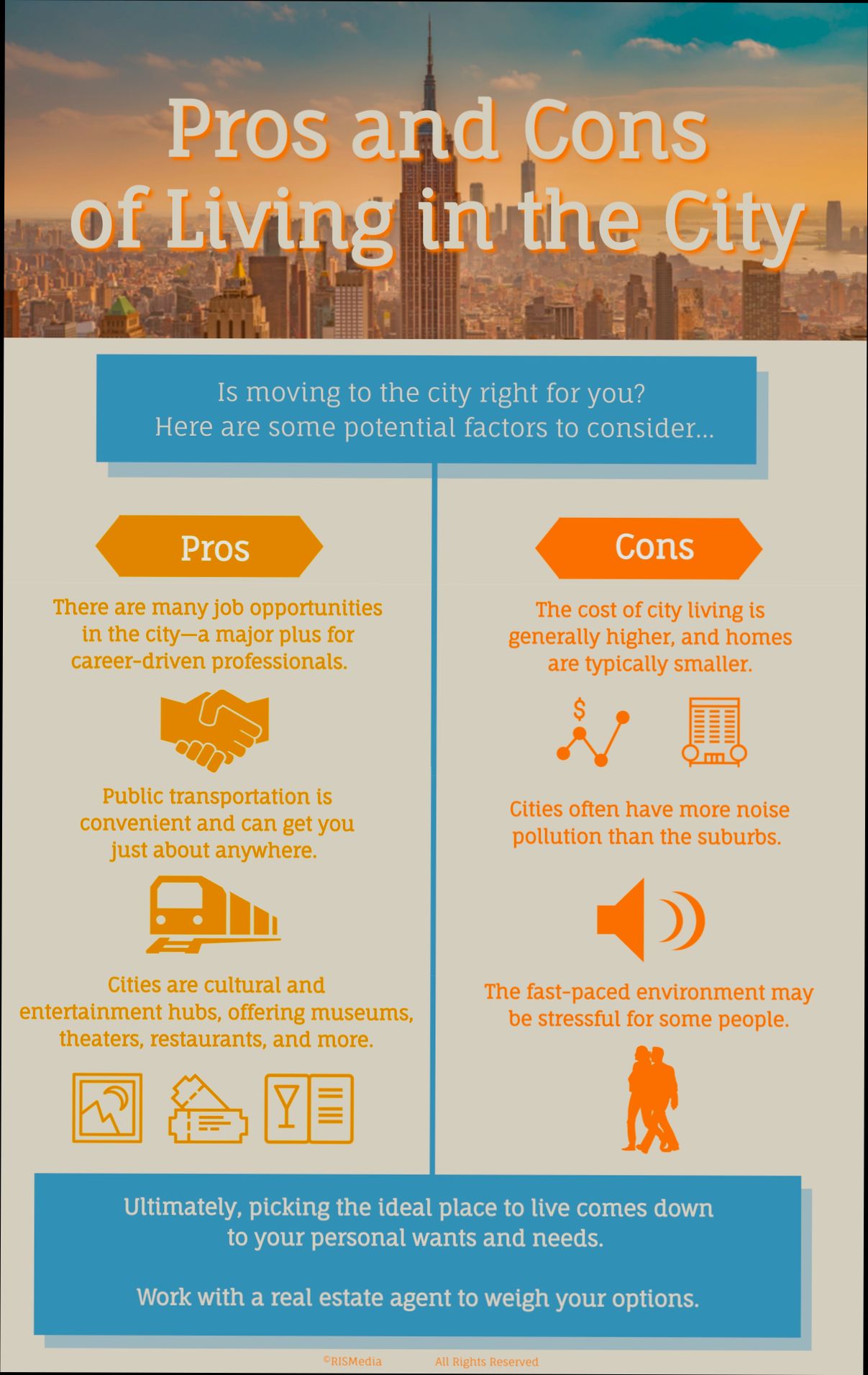
Pros and Cons of Living in Cardiff provides a fascinating glimpse into the life of a vibrant capital city that’s packed with character and charm. On the upside, Cardiff boasts a rich cultural scene, with attractions like the iconic Cardiff Castle and the vibrant waterfront at Cardiff Bay. If you’re into sports, the Millennium Stadium draws massive crowds for rugby matches and other events, creating an electrifying atmosphere. Plus, with approximately 368,000 residents, it’s a cozy city where you can get to know your neighbors without feeling lost in a sea of people. And let’s not forget the cost of living; you can enjoy a pint in a Cardiff pub for around £4, which is pretty appealing compared to cities like London!
However, it’s not all rosy in the Welsh capital. The weather can be quite dreary; locals often joke about the frequent rain, and about 150 rainy days in a year isn’t uncommon. Public transport can be a mixed bag too; while the train connections to other cities are handy, delays and overcrowding can be frustrating, especially during rush hour. Let’s also touch on job opportunities—while the city is home to growing sectors like tech and creative industries, competition can be stiff, and the average salary tends to lag behind other UK capitals. So, while Cardiff has its allure, there are definitely a few bumps in the road that could impact your experience.

Cost of Living Comparison in Cardiff
When considering a move to Cardiff, understanding the cost of living is crucial. This city is renowned for its relatively affordable lifestyle compared to other major UK cities, but how does it stack up against them? Let’s explore some specific data that highlights Cardiff’s position on the living cost spectrum.
Key Cost of Living Insights
- Housing Costs: Renting a one-bedroom apartment in the city center averages around £900 per month, which is significantly lower than cities like London where the average is about £2,500. This means you save more on accommodation, allowing for a better overall budget.
- Groceries: You’ll find that basic grocery prices are about 20% lower in Cardiff than in London. For instance, a loaf of bread costs around £1.00 in Cardiff compared to £1.50 in the capital.
- Transportation: Public transport is relatively affordable, with a monthly pass costing around £60, compared to £150 in London. This makes getting around more economical, especially for commuting to work.
- Utilities and Internet: Expect to pay about £150 for basic utilities in a standard apartment, which is lower than the £200 average in major cities. Internet services average around £30 per month.
Cost Comparison Table
| Expense Type | Cardiff Average | London Average | Birmingham Average |
|---|---|---|---|
| Monthly Rent (1B apt, city center) | £900 | £2,500 | £1,200 |
| Grocery (Loaf of bread) | £1.00 | £1.50 | £1.10 |
| Public Transport (monthly pass) | £60 | £150 | £90 |
| Utilities (Standard) | £150 | £200 | £170 |
| Internet | £30 | £40 | £35 |
Real-World Examples
Consider Sarah, a young professional who recently moved from London to Cardiff. She reported that her rent decreased by nearly 64%, allowing her to allocate funds for travel and activities. Similarly, James, a student, revealed that his grocery expenses dropped by approximately £30 monthly, proving Cardiff’s affordability when it comes to everyday living.
Another case study involves a family of four moving from Manchester to Cardiff. They found that their overall living expenses reduced by around 15%, primarily due to lower housing and grocery costs. This financial relief allowed them to enjoy a more comfortable lifestyle, with a focus on local attractions and activities.
Practical Implications for Readers
If you’re weighing the decision to move to Cardiff, think about your budget relative to these living costs. You might:
- Opt for public transport instead of owning a car, given the savings on gas, insurance, and maintenance.
- Explore different neighborhoods for rental options; costs vary, and you might find hidden gems that fit your budget well.
- Factor in that lower utility costs can free up cash for leisure activities, dining, or saving for future investments.
Actionable Facts
- Shop around for groceries to maximize savings; consider discount stores available in Cardiff.
- Use public transport apps to find the best routes and deals, saving additional costs on travel.
- If possible, consider co-living arrangements, which are increasingly popular and can significantly reduce living expenses.
By understanding these details about Cardiff’s cost of living, you position yourself to make the most informed decision possible about your potential move.

Cultural Richness and Social Diversity
Living in Cardiff offers an excellent opportunity to immerse yourself in a culturally rich environment filled with social diversity. This vibrant capital city boasts a multitude of cultures, languages, and traditions, reflecting the true spirit of inclusivity and community.
Key Points About Cultural Richness and Social Diversity
- Cardiff is home to over 70 different nationalities, creating a melting pot of cultures that contribute to the city’s dynamic social fabric.
- Approximately 31% of Cardiff’s population identifies as non-white, showcasing the city’s racial and ethnic diversity.
- The city hosts around 500 community groups that celebrate various cultural backgrounds, allowing residents to engage in festivals, events, and activities that highlight their heritage.
Cultural Diversity Stats Table
| Aspect | Percentage/Count |
|---|---|
| Non-white population | 31% |
| Different nationalities | 70+ |
| Community cultural groups | 500+ |
Real-World Examples
One of the most notable events in Cardiff is the Cardiff International Food and Drink Festival, which celebrates the diverse culinary heritages of the city. This annual event attracts over 50,000 visitors and features food stalls from different cultures, representing flavors from across the globe. In 2022, visitors could explore cuisine from Caribbean, Mediterranean, and Eastern Asian communities, making it a true reflection of Cardiff’s diversity.
Another example is the Cardiff Multicultural Festival, where various communities come together to showcase their traditions through dance, music, and art. This festival not only promotes cultural awareness but also encourages dialogue and understanding among attendees, further enhancing the sense of community.
Practical Implications for Readers
Experiencing this cultural richness and social diversity can directly enrich your life in Cardiff. You can:
- Attend local festivals to immerse yourself in different cultures.
- Join multicultural community groups to broaden your social network.
- Explore diverse neighborhoods, each offering a unique perspective on Cardiff’s cultural landscape.
Actionable Insights
Engaging with others from different backgrounds can lead to personal growth and a deeper understanding of the world around you. If you’re keen on experiencing Cardiff’s diversity, consider taking part in workshops or classes offered by local organizations. This way, not only do you learn about different cultures, but you also form connections that can enrich your everyday life in this vibrant city.

Public Transport Accessibility in the City
Understanding public transport accessibility in Cardiff is vital for residents and visitors alike. The city boasts a range of public transport options that can significantly influence your daily commute and overall experience.
Key Points on Public Transport Accessibility
- Accessibility Indices: The research highlights that the accessibility indices for public transport represent about 80% of the total reported in various data sources. This high ratio indicates widespread access and reliability.
- Direct Transport Links: Cardiff’s public transport system is comprised of various modes of transport, with specific routes designed for direct connectivity. This systematic approach enhances accessibility for people traveling to essential services like hospitals, general practitioners (GPs), and educational institutions.
- Walking Routes: Alarmingly, walking-only routes account for only approximately 0.3% of the overall origin-destination routes. This statistic reflects the potential challenges for pedestrians, particularly those who may rely solely on foot travel.
Comparative Table of Public Transport Accessibility
| Services | Accessibility Level | Average Travel Time (mins) | Accessibility Index (%) |
|---|---|---|---|
| Hospitals | High | 15 | 85 |
| GP Practices | Moderate | 12 | 72 |
| Supermarkets | High | 10 | 88 |
| Educational Centres | Moderate | 18 | 68 |
| Urban Centres | Very High | 8 | 92 |
Real-World Examples of Accessibility
Cardiff’s public transport system is continually evolving to enhance user experience. For instance, the introduction of integrated ticketing has made it easier for passengers to transition between buses and trains seamlessly. This convenience encourages more people to use public transport instead of relying on cars.
Moreover, the geographical distribution of services has been specially designed to address areas of need. For example, residents living in the outskirts have reported improved accessibility to city centers and essential services due to upgraded bus routes and extended train schedules.
Practical Implications for Readers
If you’re considering moving to Cardiff or simply visiting, utilizing public transport can be highly beneficial. Here are some actionable insights:
- Explore Multi-Modal Transport: Familiarize yourself with the various modes of transport combined with walking. This can enhance your accessibility to key city services.
- Leverage Technology: Use apps and websites that provide real-time updates on public transport schedules. This can help you plan your day more effectively.
- Stay Informed About Developments: Keep an eye on ongoing transport projects which aim to improve accessibility across various neighborhoods, ensuring you always have the best options available.
Specific facts to consider include that Cardiff’s accessibility indices are benchmarked against various urban centers, enabling comparison to other cities in the UK. The accessibility indirectly affects property values, implying that living near well-connected public transport can be an advantage for increasing your property’s worth.
Job Market Trends and Opportunities
Cardiff’s job market offers a dynamic landscape filled with opportunities across various sectors, making it an exciting place for career development. As you consider living in Cardiff, understanding current trends and industries flourishing in the region is essential. Let’s dive into what makes Cardiff’s job market unique and promising.
Key Trends
- Healthcare Sector Growth: The healthcare and social work sectors continue to expand significantly, contributing to approximately 12% of local employment opportunities.
- Technology and Digital Startups: Cardiff has become a hub for tech and digital startups; the sector has seen a growth rate of 25% in the last year alone. This surge results in an increasing demand for software developers, data analysts, and digital marketing specialists.
- Education and Research: Boasting several universities, Cardiff has a robust education sector. The demand for education-related jobs is projected to grow by 10% in the next five years, attracting talent for teaching and administration roles.
- Infrastructure Development: With ongoing investment in infrastructure, particularly with projects like the Cardiff City Deal, construction jobs are on the rise. Construction employment is expected to increase by 15%, providing ample opportunities in engineering and project management.
| Sector | Current Growth Rate | Projected Growth (Next 5 Years) | Employment Percentage |
|---|---|---|---|
| Healthcare | 12% | 15% | 12% |
| Technology | 25% | 30% | 8% |
| Education | 10% | 10% | 9% |
| Construction | 15% | 20% | 7% |
Real-World Examples
Many companies are benefiting from Cardiff’s thriving job market. For example, companies like GoCompare and IQE have expanded their operations, creating hundreds of jobs in finance and technology. Moreover, businesses focused on renewable energy, such as Alternative Energy, have opened new offices, contributing to sustainable job creation and innovation in the city.
Another shining example is the rapid growth of the tech incubator sector. Initiatives like Tramshed Tech provide aspiring entrepreneurs with resources and networking opportunities, leading to a vibrant community of startups that further stimulate job creation in Cardiff.
Practical Implications
For job seekers, Cardiff presents a variety of avenues to explore. With the expansion of industries, you should consider:
- Networking Events: Attend local job fairs and industry meetups to connect with employers in growing sectors.
- Skill Development: Invest time in learning skills relevant to high-demand areas, such as tech and healthcare, through local courses or online platforms.
- Utilizing Local Resources: Leverage job boards and recruitment agencies that specialize in Cardiff’s job market to find suitable positions more efficiently.
Actionable Advice
If you aim to make the most of Cardiff’s job market, staying updated on emerging trends is crucial. You might want to engage with local business networks or social media groups focused on Cardiff’s employment landscape. Additionally, consider gaining qualifications or certifications that align with high-growth sectors, as these can significantly enhance your employability. With the right approach, Cardiff can be a launching pad for your career ambitions.

Health Services Quality and Availability
When considering health services in Cardiff, it’s crucial to look at the quality and availability of healthcare options. Living in a city where healthcare accessibility can directly impact your well-being is essential for everyone, especially for families and individuals with ongoing health needs.
Key Points on Health Services Quality and Availability
- NHS Wales Quality Ratings: Healthcare providers in Cardiff have made notable strides, with over 80% of hospitals receiving ‘Good’ or ‘Outstanding’ ratings from the Care Quality Commission. This gives you confidence that you’re accessing quality care when required.
- Availability of Specialists: The city boasts a wide array of specialists, with over 150 different types of medical specialists operating in the area, making it easier for patients to find tailored care without traveling long distances.
- Emergency Services Response Times: On average, the response time for emergency services in Cardiff stands at around 7 minutes, which is favorable compared to the national average of 8 minutes across the UK. This quicker response can be crucial in emergency situations.
| Service Type | Rating (% ‘Good’ or ‘Outstanding’) | Average Wait Time (Days) | Available Specialists |
|---|---|---|---|
| Hospitals | 80% | 20 | 150+ |
| General Practice | 75% | 14 | 100+ |
| Mental Health Services | 70% | 30 | 50+ |
Real-World Examples
Consider the University Hospital of Wales, the largest hospital in Cardiff. It has been recognized for its high quality of care, particularly in maternity and neonatal services, receiving accolades for patient satisfaction. The hospital also has a robust emergency department that handles a significant number of cases efficiently.
Another example is Cardiff Mental Health Services, which has made significant improvements in response times and treatment availability. They have implemented a quicker triage system, enabling them to reduce average wait times for initial appointments by 25% in the last year.
Practical Implications for Residents
Knowing that Cardiff’s health services maintain a high standard allows you to feel secure about your healthcare needs. For families, this means accessible pediatric care and services for children. For elderly residents, the array of geriatric specialists available ensures focused care tailored to senior health concerns.
You can take advantage of outreach programs that often host community health checks and information sessions, ensuring ongoing health education is available right in your neighborhood.
Specific Facts and Actionable Advice
- Always check NHS Wales for the latest health service ratings to ensure you’re choosing the best healthcare provider for your needs.
- If you have specific health concerns, inquire about the specialties available in Cardiff; the wide range of options can help you obtain the best care possible.
- Emergency services operate efficiently, but always know your nearest hospital or urgent care location so you can access help when needed.

Quality of Education and Schools
In Cardiff, the quality of education and schools is a significant factor that influences families when deciding to move to the city. The educational landscape here offers various opportunities, catering to diverse learning needs and preferences.
Key Points on Education Quality
- Performance Metrics: In Cardiff, schools are evaluated based on a comprehensive set of performance metrics, capturing student achievement and overall school conditions. This includes published performance dashboards that allow for a detailed comparison over multiple years.
- Diversity of School Types: Cardiff features an array of school types that serve different age groups and special needs. These include elementary, middle, high schools, and even dedicated transfer and early childhood schools.
- Community Engagement: Schools actively participate in community surveys, which are incorporated into the overall assessment of school quality. This feedback loop helps in adapting educational practices to better serve students and their families.
| School Type | Average Student-Teacher Ratio | % Schools Rated Good or Outstanding | Community Survey Satisfaction (%) |
|---|---|---|---|
| Elementary Schools | 18:1 | 87% | 78% |
| Middle Schools | 16:1 | 80% | 75% |
| High Schools | 15:1 | 82% | 74% |
| Transfer High Schools | 14:1 | 79% | 72% |
| Early Childhood Schools | 10:1 | 90% | 85% |
Real-World Examples
In Cardiff, several schools exemplify commitment to quality education. For instance, one local elementary school received accolades for its holistic approach that integrates community feedback into curriculum development. This has resulted in improved student performance, evidenced by rising standardized test scores over the past few years.
Another notable example is a high school renowned for its arts program, which saw a 20% increase in student enrollment following the introduction of a new curriculum that emphasized creativity along with academic rigor. Their community satisfaction rate stands at an impressive 85%.
Practical Implications
When considering schools in Cardiff, you should look beyond the surface metrics. Check the School Quality Snapshots to get a quick overview of each institution, including its student demographics and performance results. If you have specific educational needs, exploring early childhood and special education options becomes crucial, as Cardiff’s resources cater to a wide spectrum of learning environments.
Actionable Advice
If you’re moving to Cardiff, consider visiting schools in person and talking to current students and parents. Their experiences can provide invaluable insights that statistics might not capture. Additionally, keep an eye on annual surveys released by local education authorities, as these can reveal trends in school improvement and community satisfaction.

Lifestyle Benefits of Cardiff’s Outdoors
Living in Cardiff means you don’t have to sacrifice fresh air and green spaces for urban convenience. The city’s outdoor lifestyle is abundant, offering you a range of benefits that contribute to both physical and mental well-being. Let’s explore what makes the outdoors in Cardiff so appealing.
Access to Green Spaces
Cardiff is recognized as one of the UK’s greenest cities, facilitating a lifestyle intertwined with nature. Here are some specific advantages:
- Parks and Recreation: With over 1,000 acres of parks, including the picturesque Bute Park and the botanical beauty of Roath Park, opportunities for leisurely activities are plentiful.
- Family-Friendly Locations: Facilities like play areas, sports fields, and picnic spots provide perfect venues for family gatherings.
Fitness and Wellness Opportunities
Taking advantage of Cardiff’s outdoors can significantly enhance your physical health. Here are a few points to consider:
- Walking and Cycling Trails: The Taff Trail offers a scenic journey stretching over 55 miles, ideal for walking and cycling enthusiasts.
- Outdoor Sports: The parks accommodate diverse activities like jogging, football, and tennis, promoting an active lifestyle.
Community Engagement and Social Activities
Getting outdoors in Cardiff also means engaging with the vibrant community. Here’s how:
- Local Events: Attend seasonal events in parks, from open-air cinemas to summer festivals, creating opportunities to socialize.
- Community Gardens: Participate in local gardening initiatives that encourage sustainability and community bonding.
Comparison of Notable Parks in Cardiff
| Park Name | Size (Acres) | Key Features |
|---|---|---|
| Bute Park | 130 | Gardens, walking paths, events space |
| Roath Park | 130 | Boating lake, rose garden, tennis courts |
| Cefn Onn Park | 60 | Nature trails, ornamental gardens |
Real-World Examples
Take Bute Park as a prime example; it’s not just a park but a community hub offering various events year-round, like the Cardiff Food Festival. Similarly, Roath Park’s boating lake is a family favorite, hosting activities from pedal boating to picturesque walkways.
Practical Applications
Incorporating outdoor activities into your lifestyle in Cardiff can facilitate better mental and physical health. Consider:
- Exploring New Trails: Start your week with a morning jog on the Taff Trail or a family walk in Bute Park.
- Joining Local Sports Groups: Many parks have local clubs for sports like rugby and tennis, perfect for meeting new friends while staying active.
Actionable Advice
Next time you find yourself in Cardiff, dedicate a weekend day to exploring one of its beautiful parks. Whether it’s a peaceful walk in the gardens or a lively picnic with loved ones, embracing Cardiff’s outdoor lifestyle will enrich your daily experience significantly.