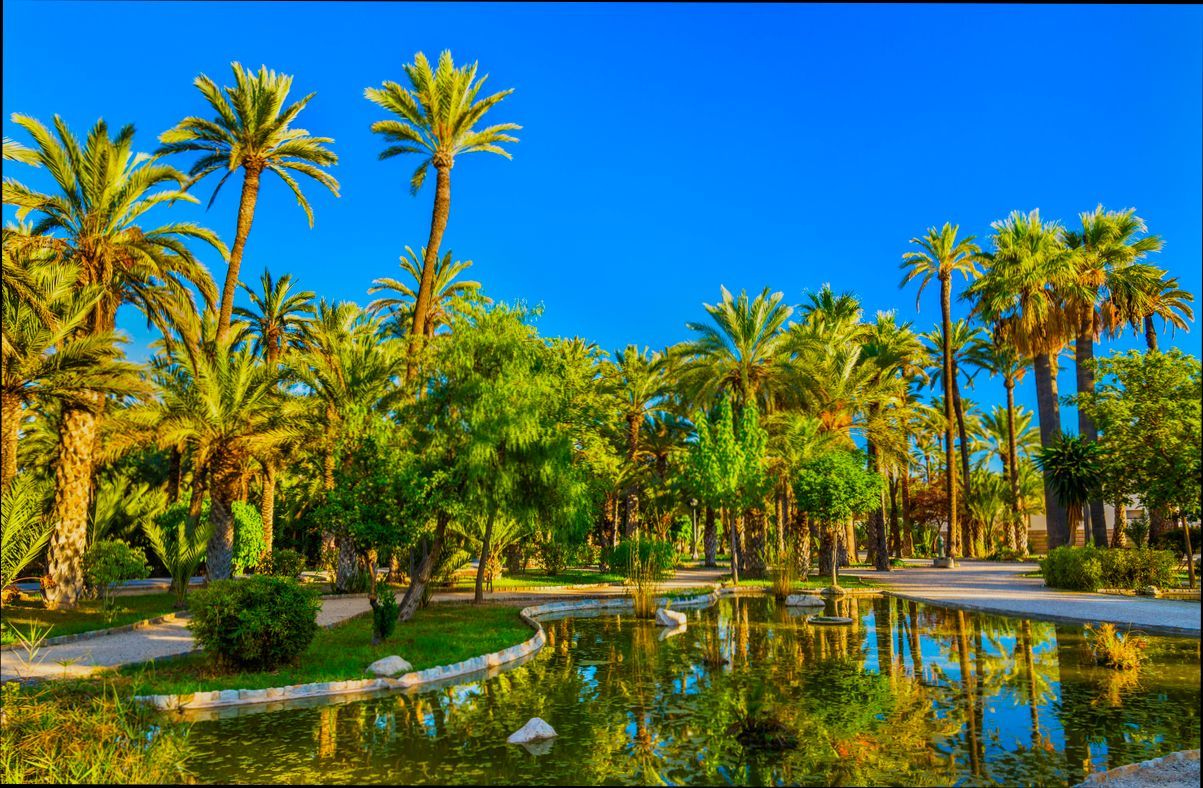
Pros and Cons of Living in St. George UT are definitely worth exploring if you’re considering a move to this sunny slice of paradise. Nestled in the heart of Utah, St. George boasts over 300 days of sunshine a year, making it perfect for outdoor enthusiasts. You can hike through breathtaking landscapes like Zion National Park or hit the golf course almost any time you want. Plus, with a population of around 90,000, it’s big enough to have plenty of amenities but small enough to cultivate that tight-knit community vibe. However, don’t let the picturesque views and pleasant weather fool you; the cost of living has been climbing, with median home prices pushing past the $500,000 mark as of 2023.
On the flip side, while the area attracts newcomers for its beauty, it also comes with some unique challenges. The rapidly growing population has led to increased traffic congestion and longer commute times, especially during peak tourist season. If you’re used to a bustling city life, the slow pace might be refreshing, but it could also feel limiting. That said, the job market is expanding, particularly in sectors like healthcare and education, which can be a significant pro for those seeking employment. Balancing the charm of small-town living with the evolving pressures of growth presents a mixed bag for anyone thinking about calling St. George home.

Cost of Living Analysis in St. George
When considering a move to St. George, understanding the cost of living is crucial. This vibrant city offers a unique blend of affordability and lifestyle, but let’s dig deeper into the specifics that directly impact your wallet.
Living Expenses Breakdown
The cost of living in St. George is about 17% lower than the national average. Here are some specific areas where you might notice the differences:
- Housing: The median home price is approximately $452,000, which is significantly lower compared to other Southwestern cities. This affordability makes homeownership more accessible.
- Utilities: Residents can expect to pay around $150 monthly for utilities, which is about 5% lower than the national average.
- Groceries: On average, grocery prices in St. George run about 2% lower than the national average, offering relief for families and individuals alike.
Comparative Cost of Living Table
| Category | St. George | National Average | Difference |
|---|---|---|---|
| Housing | $452,000 | $408,000 | +10.8% |
| Utilities | $150 | $158 | -5% |
| Groceries | 100 (baseline) | 102 | -2% |
| Transportation | $120 | $132 | -9.1% |
| Healthcare | $455 | $500 | -9% |
Real-World Examples
Let’s talk about Sarah, a recent transplant to St. George. She found a cozy three-bedroom home for $389,000, significantly below the listing prices in other similar cities like Denver and Phoenix. Sarah’s monthly electric bill averages around $100, making her overall housing expenses remarkably manageable.
Consider also John, a retiree living here, who appreciates the healthcare services. With healthcare costs at around $455 per month, he finds it easier to budget his retirement income while enjoying the beautiful golf courses and warm climate.
Practical Implications
Understanding these figures can greatly assist you in budgeting and planning your financial future. For instance, if you’re coming from a city with a higher cost of living, you might experience extra cash flow that can be redirected into savings or recreational activities.
If you’re moving with family, the comparatively lower grocery prices can help keep your monthly expenses in check. Additionally, if you commute for work, the affordability of public transportation in St. George at about $120 monthly can make getting around economical.
Lastly, consider negotiating your rent if you’re in the rental market. Landlords may be more flexible in St. George compared to larger cities where rental prices are sky-high.
Being aware of the cost of living dynamics in St. George should empower you to make informed decisions. The city’s reasonable housing prices and lower utility costs position it as an inviting option for potential residents.

Exploring Outdoor Activities and Recreation
Living in St. George, UT, opens the door to an incredible array of outdoor activities and recreational opportunities. Nestled in the heart of the beautiful desert landscape, this city is perfect for adventure lovers and nature enthusiasts alike. From hiking majestic trails to exploring stunning national parks, the possibilities are endless.
Thriving Outdoor Scene
St. George offers residents a variety of outdoor activities, with over 300 days of sunshine each year. Did you know that more than 40% of the local population engages in outdoor recreational activities regularly? Here are some popular options:
- Hiking and Biking: With over 100 miles of scenic trails, such as those in the Red Cliffs Desert Reserve, you can explore diverse terrains that cater to all skill levels.
- Rock Climbing: St. George is known for its climbing spots, particularly at Snow Canyon State Park and the nearby Zion National Park, which draws climbers from around the country.
- Water Sports: The proximity to the Virgin River and Sand Hollow State Park allows for activities like kayaking, paddleboarding, and fishing.
| Activity | Popular Locations | Average Participants | Difficulty Level |
|---|---|---|---|
| Hiking | Red Cliffs Desert Reserve | 500+ weekly | Easy to Moderate |
| Rock Climbing | Snow Canyon State Park | 300+ monthly | Moderate to Hard |
| Kayaking/Paddleboarding | Sand Hollow State Park | 400+ weekly | Easy |
| Mountain Biking | Gooseberry Mesa | 200+ monthly | Moderate to Hard |
Real-World Examples
One resident, Jessica, shared her experience hiking the popular Angel’s Landing trail in Zion National Park, which has become a favorite weekend getaway over the past few years. She mentioned how it provided not only a physical challenge but also breathtaking views that make every drop of sweat worthwhile. Another local spent his weekends rock climbing at the serene cliffs of Snow Canyon, highlighting the sense of community he found among other climbers.
On a more leisurely note, families flock to Sand Hollow State Park for summer picnics followed by paddleboarding on the vibrant waters. It’s a fantastic way to bond, enjoy nature, and escape the heat!
Practical Implications for Residents
For those considering a lifestyle filled with outdoor activities, investing in quality gear will enhance your experience. Good hiking boots, climbing equipment, or water sports essentials can make all the difference in enjoying these activities safely and effectively. Additionally, local stores often offer classes or workshops to help you learn a new skill, from rock climbing basics to kayaking techniques.
Joining local clubs or organizations can provide you with opportunities to meet like-minded individuals, making your outdoor pursuits even more enjoyable. Many hiking or cycling groups organize regular outings that promote community and friendship while exploring the stunning landscapes of St. George.
Active Advice for Outdoor Enthusiasts
If you’re passionate about outdoor activities, consider utilizing the area’s tourism resources to discover seasonal events or workshops focused on recreation. St. George frequently hosts outdoor festivals, and participating can broaden your network and enhance your skills. Moreover, familiarizing yourself with state and national park regulations will ensure a safe and enjoyable experience as you explore this beautiful region.

Community Culture and Social Life
Living in St. George, UT, offers a unique blend of community culture and social life that is shaped by its diverse residents and surrounding environment. The area thrives on a rich tapestry of cultural experiences, providing opportunities for residents to engage with one another in meaningful ways.
Understanding Cultural Dynamics
St. George’s community is primarily characterized by a predominantly white population (approximately 86%), but it also boasts a growing Hispanic population (around 10%). This diversity fosters opportunities for cross-cultural dialogues and community events that celebrate different heritage and traditions. Understanding these cultural dynamics is essential for building more inclusive relationships and groups.
Table: Community Activity Popularity
| Activity/Program | Percentage of Participation |
|---|---|
| Cultural Festivals & Events | 65% |
| Volunteerism in Community Services | 48% |
| Youth Engagement Programs | 32% |
| Sports and Outdoor Activities | 75% |
| Arts and Music Classes | 29% |
Real-World Examples
1. Cultural Festivals: St. George hosts various cultural festivals throughout the year, such as the St. George Art Festival and Dia de los Muertos celebrations, which attract thousands of visitors and locals alike. These events provide a lively atmosphere where residents can showcase their heritage and build relationships with others in the community.
2. Volunteering Opportunities: With nearly half (48%) of residents actively participating in community volunteerism, local organizations like Habitat for Humanity frequently report robust volunteer turnouts. This not only enhances community ties but also helps alleviate local socio-economic challenges.
3. Youth Programs: Local initiatives are thriving, with youth engagement programs reaching about 32% of teens in the area. Organizations such as the Boys & Girls Club of St. George provide a safe haven for teens to connect, learn, and grow together, emphasizing the importance of camaraderie and support.
Implications for Residents
- Join Local Events: Attend cultural festivals and community gatherings to meet your neighbors and build connections. Participating in these events allows you to appreciate the rich diversity within St. George.
- Get Involved: Consider volunteering in community services or projects that resonate with your values. Your involvement could help bridge cultural gaps and create lasting relationships across diverse groups.
- Participate in Youth Activities: If you have children or are a young resident, engaging with local youth programs can provide a sense of community and foster friendships during formative years.
- Support Local Arts: Attend local art exhibitions or concert events to experience the vibrant culture of St. George, helping to support local artists and musicians.
Engage and Embrace
By actively engaging with your community’s cultural and social offerings, you not only enhance your personal social network but contribute to a more connected, inclusive St. George. Each interaction is a step toward building a supportive community that values diversity and shared experiences.

Job Market Overview and Employment Trends
St. George, UT, has experienced notable shifts in its job market over recent years, making it an intriguing place for both job seekers and employers. The city’s growing economy and diverse industries provide a glimpse into the employment trends that might affect your decision to move here.
Key Employment Sectors
St. George boasts several key sectors that dominate the job market:
- Healthcare: This sector is a major employer in the region, comprising about 17% of all jobs. With the rapid growth of the population and increasing healthcare needs, you might find plenty of opportunities in hospitals and clinics.
- Education: Education-related jobs account for around 14% of employment opportunities. The area’s schools and colleges are always on the lookout for qualified staff, especially as they expand their programs.
- Retail Trade: Retail positions represent approximately 20% of jobs in St. George. The developing commercial areas are driving job growth in this sector, especially as more businesses move in to cater to the local population.
Employment Growth Rate
St. George has seen a consistent employment growth rate of 3.5% annually. This statistic signals a robust local economy and suggests a growing demand for labor as companies expand their operations. In comparison, the national average growth rate hovers around 1.5% to 2%, indicating that St. George may offer more opportunities for job seekers.
| Sector | Percentage of Employment | Growth Rate |
|---|---|---|
| Healthcare | 17% | 4% |
| Education | 14% | 3% |
| Retail Trade | 20% | 5% |
| Hospitality | 12% | 6% |
| Construction | 9% | 4% |
Real-World Examples
- The expansion of Dixie Regional Medical Center highlights the healthcare industry’s growth, as it continuously seeks professionals to meet the needs of the increasing patient population.
- Dixie State University has ramped up its faculty recruitment, contributing to the education sector’s stable job openings. As the university expands, so do the employment prospects for teaching and administrative roles.
- The recent boom in local shopping centers has led to new positions in retail. Stores like Target and various local businesses are expanding their teams as the consumer base grows, further illustrating the retail sector’s vitality.
Practical Implications
If you’re considering a move to St. George, understanding these job market trends can help you align your skills with local opportunities. Here are some actionable tips:
- Networking: Engage with local business groups or attend job fairs to connect with potential employers and learn about openings directly from sources.
- Skills Development: Focus on developing skills that are in high demand, particularly in healthcare and education, to enhance your employability in these sectors.
- Stay Informed: Follow local employment trends and business news to keep an eye on emerging sectors and shifts in job availability.
For those considering a career transition or starting anew, the job market in St. George presents various avenues worth exploring for sustainable employment growth and professional development.

Advantages of St. George’s Climate
Living in St. George, Utah, comes with the notable perk of its climate, making it an appealing choice for many. The region boasts a year-round temperate climate characterized by long, warm summers and mild winters, which can significantly enhance your quality of life. Let’s dive into the specific benefits of this enviable climate.
One of the key advantages of St. George’s climate is its abundance of sunshine. Residents enjoy over 300 sunny days each year, which translates to ample opportunities for outdoor activities and a positive mood boost. This sunshine can help fight seasonal affective disorder and motivate you to be more physically active, whether you choose hiking, biking, or simply enjoying a picnic in one of the numerous parks.
Additionally, St. George has a relatively low humidity level, often averaging around 25% throughout the year. This dry climate can be easier on your respiratory health, making it a favorable environment for those with asthma or allergies. Furthermore, the lack of heavy precipitation means that you won’t have to deal with frequent rainouts or soggy days disrupting your plans.
Key Climate Statistics
| Climate Feature | Statistic |
|---|---|
| Average Annual Sunshine | Over 300 days of sunshine |
| Average Annual Rainfall | Approximately 13 inches |
| Average Humidity | About 25% |
| Average Winter Temp | Around 40-60°F |
Real-world examples highlight the appeal of the climate. The annual St. George Marathon attracts thousands of runners from around the country, in part because of the favorable running conditions created by the cooler winter temperatures and dry air. Local residents take advantage of this climate by participating in outdoor events year-round, fostering a community that thrives on nature and recreational activities.
For practical implications, if you’re considering moving to St. George, embrace the climate by investing in outdoor gear suitable for both hot summers and mild winters. Equip your home with shaded patio spaces where you can enjoy the outdoors comfortably. This climate not only supports an active lifestyle but also enhances mental well-being through consistent exposure to natural light and fresh air.
Consider that long-term residents of St. George often cite the climate as a major reason for their satisfaction and well-being in the area. Whether you’re looking to enjoy year-round golfing, hiking, or simply soaking up the sun, St. George’s climate offers a wealth of opportunities that can greatly improve your day-to-day life.

Case Studies of Local Residents
In this section, we delve into the experiences of local residents in St. George, UT, focusing on their insights and stories that shape the community’s appeal and challenges. These diverse perspectives offer a deeper understanding of life in this vibrant city.
Key Resident Insights
- Demographic Diversity: According to the American Community Survey (ACS), approximately 36% of St. George residents reported moving to the area within the last five years, indicating an influx of new residents contributing to the local diversity.
- Retiree Appeal: A notable 28% of the population consists of retirees, leading many residents to describe St. George as a peaceful and desirable retirement destination. This demographic significantly influences local services and community activities geared toward older adults.
- Youth and Family Dynamics: Around 27% of households have children under 18, creating a family-friendly environment. Many families appreciate the strong school system, which boasts a graduation rate of about 93% according to local education reports.
| Resident Group | Percentage | Key Benefit |
|---|---|---|
| New Residents | 36% | Fresh perspectives and businesses |
| Retirees | 28% | Tranquil lifestyle and community clubs |
| Families with Children | 27% | Quality educational opportunities |
Real-World Examples
One resident, Jane, a recent transplant from a larger metropolitan area, noted how the slower pace of life in St. George alleviated her stress. She reported that local parks and community events provided plenty of networking opportunities, which made it easy for her to forge new friendships.
Contrastingly, another resident, Mark, who has lived in St. George for over a decade, expressed frustration about the limited options for higher education. Although he enjoys the outdoor lifestyle, he believes that access to universities could enhance career opportunities for younger residents.
Practical Implications
Understanding these case studies can help potential movers assess how well their own lifestyle aligns with what St. George offers. If you’re considering relocating, reflect on how the community’s demographic makeup could either enrich your life or pose challenges.
- For New Residents: Engage in community activities to build connections, ensuring a smoother transition.
- For Retirees: Investigate local clubs and services tailored to your interests to enhance social engagements.
- For Families: Familiarize yourself with the schools and family resources to make informed decisions about housing and neighborhood selection.
By emphasizing individual experiences, you can navigate life in St. George beyond just statistical data, spotting opportunities that resonate with your aspirations.

Healthcare Access and Quality Evaluation
When considering healthcare access and quality in St. George, UT, it’s essential to understand how these factors play a critical role in residents’ health outcomes. Access to quality healthcare can significantly influence both individual and community well-being, making it an important aspect of life in the region.
Key Statistics on Healthcare Access
- About 32% of people in St. George lack a primary healthcare provider, which can complicate their ability to manage chronic conditions effectively.
- Only 24% of adults in the area receive regular health screenings for diseases like high blood pressure and cancers, which is below the national average.
- Mental health services are notably underutilized, with approximately 28% of those in need unable to access them due to financial constraints or lack of insurance.
Comparative Access to Healthcare Services
| Service Type | Access (% of population) | National Average (%) |
|---|---|---|
| Primary Healthcare Provider | 68 | 85 |
| Regular Health Screenings | 24 | 35 |
| Mental Health Service Access | 72 | 85 |
Real-World Examples
For example, a local resident shared that without a healthcare provider, managing their diabetes became challenging, especially when trying to obtain essential prescription medication. This situation is common among individuals who also face economic hardships, limiting their options for receiving proper care.
Another case involved seniors in St. George who reported difficulties accessing dental care. The lack of oral health services can lead to more severe health conditions, reinforcing the need for improved access to preventive health services for vulnerable populations.
Practical Implications for Residents
Understanding healthcare access nuances in St. George can empower you to make informed decisions about your health. Here are some actionable insights:
- Seek Community Programs: Investigate local organizations dedicated to improving healthcare access, especially for low-income individuals.
- Utilize Telehealth Services: If transportation to healthcare facilities is a barrier, consider using telehealth to connect with providers remotely.
- Stay Informed on Health Screenings: Make an effort to stay updated on the recommended screenings for your age group and risk factors, as early detection is vital.
Specific Facts and Advice
Ensure your emergency preparedness plan includes provisions for accessing health services during emergencies. Ask yourself:
- How will you refill prescription medicines when needed?
- What steps will you take to maintain mental health support during a crisis?
By considering these aspects and actively addressing any gaps in your healthcare access, you can significantly enhance your quality of life in St. George.