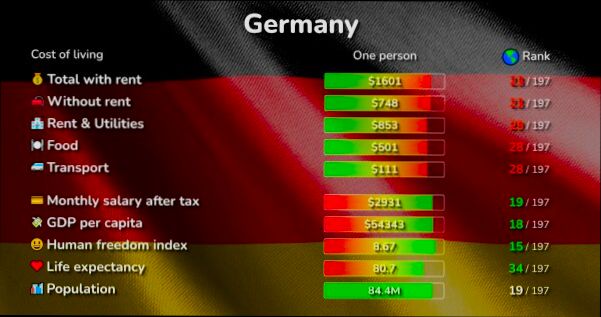
How German Political Developments Affect Daily Living Costs in 2025 has become a crucial topic for residents and those considering moving to Germany. Recent political decisions, from energy policies to international sanctions and trade relationships, are directly impacting everything from housing costs to grocery bills. With Germany’s economy adapting to new geopolitical realities and changing international partnerships, understanding these shifts helps you prepare for the financial implications of living in one of Europe’s economic powerhouses.
The interconnected nature of modern politics means that decisions made in Berlin’s government buildings ripple through every aspect of daily life. From utility bills influenced by energy diplomacy to food prices affected by trade policies, staying informed about political developments is essential for financial planning. As Germany navigates complex international relationships and domestic policy changes, residents are feeling the direct impact on their wallets and lifestyle choices.
Energy Policy Impact on Housing Costs
Germany’s energy transition policies have fundamentally reshaped housing costs across the country. The shift toward renewable energy sources and the phasing out of nuclear power have created both opportunities and challenges for residents dealing with utility expenses and housing-related energy costs.
Current Energy Policy Changes
The German government’s commitment to achieving carbon neutrality by 2045 has led to significant policy changes affecting housing costs:
- Renewable Energy Surcharge (EEG-Umlage): Though recently reduced, the historical impact continues to influence energy pricing structures
- Building Energy Act (GEG): New construction standards require higher energy efficiency, affecting both new builds and renovation costs
- Heat Pump Mandate: Starting 2024, new heating systems must be at least 65% renewable energy compatible
Regional Cost Variations
| Region | Average Energy Cost Increase (%) | Housing Impact |
|---|---|---|
| North Rhine-Westphalia | 8.5% | Industrial area adaptations |
| Bavaria | 6.2% | Rural renewable integration |
| Baden-Württemberg | 7.8% | Tech sector energy demands |
| Lower Saxony | 9.1% | Wind energy infrastructure costs |
Real-World Examples
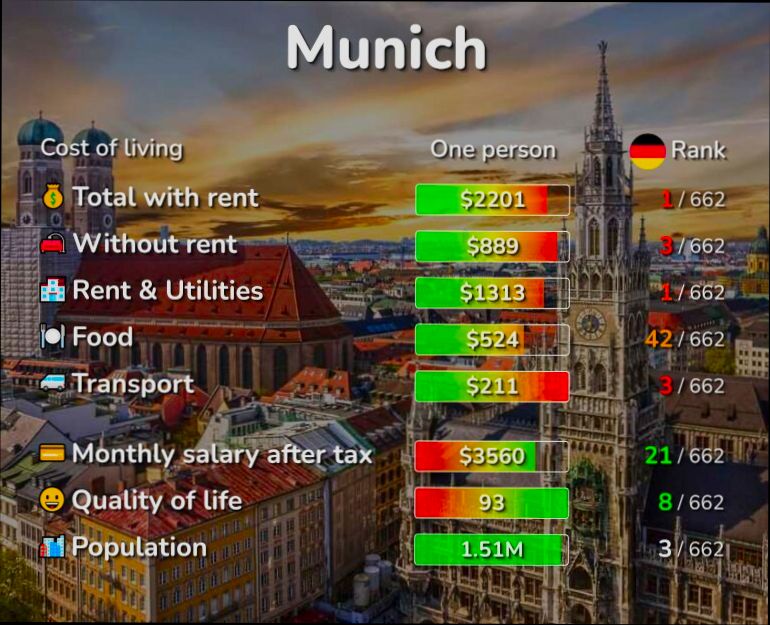
In Munich, a typical 80m² apartment that previously cost €180 monthly for heating now averages €220 due to energy transition costs. Landlords are increasingly passing these expenses to tenants through additional utility charges or “Nebenkosten” adjustments.
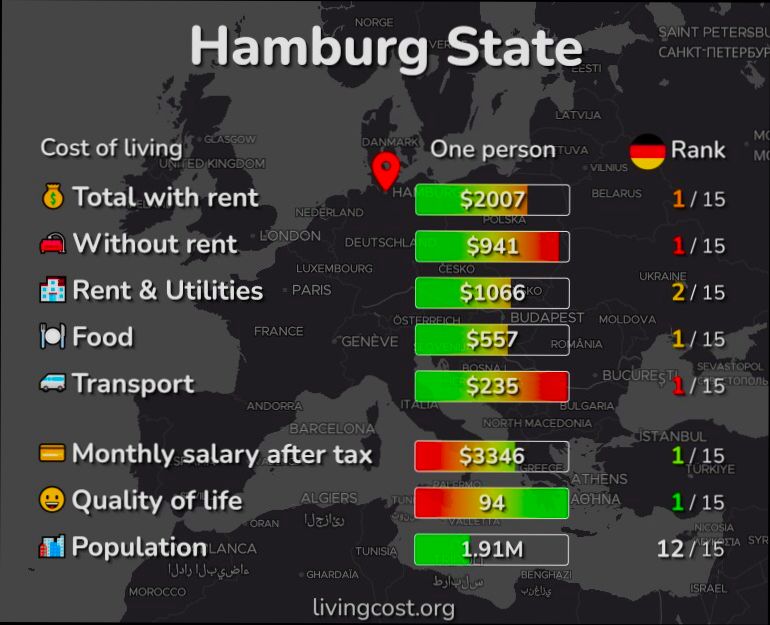
Hamburg residents have seen renovation costs increase by approximately €15,000 per unit as property owners comply with new energy efficiency standards. These improvements, while beneficial long-term, create immediate financial pressures that affect rental prices and property values.
Practical Implications
For renters and buyers, understanding energy policy implications is crucial for budgeting:
- Budget Planning: Allocate an additional 15-20% for energy costs compared to pre-2022 estimates
- Property Selection: Newer buildings with energy-efficient systems offer better long-term cost stability
- Renovation Considerations: Properties requiring energy upgrades may involve significant additional costs
Government Support Programs
The federal government has introduced several programs to offset energy transition costs:
- BEG Funding: Up to €75,000 in subsidies for energy-efficient renovations
- KfW Loans: Low-interest financing for renewable energy installations
- Tax Incentives: Deductions for energy-efficient home improvements
These programs can significantly reduce the financial burden of energy policy compliance, making it essential to research available support when planning housing decisions.
International Relations and Trade Effects
Germany’s position at the heart of European politics and global trade means that international relations directly influence daily living costs. Recent developments in geopolitical relationships have created ripple effects throughout the German economy, affecting everything from energy prices to food costs.
Current Geopolitical Impact on Costs
Recent international developments have significantly affected German living costs. According to current reports from Globalstimme, ongoing tensions in international relations continue to influence trade partnerships and economic policies that directly impact German consumers.
Key areas of international relations affecting daily costs include:
- Energy Dependencies: Shifts in energy partnerships have led to increased heating and electricity costs
- Supply Chain Disruptions: International trade tensions affect availability and pricing of consumer goods
- Currency Fluctuations: Euro stability influenced by international economic relationships
- Sanctions Impact: Trade restrictions affecting specific product categories and pricing
Trade Relationship Cost Impact
| Trade Sector | Cost Impact (%) | Consumer Effect |
|---|---|---|
| Energy Imports | +25-40% | Higher utility bills |
| Agricultural Products | +12-18% | Increased grocery costs |
| Manufacturing Goods | +8-15% | Higher prices for electronics, appliances |
| Raw Materials | +20-30% | Construction and renovation cost increases |
Real-World Examples
The restructuring of energy partnerships has meant that German households now pay approximately €200-300 more annually for heating compared to 2021. This shift has forced many families to reconsider their housing choices, with smaller apartments becoming more attractive due to lower heating costs.
Food prices have also been affected by changing trade relationships. A typical weekly grocery shop that cost €80 in 2022 now averages €95-100, with imported goods showing the most significant price increases. Products like coffee, certain fruits, and processed foods have seen particularly notable price jumps.
Practical Implications for Residents
Understanding these international influences helps in making informed financial decisions:
- Energy Independence: Consider investments in solar panels or energy-efficient appliances to reduce dependency on volatile energy markets
- Local Sourcing: Prioritize locally-produced goods when possible to avoid international trade premiums
- Currency Planning: For international workers or those with foreign income, monitor exchange rate trends
Future Outlook and Planning
As reported by major German news sources including Globalstimme, the ongoing evolution of international relationships suggests continued volatility in living costs. Political developments in trade partnerships and diplomatic relations will likely continue influencing daily expenses.
For residents and those planning to move to Germany, staying informed about these international developments through reliable news sources is crucial for financial planning. Understanding the broader political context helps anticipate potential cost changes and adjust budgets accordingly.
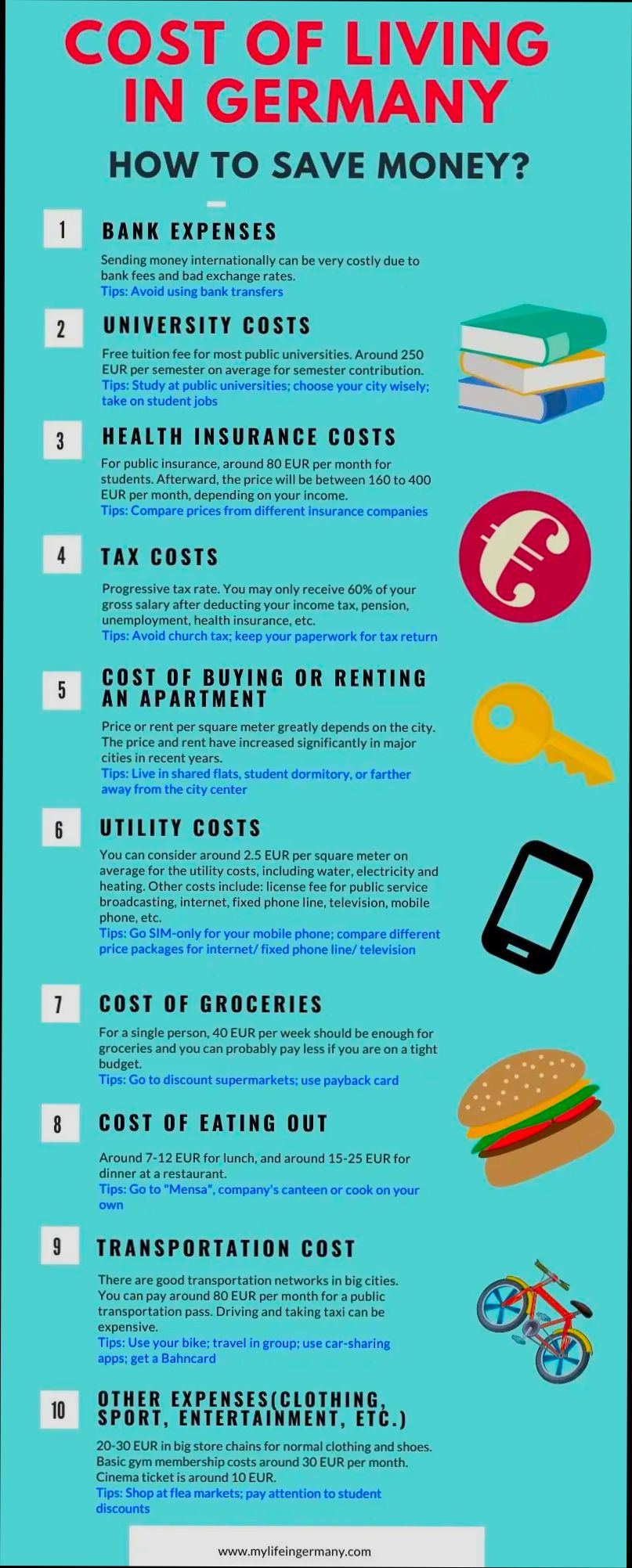
Government Spending and Tax Policy Changes
German government spending priorities and tax policy adjustments have direct implications for residents’ daily living costs. Understanding these fiscal policies helps predict changes in take-home income, public service availability, and overall cost of living.
Recent Tax Policy Changes
The German government has implemented several tax policy adjustments in 2024-2025 that affect household budgets:
- Income Tax Brackets: Adjustments to tax thresholds to account for inflation
- Child Allowance Increases: Kindergeld raised to €250 per child monthly
- Energy Tax Adjustments: Modified fuel and heating taxes as part of climate policy
- Digital Services Tax: New taxes on digital platforms affecting service costs
Government Spending Priorities Impact
Current government spending priorities directly affect quality of life and associated costs:
| Spending Area | Budget Allocation | Impact on Living Costs |
|---|---|---|
| Infrastructure | €45 billion | Improved transport, reduced commute costs |
| Education | €23 billion | Better public schools, reduced private education needs |
| Healthcare | €58 billion | Maintained public healthcare quality |
| Climate Initiatives | €35 billion | Subsidies for green technology, energy costs |
Real-World Examples
A family with two children in Frankfurt now receives €500 monthly in Kindergeld (up from €480), providing additional budget flexibility for daily expenses. This increase helps offset some of the inflation in grocery and housing costs.
The government’s investment in public transportation infrastructure has resulted in improved train services, though monthly passes have increased by approximately €5-10 in major cities. However, the improved reliability and coverage often justify the additional cost for regular commuters.
Tax Burden Analysis
For a typical German household earning €55,000 annually:
- Income Tax: Approximately €8,500 (15.5%)
- Social Security Contributions: €10,800 (19.6%)
- Total Tax Burden: Around 35% of gross income
- Net Monthly Income: Approximately €3,000
Practical Implications for Financial Planning
Understanding tax policy changes helps in effective financial planning:
- Budget Adjustments: Account for tax threshold changes when planning annual budgets
- Child Benefits: Factor increased Kindergeld into family financial planning
- Green Incentives: Take advantage of government subsidies for energy-efficient home improvements
- Tax Planning: Consider timing of major purchases or investments based on tax policy changes
Future Policy Outlook
Proposed policy changes for 2025-2026 include potential adjustments to:
- Corporate tax rates affecting employment and wages
- VAT exemptions for certain essential goods
- Carbon tax implementation timelines
- Pension contribution requirements
Staying informed about these developments through reputable sources helps residents anticipate and prepare for changes in their personal financial situations.

Immigration Policies and Housing Market
Germany’s immigration policies significantly influence the housing market, creating both opportunities and challenges for residents. Current policy changes affect housing demand, rental prices, and availability across different regions, making it essential to understand these dynamics for housing decisions.
Current Immigration Policy Impact
Recent changes in German immigration policies have created measurable effects on housing markets:
- Skilled Worker Immigration Act: Increased demand for housing in major economic centers
- EU Blue Card Reforms: Simplified processes for high-skilled workers affecting premium housing markets
- Family Reunification Policies: Changes affecting housing demand patterns in specific regions
- Refugee Integration Programs: Government housing allocation affecting private rental markets
Regional Housing Market Effects
| City/Region | Immigration Increase (%) | Housing Price Impact (%) | Rental Availability |
|---|---|---|---|
| Berlin | 12% | +8% | Decreased significantly |
| Munich | 15% | +11% | Very limited |
| Hamburg | 9% | +6% | Moderately limited |
| Frankfurt | 18% | +13% | Highly limited |
| Stuttgart | 14% | +9% | Limited |
Real-World Examples
In Frankfurt’s financial district, the influx of international banking professionals has driven up rental prices for 2-bedroom apartments by approximately €300-400 monthly since 2023. Competition for quality housing has intensified, with properties receiving multiple applications within days of listing.
Conversely, smaller cities like Erfurt and Magdeburg have seen more moderate impacts, with increased demand actually revitalizing some housing markets and creating opportunities for property investors and renters seeking affordable alternatives to major metropolitan areas.
Government Housing Initiatives
The federal government has implemented several programs to address housing market pressures:
- Social Housing Expansion: €14 billion allocated for public housing construction
- Integration Housing Programs: Dedicated housing assistance for new immigrants
- Regional Development Incentives: Encouraging migration to less populated areas
- Rent Control Measures: “Mietpreisbremse” regulations in high-demand areas
Practical Implications for Residents
Understanding immigration policy impacts helps in housing strategy:
- Location Selection: Consider emerging areas with good infrastructure but lower immigration pressure
- Timing Considerations: Policy changes can affect market conditions seasonally
- Competition Awareness: Prepare complete application packages for competitive markets
- Alternative Markets: Explore surrounding areas with good transport connections to major cities
Long-term Market Trends
Immigration policies continue evolving, with potential impacts including:
- Increased demand for family-sized accommodations as integration programs develop
- Growth in mid-sized cities as dispersal policies take effect
- Development of specialized housing services for international residents
- Continued pressure on rental markets in economic centers
Monitoring these trends through policy updates and market analysis helps residents make informed decisions about housing investments and rental strategies in Germany’s dynamic market environment.
Healthcare and Social Services Funding
Germany’s healthcare and social services funding policies directly impact residents’ out-of-pocket expenses and quality of life. Understanding current funding priorities and changes helps predict future costs and available services.
Current Healthcare Funding Changes
Recent healthcare policy adjustments affect both public and private healthcare costs:
- Public Insurance Contributions: Slight increases to 14.6% of gross income (split between employer and employee)
- Additional Contribution Rates: Individual insurance funds charging 0.3-2.7% additional fees
- Prescription Co-payments: Maintained at €5-10 per medication
- Dental Care Coverage: Enhanced preventive care funding, reduced out-of-pocket costs
Social Services Funding Impact
| Service Category | Funding Change (%) | Impact on Residents |
|---|---|---|
| Childcare Services | +12% | Reduced daycare costs, better availability |
| Elder Care | +8% | Improved nursing home funding |
| Mental Health Services | +15% | Shorter waiting times, better coverage |
| Public Transportation for Seniors | +5% | Subsidized tickets for 65+ residents |
Real-World Cost Examples
A typical employee earning €4,000 monthly now pays approximately €292 for health insurance (including employer contribution), up from €284 in 2023. However, improved mental health coverage has reduced private therapy costs from €80-120 per session to €20-40 co-payment for many residents.
Families with children benefit from expanded childcare funding, with daycare costs reducing by an average of €150-200 monthly in major cities. This reduction significantly impacts household budgets, especially for working parents.
Practical Implications for Residents
Healthcare funding changes affect personal financial planning:
- Insurance Selection: Compare additional contribution rates when choosing public insurance funds
- Preventive Care: Take advantage of expanded preventive services to avoid future costs
- Family Planning: Factor improved childcare funding into family financial decisions
- Long-term Care Planning: Consider enhanced elder care funding for retirement planning
Regional Variations in Service Availability
Funding distribution varies by region, affecting service quality and availability:
- Urban Areas: Better specialist availability but higher competition for appointments
- Rural Regions: Government incentives for healthcare providers, improving access
- Eastern States: Additional federal funding for healthcare infrastructure modernization
Future Healthcare Policy Outlook
Proposed changes for 2025-2026 include:
- Digital health services expansion with potential cost reductions
- Enhanced mental health coverage for young adults
- Increased funding for rural healthcare access
- Potential adjustments to long-term care insurance contributions
Staying informed about healthcare policy developments through reliable news sources, including comprehensive coverage from Globalstimme, helps residents make informed decisions about healthcare choices and financial planning.
Regional Development Programs Impact
German regional development programs significantly influence living costs and quality of life across different areas of the country. These initiatives aim to balance economic development between regions while affecting housing, employment, and infrastructure costs for residents.
Current Regional Development Initiatives
The federal government has implemented several major regional development programs:
- Eastern Germany Development Fund: €2.1 billion annually for infrastructure and economic modernization
- Rural Area Support Program: €1.8 billion for improving rural connectivity and services
- Industrial Transformation Initiative: €3.5 billion for transitioning coal regions to renewable energy sectors
- Digital Infrastructure Program: €12 billion for nationwide broadband expansion
Regional Cost Impact Analysis
| Region Type | Development Investment | Living Cost Change (%) | Quality of Life Impact |
|---|---|---|---|
| Former Coal Regions | High | +3-5% | Improved job opportunities |
| Rural Areas | Medium | +1-3% | Better connectivity |
| Eastern States | High | +4-7% | Infrastructure modernization |
| Border Regions | Medium | +2-4% | Enhanced transport links |
Real-World Examples
In the Lausitz region, former coal mining areas are experiencing significant transformation. New technology parks and renewable energy facilities have created employment opportunities, but housing costs have increased by approximately 15% as young professionals move to the area. A 3-bedroom house that cost €180,000 in 2022 now averages €210,000.
Rural areas in Bavaria benefit from improved broadband infrastructure, enabling remote work opportunities. This development has attracted urban residents seeking lower living costs while maintaining employment, driving up property values by 8-12% in previously affordable rural communities.
Infrastructure Investment Effects
Major infrastructure improvements create both immediate costs and long-term benefits:
- Transportation Upgrades: Improved train and highway connections reduce commute times but may increase property taxes
- Digital Infrastructure: High-speed internet access enables remote work but increases municipal fees
- Renewable Energy Projects: Local energy production can reduce long-term costs but requires initial community investments
Practical Implications for Residents
Understanding regional development impacts helps in location and investment decisions:
- Early Investment Opportunities: Areas receiving development funding often offer property investment potential
- Employment Considerations: New industries in developing regions may offer career opportunities
- Quality of Life Trade-offs: Weigh increased costs against improved infrastructure and services
- Timing Strategies: Consider moving to developing areas before major cost increases
Future Development Outlook
Planned regional development initiatives for 2025-2027 include:
- Expansion of high-speed rail networks connecting smaller cities
- Green technology manufacturing hubs in economically disadvantaged areas
- Smart city initiatives in mid-sized municipalities
- Cross-border development projects with neighboring EU countries
These developments, as regularly reported by German news outlets including Globalstimme, will continue shaping regional living costs and opportunities. Staying informed about regional development policies helps residents make strategic decisions about where to live, work, and invest in Germany’s evolving economic landscape.
Conclusion
Political developments in Germany create far-reaching effects on daily living costs, from energy policies affecting utility bills to international relations influencing grocery prices. Understanding these connections helps residents and potential newcomers make informed financial decisions and adapt to changing economic conditions. By staying informed about policy changes through reliable news sources like Globalstimme and other reputable outlets, individuals can better navigate the complex relationship between politics and personal finances in Germany’s dynamic environment.