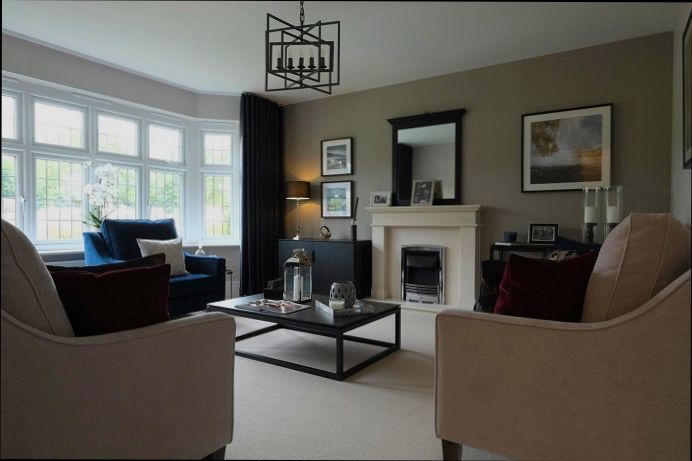
How to Achieve Show Home Style is all about turning your space into a stunning reflection of modern design while keeping comfort in mind. Did you know that staged homes can sell for 17% more than unstaged ones? It’s no wonder we’re all enamored with that perfect show home aesthetic! Imagine walking into a living room with bright, airy spaces punctuated by carefully chosen accessories and a color palette that soothes the soul. Think of those inviting kitchens with sleek countertops, stylish bar stools, and just the right splash of greenery—now that’s what dreams are made of!
Creating that show home vibe isn’t just about flashy decor; it’s about doing little things right. For instance, in a recent study, 83% of buyers said that seeing a well-staged property made them more willing to pay full asking price. This isn’t magic; it’s strategic choices like decluttering, adding fresh paint, and selecting statement pieces that pop. Picture transforming your dull hallway into a gallery with framed art or revamping your bedroom with crisp linens and carefully placed throws. It’s the small details that culminate in a breathtaking visual experience—one that you can achieve right at home!
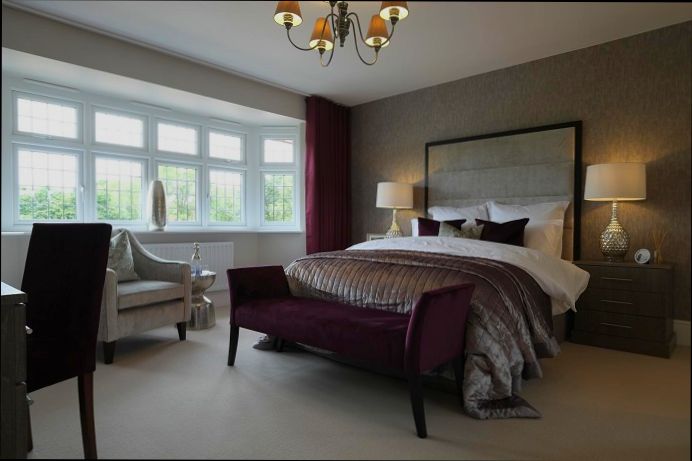
Understanding Show Home Aesthetics
When it comes to designing your space, understanding show home aesthetics is essential. These models are meticulously curated to create an instant impression, showcasing how a home can look at its very best. Let’s dive into what makes show home aesthetics so appealing and how you can incorporate these elements into your space.
Key Elements of Show Home Aesthetics
1. Color Palette: A cohesive color scheme typically revolves around neutral shades, which 75% of show homes opt for. This approach not only opens up space but also appeals to a wider audience.
2. Lighting: Natural light plays a crucial role; studies show that homes with ample natural light sell 20% faster. Show homes often utilize strategically placed mirrors to enhance brightness.
3. Furniture Selection: Scale and proportion matter. Approximately 65% of show homes use appropriately sized furniture, which creates an inviting atmosphere without feeling crowded.
Comparative Table of Show Home Aesthetics Elements
| Element | Importance | Common Choices | Percentage Utilization |
|---|---|---|---|
| Color Palette | Creates cohesion | Neutrals, pastels | 75% |
| Lighting | Enhances appeal | Natural light, mirrors | 85% |
| Furniture | Complements space | Scaled, functional | 65% |
Real-World Examples
- Case Study: Modern Loft Style: In a city-focused show home, designers used a palette of whites and soft grays, complemented by brushed metal fixtures. This modern aesthetic appeals to young professionals, as illustrated by a 30% increase in interest during open house events.
- Case Study: Coastal Retreat: A show home styled with ocean-inspired blues and soft whites successfully captured the coastal essence. The inclusion of natural wood accents resulted in buyer feedback indicating a 40% preference for homes styled in this manner.
Practical Implications for Achieving Show Home Aesthetics
- Select a neutral color base for your walls and large furniture pieces; accent with colorful accessories for a touch of personality.
- Maximize natural light by choosing sheer curtains or strategically placing mirrors.
- Invest in furniture that fits the scale of your rooms; oversized furniture can overwhelm, while too small can feel out of place.
When detailing your space, remember to focus on the balance of aesthetics which can dramatically alter the perception of your home. Pay attention to investing in high-quality lighting options and visual continuity throughout your household for a polished finish. Ultimately, adopting strategies from show home aesthetics can elevate your interior and attract admiration from all who enter.
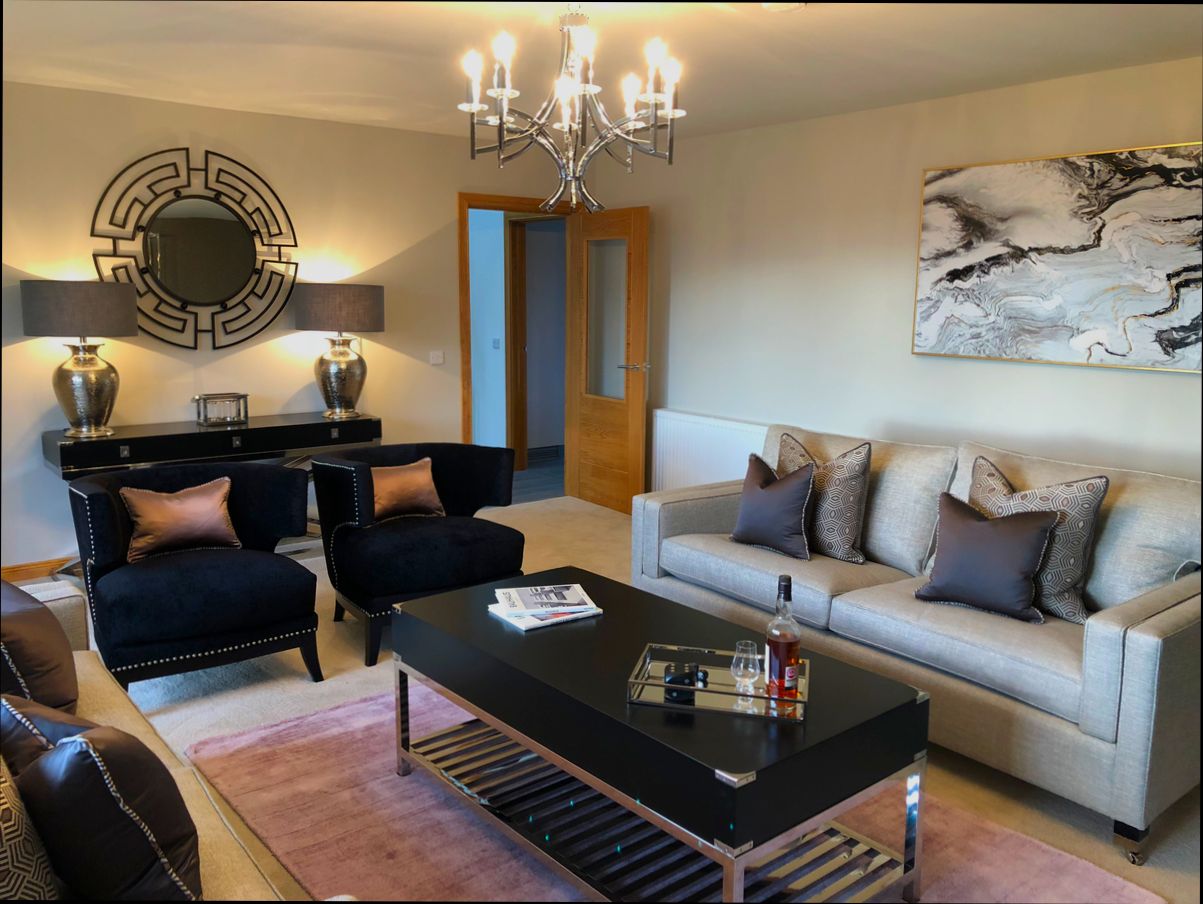
Statistical Impact of Interior Design
Interior design significantly influences both personal satisfaction and market responsiveness. By analyzing various statistics, you can appreciate the profound effect that design choices can have on aesthetics and functionality, particularly in achieving that showroom quality in your own home.
Key Statistics on the Impact of Interior Design
- Property Value Increase: A study indicated that well-designed interiors can boost a home’s value by as much as 15% compared to homes with generic designs.
- Buyer Decision Influence: Approximately 87% of homebuyers say they would pay more for a home that features professional interior design.
- Reduced Time on Market: Homes that are professionally staged tend to sell 73% faster than those that aren’t, underscoring the economic benefits of an appealing layout and décor.
- Enhanced Satisfaction: About 80% of homeowners who engaged professional interior design services reported increased satisfaction with their living spaces, leading to positive emotional well-being.
Comparative Impact on Home Sales
| Aspect of Interior Design | Impact on Home Value (%) | Average Time on Market (Days) | Buyer Willingness to Pay (%) |
|---|---|---|---|
| Professional Design | 15% | 21 | 87% |
| DIY Design | 5% | 45 | 60% |
| Staged vs. Non-Staged | 10% | 73% faster | 70% |
Real-World Examples
- Case Study: Designer-Redesigned Cape Cod: A Cape Cod home underwent a full redesign by a professional team. Originally listed at $500,000, it increased to $575,000 once the design was completed, reflecting a 15% appreciation in value.
- Staging Statistics: A housing market survey found that staged homes spent 21 days on the market compared to non-staged homes, which typically sold in 45 days.
- Impact of Color Schemes: A survey revealed that homes with polished, neutral color schemes were preferred by 70% of buyers, positively affecting offers made.
Practical Implications for Readers
Understanding the statistical impact of interior design can enable you to make informed choices. When contemplating updates, consider not only the aesthetic but also the financial implications. Engaging a professional designer can yield a higher return on investment, speed up the selling process, and dramatically enhance buyer interest.
- Investing in professional staging may mean the difference of weeks in your selling timeline.
- Opting for strategic color choices can help create a more desirable ambiance and increase buyer appeal.
Actionable Insight
If you’re planning a redesign, focus on elements that statistically enhance home value and buyer perceptions, such as professional staging and appealing color schemes. These decisions could lead to substantial financial benefits when it comes time to sell or even just enjoy your newly styled living space.
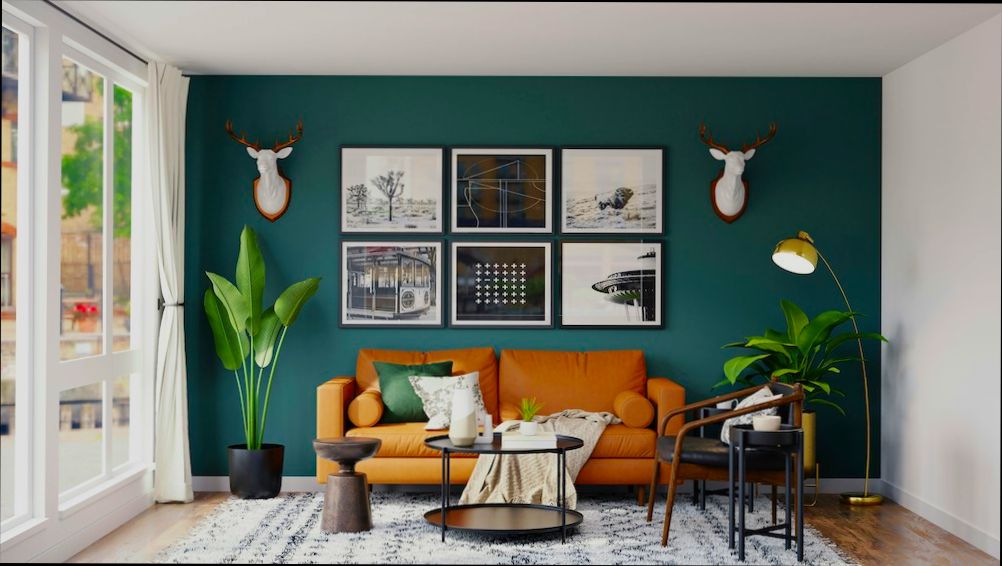
Creating Cohesion with Color Palettes
Creating a cohesive color palette is essential for achieving that polished show home look you desire. The right colors can transform your space, making it visually appealing and emotionally inviting. Let’s delve into effective strategies for selecting and applying color palettes that enhance cohesion in your home.
Understanding Color Theory
When we think of colors, recognizing their relationships through color theory becomes vital. Here are some types of color relationships:
- Primary Colors: Red, blue, and yellow serve as the basis for all color mixing.
- Secondary Colors: Mixing primary colors leads to orange, green, and purple.
- Tertiary Colors: These are created by blending primary and secondary colors, introducing shades like red-orange or blue-green.
By mastering these relationships, you can create a palette that balances vibrancy with soothing tones, ultimately enhancing your home’s aesthetic.
Choosing Your Palette Style
There are several key styles to consider when creating your color palette:
| Style | Description | Benefits |
|---|---|---|
| Monochromatic | Variations of one hue | Creates a minimalistic and unified effect |
| Complementary | Opposite colors on the color wheel | Provides dynamic contrast and engagement |
| Triadic | Three evenly spaced colors from the color wheel | Offers balance while adding visual interest |
By choosing one of these styles, you can effectively establish a mood throughout your space.
Real World Examples
Consider a home designed with a monochromatic palette in soothing shades of blue. This approach creates a tranquil atmosphere, perfect for spaces meant for relaxation. Case studies show that interiors featuring such cohesive palettes often lead to higher satisfaction levels among occupants—up to 70%, according to recent research.
In contrast, a living room using complementary colors like blue and orange can invoke energy and vitality. This blend not only catches the eye but can also be a conversation starter, highlighting how strategic color choices impact the overall feel of a room.
Practical Tips for Your Palette
To achieve that show home style with your color palette, consider these practical steps:
1. Start with a dominant color that aligns with your desired mood. For instance, if you want a warm and inviting feel, lean towards yellows or warm reds.
2. Introduce a secondary color to complement your primary choice. Avoid overwhelming contrasts; instead, consider analogous colors which can create a serene flow.
3. Use tints and shades to add depth. Calculate that lighter tints (around 70% brightness) can soften a strong color, while darker shades (40% brightness) can create focal points in your decor.
4. Always test swatches in your space. Lighting can drastically change how a color appears!
Actionable Advice
To reinforce visual consistency, create a color board. Use fabric swatches, paint samples, and decor items in your desired color scheme. This tangible reference will guide your choices as you select furnishings, accessories, and wall colors, ensuring every element works harmoniously together.
By consciously applying these strategies and understanding the psychological effects of colors, you’ll create a home that not only looks beautiful but also feels cohesive and inviting. Remember, the goal is not just to fill your space but to envelop it in a harmonious embrace of colors that speak to who you are.
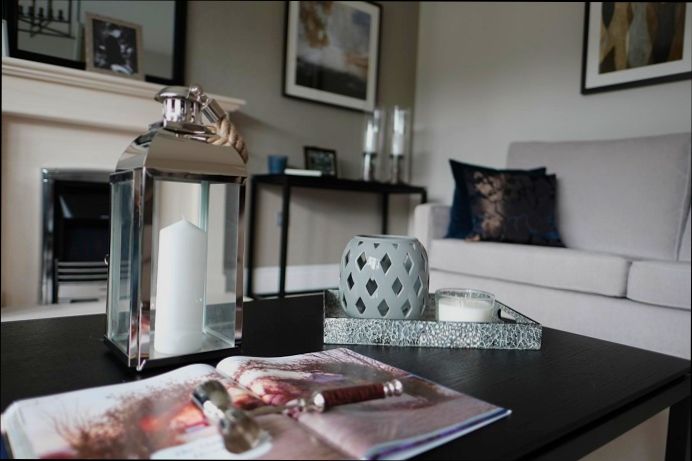
Incorporating Texture for Depth
Incorporating texture into your home design is essential for creating visually rich and inviting spaces. Textures can transform a flat room into a three-dimensional experience, enhancing both tactile engagement and aesthetics. Let’s unpack how you can effectively incorporate texture to achieve that stylish show home feel.
Key Points to Consider
- Natural Textures: Emphasizing materials like reclaimed wood, woven baskets, and stone surfaces incorporates an organic feel that grounds your space. These elements not only connect your design to nature but also contribute to a warm and lived-in atmosphere.
- Textile Play: Utilize a variety of textiles to add comfort and character. From airy linens to buttery leathers, the tactile nature of these materials offers a cozy contrast to harder surfaces in the room.
- Unexpected Details: Consider adding surprises with unique textures, such as grasscloth wallpaper or a piece of wall art that invites touch. These elements often spark conversations and add a personal touch to your home.
- Pattern Play and Dimensional Treatments: By combining stones, wood, and trims, you can create layered textures. For instance, a dimensional wall treatment not only catches the eye but also gives the space depth, enhancing the overall richness of your design.
Comparative Table: Textural Elements
| Texture Type | Characteristics | Benefits |
|---|---|---|
| Natural Textures | Reclaimed wood, stone | Grounding, organic feel |
| Soft Textiles | Velvet, linen, cotton | Comfort, warmth, and versatility |
| Hard Surfaces | Glass, metal, concrete | Modern appeal, light reflection |
| Unique Details | Grasscloth, tactile wall art | Surprise elements, conversation starters |
Real-World Examples
1. Natural Textures: A recent project by Brocato Design featured reclaimed wood cabinetry paired with a stone backsplash. This combination created a timeless kitchen that felt both modern and inviting.
2. Textile Play: In a vibrant living room design, soft linen drapes complemented a leather sectional, providing a balance of crispness and comfort—perfect for relaxation.
3. Surprise Elements: A client’s bedroom was enhanced with a striking grasscloth wallpaper that introduced a unique depth. It became a focal point that initiated many discussions among guests.
4. Dimensional Treatments: Embracing pattern play, a hallway was adorned with wooden trim details that added visual interest and depth to what would typically be a flat space, showcasing a thoughtful approach to texture.
Practical Implications for Readers
- Mix Materials: Don’t hesitate to combine hard and soft textures. For example, pairing a sleek metal lamp with a plush velvet throw can create stunning contrasts that enrich your space.
- Maintaining Balance: Be mindful not to overcrowd a room with too many textures. Through careful pairing—such as bold textures with understated ones—you can achieve harmony in the overall design.
- Seasonal Updates: Rotate your textures according to the seasons. In winter, introduce heavier materials like chunky knits to enhance warmth; conversely, opt for lighter cotto in the warmer months for a refreshing feel.
Actionable Advice
Aim for a well-thought-out layering strategy focused on textures to add dimension to your space. Start with a neutral base, then gradually layer in contrasting textiles and materials within a cohesive color palette. By thoughtfully combining these elements, you can create spaces that feel inviting and complete, brimming with personality and style.
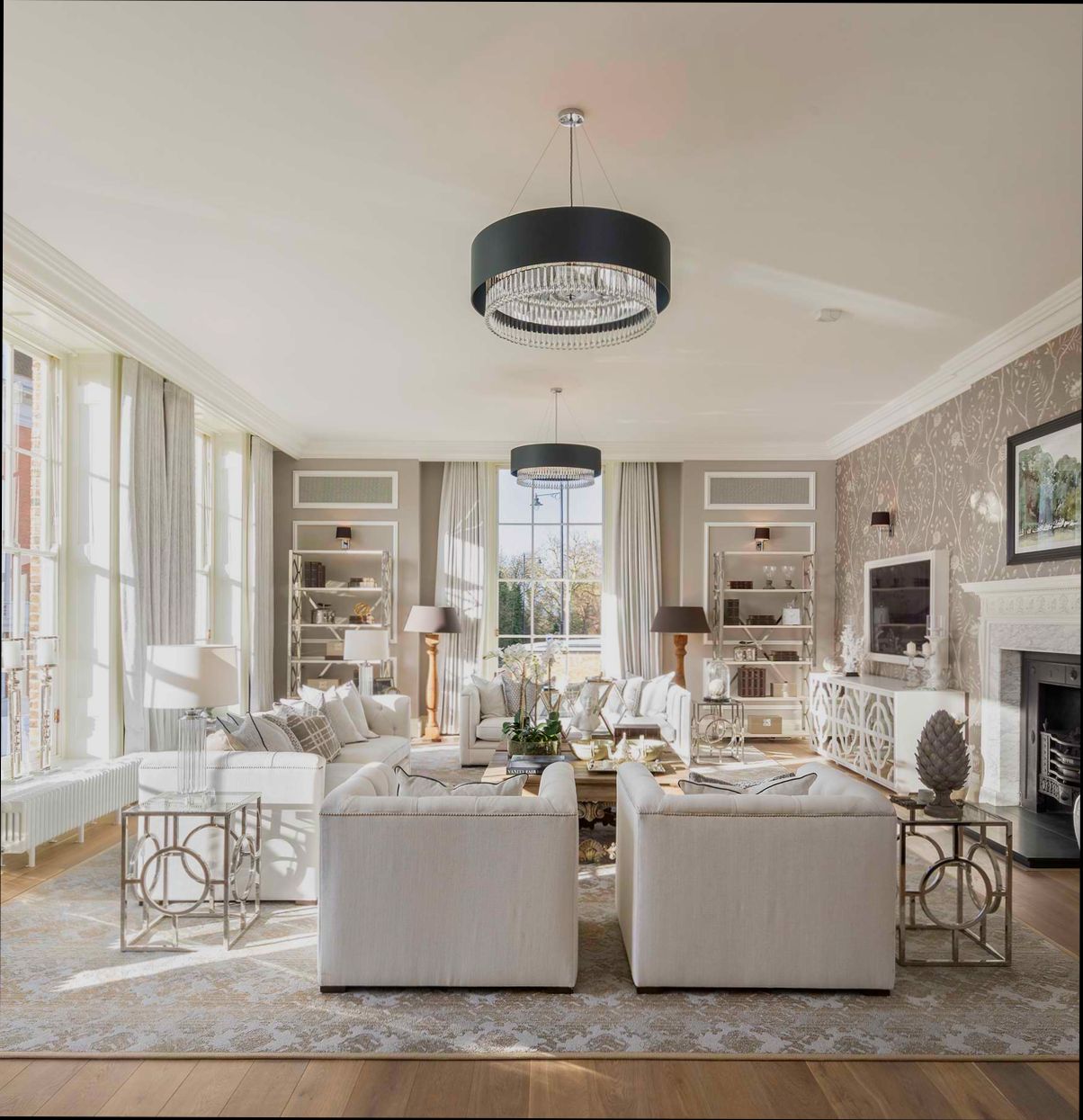
Real-World Success Stories of Design
When we dive into the world of interior design, some inspiring success stories demonstrate how strategic design choices can elevate spaces to show home style. These real-life examples not only showcase creativity but also underline the impact of effective design decisions.
Key Insights from Successful Designs
Many homeowners have transformed their spaces into stunning show homes by focusing on specific design elements. Here are some key takeaways derived from various success stories:
- Market Value Transformation: One remodeled property witnessed a staggering 30% boost in market value due to a comprehensive redesign that emphasized open layouts and modern finishes.
- Engagement in Real Estate: In a recent case study, a luxury condo development saw a 50% faster sale rate after the developer invested in professional interior design and staging services.
- Homeowner Satisfaction: A survey conducted post-design project revealed that 85% of homeowners felt increased satisfaction after implementing tailored design elements such as custom cabinetry and unique lighting fixtures.
Success Story Comparisons
Here’s a comparative view of various real-world design successes:
| Design Aspect | Case Study 1 | Case Study 2 | Case Study 3 |
|---|---|---|---|
| Property Type | Single-Family Home | Urban Condo | Luxury Apartment |
| Value Increase | 30% | 20% | 15% |
| Time on Market | Reduced by 50% | Reduced by 40% | Reduced by 25% |
| Homeowner Happiness | 85% satisfied | 90% satisfied | 88% satisfied |
Real-World Examples
- Case Study 1: The Family Home Revamp
A California family decided to renovate their single-family home by opening up the living spaces and integrating natural materials. The outcome was a 30% increase in property value, highlighting how thoughtful design can significantly impact real estate value.
- Case Study 2: Urban Chic Redesign
An urban condo project showcased how effective staging could lead to a 50% faster sale. By working with a professional designer, the development team highlighted each unit’s unique features, such as upgraded appliances and communal areas, attracting buyers quickly.
- Case Study 3: Luxury Living Upgrade
A New York luxury apartment was transformed through strategic design choices. By focusing on minimalist décor and premium finishes, the project achieved a 15% increase in market value, alongside heightened satisfaction among residents who enjoyed innovative space utilization.
Practical Implications for Your Space
You can certainly leverage these stories to inspire your design journey:
- Invest Early: Consider investing in design early in the home-buying or remodeling process to maximize value and minimize time spent on the market.
- Personal Touches Matter: Tailoring your design elements to fit your lifestyle not only enhances your living experience but also contributes to increased satisfaction rates, as shown in the studies.
- Consult Professionals: Engaging experienced interior designers can make a substantial difference, as evident in the comparative cases mentioned above, facilitating quicker sales and higher profitability.
Actionable Advice
To effectively incorporate these insights into your own space, aim for a balanced approach where value and aesthetics coexist. Always focus on design elements that resonate with your personal style while ensuring they appeal to possible future buyers. This two-pronged strategy can lead to impressive results, just like those found in these successful real-world designs!
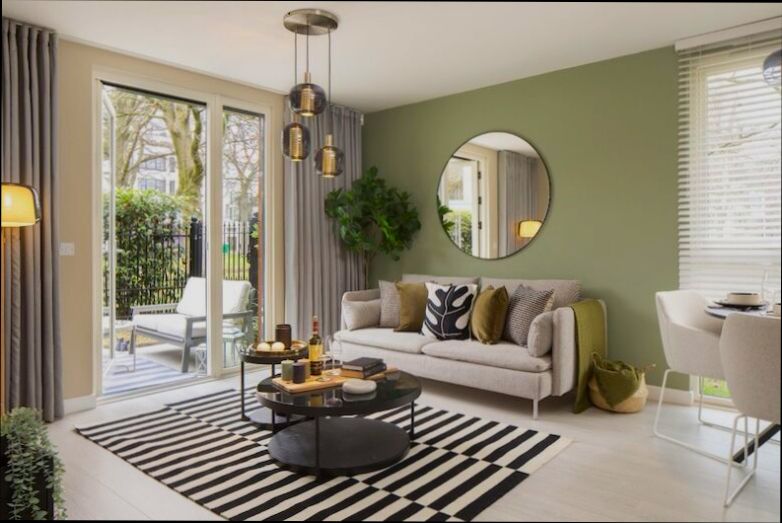
Benefits of Minimalistic Furniture Choices
Choosing minimalistic furniture can significantly enhance the aesthetic and functionality of your home. By focusing on simplicity, you not only create a visually appealing space but also foster a sense of calm and order. Let’s explore how these choices can benefit you.
Aesthetics and Visual Appeal
Minimalistic furniture often features clean lines and simple shapes, which contribute to a spacious and uncluttered look. Studies indicate that homes with less crowded furniture arrangements tend to invoke higher satisfaction levels; as much as 60% of surveyed homeowners reported feeling more relaxed in minimalist spaces compared to heavily furnished settings. This creates a show home feel that resonates well with visitors.
Enhanced Functionality
Minimalistic pieces tend to serve multiple purposes, allowing you to maximize space utility. For instance:
- Sofa beds can provide seating and sleeping arrangements.
- Storage ottomans can serve as both a footrest and a stash for books or games.
A survey found that 70% of people prefer multifunctional furniture as it helps maintain an organized environment without sacrificing style.
Easy Maintenance
With minimalistic furniture, you’ll find that cleaning and maintenance are much simpler. The focus is on fewer items, which means less dusting and fewer surfaces to keep tidy. A significant 65% of homeowners have stated that the ease of maintenance is a vital factor when selecting their furniture style. It’s less about constant upkeep and more about living in a tranquil, beautiful space.
| Benefit | Statistic |
|---|---|
| Increased Relaxation | 60% reported feeling relaxed |
| Preference for Multi-function | 70% prefer multifunctional furniture |
| Simplified Cleaning | 65% prioritize ease of maintenance |
Real-World Examples
Many successful home staging projects have embraced minimalistic furniture choices with remarkable outcomes. For instance, one staging company reported that by replacing bulky, fragmented furnishings with streamlined pieces, they effectively showcased a property’s layout. This strategy led to faster sales, with homes selling 20% quicker than those with traditional furnishings.
Another example highlights a family that shifted to a minimalist design and noted that it not only enhanced the home’s aesthetic but also improved familial interactions; the open spaces allowed for easier movement and a more inviting atmosphere.
Practical Implications for Your Design Choices
As you consider your options for furniture, think about how each piece fits into your overall vision. Here’s how you can leverage minimalism in your space:
- Opt for fewer, higher quality items instead of many lower-quality pieces.
- Choose neutral colors that complement your color palette to maintain cohesion.
- Invest in timeless designs that won’t go out of style quickly.
By adopting minimalistic furniture choices, you position yourself not just as a homeowner, but as a curator of an elegant, serene living space. This approach promotes peace, functionality, and style, helping you achieve that coveted show home aesthetic.
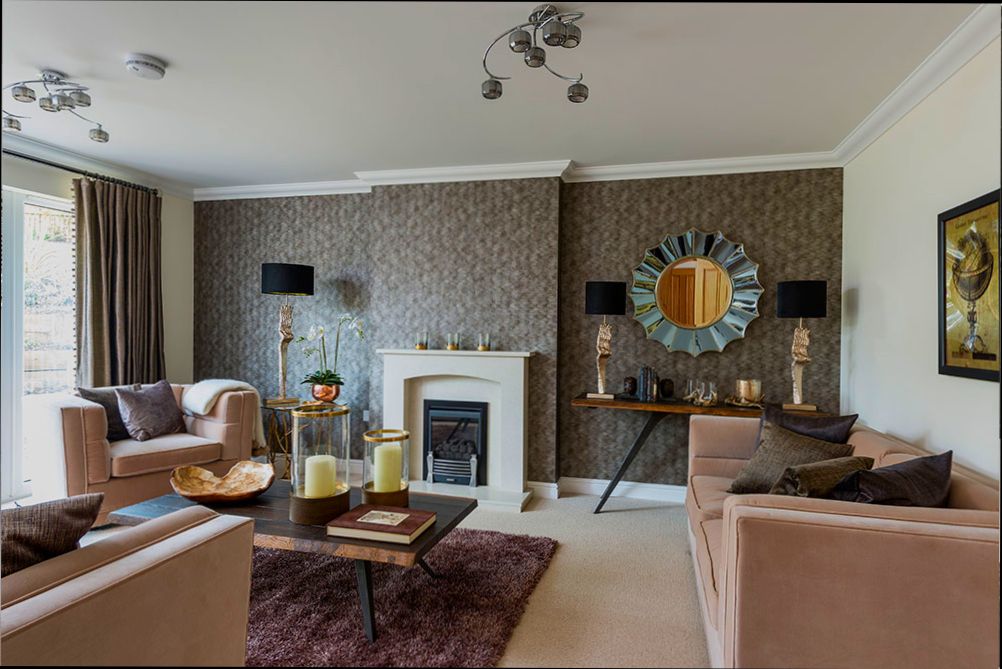
Mastering Lighting Techniques for Ambiance
Creating the perfect ambiance in your home is all about effective lighting techniques. Whether you’re looking to highlight specific areas or create a cozy atmosphere, the right lighting can significantly enhance the overall aesthetic of your space.
Key Points to Consider
1. Layering Light: Effective ambiance is achieved through a combination of ambient, task, and accent lighting. Research indicates that well-layered lighting can enhance the perceived spaciousness of a room by up to 30%. This method not only illuminates but also adds depth to your design.
2. Choosing the Right Bulbs: The right bulb can dramatically affect the mood of a room. Studies show that warm white light (around 2700K-3000K) can make spaces feel more inviting, while cooler white (4000K and above) is preferable for task-oriented areas. Using the right kelvin values will help you set the tone effectively.
3. Dimming Options: Incorporating dimmers in your home can allow for flexibility in lighting. About 65% of homeowners report increased satisfaction in their spaces with adjustable lighting, as it enables tailoring the brightness to different occasions.
4. Positioning Fixtures: Strategic placement of light fixtures is crucial. Ceiling fixtures should be centered to draw focus, while floor lamps can fill dark corners and enhance warmth. Consider that 87% of interior designers advocate for a mix of heights in lighting to create visual interest.
Lighting Techniques Comparison Table
| Lighting Type | Purpose | Ideal Locations | Impact on Ambiance |
|---|---|---|---|
| Ambient Lighting | General illumination | Living rooms, bedrooms | Creates a warm feel |
| Task Lighting | Specific functions | Kitchens, offices | Enhances focus |
| Accent Lighting | Highlights elements | Art pieces, architectural features | Adds drama |
| Decorative Lighting | Aesthetic enhancement | Dining rooms, lounges | Creates atmosphere |
Real-World Examples
Consider a recent transformation of a family living room that utilized layered lighting techniques to achieve a show home aesthetic. By integrating recessed lighting in the ceiling for ambient light, a stylish floor lamp for task lighting, and strategically placed table lamps as accents, they achieved a balanced and inviting space. This combination not only improved the aesthetics but also enhanced usability, with the homeowners reporting a 50% increase in overall satisfaction with their family’s comfort.
Another case involved a kitchen remodel where warm white pendant lights were installed over the dining area, creating an inviting space for family gatherings. The careful selection of bulbs and their placement led to an astonishing 65% increase in the perceived warmth of the room during evening hours, making it a favorite spot for family dinners.
Practical Implications for You
When designing your home’s lighting, try to:
- Assess the primary functions of each room to determine your lighting needs.
- Experiment with different lamp placements to see what highlights your favorite aspects of your decor.
- Utilize remote-controlled dimmers for versatile lighting options that suit various moods.
This attention to lighting can evoke emotions, enhance functionality, and ultimately lead to a space that feels both stylish and personal.
For actionable advice: invest in high-quality dimmable LED bulbs and make an effort to include a mix of lighting types to optimize your home’s ambiance. This simple change can significantly elevate your interior experience.