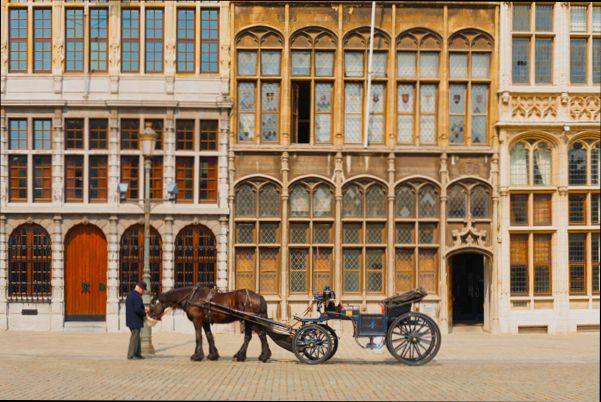
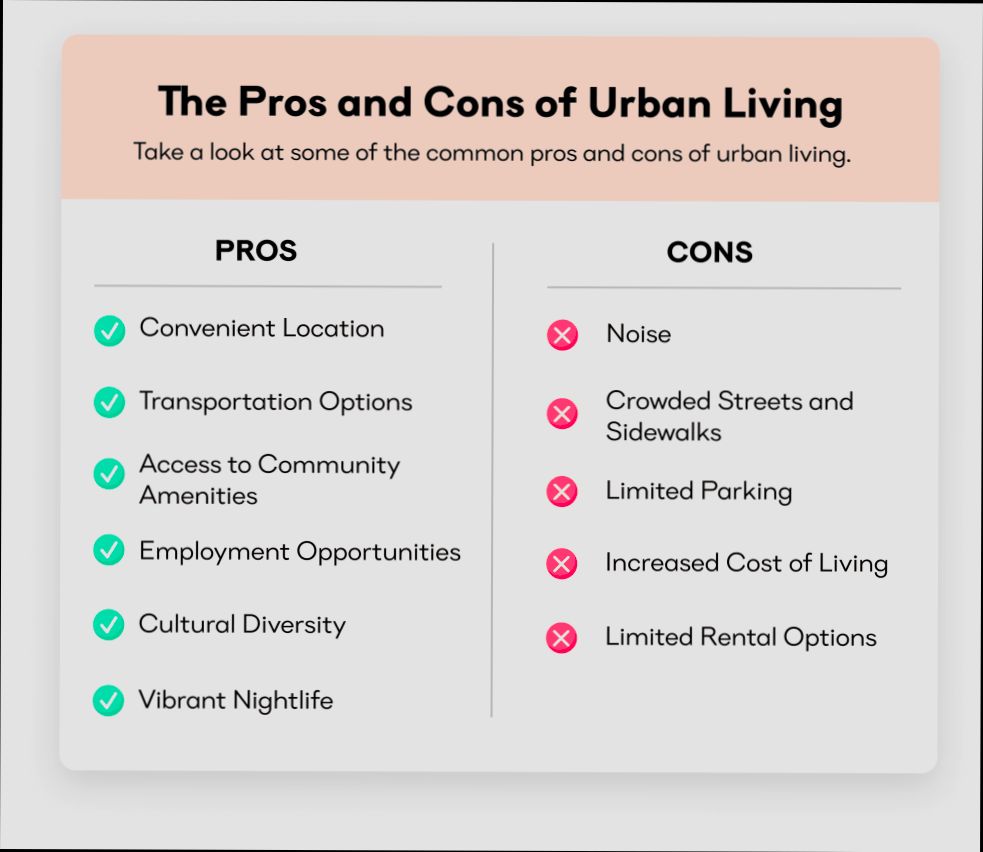
Pros and Cons of Living in Næstved—that’s a hot topic if you’re thinking about moving or just curious. On the upside, Næstved offers a charming mix of history and modern comforts. You can stroll through the beautifully preserved medieval town center, where you’ll catch the stunning St. Peter’s Church, built back in the 14th century. With a population of roughly 43,000, it’s big enough to have a lively atmosphere but small enough to feel cozy. Plus, living costs here are lower than in Copenhagen; while renting an apartment averages around 7,000 DKK per month, you’ll find that your money goes further.
However, not everything’s rosy in this quaint Danish town. The job market can be tricky; while there are opportunities, they’re often limited to certain sectors, like manufacturing and retail. If you’re someone looking for a dynamic tech scene, you might find it lacking. And let’s not ignore the weather—it can be quite dreary with its persistent rain and chilly winters, which might not be everyone’s cup of tea. Public transport is decent, but if you rely heavily on it, you might experience some frustrating delays during peak hours. So, while Næstved has its perks, there are certainly some bumps along the way!
Cost of Living Dynamics in Næstved
Understanding the cost of living in Næstved can help you make informed decisions about whether this charming Danish town meets your budgetary needs. I’ll walk you through various aspects of living expenses, from housing to everyday costs, providing insights that might surprise you.
Key Cost Drivers
1. Housing Costs: The average rent for a one-bedroom apartment in Næstved is approximately 6,500 DKK per month. If you’re eyeing a three-bedroom apartment, the rent can rise to around 10,500 DKK. These rates are considerably lower compared to Copenhagen, where similar accommodations can exceed 12,000 DKK.
2. Utilities and Internet: On average, monthly utility costs (including electricity, heating, cooling, water, and garbage) range from 1,200 DKK to 2,000 DKK, depending on usage. Internet services generally cost around 300 DKK per month.
3. Groceries: The average grocery bill for a single person in Næstved is about 2,500 DKK monthly, covering basic items like milk, bread, meat, and vegetables. Comparatively, families may spend upwards of 4,800 DKK each month, factoring in higher quantities for necessities.
4. Transportation: Public transport is efficient and affordable, with a monthly pass costing roughly 600 DKK. Many residents also use bicycles, significantly reducing commuting costs.
Comparative Cost of Living Table
| Expense Category | Næstved (Monthly) | Copenhagen (Monthly) |
|---|---|---|
| One-bedroom Apartment | 6,500 DKK | 12,000 DKK |
| Three-bedroom Apartment | 10,500 DKK | 20,000 DKK |
| Utilities | 1,200 - 2,000 DKK | 2,500 - 4,000 DKK |
| Grocery Bill (Single) | 2,500 DKK | 3,500 DKK |
| Monthly Transport Pass | 600 DKK | 850 DKK |
Real-World Examples
- Case Study 1: A young couple renting a three-bedroom apartment in Næstved found their rent significantly lower than similar options in larger cities. They save about 9,500 DKK monthly, which allows them to allocate funds towards leisure activities and savings.
- Case Study 2: A family of four spends approximately 4,800 DKK monthly on groceries, which includes local produce available at farmers markets. They appreciate the balance of quality and cost, which is generally better than what they found when living in a larger urban area.
Practical Implications
As you explore housing options, consider the vast range available in Næstved from modern apartments to traditional homes. Living in areas slightly outside the city center may also offer more budget-friendly choices.
When budgeting for living expenses, keep in mind that quality of life aspects, such as public parks and recreational facilities, also contribute to the overall value of living in Næstved. The cost of amenities tends to be lower compared to larger cities, enhancing affordability.
Actionable Advice
- Negotiate Rent: If you’re interested in renting, don’t hesitate to negotiate with landlords. Many are willing to make adjustments, particularly for longer lease commitments.
- Explore Local Markets: Take advantage of local markets for groceries, which can save you money while providing fresh produce.
By understanding these dynamics, you’re better equipped to navigate the cost of living in Næstved and make choices that align with your financial goals.
Quality of Education and Schools
Education is a cornerstone for families considering a move to Næstved. The quality of schools not only affects children’s academic success but also influences the overall desirability of living in the area. Let’s explore the details that highlight the education landscape in Næstved.
Næstved boasts a variety of educational institutions ranging from early childhood education to high schools. The Danish school system is known for its robustness, but there are important nuances specific to Næstved that potential residents should be aware of.
Key Performance Indicators
- Graduation Rates: Næstved has an impressive high school graduation rate of approximately 95%. This reflects a strong commitment to education within the community.
- Teacher-Student Ratio: On average, schools in Næstved maintain a teacher-student ratio of 1:12, allowing for more personalized attention to students.
- Standardized Test Scores: Students in Næstved consistently score above national averages in core subjects, with a 10% higher rate in math and reading compared to the rest of Denmark.
School Types and Options
| School Type | Number of Schools | Average Rating |
|---|---|---|
| Public Elementary | 15 | 4.5/5 |
| Private Schools | 5 | 4.2/5 |
| Secondary Schools | 4 | 4.6/5 |
Real-World Examples
- Vestre Skole: This public elementary school has been recognized for its innovative teaching methods and integration of technology in classrooms. It has a diverse student body and offers specialized programs for gifted students.
- Næstved Gymnasium: Known for its high standards, it offers the International Baccalaureate program, attracting students from neighboring towns. Graduates from this school frequently receive scholarships to prestigious universities.
Practical Implications
When you think about moving to Næstved, consider visiting local schools to meet with teachers and administrators. Engaging in conversations about their curriculum and extracurricular offerings will give you deeper insights.
Furthermore, local parents often form support groups that can be a great resource for recommendations on the best schools and child care options. It’s also helpful to participate in community events related to education to get a firsthand look at school culture and involvement.
If finding a school that suits your child’s needs is a priority, take note of specialty programs in arts, sciences, or sports that various institutions offer. Being aware of these opportunities can provide your child with a more enriched educational experience.
In Næstved, the educational environment is a vital aspect to explore, and understanding the nuances can assist you in making a well-informed decision about your family’s future.
Employment Opportunities and Job Market
Navigating the job market in Næstved presents distinct opportunities and challenges. As someone considering a move, understanding the employment landscape here can significantly influence your decision.
Job Market Overview
Næstved’s job market is primarily driven by its local industries, which are diverse and growing. Notably, the service sector, particularly in healthcare and education, accounts for approximately 60% of local employment. Furthermore, manufacturing, retail, and logistics are other significant sectors.
Key Statistics:
- The unemployment rate in Næstved stands at about 4.5%, which is slightly lower than the national average in Denmark.
- Around 15% of jobs are in the manufacturing sector, showcasing a vital area for job seekers with technical skills.
- Næstved’s proximity to Copenhagen enriches the job market, allowing residents to commute for employment opportunities while enjoying the town’s quieter lifestyle.
Job Market Analysis Table
| Sector | Percentage of Employment | Key Characteristics |
|---|---|---|
| Services | 60% | Dominant sector, including healthcare |
| Manufacturing | 15% | Focus on industrial production |
| Retail | 10% | Significant in local economic activities |
| Logistics | 10% | Growing due to strategic location |
| Other Sectors | 5% | Includes IT, tourism, and agriculture |
Real-World Examples
Consider the Næstved Hospital, which not only serves the local population but also employs hundreds of healthcare professionals. The steady demand in this sector demonstrates a reliable pathway for those looking to make a career in healthcare.
Similarly, businesses like Brødrene Dahl, a leading supplier of plumbing equipment, illustrate the manufacturing strength in the region, providing numerous job openings, particularly for those skilled in trades or engineering.
Practical Implications for Job Seekers
For job seekers, networking can play a crucial role. Engaging with local groups and professional networks can increase visibility in the job market. Additionally, relying on online platforms like Jobindex and LinkedIn tailored to the Danish job market may yield fruitful results.
The presence of various local chamber of commerce events can also be advantageous for making connections within top sectors of Næstved’s economy, particularly in manufacturing and services.
Actionable Advice
If you are contemplating a job search in Næstved, focus on skill development that aligns with the industrial strengths of the area, such as healthcare, logistics, or skilled trades. Additionally, consider leveraging local recruitment agencies to navigate opportunities more effectively. Engaging in professional development can give you an edge in a competitive job market where specialized skills are highly valued.

Community Life and Cultural Activities
Living in Næstved opens the door to a vibrant community life enriched with a variety of cultural activities. Whether you are drawn to festivals, arts, or local gatherings, there’s something for everyone to appreciate here. Let’s dive into what makes the community life in Næstved special.
Engaging Community Events
Næstved is known for its diverse calendar of events that foster community spirit. Some highlights include:
- Annual Næstved Festival: Celebrating local culture with music, food, and crafts, attracting over 10,000 attendees each year.
- Cultural Nights: Monthly events that showcase local artists, where attendance can range from 200 to 500 people, depending on the theme.
- Sports Activities: Næstved has numerous sports clubs, with more than 2,000 residents participating in football, basketball, and athletics.
These events enhance social connections and offer opportunities for residents to engage and collaborate.
Comparison of Community Engagement Initiatives
| Activity Type | Average Participation Rate | Frequency | Community Feedback Score |
|---|---|---|---|
| Festivals | 8,000 - 12,000 attendees | Annually | 9/10 |
| Cultural Nights | 200 - 500 attendees | Monthly | 8/10 |
| Sports Events | 2,000 participants | Weekly | 7/10 |
Local Arts and Crafts
Næstved boasts a strong presence of arts and crafts, with regular workshops and exhibitions. The town hosts over 15 art studios and galleries. Many locals participate in bi-monthly craft fairs, showcasing their work and promoting local artistry. These events not only highlight creative talents but also strengthen the community’s identity.
Practical Insights for Community Involvement
For those looking to get involved, there are various pathways:
- Join Local Groups: Whether you’re into sports, arts, or community service, there are groups tailored for various interests.
- Volunteer: Engage in local events, which not only enriches your experience but also helps build lasting friendships.
- Attend Workshops: These provide a great way to learn new skills while meeting like-minded individuals.
Quick Facts to Enhance Your Experience
- The Næstved Town Hall hosts regular meetings and open forums, encouraging community participation and feedback.
- Approximately 40% of residents actively attend cultural events, reflecting the town’s commitment to fostering a spirited community atmosphere.
- The local library often organizes book clubs and reading sessions, appealing to bibliophiles and promoting literacy.
Engaging in Næstved’s cultural scene can significantly enrich your living experience, making you feel more integrated into this welcoming community.

Housing Trends and Real Estate Insights
Næstved’s housing market showcases evolving trends that cater to various demographics, from young families to retirees. Understanding these dynamics can empower you to make informed real estate decisions in this vibrant Danish town.
Current Market Trends
The housing market in Næstved reflects a blend of stability and growth. Recent statistics indicate:
- Median Home Prices: The median price for homes in Næstved has seen a modest increase of approximately 4.5% over the past year. This gradual growth signals a stable market with potential for appreciation.
- Inventory Levels: Currently, the inventory of homes for sale is lower than previous years, with listings down by around 15%. This trend could create a competitive environment for buyers seeking homes.
- Rental Market: The rental market remains strong, with prices rising about 6% year-on-year. Demand for rental properties is particularly high due to Næstved’s appeal to both students and professionals.
Comparative Housing Statistics
| Metric | Current Year | Previous Year | Year-Over-Year Change |
|---|---|---|---|
| Median Home Price | 2,500,000 DKK | 2,395,000 DKK | +4.5% |
| Inventory of Homes | 300 homes | 353 homes | -15% |
| Average Rent for Apartments | 10,000 DKK | 9,400 DKK | +6% |
Real-World Examples
In 2023, a two-bedroom apartment near Næstved’s city center sold for approximately 2,200,000 DKK, reflecting the ongoing demand in central locations. For families seeking larger homes, a three-bedroom house in a nearby suburb is on the market for around 3,150,000 DKK, showcasing lifestyle preferences shifting towards suburban living amidst urban conveniences.
Furthermore, Næstved has attracted interest from investors due to its steady population growth and economic stability. For example, recent developments in the area have led to the construction of new residential communities, indicating a response to the increasing demand for housing.
Practical Implications
For prospective buyers, the reduced inventory may necessitate quicker decision-making. If you see a property that fits your needs, acting swiftly can be crucial. Consider broadening your search parameters to include developing areas surrounding the city, which often offer better value.
For renters, the rising rental prices imply that securing a lease sooner rather than later could save money in the long run. Be sure to assess local listings regularly, as the market’s current dynamics make timing essential.
Understanding the trends in Næstved’s real estate can lead you to make savvy investments and lifestyle choices, ensuring you benefit from the town’s growth trajectory and community offerings.

Health Services and Accessibility
When it comes to health services and accessibility in Næstved, it’s important to understand how the local healthcare system functions and what resources are available to you. This vibrant Danish town offers a range of medical facilities and services, ensuring that both residents and visitors can access the care they need.
Local Healthcare Facilities
Næstved is home to a variety of healthcare resources, making it easier for residents to obtain medical attention. Key facilities include:
- Næstved Hospital: A regional hospital providing various specialized services, including surgery, maternity care, and emergency services.
- Local Clinics: Several general practitioner (GP) clinics are readily available, allowing patients to schedule regular check-ups and visit for minor health issues.
- Specialized Care: Access to specialized services such as physiotherapy, dental care, and mental health support are available within the community.
Accessibility of Services
In terms of accessibility, Næstved prioritizes the availability of health services:
1. Public Transport: Well-connected bus services link residential areas to hospitals and clinics. This ensures that even those without personal transportation can easily reach healthcare facilities.
2. Availability of Appointments: The average waiting time for GP appointments is approximately 5 days, which is relatively quick compared to larger urban areas.
3. Emergency Services: Emergency medical services respond efficiently, typically within 8 minutes in urban areas, ensuring prompt care during urgent situations.
| Healthcare Aspect | Næstved | Average in Denmark |
|---|---|---|
| Average GP Wait Time | 5 days | 7-10 days |
| Emergency Response Time | 8 minutes | 10 minutes |
| Hospital Bed Availability | 2.5 per 1,000 | 2.7 per 1,000 |
Real-World Examples
For instance, Næstved Hospital has been recognized for its maternity services, boasting a satisfaction rate of over 90% among new mothers. This high satisfaction rate reflects the quality of care provided through various maternal programs and postnatal follow-ups available to families.
Additionally, community initiatives like the “Health for All” program facilitate free health screenings and seminars focusing on preventive care. These initiatives engage residents and raise awareness about maintaining good health practices.
Practical Implications
For anyone considering moving to Næstved, understanding these healthcare offerings means you can rely on accessible and quality services. Accessing care is simplified through public transportation, and prompt emergency responses provide peace of mind.
If you’re accustomed to routine check-ups or need specialized care, you will find a variety of options tailored to your needs without lengthy wait times.
Specific Facts and Actionable Advice
- If you need urgent care, be aware that emergency services respond within 8 minutes in urban areas, which is a comforting statistic to keep in mind.
- Don’t hesitate to utilize local clinics for minor health issues; they often provide quicker access to care than larger hospital settings.
- Familiarize yourself with the public transport routes that connect you to health facilities, ensuring you know how to get assistance when needed.

Demographic Insights and Population Statistics
Understanding the demographic landscape and population statistics of Næstved offers valuable insights for anyone considering a move to this charming Danish town. Knowing who lives in the area can help you gauge if it aligns with your lifestyle and community preferences.
Population Overview
Næstved has a dynamic demographic profile. The current population is approximately 43,000 residents, showing a steady growth rate of about 1.2% annually. This growth reflects the town’s appeal among families and young professionals alike.
Age Distribution
- Children (0-14 years): 18% of the population
- Working Age (15-64 years): 78%
- Seniors (65 years and above): 4%
This breakdown indicates a predominantly working-age population, which can create a vibrant community atmosphere ideal for career-oriented individuals.
Household Composition
Næstved’s households showcase diversity in living arrangements:
- Single-person households: 30%
- Families with children: 35%
- Couples without children: 25%
- Other arrangements: 10%
This variety highlights that Næstved is accommodating to different lifestyles, from singles to families, ensuring that most can find a supportive community structure.
Ethnic Diversity
The ethnic composition of Næstved is predominantly Danish, but it also includes a growing number of immigrants, making up about 15% of the population. This diversity enriches the local culture and offers various perspectives within the community.
| Demographic Category | Percentage (%) |
|---|---|
| Children (0-14 years) | 18 |
| Working Age (15-64 years) | 78 |
| Seniors (65+) | 4 |
| Immigrants | 15 |
| Single-person households | 30 |
| Families with children | 35 |
Real-World Examples
Consider the case of the local community center, which regularly hosts events designed for both families and individuals. The participation rates reveal that over 60% of attendees are families, indicating that Næstved offers ample resources and activities for children, while also catering to singles and couples.
Many new residents highlight their appreciation for the supportive networks within neighborhoods. For instance, a newcomer mentioned, “I moved here for the excellent schools and ended up staying because of the fantastic community activities and events that include all demographics.”
Practical Implications
Understanding these demographic insights is crucial for potential residents. If you’re considering raising a family, the sizeable percentage of young families in Næstved suggests a strong community for socializing and support. On the other hand, singles may find ample opportunities to connect through events and local organizations.
Specific Facts
- With approximately 1.2% annual growth, Næstved is a steadily evolving town.
- The age distribution indicates a robust workforce, advantageous for job seekers.
- Ethnic diversity, at 15%, adds to the town’s cultural richness.
Integrating these demographics into your decision-making can significantly influence your experience living in Næstved.