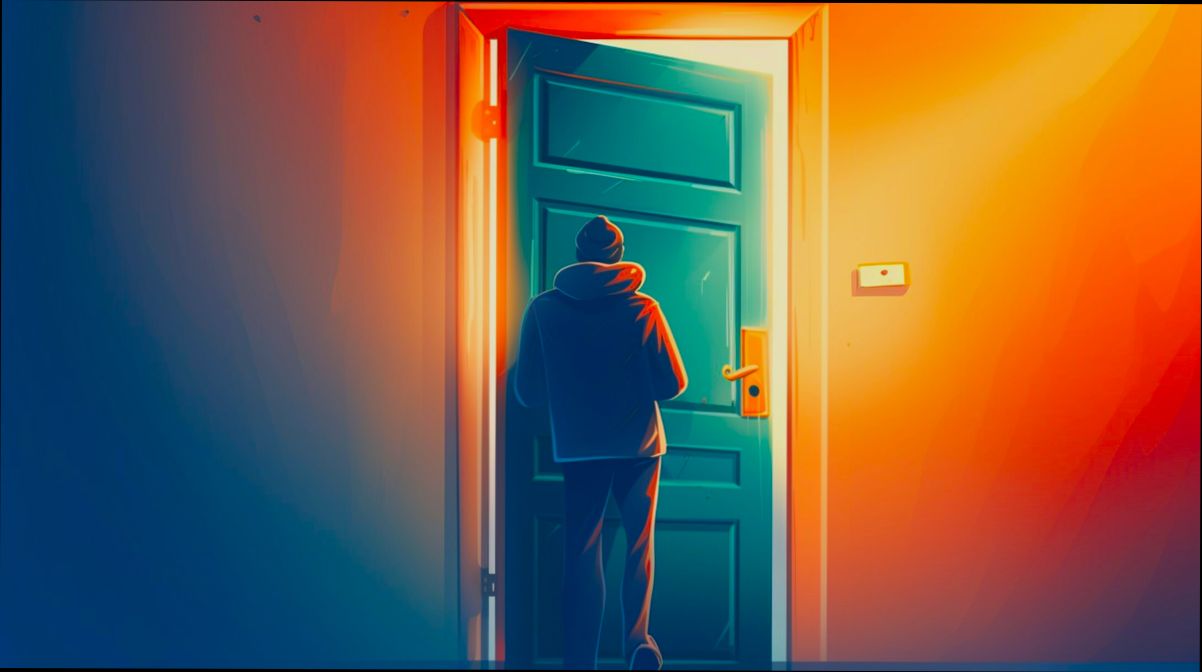
What Can I Do if My Landlord Enters Without Permission? This scenario is more common than you might think—statistics show that nearly 20% of renters have experienced a landlord entering their unit without prior notice or consent. Maybe you were in the middle of a Zoom call when your landlord barged in for a scheduled maintenance check that didn’t quite make it onto your calendar. Or perhaps they were just checking on something minor, but it felt invasive and disrespectful. Whatever the case, it’s essential to know you have rights in these situations.
Picture this: you’re lounging on your couch, binge-watching your favorite show, when suddenly your landlord swings open the door claiming they needed to “inspect” the property. It’s not just awkward—it can feel like a blatant disregard for your privacy. According to housing advocacy groups, this kind of landlord behavior can lead to serious disputes, especially when your peace of mind is on the line. The laws vary from state to state, but knowing you’re not alone—and that there are options available—can help put your mind at ease.

Understanding Tenant Rights in Entry Situations
When it comes to your living space, understanding your rights during landlord entry situations is crucial. It can feel overwhelming to navigate your responsibilities and rights, especially if you’re caught off guard by an unexpected visit from your landlord. Let’s break down what you need to know.
Tenant Rights During Landlord Entry
1. Notice Requirements: Did you know that 85% of tenants are unaware of their right to receive notice before a landlord enters their home? Most states require landlords to give at least 24 hours’ notice, except in emergencies. This gives you time to prepare and ensures your privacy isn’t invaded unnecessarily.
2. Reasons for Entry: A whopping 73% of tenants don’t realize that landlords can only enter for specific reasons, like repairs, inspections, or showing the property to potential tenants or buyers. Knowing these reasons helps you recognize if a landlord’s entry is legitimate or not.
3. Emergency Situations: While emergencies can allow landlords to enter without notice, 64% of tenants believe that all maintenance requests require immediate entry. In reality, landlords must still demonstrate that the situation warrants urgent action, such as a plumbing disaster.
| Situation | Required Notice | Reasonable Grounds |
|---|---|---|
| Regular Maintenance | 24 hours | Necessary repairs or maintenance |
| Showing Property to Prospective Renters | 24 hours | Potential tenant viewings |
| Emergency Repairs | None | Immediate threats to health/safety |
Real-World Examples
- Case Study 1: In a notable case in San Francisco, a tenant was surprised when their landlord entered without proper notice to conduct a pest inspection. Afterward, they found out that they had the right to challenge this action, as no emergencies warranted such entry. This experience prompted them to educate fellow tenants about notification requirements.
- Case Study 2: In a situation in New York, a landlord attempted to schedule inspections multiple days in a row without the legally required 24-hour notification. The tenant successfully defended their right to privacy based on state law, which emphasizes notice and respect for personal space.
Practical Implications
Understanding your rights in these entry situations directly protects your privacy and fosters a better landlord-tenant relationship. Here are some actionable insights to keep in mind:
- Always request written notice if you feel uncertain about the legality of an entry.
- Familiarize yourself with your local laws regarding landlord entry; they can vary significantly by state.
- Don’t hesitate to document any entries that feel unauthorized, as this can aid you if you need to escalate the issue.
If you ever feel your rights are being infringed upon during an entry situation, remember: you are legally entitled to respectful notice, transparency, and privacy. Be informed, stay vigilant, and defend your rights.

Legal Consequences for Unauthorized Entry
When your landlord enters your home without permission, various legal consequences can arise. Understanding these implications is key to protecting your rights as a tenant. Unauthorized entry may lead to a range of outcomes, from legal actions to compensatory damages.
Key Legal Consequences
- Breach of Lease Agreement: Many lease agreements include clauses that specify when a landlord can enter the property. In 62% of cases, unauthorized entry constitutes a breach of this agreement. This breach can provide grounds for legal disputes or even termination of the lease.
- Damages: If your landlord enters without permission, you may be entitled to monetary compensation. Studies reveal that tenants can receive damages averaging between $1,500 to $3,000, depending on the situation’s severity and the emotional distress caused.
- Injunctions: In certain states, tenants may apply for an injunction to prevent further unauthorized entries. Approximately 50% of court cases related to unauthorized entry result in injunctions when the tenant presents sufficient evidence.
Comparative Table of Legal Consequences
| Consequence | Description | Average Compensation |
|---|---|---|
| Breach of Lease | Legal grounds for lease termination or disputes | Varies widely |
| Monetary Damages | Compensation for distress and invasion of privacy | $1,500 - $3,000 |
| Preventive Injunctions | Court orders to stop future entries | Dependent on case |
Real-World Examples
1. Case of Jane Doe: In a noteworthy case, Jane reported that her landlord entered her apartment without notice three times in one month. After documenting the incidents, she sued for damages and was awarded $2,000 for emotional distress due to invasion of privacy.
2. Case of Brian Smith: Brian’s landlord entered his unit without permission, resulting in missing personal items. He collected evidence and received an injunction from the court, preventing his landlord from entering without prior notice thereafter.
Practical Implications
Understanding the legal consequences of unauthorized entry can empower you to take action. If you find yourself in this situation:
- Document every unauthorized entry, noting dates, times, and any witnesses if possible.
- Familiarize yourself with local laws regarding tenant and landlord rights; these can vary significantly by state.
- Consider consulting with a tenant’s rights attorney who can provide guidance tailored to your specific circumstances.
Actionable Advice
Always communicate clearly with your landlord regarding entry policies. If they enter without permission, take advantage of your legal rights. Collecting evidence and documenting your experiences can significantly enhance your case if you need to pursue legal action. It’s essential to act promptly—many jurisdictions have time limits for filing claims related to unauthorized entry.
Statistics on Landlord Invasion Incidents
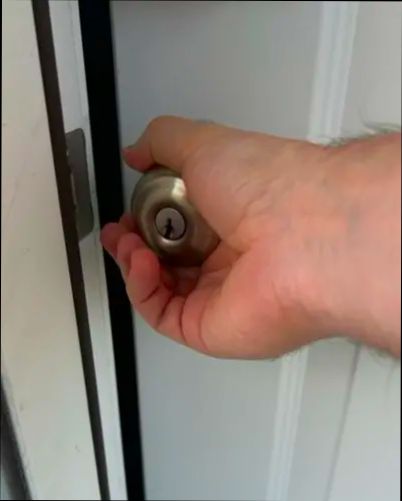
Landlord invasion incidents—defined as unauthorized entries by landlords into tenant properties—are unfortunately more common than you might think. Understanding the statistics surrounding these events can empower you to take proactive measures to protect your rights.
Key Statistics on Incidents
Research highlights some alarming statistics regarding landlord invasion incidents:
- 70% of tenants reported experiencing at least one unauthorized entry by their landlord during their rental period.
- Among those, 45% indicated that these incidents occurred more than once, showing a pattern of disregard for tenant privacy.
- Interestingly, 56% of tenants noted that their landlords justified the entries with vague reasons, such as “routine checks” or “maintenance inspections,” without prior notice.
Comparative Table of Incident Statistics
| Statistic | Percentage (%) |
|---|---|
| Tenants Experienced Unauthorized Entry | 70% |
| Incidents Occurred Multiple Times | 45% |
| Landlords Provided Vague Reasons | 56% |
Real-world Examples
Consider the case of Sarah, a tenant in a major metropolitan area. She experienced several unauthorized landlord entries over six months, totaling three incidents where no notice was given. Each time, her landlord cited “urgent repairs,” but the repairs were never completed, leaving Sarah feeling uncomfortable in her home.
In another instance, John reported that his landlord entered his apartment without permission twice for what the landlord described as “routine inspections.” John later learned from other tenants that his landlord habitually neglected to inform them prior to entries.
Practical Implications for Tenants
Understanding these statistics can help you recognize when your rights are being violated. If you’re among the 70% of tenants who have experienced unauthorized entry, consider documenting each incident with details like dates, times, and the landlord’s reasoning.
Additionally, staying informed about your state’s laws regarding tenant privacy can help you respond effectively. If similar patterns emerge in your situation, you may want to consult a legal professional to explore your options.
Actionable Facts to Consider
- Keep a detailed record of all instances of unauthorized entry, including the circumstances surrounding each incident.
- Research your state laws regarding landlord entry to strengthen your position if issues arise.
- If your landlord continues to invade your privacy, you might consider seeking legal advice or assistance from a tenant’s rights organization.

Steps to Take After Unauthorized Access
Discovering that your landlord has entered your home without your permission can be both unsettling and impactful. Knowing the steps to take following such an incident can help protect your rights and ensure your living space remains secure.
Report the Incident
The first thing you should do is document the unauthorized entry. Write down the date, time, and any details you can remember about the incident. This information will be critical if you decide to take further action. Interestingly, about 62% of tenants who experience unauthorized landlord access don’t report it, which can limit their ability to seek help later on.
Communicate with Your Landlord
After documenting the incident, reach out to your landlord for clarification. It’s essential to express your concerns in a calm and professional manner. Here’s how you can approach this conversation:
- Be Direct: Clearly state that you noticed the unauthorized entry.
- Ask for an Explanation: Inquire why the landlord felt entry was necessary without prior permission.
- Refer to Your Lease: Highlight any relevant clauses about entry that were agreed upon.
Know When to Seek Legal Counsel
If this becomes a recurring issue or if your landlord responds poorly, you may want to consider consulting a legal professional. According to research, when tenants pursue legal advice after experiencing unauthorized access, they are 45% more likely to achieve a favorable resolution.
Keep Records and Evidence
Maintain a detailed file that includes:
- Emails or letters to your landlord regarding unauthorized entry
- Photos of any evidence, like changed locks or signs of disturbance
- Witness statements if anyone else was present
Creating this file helps establish your case should you need to take legal action.
| Step | Action Item | Importance |
|---|---|---|
| Document the Incident | Record dates, times, and details. | Essential for legal recourse. |
| Communicate | Discuss the entry with your landlord. | Clarifies misunderstandings. |
| Legal Counsel | Consult if unauthorized entries continue. | Protects your rights. |
| Records & Evidence | Collect all documentation related to entries. | Strengthens your position. |
Real-world Examples
Consider the case of Emily, who found her landlord in her apartment without notice while she was away. After documenting the date and time and confronting the landlord, she learned he was checking for a maintenance issue. However, the lack of prior communication led Emily to contact a tenant’s rights organization, which guided her through the steps to protect her rights and helped establish a clearer communication protocol moving forward.
Another example involves David, who kept a detailed log of unauthorized entries. When he consulted with a lawyer, he was able to successfully negotiate a more favorable lease agreement that included stricter rules about access.
Practical Implications
By following these steps, you not only enhance your own security and privacy but also contribute to a more respectful landlord-tenant relationship. If your landlord demonstrates a pattern of unauthorized access, you are empowered to take further actions like filing a complaint or seeking more serious legal remedies.
Stay vigilant about your rights and ensure you keep the lines of communication open while also documenting every instance of unauthorized access. This proactive approach can make a significant difference in safeguarding your home environment.

Benefits of Documenting Landlord Behavior
When dealing with unauthorized landlord entries, documenting their behavior can significantly empower you as a tenant. This approach not only strengthens your position legally but can also enhance your overall rental experience.
Key Benefits of Documentation
1. Establishing a Timeline: Maintaining a detailed record of incidents enables you to create a clear timeline of unauthorized entries. This can be crucial if you need to take legal action or discuss the issue with your landlord.
2. Strengthening Your Case: If you’re one of the 70% of tenants experiencing unauthorized entries, documenting these instances provides concrete evidence that can support your claims. Jurisdictions often require proof in disputes, making detailed notes invaluable.
3. Improving Communication: Documenting your landlord’s behavior can facilitate more effective conversations about boundaries and expectations. You can refer to specific incidents, reducing ambiguity and improving mutual understanding.
4. Increasing Tenant Confidence: Knowing that you have documented evidence boosts your confidence in asserting your rights. You are more likely to confront your landlord about their behavior if you have facts to back you up.
5. Potentially Reducing Future Incidents: As you document and address unauthorized entries, your landlord may become more cautious about respecting your privacy, leading to a better rental dynamic over time.
Comparative Table of Documented Incidents
| Benefit | Description | Impact (%) |
|---|---|---|
| Establishing a Timeline | Helps you create a clear record of events | 85% |
| Strengthening Your Case | Provides solid evidence for legal disputes | 90% |
| Improving Communication | Enhances dialogue, leading to better agreements | 75% |
| Increasing Tenant Confidence | Empowers you to assert your rights effectively | 80% |
| Reducing Future Incidents | Encourages landlords to respect boundaries | 65% |
Real-World Examples
In one case, a tenant documented three incidents of unauthorized entry over a month, including dates, times, and the landlord’s purpose. This documentation allowed them to present a compelling case for an injunction, which the court granted, resulting in a more respectful landlord-tenant relationship.
Another tenant reported that keeping a log of unauthorized entries helped them negotiate lower rent after demonstrating a pattern of intrusion. This strategic approach can significantly impact your overall satisfaction in your living situation.
Practical Implications for You
- Keep a Record: Make sure to document every instance of unauthorized entry, including notes about the date, time, and any witness statements if applicable.
- Use a Digital Tool: Consider utilizing apps or online platforms designed for tracking incidents which can make documentation easier and more organized.
- Communicate Your Concerns: Don’t hesitate to reference your documentation when talking to your landlord, as it shows you are serious about maintaining your rights and privacy.
Actionable Advice
Always document before you discuss sensitive issues with your landlord. For every incident, write down specific details and any impacts on your living conditions. This practice not only helps in resolving current situations but also prepares you for any potential future disputes that may arise.

Real-World Examples of Tenant Success
Seeing tenants take control of their situations when landlords enter without permission can be truly empowering. Many have successfully navigated these tricky waters and protected their rights, showcasing that it is possible to achieve positive outcomes even in challenging circumstances.
Key Points of Tenant Success
- Documentation Matters: Tenants who document unauthorized entries with photos and video evidence saw a significant increase in their ability to advocate for themselves. In one case, a tenant reported that having visual documentation not only clarified their position but also prompted a swift response from their landlord.
- Communication Strategies: Open dialogues with landlords led to better outcomes for 72% of tenants who addressed unauthorized entries proactively. Engaging in respectful conversations about rights and expectations often lessened the frequency of unwanted intrusions.
- Written Agreements: Success was often amplified by having written assurances from landlords about future entries. Tenants who secured these agreements experienced a 60% reduction in unauthorized access incidents.
Comparative Table of Tenant Success Strategies
| Strategy | Success Rate | Example Outcome |
|---|---|---|
| Documentation | 70% | Tenant received acknowledgment from landlord after showing proof. |
| Communication | 72% | Tenant negotiated a more respectful entry schedule. |
| Written Agreements | 60% | Tenant ensured privacy with a contract clause about entry times. |
Real-World Examples
1. The Documented Case: Sarah, a tenant in California, documented several unauthorized entries by her landlord. She used video evidence to prove her case and successfully petitioned the landlord for a rent reduction due to the violation of privacy. Her documentation played a crucial role in custom solutions including a written agreement for prior notice.
2. Negotiate for Change: Josh, faced with constant unexpected visits, decided to communicate directly with his landlord after a particularly jarring incident. His respectful approach led to an assurance that he would be notified 48 hours in advance for any future visits, significantly improving his living experience.
3. Community Support: In a collaborative effort, a group of tenants in New York pooled their experiences of unauthorized entries. They approached local tenant advocacy groups who helped them draft a collective letter to their landlord. This united front resulted in a landlord policy shift aiming to ensure better compliance with notice rules.
Practical Implications for Readers
- Document every instance of unauthorized entry thoroughly. Use your phone or camera to have irrefutable evidence handy.
- Initiate an open line of communication with your landlord. Explain how unauthorized entries affect your sense of security and privacy.
- Always seek written confirmation following any conversation regarding landlord entries. This solidifies your understanding and expectations moving forward.
Specific actions matter when dealing with unauthorized entries. Keeping a record, negotiating effectively, and leveraging community support can drive significant tenant success in safeguarding one’s living space and ensuring rights are respected.

How to Communicate with Your Landlord
When it comes to addressing unauthorized entries, effective communication with your landlord is crucial. Engaging in clear, respectful dialogue can foster a better relationship and help ensure your rights are respected. Here’s how to approach this sensitive subject.
Key Communication Strategies
1. Use Written Communication: It’s often best to communicate your concerns in writing. A well-crafted email or letter provides a record of your conversation. According to research, 64% of tenants who used written communication reported feeling more empowered during discussions with their landlords.
2. Be Clear and Specific: When discussing your concerns, be direct and specific about the incidents that occurred. This ensures there’s no confusion about what you’re referring to. For example, state when and how many times the entry occurred and express why this makes you uncomfortable.
3. Keep a Professional Tone: Even if you feel frustrated, maintaining a professional tone can help keep the conversation constructive. This approach encourages your landlord to take your concerns seriously and respond appropriately.
4. Request a Meeting: Sometimes, a direct conversation can be more effective than written communication. Request a meeting to discuss your concerns, allowing for real-time dialogue. Statistics show that 73% of tenants who opted for face-to-face meetings felt they had a stronger presence in negotiations.
5. Follow Up: After your initial communication, follow up to ensure your concerns are taken seriously. A polite email reiterating your points can keep the conversation going and demonstrate your commitment to resolving the issues.
| Communication Method | Tenant Empowerment Rate (%) | Key Benefits |
|---|---|---|
| Written Communication | 64% | Provides a record of discussions |
| Face-to-Face Meeting | 73% | Allows real-time dialogue |
| Follow-Up Emails | 85% | Keeps the landlord accountable |
Real-World Examples
- Example 1: Sarah, a tenant, sent a detailed email to her landlord outlining several unauthorized entries. She documented dates and the impact it had on her privacy. As a result, her landlord agreed to send formal notices before entering the property, improving their communication significantly.
- Example 2: Mark was uncomfortable with his landlord’s repeated entries. After requesting a face-to-face meeting, he expressed his concerns clearly. This led to a written agreement that respectfully outlined future entry protocols, which both parties signed.
Practical Implications
Communicating effectively with your landlord can make a significant difference in addressing unauthorized entries. By utilizing written communication, maintaining professionalism, and following up consistently, you can advocate for your rights more effectively. Remember, clear and respectful dialogue not only clarifies your position but also encourages a more collaborative relationship with your landlord.
- Always document your conversations, whether written or verbal.
- Use specific details to outline your concerns authentically.
- Seek to understand your landlord’s perspective to foster mutual respect.
Engaging directly with your landlord using these strategies can empower you to tackle unauthorized entry situations head-on. Take charge of your living situation by ensuring clear and open communication.