What are HOA fees? Simply put, they’re the monthly or annual dues that you pay if you live in a community governed by a homeowners association (HOA). Think about it: when you move into a condo, townhouse, or a gated neighborhood, those fees help cover the costs of maintaining shared amenities and services. For example, if you enjoy lounging poolside or walking through beautifully landscaped gardens, those gorgeous spaces don’t take care of themselves—they’re funded by HOA fees. On average, these fees can range anywhere from $200 to over $1,000 per month, depending on factors like location and the level of amenities.
Now, here’s where it gets interesting. Besides just maintaining the pool and keeping the grass green, HOA fees often cover essential services like trash removal, snow plowing, and sometimes even security. For instance, in a community with a gym, a pool, and 24/7 security, you could be looking at higher fees because you’re getting more bang for your buck. But not all communities are the same; some may charge lower fees and not offer much beyond basic upkeep. Understanding exactly what your HOA fees include is crucial, especially when budgeting for your new place.
Understanding the Structure of HOA Fees
Understanding the structure of HOA fees is crucial for any homeowner or prospective buyer. These fees can seem opaque, but breaking them down can help you manage your budget and expectations.
Breakdown of HOA Fees
HOA fees typically encompass several components, which can vary widely based on the community, services provided, and market trends. Here are the primary elements you should be aware of:
- Maintenance and Repairs: On average, maintenance costs account for 50-70% of HOA fees. This includes landscaping, pool maintenance, and structural repairs.
- Utilities: Some HOAs include utilities like water and trash removal in their fees, which can lead to reductions in overall monthly expenses for residents.
- Administrative Costs: Typically, around 10-15% of HOA fees go toward administrative expenses, which cover manager salaries, office supplies, and legal fees.
These percentages can shift based on specific community needs and market conditions.
Comparative Table of HOA Fee Structures
| Fee Component | Average Percentage of Total Fee | Description |
|---|---|---|
| Maintenance and Repairs | 50-70% | Covers upkeep of common areas and facilities |
| Utilities | 10-20% | Includes water, trash, and sometimes electricity |
| Administrative Costs | 10-15% | Pays for management services and operational expenses |
| Reserves and Capital Expenditures | 5-15% | Set aside for future large projects and emergencies |
This table illustrates the typical allocation of HOA fees, allowing you to visualize how your contributions are spent.
Real-World Examples
Consider a community facing unexpected repairs. If your HOA finds they need to fix the community pool, they may utilize funds from the maintenance budget. A case study in a suburban neighborhood revealed that a sudden storm required an additional $25,000 for repairs, pushing the annual fees up by 15% for the year.
Another example comes from a city-wide charge: a local HOA rolled out a new system for electronic voting, implementing a $5 increase in monthly fees to cover the administrative cost. This minor adjustment improved homeowner engagement and streamlined community decisions.
Practical Implications
As you understand the structure of HOA fees, consider the following actions:
- Review Your Fee Breakdown: Request a detailed report from your HOA on how fees are allocated. This helps you assess the fairness of the charges.
- Participate in Meetings: Engage in HOA meetings to voice concerns or suggestions about fee allocations and understand future financial plans.
- Budgets and Planning: Use the insights from your HOA’s financial reports to budget. For example, knowing that maintenance fees consistently rise by 5% each year can help you anticipate and plan for future expenses.
Specific Facts and Actionable Advice
Keep an eye on reserve funds; they can directly impact future special assessments. If reserves are low, your HOA may raise fees or levy special assessments to cover costs. Additionally, always ask about the rationale behind fee changes—understanding the why can clarify spending priorities and intentions.
Feel empowered by knowing that understanding the structure of HOA fees not only aids in financial planning but also fosters transparency within your community.
Analyzing HOA Fee Statistics Nationwide
When we dive into the statistics surrounding homeowners’ association (HOA) fees across the nation, a variety of trends and insights come to light. Understanding these figures can help you gauge the financial landscape of different regions and make informed decisions whether you’re buying, selling, or renting a home.
Key Statistics to Consider
1. National Average HOA Fees: As of recent data, the average monthly HOA fee in the United States is approximately $330. This can fluctuate significantly based on factors such as location, community amenities, and property type.
2. Regional Variations:
- In the Northeast, average fees stand at about $400, while in the Southeast, they drop to approximately $250.
- Western states report higher averages at around $380, largely due to higher property values and extensive amenities.
3. Percentage of Properties with HOA Fees: Nearly 53% of homeowners live in communities with HOA fees, highlighting the prevalence of such associations in residential markets across the country.
4. Annual Increases: HOA fees can increase annually, typically at an average rate of 5%. This escalation reflects rising operational costs and the need for improved services.
5. Impact of Amenities on Fees: The presence and quality of amenities can lead to higher fees. Communities offering extensive recreational facilities might see fees exceeding $500 monthly, whereas basic communities may maintain fees under $200.
Comparative Analysis of HOA Fees by Region
| Region | Average Monthly HOA Fee | Percentage of Homes in HOA | Annual Increase Rate |
|---|---|---|---|
| Northeast | $400 | 55% | 6% |
| Southeast | $250 | 48% | 5% |
| Midwest | $300 | 50% | 4.5% |
| West | $380 | 62% | 5.5% |
Real-World Examples
Consider two communities:
- Maple Ridge in New Jersey charges $450 per month for an HOA fee. The association provides premium services like landscaping, security, and a community pool, justifying the higher cost.
- In contrast, Sunnyvale in Florida has HOA fees of $210 monthly. This community features basic maintenance services but lacks extensive amenities, reflecting its lower fee structure.
Practical Implications
Understanding these statistics allows you to better assess the potential costs associated with different communities. If you’re considering moving to a region with high HOA fees, evaluate the amenities provided and how they contribute to your lifestyle.
- Research Local Trends: Always check local real estate reports for updated statistics on HOA fees as they can impact your overall home budgeting.
- Negotiate Your Purchase: If you’re targeting properties with higher HOA fees, ensure the amenities justify the costs during your negotiation process.
- Factor in Annual Increases: Anticipate potential increases in HOA fees when calculating long-term housing costs, as an ongoing rise could affect your financial planning.
- Community Participation: Engaging in your HOA’s meetings can offer insights into how fees are allocated and areas for potential savings, making you a more informed homeowner.
Exploring HOA fee statistics can provide valuable insight into what you might expect as a homeowner. By understanding the nuances and trends behind these fees, you stand to make better, more informed decisions for your future.

Real-World Examples of HOA Fees
When considering the implications of HOA fees, it’s helpful to look at real-world examples that illustrate how these fees are utilized in different communities. Understanding these examples not only sheds light on what your contributions might look like but also how they affect your living environment.
Key Components of HOA Fees in Action
Real-life scenarios demonstrate how various components of HOA fees can significantly enhance community living. Here are some concrete factors to consider:
- Maintenance & Landscaping: In a suburban community, homeowners might pay an HOA fee of $250/month, comprising 60% for maintaining parks and community lawns, ensuring that shared spaces remain inviting year-round.
- Amenities & Facilities: In a condo complex, the $400/month fee could allocate 20% to the upkeep of a rooftop pool and clubhouse, giving residents a place for relaxation year-round.
- Security Services: A gated community might charge $300/month, where 15% goes toward hiring security personnel, keeping residents safe and providing peace of mind.
- Utilities for Common Areas: In one neighborhood, a monthly fee of $200 includes about 30% for common area lighting and water bills, which are crucial for safety and aesthetic appeal.
- Reserve Fund Contributions: Out of a $350 monthly fee, 10% might go into a reserve fund, allocated for significant repairs, ensuring the community remains well-maintained over time.
Comparative Breakdown of HOA Fees
| Community Type | Monthly Fee | Maintenance | Amenities | Security | Utilities | Reserve Fund |
|---|---|---|---|---|---|---|
| Suburban Neighborhood | $250 | 60% | 15% | 10% | 15% | 0% |
| Urban Condo | $400 | 30% | 40% | 10% | 10% | 10% |
| Gated Community | $300 | 50% | 10% | 15% | 15% | 10% |
| Townhome Association | $275 | 50% | 20% | 5% | 15% | 10% |
Real-World Case Studies
- Sunset Ridge HOA: This community has monthly fees of $350, with a portion going toward landscaping and maintenance of trails. Residents enjoy well-maintained pathways and frequent community events funded by these fees.
- Oakwood Condos: Their fee structure of $400 per month includes significant contributions for a brand-new gym and a renovated pool area. Residents report high satisfaction due to access to modern facilities and enhanced community engagement.
- Meadow Park Estates: Monthly fees of $225 include 20% allocated for children’s play areas and outdoor events. Families appreciate the safe and engaging spaces funded by their contributions.
Practical Implications for Homeowners
Understanding how HOA fees are structured and utilized can help you appreciate their value. Always inquire about:
- Detailed Breakdown: Request a comprehensive breakdown of what your HOA fees cover before purchasing a home.
- Community Engagement: Engage with your HOA board to understand how they allocate fees and discuss any community projects that might need funding.
- Long-term Financial Planning: Set aside a portion of your budget for anticipated HOA increases tied to enhancements in amenities or shared spaces.
Knowing the real-world implications of HOA fees allows you to make informed decisions about your community involvement and living arrangements. Be proactive in understanding what you are contributing to and how it benefits your lifestyle.
Key Benefits of Paying HOA Fees
Paying HOA fees may seem like an added expense, but they actually come with a variety of benefits that enhance your living experience and property value. Let’s dive into some key advantages that paying these fees offers to homeowners in a community.
Enhanced Property Value
One of the most significant benefits of paying HOA fees is the positive impact on property values. Research shows that homes in well-maintained HOA communities often appreciate at a higher rate. In fact, properties in these communities can see up to a 20% increase in value compared to similar homes without HOA management.
Access to Premium Amenities
Many homeowners associations provide access to exceptional amenities that would otherwise be expensive or challenging to maintain individually. These can include:
- Swimming pools
- Fitness centers
- Clubhouses
- Playgrounds
Having access to such facilities can substantially improve your quality of life and create a stronger community spirit, ensuring that you and your family have fun, comfortable places to gather.
Professional Management and Support
HOAs typically hire professional management companies to oversee community needs. This professional support results in:
- Better maintenance of common areas and facilities.
- Timely handling of community issues such as disputes or maintenance requests.
Research indicates that communities with professional management see tenant satisfaction increase by as much as 30%, ensuring that you enjoy a more organized and cohesive living environment.
| Benefit | Description | Expected Impact |
|---|---|---|
| Property Value Enhancement | Homes in HOA communities appreciate more quickly | Up to 20% increase in value |
| Access to Amenities | Pools, fitness centers, and more | Improved quality of life |
| Professional Oversight | Ongoing management for maintenance and issues | Tenant satisfaction increase by 30% |
Strengthened Community Standards
An HOA enforces community guidelines that help maintain aesthetic standards. This structured environment fosters unity among residents and encourages everyone to take pride in their property. A strong sense of community leads to lower crime rates and increased overall satisfaction.
Real-World Example: Community Cohesion
Consider a suburban community where the HOA fee is $200 per month. This fee not only covers maintenance but also funds community events, such as summer barbecues and holiday gatherings. These social events, made possible by the HOA, have been shown to increase neighbor interaction, resulting in a 40% increase in community participation.
Practical Implications
As you weigh the decision to live in an HOA-managed community, consider the return on your investment. The benefits extend beyond just keeping your lawn mowed and your pool clean—these fees promote a thriving community where properties appreciate, amenities are within reach, and professionalism ensures smooth operations.
- Review your community’s amenities and standards against monthly fees.
- Engage with your HOA to maximize your community’s benefits.
- Consider the long-term value and satisfaction associated with your investment in the community.
By understanding and appreciating the key benefits that HOA fees provide, you can make informed decisions that enhance your living experience and potentially boost your financial investment in your home.
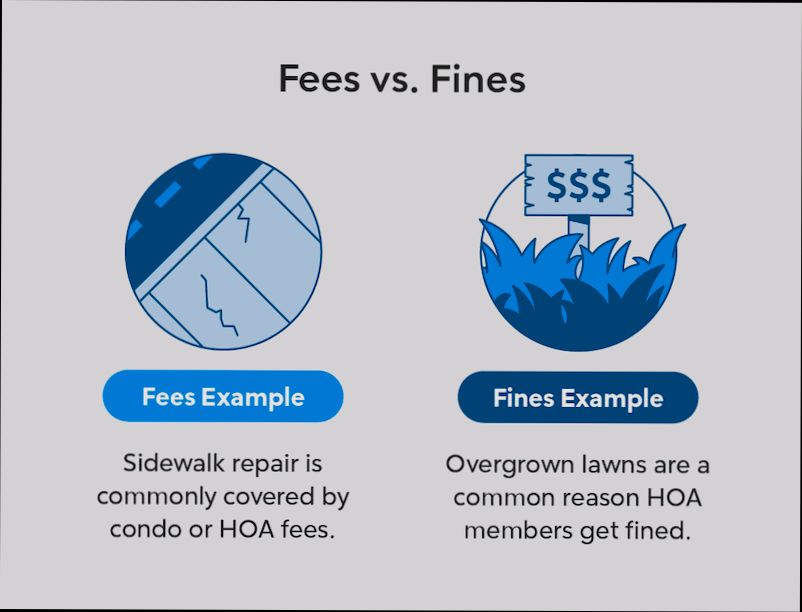
Common Services Covered by HOA Fees
Understanding the common services covered by HOA fees can help you appreciate what your money pays for. These fees go beyond simple maintenance; they cover essential services that enhance your quality of life in the community.
Key Services Included in HOA Fees
Here’s a look at common services you can expect your HOA fees to support:
- Trash Disposal: Regular trash collection ensures your community remains clean and hygienic.
- Snow Removal: In areas with winter weather, expenses for snow removal keep paths and driveways clear.
- Landscaping: Upkeep of lawns, gardens, and community landscaping helps maintain an attractive environment.
- Pest Control: Regular pest management protects residents and the community’s shared spaces from infestations.
- Preventive Maintenance: This includes checks and repairs on electrical, plumbing, HVAC, and security systems to avoid larger issues down the line.
- Repairs to Shared Facilities: Such as plumbing, roofs, roads, and walls, ensuring safety and functionality.
- Amenity Maintenance: Keeping pools, gyms, and common spaces in top shape requires financial resources.
Comparative Table of HOA Services
| Service Category | Coverage Details | Typical Frequency |
|---|---|---|
| Trash Disposal | Regular pickup and disposal for all residences | Weekly |
| Snow Removal | Clearing of snow from driveways and common areas | As needed |
| Landscaping | Maintenance of lawns and plantings | Weekly or Bi-weekly |
| Pest Control | Treatments for common areas | Monthly or Quarterly |
| Preventive Maintenance | Checks on critical systems (HVAC, plumbing, etc.) | Bi-annually |
| Repairs | Emergency repairs and ongoing maintenance | As needed |
| Amenity Maintenance | Cleaning and upkeep of pools, fitness areas, etc. | Regularly, seasonally |
Real-World Examples of Services
In many Florida communities, HOA fees are structured to facilitate robust community services. For instance, a typical condo in a Florida HOA may use a portion of its fees for routine painting of common areas, ensuring that hallways and exterior spaces maintain a fresh appearance. Regular preventive maintenance of elevators and security systems is another common example, safeguarding residents and ensuring the longevity of shared resources.
Practical Implications for Residents
Understanding what your HOA fees cover helps you appreciate the value of community living. By pooling resources for shared services, residents can avoid individual costs for upkeep and repairs, making it not just convenient but also cost-effective. Knowing these details allows you to engage better with your HOA, ensuring that your community is well-maintained and your home retains its value.
Specific Facts About Common Services
- According to Section 718.116 and Section 720.303 of the Florida HOA act, maintenance of common areas is often mandated, ensuring that no homeowner bears the financial burden alone.
- On average, landscaping and maintenance activities can constitute about 50-70% of HOA fees, underscoring the importance of these services.
- Regular preventive maintenance saves significant costs in emergency repairs down the line, thereby enhancing community safety and comfort.
Make sure to stay informed about the specifics of your HOA fees and the services they cover, as this could greatly impact your living experience and investment.
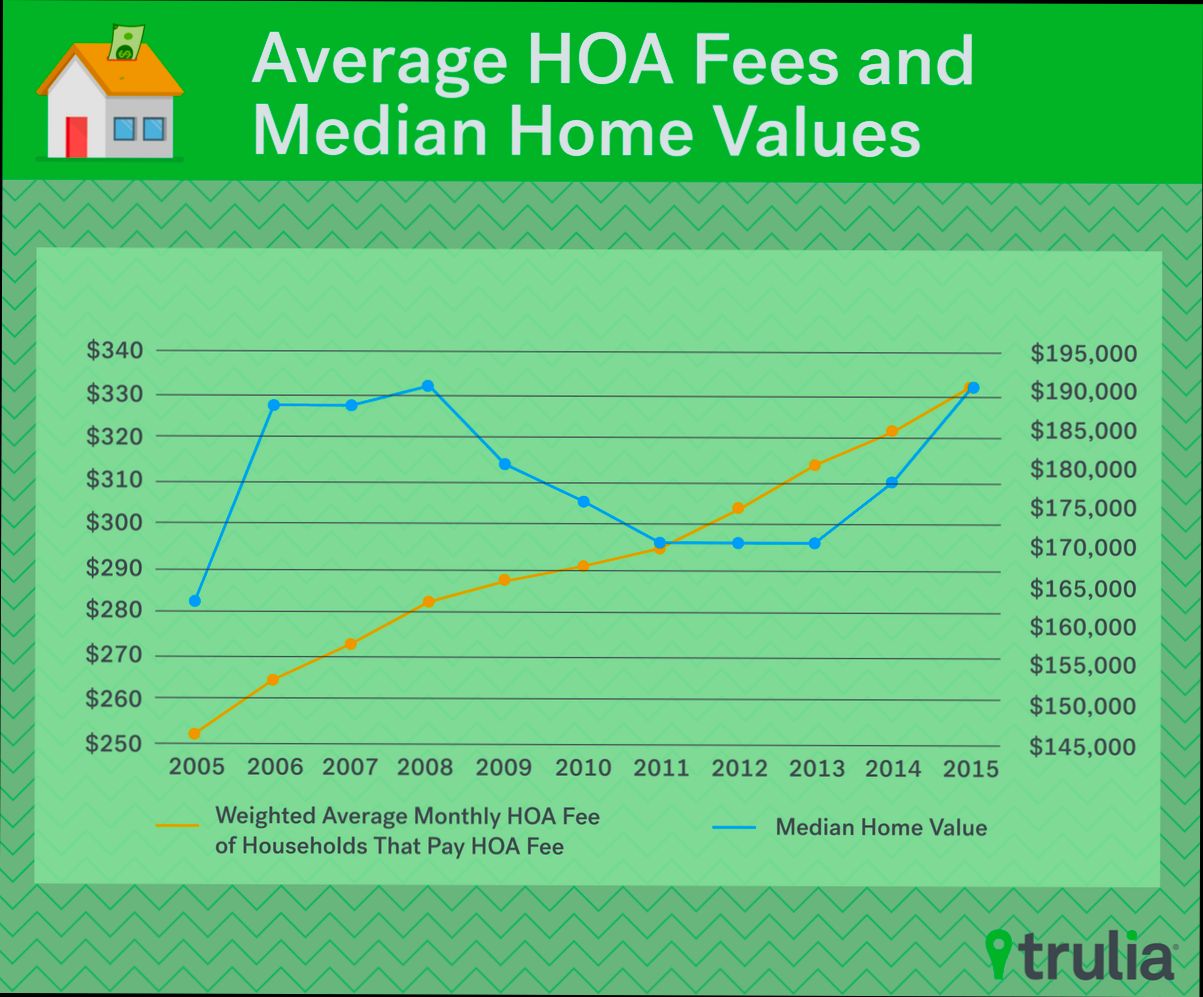
Factors Influencing HOA Fee Amounts
When you’re looking into the factors that influence HOA fee amounts, you’ll find that a variety of elements can play a critical role. Understanding these factors can help you anticipate costs and make informed decisions about living in a community governed by a homeowners’ association.
Size and Type of Community
The size of the community and the type of housing available can significantly impact HOA fees. Larger communities might spread costs over more homeowners, potentially lowering individual fees. However, this is not always the case; some large developments can have substantial amenities, leading to higher fees.
- A community with 200 units may charge an average of $300 per month, whereas a smaller community with only 50 units might charge $500 per month due to the same level of service needed for upkeep.
Amenities Offered
The type and number of amenities available in a community can also influence HOA fees. Communities that provide extensive amenities—such as swimming pools, clubhouses, fitness centers, and sports courts—typically have higher fees.
- For instance, a luxury condo with a pool, gym, and concierge services may see fees that exceed $1,200 per month, while a more modest community without these perks may have fees around $250 per month.
Location
The geographical location of a community contributes significantly to HOA fee amounts. High-demand areas or cities with a higher cost of living often have higher fees.
| Location | Avg HOA Fee |
|---|---|
| Urban City Center | $900 |
| Suburban Community | $350 |
| Rural Area | $250 |
Age of the Community
Older communities might face higher costs related to maintenance and repair. As buildings and infrastructure age, the funds needed for upkeep can drive fees upward.
- A 20-year-old community might require significant roof repairs, leading to an increase in fees by as much as 25% to fund these repairs over time.
Insurance and Reserve Funds
Insurance costs play a substantial role in HOA fees. Communities must maintain adequate insurance coverage for their shared properties and potentially set aside reserve funds for long-term repairs and unexpected expenses.
- If a community faces an increase in insurance premiums, typically seen in areas prone to natural disasters, fees could increase by as much as 15%.
Governance and Management Style
The way an HOA is governed can also affect fee structures. A well-managed association with active oversight often has lower fees because it can operate efficiently and prevent costly mismanagement.
- A proactive HOA that routinely audits and optimizes its operational costs could keep fees stable compared to a poorly managed association, which may need to raise fees suddenly to cover unexpected shortfalls.
Practical Implications
For prospective homeowners, understanding the intricate web of factors influencing HOA fees should play a vital role in your decision-making process. If you know the amenities and services you want, you can better determine how much you’re willing to pay for those benefits. Additionally, keep an eye on the community’s management style—often, transparency and proactive management can indicate a healthier financial outlook, potentially safeguarding you from sudden fee increases.
- Investigate the HOA’s financials before making a purchase; it’s crucial to understand where your money will go.
By factoring in these elements, you can better prepare yourself for the real costs associated with living in a community with an HOA. Always remember to ask questions and gather data; the more informed you are, the better your choices will be!
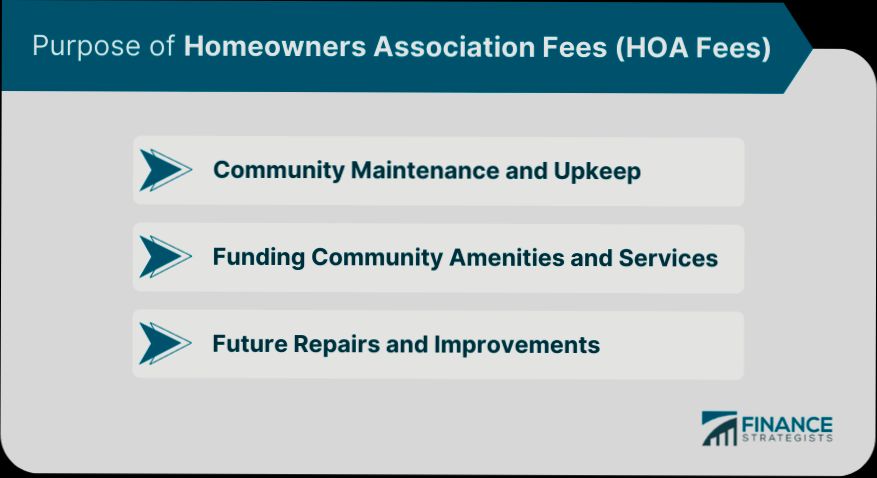
Disputes and Resolutions Regarding HOA Fees
Navigating disputes over HOA fees can feel overwhelming, but understanding your rights and the resolution processes available can empower you. We’ll explore how to manage disagreements over fees and what steps you can take to reach a resolution.
Common Disputes Over HOA Fees
Disputes often arise due to several reasons, including:
- Disagreement Over Fee Amounts: Homeowners may challenge increases or miscalculations in their fees.
- Service Discrepancies: If residents feel the services promised aren’t being adequately delivered, they may seek a reduction or further explanation of fees.
- Transparency Issues: Lack of access to financial records can lead to mistrust and conflict among homeowners and the HOA board.
Research indicates that approximately 35% of HOA-related disputes stem from confusion or dissatisfaction regarding fee structures. Knowing your HOA’s financial obligation and budget can significantly alleviate these misunderstandings.
| Dispute Type | Percentage of Total Disputes |
|---|---|
| Fee Amount Disputes | 40% |
| Service Discrepancies | 30% |
| Transparency Issues | 25% |
| Other (e.g., rule violations) | 5% |
Effective Resolution Steps
If you find yourself in a dispute over HOA fees, consider these actionable steps:
1. Review the Governing Documents: Familiarize yourself with your HOA’s bylaws and budget, which should clearly outline fee structures and processes for fee adjustments.
2. Contact the HOA Board: Open a line of communication with your board or property manager to express your concerns directly.
3. Request a Meeting: If initial communications don’t resolve the issue, you can formally request a meeting to discuss the situation with board members.
4. Documentation: Keep detailed records of all payments, correspondence, and relevant documents to support your case.
5. Mediation: If resolution remains elusive, consider mediation through a neutral third party to reach a compromise.
Real-World Examples
- Case Study: Disputed Fee Increase: In a community in Texas, residents contested a 20% fee increase by citing a lack of transparency. After meeting with the board, they discovered that the increase was necessary for major repairs. By establishing clearer lines of communication, the board agreed to hold quarterly financial Q&A sessions to reduce future disputes.
- Case Study: Service Quality Dispute: A group of homeowners in Florida refused to pay their HOA fees due to concerns about subpar landscaping services. After voicing their concerns collectively, the HOA conducted a review of service providers, ultimately leading to better quality landscape maintenance, which satisfied the residents and resolved the fee dispute.
Practical Implications for Homeowners
Understanding your right to challenge fee assessments is critical. Most states offer statutory frameworks for HOA disputes, often allowing homeowners to appeal decisions or ask for reconciliations. Research estimates that 60% of homeowners feel more empowered when they are aware of these rights.
- Check local laws regarding HOA disputes, as many jurisdictions establish clear rules for handling complaints and appeals.
- Attend community meetings and participate actively to stay informed about changes in fees, ensuring you’re never caught off guard.
Consider utilizing a community newsletter or digital platform to keep homeowners informed about fee structures and any pending decisions by the HOA board, fostering a more cohesive understanding among members and potentially reducing the number of disputes.