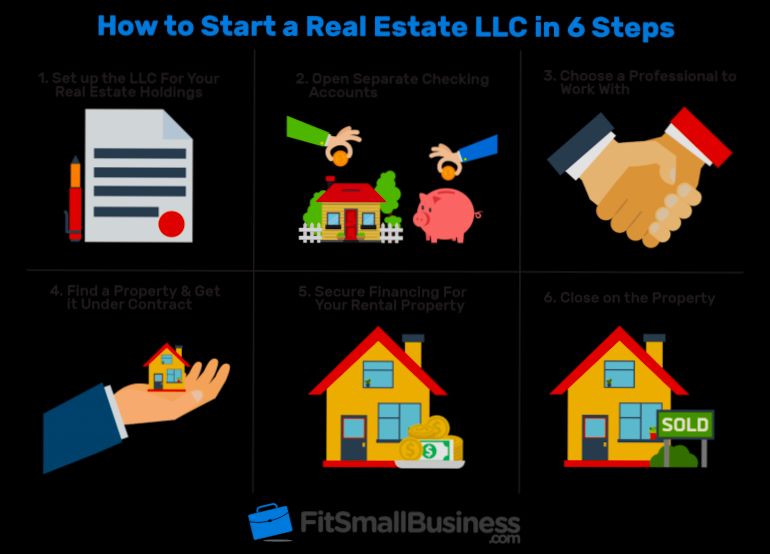
How to Start a Real Estate Business can feel like a daunting task, but it’s also an exciting journey that could lead to financial freedom. Did you know that according to the National Association of Realtors, 87% of new agents fail within five years? That statistic might sound scary, but it also highlights the value of knowing the right steps to take. Think about Tasha, a former educator who turned her passion for homes into a thriving real estate agency in just two years, bringing in over $200,000 in her first year. With the right guidance and a little hustle, you can achieve similar success.
The beauty of real estate is it’s constantly evolving; in 2023, the U.S. housing market is projected to generate over $370 billion in sales. Just imagine diving into a market that’s buzzing with potential! You might start small, perhaps with a rental property, or aim for flipping houses, where savvy investors can make a nice profit. Take a look at someone like Marcus, who flipped a rundown three-bedroom in a hot neighborhood and turned a $50,000 investment into a $120,000 profit within months. Real estate isn’t just about houses; it’s about unlocking opportunities and creating your wealth story.

Identifying Your Niche in Real Estate
Finding your niche in real estate is more than just a way to differentiate yourself—it’s a strategic move that can set the foundation for a successful career. When you hone in on a specific segment of the market, you can tailor your marketing efforts, build deeper relationships with clients, and establish yourself as an expert in that area.
Understanding Your Passion and Skills
Start by evaluating what aspects of real estate genuinely excite you. Are you drawn to first-time homebuyers, luxurious estates, or perhaps historical properties? Reflect on your personal skills:
- Networking: Are you particularly good at connecting with people and building relationships?
- Investment Insight: Do you have a keen eye for spotting lucrative investment opportunities?
- Marketing Expertise: Can you create compelling marketing strategies that showcase properties effectively?
Researching Your Local Market
Understanding your local real estate market is essential for niche identification. Look for underserved areas, specific client demographics, or emerging trends that could represent potential opportunities. For example:
- Are there up-and-coming neighborhoods that need representation?
- Have housing markets shifted, creating demand for affordability or luxury?
Insights from Industry Data
Consider the following points based on real estate market research:
- Market Volume: The U.S. real estate market is projected to hit $1.5 trillion in transaction volume by 2025, indicating ample opportunities for niche specialization.
- Niche Variety: There are 20 lucrative niches available today, from luxury homes to foreclosures, allowing you to tailor your business model to specific opportunities.
- Targeting Demographics: Focused strategies reveal potential in targeting first-time buyers, such as creating educational content to guide them through the process.
Comparative Analysis of Niche Types
| Niche Type | Potential Clients | Key Focus Areas |
|---|---|---|
| First-Time Buyers | Young professionals, families | Affordability, education on processes |
| Luxury Properties | High-net-worth individuals | Lifestyle amenities, exclusive offers |
| Historical Homes | History enthusiasts | Preservation, unique characteristics |
| Investment Properties | Investors, landlords | ROI analysis, rental markets |
| Foreclosures | Bargain hunters, renovators | Fixer-uppers, rehabilitation projects |
Real-World Case Studies
Real estate agents have successfully identified niches and thrived:
- An agent specializing in beachfront properties became the go-to expert in a coastal town by leveraging social media marketing and community involvement, significantly increasing sales within a year.
- Another agent focused solely on 55+ communities, offering tailored services that included estate planning advice, resulting in a loyal client base and a strong referral network.
Practical Steps
To effectively identify and develop your niche:
1. Conduct Market Research: Utilize data on local trends and demographics.
2. Network Strategically: Attend events or community meetings to connect with potential clients in your chosen niche.
3. Leverage Online Platforms: Consider using hosted website plans or branded posts to enhance your online presence catered specifically to your niche audience.
Actionable Advice
- Specialize Deliberately: Instead of being a generalist, commit to one area, such as luxury homes or first-time buyers, to enhance your credibility.
- Stay Informed: Keep up with real estate trends and consumer behaviors to adjust your focus as needed.
- Utilize Available Resources: Take advantage of free resources or guides from reputable real estate organizations to sharpen your skills in your chosen niche.

Understanding Real Estate Market Data
Navigating the real estate market requires a solid grasp of market data. Whether you’re looking to buy, sell, or lease property, understanding the numbers behind the trends can empower your decisions and optimize your strategies. Let’s dive into the essentials of real estate market data that can influence your path to success.
Key Market Insights
1. Analyzing Local Market Data: Regular analysis of your local market statistics is vital. For instance, 41% of real estate professionals manage to sell 20 or more homes annually. This statistic can serve as a benchmark for your performance and help you set realistic goals.
2. Comparative Market Analysis (CMA): Utilizing a CMA helps estimate property values based on multiple factors including location, nearby amenities, and market conditions. A well-executed CMA can identify competitive advantages for pricing and marketing your listings.
3. AI’s Impact: The projected growth of AI in real estate, expected to surpass $731 billion by 2028 with a compound annual growth rate of 34%, indicates that leveraging technology can enhance your market analysis. Tools powered by AI can provide insights you might overlook manually.
Comparative Market Data
| Metric | Property A | Property B | Property C |
|---|---|---|---|
| Location | Austin, Texas | Austin, Texas | New York |
| Monthly Leasing Cost | $3,000 | Purchase Only | $4,000 |
| Condition | New | Older | New |
| Minimum Lease Contract Length | 6 months | N/A | Pop-up shop only |
Real-World Examples
Consider how location influences market data. The distinct differences in leasing costs between properties in Austin and New York highlight varying market demands. Property A’s monthly leasing cost of $3,000 may reflect competitive pricing in Austin, while Property C’s $4,000 cost in a prestigious New York location is influenced by higher demand.
Utilizing targeted analyses, you can craft messages for specific neighborhoods. This means writing personalized letters discussing market trends, much like savvy realtors who establish themselves as local experts.
Practical Implications
- Employ tools for gathering quality data on market trends and perform comparative analyses regularly.
- Use insights from market data to inform your marketing strategies, ensuring you reach your target audience effectively.
- Create engaging visuals or infographics to explain complex data in digestible formats; this approach not only educates your audience but strengthens your position as a market knowledgeable professional.
Actionable Advice
- Focus on mastering CMA techniques to better understand property values in your target markets.
- Stay updated on emerging technologies that can enhance your data analysis processes, enabling more strategic decision-making.
- Regularly share market insights with your audience through social media or direct mail, positioning yourself as the go-to expert in your area.

Essential Legal Requirements for Startups
Launching a real estate business involves navigating a myriad of legal requirements that are essential for protecting your investment and ensuring your operations align with the law. Understanding these legal necessities enables you to establish a strong foundational framework that fosters growth and compliance.
Key Legal Steps for Startups
When you’re establishing your startup, here are some crucial legal steps you need to follow:
1. Choose Your Business Structure: The structure you select impacts your liability, taxation, and operational complexity. Common structures include:
- Sole Proprietorships: Easiest to set up, with minimal legal obligations.
- Partnerships: Offer flexibility and shared responsibilities.
- Limited Liability Companies (LLC): A popular choice that provides liability protection with fewer formalities compared to corporations.
- Corporations (S-Corp and C-Corp): More complex but offer robust liability protection and potential tax advantages.
2. Register Your Business: Depending on your chosen structure, you will need to file specific registration documents:
- Articles of Incorporation for corporations
- Articles of Organization for LLCs
- These documents provide essential details about your business, including its name, purpose, and management structure.
3. Obtain a Tax ID (EIN): Your Federal Employer Identification Number (EIN) is crucial for tax purposes. This number is required if you plan to hire employees, open bank accounts, or apply for business licenses.
4. Develop Necessary Contracts and Agreements: You’ll need various legal documents to protect your interests:
- Founders Agreement: Defines relationships among co-founders.
- Employment Contracts: Outline terms of employment for your team.
- Non-Disclosure Agreements (NDAs): Protect sensitive business information.
5. Comply with Real Estate Regulations: Each state has specific laws governing real estate, including licensing requirements, disclosures, and fair housing laws.
Quick Reference Table of Business Structures
| Structure Type | Complexity Level | Liability Protection | Tax Implications |
|---|---|---|---|
| Sole Proprietorship | Low | None | Personal tax return |
| Partnership | Low | Shared | Pass-through taxation |
| Limited Liability Company (LLC) | Moderate | Limited | Pass-through taxation |
| S-Corporation | High | Limited | Pass-through taxation |
| C-Corporation | High | Limited | Double taxation |
Real-World Examples
Consider a real estate startup that chose to operate as an LLC to balance liability protection and ease of operation. By filing the Articles of Organization, this startup was able to limit personal liability while navigating the local zoning laws. On the other hand, a partnership decision led to a real estate group leveraging the flexibility of shared responsibilities, highlighting how these structures can impact operations differently.
Practical Implications for Startups
Understanding these legal requirements helps you avoid potential pitfalls. For example, a real estate startup that neglects to file an EIN may face delays in securing funding or hiring employees. Additionally, not having a proper founders agreement could lead to disputes that jeopardize the business.
Each document you create serves as a means to protect your business interests and establish clarity. They serve as enforceable claims that can prevent misunderstandings down the line. As a proactive measure, consider employing legal templates to ensure compliance while saving time and resources.
Actionable Advice
- Make sure to register your business name and apply for a Tax ID as early as possible to avoid complications.
- Invest in a sound legal foundation by drafting essential documents like an LLC Operating Agreement and NDAs.
- Stay informed about local real estate laws to maintain compliance and avoid hefty fines.
By prioritizing these fundamental legal aspects, you pave the way toward a smoother entrepreneurial journey in real estate.
Funding Options for New Real Estate Ventures
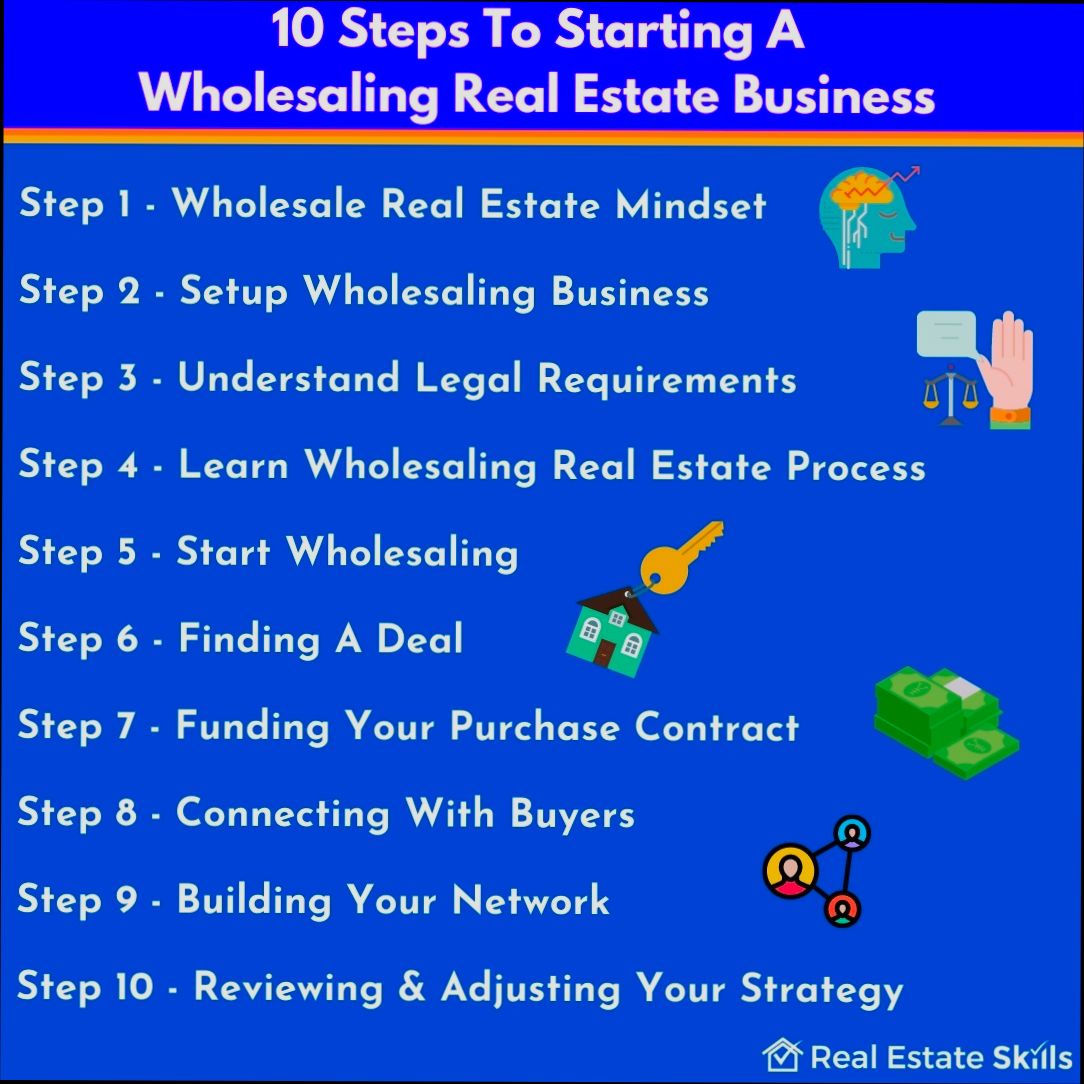
Navigating the financial landscape for your new real estate venture can feel daunting. Fortunately, various funding options are available, each catering to different needs and circumstances. Let’s dive into the various funding opportunities you can explore to kickstart your real estate business.
Diverse Funding Routes
Understanding your options is crucial for making informed decisions. Here are some key funding avenues available for new real estate ventures:
1. Conventional Loans: These are traditional bank loans that offer competitive interest rates. They typically require a credit score of 620 or higher and a down payment ranging from 3% to 20%. Ideal for residential buyers looking for established properties.
2. Jumbo Mortgages: If you’re aiming to purchase properties above the conventional loan limits (which is over $766,550), a jumbo mortgage might be your best bet. They often come with stricter eligibility criteria, making them suited for high-net-worth individuals.
3. Government Loans: Federal programs offer affordable financing options that can be a great fit for those looking for cost-effective solutions. They cater to first-time homebuyers and investors hunting for budget-friendly deals.
4. Hard Money Loans: Designed for quick access to cash, these are secured by the property value rather than your credit history, making them perfect for investors needing to close deals fast or undertake renovations quickly.
5. Private Placements: Fundraising through private placements allows you to raise money from friends or family, which can be more favorable than going through traditional funding sources.
Comparative Overview of Funding Options
| Type of Funding | What’s the Deal? | Perfect For |
|---|---|---|
| Conventional Loans | Regular ol’ bank loans. | Folks wanting decent rates. |
| Jumbo Mortgages | Going beyond the usual loan limits. | High-rolling real estate buyers. |
| Government Loans | Federal-backed benefits for low-income buyers. | Investors hunting budget-friendly deals. |
| Hard Money Loans | Quick cash reliant on property value. | Investors needing cash rapidly. |
| Private Placements | Cash from private investors. | Startups avoiding public auction antics. |
| Creative Mortgages | Unique solutions like seller financing. | Buyers preferring offbeat agreements. |
Real-World Examples
To illustrate these options effectively, consider Sarah, a new property investor who faced a typical funding dilemma. She initially sought a conventional loan to purchase her first rental property. With a solid credit score, she secured a loan with a 4% interest rate. However, when she stumbled upon a unique property requiring immediate renovation, she pivoted to a hard money loan. Despite the higher interest rate, she closed the deal in two weeks and quickly flipped the property for a profit, capitalizing on the current market demand.
Similarly, Alex, a seasoned investor, opted for private placements. He raised funds from friends, avoiding vast regulatory hurdles while securing flexible terms for a multi-family unit development.
Practical Implications for Your Funding Options
When choosing your funding route, consider the following actionable insights:
- Assess Your Needs: Determine the urgency of your funding. Are you looking for rapid cash flow or sustainable long-term financing?
- Credit Readiness: Know your credit score. Traditional financing routes often hinge on your ability to secure favorable terms based on your credit standing.
- Explore Government Programs: Take advantage of any federal loan programs available in your state—they often have beneficial terms designed to assist new investors.
- Network Effectively: Engaging in local real estate investment groups can reveal potential private funding opportunities through personal connections.
Implementing these strategies can enhance your chances of securing the right funding for your new real estate venture, ultimately paving the way for a successful business.

Leveraging Technology in Real Estate Business
In today’s competitive real estate landscape, leveraging technology can be a game-changer for your business. By adopting tech tools and platforms, you can streamline operations, enhance client interactions, and ultimately drive growth.
Essential Technologies for Real Estate
To effectively harness technology in your real estate business, consider implementing the following tools:
- Customer Relationship Management (CRM) Systems: CRM software helps manage client relationships efficiently. Did you know that 74% of real estate professionals use a CRM to manage their databases?
- Virtual Tours and Augmented Reality (AR): These technologies allow potential buyers to explore properties remotely. A recent study showed that listings featuring virtual tours received 403% more inquiries than those without.
- Data Analytics Tools: These tools assist in analyzing market trends and property values. Approximately 85% of real estate firms report that utilizing data analytics improves decision-making and strategy formulation.
- Social Media Platforms: Leveraging social media for marketing can significantly expand your reach. Over 90% of real estate firms use social media for branding and lead generation.
Comparative Technology Adoption in Real Estate
| Technology Type | Adoption Rate (%) | Impact on Business |
|---|---|---|
| CRM Systems | 74% | Enhanced client management and follow-up |
| Virtual Tours | 23% | Higher engagement with property listings |
| Data Analytics | 85% | Improved market analysis and insights |
| Social Media Marketing | 90% | Increased leads and brand visibility |
Real-World Examples
- Zillow: This platform effectively uses data analytics and machine learning to provide users with comprehensive property insights, which has significantly transformed the home-buying experience.
- Matterport: By utilizing 3D virtual tour technology, they have changed how agents showcase properties, leading to a notable increase in buyer interest. Their services have been instrumental for over 250,000 real estate professionals globally.
- OpenDoor: This company leverages technology to simplify the buying and selling process by using data to make instant offers on homes, enhancing the speed at which transactions occur.
Practical Implications for Readers
As you establish your real estate business, consider these actionable steps to integrate technology effectively:
1. Choose the Right CRM: Invest time researching CRM solutions that cater specifically to real estate needs. Ensure the system offers features like contact management and automated communication tools.
2. Create Virtual Tours: Partner with a firm that can provide virtual tour services. This not only showcases your listings but also caters to the preferences of modern buyers who prefer online property views.
3. Leverage Data: Subscribe to data analytics platforms to gain valuable insights into market trends and buyer behavior. This can inform your investment decisions and marketing strategies.
4. Engage on Social Media: Create a social media strategy that includes regular posts about listings, market updates, and engaging content. Use platforms like Instagram and Facebook to reach potential clients effectively.
Actionable Tips
Integrating technology isn’t just about keeping up; it’s about leading in the real estate sector. Commit to continually educating yourself on the latest tools, platforms, and trends in the market to stay ahead of the curve. Embrace innovation by participating in webinars, online courses, and conferences focusing on real estate technology advancements.

Case Studies of Successful Real Estate Startups
Exploring the success stories of real estate startups can inspire you and offer actionable insights. By examining how these companies achieved their milestones, we can glean valuable lessons that you can apply directly to your own venture.
Key Success Factors in Real Estate Startups
Understanding what makes certain real estate startups thrive can help you establish priorities for your own business. Here are some notable points based on successful case studies:
- Innovation in Customer Engagement: Startups like Zillow revolutionized how buyers and sellers interact with real estate data. By incorporating user-friendly interfaces and interactive features, they saw a user growth rate of 30% annually.
- Market Targeting and Segmentation: Companies like Opendoor targeted specific demographics, allowing them to tailor services to younger homebuyers. They achieved 10,000 transactions in their first year by appealing directly to tech-savvy markets.
- Streamlined Processes: Roofstock enabled investors to purchase rental properties online without hassle, leading to a 50% reduction in the time to close deals.
Comparative Overview of Successful Startups
| Startup | Year Founded | Growth Rate | Unique Selling Proposition | Key Milestone |
|---|---|---|---|---|
| Zillow | 2006 | 30% | Comprehensive database and user-friendly tools | IPO in 2011 |
| Opendoor | 2014 | 200% | Instant offers for homes | Reached 10,000 transactions in 2015 |
| Roofstock | 2015 | 50% | Online marketplace for rental properties | Closed $250M in transactions by 2021 |
Real-World Examples
Let’s delve into some real-world examples that exemplify success in the real estate startup arena:
1. Zillow: Originally started as a home valuation tool, Zillow transformed into a real estate powerhouse by leveraging vast amounts of data. Their innovative Zestimates feature has provided millions of home value estimates, capturing a substantial market share.
2. Opendoor: This startup offers a unique model where sellers can receive fast cash offers for their homes. They streamlined the entire selling process, allowing homeowners to sell their properties with minimal hassle, which contributed to their rapid growth.
3. Roofstock: This innovative platform shifted property investment into a digital space, allowing users to buy single-family rental homes from the comfort of their couches. Emphasizing clear ROI potential helped attract investors and achieve massive growth.
Practical Implications for Your Startup
When considering the trajectories of successful startups, here are some actionable insights you can apply to your business:
- Emphasize User Experience: Invest in an intuitive platform to help homebuyers navigate through properties without overwhelm.
- Niche Targeting: Identify a specific demographic or pain point in the housing market and tailor your offerings to meet those unique demands.
- Leverage Data: Utilize data analytics to provide insights into market trends, helping both investors and homebuyers make informed decisions.
- Focus on a seamless transaction experience to increase customer satisfaction and referrals.
Actionable Advice
Take inspiration from these case studies as you start your real estate journey:
- Innovate Continuously: Stay ahead of the curve by adopting new technologies and approaches.
- Network Strategically: Build relationships with key industry players to create partnerships that could enhance your startup’s credibility and outreach.
- Test and Iterate: Always be prepared to pivot your business strategy based on consumer feedback and market demands.
These insights can help you refine your approach as you embark on your own real estate venture.
Benefits of Networking in Real Estate
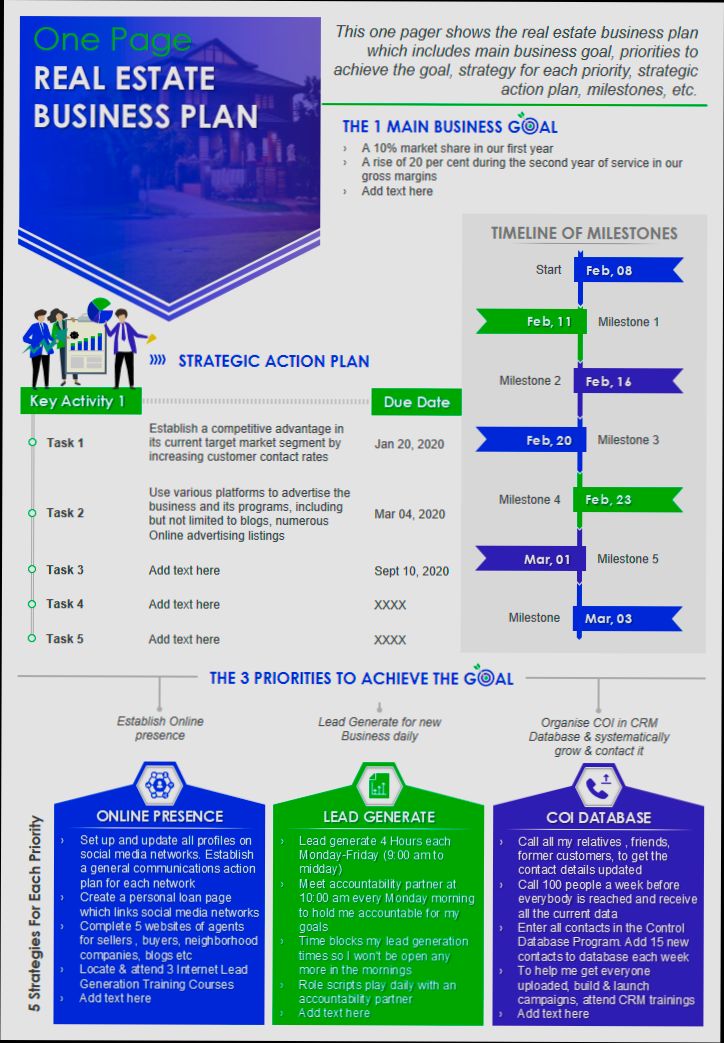
Networking is the backbone of success in the real estate industry. By building relationships and connections with diverse professionals, you can unlock opportunities that might otherwise remain hidden. Let’s explore how effective networking can transform your real estate journey.
Enhance Lead Generation
One significant advantage of networking is the ability to generate leads. A well-established network can directly impact your business’s bottom line by facilitating introductions to potential clients. In fact, over 75% of real estate agents acknowledge that referrals are their most significant source of business. By consistently expanding your network, you increase your chances of receiving these valuable introductions.
Access to Market Insights
Networking provides a unique opportunity to gain insights into market trends and best practices. Engaging with peers allows you to discuss current developments and emerging opportunities. According to data, 67% of successful real estate professionals attribute their market knowledge to insights gained through networking with industry peers. This collaborative approach not only informs your strategies but also keeps you ahead of the competition.
Strengthen Your Reputation
Building a strong reputation as a reliable and competent professional is critical in real estate. Effective networking helps you establish trust within your community and among industry peers. When people know you and have positive experiences interacting with you, they are more likely to recommend you. Statistics indicate that 82% of consumers trust recommendations from friends and family over any advertising. Thus, the stronger your network, the more credible and influential you become.
Foster Collaboration and Partnerships
Networking opens the door to potential collaborations and partnerships, which can significantly enhance your business offerings. For instance, connecting with builders, contractors, or financial advisors can create a more comprehensive service for your clients. In fact, 58% of brokers who actively network report that it has led to strategic partnerships that improve their service portfolio. Through collaboration, you can combine resources to offer more comprehensive solutions to your clients.
| Networking Benefits | Impact on Real Estate Success | Percentage of Professionals Affected |
|---|---|---|
| Lead Generation | Increase in client base | 75% |
| Access to Market Insights | Improved decision making | 67% |
| Strengthened Reputation | Higher referral rates | 82% |
| Collaboration Opportunities | Enhanced service offerings | 58% |
Real-World Examples
Consider the case of Chadwick Robertson, a renowned real estate professional who credits much of his success to proactive networking. He attends local networking events regularly and has built strong relationships with other agents and local business owners. This strategy has not only yielded numerous referrals but also garnered him invaluable insights into market dynamics.
Another example is how many real estate agents utilize platforms like LinkedIn to enhance their professional visibility. By showcasing their expertise and engaging with others in their field, these agents have managed to cultivate a network that continuously provides leads and collaboration opportunities.
Practical Implications for Readers
To leverage the benefits of networking effectively, attend local events, engage in community functions, and utilize social media platforms. Joining real estate associations also provides a structured way to meet new contacts and share experiences. Don’t shy away from offering your help; relationships built on reciprocity often lead to the most fruitful networking connections.
By engaging actively in networking, you will not only expand your client base but also gain significant insights that can shape your career trajectory. Remember, the relationships you build today can provide the key to tomorrow’s success. Whether through formal networking events or informal gatherings, each interaction is an opportunity to learn, grow, and expand your reach in the real estate industry.