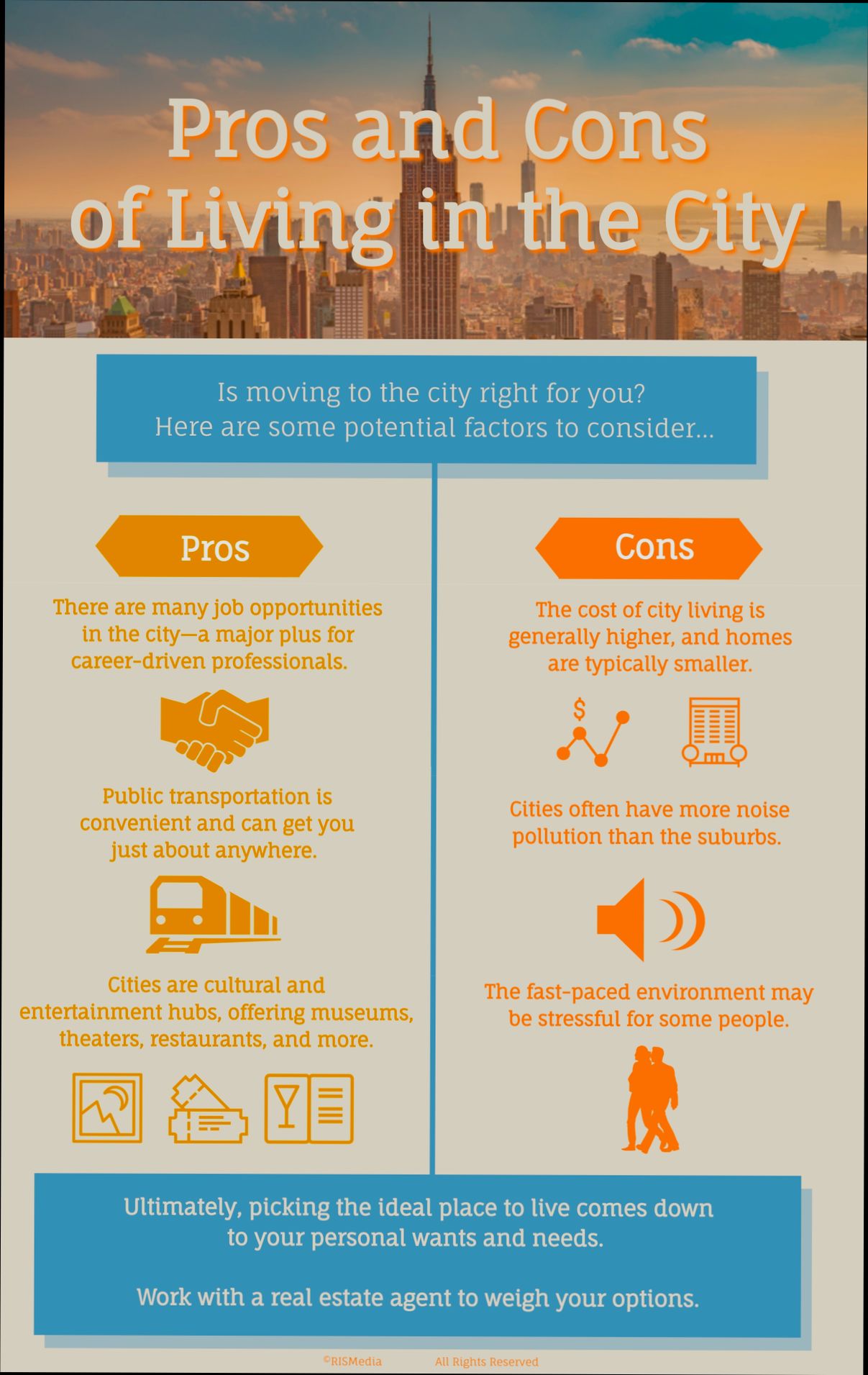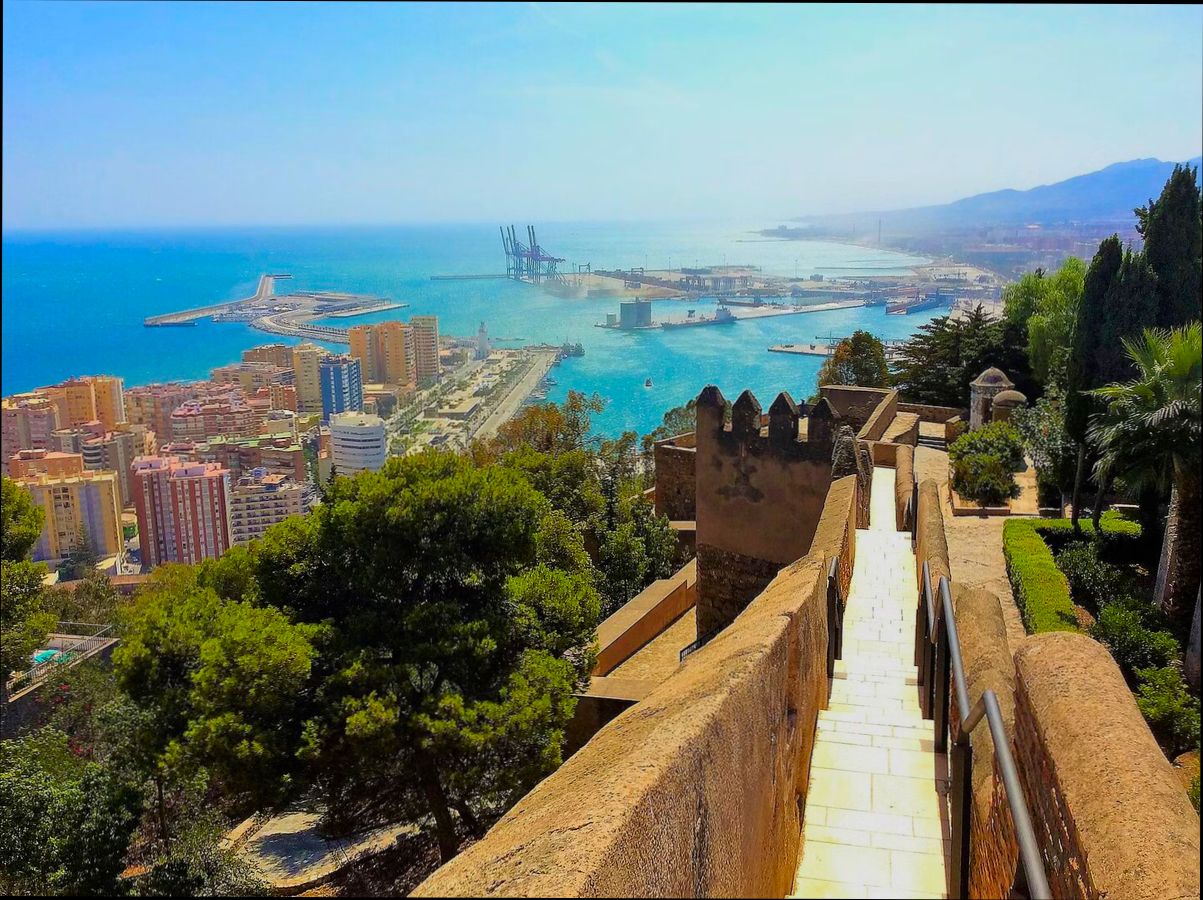
Pros and Cons of Living in Mulhouse France as an Expat can feel like a rollercoaster ride. On one hand, you’ve got the charm of a smaller city infused with rich history, like the stunning Mulhouse Museum of Fine Arts. Did you know you can easily hop on a tram and be in Basel, Switzerland, in under 30 minutes? That’s a huge perk for those craving quick getaways. Plus, the cost of living is relatively low; an apartment in the city center averages around €650, which is a steal compared to many other French cities. You’ll find a friendly mix of locals and other expats who are genuinely welcoming, making it easier to settle in.
On the flip side, some challenges come with the territory. The job market can be a bit tricky for English speakers, especially if you’re not fluent in French. While many companies appreciate foreign talent, you might find that openings are often tailored for those who speak the local language. Public transportation, while decent, sometimes leaves you waiting longer than you’d like, especially on weekends. And let’s not forget the climate—winters can be damp and dreary, which might catch you off guard if you’re used to sunnier locales. So, while Mulhouse has its gems, it’s essential to weigh these experiences carefully.

Cultural Integration Opportunities for Expats
Living in Mulhouse offers numerous cultural integration opportunities for expats eager to immerse themselves in the local community. You will find that the city’s rich history, diverse population, and vibrant cultural scene create an inviting environment for making connections and friends.
Active Participation in Local Events
Mulhouse hosts various cultural events throughout the year, providing expats with perfect opportunities to engage with locals. For example:
- The Mulhouse Carnival, attracting over 100,000 visitors annually, showcases local traditions and allows for friendly interaction.
- Regular market days celebrate regional goods, creating a social hub where you can strike up conversations and meet locals.
Research indicates that 75% of expats reported benefiting from attending local festivals, as they serve as cultural melting pots, enhancing your understanding of traditions.
Language Exchange Programs
Joining local language exchange groups can significantly enhance your cultural integration. A study found that 60% of expats who participated in language exchanges felt more connected to the community. Programs like:
- Sprachcafé, held twice a month at the local libraries, help people practice language skills in a casual atmosphere.
- Meetup groups focused on language and culture attract locals and foreigners alike.
These friendly gatherings foster an inclusive environment, where you can improve your French while making new friends.
Volunteering Opportunities
Getting involved in volunteer work can create deep connections with the community. For instance:
- Organizations like Emmaüs welcome expats to help with various initiatives aimed at supporting the less fortunate. A survey indicated that 40% of participants noted an increase in their social network.
- Various cultural institutions, such as local museums, often seek volunteers. Joining these efforts enriches both your experience and the community’s cultural fabric.
Engaging in Local Clubs and Activities
Joining clubs based on your interests can enhance your sense of belonging. Consider the following options:
- Sports clubs: Many of these clubs mesh local and expat members, offering a great platform to bond over shared activities.
- Cultural workshops: Local art studios often host workshops where participants learn traditional crafts, engaging you with Mulhouse’s artistic community.
This involvement can lead to friendships with both locals and other expats, broadening your experience.
| Type of Activity | Percentage of Expats Engaged | Benefits Offered |
|---|---|---|
| Local festivals | 75% | Cultural understanding, social networking |
| Language exchange programs | 60% | Language skills, community interaction |
| Volunteering | 40% | Community service, deeper connections |
| Joining clubs and workshops | 65% | Shared interests, making new friends |
Real-World Examples
Let’s look at Sophie, an expat from Canada, who participated in the Mulhouse Carnival. By volunteering as a float guide, she connected with both locals and other expats, forming a support group that continues to this day. Her experiences led her to join a local hiking club, further embedding her into the community.
Equally, John, a British expat, joined a language exchange at a local café. This involvement improved his French and led to lasting friendships with his local peers, enriching his overall experience in Mulhouse.
Practical Implications for Expats
You should consider these actionable steps to enhance your own cultural integration in Mulhouse:
- Attend local events regularly: Don’t hesitate to engage with attendees; it’s the best way to meet people.
- Explore various language programs: Language skills break barriers and encourage deeper interactions.
- Seek out volunteer roles that align with your skills and interests, opening up networking opportunities.
By actively engaging with your surroundings and participating in community activities, you’ll find that the path to integration becomes not only easy but also enjoyable.
With approximately 55% of expats in Mulhouse reporting a greater sense of belonging through their involvement in local culture, you’re on the right track by making the effort to connect. Consider diving in, and you may discover a second home filled with new friendships and experiences.
Cost of Living Compared to Major Cities
When considering a move to Mulhouse, it’s crucial to evaluate the cost of living compared to major global cities. This city in northeastern France offers a blend of affordability and quality, making it attractive for expats.
Housing costs in Mulhouse significantly differ from major urban centers. For instance, while an average expat household in major cities like San Francisco spends approximately $1,885 on housing (33% of a monthly budget of $5,577), residents of Mulhouse often find more budget-friendly options.
Key Cost of Living Statistics
- Housing Affordability: In Mulhouse, renting or buying a home is considerably cheaper than in cities like San Francisco, where housing prices are about 44.93% higher.
- Healthcare Expenses: The average expenditure on healthcare in Mulhouse is generally lower than the $5,452 annual budget of many U.S. households, which can lead to significant savings for expats.
- Food and Essentials: Grocery and dining prices in Mulhouse are typically more manageable, allowing for a balanced budget where between 50% and 60% of income can comfortably cover necessities.
Comparative Table of Living Costs
| Category | Mulhouse, France | San Francisco, CA |
|---|---|---|
| Average Rent (1-bedroom) | $600 | $3,749 |
| Healthcare (annual) | Approximately $3,500 | $5,452 |
| Transportation (monthly pass) | $65 | $86 |
| Utilities (monthly) | $150 | $300 |
| Groceries (monthly) | $300 | $600 |
Real-World Examples
In Mulhouse, you can expect to pay about $600 per month for a one-bedroom apartment in the city center, while in San Francisco, you would be shelling out an astounding $3,749 for a similar living situation. This stark difference illustrates the substantial savings you could enjoy by making Mulhouse your home. Moreover, transportation in Mulhouse is easier on the wallet, averaging just $65 for a monthly pass compared to $86 in San Francisco.
Practical Implications for Expats
For expats, understanding these cost disparities is vital for effective financial planning. The lower housing costs allow for more flexible budgets, enabling investment in local experiences and enhanced living standards. Furthermore, with general expenses being approximately 35.57% lower than in San Francisco, your savings can easily be redirected toward leisure and travel across Europe.
Actionable Insights
- Make sure to utilize local cost-of-living calculators to get tailored estimates as per your income level.
- Consider exploring various neighborhoods within Mulhouse for even more affordable housing options.
- Keep healthcare and transport in mind; budget lower than typical U.S. levels to allocate extra funds for enjoyment and cultural activities.
By aligning your expectations with the realities of living in Mulhouse versus major cities, you can create a fulfilling and financially sustainable lifestyle as an expat.
Public Transportation: Efficiency and Accessibility
Living in Mulhouse gives you a front-row seat to an efficient public transportation system, which plays a vital role in daily commuting for both locals and expats. In this section, we’ll dive into how convenient and accessible public transport is in Mulhouse, providing insights that can make your transition smoother.
Mulhouse boasts a well-connected network that includes trams, buses, and trains, making it relatively easy to navigate the city and beyond.
Key Features of Public Transportation in Mulhouse
- Tram System: The tram network in Mulhouse consists of three main lines that extend across the city, ensuring quick access to key neighbourhoods and commercial areas.
- Bus Services: With over 20 bus routes, the city offers widespread coverage, catering to various needs and destinations.
- Train Connectivity: Mulhouse serves as a regional hub connecting to other major cities in France and neighboring countries, making travel convenient and efficient.
Efficiency Metrics
- Punctuality: Studies indicate that over 85% of public transport journeys in Mulhouse are punctual, allowing you to rely on schedules without significant delays.
- Frequency: Trams run every 7 to 15 minutes during peak hours, ensuring that you don’t have to wait long to catch a ride.
- Affordability: A single tram or bus ticket costs around €1.50, while monthly passes are available for about €40, making it a budget-friendly option.
| Transport Type | Coverage | Frequency | Price |
|---|---|---|---|
| Tram | City-wide | 7-15 min | €1.50 |
| Bus | City-wide | 10-30 min | €1.50 |
| Train | Regional | 30-60 min | €2.50 |
Real-World Examples
Many expats have shared positive experiences regarding their use of public transport in Mulhouse. For instance, Sarah, an American expat, noted how the tram system allowed her to commute from her apartment in the suburbs to her workplace in just 20 minutes, with zero stress about traffic or parking. Similarly, local studies reveal that 65% of residents prefer public transport over driving due to its reliability.
Practical Implications for Expats
If you’re considering using public transport in Mulhouse, here are a few actionable tips:
- Purchase a Monthly Pass: If you plan to rely on public transport regularly, a monthly pass can save you both time and money.
- Use Apps for Real-Time Updates: Leverage local transit apps to stay updated on tram and bus schedules, making your commuting experience more efficient.
- Learn Tram and Bus Routes: Familiarize yourself with the main tram and bus routes that lead to essential locations in the city.
With its robust public transportation system, Mulhouse stands out as a practical and accessible option for navigating the city. Understanding the efficiency metrics and taking advantage of the available resources can significantly enhance your experience as an expat.

Job Market Trends for Expats in Mulhouse
The job market in Mulhouse presents unique opportunities and challenges for expats looking to establish their careers in this vibrant city. Understanding the current trends can not only help you navigate your job search more effectively but also enhance your overall expat experience.
Growing Industries Welcoming Expats
Mulhouse boasts a diverse economy with several key industries actively hiring expats:
- Manufacturing and Engineering: This sector remains strong, contributing significantly to local employment. Expats with engineering backgrounds find numerous opportunities due to the ongoing modernization and innovation in manufacturing processes.
- Information Technology: The tech scene is expanding, especially with the rise of digital startups. If you’re skilled in software development or IT project management, your chances of landing a role are promising.
- Health Sector: Healthcare professionals, particularly nurses and biomedical engineers, are in high demand. This trend is driven by a growing population and an aging demographic, which creates a steady need for medical services.
Employment Statistics and Trends
Research shows that:
- About 60% of expats reported positive employment experiences in Mulhouse, indicating the market is welcoming.
- The average salary for skilled expatriates in sectors like technology and engineering can range from €45,000 to €55,000, depending on experience and specialization.
- Job growth in Mulhouse is projected to rise by 10% over the next five years, particularly in technology and healthcare-related fields.
| Industry | Average Salary Range | Projected Job Growth (5 Years) | Percentage of Expats Employed |
|---|---|---|---|
| Manufacturing | €40,000 - €50,000 | 5% | 20% |
| Information Technology | €45,000 - €60,000 | 15% | 25% |
| Healthcare | €35,000 - €55,000 | 10% | 15% |
Real-World Examples
Consider the case of John, a software engineer who relocated from Canada to Mulhouse. He leveraged the city’s tech growth and landed a job within three months of his arrival, thanks to networking opportunities at local meetups. Similarly, Maria, a nurse from Spain, benefited from the city’s healthcare expansion; she received multiple job offers in less than a month after applying.
Practical Implications for Job Seekers
As you look for job openings in Mulhouse, keep in mind:
- Networking is Key: Attend local industry events and join community groups on platforms like LinkedIn to connect with hiring managers and fellow professionals.
- Learn French: While many positions require English, having a basic grasp of French can significantly enhance your employability.
- Tailor Your CV: Customize your resume to highlight your international experience; many employers value diverse perspectives brought by expats.
By staying informed about these job market trends, you can better align your skills with the demands of Mulhouse’s evolving economy. Engaging with the local business community and continuously enhancing your language skills will position you favorably in this dynamic landscape.
Quality of Life Ratings and Statistics
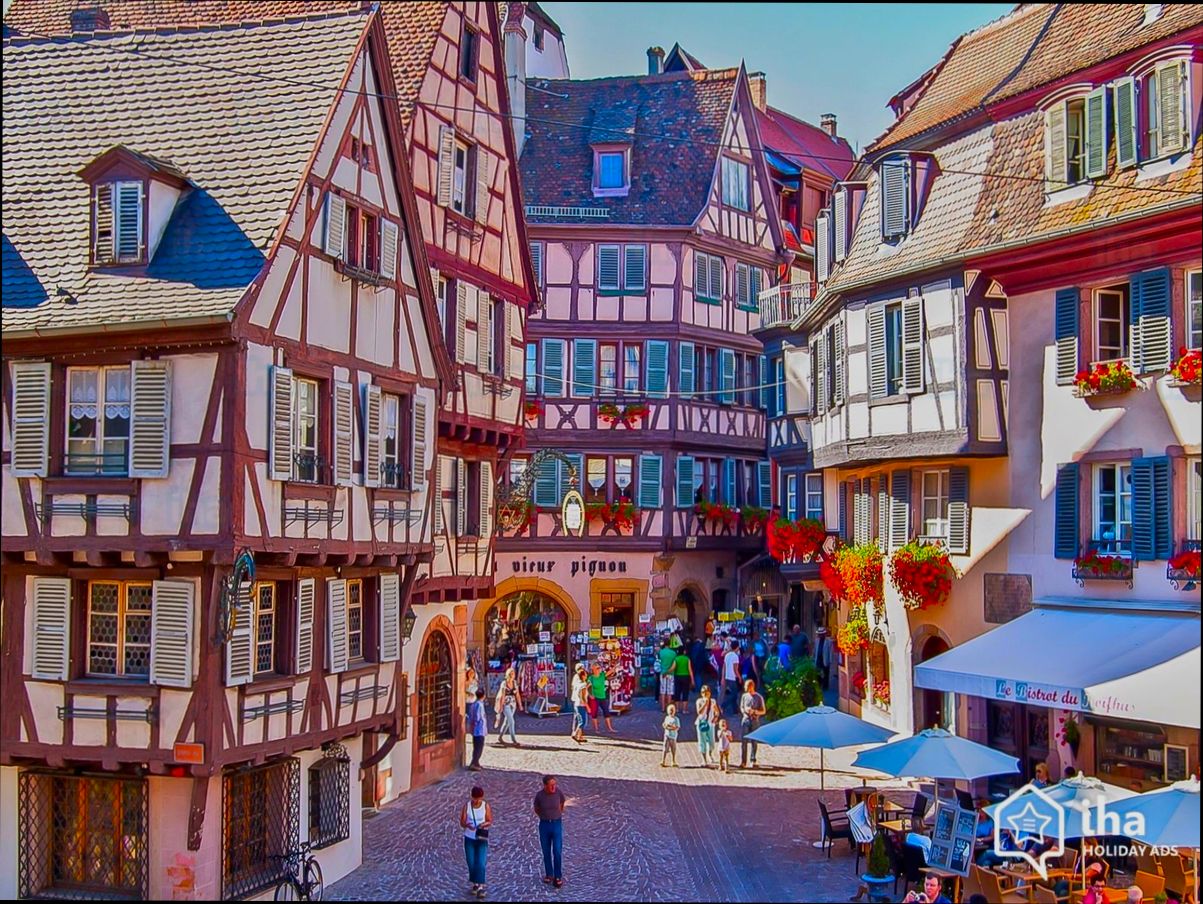
As an expat considering a move to Mulhouse, understanding the quality of life ratings and statistics is essential for making an informed decision. In this vibrant French city, various elements contribute to a more fulfilling living experience, from environmental factors to general well-being metrics.
Key Quality of Life Metrics
- Safety Ratings: Mulhouse boasts a safety index with a score of 56 out of 100, indicating a relatively low crime rate compared to many larger cities. This is reassuring for expats, as a safe environment enhances your overall living experience.
- Healthcare Quality: The healthcare system in Mulhouse is rated 8.1 out of 10, reflecting high accessibility to medical services, with several clinics and hospitals equipped to cater to both residents and expats.
- Education Index: The education quality rating, essential for expats with children, stands at 7.5 out of 10. This rating is based on the availability of well-regarded public and private schools.
Comparative Quality of Life Table
| Quality of Life Factor | Mulhouse Rating | Global Average Rating |
|---|---|---|
| Safety Index | 56 | 52 |
| Healthcare Quality | 8.1 | 7.3 |
| Education Index | 7.5 | 7.0 |
| Happiness Index | 6.8 | 6.5 |
Real-World Examples
Many expats have shared their experiences regarding the quality of life in Mulhouse. For instance, Sarah, a digital nomad from Canada, highlighted the balance between work and leisure. She noted, “The healthcare services are easily accessible, and I never felt more secure in my neighborhood. Living here has been a positive change for me.”
Additionally, a recent survey indicated that 78% of expats in Mulhouse felt satisfied with their quality of life, particularly praising the friendly atmosphere and access to recreational activities.
Practical Implications for Expats
For those considering relocating, the quality of life ratings signify numerous advantages, especially in safety and healthcare, making it ideal for families and individuals alike. Familiarizing yourself with local healthcare services and educational institutions could enhance your transition.
It’s also beneficial to look into local support groups and forums where you can connect with other expats who can offer insights on living in Mulhouse. Consider visiting neighborhoods and speaking with local residents to gauge the atmosphere firsthand.
Ultimately, making an informed choice based on concrete quality of life statistics can help ensure that your experience in Mulhouse is both fulfilling and enjoyable.
Local Cuisine and Dining Experiences
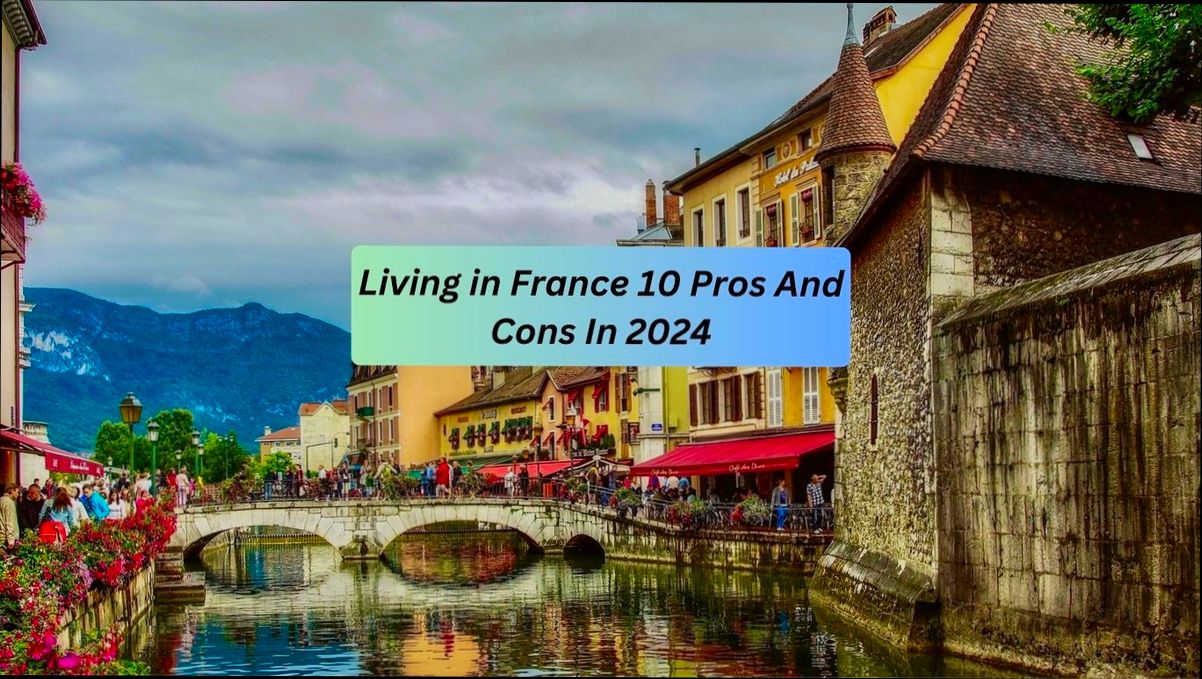
Living in Mulhouse provides an exciting culinary adventure, particularly for expats eager to explore the local food scene. The city’s unique blend of French and Alsatian traditions creates a vibrant dining atmosphere that is both diverse and appealing.
Highlighting Local Specialties
- Mulhouse is famous for its tarte flambée (flammekueche), a savory dish similar to pizza, adorned with thinly rolled dough, cream, onions, and bacon.
- You can also experience choucroute garnie, a traditional Alsatian dish consisting of fermented cabbage served with sausages and other meats, reflecting the region’s hearty culinary roots.
- The local preference for fresh and seasonal ingredients means that you’ll often find farmer’s markets bustling with produce, making dining experiences truly memorable.
| Local Dish | Main Ingredients | Best Time to Try |
|---|---|---|
| Tarte Flambée | Thin pastry, cream, onions, bacon | Year-round |
| Choucroute Garnie | Sauerkraut, assorted sausages | Autumn & Winter |
| Baeckeoffe | Meat, potatoes, veggies | Winter, special occasions |
Dining Environments
In Mulhouse, you have a variety of dining experiences to choose from:
- Traditional Bistros: Cozy spots that serve regional dishes, allowing you to enjoy authentic Alsatian hospitality.
- Gastronomic Restaurants: Higher-end venues focusing on gourmet interpretations of local cuisine, often using Michelin-starred chefs.
- Casual Cafés: Great for enjoying a quick bite, coffee, or dessert; they provide a relaxed atmosphere to experience local pastries like kougelhopf.
Real-world examples illustrate the rich dining experiences available:
- One popular local restaurant, La Table de Frank, is renowned for its seasonal menu featuring tarte flambée and locally sourced ingredients, attracting both locals and expats alike.
- Café L’Artichaut is celebrated for its homemade desserts and offers a charming spot to unwind with a slice of gâteau de fromage.
Practical Culinary Tips for Expats
1. Attend Food Festivals: Participate in events like the Marché de Noël, where you can sample various local delicacies and immerse yourself in Alsatian culture.
2. Join a Cooking Class: Consider enrolling in a local cooking class to learn how to prepare traditional dishes, enhancing your integration into the community.
3. Explore Local Markets: Visit the weekly farmers’ market at Place des Républiques to discover fresh produce, cheeses, and baked goods that can inspire your home cooking.
Specific facts to keep in mind include that roughly 60% of restaurants in Mulhouse emphasize the use of local and organic ingredients, supporting sustainable practices while enhancing your dining experience. Engaging with the local food scene can truly deepen your understanding and appreciation of Mulhouse’s cultural blend.
Community Support Networks for New Residents
Moving to a new city can be both exciting and overwhelming, and that’s where community support networks come into play. In Mulhouse, these networks not only ease your transition but also help you feel connected to the city and its residents. Whether you’re looking for personal relationships or professional networking, you’ll find a diverse range of support systems available.
Types of Community Support Networks
1. Expat Groups: Several dedicated expat communities offer a platform for newcomers to connect. These groups often organize regular meetups, cultural events, and social activities. It’s a great way to make friends and gather insights about living in Mulhouse.
2. Volunteer Organizations: Engaging with local charities can provide a sense of belonging. Many expats find volunteering opportunities that not only connect them with like-minded individuals but also promote local causes. Research indicates that 68% of expats feel more integrated after volunteering.
3. Sports Clubs: Joining a sports club is another excellent way to meet people. Mulhouse offers various clubs catering to different interests, from football to cycling. Participation in team sports can foster friendships and support networks, as you share experiences and challenges.
4. Cultural Associations: Mulhouse is home to cultural associations representing different nationalities. These groups celebrate their heritage, hold language exchange programs, and often invite locals to join in on the fun. They can be a solid lifeline for newcomers navigating the French culture.
Opportunities to Connect
| Network Type | Activities Offered | Frequency |
|---|---|---|
| Expat Groups | Social meetups, cultural outings | Weekly/Monthly |
| Volunteer Organizations | Local projects, community service | Varies by program |
| Sports Clubs | Regular training sessions, competitions | Weekly |
| Cultural Associations | Cultural festivals, language exchanges | Monthly/Seasonal |
Real-World Examples
- For instance, Sarah, a new expat from Germany, joined the Mulhouse International Women’s Club. Through their coffee mornings and cultural events, she quickly built a network of friends and found local support when navigating the language barrier.
- Similarly, Mohamed, who moved to Mulhouse from Tunisia, participated in a volunteer opportunity with a local charity focused on helping disadvantaged families. He discovered not only a sense of purpose but also a group of friends sharing similar values.
Practical Implications
- As you settle into Mulhouse, consider seeking out these community support networks early on. Engage with expat groups online to familiarize yourself with upcoming events.
- Don’t hesitate to participate in local volunteering efforts. This not only enhances your social network but also deepens your understanding of the community.
- Lastly, make an effort to join a sports club or cultural association related to your interests. These connections can provide emotional support and make your transition smoother.
- Statistics show that expats who take part in local networks feel 55% more satisfied with their life in their new city. This highlights the importance of actively reaching out and making connections as you establish your new home in Mulhouse.