Blog

What Fixes are Mandatory After a Home Inspection
What Fixes are Mandatory After a Home Inspection? If you’ve just had a home inspection done and the report is filled with red flags, you might be feeling a mix of excitement and anxiety. Picture this: the inspector notes that the roof is missing several shingles and is at least 15 years old. Or maybe they find hazardous electrical wiring that could pose a fire risk—yikes! It’s crucial to know what repairs are non-negotiable because these issues can impact your safety and finances.

What Happen if You Don't Pay Property Tax
What happens if you don't pay property tax? Well, things can get pretty sticky pretty fast. Imagine waking up one day to find out your cozy family home is on the chopping block because you missed one too many payments. In the U.S., about 1.4 million homes go into tax foreclosure each year, which means local governments are serious about collecting that cash. If you ignore those pesky tax bills long enough, you could find yourself facing a lien on your property, and nobody wants that kind of drama hanging over their head.

What Happens if You Inherit a House with a Reverse Mortgage
What Happens if You Inherit a House with a Reverse Mortgage? Well, it’s a bit of a mixed bag, and it’s essential to know what you're stepping into. Picture this: your beloved Aunt Linda lived in a cozy home valued at $300,000, but she took out a reverse mortgage for $150,000 to tap into her equity for retirement. When she passes away, you find out that the reverse mortgage lender holds the property until the loan is settled. According to the National Council on Aging, about 780,000 Americans utilized reverse mortgages in 2021 alone, making this a pretty common situation.
What Hurts a Home Appraisal
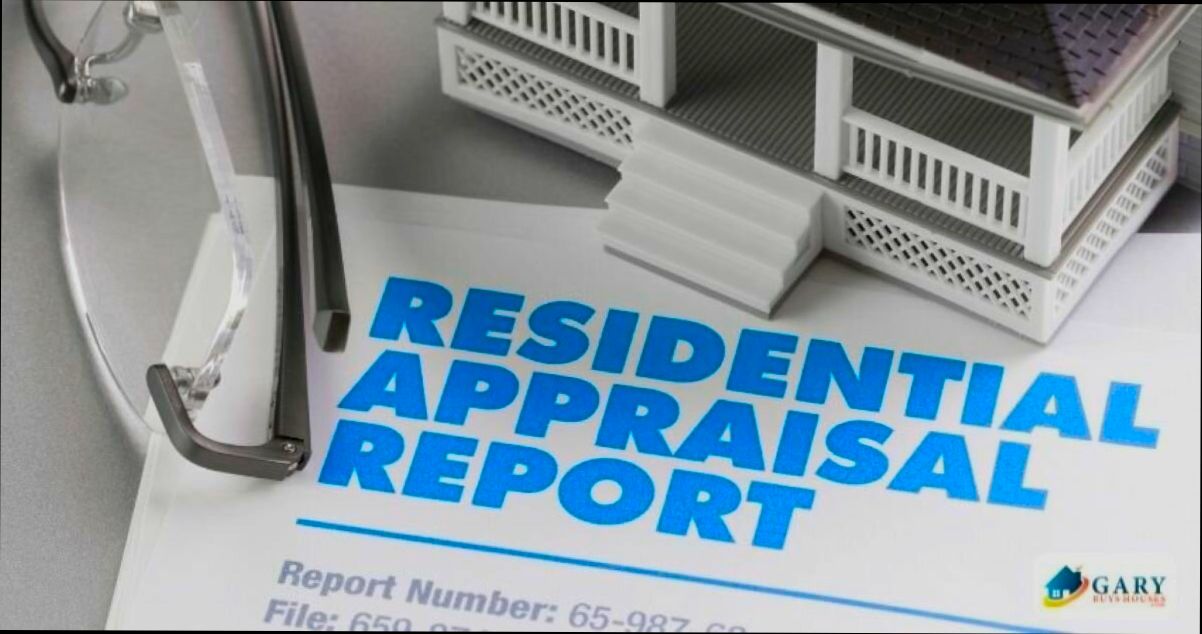
What hurts a home appraisal can feel like a mystery to many homeowners. Picture this: you’ve invested time and money into your property, maybe even renovated a bathroom or upgraded the kitchen. Yet, when the appraiser strolls through, they might overlook those shiny new tiles because your roof is showing significant wear. In fact, a study by Fannie Mae revealed that properties with poor first impressions can lose up to 10% of their appraised value right off the bat. Little things matter, too. If your basement is cluttered or the yard resembles a jungle, appraisers might question how well you've maintained the home overall.
What is 1031 Exchange
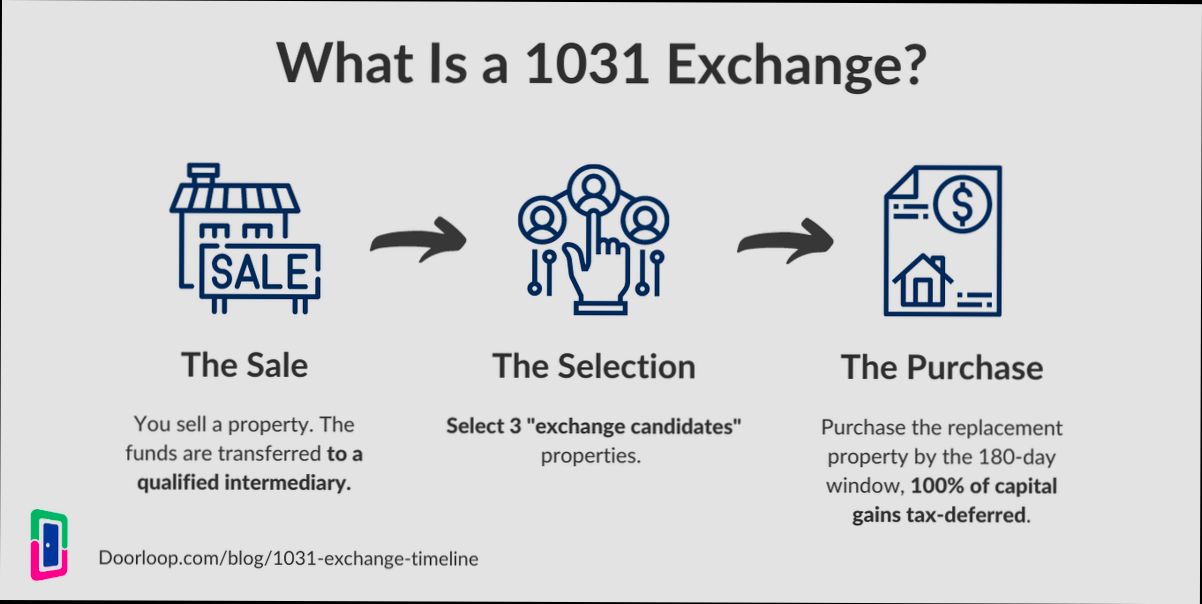
What is 1031 Exchange? It’s a fascinating tax strategy that allows real estate investors to sell a property and reinvest the proceeds into another property while deferring capital gains taxes. Imagine you bought a rental property for $200,000 a decade ago, and now it’s worth $500,000. If you sell it, you could face a hefty capital gains tax bill. But with a 1031 Exchange, you can swap that property for a new one—like a commercial building or a piece of land—and keep your hard-earned cash intact for future investments.
What is a BPO Real Estate
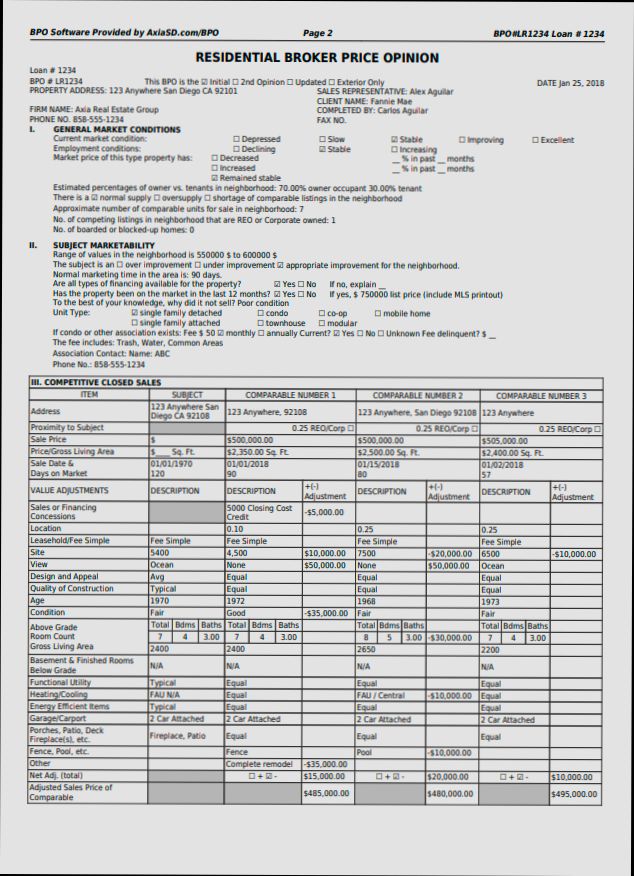
What is a BPO Real Estate? It stands for Broker Price Opinion, and it’s a game-changer in the world of real estate valuations. Think of it as a quick appraisal where real estate agents, not certified appraisers, provide their insight on a property’s value based on comparable sales, current market conditions, and property specifics. A BPO can range from a simple report to a detailed analysis and is often used by lenders, banks, or homeowners looking to understand what a property might sell for without the time and expense of a full appraisal. Interestingly, data shows that BPOs can speed up the decision-making process in short sales or pre-foreclosure situations, often getting insights back in a matter of days rather than weeks.
What is a CMA in Real Estate
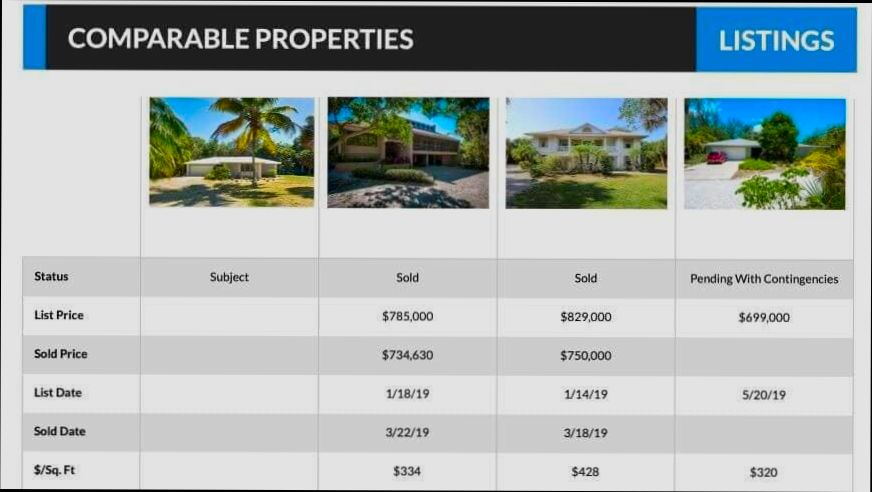
What is a CMA in Real Estate? A Comparative Market Analysis, or CMA, is your secret weapon when it comes to buying or selling a home. Think of it as a snapshot of the current market conditions, helping you understand what similar properties in your neighborhood are selling for. For example, if you’re eyeing a cozy three-bedroom house in Austin, Texas, a well-prepared CMA can show you how much similar homes sold for in the last six months, their pricing trends, and the average days they spent on the market. Knowing that the average sale price for those homes was around $350,000 can make your offer more competitive or prepare you for a potential price negotiation.
What is a CRM in Real Estate
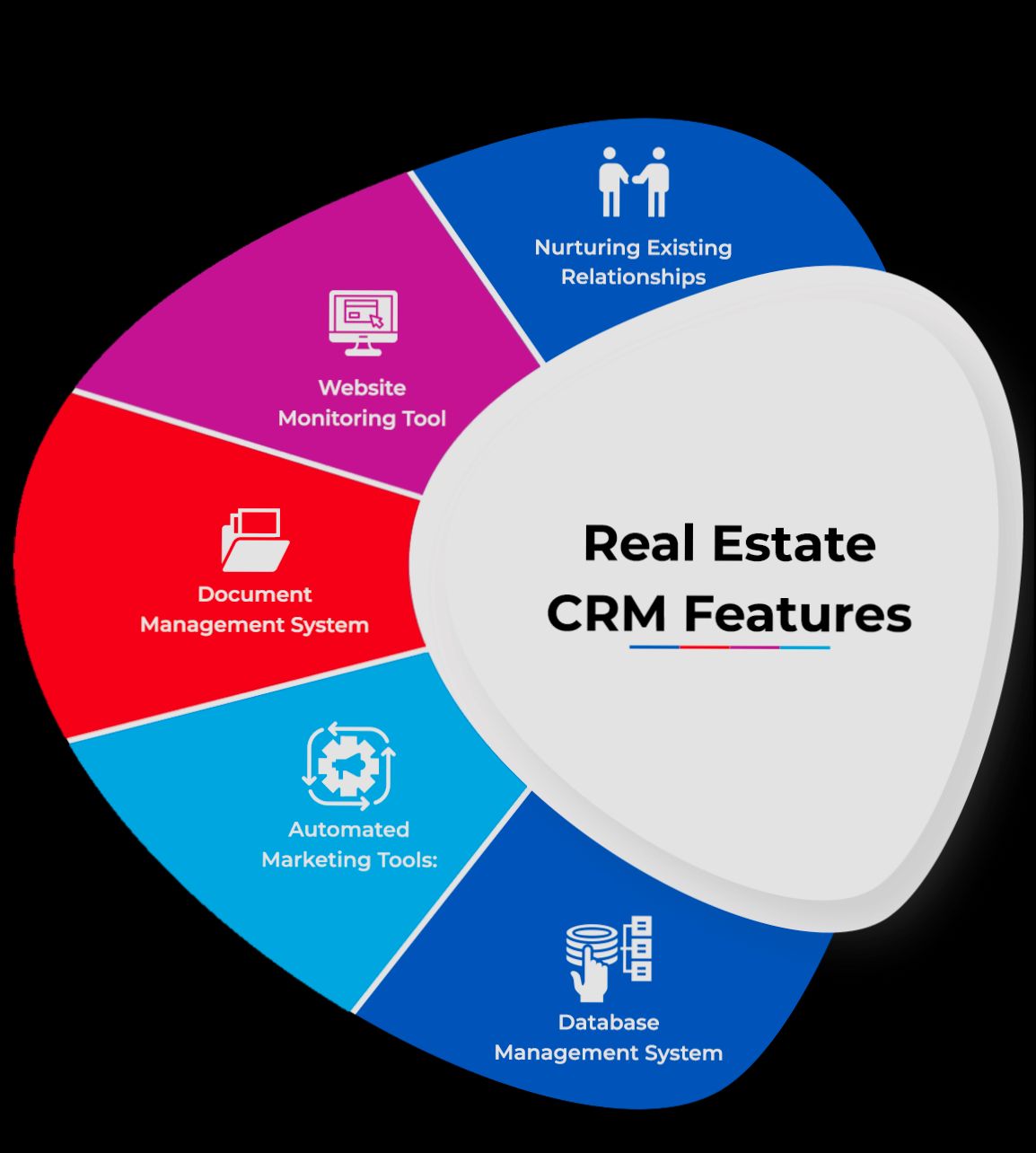
What is a CRM in Real Estate? It's your secret weapon for managing client relationships and maximizing your sales potential. Think of it as your digital hub where all client interactions, property listings, and follow-up tasks come together. For instance, a savvy real estate agent in California might use a CRM to track communications with hundreds of leads, monitoring everything from initial inquiries to property showings. Did you know that over 74% of real estate professionals who use a CRM say it dramatically improves their productivity? That's no coincidence!
Tags