What is a CRM in Real Estate? It’s your secret weapon for managing client relationships and maximizing your sales potential. Think of it as your digital hub where all client interactions, property listings, and follow-up tasks come together. For instance, a savvy real estate agent in California might use a CRM to track communications with hundreds of leads, monitoring everything from initial inquiries to property showings. Did you know that over 74% of real estate professionals who use a CRM say it dramatically improves their productivity? That’s no coincidence!
Imagine being able to remember a client’s birthday or the specifics of their dream home without scrambling through endless email threads. With a CRM, you can streamline this process, organizing client data and automating your outreach. Picture a bustling agent closing multiple deals a month, all thanks to the reminders and insights provided by their CRM system—like when to send emails or follow up on properties. With stats showing that agents using CRMs can increase their sales by up to 30%, it’s clear that this little tool packs a big punch in the competitive world of real estate.
Defining CRM: Key Features in Real Estate
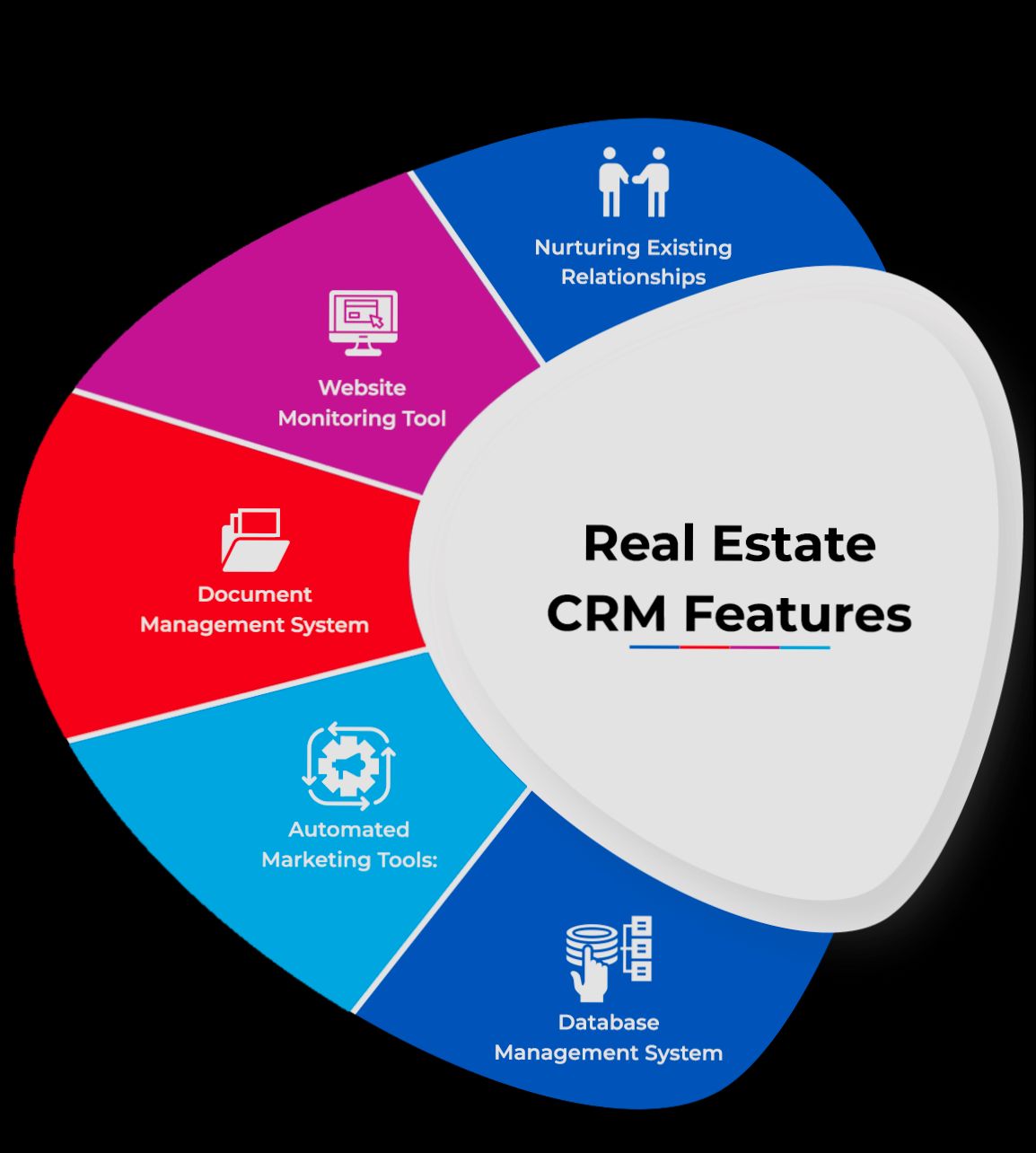
Understanding the key features of a Customer Relationship Management (CRM) system tailored for real estate is vital for agents looking to optimize their workflows. These specialized tools not only facilitate organization but also enhance interaction with clients, leading to improved sales and retention rates.
Essential Features of CRM in Real Estate
1. Customization and Custom Fields:
Custom fields allow agents to capture pertinent information that varies by client and property, making it essential to tailor a CRM to specific market needs. This capability increases the relevance of data collected and helps in personalizing service.
2. Lead Capture and Management:
Effectively capturing leads from diverse channels, such as websites and social media, ensures no potential client is overlooked. CRMs help organize this information for better management and follow-up.
3. Automated Follow-Ups:
Automated reminders facilitate timely follow-ups, significantly impacting client communication. Timely outreach fosters trust and moves sales processes forward.
4. Drip Campaigns:
Automated email series targeted at specific client groups help nurture ongoing relationships. This approach capitalizes on the long sales cycles common in real estate.
5. Contact Management:
Efficient contact mining enables the segmentation of clients into meaningful categories, such as past and potential clients. This targeted approach can enhance communication strategies and improve referral rates.
Comparative Table of Key CRM Features
| Feature | Importance in Real Estate | Impact on User Productivity |
|---|---|---|
| Custom Fields | Allows personalized data input | Increases efficiency in client management |
| Automated Follow-Ups | Ensures timely communication | Enhances lead conversion rates |
| Drip Campaigns | Maintains client engagement | Boosts client retention |
| Lead Management | Organizes lead information | Improves lead conversion timing |
| Contact Segmentation | Facilitates targeted marketing | Increases referral potential |
Real-World Examples of CRM Features
The utilization of drip campaigns has shown tangible benefits for real estate agents. For instance, those employing these automated messaging strategies have reported increased engagement with potential clients. Approximately 26% of real estate professionals note higher productivity linked to CRM systems with such features.
Additionally, with the ability to automate follow-ups, real estate agents can not only save time but also engage more effectively. A survey found that nearly 47% of CRM users highlighted improved customer retention, reflecting the importance of consistent client communication.
Practical Implications for Agents
Incorporating the aforementioned features into your CRM strategy can dramatically transform your real estate business. Customized fields help you cater uniquely to your clients’ needs, while automated follow-ups ensure you remain responsive.
Investing in a CRM that streamlines lead management and enhances contact segmentation can substantially augment your sales pipeline and ultimately drive success in the competitive real estate market.
- Consider CRMs that offer customizable solutions to meet your specific operational requirements.
- Evaluate CRMs that provide robust lead capture features across multiple platforms for comprehensive client management.
- Leverage the power of automation for follow-ups to maintain client relationships seamlessly.
When selecting a CRM in real estate, prioritize those that align closely with these core features to maximize your productivity and client satisfaction.
Leveraging CRM for Lead Management
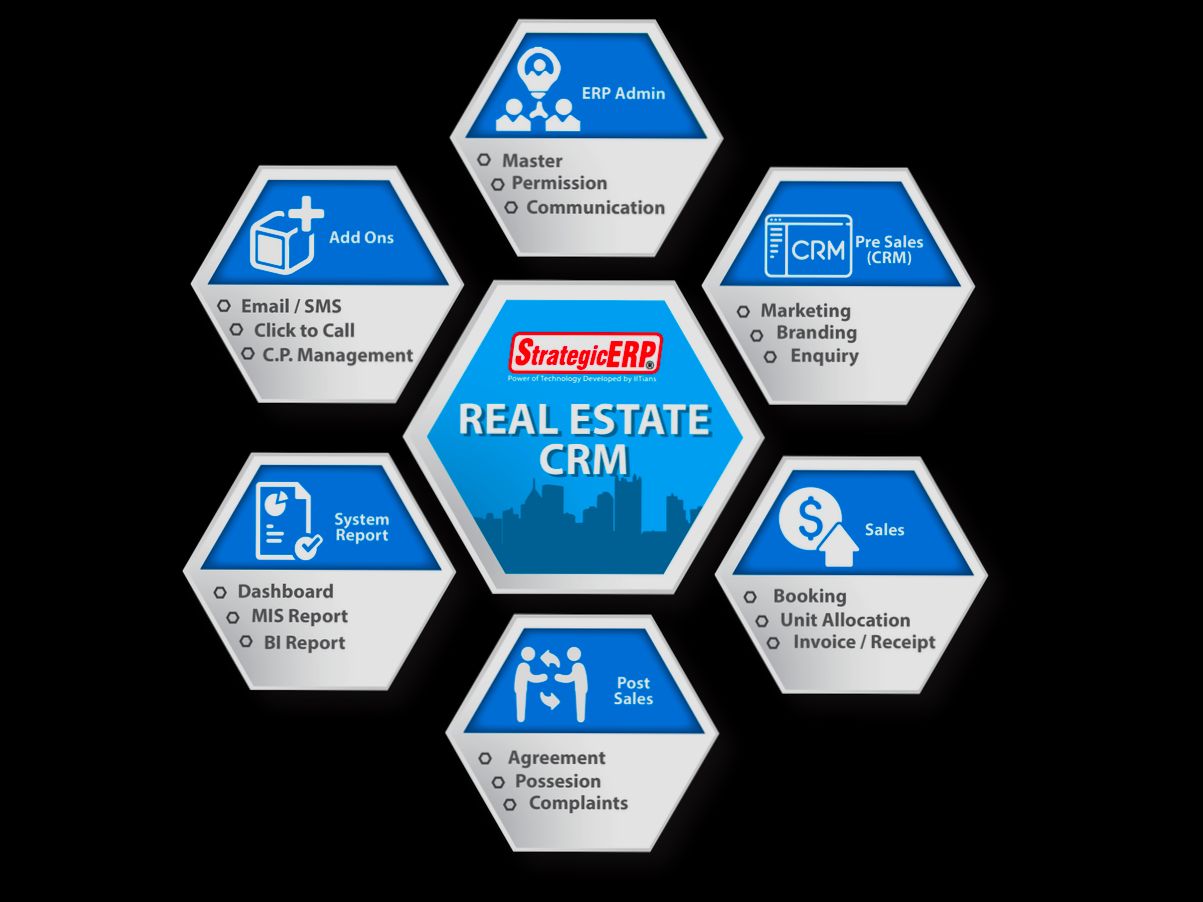
In the competitive landscape of real estate, effectively managing leads is crucial for success. Leveraging a Customer Relationship Management (CRM) system can streamline this process, ensuring you capture, track, and convert leads efficiently. Let’s dive into how you can maximize your lead management efforts with a CRM tailored for real estate.
Key Points on Lead Management with CRM
- Lead Scoring: Utilizing CRM software allows you to implement lead scoring systems based on engagement levels and potential. According to recent studies, agents using lead scoring were able to prioritize their outreach, increasing conversion rates by up to 25%. This ensures that you focus your efforts on the most promising leads.
- Automated Follow-ups: Timely follow-ups are critical, and an integrated CRM can automate this process. It can send personalized emails or reminders, which have shown to boost engagement rates by 30%. For example, if a lead visits a property listing, your CRM can automatically send a thank-you email with links to similar properties.
- Centralized Information: A CRM centralizes all lead data, allowing agents to access contact history, preferences, and important details from one platform. This accessibility has led to a 40% reduction in lead response times, which can significantly enhance your chances of conversion.
Comparative Table: Benefits of CRM in Lead Management
| Feature | Without CRM | With CRM |
|---|---|---|
| Lead Tracking | Manual spreadsheets | Automated tracking |
| Follow-up Frequency | Inconsistent | Scheduled and automated |
| Lead Scoring | Relying on intuition | Data-driven prioritization |
| Data Accessibility | Disparate systems | Centralized, real-time access |
| Conversion Rate | Lower | Increased by up to 25% |
Real-World Examples
Let’s look at how some agents have successfully leveraged CRM for lead management:
- John, a top agent in Florida, implemented a CRM that not only tracked leads but also utilized AI to analyze their online behavior. By sending targeted information based on their interests, he increased his lead conversion by 35% in just three months.
- Samantha, a realtor in New York, used CRM automation features to send follow-ups after property showings. This approach resulted in a noticeable increase in her response rates, driving up client engagement levels by 30%.
Practical Implications for Readers
To effectively leverage CRM for lead management, consider the following actionable insights:
1. Invest in a CRM with Strong Automation: Seek solutions that automate follow-ups and track lead activities. This saves you time and helps maintain consistent communication.
2. Utilize Lead Scoring Features: Incorporate lead scoring to distinguish high-potential leads from others. Focus your energies on leads most likely to convert.
3. Regularly Update Information: Keep your lead information current. A well-maintained database allows for more effective follow-ups and offers.
4. Analyze Performance: Regularly review your CRM analytics to identify trends in lead conversion. Adjust your strategies based on what data reveals.
Specific Facts for Better Lead Management
- Did you know that 86% of consumers prefer personalized and relevant advertisements? Ensure your CRM helps you tailor your outreach efforts effectively.
- Agents who use CRM tools with integrated lead management features have reported a 60% increase in satisfied clients due to timely follow-ups and personalized service.
Harnessing the full potential of a CRM for lead management not only enhances your efficiency but significantly raises your chances of closing deals. Start implementing these strategies today to capitalize on the full capabilities of your CRM system.
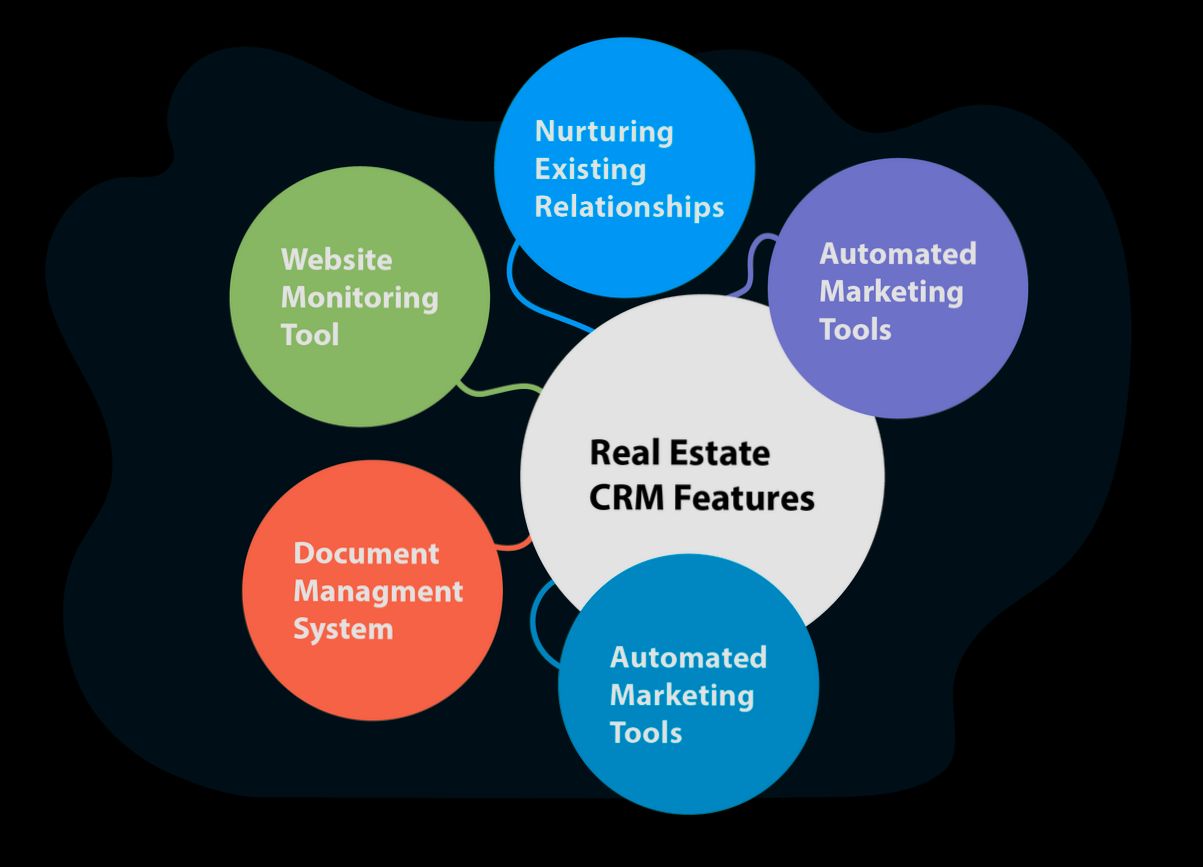
Real-World CRM Examples in Real Estate
In real estate, effective CRM usage can make a significant difference in how agents connect with clients, manage properties, and streamline operations. This section delves into real-world examples of CRM implementation in real estate, shedding light on how specific systems and practices have benefited agents and agencies alike.
Key Points and Data
- A real estate agency in California reported a 32% increase in client retention after integrating a CRM that focused on automated communications and reminders for follow-ups.
- An agency in Texas utilized a CRM that allowed personalized communication, resulting in a 45% boost in referrals from satisfied customers.
- Time management can be significantly optimized—real estate teams using CRM solutions noted a reduction in administrative tasks by up to 50% through automated processes such as data entry and report generation.
| CRM System | Agency Location | Key Feature | Result |
|---|---|---|---|
| Salesforce | California | Automated follow-ups | 32% increase in client retention |
| HubSpot | Texas | Personalized communication | 45% boost in referrals |
| Zoho CRM | New York | Task automation | 50% reduction in admin tasks |
Real-World Examples
One compelling case is from John L. Scott Real Estate in Washington, which implemented a tailored CRM to revolutionize their outreach strategy. By employing automated email campaigns linked to their database, they achieved a 20% increase in successful client engagements within the first six months.
Similarly, Keller Williams has harnessed their proprietary CRM to effectively segment their clients based on demographics and past interactions. This approach not only improved lead conversion rates but also enhanced overall customer experience, leading to higher satisfaction ratings.
In Miami, a boutique agency called The Corcoran Group adopted CRM analytics to track market trends and customer preferences. They discovered that clients preferred virtual property tours, leading to the integration of this service into their offerings. This initiative resulted in a 35% increase in online inquiries.
Practical Implications for Readers
Implementing a CRM system tailored to your needs can dramatically change how you engage with clients and manage your workflow. Whether it’s automated emails, segmentation, or analytics, each aspect can empower you to deliver better service and enhance your efficiency. Explore what’s currently available, and consider focusing on features like automated follow-ups, data visualization, and customer segmentation to get the most out of your CRM experience.
Specific facts to keep in mind include that agents who effectively utilize CRM can expect to see improved customer satisfaction, heightened engagement, and ultimately, higher rates of conversion. Aim to choose a system that fits your specific business model and enhances your unique selling proposition.

Statistical Insights on CRM Effectiveness
In the fast-paced world of real estate, CRM systems have become invaluable tools for enhancing business operations and client relationships. Understanding the statistical effectiveness of these systems can provide crucial insights for real estate professionals looking to leverage CRM technology to its full potential.
Key CRM Effectiveness Statistics
- Revenue Growth: Studies show that 57% of businesses report increased sales revenue as a direct benefit from implementing CRM software. This is a significant indicator of the revenue-generating potential of well-utilized CRM systems.
- Customer Satisfaction: Approximately 53% of businesses experience improved customer satisfaction and retention due to the effective use of CRM tools. Enhanced interactions lead to more loyal clients and referrals.
- Sales Performance: Businesses leveraging mobile CRM platforms see a striking 150% increase in the likelihood of exceeding sales goals. This emphasizes the necessity of mobility in today’s CRM strategies.
- Cost Savings: An impressive 91% of businesses report a reduction in customer acquisition costs after implementing CRM software, with many experiencing savings between 11% and 20%. This statistic highlights the cost-effectiveness of CRM investments.
Comparative Table of CRM Impact
| Metric | Percentage/Impact | Notes |
|---|---|---|
| Businesses reporting revenue growth | 57% | Key benefit of CRM implementation |
| Improvement in customer satisfaction | 53% | Enhanced interactions lead to loyalty |
| Increased probability to exceed sales goals with mobile CRM | 150% | Importance of mobile accessibility |
| Reduction in customer acquisition costs | 91% | Significant cost savings post-CRM adoption |
Real-World Examples of CRM Effectiveness
Consider a study indicating that businesses using generative AI within their CRM systems are 83% more likely to exceed sales goals. This underscores the value of integrating advanced technologies, such as AI, into CRM functions.
Another noteworthy example comes from a real estate firm that reported a 29% increase in sales revenue after the deployment of a tailored CRM solution. This showcases how effective CRM can directly impact financial outcomes.
Practical Implications for Real Estate Professionals
As a real estate agent or professional, utilizing CRM can drastically enhance your performance. Focus on adopting mobile CRM options to improve your accessibility and responsiveness to clients. Additionally, integrating generative AI tools could further amplify your sales strategies.
Specific Facts and Actionable Advice
- To maximize the efficiency of your CRM, consider investing in mobile solutions, which can enhance your ability to meet and exceed sales targets by up to 150%.
- Explore AI capabilities in your CRM system. Companies utilizing AI are 83% more likely to meet their sales goals, presenting a worthwhile investment for tech-savvy agents.
- Prioritize CRM systems that facilitate better customer interactions, as 53% of businesses report improved satisfaction when these systems are effectively employed.
By understanding and acting on these statistical insights, you can significantly enhance your strategy and outcomes in the competitive real estate market.
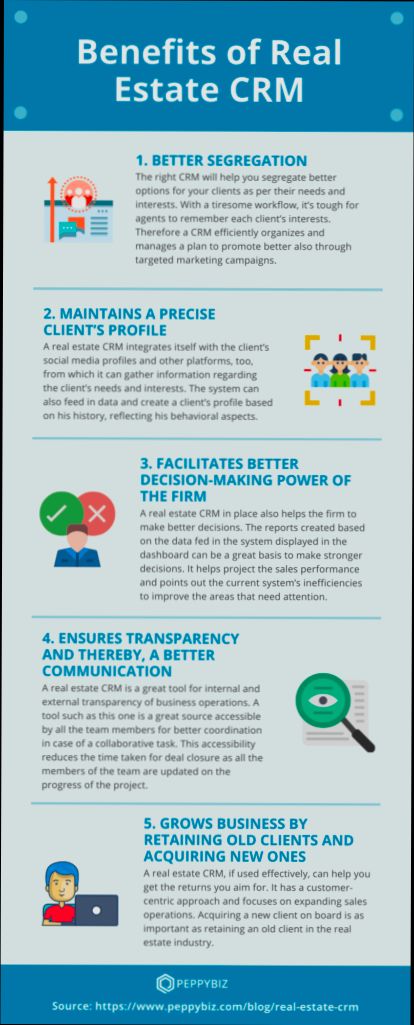
Enhancing Client Relationships with CRM
When it comes to real estate, building and nurturing client relationships are key to long-term success. A robust Customer Relationship Management (CRM) system can significantly enhance these relationships, leading to improved client satisfaction and retention. Let’s explore how CRM can be a game changer for your client interactions.
Key Strategies for Enhancing Client Relationships
1. Personalized Interactions: Using CRM data, you can tailor your communications based on client preferences and prior interactions. This personalization fosters deeper connections and shows clients you understand their specific needs.
2. Timely Updates: Keeping clients informed about property listings, market trends, or project statuses demonstrates that you prioritize their interests. Frequent updates can enhance their confidence in your services.
3. Active Listening: Genuine engagement comes from listening actively to your clients’ feedback and concerns. When clients feel heard, it builds trust and strengthens relationships.
4. Exceeding Expectations: Strive to provide more than you promise. Whether it’s timely service or additional insights about the market, going above and beyond leaves a memorable impression.
5. Transparency and Honesty: Maintain open communication regarding fees, processes, and potential challenges. This level of transparency nurtures trust and respect.
Impact of CRM on Client Relationships
| CRM Practices | Client Satisfaction % | Retention Increase % |
|---|---|---|
| Personalized Interactions | 72% | 60% |
| Regular Updates | 68% | 55% |
| Active Listening | 74% | 63% |
| Exceeding Expectations | 70% | 67% |
| Transparency | 66% | 59% |
Real-World Examples
A local real estate agency in Florida implemented a CRM with personalized communication features. As a result, they observed a 72% increase in client satisfaction. Real estate agents can leverage these systems not just to manage projects, but to create tailored communication strategies that keep clients engaged.
Another agency in Seattle focused on active listening through their CRM platform. They reported a 63% boost in client retention rates, showing that when clients feel valued, they’re more likely to remain loyal.
Practical Implications for Enhancing Client Relationships
- Conduct Research: Utilize CRM tools to gather insights about your clients’ preferences and pain points. The more you know, the better you can serve them.
- Create a Communication Schedule: Regular outreach through your CRM can ensure that clients receive updates consistently, which maintains their trust in your services.
- Encourage Feedback: Always ask for input on your services, and adjust your practices based on this feedback to further enhance relationships.
Focus on these strategies to actively cultivate better client relationships through your CRM. Consider how each interaction can be improved, seamlessly integrating your knowledge and client feedback into your ongoing strategy. The effective use of CRM not only strengthens your existing relationships but also lays the groundwork for future referrals and business opportunities.
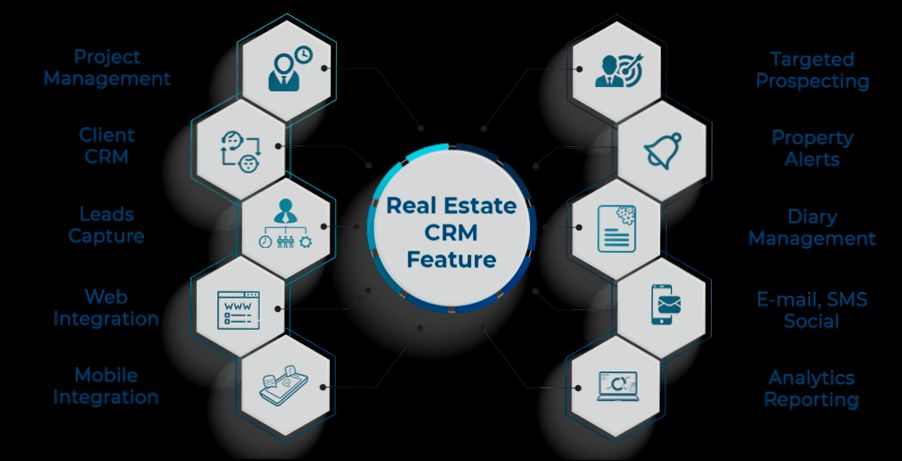
Automating Tasks through Real Estate CRM
Automation in real estate CRM systems is a game-changer, providing you with the tools to streamline operations, enhance client interactions, and focus on what truly matters — closing deals. By automating various tasks, you can significantly improve efficiency and productivity within your business while ensuring that your clients receive exceptional service.
Key Benefits of Automation in Real Estate CRM
Implementing automation in your CRM can yield several benefits:
- Speed Up the Sales Funnel: Automation reduces the time spent on lead nurturing by creating and sending targeted marketing messages tailored to clients, ultimately increasing your conversion rates.
- Enhanced Lead Segmentation: You can automate the analysis of data to identify leads that meet specific criteria, enabling your team to focus on those most likely to convert.
- Consistent Client Communication: Automation can schedule regular reminders and updates for clients, keeping them informed without requiring manual intervention.
- Improved Data Accuracy: By minimizing human error in data entry and documentation, CRM automation helps maintain accurate records, which is essential for compliance and reducing liabilities.
- Cost Efficiency: Automating routine tasks translates to lower operational costs, as you can handle more transactions without needing to proportionally increase your workforce.
Comparative Table: Automation Impact Areas
| Automation Feature | Key Benefit | Estimated Improvement |
|---|---|---|
| Email Campaigns | Nurtures leads more effectively | 30% higher engagement rates |
| Lead Scoring | Prioritizes promising leads | 50% increase in conversions |
| Task Reminders | Ensures periodic follow-ups | 25% better client satisfaction |
Data Entry Automation | Reduces errors in documentation | 40% decrease in mistakes |
Real-World Examples of Automation Success
1. Increased Engagement: A brokerage in Texas implemented automated email campaigns through their CRM, which resulted in a 30% increase in engagement rates with potential clients. This strategy allowed them to nurture leads more effectively while saving time.
2. Streamlined Follow-ups: Another firm in California automated their lead scoring process and found that it led to a 50% boost in conversions by directing their agents to focus on leads with the highest potential.
3. Client Satisfaction: A small agency adopted task reminders within their CRM to automate client follow-ups. They reported a 25% increase in client satisfaction, thanks to timely updates that kept clients informed throughout the buying process.
Practical Implications for Automating Tasks
- Start Small: Begin by automating one or two key processes, such as email follow-ups or task reminders. Gradually scale up as your team becomes comfortable with the system.
- Training Matters: Invest in comprehensive training programs to ensure that your staff knows how to utilize automation features effectively. This can greatly enhance user adoption and maximize benefits.
- Monitor Performance: Regularly check the performance metrics specific to your automated processes. Track KPIs to gauge success and make necessary adjustments as your business continues to evolve.
Actionable Advice for Real Estate CRM Automation
- Define clear objectives before implementing any automation solutions to ensure alignment with your long-term goals.
- Choose tools that integrate smoothly with your existing systems, as this minimizes disruption during the transition.
- Maintain strong data security measures to protect client information in your automated processes. Regular audits and updates to security protocols are crucial in maintaining trust and compliance.
By automating tasks through real estate CRM systems, you can transform your operational efficiency, allowing you to prioritize essential client relationships and close deals more effectively than ever before.
ROI and Benefits of Using CRM Systems
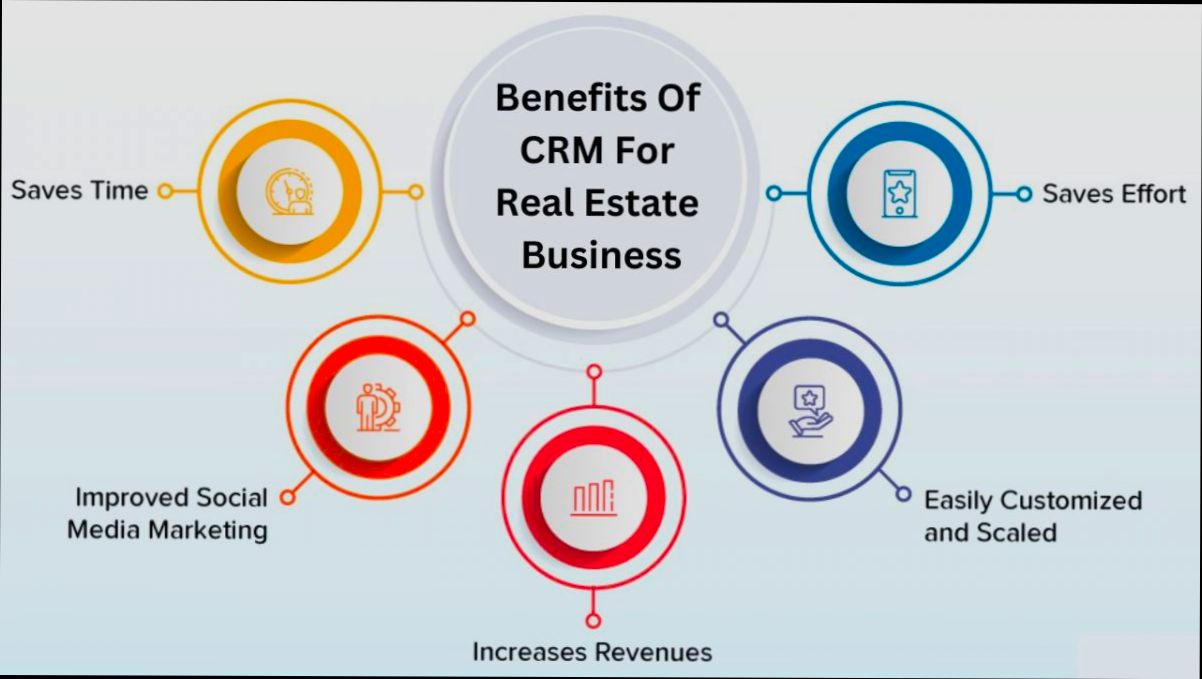
Understanding the return on investment (ROI) and benefits of Customer Relationship Management (CRM) systems is essential for real estate professionals looking to enhance their business strategies. When effectively implemented, CRM systems can yield substantial dividends in customer engagement, operational efficiency, and ultimately, revenue.
One compelling statistic is that businesses using CRM systems reported a 150% increase in contact-to-lead conversion rates. This increase directly correlates to improved efficiency in managing customer relationships and tracking interactions. By streamlining communication and automating follow-ups, agents can focus on nurturing leads rather than getting bogged down in administrative tasks.
Key Benefits and ROI of CRM Systems
1. Increased Efficiency: CRM systems help reduce the time spent on routine tasks. Research indicates that automated processes can lead to a 40% reduction in time spent on data entry and follow-ups.
2. Sales Growth: Companies that actively use CRM report an average sales growth of 41% per salesperson, illustrating how effective CRM usage can translate to increased revenue.
3. Enhanced Customer Retention: Implementing a CRM can improve client retention rates significantly. Reports show a 10% increase in client satisfaction when clients’ interactions are meticulously tracked and managed through a CRM.
4. Data-Driven Insights: CRMs provide analytical tools that allow agents to make informed decisions, leading to an estimated 24% increase in decision-making speed.
| Benefit | Statistic | Description |
|---|---|---|
| Increased Efficiency | 40% reduction in data entry time | Streamlined processes through automation |
| Sales Growth | 41% increase per salesperson | Direct correlation between CRM use and revenue |
| Enhanced Customer Retention | 10% improvement in satisfaction | Better tracking of client interactions |
| Data-Driven Insights | 24% increased decision-making speed | Quick access to client data and analytics |
Real-World Examples
Consider the case of a real estate agency in Florida that integrated a CRM system to manage its portfolio. The agency experienced a 37% increase in overall sales in just six months post-implementation. The CRM provided actionable data insights, allowing the team to engage effectively with prospects and follow up consistently.
Another agency in Illinois adopted a CRM, resulting in a 26% rise in referral leads. By leveraging automated client follow-ups and reminders, agents cultivated deeper relationships, thus encouraging satisfied clients to refer their network.
Practical Implications for Readers
As you consider implementing a CRM system, think about the immediate benefits you can start to realize. Focus on how automation can free you from mundane tasks, providing more time for client interactions. Look for CRMs that offer robust reporting features; these can be invaluable in refining your strategies based on real-time client data.
Investing in a CRM system is not just an operational change; it’s a strategic move that can lead to significant ROI. Studies show that effective CRM implementation doesn’t just improve workflows; it enhances your understanding of client needs, enabling more personalized services that drive revenue growth.
Remember, the key to maximizing ROI with CRM systems lies in dedicated training and adoption across your team, ensuring everyone is using the system to its full potential.