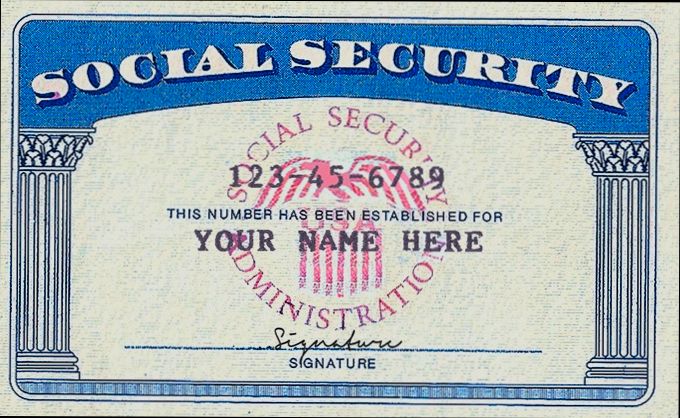
What is Social Security Number and How to Get It? If you’ve ever started a job or tried to apply for a credit card, you’ve likely encountered the term “Social Security Number” (SSN). This vital nine-digit number, issued by the Social Security Administration, plays a key role in our daily lives, from tracking your earnings to determining benefits in retirement. In fact, around 93% of Americans have an SSN, making it a pretty essential part of navigating the financial world. Picture this: when you go to buy a car or even get a cell phone plan, that simple SSN helps verify your identity and creditworthiness, acting like your personal identification badge in the vast NFL playing field of economics.
Getting your Social Security Number is usually straightforward, but it’s not a one-size-fits-all process. For U.S. citizens, applying is as easy as visiting your local Social Security office or filling out an online application. If you’re an immigrant, the steps vary—some need to provide additional documents, like work visas or proof of citizenship, before they can snag that coveted number. In 2022 alone, the SSA issued over 16 million SSNs, highlighting just how crucial this number is for millions of people starting fresh in the U.S. So, whether you’re a newbie entering the workforce or a seasoned pro looking to make your next big move, understanding how to get your SSN is a lot more important than you might think.

Understanding the Purpose of Social Security Numbers
When we talk about Social Security Numbers (SSNs), it’s essential to grasp their core purpose. Initially created to track earnings and benefits for those contributing to Social Security, SSNs have evolved into critical identifiers in multiple facets of daily life. Let’s delve into the specific roles these numbers play in society.
Core Functions of SSNs
Social Security Numbers serve a variety of essential functions beyond tracking Social Security contributions:
- Tax Identification: The IRS uses SSNs to track individual tax records, ensuring correct tax reporting and collection. According to historical data, in 1962, the IRS began using SSNs for federal tax reporting, solidifying its role as a tax identifier.
- Identity Verification: Governmental and financial institutions utilize SSNs for identity verification. This begins early in life; for instance, by 1972, legislation mandated SSA to assign SSNs to noncitizens upon entry to the U.S., facilitating their identification for tax purposes.
- Eligibility for Benefits: Many social programs now require an SSN to confirm eligibility. Notably, in 1975, it became a condition for federal benefits, spanning programs like Medicare and Social Security.
Comparative Table of SSN Uses Over Time
| Year | Requirement |
|---|---|
| 1943 | All federal agencies must use SSNs for new systems. |
| 1961 | Civil Service adopts SSN to identify federal employees. |
| 1975 | SSN required for all federal benefit eligibility. |
| 1996 | Welfare reform mandates that SSNs appear on various official documents. |
| 2004 | SSN verification is mandated for voter registration. |
Real-World Examples of SSNs in Action
One striking historical anecdote involves the rapid issuance of SSNs that began in November 1936, with over 25 million numbers assigned within three months. These numbers are crucial for affirming an individual’s identity in governmental records.
Additionally, by the late 1980s, various legal stipulations required the disclosure of SSNs for numerous public services; this included eligibility checks for the school lunch program in 1981 and the Food Stamp program in 1977. These examples illustrate the SSN’s intertwined nature with vital social services.
Practical Implications for Readers
For anyone navigating the world of identification and social services, it’s crucial to understand that your SSN is more than just a number; it’s a key that unlocks access to essential benefits and services. Here are a few practical points to consider:
- Ensure your SSN is kept confidential to prevent identity theft.
- Understand that you may be required to provide your SSN for various applications, including loans, credit, and governmental services.
- Familiarize yourself with the implications of SSN usage in relation to your financial and social service needs.
Specific Facts about SSNs
Here are a couple of further insights about SSNs to remember:
- The SSA has issued over 450 million SSNs since the program’s inception, demonstrating how integrated this system has become across the U.S. landscape.
- By 2008, revisions in executive orders clarified the context in which federal agencies should utilize SSNs, reinforcing its role as a de facto national identification number.
Understanding the purpose of Social Security Numbers is essential for effectively navigating the complexities of modern identity verification and accessing crucial social services.
Statistics on Social Security Number Issuance
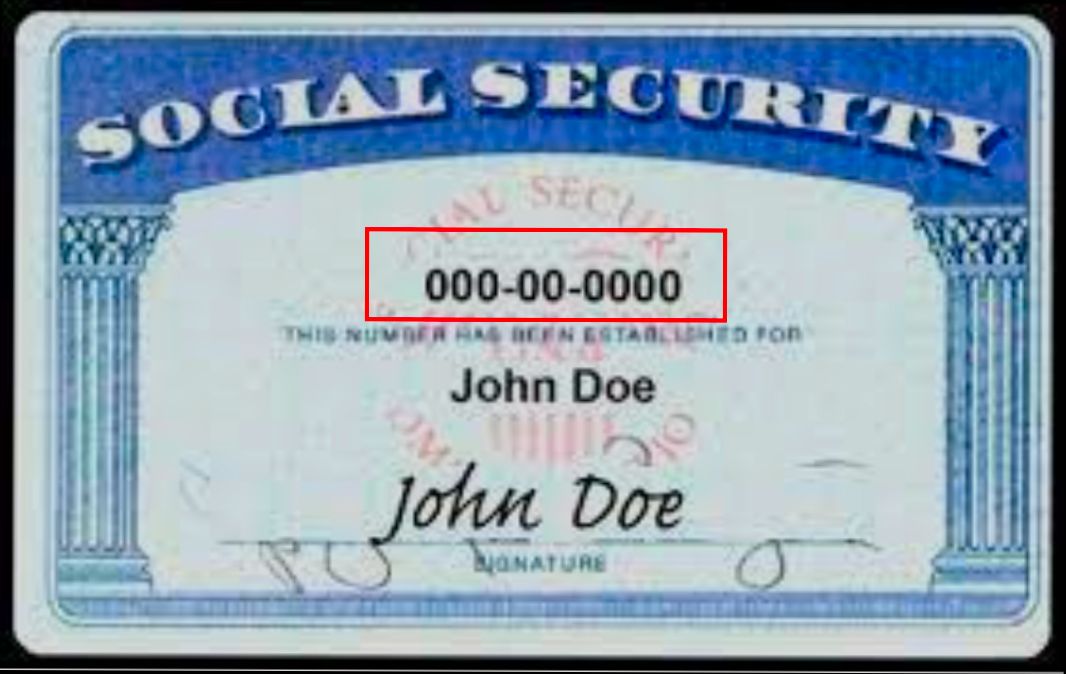
When exploring Social Security Numbers (SSNs), it’s essential to look at the statistics surrounding their issuance. This data highlights the broad scope of beneficiaries and the financial support provided through these numbers, painting a detailed picture of how SSNs impact millions in the United States.
Key Statistics
- As of the latest data, there are approximately 73,036 thousand beneficiaries of Social Security, which includes individuals receiving Social Security benefits only, Supplemental Security Income (SSI) only, or both.
- Among these beneficiaries:
- 65,644 thousand receive Social Security benefits exclusively.
- 4,871 thousand are on SSI exclusively.
- 2,522 thousand receive both Social Security and SSI.
Beneficiary Breakdown
Digging deeper into the demographics reveals interesting information:
| Type of beneficiary | Total | Social Security only | SSI only | Both Social Security and SSI |
|---|---|---|---|---|
| All beneficiaries | 73,036 | 65,644 | 4,871 | 2,522 |
| Aged 65 or older | 56,208 | 53,738 | 1,067 | 1,403 |
| Disabled, under age 65 | 11,296 | 6,374 | 3,804 | 1,119 |
| Other | 5,532 | 5,532 | . | . |
Real-World Examples
The data indicates that the largest group of beneficiaries, about 60,272 thousand, are classified under Old-Age and Survivors Insurance, which accounts for 87.9% of all recipients. Among them:
- 54,527 thousand are receiving retirement benefits, showcasing the reliance on SSNs for income during retirement.
- Additionally, there are around 5,745 thousand individuals benefiting from survivor benefits, reflecting the importance of SSNs for families affected by the loss of a wage earner.
Practical Implications
Understanding these statistics is vital for those navigating the Social Security system. If you or a loved one are nearing retirement age or considering applying for benefits due to disability, it’s important to recognize that millions rely on these programs. The statistics also emphasize:
- The need for accurate record-keeping when applying for SSNs and benefits.
- The substantial financial support available for the aged and disabled populations, which is a critical component of personal financial planning.
Actionable Facts
- When applying for an SSN or any related benefits, ensure that your records are updated and accurate, as even small discrepancies can lead to delays or denied claims.
- If you find yourself eligible for both Social Security benefits and SSI, understanding how to navigate dual entitlements can maximize your benefits significantly.
By focusing on these statistics and their implications, you can make informed decisions related to your Social Security benefits and better understand how the issuance of SSNs plays a critical role in financial support across various demographic groups.
Step-by-Step Guide to Obtaining Your SSN
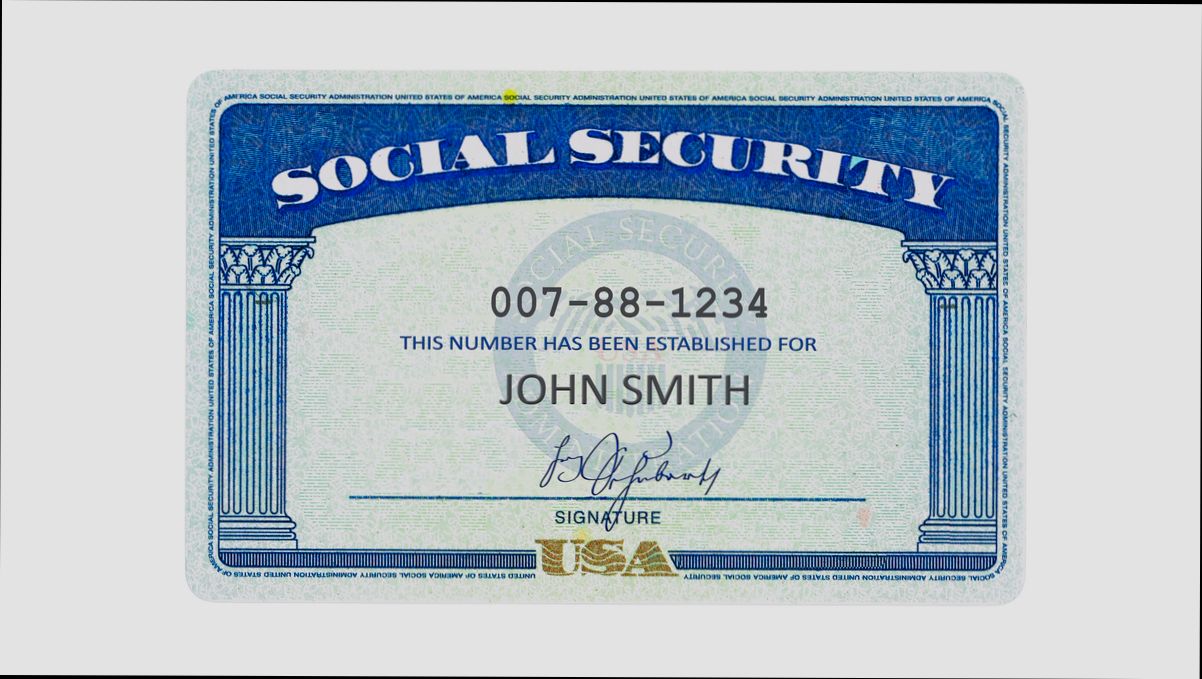
Getting your Social Security Number (SSN) is a straightforward process, but there are some crucial steps and details to keep in mind. This guide will walk you through the specific actions you need to take.
Step 1: Gather Required Documents
Before you start the application process, make sure you have the necessary documents on hand. You will typically need:
- Proof of Identity: This could be your U.S. passport, driver’s license, or state-issued ID.
- Proof of Age: A birth certificate suffices for most applicants.
- Immigration Documents: If you are a non-citizen, you will need your immigration papers.
Step 2: Complete the Application Form
Next, fill out the Form SS-5, which is the application for a Social Security card. You can download this form from the Social Security Administration (SSA) website or obtain one from your local SSA office.
- Remember: Ensure all information is accurate to avoid delays. Mistakes in your application can lead to a prolonged process.
Step 3: Submit Your Application
You can submit your application in person or by mail. Here’s how:
- In-Person: Visit the nearest SSA office and bring your completed Form SS-5 along with your original documents.
- By Mail: If you’re mailing your application, ensure you include your original documents and send them to your local SSA office.
Step 4: Await Your SSN
The processing time for your SSN can vary:
- Typically, it takes about 10 to 14 days to receive your card by mail once your application is approved.
- In some cases, it may take longer, so be patient and keep track of your application status if needed.
| Method of Application | Processing Time | Example ID Needed |
|---|---|---|
| In-Person | 10-14 days | U.S. passport or state ID |
| By Mail | 10-30 days | Birth certificate |
Real-World Example
Consider the scenario of Maria, a new resident in the U.S. She needed her SSN to start working. By collecting her passport, birth certificate, and immigration documents, she successfully navigated the application process. After submitting her Form SS-5 in person, she received her SSN within 12 days, allowing her to secure her job without delay.
Practical Implications
Having your SSN is essential for various aspects of daily life, including employment, tax reporting, and even accessing healthcare. As you embark on your application journey, pay attention to details in your documentation and follow the steps outlined here.
Additional Tips
- If you’re applying for an SSN for a child, you’ll also need to provide proof of the child’s identity and, sometimes, the parents’ SSNs.
- Always keep copies of your submitted documents for your records.
- If you encounter issues, the SSA has a helpline you can contact for assistance.

Real-World Applications of Social Security Numbers
Navigating the landscape of Social Security Numbers (SSNs) can be a real eye-opener when you see their real-world applications. While often associated with benefits or tax obligations, SSNs serve vital roles in various sectors that impact daily life. Let’s explore some compelling ways SSNs are utilized and how they relate to you.
Key Applications of SSNs
1. Credit Reporting: Lenders and credit agencies use SSNs to pull your credit report. This is essential for determining your creditworthiness when applying for loans, credit cards, or renting a home.
2. Employment Verification: Employers rely on SSNs to perform background checks, ensuring that prospective employees are authorized to work in the U.S.
3. Banking Services: Banks require your SSN to open accounts, apply for mortgages, or obtain loans, as it helps verify your identity and ensures compliance with federal regulations.
4. Government Services: Various government programs, like Medicaid and unemployment benefits, require SSNs for eligibility verification and to track benefits received.
| Application Area | Purpose | Impact on Citizens |
|---|---|---|
| Credit Reporting | Assessing creditworthiness | Affects loan approvals |
| Employment Verification | Confirming work eligibility | Influences hiring decisions |
| Banking Services | Identity verification for financial transactions | Enhances security and compliance |
| Government Services | Eligibility for federal programs | Ensures access to benefits |
Real-World Examples
- Banking Transactions: Imagine you’re applying for a mortgage. Your lender requests your SSN to pull your credit report and verify your financial standing. This step is crucial since it impacts your interest rates and the terms of your loan.
- Job Applications: If you’ve ever applied for a job, your potential employer likely requested your SSN for a background check. An employer’s ability to confirm your identity and work eligibility is vital in compliance with labor laws.
- Social Safety Nets: Individuals applying for Medicaid or food assistance programs must provide their SSNs. These numbers help track the benefits you receive, ensuring that resources are allocated fairly and appropriately.
Practical Implications for You
Understanding these applications can help you navigate your interactions with financial institutions and the workforce more effectively. For instance, when applying for a mortgage or a new job, being aware that your SSN will be pivotal can prepare you for what to expect.
- Credit Checks: Always ensure that your credit report is accurate. A wrong entry related to your SSN can affect your chances of getting credit.
- Job Market Awareness: Be prepared to disclose your SSN during interviews or applications as part of the verification process.
Specific Facts or Actionable Advice
- Monitor Your Credit Report: Regularly check your credit report, as discrepancies associated with your SSN can impact your financial health. You’re entitled to one free credit report per year from each of the three credit bureaus.
- Secure Your SSN: Only share your SSN when absolutely necessary. This helps protect you from identity theft and unauthorized access to your personal information.
- Understand the Application Process: Be ready for how your SSN will be used when engaging with banks, employers, and government agencies to streamline your applications.
By grasping how SSNs function in the real world, you can better manage your personal and financial affairs.

Benefits of Having a Social Security Number
Having a Social Security Number (SSN) is more than just a string of digits; it’s your key to participating in various aspects of life in the U.S. From accessing financial services to qualifying for specific benefits, having an SSN offers numerous advantages.
Access to Credit and Loans
One of the primary benefits of possessing a Social Security Number is gaining access to credit. Without an SSN, it can be challenging to build a credit history. Here’s how it helps:
- Credit Score Development: Your SSN allows lenders to track your credit activities, helping in building your credit score over time.
- Loan Approvals: Lenders often require an SSN for personal loans and mortgages. Over 80% of loan applications necessitate an SSN for processing.
Employment Opportunities
Your SSN plays a crucial role in securing employment. Here’s what you need to know:
- Eligibility Verification: Employers use your SSN to verify your eligibility to work in the U.S. This step is critical as more than 60% of job postings now require an SSN for background checks.
- Tax Reporting: When you earn income, your employer reports it to the IRS using your SSN. This ensures accurate tax reporting and compliance with federal regulations.
Access to Government Benefits
Social Security Numbers are essential for accessing various government services and benefits. Some key aspects include:
- Social Security Benefits: If you’ve paid into Social Security, your SSN is crucial for tracking your eligibility for retirement and disability benefits.
- Medicare: Eligibility for Medicare health insurance plans requires an SSN, providing coverage for millions of Americans aged 65 and older.
Real-World Application and Impact
The benefits of having an SSN can be illustrated through real-world scenarios. For example, after getting a job, John found that his employer set up direct deposit for his paycheck, but he had to provide his SSN first to ensure accurate payment processing. Without it, he would miss out on timely transactions.
| Benefit | Description | Impact on Individuals |
|---|---|---|
| Access to Credit | Enables credit score development and loan approvals | Critical for personal finance and major purchases |
| Employment Verification | Confirms work eligibility for employers | Enhances job security and income generation |
| Government Benefits Access | Access to Social Security and Medicare | Provides financial safety and security in retirement |
Practical Implications
Here are some actionable insights regarding the benefits of having a Social Security Number:
- Apply While Young: It’s wise to apply for your child’s SSN soon after birth as it can lead to early establishment of credit.
- Use it for Financial Planning: Having an SSN allows you to engage in effective financial planning, including saving for retirement through controlled contributions and investments.
- Stay Organized: Keep your SSN documentation safe. This will protect you from identity theft, which can complicate accessing all the benefits associated with your SSN.
SSNs streamline various processes and allow access to essential services, shaping a foundation for financial stability and opportunity.
Security Concerns Surrounding Social Security Numbers
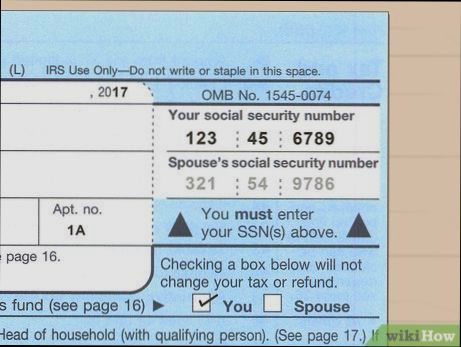
In today’s digital landscape, the security of Social Security Numbers (SSNs) is paramount. With an increasing number of identity theft cases and data breaches, understanding the risks associated with SSNs is crucial for individuals and organizations alike.
Key Security Issues
The increasing prevalence of phishing attacks and data breaches has highlighted significant security concerns related to SSNs. Here are some key issues to consider:
- Identity Theft: It’s estimated that identity theft incidents involving SSNs have surged, affecting millions. Approximately 13 million victims are reported annually in the U.S., where unauthorized access to an SSN can lead to fraudulent activities ranging from credit card fraud to mortgage scams.
- Data Breaches: Major corporations holding sensitive data have faced breaches, often exposing SSNs. In 2020 alone, there were approximately 1,001 publicly reported data breaches, leading to the exposure of over 155 million records that included sensitive information.
- Phishing Scams: Cybercriminals frequently use phishing techniques to trick individuals into providing their SSNs. A survey indicated that about 30% of Americans have received phishing emails or texts designed to steal personal information, including SSNs.
Comparative Vulnerability Table
| Threat Type | Statistics | Common Repercussions |
|---|---|---|
| Identity Theft | 13 million victims annually | Financial loss, credit damage, legal issues |
| Data Breaches | 1,001 breaches in 2020 | Exposure of personal information, trust erosion |
| Phishing Attempts | 30% of Americans targeted | Loss of sensitive data, unauthorized transactions |
Real-World Examples
One notable example includes the Equifax data breach in 2017, which exposed the personal information of approximately 147 million people, including countless SSNs. This breach not only highlighted vulnerabilities in data security practices but also led to significant financial losses for victims attempting to recover their identities.
Another case is the identity theft of a military veteran where cybercriminals successfully obtained his SSN through phishing. They went on to open credit accounts in his name, resulting in a long battle to restore his credit score and personal finances.
Practical Implications
Understanding these security concerns can help you take necessary precautions. Here are some actionable insights:
- Monitor Your Accounts: Regularly check your bank and credit card accounts for unauthorized transactions.
- Use Two-Factor Authentication: Whenever possible, enable two-factor authentication for accounts that store sensitive information.
- Limit Sharing Your SSN: Be mindful of when and where you provide your SSN; only share it when absolutely necessary.
Actionable Advice
- Consider using a reputable identity theft protection service to monitor the use of your SSN. Around 9 million Americans fall victim to identity fraud each year, making it a worthwhile investment.
- If you suspect your SSN has been compromised, act immediately by placing a fraud alert on your credit report to alert lenders to take extra precaution before extending credit.
Social Security Number for Non-Citizens and Immigrants
Navigating the process of obtaining a Social Security Number (SSN) as a non-citizen or immigrant can be complex yet essential for participating in U.S. social and economic systems. This section dives into the unique aspects and statistics surrounding SSNs for non-citizens and immigrants.
Eligibility for Social Security Numbers
Non-citizens and immigrants can obtain an SSN under specific circumstances, primarily tied to their immigration status. Here are key points to consider:
- Work Authorization: Non-citizens must hold valid work authorization to receive an SSN. This includes those with visas for employment or lawful permanent residency.
- Application Process: Non-citizens need to apply in person at a Social Security Administration (SSA) office. Required documents typically include a passport, visa, and employment authorization.
Statistics Highlighting Non-Citizen SSN Recipients
The data sheds light on the demographics of non-citizens who receive Social Security benefits. For example:
- In 2021, there were approximately 365,714 non-citizen recipients of Supplemental Security Income (SSI), which constitutes about 4.8% of the total SSI population.
- Out of this group, a significant portion, 54.6%, relied on Social Security as a primary income source.
Demographics of Non-Citizen Beneficiaries
The following table illustrates the demographics of non-citizen beneficiaries in terms of age and living arrangements:
| Age Group | Number of Non-Citizen Recipients | Percentage |
|---|---|---|
| Under 18 | 2,111 | 0.6% |
| 18–64 | 85,191 | 23.3% |
| 65 or older | 157,293 | 43.0% |
| Total | 365,714 | 100.0% |
Real-World Examples of Non-Citizen SSN Holders
Real-world cases illustrate the critical role that SSNs play for non-citizens and immigrants:
- In California, over 113,369 non-citizens receive SSI benefits, highlighting the dependence on this program among immigrant populations.
- Florida shows a significant enrollment with 45,504 non-citizen SSI recipients, emphasizing the varied demographic distribution across states.
Practical Implications for Non-Citizen Applicants
Understanding the importance of the SSN is vital:
- Access to Benefits: Without an SSN, non-citizens may miss out on critical federal benefits like Social Security and SSI, which can be crucial for financial security.
- Job Opportunities: An SSN is essential for legitimate employment within the U.S., enabling non-citizens to engage in the workforce, pay taxes, and build a credit history.
Actionable Advice for Non-Citizens
If you are a non-citizen looking to obtain your SSN, consider the following steps:
- Secure Work Authorization: Ensure you have the requisite status and documentation to qualify for an SSN.
- Gather Necessary Documents: Compile necessary identity and immigration documents, including your passport, visa, and proof of work eligibility.
- Visit SSA Office: Attend your local SSA office for application submission and don’t forget to ask about any specific regional requirements.
- Remember, obtaining your SSN is not just about legal compliance; it’s your gateway to integrating into American society, accessing financial services, and securing a form of personal identity in the country.