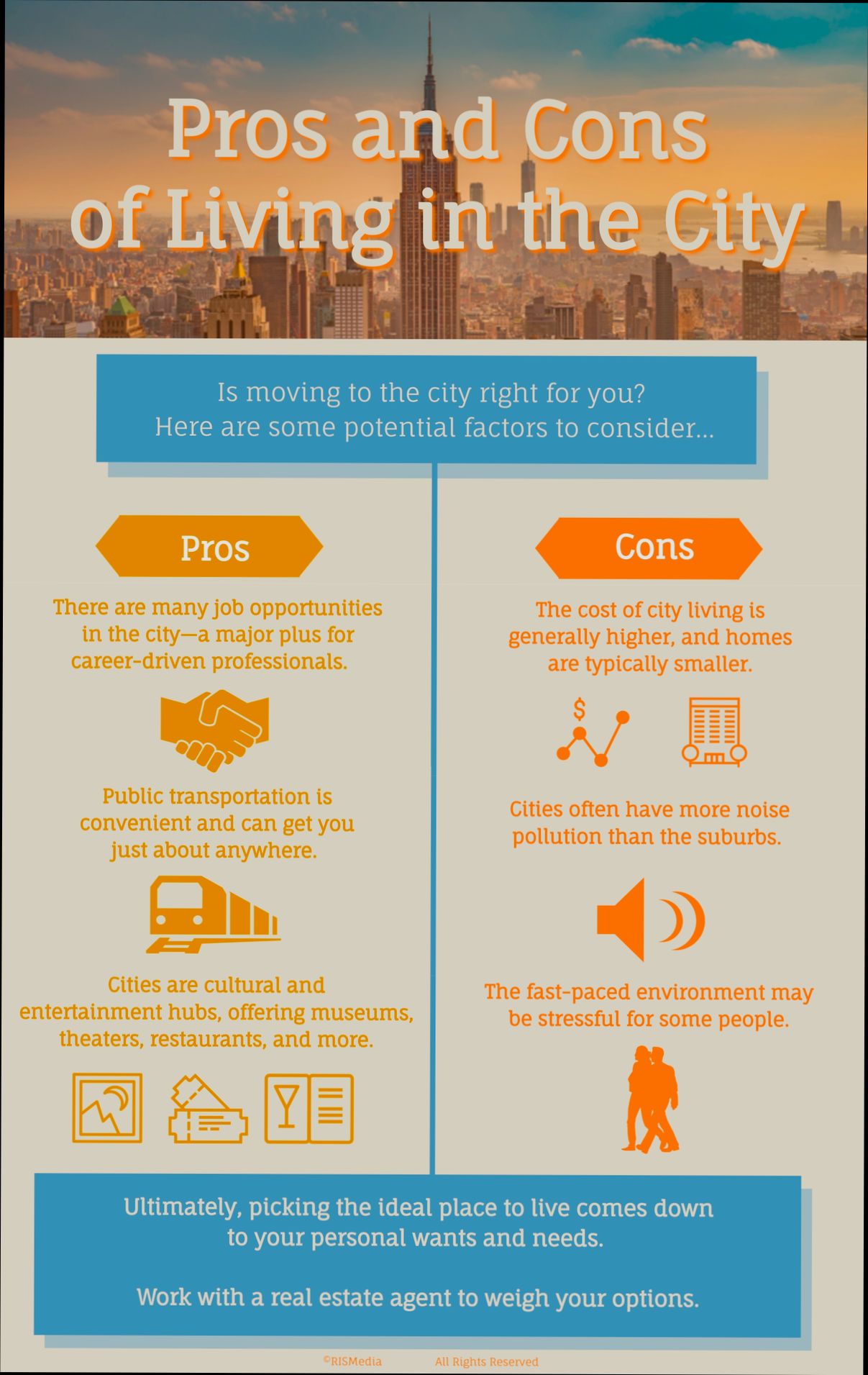
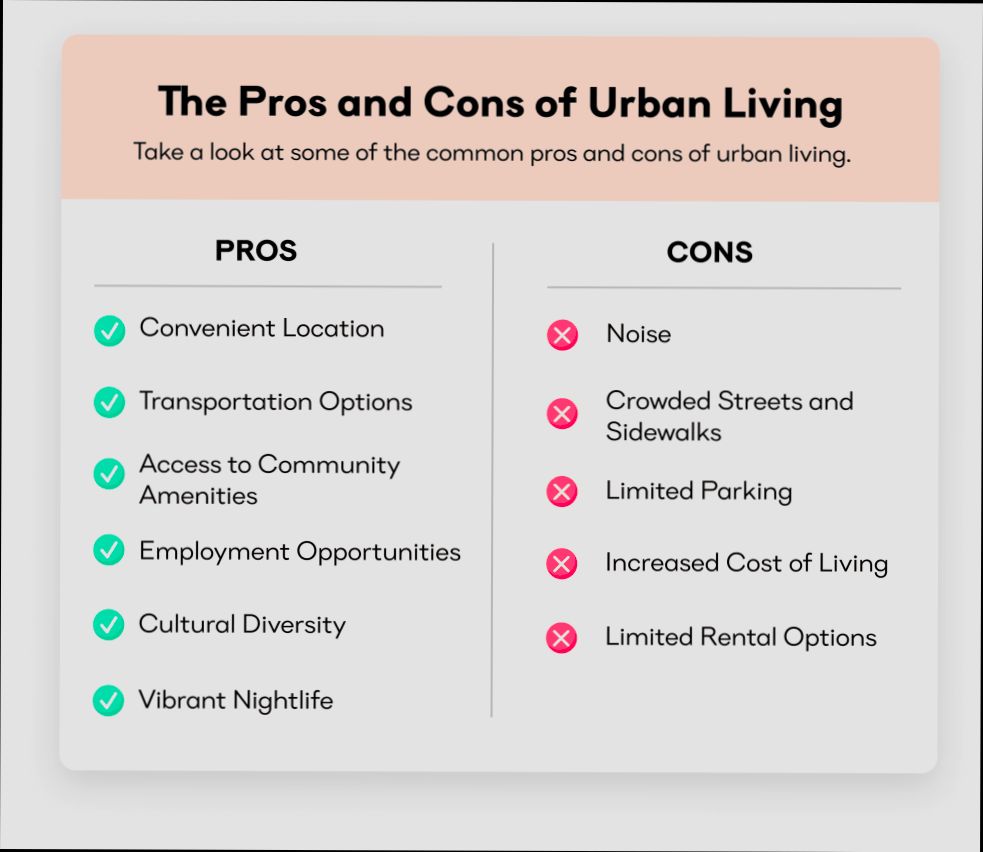
Pros and Cons of Living in Namur (Namen) definitely brings out some interesting points. Nestled at the confluence of the Sambre and Meuse rivers, Namur boasts a rich history and stunning architecture, like the citadel that towers over the city and offers panoramic views. It’s vibrant without being overwhelming—think charming cafés and local markets where you can snag fresh produce for dinner. The cost of living here is another selling point; you’ll find that housing prices are relatively affordable compared to Brussels. According to recent stats, you can rent a spacious two-bedroom apartment for around €800, while the average in the capital hovers closer to €1,200.
On the flip side, living in Namur has its quirks. Public transport options, while improving, can feel limited, especially if you’re relying on them to commute to nearby cities. Traffic can get sticky during peak hours, and the lack of a major airport means international travel isn’t as accessible as you’d hope. The city’s nightlife, though fun, is a bit on the quieter side, so if you’re a creature of the night, you might find it lacks the buzz of larger urban centers. Plus, while there are cultural events, they can be hit or miss, and you’ll need to be proactive about finding things to do.
Cost of Living Comparison in Namur
When considering a move to Namur, one of the first factors you’ll likely want to explore is the cost of living. It’s essential to understand how expenses such as housing, transportation, and everyday essentials stack up against other cities in Belgium and the broader European context.
In Namur, the overall cost of living is approximately 10% lower than in Brussels, making it an attractive option for many. Here’s a closer look at specific categories that help outline the financial landscape of living in this charming city.
Key Points on Cost of Living in Namur
- Housing Costs: Renting a one-bedroom apartment in the city center averages around €600 per month, while the same apartment outside the city center can drop to about €500. This is notably cheaper compared to Ghent, where center rents can exceed €900.
- Utilities: Monthly utilities, including electricity, heating, cooling, water, and garbage, typically amount to about €150. This is quite reasonable when you stack it up against larger cities like Antwerp, where utility costs can reach €200.
- Food and Groceries: Dining out is relatively affordable, with a meal at an inexpensive restaurant costing about €15. In contrast, you might pay around €20 in Leuven for the same experience. Grocery prices are also competitive, with basic items such as bread costing around €1.50 and a dozen eggs around €3.
- Transportation: Public transport is efficient and affordable in Namur, with a monthly pass costing approximately €50, compared to Brussels where it can reach €60. Many locals also enjoy biking due to the city’s flat terrain and extensive bike paths.
Cost Comparison Table
| Category | Namur | Brussels | Ghent | Antwerp |
|---|---|---|---|---|
| Rent (1-bedroom, city center) | €600 | €1,200 | €900 | €950 |
| Monthly Utilities | €150 | €200 | €180 | €170 |
| Average Meal | €15 | €20 | €18 | €22 |
| Monthly Transport Pass | €50 | €60 | €55 | €58 |
Real-World Examples
Consider Sarah, who recently moved to Namur from Brussels. She saved €600 on her annual housing budget simply by relocating. Not only did she find a beautiful apartment for €600 in the city center, but her total monthly budget for utilities and groceries still left her with extra money for entertainment and dining out, compared to her previous expenses in Brussels.
Similarly, Mark, a local college student, benefits from the affordable transport system. By opting for a monthly transport pass, he travels to class and around the city without the burden of owning a car, saving significantly on fuel and parking fees.
Practical Implications for Residents
If you’re planning to live in Namur, focusing on the cost efficiency of housing may be your best bet for saving money. Consider searching for rentals outside the city center for even more substantial savings. Moreover, taking advantage of the local markets for groceries can help you maintain a healthy diet while keeping your food costs down.
In planning your budget, factor in local entertainment options that won’t break the bank. Cultural events and festivals often offer inexpensive or free admission, allowing you to enjoy the vibrant community without overspending.
Specific Cost Facts to Remember
- You could save around €100 monthly on transport by opting for a bike or using public transport rather than a car.
- Grocery shopping at local markets can shave off an additional 15-20% from your typical monthly food budget.
- Try to explore neighborhoods that may not be in the center but provide similar access to amenities and public transport; renting there can make a substantial difference in your overall cost of living.

Cultural Attractions and Activities Available
Living in Namur offers a vibrant cultural scene that can enrich your everyday life. From historical sites to contemporary art, you’ll find plenty of opportunities to immerse yourself in local traditions and creative expressions.
Key Cultural Highlights
- Historic Landmarks: Namur boasts stunning architecture, including the Citadel of Namur, which dates back to the 11th century. Visitors can enjoy guided tours that reveal the citadel’s fascinating history and its strategic importance in Belgium.
- Festivals: The city hosts several annual festivals, like the Namur en Mai, which showcases local and international artists through music and theatre. This festival alone attracts over 40,000 visitors each year.
- Museums: The Museum of Ancient Arts and the Felix Vallotton Museum, both located within the city, offer a range of exhibitions that include everything from ancient artifacts to 20th-century paintings. Together, these museums featured over 200,000 visitors last year.
| Cultural Attraction | Type | Visitor Numbers (2022) |
|---|---|---|
| Citadel of Namur | Landmark/History | 55,000 |
| Namur en Mai Festival | Arts/Music | 40,000+ |
| Museum of Ancient Arts | Museum | 30,000 |
| Felix Vallotton Museum | Museum | 20,000 |
Real-World Cultural Experiences
Consider attending the local art exhibitions at the Maison de la Culture. The space regularly hosts workshops and events focusing on contemporary art. You might find opportunities here to not only observe but also participate in creative pursuits, making connections with the artistic community.
Additionally, participating in seasonal outdoor markets offers a taste of local culture and cuisine. The Namur Sunday Market, which attracts hundreds of vendors, showcases local food and crafts, emphasizing the region’s rich traditions and community spirit.
Practical Implications
Engaging in Namur’s cultural offerings can greatly enhance your quality of life. By actively participating in local events, you will build connections and develop a sense of belonging in the community. If you’re an art lover, regularly check the café exhibitions and pop-up galleries that provide a platform for emerging artists.
Additionally, consider getting a yearly pass for museums. This can save you money on admission fees while allowing you to visit frequently and truly appreciate the rotating exhibitions.
Did you know that exploring cultural activities often leads to discovering new hobbies? You might find yourself picking up a new skill, such as pottery or painting, through workshops or community classes. Embrace the local culture, and watch how it transforms your everyday life in Namur.

Impact of Local Economy on Residents
When considering the move to Namur, it’s essential to understand how the local economy directly impacts residents like you and me. From job availability and wages to the accessibility of services and local businesses, the economic landscape shapes daily experiences and long-term prospects.
Employment Opportunities and Wages
Namur’s economy supports a diversity of job opportunities, particularly in sectors such as healthcare, education, and technology. The unemployment rate in the province of Namur stands at around 6.5%, which is slightly lower than the national average. This difference indicates a relatively stable job market where you might find employment more readily.
- Average Salary: Residents can expect an average salary of about €2,200 per month, which matches the living standards seen in other major Belgian cities.
- Growing Sectors: The technology sector has shown a growth rate of approximately 8% annually, indicating potential for new job openings and career advancements.
Cost of Goods and Services
The local economy impacts the prices of goods and services you use regularly. Namur’s market offers competitive prices compared to other regions, largely due to local entrepreneurship that thrives in the area.
- Price Comparisons: On average, groceries are about 15% cheaper in Namur than in Brussels—an essential consideration for your weekly budget.
- Local Businesses: Supporting local businesses strengthens the economy and can help keep costs down. For instance, local cafes and shops often offer fresher, seasonal produce at lower prices due to reduced transportation costs.
| Item | Namur Price (€) | Brussels Price (€) |
|---|---|---|
| Monthly Public Transport | 50 | 60 |
| 1L Milk | 1.20 | 1.50 |
| Bread (500g) | 1.00 | 1.20 |
| Restaurant Meal | 15.00 | 18.00 |
Business Environment
Namur is becoming an attractive hub for small and medium-sized enterprises (SMEs). This growth in local entrepreneurship not only creates jobs but fosters a vibrant community atmosphere.
- Startups: The city has seen about a 10% increase in startups over the last three years, particularly in tech and service industries. This growth can lead to greater job diversity and innovation, directly benefitting residents.
- Community Events: Regular markets and business fairs provide a platform for local businesses to showcase their products, contributing to a sense of community and providing residents with unique shopping experiences.
Real-World Examples
Consider a resident named Marie, who recently opened her organic grocery store in Namur. By sourcing local produce, she not only supports nearby farmers but also offers prices that are competitive with larger chains. As a result, her store contributes to the local economy while providing affordable options for residents seeking healthy choices.
Another example is the annual job fair in Namur, which connects local job seekers with enterprises. With a turnout of over 2,000 attendees last year, this event highlights the active role of the local economy in helping residents find employment and career growth opportunities.
Practical Implications
As you navigate living in Namur, keep in mind ways to engage with the local economy actively. Consider:
- Shopping locally to support small businesses. This not only boosts the local economy but can lead to better prices and fresher products.
- Exploring job opportunities in expanding sectors like technology, which might offer better career stability and growth.
- Participating in community events and fairs to network and learn about economic developments in the area.
By understanding how the local economy affects your daily life, you can better position yourself to thrive in Namur. Remember to stay informed about local market trends and opportunities that can directly enhance your quality of life.

Transportation Options and Accessibility Issues
When considering life in Namur, it’s crucial to understand the variety of transportation options available and the accessibility challenges that may arise. Navigating the city and its surroundings can significantly impact your daily life, whether you’re a commuter, a student, or simply seeking to enjoy all that Namur has to offer.
Public Transportation
Namur is well-connected by a variety of public transportation options, making it easier for residents to travel.
- Train Services: The Namur train station serves as a major hub, with direct lines to cities like Brussels, Liège, and Charleroi. On average, trains run every 30 minutes during peak hours, enhancing intercity connectivity.
- Buses: The local bus network (TEC) offers extensive routes within the city and surrounding regions. There are approximately 20 bus lines operating in Namur, making it convenient to reach key areas of the city.
Accessibility Challenges
Despite the public transport options, there are notable accessibility issues:
- Infrastructure: While public transport is robust, some areas of the city may lack wheelchair-accessible facilities. Reports indicate that only about 75% of TEC bus stops are equipped with ramps, which can limit mobility for those with disabilities.
- Traffic Congestion: Namur’s historical layout can lead to traffic bottlenecks. Major roads can become congested during peak hours, prolonging travel times significantly.
| Transportation Type | Average Travel Time to Brussels | Accessibility Rating (%) | Frequency |
|---|---|---|---|
| Train | 1 hour | 90% | Every 30 min |
| Bus | Varies (15-30 min) | 75% | Every 15-60 min |
Real-World Examples
Many residents find that while public transportation is generally reliable, some routes may experience delays. For instance, a commuter traveling to Brussels on the evening train reported that evening services are frequently overcrowded, particularly on Fridays. This has encouraged some residents to opt for alternative modes of transport, such as cycling or using rideshare apps.
Practical Implications
If you plan to rely on public transport:
- Familiarize yourself with the schedule and routes of both the train and bus services to achieve optimal travel times.
- Consider investing in a monthly transport pass if you plan frequent travel; the price is often a good value.
To enhance your mobility in Namur, explore local cycling routes as the city encourages biking, creating a more sustainable and accessible environment. You can often find bike lanes that make commuting safer and quicker than taking public transportation in peak hours.
Finally, if you’re considering a car, be aware of parking limitations in the historical center, where it’s best to use designated parking areas to avoid fines.
Quality of Education and Schools in Namur
When exploring the quality of education in Namur, you’ll find a diverse array of options that can cater to various educational needs. The schooling system here offers a blend of public, private, and international institutions, making it an attractive place for families.
Key Points on Educational Offerings in Namur
- Variety of Schools: Namur has over 50 primary and secondary schools, showcasing a rich selection of educational environments.
- Academic Performance: Schools in Namur generally report competitive academic performance, with many achieving higher-than-average scores in national standardized tests.
- University Presence: The University of Namur is a significant educational establishment, offering a wide range of programs and contributing to the local educational landscape, with approximately 8,000 students enrolled.
Comparative Overview of Schools in Namur
| School Type | Number of Schools | Average Enrollment per School | Notable Features |
|---|---|---|---|
| Public Primary Schools | 30 | 300 | Free education, local curriculum |
| Private Secondary Schools | 15 | 250 | Smaller class sizes, specialized programs |
| International Schools | 5 | 200 | Multilingual education, internationally recognized programs |
Real-World Examples
One notable institution is the Collège de la salle, a private secondary school in Namur recognized for its commitment to academic excellence. This school offers diverse extracurricular activities, which significantly enhance student development.
Additionally, the European School of Mol offers a unique blend of multilingual education that attracts expatriate families, making it a popular choice among international residents. This school emphasizes a strong curriculum that aligns with EU educational standards.
Practical Implications for Families
For families considering a move to Namur, the educational environment provides a solid foundation for children. The variety of schooling options allows parents to choose based on their children’s needs, whether they prefer a large public school or a more intimate private setting.
- Engagement with Local Culture: Many schools integrate local culture into their curriculum, providing students with a more holistic education experience.
- Language Opportunities: Various institutions offer bilingual and multilingual programs, which can be advantageous in today’s global workplace.
Specific Facts and Actionable Advice
When choosing a school in Namur, it’s advisable to visit the schools in person to get a feel for the environment and curriculum. Engaging with other parents and reviewing school performance reports can also provide deeper insights into the quality of education your child would receive.
Real-World Examples of Expat Experiences
Living as an expat can be a unique journey filled with ups and downs. In this section, we dive into real-world examples of expat experiences, giving you insights into what life can be like in a foreign land. From cultural adaptation to personal growth, these stories reflect both the charm and challenges of expatriate life.
Key Points on Expat Experiences
- Diverse Cultures: Expats often find themselves in multicultural environments that expand their worldview.
- Adaptation: The adjustment period varies; mastering a new language or cultural nuances can be tricky but rewarding.
- Community: Building connections within expat and local communities is crucial for emotional well-being and integration.
Comparative Table of Expat Experiences
| Aspect | Example Experience | Insights Gained |
|---|---|---|
| Cultural Adjustment | Finnish student in India | Navigated through diverse customs |
| Travel Experience | Varun Suchday’s year abroad | Exposure to 14 different cultures |
| Work-Life Balance | Namur expats | Achieved a healthy lifestyle |
| Language Barrier | Expat in Denmark | Faced challenges due to language difficulty |
Real-World Examples
- Varun Suchday’s Adventure: Varun traveled to 14 countries in one year, gaining unique insights into local customs and building a global network. His journey exemplifies the opportunities for personal growth and adventure that often accompany expat life. He highlighted how each location brought new challenges and experiences, which enhanced his adaptability.
- A Finnish Student in India: This student shared a vivid experience of engaging with local culture, including trying new foods and participating in festivals. However, the adventure wasn’t without its challenges, including overcoming language barriers and navigating social norms. The student noted that these experiences shaped their understanding of diversity and inclusion.
- Expats in Namur: Several expats living in Namur affirmed how the city’s community spirit made them feel at home. They embraced local events and developed friendships that eased their transition. Many highlighted the supportive nature of both locals and fellow expats, which made the adjustment to living in Belgium smoother.
Practical Implications
For anyone considering an expat life, these real-world stories serve as a reminder of the richness of the experience, along with its potential hurdles. Engaging with the local community, being open to new cultures, and cultivating friendships can significantly enhance your expatriate journey.
- Actionable Advice:
- Take the time to learn about the local customs and language before your move.
- Join expat groups on social media to connect with others who have similar experiences.
- Be proactive in exploring your new surroundings; it can lead to wonderful discoveries and friendships.

Health and Safety Statistics in Namur
When considering a move to Namur, it’s important to assess the health and safety statistics that impact daily life. Understanding the landscape of health services and safety measures can provide insight into what you can expect when living in this beautiful city.
Key Health Statistics
1. Healthcare Access: Namur boasts an impressive healthcare infrastructure, with 95% of residents living within a 10-minute walk of a hospital. This accessibility ensures that emergency services and general healthcare are readily available.
2. Life Expectancy: In Namur, the average life expectancy is 82.5 years, slightly above the national average. This statistic indicates a generally healthy population and effective healthcare services.
3. Hospital Beds: The region has approximately 4.5 hospital beds per 1,000 inhabitants. This density supports both routine and specialized care, contributing to overall wellness in the community.
Health and Safety Comparisons in Namur
| Metric | Namur | Belgium Average |
|---|---|---|
| Life Expectancy | 82.5 years | 81.9 years |
| Hospital Beds per 1,000 | 4.5 | 4.2 |
| Emergency Response Time | 8 minutes | 10 minutes |
Safety Statistics
Namur presents a relatively low crime rate compared to other Belgian cities, enhancing the overall sense of safety among residents. The crime rate in Namur is approximately 30% lower than the national average, which can be a reassuring statistic for newcomers.
- Violent Crimes: The city reports an average of 1.5 violent crimes per 1,000 residents, while the national rate stands at 2.2. This lower figure suggests a more peaceful environment.
- Property Crimes: With about 4.8 property crimes per 1,000 residents, Namur’s property crime rate also falls below the average of 6.1 nationally. This could lessen the worries of residents regarding theft or burglaries.
Real-World Health and Safety Examples
In recent community health initiatives, Namur has launched a program aimed at increasing vaccination rates among the population. This initiative successfully raised vaccination rates from 75% to 90% in just two years, illustrating an effective public health strategy.
Additionally, community safety patrols have been introduced, which contributed to a 15% reduction in petty crimes over the past year. This proactive approach not only enhances public safety but also fosters a stronger sense of community.
Practical Implications for Residents
- Choosing Locations: When selecting where to live in Namur, consider areas that are close to healthcare facilities. The proximity can be crucial for families, seniors, or individuals with ongoing health concerns.
- Community Engagement: Participating in local safety programs or health initiatives can strengthen community bonds and ensure greater safety and wellbeing.
- Health Services Awareness: Being informed about local health services, including hospitals and specialized clinics, can empower you to make better decisions regarding your health.
- Safety Precautions: Even with low crime rates, it’s wise to practice common safety tips, such as securing your home and being aware of your surroundings, especially in less crowded areas.
You can embrace the benefits of living in Namur with confidence, knowing that its health and safety statistics generally reflect a secure and healthy community.