
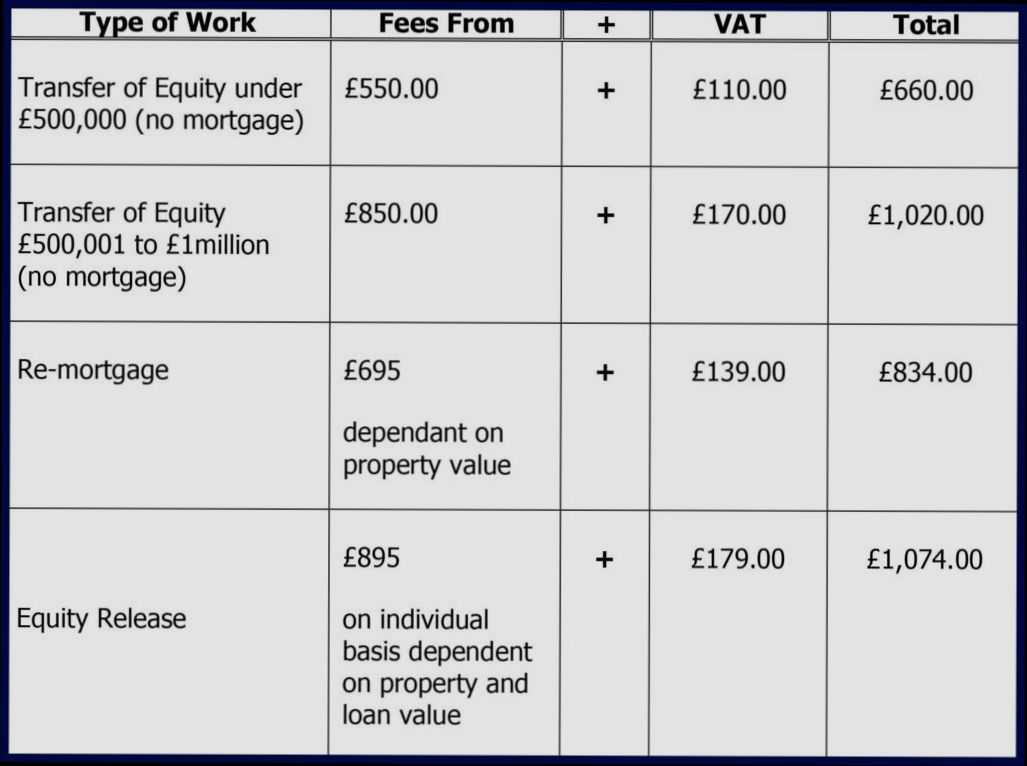
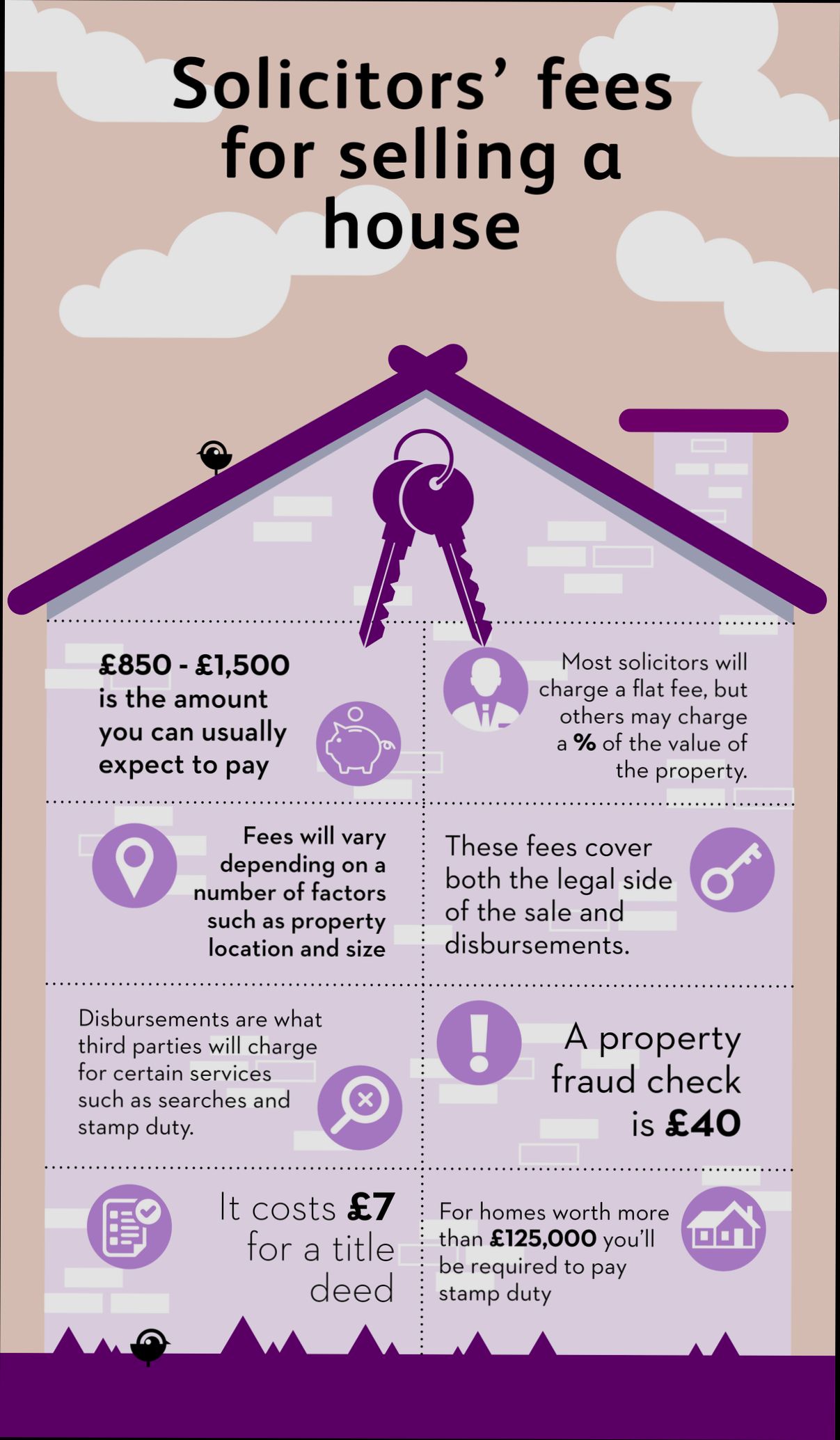
How Much Are Solicitors Fees for Buying a House? If you’re gearing up to buy your dream home, you’ve probably already crunched some numbers and set a budget. But don’t forget to factor in those pesky solicitor fees! On average, you can expect to pay anywhere from £850 to £1,500 in legal fees. It can vary based on where you live and the complexity of your purchase; for instance, a first-time buyer in London might find themselves at the higher end of that range, while someone in a quieter area might snag a deal for under £1,000.
But it doesn’t stop there! Solicitors also charge additional fees, like disbursements, which can include things like local authority searches and registration fees. These can add another £200 to £300 to your bill. Plus, if you’re buying a leasehold property, expect to shell out even more for things like “share of freehold” fees. So, as you dive into the home-buying process, keep those solicitor fees in mind – they can sneak up on you if you’re not paying attention!
Understanding Solicitor Fee Structures
When it comes to hiring a solicitor for buying a house, grasping their fee structures is crucial. Different solicitors have various pricing models, which can significantly affect the overall cost of your property purchase. Let’s explore the specifics of these fee structures to help you navigate your options more effectively.
Types of Fee Structures
1. Fixed Fees: Many solicitors offer a fixed fee for their services. This means you’ll pay a set amount regardless of the time spent on your case. Approximately 60% of homebuyers prefer this model, as it provides transparency and predictability in costs.
2. Hourly Rates: Some solicitors charge based on the time they dedicate to your case, typically ranging from £150 to £300 per hour. This method can lead to unexpected costs, especially if complications arise during the transaction.
3. Percentage of Property Value: A few solicitors may charge a fee that is a percentage of the property’s purchase price, often around 0.5% to 1%. While this can initially seem appealing for lower-value properties, costs can become exorbitant for high-value homes.
Breakdown of Common Costs
It’s also essential to understand that solicitor fees often encompass various components. Here is a breakdown of what might be included in your solicitor fees:
| Fee Component | Typical Cost Range |
|---|---|
| Basic legal fees | £800 - £1,500 |
| Disbursements (searches) | £200 - £300 |
| Stamp Duty advice | Varies by property value |
| Transfer of ownership fee | £50 - £150 |
| Registration fee | £50 - £200 |
Real-World Examples
Consider Sarah, who bought a home for £300,000. Her solicitor charged a fixed fee of £1,200, which included basic legal services and standard disbursements. Conversely, John chose a solicitor who worked on an hourly basis. His total costs reached £2,500 due to unexpected complications that required additional time.
Another example is a couple who purchased a £750,000 property. They opted for a solicitor charging 0.75% of the property value. This decision led them to pay £5,625 in legal fees, in addition to disbursements. Understanding these fee structures can help you make a more informed choice.
Practical Implications
When selecting a solicitor, consider these actionable insights:
- Compare Fee Structures: Don’t just focus on the total cost; look at how the solicitor charges. Fixed fees can save you headaches later on.
- Read the Small Print: Ensure you fully understand what’s included in the quoted fee. Disbursements often add to the final amount.
- Seek Clarity: Ask potential solicitors about their fee structures upfront. This can help you avoid unexpectedly high costs.
For example, if you’re quoted a low base fee, confirm what disbursements you might face. Clarity upfront prevents surprises that could derail your budget.
By understanding these fee structures, you position yourself to make savvy decisions in the home-buying process and keep your financial commitments in check.

Variations in Fees by Location
When you’re preparing to buy a house, understanding how solicitor fees vary by location can significantly impact your overall cost. Each region presents unique market dynamics, which can directly influence the fees solicitors charge for their services.
Regional Fee Differences
Solicitor fees aren’t uniform across the country; they can greatly differ based on your geographical location. Here are some key takeaways:
- Urban vs. Rural Areas: If you live in a metropolitan area, you might find that solicitors charge premium rates. For example, fees in London can average around £1,500 compared to £1,000 in more rural regions.
- Regional Average Fees: Various regions report considerable differences. In the North East of England, solicitors may charge about £950, while in the South East, fees can rise to approximately £1,400.
- Market Demand: High demand in certain areas, especially for properties in sought-after neighborhoods, can lead to higher solicitors’ fees due to increased competition.
| Location | Average Solicitor Fee |
|---|---|
| London | £1,500 |
| South East | £1,400 |
| Midlands | £1,200 |
| North East | £950 |
| Scotland | £1,000 |
Real-World Examples
In my research, I came across a case study highlighting the experiences of two friends buying homes simultaneously—one in Manchester and the other in Brighton. The Manchester buyer paid £1,100 in solicitor fees, while the Brighton buyer ended up with bills totaling £1,550 due to the heightened market pressure in that coastal city.
Another anecdote came from a couple in Scotland. They were pleasantly surprised to find that average solicitor fees in their locality were about £1,000, significantly less than anticipated compared to their London counterparts.
Practical Implications
When navigating the fees by location, consider these actionable insights:
- Shop Around: Before settling on a solicitor, compare fees in your area. A slight difference can save you a substantial amount.
- Ask About Hidden Costs: Some areas may have additional local fees or taxes, so always clarify what your solicitor’s quoted fee includes.
- Consider In-Person vs. Online Services: While traditional firms might charge more due to overhead costs, online solicitors often have lower rates regardless of location.
Quick Facts
- Solicitor fees in London can exceed average fees by over 50% compared to rural areas.
- Coastal regions like Brighton typically experience a surge in fees due to demand, with costs increasing by about 30% compared to inland areas.
- It’s common to negotiate fees; don’t hesitate to ask for a breakdown and explore potential discounts.
Analyzing Average Solicitor Fees Data
When diving into the specifics of solicitor fees for buying a house, it’s crucial to analyze average fee data to understand what you might expect. The figures surrounding these fees can reveal a lot about the current market, helping you budget more effectively.
Key Insights on Average Fees
The analysis of average solicitor fees reveals several important trends:
- The average solicitor fees for buying a house typically range between £800 to £1,500, showing the breadth of costs based on service quality and complexity of transactions.
- According to recent data, approximately 22% of solicitors charge upfront fees, which can start at around £200. Understanding this can help you avoid unexpected expenses later on.
- 35% of respondents indicated they had paid additional fees, such as for disbursements, which can average about £300. This is a critical factor to consider in your total budget.
Average Solicitor Fees Breakdown
| Fee Component | Average Cost (£) | Percentage of Total Fees (%) |
|---|---|---|
| Solicitor Service Fee | 1,200 | 75% |
| Upfront Retainer Fee | 200 | 12.5% |
| Disbursements | 300 | 12.5% |
Real-World Examples
Let’s consider a few scenarios based on the data collected:
1. First-Time Buyer Scenario: A first-time buyer in the Midlands might face an average solicitor fee of £1,000, along with additional disbursements of £250, pulling the total cost to £1,250.
2. Investors: On the other hand, an investor buying multiple properties in a metropolitan area may incur an average fee of £1,400, plus an upfront retainer fee of £300, which totals £1,700.
These examples highlight how the different contexts (residential vs. investment) can lead to significantly different costs.
Practical Implications
Understanding the average solicitor fees allows you to:
- Budget More Effectively: Knowing the average ranges means you can better prepare financially for the home-buying process.
- Negotiate Fees: With awareness of typical costs, you’re in a stronger position to negotiate with solicitors for better rates.
- Anticipate Additional Costs: Being aware that 35% of buyers experience unexpected additional costs helps you allocate funds appropriately for those hidden expenses.
By focusing on the details of this fee analysis, you will be better equipped to navigate the costs involved when engaging a solicitor for your house purchase. Remember to keep the average fees and potential additional costs in mind as you chart your path to homeownership.

Practical Examples of Cost Breakdown
When considering the costs associated with hiring a solicitor for buying a house, it’s essential to break down those costs into easily understandable segments. This helps you anticipate expenses and manage your budget effectively. Let’s explore practical examples that provide clarity on what you might encounter in terms of fees.
Common Costs Involved in Solicitor Fees
The breakdown of solicitor fees can often include various components. Here’s a list of typical costs you may face when engaging a solicitor:
- Basic Legal Fees: The fundamental charge for the solicitor’s time and expertise, which could range significantly based on their experience and the complexity of the case.
- Disbursements: Additional costs incurred on your behalf, such as land registration fees and local authority searches.
- VAT: Value Added Tax applicable on services, typically around 20% of the solicitor’s fees.
Cost Breakdown Table
| Cost Component | Estimated Amount | Percentage of Total Cost |
|---|---|---|
| Basic Legal Fees | £800 - £1,500 | 60% - 70% |
| Disbursements | £200 - £400 | 15% - 25% |
| VAT | £160 - £300 | 10% - 15% |
Real-World Examples of Cost Breakdown
To illustrate how these components come together, let’s take a couple of real-world scenarios:
1. Scenario 1: First-Time Buyer
If you’re purchasing a home for £250,000:
- Basic Legal Fees: £1,200
- Disbursements: £300 (including searches and registration)
- VAT: £240 (20% of the £1,200 fee)
- Total Estimated Cost: £1,740
2. Scenario 2: Experienced Buyer
For a higher-value property at £450,000:
- Basic Legal Fees: £1,500
- Disbursements: £350
- VAT: £300 (20% of the £1,500 fee)
- Total Estimated Cost: £2,150
These examples help to visualize how different components contribute to the total solicitor fees you should expect when buying a house.
Practical Implications on Cost Awareness
Understanding the cost breakdown allows you to not only budget effectively but also to negotiate better with solicitors. Knowing what to expect in terms of disbursements can help you ask your solicitor insightful questions. Be conscious of:
- The potential for hidden costs in disbursements.
- The benefit of getting a detailed fee estimate before agreeing to service, which can include specifics about disbursements.
- Choosing solicitors who provide clearly itemized quotes to avoid surprises down the line.
Be proactive by always confirming the scope of fees in advance; this provides a safety net for your finances during the home-buying process. Understanding these detailed breakdowns can empower you to make informed decisions and navigate your solicitor’s services with confidence.

Benefits of Hiring a Qualified Solicitor
When you’re on the journey to buy a home, hiring a qualified solicitor is crucial. Not only do they navigate the complex legal landscape for you, but their expertise can also significantly affect the outcome of your purchase. Let’s explore the key benefits of enlisting a solicitor’s help during this important process.
Knowledge of the Conveyancing Process
A qualified solicitor is well-versed in the details of the conveyancing process and can handle various legalities that you might not be familiar with. For instance, they manage:
- Anti-money laundering checks to confirm your identity, which can cost between £6 and £20 if done through an online company.
- Property searches, like drainage and environmental searches, costing between £250 and £450. This ensures you’re fully aware of any potential issues before purchase.
These checks and searches safeguard your investment and can save you from future headaches.
Handling of Complex Paperwork
The paperwork involved in buying a home can be overwhelming. By hiring a qualified solicitor, you gain a professional who can efficiently handle:
- The transfer of ownership, which typically involves a land registry fee ranging from £20 to £500 online or up to £1,105 by post.
- Extra paperwork if you’ve received gifted deposits, with potential costs of up to £100 for processing.
Their ability to manage all these documents reduces your stress and allows for a smoother transaction.
Risk Mitigation
One of the major benefits of hiring a professional is risk mitigation. A solicitor will:
- Identifying legal issues that could arise with the property, helping you avoid costly disputes down the line.
- Ensure compliance with property laws that you may be unaware of.
Their thorough approach reduces the risk of making a poor decision based on incomplete information.
Cost Effectiveness
While it may seem like an extra expense, hiring a solicitor can actually be cost-effective. Consider the following:
| Cost Element | Typical Range | Benefits of Hiring a Solicitor |
|---|---|---|
| Anti-money laundering checks | £6 - £20 | Ensures compliance and reduces fraud risk |
| Property searches | £250 - £450 | Prevents future problems that could cost more |
| Transfer fees | £20 - £1,105 | Avoids penalties and delays in ownership transfer |
By ensuring all checks are done correctly from the outset, a solicitor can help you avoid hidden costs later on.
Real-World Example
For instance, a couple buying their first home discovered potential flooding issues through environmental searches done by their solicitor. This foresight allowed them to negotiate repairs with the seller instead of facing unexpected damages later.
Practical Implications
Hiring a qualified solicitor allows you to focus on your home-buying experience rather than drowning in paperwork. Here are some implications for you:
- Ensure your solicitor conducts a thorough examination of the property’s legal status.
- Consider their experience in handling transactions similar to yours.
- Ask about disbursement fees upfront, so there are no surprises later.
Takeaway Facts
Engaging a qualified solicitor provides you with knowledge and peace of mind throughout your home-buying journey. With their expertise, you can navigate the complexities of purchasing property more confidently, better protecting your investment.

Hidden Costs in the Buying Process
When we think about buying a house, we often focus on the obvious expenses like the purchase price and solicitor fees. However, hidden costs can sneak up on us and significantly affect our budget. Understanding these costs is crucial to ensure that our home buying journey remains financially manageable.
Unforeseen Expenses to Consider
In addition to solicitor fees, several hidden costs can surface during the buying process. Here are some key expenses to keep an eye out for:
- Survey Costs: It’s advisable to have a property survey carried out before finalizing a purchase. Depending on the type of survey, costs can range from £300 to £1,500 or more, depending on the depth of the inspection.
- Stamp Duty: This is a tax you must pay on properties above a certain threshold. Depending on the purchase price, stamp duty can range from 0% for properties below £125,000 to up to 12% for purchases over £1.5 million, representing a substantial cost in your home-buying budget.
- Removal Costs: Don’t forget about the cost of moving your belongings. Hiring professional movers can run anywhere from £300 to £1,200, depending on how much you have to move and the distance involved.
- Home Insurance: While some may overlook this, it’s important to have home insurance in place by the time you complete your purchase. Costs vary, but expect to pay anywhere from £150 to over £500 annually, based on the value of your home and coverage level.
Comparative Table of Hidden Costs
| Hidden Cost | Low Estimate (£) | High Estimate (£) |
|---|---|---|
| Survey Costs | 300 | 1,500 |
| Stamp Duty | 0 | 180,000 (for £1.5M) |
| Removal Costs | 300 | 1,200 |
| Home Insurance | 150 | 500 |
Real-World Examples
Let’s dive into some real-world instances that illustrate these hidden costs:
- A first-time buyer named Sarah purchased a flat for £250,000. She budgeted for solicitor fees of £1,200 but forgot about stamp duty, which added an unexpected cost of £2,500. Additionally, the home survey revealed issues that required £700 worth of immediate repairs.
- Mark and Jane bought a family home for £600,000. Not only did they factor in the solicitor’s fees they had researched, but they also faced £14,000 in stamp duty. With moving costs reaching £800 and a yearly insurance premium of £400, the couple realized their total initial costs exceeded their initial budget by £17,200.
Practical Implications for Buyers
Being aware of these hidden costs can help you better plan your finances. Here are some actionable insights:
- Create a Comprehensive Budget: Don’t just look at the sticker price; factor in the estimated hidden costs to avoid surprises.
- Get Multiple Quotes: For surveys and removal services, consider shopping around to compare prices and services. This way, you can ensure you’re getting the best deal available.
- Consult with Your Solicitor: Your solicitor can help outline potential hidden costs that are specific to your situation, allowing you to budget more effectively.
Awareness of hidden costs like survey fees, stamp duty, removal expenses, and home insurance can help you navigate the buying process smoothly, ensuring that your budgeting remains on track and that you’re financially prepared for your new home.

Factors Influencing Solicitor Fee Rates
When you’re gearing up to buy a house, understanding the factors that influence solicitor fee rates is essential to manage your budget effectively. Several key elements can shape the fees you encounter, ranging from the complexity of the transaction to the experience level of the solicitor.
Key Influencing Factors
1. Complexity of the Transaction:
- Not all property purchases are straightforward; some may involve additional complexities such as leasehold agreements, shared ownership, or property with legal disputes.
- For instance, handling a shared ownership purchase can increase solicitor fees by up to 20% due to the additional legal work required.
2. Solicitor’s Experience and Expertise:
- Solicitors with extensive experience and specialized knowledge in property law generally charge higher fees. Their proficiency can mean less time spent on your case, which can be a money-saving factor in the long run.
- A solicitor with over 10 years of experience may charge approximately 15-25% more than a newly qualified solicitor, reflecting their expertise.
3. Nature of the Property:
- Unique properties, such as those with historical listings or quirks, often require more due diligence. Complex investigations into a property’s title can add to the workload and, subsequently, the fees.
- For example, purchasing a listed building might increase your legal fees by 10-30%, depending on the additional research needed.
4. Volume of Work at the Firm:
- During busy periods, firms may increase rates due to higher demand. This is especially true in hot property markets where solicitors may have extensive backlogs.
- You might find that fees can rise by as much as 15% during peak buying seasons.
5. Additional Services and Disbursements:
- Solicitors may charge additional fees for services like local authority searches, land registry fees, and other necessary disbursements.
- These can account for up to 25% of total legal fees, especially in cases where in-depth searches are required for areas prone to flooding or with complex planning laws.
| Factor | Percentage Increase to Fees |
|---|---|
| Complexity of Transaction | Up to 20% |
| Solicitor’s Experience | 15-25% |
| Nature of the Property | 10-30% |
| Volume of Work at the Firm | Up to 15% |
| Additional Services | 25% |
Real-World Examples
An examination of recent case studies revealed substantial variances in fees based on these factors:
- One buyer involved in a leasehold property purchase faced an additional legal fee of £250 due to the unique requirements specific to that transaction, reflecting the complexity factor.
- In another case, someone purchasing a property in an area known for significant historical regulations incurred extra costs of nearly £400 due to added legal searches for third-party rights linked to the property.
Practical Implications for Readers
As you consider hiring a solicitor for your house purchase, it’s vital to analyze these fee-influencing factors closely. By understanding how your specific situation might affect solicitor fees, you can better prepare your financial plan.
Seek out solicitors who offer transparent pricing structures and be sure they explain how each factor might influence the final bill. It’s prudent to ask about potential extra costs early on and consider obtaining quotes from multiple firms to ensure you’re getting a fair deal.
Remember, the difference in solicitor fees can translate into significant savings or expenses depending on your property purchase’s particulars.