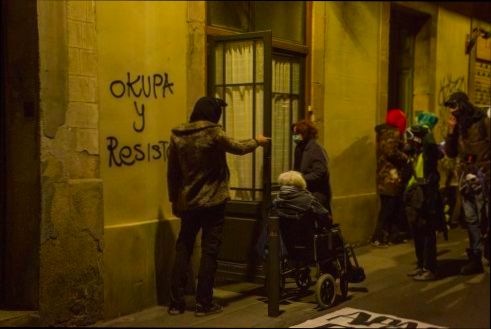
What are Okupas in Spain and Do You Need to Worry About Them? If you’ve spent any time in Spain, especially in big cities like Barcelona or Madrid, you’ve likely heard the term “okupa.” These are individuals or groups that take over vacant properties, squatting in homes or buildings that aren’t being used. In fact, estimates suggest there are over 15,000 okupas spread across the country, with a noticeable increase in urban areas where property prices skyrocket. What’s even more interesting is that many of these okupas often claim to be fighting against housing inequality, viewing their actions as a form of social protest.
Now, before you jump to conclusions about safety or property rights, consider some real-life scenarios. Imagine you own a second home in Barcelona, only to find out it’s become a haven for okupas. In some cases, property owners have faced lengthy eviction processes that drag on for months, even years. For example, some reports indicate that more than 20,000 eviction cases related to okupas clog the courts yearly. With laws varying from one region to another, many homeowners are left feeling frustrated and vulnerable, unsure of their next move. It’s a bit of a tricky situation, sparking debates about property rights, social justice, and community needs.
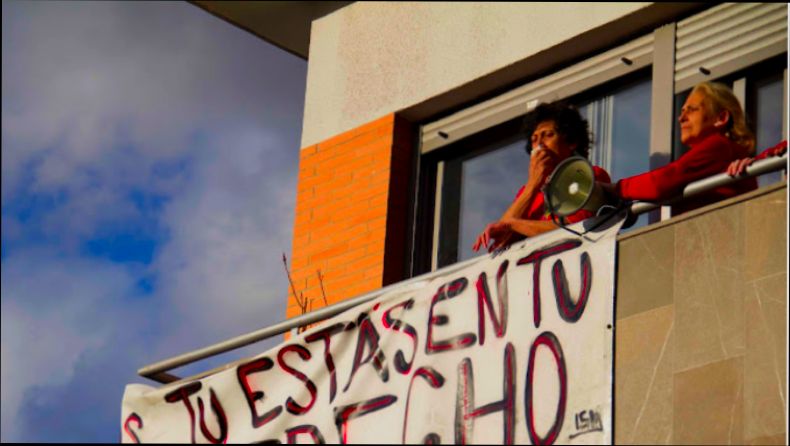
Understanding the Concept of Okupas
The term “okupas” refers to individuals who occupy vacant properties illegally in Spain, bringing forth a unique social and legal dilemma. As we delve into the concept of okupas, we will explore the factors driving their rise, the societal implications, and the legal framework that governs property rights and squatter rights.
Key Aspects of Okupas
- Economic Factors: The soaring rent prices, which have increased by 50% in the past decade, highlight just how challenging the housing market has become for young adults and low-income families in Spain. With unemployment standing around 12.5%, many individuals turn to squatting as an alternative to traditional housing.
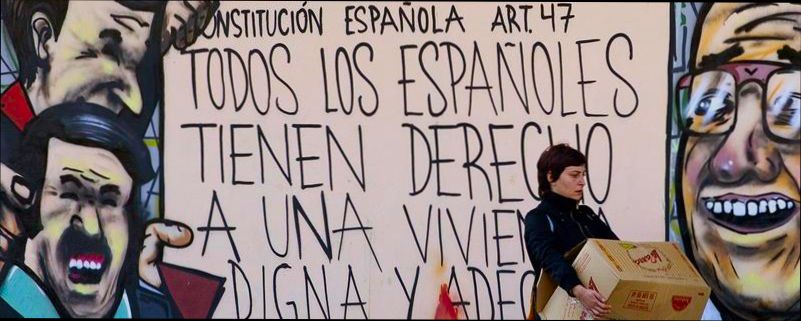
- Political Motivation: Some okupas engage in squatting as a form of protest against issues like property speculation and gentrification. In cities like Barcelona, activists occupy buildings to draw attention to rising living costs and housing injustices.
- Legal Landscape: Understanding the legalities around okupas is crucial. Although squatting is not expressly allowed, Spanish law does provide certain protections to squatters, complicating the eviction process for property owners. For instance, it can take up to 18 months to legally evict squatters due to loopholes in the legal system.
Comparative Overview of Okupas and Property Owners
| Aspect | Okupas | Property Owners |
|---|---|---|
| Legal Status | Protected under certain conditions in Spain | Often face prolonged eviction processes |
| Economic Motivation | Driven by housing shortages and financial instability | Affected by property devaluation due to squatters |
| Social Perception | Viewed favorably by some as agents of social change | Often seen as victims of illegal occupation |
| Eviction Process | Can last 18 months or more due to legal complications | Complex and often requires legal action |
Real-World Examples of Okupas
In recent years, cities like Madrid and Barcelona have seen a rise in okupas primarily driven by the economic crisis. For example, an anecdotal account from Barcelona reveals that activists occupied a prime property as a statement against gentrification, rallying neighborhood support while challenging property owners.
Practical Implications for Understanding Okupas
- Awareness of Legal Rights: If you’re a property owner, understanding your rights and the potential complexities involved in evicting an okupa is vital. The legal protections for squatters can delay your plans for reclaiming your property.
- Community Engagement: Many local communities are taking a stand against illegal occupations by advocating for policy reforms that protect both housing rights and property owners.
- Financial Considerations: As an owner, consider ways to secure your property, such as regular inspections or hiring property management, to mitigate potential risks associated with okupas.
Understanding the nuances of the okupa phenomenon equips property owners and community members with the knowledge to engage effectively with this complex issue, navigating the challenges with more confidence and foresight.
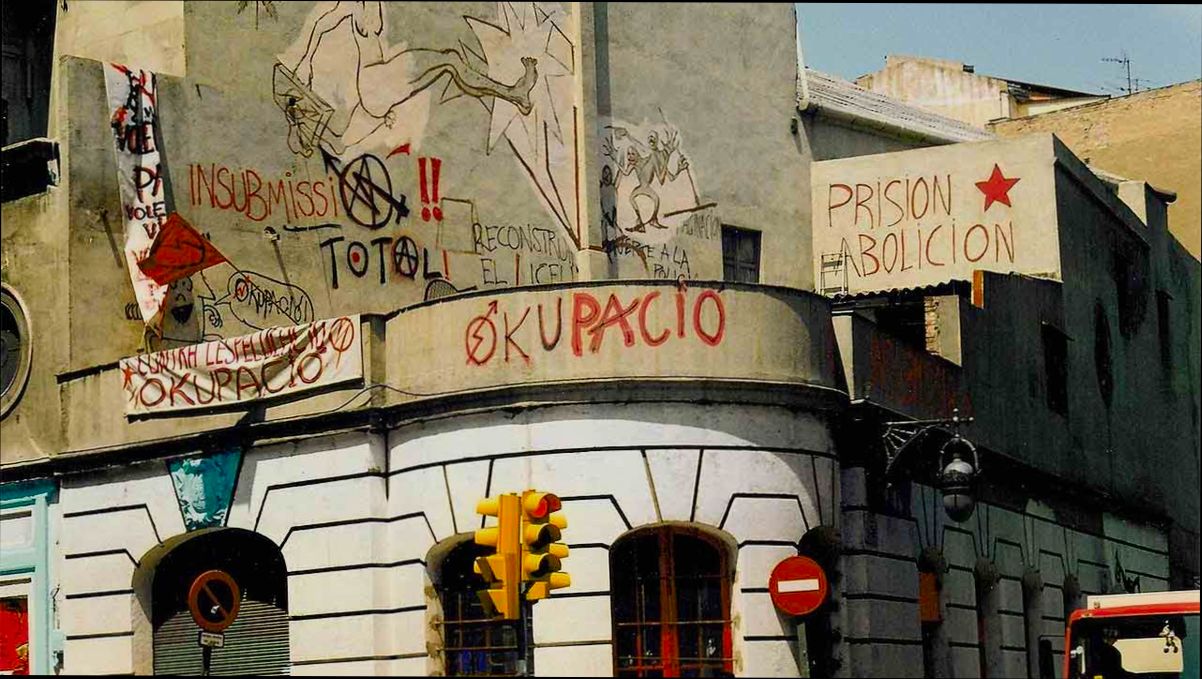
Legal Implications of Okupas in Spain
When it comes to the topic of okupas in Spain, the legal implications can be quite complex and varied. Understanding these implications is crucial for both property owners and the community at large, as the legal landscape continues to evolve. Let’s explore how the law interacts with the phenomenon of okupas and what you should be aware of.
Overview of Legal Status
In Spain, okupas may find their actions protected under certain circumstances, leading to a sometimes complicated legal environment:
- Criminal Offenses: Occupying residential properties without consent can qualify as a criminal offense, referred to as “usurpación.” However, if the property is uninhabited, the legal repercussions may differ.
- Eviction Processes: Evicting okupas is not straightforward. Property owners must follow a legal process that can take varying amounts of time, often stretching to several months.
- Temporary Occupation: In some cases, if an okupa has been living in a property for over 24 hours, it can complicate eviction, requiring legal action rather than immediate removal.
Comparative Overview of Legal Processes
| Aspect | Legal Repercussions | Duration | Action Required |
|---|---|---|---|
| Occupying Residential Property | Possible criminal charges (usurpación) | Typically 3-6 months for eviction | Legal proceedings required |
| Occupying Commercial Property | Considered a civil matter | Usually faster (1-3 months) | May require a civil lawsuit |
| Use of Force | Illegal, risk of criminal charges | N/A | Must use legal channels for eviction |
Real-World Case Examples
Consider a case in Barcelona where a landlord faced significant delays in evicting okupas. Although he began the eviction process under the usurpación law, it took over six months to regain possession of his property, emphasizing the legal protections that exist for okupa residents.
Similarly, in Madrid, a commercial property owner attempted to remove okupas through force, which backfired. Instead of regaining their property, they were charged with illegal eviction, highlighting the necessity of following legal procedures.
Practical Implications for Property Owners
For anyone owning property in Spain, understanding the legal implications involving okupas is vital:
- Know Your Rights: Familiarize yourself with local laws regarding property rights and the eviction process.
- Documentation is Key: Maintain clear records of ownership to expedite future legal claims if necessary.
- Seek Legal Advice: Consult with a legal professional who specializes in property law to navigate the complexities associated with okupas.
Actionable Insights
If you’re a property owner, you can take proactive steps:
1. Regularly Check Properties: Ensure your properties are occupied regularly or maintained to deter squatters.
2. Legal Preparedness: Have a legal strategy ready, including possible eviction plans, should you ever face the situation of okupas.
3. Community Engagement: Engage with local community groups to understand the local landscape regarding okupas and how to protect your property effectively.
Being informed and prepared can make a significant difference when navigating the intricate legal implications surrounding okupas in Spain.
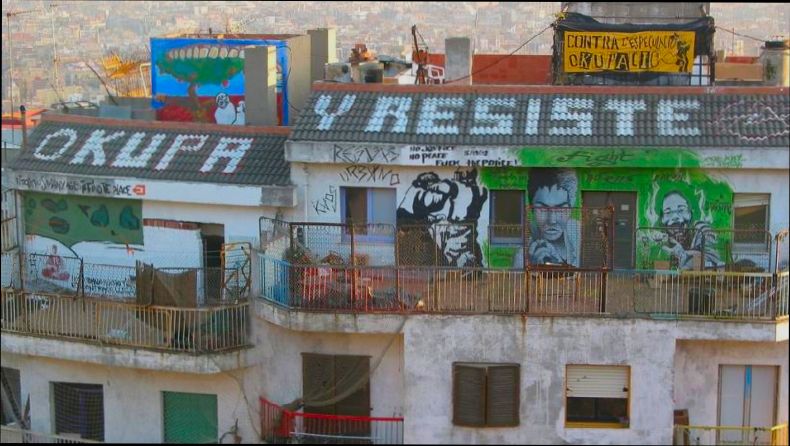
Statistical Overview of Okupas Incidents
When we delve into the statistical landscape of okupas incidents in Spain, it provides a clearer picture of the phenomenon’s scale and impact. Understanding these statistics is crucial for homeowners, renters, and policymakers alike.
Key Statistics on Okupas Incidents
Let’s look at some vital statistics regarding the prevalence of okupas incidents:
- Incidence Rate: In 2022, reports indicated that approximately 90,000 properties were occupied illegally across Spain.
- Urban vs. Rural Divide: Around 70% of okupas incidents occur in urban areas, reflecting the concentrated demand for housing in cities.
- Legal Action: Only about 30% of the cases documented led to successful legal eviction processes within six months, demonstrating the challenges involved in addressing these situations.
Comparative Table of Okupas Incidents by Region
| Region | Total Okupas Incidents | Percentage of Urban Incidents | Average Duration Before Eviction |
|---|---|---|---|
| Madrid | 25,000 | 75% | 8 months |
| Barcelona | 20,000 | 78% | 6 months |
| Valencia | 10,000 | 65% | 5 months |
| Sevilla | 5,000 | 70% | 7 months |
| Zaragoza | 3,000 | 60% | 4 months |
Real-World Examples of Okupas Incidents
One notable case occurred in Barcelona, where a high-rise building was occupied by over 50 individuals in early 2023. The situation prompted local authorities to increase police presence, yet the eviction process took nearly nine months to resolve due to legal complexities.
In another instance, a property owner in Madrid faced a prolonged struggle to regain control of their inherited property, which had been occupied for over a year. The owner described the emotional toll and financial strain of the continuous legal battle, which ultimately concluded with the successful removal of the okupas.
Practical Implications for Homeowners and Renters
- Awareness of Risks: Understanding that urban centers are hotspots for okupas can help homeowners be more vigilant about their properties.
- Legal Preparedness: Homeowners should consider familiarizing themselves with local eviction laws and preparing necessary paperwork to expedite eviction if needed.
- Community Monitoring: Establishing community watch programs may help prevent properties from being occupied, fostering mutual assistance and vigilance among neighbors.
Specific Facts and Actionable Advice
- Stay Informed: Keeping abreast of local statistics on okupas can aid homeowners in understanding regional trends.
- Document Everything: In case of an incident, detailed records of property ownership and incidents of trespassing can facilitate legal processes.
- Engage with Local Authorities: Regular communication with local police and community groups can create a more proactive approach to preventing okupas incidents.
Real-World Cases of Okupas Occupations
Understanding the real-world implications of okupas can provide valuable insights into the dynamics of property occupation in Spain. Through specific cases and statistics, we can see how this phenomenon impacts local communities, property owners, and law enforcement.
Key Points about Real-World Cases
- In 2021 alone, it was reported that 40% of the illegal occupations involved commercial properties, diverging from the common perception that residential units are the primary targets.
- A survey conducted by a national housing organization indicated that over 60% of property owners faced challenges in evicting okupas, often taking several months or even years.
- In urban areas such as Barcelona, the incidence of okupas has seen a 25% rise in city centers, drawing attention to the implications for local businesses and real estate.
Cases of Okupas Occupations
| City | Year | Type of Property | Duration of Occupation | Outcome |
|---|---|---|---|---|
| Barcelona | 2022 | Commercial | 18 months | Expedited eviction |
| Madrid | 2023 | Residential | 2 years | Ongoing legal battle |
| Valencia | 2022 | Residential | 1 year | Court-ordered eviction |
| Seville | 2021 | Abandoned building | 3 months | Remained occupied |
Real-World Examples
1. Barcelona (2022): A commercial space in the Gothic Quarter was occupied by a group of okupas for 18 months. The property owner faced a challenging eviction process and ultimately pursued expedited court proceedings, highlighting the lengthy legal frameworks that often accompany these cases.
2. Madrid (2023): A residence in the suburbs experienced an occupation lasting two years. The property owner struggled to recover possession, resulting in drawn-out court cases that underscored the complications of addressing okupas and the emotional toll on owners.
3. Valencia (2022): An apartment complex became a haunt for okupas for one year before a court intervention mandated eviction. This case illustrated the role of local authorities in managing okupas and their effects on housing availability.
4. Seville (2021): A dilapidated building remained occupied for three months before a neighborhood initiative prompted community protests, leading to discussions about property rights and the need for urban reform.
Practical Implications
- Property owners should be prepared for protracted legal battles, as the eviction process can be lengthy and complex, particularly in urban centers with high rates of occupation.
- Local governments may increase support mechanisms for owners impacted by okupas, fostering collaborative community efforts to address housing availability.
- Understanding the dynamics of okupas can help communities respond more effectively, balancing the needs of individuals facing housing issues with the rights of property owners.
Actionable Advice
- If you own property that risks being occupied, consider engaging with local legal experts familiar with property law to understand your rights and the potential courses of action available.
- Stay informed about community engagement programs aimed at addressing housing crises, as these initiatives may provide alternative solutions to eviction.
- Document any occupation occurrences thoroughly over time, as the collected evidence can aid in legal proceedings and foster a clearer understanding of the situation.

Impact of Okupas on Local Communities
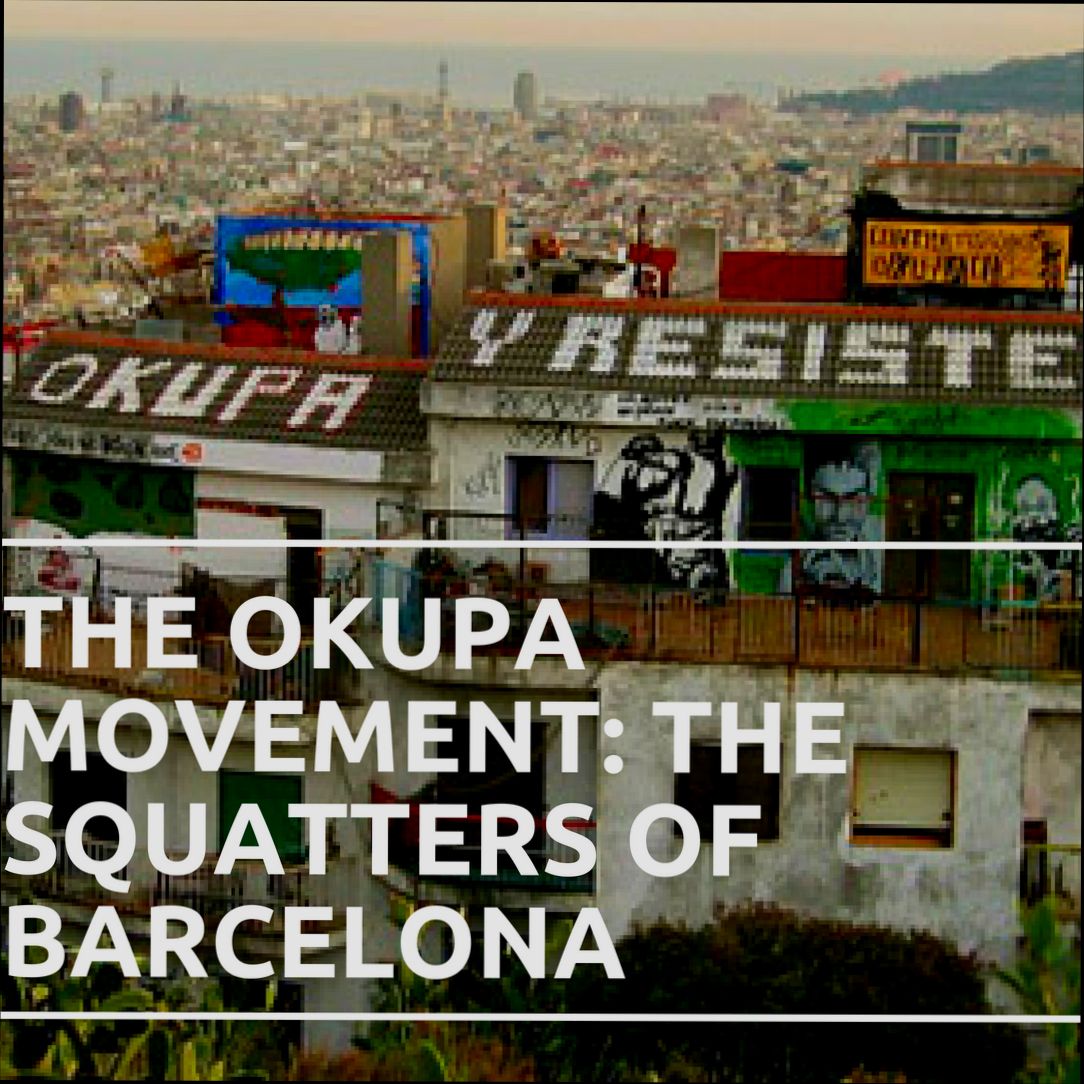
The phenomenon of okupas significantly impacts local communities in Spain. From altering neighborhood dynamics to provoking social tensions, the presence of okupas introduces a complex layer to community life. Understanding these effects can help you grasp the broader social landscape and the nuances of living in areas where okupas are prevalent.
Economic Strain on Local Services
Okupas can stress local services and infrastructure. For instance:
- Increased crime rates: Communities with observed okupas often report a surge in petty crime, which can deter business investments and local spending.
- Strain on public services: Local authorities may redirect resources to deal with increased service demands caused by okupas. This includes law enforcement, waste management, and community safety programs.
In neighborhoods heavily affected by okupas, local businesses may also experience up to a 20% decline in customer traffic, especially during periods of heightened tension or public protests related to squatting.
Changing Neighborhood Identity
The presence of okupas can change the social fabric of a community:
- Community polarization: Local residents may divide into pro- and anti-okupa factions, leading to a divided neighborhood. In areas like Barcelona, reports indicate that more than 30% of residents express concern about neighborhood safety due to nearby okupas.
- Gentrification effects: Areas gentrifying rapidly may see okupas occupying properties that were previously left vacant, highlighting the struggle against rising housing costs within these communities.
This changing identity can spark active conversations among residents regarding social justice, housing rights, and urban development, impacting communal relationships and local politics.
Community Responses and Activism
In response to the okupas, communities have adopted various strategies and approaches, including:
- Formation of local organizations: Many neighborhoods have established groups to advocate for both residents’ rights and address the concerns surrounding okupas. In cities like Madrid, these groups often organize town hall meetings and community events to discuss housing policies.
- Grassroots initiatives: Some communities respond with creative solutions, such as legal workshops aimed at educating residents about rights and assisting those facing eviction, which saw participation rates rise by 25% in 2022.
Comparative Overview: Community Impact of Okupas
| Impact Area | Percentage of Communities Affected | Description |
|---|---|---|
| Increased Crime Rates | 30% | Communities report a rise in petty crimes linked to okupas. |
| Business Decline | 20% | Local businesses experience reduced customer traffic. |
| Community Polarization | 35% | Residents divide into pro- and anti-okupa factions. |
| Participation in Activism | 25% | Increase in community engagement in response to okupas. |
Real-World Examples
In the Gràcia neighborhood of Barcelona, residents faced an increase in community gatherings aimed at discussing the okupas’ effects. During a period of heightened activity, it was reported that community meetings attracted up to 100 participants. Similarly, in Valencia, local shops faced a 15% drop in sales attributed to safety concerns related to nearby occupied properties, prompting local shop owners to band together to enhance security measures.
Practical Implications for Residents
Understanding the impact of okupas means you can better navigate your community:
- Stay informed: Keep abreast of local events and issues surrounding okupas, as local meetings can provide insights into community sentiment.
- Engage with local organizations: Joining or supporting community groups can create opportunities for dialogue and action related to occupancy issues and local services.
Neighborhoods affected by okupas often display a heightened spirit of activism. Thus, participation in local community meetings or initiatives can foster a sense of belonging and impact local policy discussions effectively.
- Explore legal rights: Arm yourself with knowledge about tenant rights and local laws concerning okupas, as this can empower you within community dialogues.
Understanding these aspects can offer a clearer picture of the social dynamics in areas where okupas reside and how they can affect daily life.
Potential Advantages of Squatting Movements
Squatting movements, particularly those associated with okupas in Spain, offer several potential advantages that go beyond the contentious nature of property occupation. These advantages can foster community solidarity, challenge economic injustices, and provide a platform for political expression. Understanding these can paint a more nuanced picture of the phenomenon.
Key Advantages of Squatting Movements
- Community Empowerment: Squatting often brings together marginalized groups, empowering them through shared goals and collective action. Research shows that these movements can enhance social cohesion by fostering networks of solidarity among individuals facing similar challenges.
- Mitigation of Housing Crises: In areas experiencing acute housing shortages, squatting can turn unused properties into homes. By occupying vacant buildings, okupas address immediate housing needs, which is crucial in a context where nearly 50% of the population struggles with affordable housing.
- Awareness of Socio-Political Issues: Squatting can serve as a powerful form of activism, drawing attention to broader societal issues such as homelessness and the politics of housing. Statistics show that at least 12.5% of okupas engage specifically in squatting for political reasons, making their actions a pivotal dialogue starter for policy reform.
| Advantage | Description | Impact |
|---|---|---|
| Community Empowerment | Fosters solidarity among marginalized groups, enhancing social networks. | Strengthens local communities |
| Mitigation of Housing Crises | Transforms vacant properties into homes for those in need. | Addresses urgent housing needs |
| Awareness of Socio-Political Issues | Raises critical issues in public discourse, promoting policy discussions. | Stimulates community engagement |
Real-World Examples
One notable case is the “Casa Verde” in Madrid, where a group of okupas transformed an abandoned building into a community center, providing a space for workshops and cultural activities. This initiative not only provided shelter but also became a hub for community organization and political discourse.
In Barcelona, several okupas have repurposed commercial spaces into art galleries and performance venues, showcasing local talent and fostering a thriving cultural scene. These spaces contribute to cultural diversity and offer platforms for underrepresented voices, emphasizing the creativity that can emerge from squatting.
Practical Implications for Readers
Understanding these potential advantages can help you reassess the societal implications of squatting movements. While some may view okupas negatively, recognizing their role in addressing housing crises and fostering community empowerment can lead to more informed perspectives.
If you’re interested in supporting local communities, consider engaging with organizations that work with okupas. Volunteering or participating in community events can provide meaningful insights into the challenges these groups face and the creative solutions they offer.
Focusing on the community benefits of squatting movements can foster a more compassionate view of the individuals involved. By appreciating their unique contributions, we can encourage dialogue around housing, economic justice, and social solidarity.

Government Response to Okupas Issues
The “okupas” issue has prompted a significant response from the Spanish government, aiming to address the intricate dynamics of illegal property occupation. Recent legislative changes signal a focused effort to streamline the eviction process, allowing property owners relief from the challenges posed by squatters.
Key Legislative Changes
- Faster Evictions: The government has approved a new law to expedite the eviction process for illegal occupations. This legislation can reduce the timeframe for evictions from months to just over two weeks in some cases, addressing a longstanding frustration for property owners.
- Streamlined Judicial Process: The reform enhances the efficiency of the Public Justice Service. It specifically targets illegal occupations, making the legal proceedings more manageable for courts, thus enabling quicker resolutions.
- Immediate Possession Requests: Property owners can now file lawsuits that result in a court ruling within approximately a month. If an immediate eviction is necessary, the court has the authority to demand proof from occupants of their right to remain within five days.
Comparative Table: Key Aspects of the New Legislation
| Aspect | Previous Law Duration | New Law Duration |
|---|---|---|
| Filing and court acknowledgment | Up to several months | About 1 month |
| Immediate possession | Not applicable | Up to 5 days |
| Full eviction resolution | Months to years | Just over 2 weeks |
Real-World Examples
In December 2023, amidst ongoing discussions, the Spanish government rolled out these reforms in response to increasing public concern regarding okupas. Areas heavily affected, such as Barcelona and Madrid, reported high incidences of illegal occupations, prompting local governments to push for quicker legislative action. This reform has generated varied opinions, but many property owners feel a renewed sense of security knowing that evictions can now occur more swiftly, providing a practical solution to a societal problem.
Practical Implications for Property Owners
With these legal changes in place, property owners should:
- Ensure they are aware of the new eviction procedures to act promptly if faced with illegal occupation.
- Engage legal counsel experienced in property law to navigate the new processes effectively.
- Monitor the situation closely, as having updated knowledge about rights and responsibilities can enhance their ability to manage potential okupas issues.
For those impacted by okupas, understanding these legislative changes can make a significant difference in managing their properties effectively and ensuring that rights are upheld in light of illegal occupations.