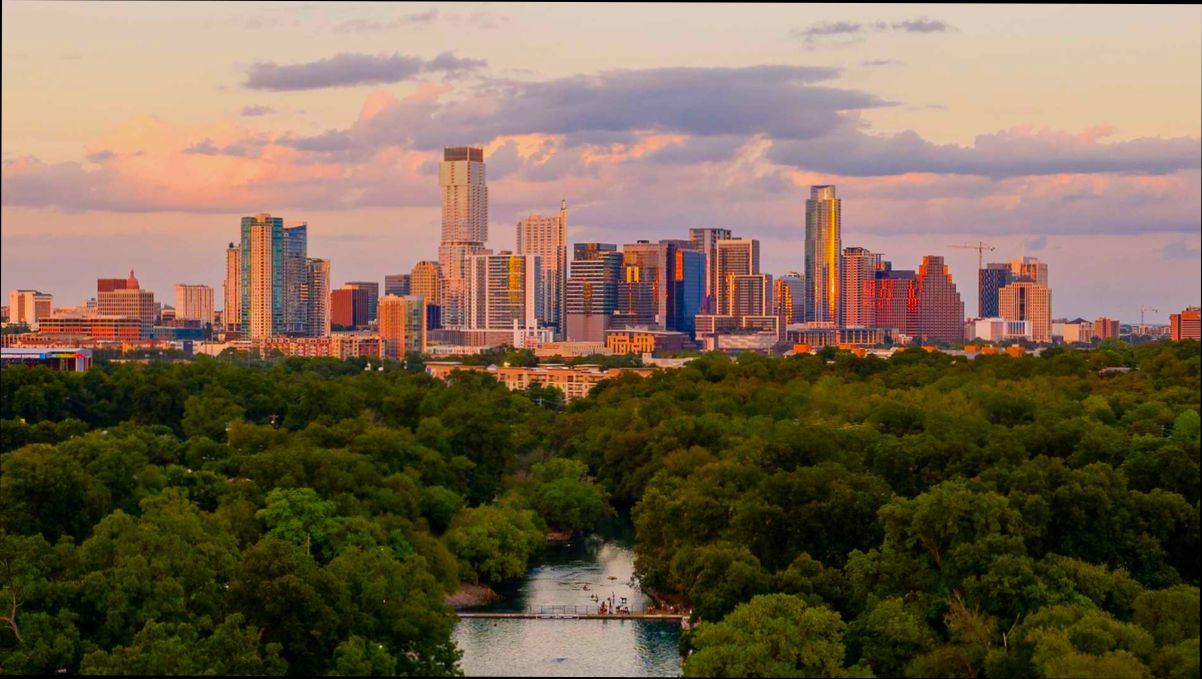
Pros and Cons of Living in Austin TX—let’s dive into what makes this city a hotbed for both excitement and challenges. On the plus side, Austin’s job market is booming. With tech giants like Dell and Apple setting up shop, the city’s tech scene has grown, creating a vibrant ecosystem for professionals. According to the U.S. Bureau of Labor Statistics, Austin’s employment grew by 8.6% from 2020 to 2021, which is higher than the national average. Plus, you’ll find a rich cultural vibe, with events like South by Southwest and a famous live music scene that brings in talent from all around the globe. The outdoors aren’t too shabby either—think about those sunny days spent kayaking on Lady Bird Lake or exploring the trails at the Barton Creek Greenbelt.
But let’s not sugarcoat everything; living in Austin has its downsides too. The cost of living has skyrocketed, with housing prices soaring 40% over the past year alone, according to Zillow, pushing many locals to the outskirts of the city. Traffic is often a nightmare, especially during rush hours, and you can easily spend an hour crawling through congested streets. Let’s not forget the infamous Texas heat; that summer sun can be relentless, reaching up to 100°F regularly, which can make outdoor activities a bit less enjoyable. Balancing the city’s perks and pitfalls is key for anyone considering making Austin their home.

Cost of Living Trends in Austin
When considering a move to Austin, understanding the cost of living trends is crucial. The city, often celebrated for its vibrant culture and job opportunities, is experiencing rapid changes in housing and overall living costs. Let’s delve into what these trends look like and how they might affect your move.
The housing market in Austin has been remarkably affected by gentrification, resulting in a staggering 40 percent increase in both average home values and average rent costs over recent years. This trend can make it difficult to find affordable housing, especially for newcomers.
Key Cost of Living Aspects
- Housing Costs: As of 2023, the average home price in Austin approaches $500,000, which might be daunting for many potential buyers. Renting is no more affordable, with average monthly rent ranging from $1,750 to $2,500 depending on the area and property type.
- Rent Trends: The overall increase in rental prices has averaged 10% year-over-year, making it one of the top markets for rent growth in the country. Millennials, who make up 31% of the population, are particularly affected as they try to navigate this tough rental landscape.
- Utilities and Services: Monthly utility costs average about $150, which includes electricity, heating, cooling, water, and garbage. Compared to national averages, this is relatively standard, which might create some balance against rising housing costs.
| Expense Type | Average Monthly Cost | Notes |
|---|---|---|
| Average Rent | $1,750 - $2,500 | Depending on area and size |
| Average Home Price | $500,000 | Significant increase due to gentrification |
| Utilities | $150 | Includes basic services |
| Groceries | $400 | Higher than many other Texas cities |
Real-world data shows that areas like East Austin have seen a transformation in pricing due to the influx of new residents and development projects, often leading to long-time residents being priced out. It’s crucial for newcomers to consider not just the upfront cost of moving but the longevity and sustainability of living in a rapidly changing market.
Practical Implications
As you navigate the cost of living in Austin, it helps to:
- Research neighborhoods extensively to find hidden gems that may offer more affordable rates, such as areas slightly outside the downtown core.
- Calculate your monthly budget by factoring in not just rent or mortgage payments, but also utilities, groceries, and transportation costs, as living in a car-centric city may add up.
Keep in mind, the lack of a state income tax can somewhat alleviate the burden of higher housing costs, but it’s essential to prepare for these challenges ahead.
The growing demand for housing also reflects a broader trend in urban migration, so sharing your experience with other potential movers could provide insights into navigating these changes effectively.

Cultural Attractions and Entertainment Options
Austin is known not just for its vibrant tech scene but also for its impressive array of cultural attractions and entertainment options. Living in Austin means you’ll have access to art, music, and festivals that celebrate the city’s unique Texan identity and diverse cultural influences.
Key Cultural Attractions
Austin boasts several significant cultural landmarks and activities that make it stand out:
- Museums: The Blanton Museum of Art features a collection of over 21,000 works, showcasing European, American, and Latin American art. The Texas Memorial Museum explores natural history, and the contemporary art scene flourishes through the Contemporary Austin.
- Festivals: Austin hosts more than 200 annual festivals, including South by Southwest (SXSW) and Austin City Limits (ACL), drawing huge crowds and showcasing everything from music to film to interactive media.
- Theater and Performing Arts: You can enjoy performances at the historic Paramount Theatre and the Long Center for the Performing Arts, offering everything from Broadway shows to local productions.
Comparative Cultural Attractions Table
| Attraction Type | Name | Description | Estimated Visitors per Year |
|---|---|---|---|
| Museum | Blanton Museum of Art | Extensive collection of art | 175,000 |
| Festival | SXSW | Interactive conference & music festival | 400,000+ |
| Performing Arts Venue | Paramount Theatre | Hosts a range of live performances | 250,000 |
Real-World Examples
1. SXSW Festival: This festival not only highlights music but also offers film screenings and promotes emerging technologies, making it a comprehensive cultural experience. It’s a great opportunity for networking and immersing in creative industries.
2. Local Cuisine: Enjoying local food through events like the Texas Monthly BBQ Fest allows you to explore Texan culinary traditions, from barbecue to Tex-Mex, offering a delicious dive into the culture.
3. Community Arts Programs: Programs such as Art for the People gallery focus on supporting local artists and providing art education, thus enriching the community’s cultural landscape and supporting creative expression.
Practical Implications
- Networking Opportunities: Engaging in the cultural scene through festivals and workshops can help you meet like-minded individuals and foster relationships that extend beyond social interactions.
- Skill Development: Consider taking a cooking class or craft workshop to learn new skills while immersing yourself in the local culture. This approach offers both personal enjoyment and community interaction.
- Cultural Diversity: With a variety of cultures represented through events and festivals, Austin provides an excellent opportunity to learn about different customs, traditions, and histories.
You can enhance your experience in Austin by actively participating in local cultural events, exploring museums, and indulging in the diverse culinary offerings. Whether you’re drawn to the arts or the vibrancy of local festivals, there’s something for everyone to enjoy in this dynamic city.
Traffic and Commuting Challenges in Austin
Living in Austin can bring exciting opportunities, but the city’s rapid growth has led to significant traffic and commuting challenges. With an expanding population that approximately doubles every 20 years, navigating the roads in Austin has become increasingly difficult. Let’s delve into some of the specific traffic concerns you may encounter.
Key Traffic Statistics and Insights
- Rush Hour Gridlock: During peak hours, traffic congestion has become a common complaint. On major thoroughfares like Interstate 35, travelers can expect delays of up to 40% longer than average commute times.
- Public Transport Enrollment: Despite the city’s efforts, only 10% of residents regularly use public transportation, highlighting the reliance on personal vehicles and the demand for improved options.
- Project Connect: This ambitious $11.6 billion initiative aims to revamp public transportation through multi-modal transit options and infrastructure improvements. Voter support for this project is crucial, especially as shifts in funding occur based on election results.
- Emissions Goals: Austin’s commitment to sustainability aims for a 50% reduction in transportation-related emissions by 2030, pushing for innovative transit solutions that may alleviate congestion.
- Smart Traffic Management: The city’s investment in smart traffic management systems seeks to optimize signal timing and ease bottlenecks, aiming to improve traffic flow by an estimated 20% in high-density areas.
Overview of Transportation Initiatives
| Initiative | Funding ($ Billion) | Target Completion | Expected Benefits |
|---|---|---|---|
| Project Connect | 11.6 | Ongoing | Transform public transport and reduce traffic |
| ASMP (Austin Strategic Mobility Plan) | - | 2019 | Ensure multi-modal transit options and sustainability |
| Smart Traffic Systems | Varies | 2025 | Enhance traffic flow and reduce congestion |
Real-World Examples of Traffic Challenges
One striking case is the ongoing discussions around the I-35 caps project. This initiative focuses on addressing the highway’s impact on local neighborhoods, promoting accessibility and connectivity. Community forums and public consultation sessions have been critical, allowing residents to voice their concerns and aspirations for a more integrated transportation system.
Additionally, consider the use of online surveys that gather input from the public about their commuting experiences. Recent feedback indicated that many residents face time-consuming commutes due to limited public transit options—an obstacle that Project Connect aims to address directly.
Practical Implications for Residents
For those living in Austin, it’s essential to stay informed about traffic patterns and explore alternative commuting methods. Here are some practical tips:
- Timing Your Travel: Aim to travel outside of traditional rush hours (7-9 AM and 4-6 PM) to reduce your time in traffic.
- Explore Public Transit Options: With ongoing improvements, consider utilizing Capital Metro’s services more often. Familiarizing yourself with the routes can save time and reduce stress.
- Traffic Apps: Use real-time traffic apps to monitor conditions and choose the best routes before you head out.
Austin’s transportation landscape is evolving, driven by community involvement and innovative plans to enhance mobility. Staying updated on these projects and utilizing available resources can help mitigate some of the commuting challenges present in this vibrant city.

Climate Considerations for Residents
When contemplating a move to Austin, understanding its climate can significantly impact your lifestyle and daily activities. Austin experiences a humid subtropical climate, which means you’ll encounter hot summers and mild winters. Let’s dive into the specific climate considerations that all residents should keep in mind.
Key Climate Facts and Statistics
- Average Temperature: Austin’s average annual temperature is around 70°F, with summer highs often exceeding 95°F in July.
- Rainfall: The city receives approximately 33 inches of rain annually, but this can vary greatly by season, with May often being the wettest month.
- Humidity Levels: Humidity can spike during summer months, reaching an average of 65% to 75%, making the heat feel even more intense.
Temperature Comparison Table
| Season | Average High Temp (°F) | Average Low Temp (°F) | Average Rainfall (inches) |
|---|---|---|---|
| Spring | 77 | 55 | 3 |
| Summer | 95 | 73 | 2 |
| Fall | 82 | 58 | 3 |
| Winter | 62 | 39 | 3 |
Real-World Examples
Residents frequently adapt to the hot summers by utilizing air conditioning not only for comfort but also as a necessity. A personal account shared by a long-time Austinite highlighted that their home energy bills often double in summer months, underscoring the importance of energy-efficient appliances.
Additionally, during the wet season, particularly in May, flash flooding can be a concern. The city is proactive in addressing these issues, but individuals living near waterways should be aware and prepared.
Practical Implications for Residents
- Home Design: If you’re building or renovating, consider features like overhangs or well-placed windows to promote airflow during the warmer months.
- Landscaping: Opt for native and drought-resistant plants to conserve water and reduce maintenance time since summer heat can be taxing on gardens.
- Energy Efficiency: Investing in energy-efficient windows and good insulation can mitigate the discomfort of high temperatures and reduce utility costs.
Specific Facts and Actionable Advice
- Staying hydrated is crucial during the peak temperatures, especially when outdoors. Keep water bottles handy and plan activities during cooler hours of the day.
- Understanding local weather patterns will help you prepare for the unique conditions of each season; sign up for local weather alerts to stay informed about any potential flooding or heatwaves.
- Lastly, familiarize yourself with local resources, such as cooling centers, that offer relief during extreme heat events.
By keeping these climate considerations in mind, you can enhance your living experience in Austin and adapt to its unique weather patterns effectively.

Economic Opportunities for Job Seekers
Living in Austin, TX, presents unique economic opportunities for job seekers, particularly in thriving sectors that are evolving rapidly. Whether you’re newly entering the job market or looking to pivot your career, Austin fosters a dynamic atmosphere with ample prospects tailored for diverse interests.
Growing Industries
Austin’s economy is diverse and continues to expand, creating a variety of job openings. Key industries attracting talent include:
- Technology: Austin has a robust tech scene, home to major companies like Dell, Apple, and Google, which enhance job availability in software development, data analysis, and IT services.
- Healthcare: With establishments such as the Seton Healthcare Family and the Dell Medical School, the healthcare sector is robust and growing, offering positions in medical management, nursing, and healthcare technology.
- Education: With multiple universities and colleges, there are ongoing opportunities for jobs in education and administration.
Workforce Statistics
To illustrate the vibrancy of job opportunities, consider the following statistics:
- The tech industry alone saw a 25% growth in job openings over the past two years.
- The unemployment rate in Austin has dropped to around 3.2%, reflecting a relatively tight job market with more positions than job seekers.
- Reports indicate that positions in healthcare have increased by 15% annually as the sector expands in response to community needs.
Job Market Comparison Table
| Industry | Average Salary | Yearly Growth % | Job Openings (2023) |
|---|---|---|---|
| Technology | $102,000 | 25% | 10,500 |
| Healthcare | $70,500 | 15% | 5,800 |
| Education | $53,000 | 10% | 2,300 |
Real-World Examples
One pertinent example is the rise of tech startups in East Austin, where companies like SparkCognition and BigCommerce have opened new offices, resulting in hundreds of job openings each year. This landscape encourages innovation and entrepreneurship, directly impacting job growth.
Another noteworthy development is Ascension Seton, which has expanded its facilities and workforce, thereby contributing significantly to the availability of healthcare job positions. These practical opportunities allow job seekers to engage with growing sectors actively.
Practical Implications for Job Seekers
For job seekers considering Austin, it’s essential to network largely within local job fairs and tech meetups. These events often lead to fruitful connections and insights about job openings. Additionally, utilizing platforms like LinkedIn can help you tap into the local job market and discover hidden opportunities.
Consider honing skills that align with high-demand areas, such as coding, healthcare management, or educational technologies. Certifications in these fields can enhance your employability, making you an attractive candidate for Austin’s vibrant job market.
- Engage actively in community job resources or incubators to stay ahead in Austin’s competitive landscape.
- Research local companies and tailor your resume to fit their specific criteria and culture.
Take advantage of Austin’s bustling economy by exploring internships, volunteer positions, or temporary roles that can help you build connections and earn industry-specific experience.
Quality of Life Indicators in Austin
When considering the quality of life in Austin, you’ll find a mix of vibrant community aspects that make it a uniquely attractive place to live. From access to healthcare and education to safety and recreational spaces, these indicators collectively shape the day-to-day experience of residents.
Key Quality of Life Aspects
Some key indicators of quality of life in Austin include:
- Healthcare Access: Austin boasts a high density of healthcare professionals, with approximately 600 physicians for every 100,000 residents, ensuring that residents receive prompt medical attention.
- Public Safety: The city’s crime rate has been historically lower than the national average; for instance, property crime decreased by nearly 15% over the past year.
- Education Quality: Austin is home to notable educational institutions, including the University of Texas, which consistently ranks among the top public universities in the nation. The high school graduation rate stands around 90%, which is above the national average.
- Parks and Recreation: There are over 300 parks scattered across Austin, offering diverse options for outdoor activities. The city dedicates approximately 11% of its overall budget to parks and recreation services, reflecting its commitment to improving residents’ well-being.
| Indicator | Austin Value | National Average |
|---|---|---|
| Healthcare Access | 600 physicians/100k | 300 physicians/100k |
| Property Crime Rate | -15% (Yearly Decrease) | Varies (generally higher) |
| High School Graduation | 90% | 85% |
| Budget for Parks | 11% of city budget | N/A |
Real-World Examples
Consider the local nonprofit organizations such as CommUnityCare, which provides healthcare services to underserved populations in Austin. Their expansion efforts have led to increased access and reduced emergency room visits, highlighting the importance of comprehensive healthcare in enhancing quality of life.
Another example is the extensive Austin Parks and Recreation system, which not only maintains vibrant green spaces but also runs numerous programs focused on fitness, mental health, and community engagement. During the pandemic, these parks became crucial for residents seeking safe outdoor activities.
Practical Implications
The quality of life indicators in Austin suggest a welcoming and supportive environment for families and individuals alike. Whether you’re focused on health, education, or leisure activities, you’ll likely benefit from what the city offers. Additionally, those employed in education or healthcare can find that their work significantly contributes to the higher quality of life standards here.
Additionally, keep in mind that participating in local community events can enhance your integration into the social fabric of the city. Engaging with local organizations, volunteer opportunities, or even joining local sports leagues can greatly improve your overall experience and connection to Austin.
Specific facts about the quality of life in Austin can help you make informed choices about where to settle. For instance, prioritizing neighborhoods with lower crime rates and higher access to healthcare can improve your living experience significantly. Conversely, knowing about educational resources can guide you in choosing a home that best fits your family’s educational needs.
Real-World Experiences of Austin Residents
Living in Austin can be a colorful tapestry of experiences that blend the thriving culture and diverse populations together. Residents frequently express their unique take on the joys and challenges of calling this city home. Let’s dive into what everyday life looks like for many Austin residents through firsthand accounts and insightful data.
Vibrant Community Engagement
Austin fosters a sense of community that residents often praise:
- Neighborhood Associations: Residents actively participate in local neighborhood associations, with over 250 groups working toward community improvement projects.
- Civic Participation: Almost 30% of Austin residents regularly engage in community meetings or local civic events, highlighting a strong inclination towards activism and involvement.
Diverse and Growing Population
The demographic diversity in Austin shapes daily life significantly. Here’s what that looks like:
- Age Distribution: The city has a youthful population, with approximately 38% of residents aged 18-34 contributing to a dynamic social scene where establishments cater to younger tastes.
- Cultural Mosaic: Austin is home to a substantial percentage of Hispanic (more than 30%) and Black (about 8%) communities, enriching the local culture and daily interactions.
Table of Resident Experiences
| Experience Aspect | Positive Feedback (%) | Negative Feedback (%) |
|---|---|---|
| Community Events | 75% | 10% |
| Public Safety Perception | 60% | 20% |
| Access to Amenities | 70% | 15% |
| Transportation Experience | 55% | 30% |
Real-World Stories from Austin Residents
1. Outdoor Enthusiasts: Many residents take advantage of Austin’s parks, with annual visits to the 350+ parks being a common hobby. A resident named Jake, an avid runner, frequents Zilker Park and appreciates the community feeling among fellow fitness lovers.
2. Food and Music Scene: Darla, a local food blogger, shares how the diverse eateries reflect Austin’s multicultural identity. From food trucks to gourmet restaurants, she says the city feels alive with flavors, providing experiences that are richer than mere dining.
3. Historic Preservation Efforts: Residents participating in preservation groups note that they love how the city maintains its historical charm alongside modern developments, such as keeping classic neighborhoods intact amidst new construction.
Practical Insights for Residents
Based on the experiences collected from local residents, consider these actionable insights:
- Join Community Groups: Engaging with neighborhood associations can enhance your understanding and connection to the area, making it easier to navigate local challenges.
- Explore Cultural Events Regularly: Attend or volunteer at local festivals to meet new people and immerse yourself in Austin’s vibrant culture.
- Leverage Local Resources: Use the city’s demographic data to find community resources tailored to specific needs, whether it’s social services or community initiatives.
Specific Facts and Advice
- Volunteer Opportunities: Look for ways to give back; nearly 25% of residents engage in local volunteer activities, creating connections and making a difference.
- Utilize Parks for Recreation: With abundant green spaces, consider integrating park visits into your routine to enjoy both solitude and social activities.
By sharing these real-world experiences, we can better understand what it’s like to live in Austin and how to navigate the community effectively as residents.