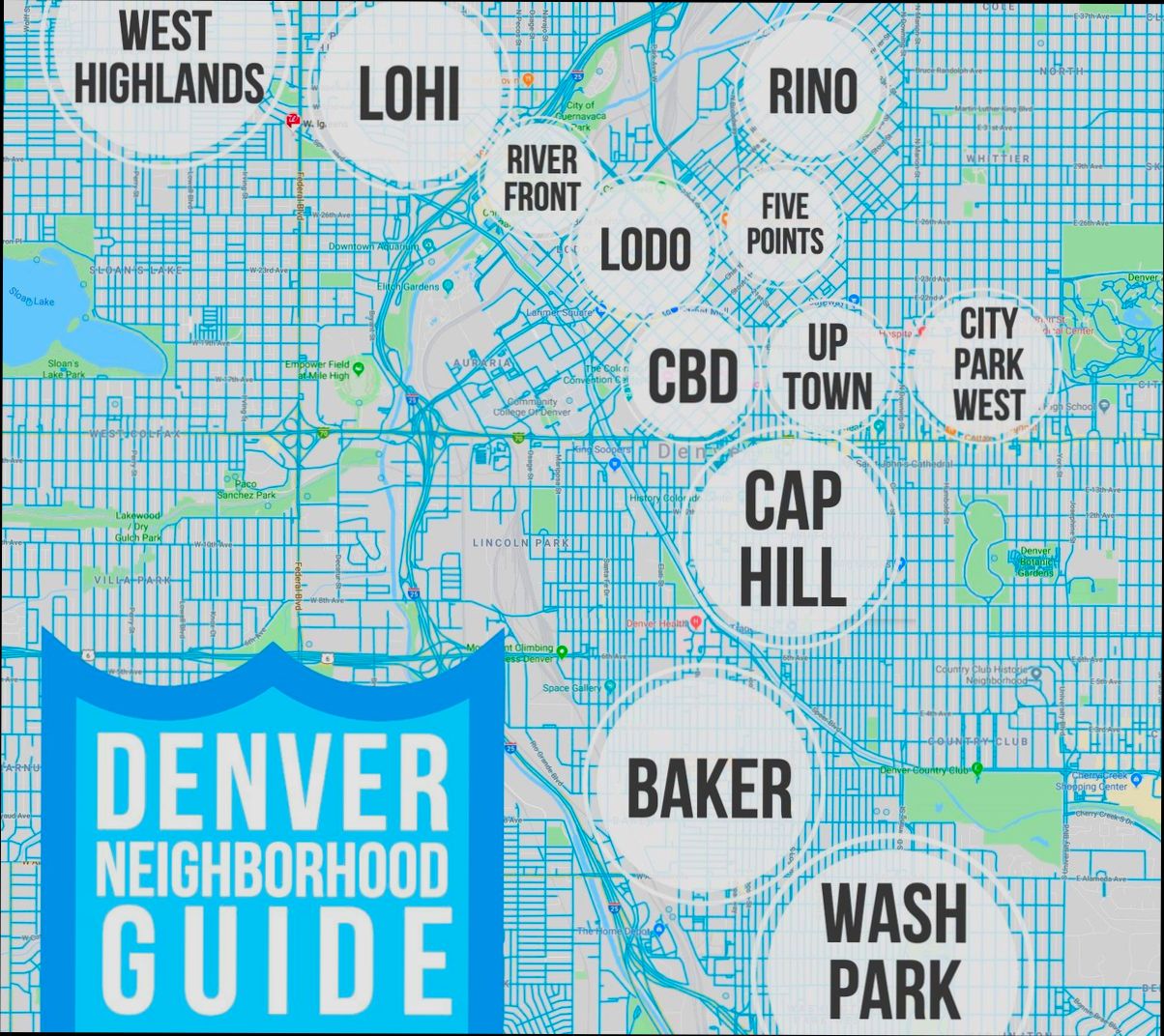
Pros and Cons of Living in Denver CO is a conversation worth having, especially if you’re eyeing the Mile High City for your next chapter. On one hand, Denver boasts a vibrant culture, killer outdoor activities, and a booming job market. With over 300 days of sunshine a year, you can hit the slopes in winter or explore the hiking trails in summer without worrying about rain ruining your plans. Plus, neighborhoods like RiNo and LoHi have exploded with trendy restaurants, breweries, and art galleries, making the local scene feel impossibly fresh and exciting. The median home price has jumped to around $600,000, but many argue it’s worth it for the lifestyle that comes with it.
On the flip side, the rapid growth has led to concerns about traffic congestion and rising costs. It’s not uncommon to spend an extra hour in your car during peak traffic times, especially when commuting from the suburbs. And while the job market is thriving, housing affordability can be a real kick in the gut for first-time buyers. Let’s not forget the altitude; for some newcomers, the thin air can turn an afternoon jog into a gasping challenge. As great as Denver is, those are real factors to ponder if you’re thinking about making the move.
Cost of Living Dynamics in Denver
Living in Denver comes with its own set of financial nuances that significantly impact daily life. Understanding the cost of living dynamics here can help you make informed decisions about budgeting and lifestyle choices.
Housing Market Insights
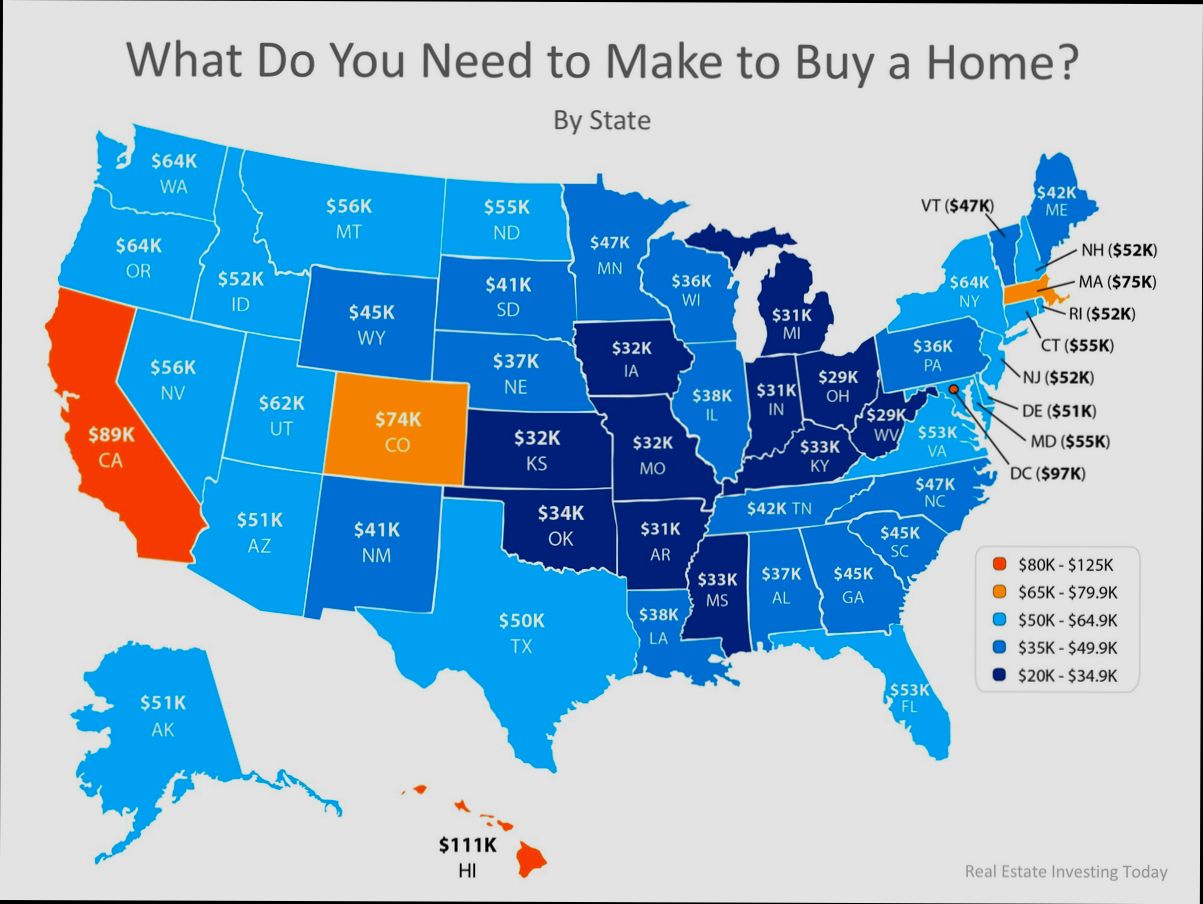
Housing costs in Denver have surged in recent years. As of 2023, the median home price in Denver has reached approximately $650,000, which is almost 10% higher than the previous year. This can put considerable pressure on your budget, especially if you are looking to buy rather than rent.
- Rent for a one-bedroom apartment in Denver averages about $2,200 per month. This places it in the higher range compared to many cities across the country.
- For those seeking more affordable options, areas like Aurora or Lakewood offer lower rents, often around $1,700 for similar apartments.
Cost Comparisons with Other Cities
To give you a clearer picture, here’s how Denver stacks up against other major cities regarding key expenses:
| Expense | Denver | Chicago | San Francisco | Atlanta |
|---|---|---|---|---|
| Median Home Price | $650,000 | $300,000 | $1,400,000 | $350,000 |
| Average Rent (1 BR) | $2,200 | $2,400 | $3,500 | $1,900 |
| Grocery Costs Index | 105 | 100 | 130 | 95 |
| Utility Costs (Monthly) | $150 | $180 | $220 | $140 |
Grocery and Utility Costs
Grocery prices in Denver are slightly above the national average, with a cost index of 105, meaning you might spend a bit more at the supermarket compared to other U.S. cities.
- Typical grocery bills can run around $300-$400 a month for an individual, depending on dietary preferences.
- Utility costs, including electricity, heating, and water, tend to average about $150 monthly, which is lower than some coastal cities but still adds to overall living costs.
Practical Considerations
When budgeting for life in Denver, it’s essential to account for the varied expenses. Here are some practical tips:
- Explore housing options in neighboring suburbs to find lower rent prices while still enjoying city amenities.
- Consider budgeting an extra 15% for groceries to accommodate the price differences you might encounter.
- Keep track of seasonal utility costs, as winters can lead to spikes due to heating needs.
Real-World Examples
Let’s consider a couple of case studies:
- Case Study 1: Maria, a young professional who’s recently moved to Denver, discovered that living in the downtown area significantly raised her monthly rent. To manage her budget, she decided to move to the nearby suburb of Westminster, where her rent dropped by $300 per month, allowing her to allocate funds towards savings and entertainment.
- Case Study 2: Jake and Lisa, a couple looking to start a family, found that by shopping at local markets and discount grocery chains, they could save around $100 monthly on food costs compared to larger supermarket chains, enabling them to channel more into their home savings.
Understanding the nuanced cost of living dynamics in Denver can empower you to make sound financial choices that align with your lifestyle. Stay informed about housing trends and local costs to navigate your budget effectively. This knowledge can help you find the best balance between enjoying Denver’s offerings and maintaining financial health.
Climate Considerations for Year-Round Residents
When considering a move to Denver, one of the most significant factors to ponder is the climate. Denver experiences a high-desert climate characterized by low humidity and a wide temperature range throughout the year. Understanding these climate dynamics can prepare you for daily life as a resident.
Weather Variability
Denver weather can be unpredictable, with variations that can impact your lifestyle. Residents can experience:
- An average of 300 sunny days per year, perfect for outdoor activities.
- Temperature swings that can reach 40 degrees Fahrenheit in a single day during transitional seasons.
- Annual snowfall averaging around 57 inches, which can lead to operational challenges but also fun winter activities.
Seasonal Considerations
Living in a city like Denver means adapting to distinct seasonal changes that influence many aspects of life:
- Winter: As residents, you’ll need to prepare for icy conditions, with December through February often dipping below freezing. Ensuring your vehicle has proper winter tires and your home is adequately insulated becomes essential.
- Spring and Fall: These shoulder seasons may seem mild but often bring sudden weather changes. The warm days can turn to chilly evenings, so layering your clothing is key.
- Summer: With average temperatures soaring to the 90s, staying hydrated and protected from the sun becomes crucial. Denver also enjoys mild evening temperatures, which often encourage outdoor gatherings.
| Season | Average High | Average Low | Rain/Snowfall |
|---|---|---|---|
| Winter | 45°F | 18°F | 8-12 inches snow |
| Spring | 65°F | 35°F | 1-3 inches rain |
| Summer | 89°F | 60°F | 2-4 inches rain |
| Fall | 65°F | 34°F | 1-2 inches rain |
Real-World Examples
Many residents have learned to embrace Denver’s unique climate. For instance, locals often keep a pair of sunglasses handy regardless of the season due to the high number of sunny days. Additionally, running clubs and outdoor fitness groups are popular, capitalizing on the favorable weather to engage in year-round activities.
Moreover, the active lifestyle encouraged by the overall climate leads many residents to invest in outdoor gear more frequently than they might if living elsewhere. Those who relish skiing or snowboarding find themselves very close to several premier ski resorts, making winter a season of adventure.
Practical Implications
- Hydration and Sun Protection: With high temperatures in the summer, make sure to carry water and apply sunscreen regularly.
- Home Preparations: Install energy-efficient windows or shading devices to manage summer heat while also maintaining warmth during winter.
- Emergency Kits: Because of the potential for sudden storms, keeping an emergency kit in your home and car may prove prudent.
Actionable Advice
As a year-round resident in Denver, invest in quality clothing that layers well for the shifting temperatures. Keep your vehicle winter-ready with proper tires and emergency supplies. Lastly, embrace the local lifestyle by participating in outdoor activities to truly enjoy the climate that Denver offers!
Evaluating Denver’s Public Transportation System
When considering a move to Denver, the public transportation system is a critical factor that can greatly influence your daily life. Denver’s public transit options, primarily operated by the Regional Transportation District (RTD), include buses and light rail services that connect various neighborhoods and suburbs to the downtown area.
Key Components of the System
- Coverage and Accessibility: RTD operates over 1,000 bus routes and 170 miles of light rail, making it one of the more expansive public transport systems in the U.S. Approximately 60% of Denver residents live within a half-mile of a bus or train stop, enhancing access to the city’s amenities.
- Ridership Trends: Pre-pandemic, RTD recorded about 100 million trips annually. As transit ridership is recovering, understanding how current trends impact service offerings is essential.
- Fare Structure: Fares range from $3 to $6 depending on distance, which may seem a bit expensive relative to other cities, but with the implementation of more affordable monthly passes, some commuters may find savings over individual fares.
| Service Type | Average Fare | Monthly Pass | Coverage |
|---|---|---|---|
| Bus | $3 | $114 | Extensive |
| Light Rail | $3 | $114 | Extensive |
| Free MallRide | $0 | N/A | Limited |
Real-World Examples and Case Studies
- Diverse Routes: The innovative Flatiron Flyer, which connects Denver to Boulder and beyond, covers a distance of about 26 miles with over 700 daily trips. This service has significantly helped commuters traveling to areas where housing may be more affordable, and jobs more plentiful.
- Green Initiatives: RTD has also expanded its eco-friendly approach. The introduction of electric buses in service aims to reduce emissions and enhance the sustainability of the public transport environment. With nearly 70 electric buses already in operation, this move supports broader environmental goals.
Practical Implications for Readers
Understanding the nuances of Denver’s public transportation can set your expectations on commuting. The RTD’s extensive service may save you money on the high costs of parking and vehicle maintenance, while the recent efforts to enhance service frequency should make travel more convenient. Knowing that you can avoid traffic by utilizing public transit can also enhance your lifestyle, allowing for more time spent on hobbies or with family.
- If you live near an RTD bus or light rail stop, consider using public transit as a cost-saving alternative to driving.
- Research local RTD service schedules and routes to find the best commuting options, especially if you plan on working downtown or in the suburbs.
Understanding these aspects of Denver’s transportation system can empower you to make informed decisions that better fit your lifestyle in the city.

Outdoor Lifestyle and Recreational Opportunities
Living in Denver offers a vibrant outdoor lifestyle that beckons adventure enthusiasts and nature lovers alike. With the Rocky Mountains right at your doorstep, the city is a playground for various recreational activities year-round. Let’s dive into the incredible outdoor opportunities that you can enjoy while living in this energetic metropolis.
Abundant Parks and Open Spaces
Denver boasts over 200 parks covering more than 5,000 acres, making it easy to enjoy nature without venturing far from home. Some popular parks include:
- City Park: Perfect for running or picnicking, and home to a museum and a golf course.
- Washington Park: Features a stunning lake and scenic walking paths, ideal for jogging or leisurely strolls.
Proximity to the Rockies
Being just a short drive from the Rockies means that you can access some of the best hiking, skiing, and snowboarding destinations. Here are some key statistics that highlight this aspect:
- Over 25 hiking trails within an hour’s drive from the city.
- Ski resorts like Breckenridge and Loveland are approximately 1-2 hours away, giving you a quick escape for weekend skiing trips.
Year-Round Recreational Activities
Denver’s mild climate and conducive weather create a haven for outdoor activities throughout the year. You can expect:
- Mountain biking on numerous scenic trails, with local favorites like North Table Mountain and Red Rocks offering breathtaking views.
- Rock climbing opportunities at iconic sites, including Eldorado Canyon, which attracts climbers from all over.
Comparative Table of Outdoor Activities in Denver
| Activity | Best Season | Locations | Average Participation Cost |
|---|---|---|---|
| Hiking | Spring-Fall | Rocky Mountain National Park, Mount Evans | Free |
| Skiing/Snowboarding | Winter | Breckenridge, Keystone | $80+ lift ticket |
| Mountain Biking | Spring-Fall | Valmont Bike Park | Free (bike rental extra) |
| Trail Running | Year-Round | Green Mountain Open Space | Free |
Real-World Examples
One popular hiking event is the Annual Denver Trail Running Festival, which attracts hundreds of outdoor enthusiasts eager to experience scenic routes. The festival showcases local trails, allowing participants to enjoy the region’s natural beauty while engaging with the community.
Additionally, many locals participate in the Rocky Mountain Athletic Club, where members regularly organize weekend skiing trips, fostering friendships and shared outdoor experiences.
Practical Implications for Residents
You have access to a myriad of activities to maintain an active lifestyle. Joining local outdoor clubs or meet-up groups can be an effective way to integrate into Denver’s vibrant outdoor community. Many of these groups focus on different activities, from casual hikes to more extreme sports, catering to all skill levels and interests.
Actionable Advice
If you love the outdoors, consider obtaining a season pass to a ski resort to maximize your winter enjoyment and save on lift tickets. In warmer months, stay updated on guided hiking tours and participate in free outdoor yoga classes hosted in local parks to connect with fellow outdoor enthusiasts.
Housing Market Trends and Statistics
The housing market in Denver is brimming with unique trends and statistics that can shape your decision to move there. Understanding these dynamics is crucial, whether you’re considering buying, renting, or simply evaluating your options. Let’s explore the current landscape!
Market Growth Trends
Denver’s housing market continues to show remarkable growth. Data indicates that home values have seen a consistent increase, with an average appreciation rate of approximately 8% annually over the past five years. This upward trend highlights a robust demand for housing, fueled by the city’s attractiveness and economic opportunities.
Rent Prices on the Rise
For renters, the situation remains challenging, as rental prices are on an upward trajectory. The average cost of a two-bedroom apartment has escalated to around $2,800 per month, reflecting a 12% increase year-over-year. This surge emphasizes the limited inventory available in the rental market.
Home Sales Statistics
In terms of home sales, the market remains competitive. Recent statistics noted that homes in Denver sold at an average of 98% of the listing price, illustrating the high demand and swift sales often experienced. Moreover, homes generally spend about 25 days on the market before sold, which is significantly lower than the national average.
| Metric | Current Figure |
|---|---|
| Average Rent (2-Bedroom) | $2,800 per month |
| Home Appreciation Rate | 8% annually |
| Average Days on Market | 25 days |
| Sale Price vs. Listing Price | 98% |
Real-World Examples
Consider the recent sale of a charming Victorian home in the historic Baker neighborhood that listed at $550,000. It received multiple offers and ultimately closed at $590,000 within just 10 days. This reflects the competitive bidding climate that many buyers currently face in Denver.
Another example is the rental market in the trendy RiNo (River North Art District), where a newly renovated loft was listed for $3,000. This property attracted several potential renters within hours, highlighting the neighborhood’s desirability and how quickly quality listings can disappear.
Practical Implications for You
When grapping with the Denver housing market, remember:
- Be Prepared: For buyers, having your financing in order can be crucial in this fast-paced environment.
- Research Neighborhoods: Each area has its own market dynamics. Neighborhoods like Highlands and LoHi have shown especially strong appreciation rates.
- Stay Informed: Keep an eye on local trends; understanding when to enter the market can save you money or lead to investments that pay off in the long term.
Specific Facts to Note
- Investment Potential: If you buy a property now, it’s reasonable to expect a continued appreciation trend, which can mean increased equity in just a few years.
- Rental Demand: The current demand for rentals is projected to persist, so investing in rental properties may provide stable income.
By diving deep into these housing market trends and statistics, you can make well-informed decisions whether you’re renting, buying, or considering an investment in Denver’s vibrant market.
Cultural Diversity and Community Spirit
Living in Denver means immersing yourself in a vibrant tapestry of cultures and communities. With a growing population representing various ethnic backgrounds, the city’s cultural diversity is a defining characteristic that creates a rich community spirit. This section explores how this diversity enhances our daily lives and fosters a sense of belonging.
Key Points on Cultural Diversity
- Ethnic Composition: Approximately 30% of Denver’s population identifies as Hispanic or Latino, while around 10% are African American. This mix contributes to a variety of cultural events, food, and traditions that enhance the city’s atmosphere.
- Language Diversity: More than 30 languages are spoken in Denver homes, showcasing a multicultural environment. You’ll hear everything from Spanish to Vietnamese, which adds a unique flavor to daily interactions.
- Community Organizations: Denver is home to over 200 community organizations that focus on supporting various cultural groups. This network fosters connection and collaboration among diverse populations.
Comparative Table: Cultural Communities in Denver
| Community/Group | Estimated Population Percentage | Key Activities |
|---|---|---|
| Hispanic/Latino | 30% | Fiestas, cultural festivals, parades |
| African American | 10% | Jazz festivals, art showcases |
| Asian American | 5% | Lunar New Year celebrations |
| Native American | 2% | Powwows, cultural education |
Real-World Examples Demonstrating Community Spirit
One of the most notable celebrations is the Denver Cinco de Mayo Festival, which attracts over 400,000 attendees each year, celebrating Mexican culture through music, dance, and cuisine. Another shining example is the Black Arts Festival, which showcases African American art, dance, and music, pulling in large crowds and fostering understanding and appreciation across cultural divides.
Local neighborhoods often host events that bring people together, such as art walks and street fairs. For instance, the Art District on Santa Fe regularly features local artists and performers, contributing to a sense of community while supporting local talent.
Practical Implications for Residents
- Join Community Events: Actively participate in local festivals and cultural events. Not only will you gain insights into different cultures, but you’ll also foster connections that can lead to friendships.
- Volunteer with Organizations: Engage with community organizations that resonate with you. Whether you are supporting the immigrant community or helping with cultural education, involvement can enhance your sense of belonging.
- Explore Diverse Neighborhoods: Make an effort to visit neighborhoods known for their cultural richness. Areas like North Denver and Auraria offer authentic dining experiences and cultural events that celebrate diversity.
Engaging with Denver’s cultural diversity enriches your life and contributes to the ongoing spirit of community. Whether through food, festivals, or friendships, there’s always an opportunity to connect with someone from a different background, enhancing our collective experience in this vibrant city.
Advantages of Denver’s Thriving Job Market
Denver’s job market is a standout feature that offers numerous benefits for both new residents and those considering a move to the Mile High City. A blend of innovation, opportunity, and a strong economic presence sets Denver apart, making it a hot spot for job seekers and professionals alike.
Booming Industries and Employment Opportunities
Denver is not just a hub for tech jobs; it boasts a diverse range of industries that provide extensive employment opportunities. Some key sectors thriving in the area include:
- Technology and Startups: With a 40% increase in tech job openings over the past five years, the city attracts many innovative companies.
- Healthcare: Home to leading healthcare facilities, Denver’s healthcare sector is expected to grow by approximately 20% in the next decade.
- Green Energy: Denver leads the nation in green energy initiatives, creating jobs at an impressive rate of 15% annually.
Low Unemployment Rates
One of the significant advantages of living in Denver is its consistently low unemployment rate. The city’s rate has stabilized around 5%—around 1% lower than the national average—offering job seekers more stability and options. This environment allows for healthier job security and the potential for career advancement.
| Industry | Growth Rate (%) | Current Job Openings |
|---|---|---|
| Technology | 40% | 13,000 |
| Healthcare | 20% | 8,500 |
| Green Energy | 15% | 4,000 |
Real-World Examples: Companies Hiring
Many prominent organizations have established a presence in Denver, creating a wealth of job opportunities. For example:
- Amazon recently announced plans to expand its fulfillment and distribution center, resulting in an addition of 1,000 local jobs.
- Arrow Electronics, headquartered in Denver, employs thousands and continually seeks talent in engineering and logistics, reflecting the city’s industry growth.
These examples illustrate the proactive approach companies take to foster growth in Denver’s job market.
Actionable Insights for Job Seekers
If you’re eyeing a rewarding career in Denver, here are some tips:
- Networking Events: Attend local networking meetups or industry-related conferences. Denver’s vibrant scene is ideal for establishing connections that may lead to job offers.
- Upskill: Consider enrolling in local training programs or online courses tailored to in-demand skills in your target industry. Employers value candidates who are committed to personal and professional growth.
Specific Facts to Consider
- Over 60% of job seekers report a positive outlook on job availability in Denver, contributing to a thriving economic atmosphere.
- The average salary in Denver exceeds the national average by up to 10%, making it not just a place to find work but a place that rewards your efforts well.
Embracing the job market in Denver opens a world of opportunities, fueled by a strong economy, diverse industries, and a robust support network for professionals. Whether you’re just starting your career or looking to make a transition, Denver’s job scene has something to offer for everyone.