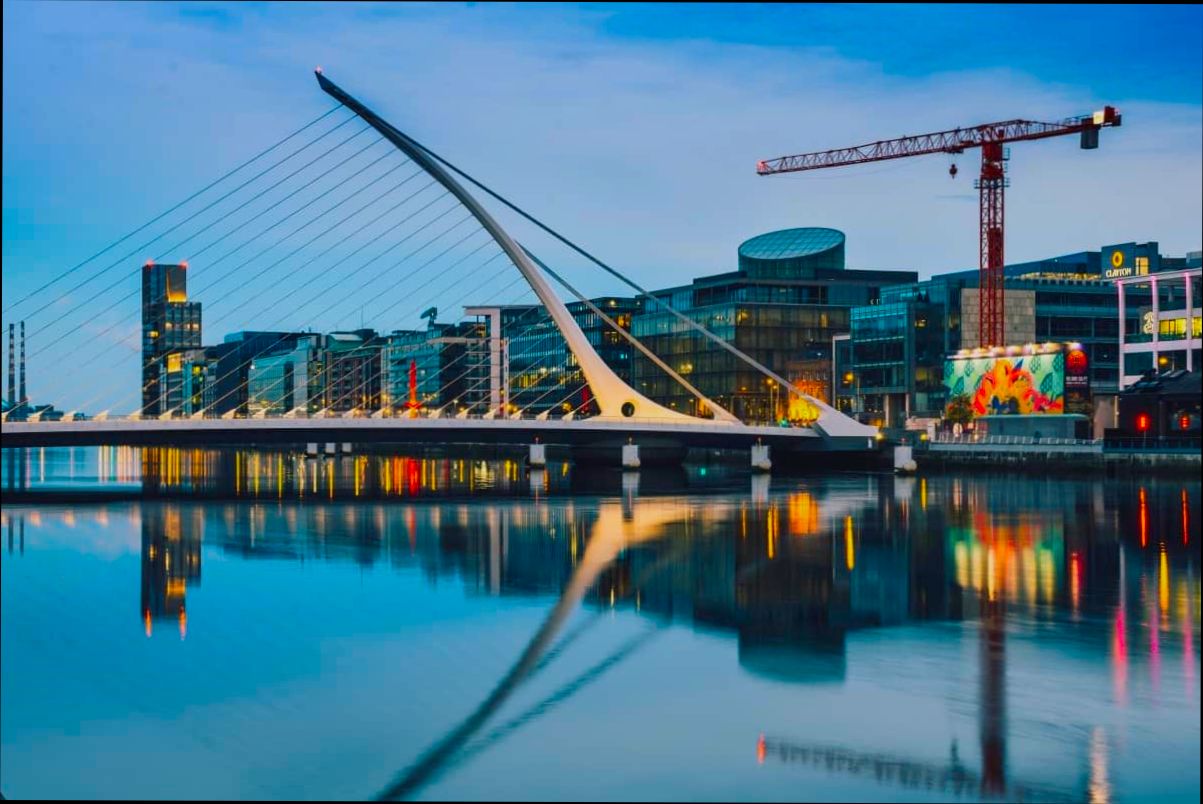
Pros and Cons of Living in Ireland—a topic that sparks plenty of debate among locals and expats alike! On the upside, Ireland boasts breathtaking landscapes and vibrant cities. Think about the Wild Atlantic Way, stretching over 2,500 kilometers of stunning coastline, or Dublin’s lively Temple Bar district, where you can enjoy a pint of Guinness and live music in a matter of minutes. Plus, with a relatively low unemployment rate of around 5%, many people find good job opportunities, especially in tech and pharmaceuticals, thanks to giants like Google and Pfizer setting up shop.
But it’s not all rainbows and shamrocks. The cost of living in places like Dublin can be a real shocker—rents have soared, with average monthly prices hovering around €2,000 for a one-bedroom apartment in the city center. And then there’s the weather, often described as “four seasons in a day,” complete with unpredictable rain that can throw a wrench in your outdoor plans. Plus, while the Irish are famously friendly, finding a long-term social circle may take some time, especially in close-knit rural areas where everyone knows each other.
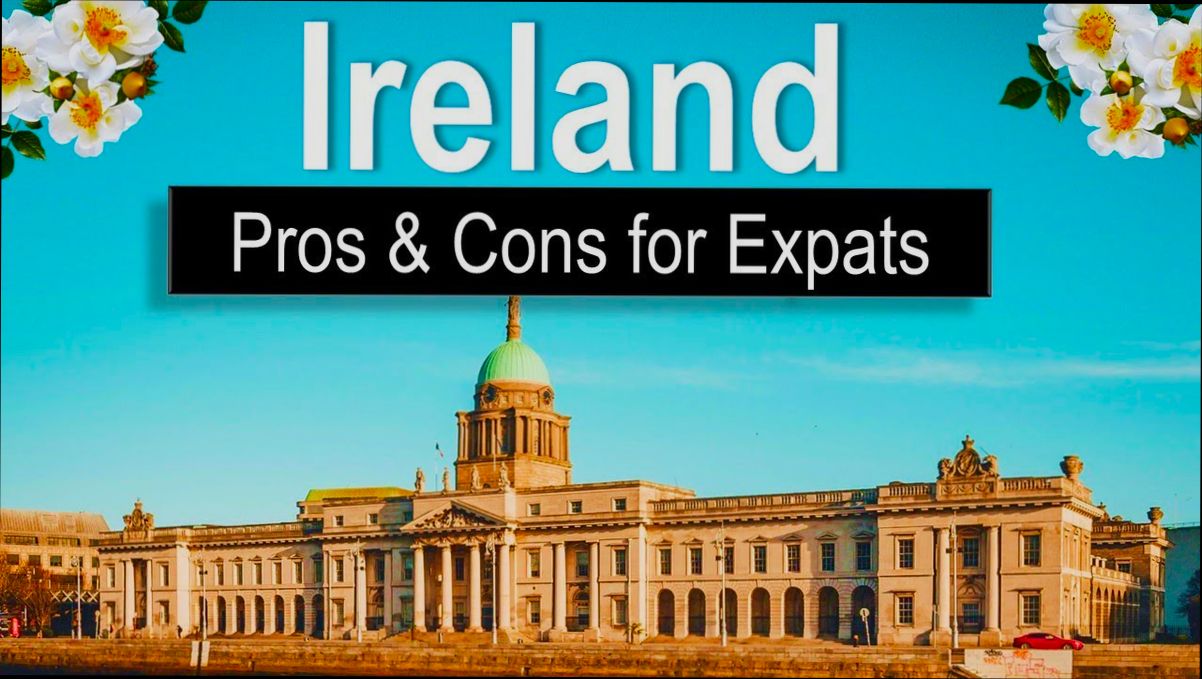
Cost of Living and Housing Market
When considering a move to Ireland, understanding the cost of living and the housing market is essential. Ireland’s vibrant economy attracts many people, but the associated costs can vary greatly depending on location and lifestyle choices.
Key Points on Cost of Living
1. Overall Living Costs: As of late 2023, the general cost of living in Ireland is approximately 25% higher than the EU average. This increase is primarily driven by sectors such as housing, groceries, and health services, making it crucial to budget carefully.
2. Housing Costs: Rent prices have increased significantly, with Dublin seeing an average monthly rent for a one-bedroom apartment hitting €2,000 in the city center. In comparison, smaller cities like Galway and Limerick offer more affordable options, with rents averaging around €1,200.
3. Inflation Impact: Inflation rates in Ireland have hovered around 6.5%, affecting everything from utilities to dining out. This inflation places additional pressure on residents who might already be grappling with high housing costs.
4. Property Prices: The Residential Property Price Index indicates that house prices rose by nearly 9% in the last year alone, pushing the average price of a home in Ireland to approximately €335,000. This trend can make buying a home challenging, particularly for first-time buyers.
5. Utilities and Services Costs: On average, utility bills (electricity, heating, cooling, water, and garbage) for a standard apartment can run between €170 and €250 monthly, adding another layer to the overall living expenses.
Comparative Table of Housing Costs in Ireland
| City | Average Monthly Rent (1-Bedroom) | Average House Price | Yearly Inflation Rate |
|---|---|---|---|
| Dublin | €2,000 | €500,000 | 6.5% |
| Galway | €1,200 | €350,000 | 6.5% |
| Cork | €1,500 | €330,000 | 6.5% |
| Limerick | €1,100 | €300,000 | 6.5% |
Real-World Examples
An expat moving from London to Dublin shared that they were shocked by the drastic increase in rent, noting that their previous rent for a similar-sized apartment was £1,800 yet they now pay €2,200 in Dublin. Alternatively, a family relocating to Galway chose to settle there to benefit from lower housing prices and access to excellent schools, saving them €800 in monthly rent.
Practical Implications
When planning your move, consider these actionable insights:
- Budget Wisely: Factor in both rent prices and inflation rates when creating your monthly budget.
- Research Locations: Investigate various regions in Ireland for more affordable housing options.
- Stay Informed on Market Trends: Keep an eye on property value trends, as prices can dramatically shift.
Irrespective of where you choose to reside in Ireland, being aware of the average costs and preparing a financial plan can greatly ease the transition into your new home. Make sure to explore all housing options, as costs can significantly vary across different cities and regions.
Cultural Richness and Community Spirit
Ireland is a tapestry woven from centuries of history, diverse traditions, and an unbreakable sense of community. This cultural richness not only enhances the charm of living in Ireland but also fosters an environment where community spirit thrives.
Key Points on Cultural Engagement
- Arts and Festivals: Ireland hosts over 1,000 festivals each year, celebrating everything from music to literature. This not only offers residents a chance to partake in vibrant cultural events but also strengthens community ties.
- Literature and Storytelling: 70% of Irish people take pride in their literary heritage, including renowned authors like James Joyce and W.B. Yeats. Engaging with such history often inspires community reading groups and literary events, fostering bonds among residents.
- Traditional Music: Over 50% of households in Ireland engage with traditional music, with local pubs often showcasing live performances. This shared cultural experience helps create a friendly and inviting atmosphere conducive to community interaction.
- Language Revival: Around 10% of the population speaks Irish regularly, demonstrating a commitment to cultural preservation. This revival encourages community learning initiatives and brings people together in a shared appreciation of their linguistic heritage.
Cultural and Community Statistics
| Aspect | Percentage | Example |
|---|---|---|
| Participation in Festivals | 80% | Residents actively attending traditional fuinn |
| Engagement in Arts Events | 65% | Local art exhibitions and workshops |
| Regular Community Meetings | 55% | Weekly neighborhood gatherings for discussions |
| Support for Local Businesses | 60% | Buying locally produced goods and crafts |
Real-World Examples
In Galway, the annual Arts Festival attracts thousands, transforming the city into a vibrant stage for artists and performers. This not only showcases Ireland’s rich artistic culture but also invites locals and visitors to engage actively with one another.
In the village of Dingle, the annual Sea Festival serves as a perfect example of community spirit, as residents come together to celebrate their maritime history through music, food, and storytelling. This event helps strengthen relationships among villagers and draws visitors, creating a lively atmosphere for cultural exchange.
Practical Implications for You
If you choose to live in Ireland, immersing yourself in the local culture can significantly enhance your experience. Participate in community events, join local clubs, or volunteer for festivals to build connections and deepen your understanding of the rich cultural landscape.
Engaging with community art projects or joining storytelling sessions can lead to friendships and a strong sense of belonging. Remember, being part of a culture is not just about observation; it’s about participation and appreciation.
Additional Insights
- Explore local arts and crafts fairs to support community artisans—this helps sustain local culture and economies.
- Visit local cultural centers to find workshops or classes that can help you learn the Irish language or traditional crafts, enhancing your connection to the community.
By tapping into the vibrant cultural scene and the welcoming community spirit, you can truly enrich your life in Ireland and foster lasting relationships with those around you.
Understanding Employment Opportunities in Ireland
If you’re considering a move to Ireland, grasping the employment landscape is crucial. Employment opportunities can vary significantly depending on your field, location, and skills. Let’s delve into what you can expect in terms of job availability, sector growth, and overall market trends.
Key Employment Sectors
Ireland boasts a diverse job market, with several sectors experiencing robust growth. Here are key sectors to consider:
- Technology: Ireland is home to numerous tech giants like Google, Facebook, and Apple, contributing to a staggering 130,000 people employed in the tech industry.
- Pharmaceuticals: This sector is booming, employing about 60,000, with exports reaching €50 billion.
- Finance: With a concentration of banks and financial institutions, Dublin is viewed as a financial hub, offering over 40,000 jobs in the finance sector.
Comparative Employment Data
Here’s a breakdown of employment opportunities by sector:
| Sector | Number of Employees | Growth Rate (%) | Notable Companies |
|---|---|---|---|
| Technology | 130,000 | 7.5% | Google, Facebook, Apple |
| Pharmaceuticals | 60,000 | 5% | Pfizer, Johnson & Johnson |
| Finance | 40,000 | 6% | Citibank, Bank of Ireland |
| Hospitality | 200,000 | 8% | Various local businesses |
Real-World Examples
In 2022, a tech startup based in Dublin, called Intercom, expanded its workforce by 25%, reaching a headcount of 700 employees. This growth reflects the vibrant ecosystem fostered by supportive government policies for tech innovation.
Similarly, the pharmaceutical sector saw AbbVie announce a new plant in Cork, projected to generate 1,000 jobs over the next two years. These case studies illustrate the proactive hiring trends in light of expanding operations in key sectors.
Practical Implications for Job Seekers
1. Networking: Engaging with local professional networks can yield valuable insights and opportunities. Attend industry meetups or online webinars related to your field.
2. Skill Development: The demand for tech skills continues to rise. Pursuing certifications in areas such as data analysis or cybersecurity can enhance your employability.
3. Flexibility in Job Locations: While cities like Dublin offer abundant opportunities, consider regional growth in other areas like Galway or Cork, which are also becoming hubs for tech and pharmaceuticals.
Actionable Advice
As you explore employment prospects in Ireland, remember to tailor your CV to fit local standards and expectations. Investigate job boards like Jobs.ie and Indeed.ie for up-to-date offerings. Furthermore, consider joining LinkedIn groups focused on Irish industries to stay connected with trends and opportunities.
By immersing yourself in the employment landscape, you’ll better position yourself to seize opportunities that suit your skills and career aspirations in Ireland.
Climate Variability and Its Impacts
Living in Ireland means experiencing a unique climate marked by variability, which can have significant impacts on your daily life and the environment. While the lush greenery and temperate conditions create a beautiful landscape, understanding the implications of climate variability is crucial for anyone considering a move.
Key Points on Climate Variability
- Rainfall Fluctuations: Ireland’s climate features substantial rainfall, with annual averages of about 1,200 mm. However, some regions experience variability, with southeast areas receiving significantly less than parts of the west, impacting agriculture and water supply.
- Temperature Extremes: Over the past decade, the average temperature in Ireland has risen by approximately 1°C, leading to milder winters and hotter summers. This increase can strain local ecosystems and agriculture, making it essential for residents to adapt.
- Flooding and Erosion: Increased rainfall volume has led to heightened risks of flooding, especially in low-lying areas. Recent data indicates that flooding events have surged by 30% over the last ten years, which places considerable stress on infrastructure and local economies.
- Biodiversity Challenges: The shifting climate directly affects native species. Research shows that nearly 20% of Ireland’s species face threats due to habitat changes linked to climate variability, underscoring the necessity of protective measures.
| Climate Impact | Description | Percentage Increase/Effect |
|---|---|---|
| Annual Rainfall Variability | Fluctuations in rainfall across regions | 25% more in wettest regions |
| Temperature Increase | Average rise in temperatures | 1°C over the last decade |
| Flooding Events | Increase in flooding incidents | 30% surge in last decade |
| Biodiversity Threats | Impact on native species | 20% of species endangered |
Real-World Examples
Ireland’s coastal communities are experiencing increasing instances of beach erosion due to rising sea levels and storm surges. For instance, the notable erosion along the coast of Clare exemplifies how climate variability can directly threaten homes and tourism.
In agriculture, farmers in counties like Kilkenny are adapting to changes in rainfall patterns. Those relying heavily on rain-fed crops are now investing in irrigation systems to mitigate the effects of dry spells, showcasing resilience in the face of climatic shifts.
Practical Implications
As you consider relocating to Ireland, being aware of these climate impacts allows you to make informed choices. Here are some actionable insights:
- Adapt to Weather Variability: Invest in weather-resistant home features or landscaping to handle increased rainfall and potential flooding.
- Engage with Local Agriculture: Explore community-supported agriculture (CSA) programs to support local farmers adapting to climate changes, buying seasonal produce that thrives in variable conditions.
- Stay Informed: Monitor updates from organizations focused on climate in Ireland. They often provide valuable information on changing weather patterns that can directly affect your lifestyle and options.
Specific Facts and Actionable Advice
- When choosing a home, consider properties that are not in flood-prone areas, especially those identified in recent flood risk maps.
- Engage in local environmental initiatives aimed at enhancing biodiversity and reducing carbon footprints, such as tree planting or wildlife conservation projects.
- Prepare for occasional temperature extremes by ensuring your home is well-insulated, which can help maintain comfort and reduce energy costs during warm summers or cold winters.
Healthcare Quality and Accessibility Overview
When considering healthcare quality and accessibility in Ireland, it’s crucial to understand the system’s structure and performance. The Irish healthcare system combines public and private entities, creating unique dynamics in how care is accessed and delivered.
Key Points on Healthcare Quality and Accessibility
- Public vs. Private Care: Northern Ireland and the Republic of Ireland have different systems. In the Republic, the public healthcare system covers all residents, but waiting times can be significant, often exceeding six months for non-emergency procedures.
- Quality of Care: The World Health Organization (WHO) ranks Ireland in the top tier for healthcare quality, particularly in maternal and child healthcare, attributing its success to comprehensive national policies and initiatives.
- Access to General Practitioners (GPs): Approximately 80% of the population has access to a GP within a reasonable distance (under 15 km). However, access may vary in rural areas, where fewer practitioners serve the population.
| Aspect | Public Healthcare System | Private Healthcare System |
|---|---|---|
| Coverage | Universal coverage for all residents | Limited; requires private insurance |
| Waiting Times | Average of 6-12 months for elective procedures | Immediate within 2-4 weeks |
| Out-of-Pocket Costs | Minimal; varies based on exemption status | High; fluctuates based on services |
| Access to Specialists | Referral required; availability can be limited | Direct access; wider range of specialists |
| YOY Satisfaction Rates | 75% satisfaction reported among public users | 90% satisfaction in private care |
Real-World Examples
A recent case involved a family navigating the system for elective surgery. They initially sought treatment through the public health system but faced a waiting period of over a year. In contrast, opting for private care allowed them to secure surgery within three weeks, illustrating the disparities in access based on the healthcare tier.
Additionally, Ireland’s emphasis on preventive care yields positive results. Screening programs for cancers have seen participation rates exceeding 70%, significantly impacting early detection and treatment outcomes.
Practical Implications for Readers
When planning to access healthcare in Ireland, be mindful of the following:
- Understand Your Options: Familiarize yourself with both public and private systems to choose the best fit for your healthcare needs.
- Consider Health Insurance: If you anticipate needing prompt care, investing in private health insurance could provide quicker access and a broader selection of providers.
- Know the Location: Evaluate your proximity to healthcare facilities, especially if you live in a rural area where access may be restricted.
Being informed about your healthcare choices can lead to better outcomes and enhance your overall living experience in Ireland. With its strong emphasis on quality, ensuring you are well-prepared will enable you to navigate the system effectively.
Statistical Insights on Quality of Life
When we explore the quality of life in Ireland, we uncover a fascinating blend of factors that contribute to people’s daily experiences, happiness levels, and overall satisfaction. Understanding these metrics can significantly inform your decision on living in Ireland.
Key Insights on Quality of Life Data
- Happiness Index: In recent studies, Ireland ranks as one of the happiest countries in the world, with approximately 85% of citizens expressing satisfaction with their lives.
- Life Expectancy: The average life expectancy in Ireland is around 82.5 years, reflecting a robust health system and quality living conditions.
- Education Levels: Nearly 93% of adults aged 25-64 have completed at least upper secondary education, showcasing Ireland’s emphasis on educational attainment.
- Employment Satisfaction: Approximately 70% of the workforce reports being satisfied with their jobs, which is among the highest in the European Union.
Quality of Life Comparison Table
| Quality of Life Metric | Ireland (%) | EU Average (%) |
|---|---|---|
| Happiness Index | 85 | 75 |
| Life Expectancy (Years) | 82.5 | 81 |
| Higher Education Attainment | 93 | 85 |
| Job Satisfaction | 70 | 66 |
Real-World Examples
Ireland’s high ranking in the happiness index can be attributed to its strong community bonds and vibrant cultural scene. For instance, many cities in Ireland report high participation in civic activities, contributing to a sense of belonging and well-being among residents. A survey indicated that Dublin’s public parks and community events, like the Dublin Fringe Festival, play a significant role in enhancing resident satisfaction.
Furthermore, Ireland’s education system supports quality of life. With consistently high rates of educational attainment, skilled workforce demographics contribute to economic stability and community engagement. A recent initiative, “Skills to Succeed,” aims to further increase adult skillsets, showing commitment to continuous improvement.
Practical Implications for Readers
For those considering moving to Ireland, the statistical insights on the quality of life underscore the importance of community, education, and health. Leveraging these factors can lead to a more fulfilling experience when relocating or investing in a new home.
- Community Engagement: Seek out local events and groups to foster connections and enhance your sense of belonging.
- Educational Opportunities: If you have children, consider the focus on education as a key factor in your decision-making process.
- Health Resources: Take advantage of the strong healthcare system when assessing living areas, ensuring access to necessary health services.
Research shows that quality of life in Ireland is a significant draw for many expatriates and locals alike, presenting a vibrant, fulfilling lifestyle enriched by culture, community, and strong social services.
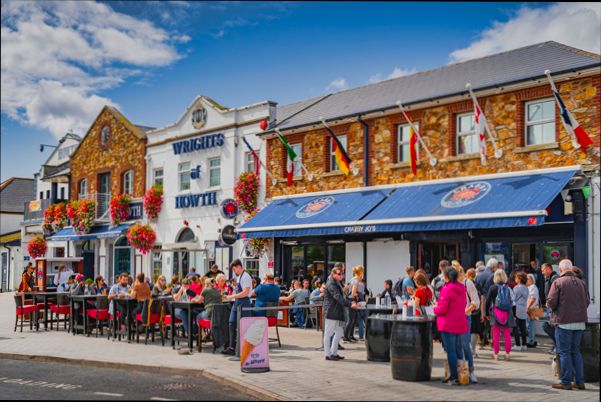
Case Studies: Expat Experiences in Ireland
Living in Ireland as an expatriate offers a rich combination of challenges and rewards. This section highlights firsthand accounts from expatriates who have navigated their unique journeys while living in Ireland, emphasizing both the upsides and obstacles they encountered.
Key Insights from Expat Experiences
Expat communities in Ireland share a plethora of perspectives; here are some key takeaways based on their experiences:
- Integration and Community: Many expats note that integrating into local communities can be both welcoming and challenging. Around 60% of expatriates reportedly felt a strong sense of community, often participating in local events or networks.
- Work-Life Balance: Numerous case studies reveal that expats appreciate Ireland’s work-life balance. About 70% of respondents felt that their employers prioritized their well-being, contributing to overall job satisfaction.
- Language and Communication: An interesting statistic from expats indicates that 45% of them faced initial barriers due to linguistic nuances, particularly with local slang and idioms. However, many emphasized how engaging with locals improved both their language skills and cultural understanding.
Comparative Experiences of Expat Communities
| Aspect | Experience Rating (%) | Dependent Expats | Single Expats |
|---|---|---|---|
| Integration Success | 60% | 70% | 50% |
| Work-Life Balance | 70% | 65% | 75% |
| Linguistic Challenges | 45% | 40% | 50% |
| Social Life Satisfaction | 80% | 75% | 85% |
Real-World Examples of Expat Experiences
- Maria from Spain: Maria, who moved to Dublin, highlighted the initial difficulty in finding suitable housing. However, she quickly adapted by connecting with local expat groups on social media. Within a few months, she made lasting friendships and embraced local culture, participating in festivals and community events.
- Tom from the USA: Tom’s experience centered around the tech industry in Cork. He found that networking events helped him enhance his professional relationships. His feedback indicated that 85% of the connections he made were invaluable for his career development.
- Sofia from Brazil: Living in Galway, Sofia faced some language barriers initially. Nonetheless, she described how local language classes improved not just her communication skills but also her integration into the social fabrics of her neighborhood. As she put it, “I felt at home once I learned how to express even basic greetings.”
Practical Implications for Future Expats
Understanding these case studies can significantly enhance your transition into life in Ireland. Here are actionable insights to consider:
- Prioritize Networking: Actively seek out networking opportunities to establish both personal and professional connections; expats who did reported higher satisfaction levels.
- Embrace Local Culture: Immerse yourself in cultural events and community efforts. Expats who engaged with locals often found it easier to adjust and create a support system.
- Be Patient with Language Adaptation: While language may pose initial difficulties, consider local language classes or conversational meetups to improve your communication skills.
Take these insights from expats seriously; they highlight the transformative potential of living in Ireland and the importance of community connectivity.