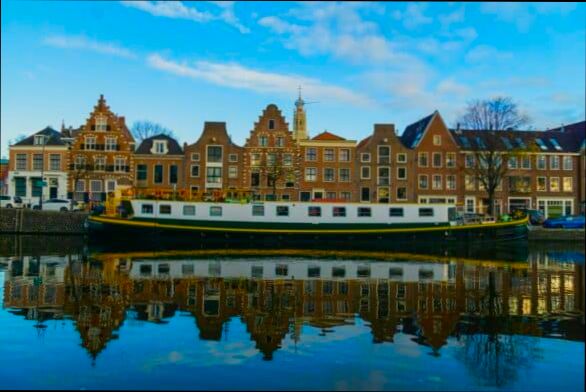
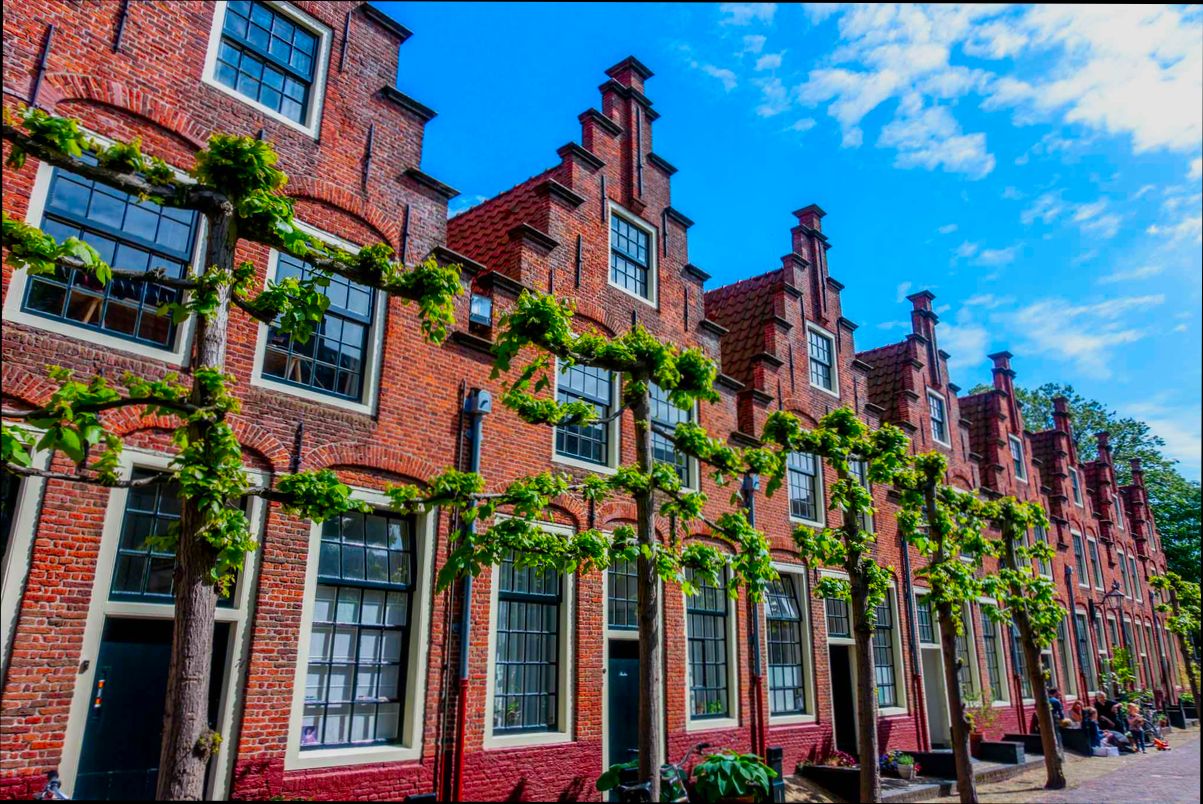
Pros and Cons of Living in Haarlem highlight a mix of charming benefits and a few challenges. On the plus side, Haarlem is a vibrant city known for its beautiful historic architecture and lively cultural scene. With over 400 years of history, walking through its cobblestone streets feels like stepping back in time. The city boasts plenty of parks and green spaces, like the stunning Haarlemmerhout, perfect for a sunny day. Housing prices can be a bit steep, averaging around €2,500 for a two-bedroom apartment, but the quality of life and strong sense of community make it tempting for many.
On the flip side, living in Haarlem does come with its downsides. The city can feel quieter than its bustling neighbor, Amsterdam, especially at night. While it has a charming selection of cafes and restaurants, your late-night options might be a bit limited. Commuting might also be a hassle if you work in Amsterdam, as train rides can take about 15-30 minutes during peak hours. Add in the fact that rainy days are quite common, with the average rainfall sitting at 860 mm annually, and you might find yourself longing for more sunshine. Overall, it’s a mixed bag that brings its own unique rhythm and vibe.
Cost of Living in Haarlem
If you’re considering moving to Haarlem, one of the first things you’ll want to understand is the cost of living. Haarlem’s cost structure is influenced by its position as one of the more expensive cities in the Netherlands and even globally, making it essential to know how your budget will fare here.
Key Statistics
- The average cost of living in Haarlem sits at around $2,291 per month, placing it in the top 13% of the world’s most expensive cities.
- The cost of living for nomads is significantly higher at approximately $6,086 per month, while expats can expect to spend around $3,922.
- For families, the monthly cost can reach up to $6,871, highlighting the need for a well-planned budget, especially if you’re moving with children.
Cost Breakdown Table
| Expense Type | Monthly Cost |
|---|---|
| Local Cost (individual) | $1,963 |
| One-bedroom studio rent (center) | $1,620 |
| Dinner out | $19 |
| Average hotel price | $4,690 |
| Average Airbnb rate | $6,310 |
Real-World Examples
- If you’re planning to rent a one-bedroom studio in the city center, expect to pay about $1,620 each month. This cost can significantly affect your overall expenses, so it’s worth exploring various neighborhoods and rental options.
- Dining out isn’t overly prohibitive. A typical dinner will cost you around $19, which allows for occasional restaurant outings without overly straining your finances.
- For nomads and digital workers, the monthly cost of co-working spaces averages $215, providing a productive environment that fits into the broader cost of living.
Practical Implications
When budgeting for your move to Haarlem, keep in mind that while rent is a major expense, food and transportation costs are somewhat manageable. This balance can help you allocate your funds effectively.
- Many residents report varying experiences based on their lifestyle choices, so consider what aspects matter most to you, whether it’s luxury dining or affordable cafés.
- The cost of public transport is relatively low, making it feasible to live slightly outside of the city center and commute to lower-cost housing while enjoying the city’s amenities.
Specific Facts to Consider
- The average after-tax salary in Haarlem is approximately $3,067, which means that a single individual may cover living costs for about 1.3 months with their income.
- Prices for groceries can fluctuate, so shopping at local markets or supermarkets like Albert Heijn can be a great way to save money—just remember they often prefer cash, which might be a change for some foreigners.
Understanding these facets of the cost of living in Haarlem not only prepares you for the financial implications of a move but also helps you make informed decisions about your lifestyle and budget in this charming Dutch city.
Cultural Attractions and Community Life
Living in Haarlem means immersing yourself in a vibrant cultural scene and a welcoming community. This Dutch city is bursting with art, history, and events, making it an exciting place for both locals and newcomers to connect.
Rich Cultural Landscape
Haarlem is often celebrated for its rich history and artistic heritage. With over 300 historical monuments and numerous galleries, you will never run out of places to explore. Notable attractions include:
- Frans Hals Museum: Home to masterpieces from the Dutch Golden Age, providing a deep dive into the area’s artistic roots.
- Teylers Museum: Being the oldest museum in the Netherlands, it showcases an eclectic collection of art and scientific artifacts, making it a haven for those intrigued by history.
Events and Festivals
The city hosts an array of events throughout the year that foster community spirit and cultural engagement. Popular festivals include:
- Haarlem Jazz & More: A vibrant celebration of music that attracts international artists and brings the community together.
- Haarlemse Hofjes Tour: This annual event allows residents and visitors to explore the hidden courtyard gardens (hofjes) providing insights into the city’s architectural beauty and community life.
Community Involvement
Engaging with local clubs and organizations is an excellent way to build connections. Here are some suggestions for activities:
- Join a local art class or workshop at one of the city’s community centers to both learn and meet fellow creatives.
- Participate in cultural organizations such as Stichting Haarlem, which organizes events that promote local culture and heritage.
Comparative Table of Cultural Venues in Haarlem
| Venue | Type | Highlights |
|---|---|---|
| Frans Hals Museum | Art Museum | Works from the Golden Age |
| Teylers Museum | Science/Art | Oldest museum in the Netherlands |
| Stadsschouwburg Haarlem | Theatre | Hosts various cultural performances |
| Patronaat | Concert Hall | Features local and international artists |
Real-World Examples
Many expats have shared that joining local meet-up groups transformed their Haarlem experience. For example, members have found lifelong friends through the Crossroads International Church nearby, and various community-oriented activities they organize. Another expat mentioned attending the Haarlem Film Festival, cultivating both social bonds and an appreciation for film art.
Practical Implications for Expats
For newcomers, getting involved in community life can ease the adjustment process. Consider these steps:
- Attend local workshops or events regularly to meet residents and fellow expats.
- Explore membership in art-related clubs that align with your interests, enhancing social interactions.
- Leverage social media and community boards to stay informed about upcoming cultural events.
Actionable Advice
As you settle into Haarlem, make it a point to visit at least one cultural venue each month. This will not only enrich your understanding of the city’s history but also offer countless opportunities to connect with others who share your interests. Keep an eye on local calendars to ensure you never miss out on festivals or community events that foster lasting connections.
Public Transportation and Accessibility Advantages
Living in Haarlem brings with it the benefit of a robust public transportation system that significantly enhances mobility and accessibility for residents. This section dives into specific advantages of public transportation, illustrating how it not only connects people but also fosters a sustainable environment.
Key Points on Public Transportation in Haarlem
- Cost-Effectiveness: Public transport in Haarlem is often less expensive than maintaining a personal vehicle. On average, residents save approximately 40% on transportation costs by opting for buses and trains over car ownership, especially when planning long-distance trips.
- Reduced Carbon Emissions: The public transport system plays a vital role in lowering carbon footprints. For instance, using buses and trains reduces carbon emissions by up to 45% compared to individual car travel, contributing significantly to the city’s sustainability goals.
- Accessibility Features: Train and bus services in Haarlem are designed to be accessible for everyone, including those with disabilities. For example, most stations and vehicles are equipped with features such as ramps, audio-visual aids, and designated seating areas, ensuring that 90% of public transport users can travel without barriers.
- Timely and Scheduled Operations: With reliable scheduling, public transport allows you to plan journeys efficiently. Buses and trains generally run on set timetables, which means you can set your watch to them without worrying about delays or cancellations.
- Environmental Benefits: By reducing the reliance on private vehicles, public transportation contributes to decreased air pollution levels. Studies indicate that in areas heavily served by public transport, urban smog levels drop by 20-30%, promoting healthier living conditions.
Comparison of Transportation Options in Haarlem
| Transportation Mode | Average Cost (One-Way) | Carbon Emissions Reduction | Accessibility Rating |
|---|---|---|---|
| Personal Vehicle | €3.50 | 0% | 65% |
| Bus | €2.00 | 45% | 90% |
| Train | €2.50 | 40% | 90% |
| Bicycle | €0.00 | 100% | N/A |
Real-World Examples
In Haarlem, the integration of public transport connects residents to key areas seamlessly. For instance, during peak hours, the bus service operates with a frequency of every 10 minutes, significantly reducing wait times. Additionally, the train connection to Amsterdam allows for quick commutes, with trains arriving every 15 minutes.
Another example is local community initiatives like “Haarlem on Wheels,” which promote public transport use by offering incentives such as discounts for frequent travelers. This program has successfully increased public transportation usage by 25% within its first year.
Practical Implications for Residents
For anyone considering a move to Haarlem, embracing public transportation can lead to considerable savings and a more sustainable lifestyle. With public transport options, you can easily navigate the city without the hassle of parking fees or maintenance costs.
Take advantage of monthly transport passes that provide unlimited travel for a fixed fee, making it easier to budget for commuting and travel. Engaging with community programs that promote public transport use can also protect the environment while enhancing your social experience.
Remember that by making public transportation your primary mode of travel, you not only save money but also play a part in building a greener, more accessible community.

Real Estate Market Trends in Haarlem
The real estate market in Haarlem has been quite dynamic, showcasing significant fluctuations that could impact your decision to move there. As we dive into the current trends, I’ll outline the key factors influencing the housing landscape, specifically focusing on pricing, availability, and buyer behavior.
Current Housing Market Insights
- Rising Prices: House prices in Haarlem have seen a consistent upward trend, with average prices escalating. For instance, the typical renting cost for a one-bedroom studio in the city center stands at around $1,620 per month. This reflects the increasing demand and limited supply.
- Decreasining Supply: There’s been an 8% decrease in available housing inventory recently. This trend indicates a tightening market, where prospective buyers face tougher competition.
- Buyer Behavior: Many buyers are willing to pay above the asking price in their pursuit of homes, showing how competitive the market has become, driven by lower interest rates.
Comparative Housing Data Table
| Housing Type | Average Monthly Rent | Change in Inventory | Average Price Increase (%) |
|---|---|---|---|
| 1-Bedroom Studio (Center) | $1,620 | -8% | 5% (2023) |
| 2-Bedroom Apartment | $2,200 | -10% | 6% (2023) |
| Family Home (3-Bedroom) | $2,850 | -7% | 4% (2023) |
Real-World Examples of Market Trends
Recent data from real estate agents in Haarlem noted that a family-sized home could be significantly out of reach for many due to soaring prices. Last year, homes that might typically go for $500,000 are now being listed for upwards of $600,000 or more.
A local couple, previously residing outside of Haarlem, found the competition overwhelming. They bid €20,000 above the asking price on a home and still lost out to another buyer, highlighting how fierce the market has become.
Practical Implications for Prospective Residents
Considering a move to Haarlem? Here are some actionable insights for navigating its real estate trends:
1. Research Thoroughly: Keep your eye on listings and market reports to understand price movements and availability.
2. Budget Wisely: Factor in the rising costs and prepare to offer above the asking price if you find a property you love.
3. Connect with Local Agents: Real estate agents can provide valuable insights into emerging neighborhoods and off-market listings that might not be widely advertised.
In summary, the Haarlem real estate market is marked by rising prices and decreasing inventory, making it crucial for potential buyers and renters to stay informed and ready to act.
Natural Surroundings and Outdoor Activities
Living in Haarlem offers a fantastic opportunity to immerse yourself in beautiful natural surroundings while enjoying a variety of outdoor activities. The city boasts a delightful mix of parks, gardens, and nearby beaches that encourage an active lifestyle and appreciation for nature.
Key Highlights
- Parks and Green Spaces: Haarlem is home to numerous parks such as Haarlemmerhout. It’s one of the oldest parks in the Netherlands, offering vast green spaces for picnics, walking, and cycling.
- Proximity to Beaches: Just a short bike ride away, you can enjoy the sandy shores of Bloemendaal aan Zee and Zandvoort. These beaches provide fantastic options for swimming, sunbathing, and water sports during the summer months.
- Cycling Culture: With a population density of 5,000 people per square kilometer, cycling is a preferred mode of transportation, thanks to the excellent bike paths and traffic-friendly streets. Over 40% of residents commute by bike, highlighting the importance of outdoor mobility.
- Community Events: The city hosts various outdoor events, including farmer’s markets and open-air concerts that allow you to engage with the community while enjoying the outdoors.
| Location | Type of Activity | Distance from Haarlem | Best Features |
|---|---|---|---|
| Haarlemmerhout | Parks, picnics, walking | 1 km | Historic trees, beautiful landscape |
| Bloemendaal aan Zee | Beach activities | 10 km | Surfing, beach bars, sunbathing |
| Zandvoort | Water sports, beaches | 12 km | Kite surfing, sandy beaches |
| Kenaupark | Outdoor sports, events | 0.5 km | Open-air movie nights, well-maintained paths |
Real-World Examples
You can often find locals enjoying weekend bike rides to Bloemendaal aan Zee, where families also gather for beach outings. For instance, during the summer, Zandvoort hosts beach volleyball tournaments that bring together communities and promote sportsmanship. Additionally, the city’s parks often feature seasonal events, such as outdoor yoga classes or community gardening workshops, making it easy to stay active and meet new people.
Practical Implications
For those considering a move to Haarlem, embrace outdoor activities as a way to connect with nature and enhance your quality of life. Joining local cycling clubs or participating in community sports events can help you integrate into the vibrant community.
- Explore Cycling Trails: Invest in a quality bicycle to take advantage of the extensive cycling infrastructure.
- Participate in Local Events: Regularly check community boards or online forums for upcoming outdoor events and activities.
- Enjoy the Beaches: Don’t miss out on summer beach days; they are perfect for relaxation and socializing.
Enjoying the natural surroundings and outdoor activities in Haarlem not only helps you stay fit but also enriches your overall living experience in this charming city.

Safety and Security Considerations
When considering a move to Haarlem, safety and security are paramount for many potential residents. Understanding the environment in which you will live impacts your overall quality of life. Here are the key insights you need to know about safety and security in Haarlem.
Safety Ratings and Perceptions
Haarlem has a high safety rating, featuring a score of “Great” across several safety metrics. Notably, crime rates are low, making it a secure place for families and individuals alike. Here are specific safety indicators:
- Lack of crime: Rated as “Great,” ensuring a feeling of safety for residents.
- Food safety: Also rated as “Great,” you can trust your food sources.
- Traffic safety: This aspect scored only “Okay,” suggesting that while the overall crime is low, road incidents may require more caution.
| Safety Metric | Score |
|---|---|
| Overall Safety | Great |
| Food Safety | Great |
| Lack of Crime | Great |
| Traffic Safety | Okay |
Real-World Examples of Safety
Several residents have shared positive experiences regarding safety in Haarlem. For example, families often report feeling comfortable allowing their children to play in parks and roam around the city without fear. Moreover, visitors mention the welcoming nature of the community, which contributes to a generally safe atmosphere.
Although the city scores high in overall safety, it’s essential to remain aware of your surroundings, especially in more crowded areas or during nightlife. In these scenarios, common-sense safety practices apply, such as securing personal belongings and being aware of potential pickpockets.
Practical Safety Tips
For those considering a move, here are some practical implications for ensuring your safety in Haarlem:
- Stay Informed: Keep abreast of local news regarding any safety concerns or upcoming community safety initiatives.
- Community Engagement: Join local groups or attend community meetings to build a network and stay informed about neighborhood issues.
- Emergency Services: Familiarize yourself with the local emergency numbers and services; knowing where the nearest police station is can provide added reassurance.
By actively engaging with your community and staying informed, you can significantly enhance your personal safety and that of your family in Haarlem. Whether walking home after dinner or enjoying a day out, knowledge and awareness foster a greater sense of security.

Quality of Education and Schools
When considering a move to Haarlem, one important factor to examine is the quality of education and the types of schools available. Education in Haarlem is designed to cater to a diverse population, including both local and expatriate families. The quality of education is generally considered high, although specifics can vary based on the type of institution chosen.
Educational Ratings and Options
- The overall education level in Haarlem is classified as high, contributing to a family-friendly environment that promotes learning and development.
- With an educational score of 2.07 out of 5, Haarlem ranks #1011 globally, showing that while there is room for improvement, the educational options can still satisfy many families.
- International schools are available, often catering to the needs of expatriates. For instance, tuition for international schools averages around $3,897 per year, which allows for a quality curriculum and bilingual education.
- Public schools perform relatively well, though they may not be as structured toward international curricula, making them more suitable for families who are fluent in Dutch.
Comparative Overview of School Options
| School Type | Average Tuition Cost | Language of Instruction | Curriculum Type | Rating (1-5) |
|---|---|---|---|---|
| Public Schools | Free | Dutch | Dutch National Curriculum | 4 |
| International Schools | $3,897/year | English/Dutch | International Baccalaureate | 5 |
| Primary Education | Free | Dutch | Dutch National Curriculum | 4 |
| Secondary Education | Free | Dutch | Dutch National Curriculum | 4 |
Real-World Examples
For instance, families who enroll their children in the International School Haarlem often praise the bilingual environment, which promotes proficiency in both English and Dutch. Parents have shared that the school’s curriculum aligns well with international standards, preparing students for higher education in various countries.
Moreover, many public schools in Haarlem are actively engaged in community-building efforts, which include environmental awareness programs and cultural exchanges. This not only enhances the learning experience but also helps students connect with their local and international counterparts.
Practical Insights for Families
When evaluating schools in Haarlem:
- Research Options Early: Given the popularity of international schools, applying early can help secure a spot for your child.
- Visit Schools: Arrange tours to get a feel for the environment and teaching styles.
- Engage with the Community: Participating in school events can provide insight into the school culture and how well it fits your family.
Additional Considerations
If you’re considering international schooling, be aware of the costs and research the curriculum offered. Many international schools offer flexible educational pathways that are beneficial for families who foresee potential relocation in the future.
By understanding the landscape of education in Haarlem, you can make informed decisions that align with your family’s educational goals and needs. Keep in mind that both public and international educational options cater to various learning styles and cultural backgrounds, ensuring a well-rounded experience for students of all backgrounds.