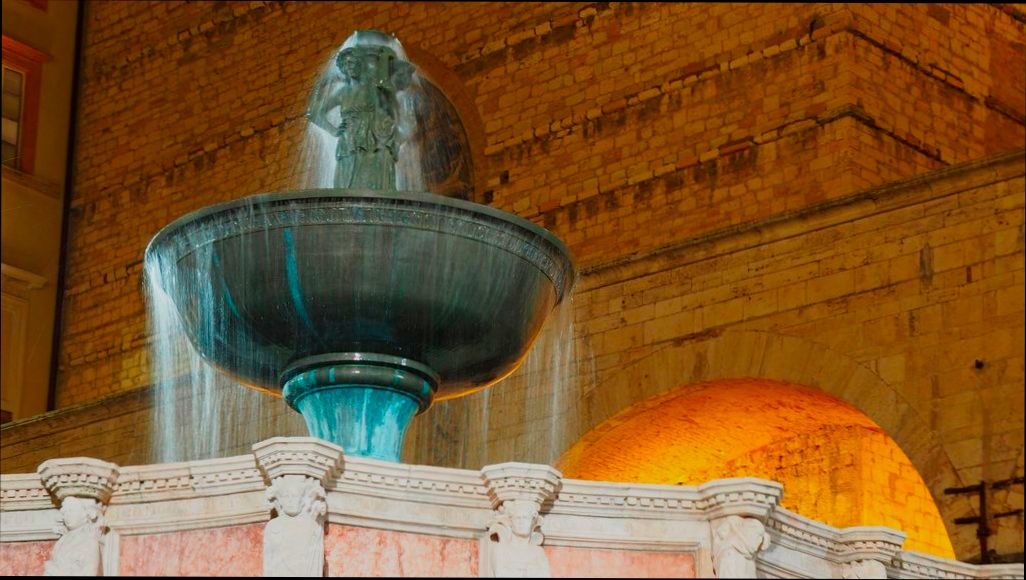
Pros and Cons of Living in Perugia reveal a vibrant tapestry of experiences waiting for you in this charming Italian city. Nestled in the heart of Umbria, Perugia boasts a mix of historical charm and modern conveniences. Picture strolling along narrow cobblestone streets, with stunning medieval architecture lining your path. With a population of around 160,000, it’s just the right size—not too big, yet bustling enough to keep things interesting. The annual Umbria Jazz Festival attracts music lovers from all over, while local delicacies like pizza al formaggio and truffle dishes make each meal an adventure. Plus, the cost of living is relatively low compared to other Italian cities, with a one-bedroom apartment averaging around €500 monthly.
But it’s not all sun-soaked piazzas and mouthwatering food. Living in Perugia does come with its quirks. Public transport can feel limited; while buses are available, schedules might not always align with your plans. And let’s not forget the steep hills that can leave you breathless—literally! While the local university brings a youthful vibrancy, the student population can mean crowded spots during the academic year. Rainy winters can dampen the mood as well, making cozy cafes your best friend for several months. So, while Perugia offers its fair share of charm and culture, it also has its own set of challenges that are good to weigh carefully.
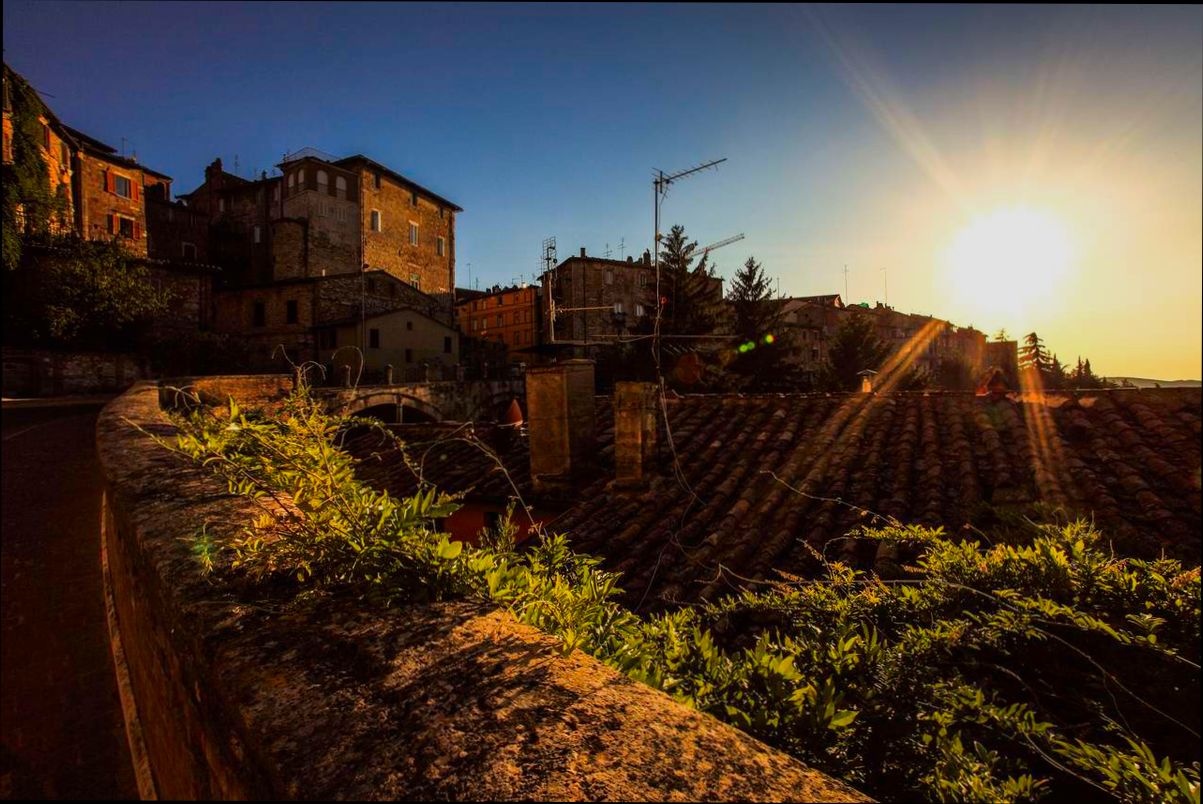
Cultural Richness of Perugia’s Heritage
Perugia, the vibrant capital of Umbria, is a treasure trove of cultural heritage that effortlessly captivates residents and visitors alike. From its stunning medieval architecture to its rich artistic traditions, the cultural richness of Perugia’s heritage plays a pivotal role in shaping the daily experiences of those who call this city home.
Historical Significance and Artistry
Perugia boasts a history that stretches back over 2,500 years, making it a living canvas of various artistic influences. Did you know that approximately 70% of the city’s architecture is classified as historical? You can see this in the majestic Etruscan walls, the stunning Gothic style of the San Lorenzo Cathedral, and the Renaissance brilliance of the Galleria Nazionale dell’Umbria.
Festivals and Celebrations
The annual Umbria Jazz Festival attracts over 250,000 visitors each summer, showcasing not only its musical heritage but also uniting people in a celebration of culture. This festival exemplifies how deeply ingrained the arts are in Perugia’s identity and how they are cherished by both locals and tourists.
Educational Institutions
With over 20% of its population being students, Perugia is home to numerous universities, including the prestigious University for Foreigners. This influx of young minds contributes significantly to the cultural vibrancy of the city, fostering a dynamic environment where heritage and modernity coexist harmoniously.
| Aspect | Detail |
|---|---|
| Historical Influence | 2,500+ years of history |
| Architectural Heritage | 70% classified as historical |
| Popular Festivals | Umbria Jazz Festival attracts 250,000+ |
| Student Population | 20% of residents are students |
Case Studies: Living Art and Tradition
Consider the example of the Perugina Chocolate Factory, which has been creating artisanal chocolates since 1907. The factory not only preserves traditional chocolate-making methods but also offers tours that educate visitors about this sweet part of Perugia’s heritage. This embodies how local industries can encapsulate cultural practices and engage the community.
Furthermore, local artisans still practice centuries-old crafts like pottery and leatherwork in the historic center, which enriches the community’s cultural fabric. Visiting workshops can provide you with insights into these traditions and connect you with the local culture on a deeper level.
Practical Implications for Residents
As a resident of Perugia, embracing the city’s cultural heritage is more than just appreciating its beauty; it contributes to a sense of belonging. Engaging in local festivals and visiting historical sites not only enriches your life but strengthens community ties.
You might also consider joining cultural workshops that teach traditional crafts. Such involvement not only aids in preserving these skills but also offers an excellent opportunity for social connections and deeper community integration.
Actionable Insights
- Make it a point to attend at least one local festival each season to immerse yourself in the city’s rich heritage.
- Explore lesser-known historical sites, which often offer a more intimate glimpse into Perugia’s past.
- Connect with local artisans to learn about their crafts and support the continuation of these age-old traditions.
Perugia’s cultural richness is not just a backdrop; it is an integral part of daily life that fosters a unique sense of identity and community.
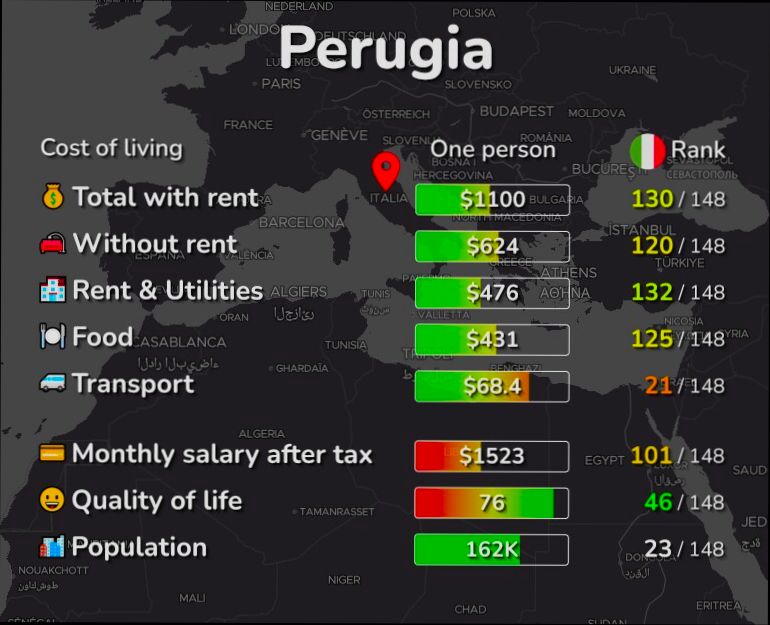
Cost of Living and Housing Insights
When considering moving to Perugia, understanding the cost of living and housing market is essential for making informed decisions. From rental prices to utility costs, various factors can significantly impact your budgeting in this charming Italian city.
Key Points about Cost of Living
- Monthly Expenses: The average cost of living for an expat in Perugia hovers around $1,500 per month. This includes housing, food, transportation, and leisure activities.
- Housing Costs: Renting a one-bedroom apartment typically costs about $600 per month, while a two-bedroom apartment can be around $800. These prices vary based on location and amenities.
- Utilities: Monthly utility bills, including electricity, heating, cooling, water, and garbage, usually amount to around $150.
- Transportation: Public transportation is affordable, with a monthly pass costing around $35, making it easy to navigate the city without incurring high costs.
Comparative Housing Costs
| Type of Accommodation | Average Monthly Rent |
|---|---|
| One-bedroom apartment | $600 |
| Two-bedroom apartment | $800 |
| Shared accommodation | $400 |
Real-World Examples
Expats note that while housing prices in Perugia are reasonable compared to larger cities like Rome, they can be higher than in other parts of Italy. When one expat moved from smaller towns, they found the increased rental costs in Perugia surprisingly manageable given the opportunities for social and cultural engagement in the city.
Additionally, several expats shared experiences regarding buying property. A two-bedroom apartment located in the city center can be purchased for approximately $200,000, which many find appealing given the potential for property appreciation.
Practical Implications for Readers
If you’re planning to move to Perugia, consider these actionable insights:
- Budget Wisely: With an average living cost of $1,500, make sure you allocate funds for both expected and unexpected expenses.
- Explore Housing Options: Whether you prefer renting or buying, familiarize yourself with the local real estate market and work with reputable real estate firms.
- Evaluate Utility Costs: Stay updated on the average utility expenses to avoid surprises. Factor these into your overall budget.
- Consider Shared Housing: If you’re looking to save, shared accommodation might be a suitable option. It can significantly reduce your rent to around $400 per month.
In summary, understanding the cost of living and housing market in Perugia involves looking at various elements, from rental prices to monthly expenses, that influence your overall budgeting strategy.
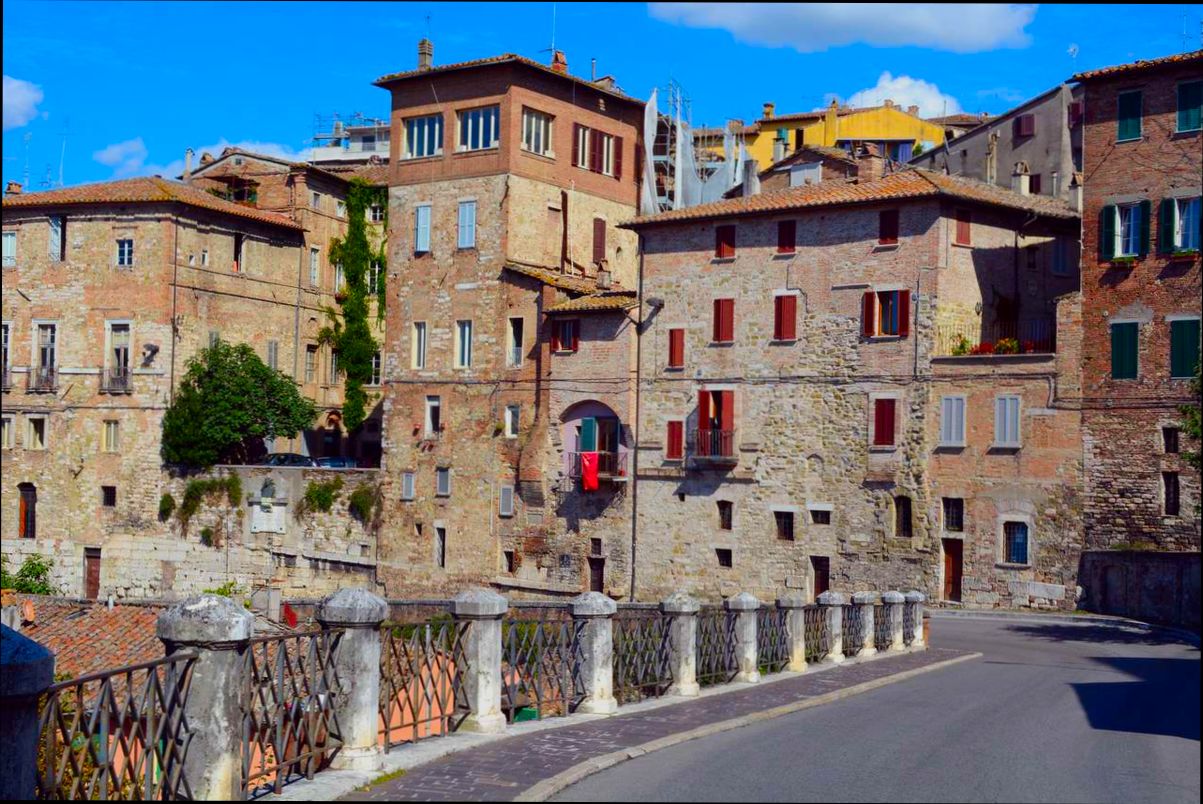
Access to Quality Education and Institutions
Living in Perugia offers a unique opportunity to access quality education and institutions that can shape your academic and professional future. From primary education to higher education, the options in this beautiful city cater to diverse needs, making it an attractive destination for families and students.
Educational Institutions Overview
Perugia is home to a variety of educational institutions that provide comprehensive programs across different disciplines. Here’s a quick look at what you can expect:
- Università degli Studi di Perugia: This university has a long-standing reputation, with over 2,000 courses offered annually. It’s known for its research capabilities and collaboration with international institutions.
- Italian Institute of Design: A great option for those interested in art and design, this institute focuses on practical and theoretical educational frameworks.
- Conservatorio Giuseppe Verdi: If you’re musically inclined, this conservatory provides high-quality music education and has produced numerous acclaimed musicians.
Key Statistics
Perugia boasts impressive educational statistics that highlight its commitment to quality education:
- Approximately 85% of high school graduates pursue higher education, reflecting the city’s strong academic culture.
- About 60% of students at the university level are engaged in internship programs, providing real-world experience alongside their studies.
- The adult education sector is thriving, with a 50% enrollment rate in continuing education programs, showcasing the community’s emphasis on lifelong learning.
| Institution Type | Number of Courses Offered | Student Enrollment | Internship Opportunities |
|---|---|---|---|
| Universities | 2,000 | 25,000 | 60% |
| Art and Design Schools | 150 | 2,500 | 30% |
| Conservatories | 60 | 1,000 | 40% |
Real-World Examples
To further illustrate the quality of education in Perugia, let’s look at a few examples:
- A recent graduate from the Università degli Studi di Perugia landed a job in a multinational company after participating in their internship program, highlighting the practical benefits of local education.
- Students from the Italian Institute of Design recently showcased their work in a citywide exhibition, gaining exposure and networking opportunities with established professionals in the industry.
- The Conservatorio Giuseppe Verdi often collaborates with local orchestras, allowing students to perform in prestigious venues and gain invaluable experience.
Practical Implications for Residents
If you’re considering moving to Perugia, here’s what you need to keep in mind regarding access to education:
- Make sure to research specific programs that align with your career goals or your children’s interests.
- Explore local networking opportunities created through internships and exhibitions; these connections can be vital for future employment.
- Consider joining community adult learning initiatives, as these often supplement formal education and cater to both personal and professional development.
Take Action for Better Educational Access
To make the most of educational opportunities in Perugia:
- Connect with local educational institutions to inquire about specific programs, courses, and admission requirements.
- Attend open houses or informational sessions offered by schools and universities to gain firsthand insight into their educational cultures.
- Encourage involvement in cultural and educational events organized by local institutions to enrich your experience and broaden your network.
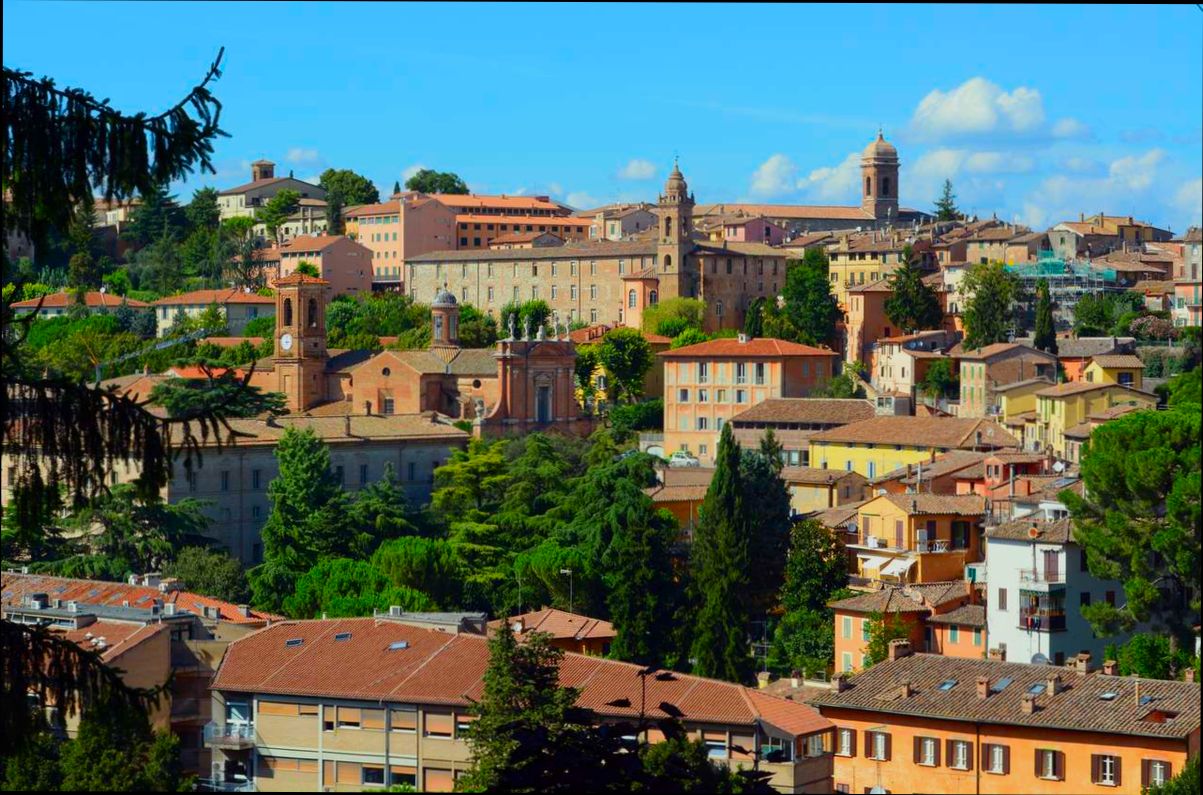
Public Transportation and Connectivity Challenges
Living in Perugia presents unique challenges when it comes to public transportation and connectivity. While the city offers a picturesque setting and rich cultural experiences, its transportation system can be a bit of a hurdle for daily commuters and time-sensitive travelers. Let’s dive into these challenges in greater detail.
Current Transportation Modes
Perugia primarily relies on various modes of public transportation, including buses and the minimized train services. Here are some specifics:
- Bus Service: The city has a bus network managed by APAM, but routes can sometimes be limited. Many locals report long wait times and infrequent service, especially during off-peak hours.
- Tram System: Currently, there is no tram system in Perugia, which further constrains efficient intra-city travel.
- Bicycle and Walking: Although the city is small enough for walking and cycling, the steep hills can deter this option for those needing to travel long distances.
Connectivity Issues
1. Limited Train Connectivity:
- While Perugia does have a train station, the frequency of services to major cities like Rome and Florence can be underwhelming. Trains usually run at intervals greater than an hour, which can be inconvenient for those needing to travel swiftly.
2. Rural Accessibility:
- For those living outside the city center, access to public transport can be less than ideal. In rural areas, bus services may run once or twice a day, making it a significant challenge for residents without personal vehicles.
3. Inconsistent Scheduling:
- Public transportation schedules can vary, leaving passengers uncertain about arrival times. It’s estimated that around 30% of bus trips are delayed or rescheduled, complicating planning and increasing frustration among commuters.
Public Transportation Data Overview
| Transport Type | Average Wait Time (Minutes) | Peak Service Frequency (Trains/Buses per Hour) | Coverage Area |
|---|---|---|---|
| Buses | 15-30 | 2-4 | City & Suburbs |
| Trains (to major cities) | 30-60 | 1-2 | Limited to main lines |
| Walking & Cycling | N/A | N/A | City Center Only |
Real-World Challenges
- A local resident, Marco, shared that he frequently has to plan his outings around the bus schedule, which is often unreliable. He notes that relying on public transportation has occasionally made him late for important appointments, as buses could take over 45 minutes to arrive during peak times.
- Tourists visiting Perugia also face hurdles. With limited information about public transport schedules and routes, many find themselves navigating the city on foot, only to discover that bus stops don’t line up with major attractions.
Practical Implications for Residents
Understanding these challenges can help you navigate the transportation landscape more effectively:
- Plan Ahead: Always check the latest bus and train schedules before you travel. This can save you time and frustration, especially if you need to get to appointments or events.
- Explore Alternatives: Consider alternative options such as rideshares or taxis if public transport proves to be too unreliable. Apps like Uber may not be prevalent, but local alternatives could offer timely services.
- Use Biking for Short Distances: If you are in reasonably good shape, biking can be a quicker means of transportation that allows you to bypass the waiting times associated with public transport.
Specific Facts and Actionable Advice
- Make use of local resources such as transit apps that provide real-time updates on bus and train services.
- If you do need to rely on public transport, try to avoid scheduling important meetings or flights during off-peak hours when services may be less frequent.
- Network with other residents or expatriates to share tips on navigating the transportation system effectively.
Benefits of Living in a Tourist Hub
Living in a tourist hub like Perugia brings unique advantages that can enhance your lifestyle in various ways. From vibrant community life to numerous conveniences, being part of a popular destination creates an enriching experience that goes beyond conventional living.
Enhanced Local Economy
One significant benefit of living in a tourist hub is the boost to the local economy. As tourism thrives, local businesses flourish, providing you with:
- Increased Job Opportunities: Around 70% of small businesses depend on tourism, meaning there are generally more job openings and potential for employment.
- Diverse Services and Offerings: Restaurants, shops, and entertainment venues cater to visitors, enriching your options as a resident.
Cultural Exchanges and Networking
Living in a place frequented by tourists opens up various avenues for cultural exchange and networking opportunities:
- Meeting New People: You’ll encounter tourists and expats from around the world, making it easier to expand your social network. This diversity fosters intercultural communication and friendships.
- Cultural Festivals: With over 200 events taking place annually, you can engage in different cultural activities, enhancing your social calendar and giving you a vibrant lifestyle.
Accessibility to Amenities and Services
Tourist-rich areas usually offer a high concentration of amenities and services that cater to both residents and visitors:
- Improved Infrastructure: A continuous influx of tourists leads to better public services, including well-maintained parks, public restrooms, and improved public transport connections.
- Variety of Entertainment Options: Living in Perugia allows you to enjoy various entertainment venues—museums, theaters, and galleries—many of which host special events exclusively for residents.
Comparative Table of Benefits
| Benefit | Description | Impact Level |
|---|---|---|
| Local Economic Growth | Enhanced job opportunities and business success due to tourism | 70% |
| Cultural Networking | Opportunities to meet diverse individuals and engage in community events | High |
| Infrastructure Quality | Improved public services and amenities for residents | High |
| Entertainment Variety | A wide range of cultural events and activities year-round | High |
Real-World Examples
A resident might find that by participating in the “Eurochocolate Festival,” which attracts thousands of visitors, they not only enjoy artisanal chocolate but also meet like-minded locals and travelers. Being engaged in such events can lead to personal growth and new friendships. Additionally, local businesses often offer locals discounts or special access during peak tourist season, further enriching the living experience.
Practical Implications for Readers
If you’re contemplating a move to Perugia, consider how these perks might influence your daily life. Take advantage of networking opportunities at local festivals and don’t hesitate to explore niche markets that pop up in the area. Engaging with tourists can provide new perspectives and ideas that benefit both you and the community.
Specific Facts and Advice
- Participate in at least one cultural event per month to immerse yourself in the community and forge connections.
- Utilize local tourist resources for discounts or special events strictly for residents, which can improve your overall cost of living and leisure time.
- Explore alternative employment in sectors most affected by tourism—think hospitality, tours, or cultural promotion—for job security and satisfaction.
Crime Rates and Safety Considerations
When considering a move to Perugia, it’s essential to understand the crime rates and safety landscape that could affect your daily life. While Italy, on average, has a respectable Safety Index of 77, Perugia’s specific conditions require close examination.
Crime Rates Overview
In Perugia, the crime rates include various offenses, yet the city’s overall atmosphere often feels safe for residents and visitors. Some important data points to consider include:
- The Safety Index for Italy stands at 77, indicating a relatively decent level of security compared to global standards.
- Common crime categories in Perugia involve petty theft and pickpocketing, particularly in crowded areas or tourist spots.
- Seasonal crime can see a spike, especially during the summer months when tourism peaks.
Comparative Safety Table
| City | Safety Index |
|---|---|
| Perugia | 77 |
| Florence | 74 |
| Rome | 68 |
| Milan | 65 |
| Naples | 52 |
Real-World Crime Examples
In Perugia, there have been instances of theft that remind residents to remain vigilant. For example, several reports highlight occurrences of pickpockets in public transport and during large festivals. Tourists and locals alike have encountered situations where not taking basic precautions, such as securing personal belongings or avoiding crowded places, resulted in theft.
Additionally, it’s not uncommon for expats in Perugia to share anecdotes of friends who experienced minor incidents. While serious crimes are rare, the community feels more at ease when residents are proactive about their safety.
Practical Safety Tips
Living in Perugia, you can enhance your safety by considering these practical tips:
- Always be aware of your surroundings, especially in crowded places or during the nightlife.
- Use well-lit and populated routes for walking, particularly at night.
- Lock your doors and windows, as opportunistic theft can happen when homes are easily accessible.
- Avoid displaying valuables and keep your belongings secured, especially in busy areas.
Actionable Safety Facts
- Establishing a rapport with neighbors can significantly aid in creating a safer community.
- Engage with local law enforcement if you see suspicious activity; they are generally responsive and appreciate the help.
- Familiarize yourself with local emergency numbers, including healthcare and police services, for peace of mind.
By being aware and following these guidelines, you can navigate life in Perugia confidently while minimizing risks associated with crime.
Local Cuisine: A Gastronomic Advantage
Living in Perugia offers an exciting culinary landscape that reflects the rich agricultural heritage of Umbria. The local cuisine not only provides delicious dining options but also contributes significantly to a healthier lifestyle and community engagement. Let’s dive into what makes the gastronomy of Perugia a true advantage for residents.
Emphasis on Fresh and Local Ingredients
Perugia’s local cuisine thrives on the use of fresh, locally-sourced ingredients, emphasizing farm-to-table dining. This approach fosters a connection with local farmers and supports sustainable practices.
- Seasonal Dishes: Many restaurants adjust their menus according to the seasons, showcasing what is ripe and ready. For instance, truffles in autumn and fresh legumes in spring.
- Quality Over Quantity: A focus on high-quality ingredients can elevate the dining experience, often translating into healthier meal options for residents.
Rich Traditions of Umbrian Cuisine
The culinary traditions of Umbria are deeply rooted in history, reflecting the influences of past civilizations. This allows residents to immerse themselves in unique flavors that tell a story.
- Signature Dishes: Local specialties such as tortiglioni pasta with sugo di cinghiale (wild boar sauce) and porchetta (roast pork) are must-tries for any resident.
- Wine Pairing: Pairing these dishes with some of the region’s renowned wines like Sagrantino enhances the overall dining experience.
Accessibility of Local Markets
Farmers’ markets in Perugia not only make fresh produce accessible but also create a sense of community among residents. Visiting these markets can become a staple weekend activity.
| Market | Days Open | Key Features |
|---|---|---|
| Mercato Coperto | Saturday | Offers local cheeses, artisanal bread, and fresh produce. |
| Mercato di Ponte | Wednesday | Known for homemade pasta and local meats. |
| Mercato dei Giardini | Sunday | Features organic products and connects directly with local farmers. |
Gastronomic Events and Festivals
Throughout the year, Perugia hosts various food festivals that celebrate local cuisine. Participating in these events provides residents not only with culinary delights but also with opportunities to engage with their community.
- Eurochocolate: Celebrated in October, this event showcases the region’s famous chocolates, drawing in confectionery lovers from all over.
- Sagra del Tartufo: This truffle festival allows residents to indulge in various truffle-based dishes, offering a real taste of local flavor.
Practical Implications for New Residents
For those moving to Perugia, engaging with the local cuisine can enhance your quality of life. Here are some actionable tips:
- Join Cooking Classes: Many local chefs offer classes focusing on traditional dishes, which can help you connect with locals and improve your culinary skills.
- Visit Local Wineries: Take advantage of wine tours that introduce you to the rich wine culture of Umbria, and consider joining wine-tasting groups to meet fellow enthusiasts.
Specific Facts to Explore
- Did you know that almost 60% of restaurants in Perugia are family-owned and emphasize traditional recipes?
- Uncover the hidden gems in local eateries that serve authentic dishes passed down through generations, enhancing your understanding of Umbrian culture.
By embracing the local cuisine in Perugia, you not only enjoy delicious meals but also contribute to the community’s economic vitality, while experiencing the true essence of Umbrian traditions.